REVIEW · VOLTERRA
Volterra: Fresh Pasta Cooking Class at a Tuscan Farmhouse
Book on GetYourGuide →Operated by Agriturismo Biologico Diacceroni · Bookable on GetYourGuide
Fresh pasta class in the Tuscan hills keeps your hands busy. This experience takes you to a working farmhouse where you’ll learn traditional techniques, cook with farm ingredients, and finish with the meal you made alongside Diacceroni wine. I especially like how the class stays practical and recipe-focused, and how the instructors (like Lucia and Ilanea) keep things friendly and moving at a good pace. One thing to consider: there’s no hotel pickup, so you’ll need your own plan to reach the Agriturismo reception in Peccioli.
You start at a set station with an apron and everything laid out, then work through a structured 2-hour flow. You’ll make a filled pasta plus two egg-pasta shapes, then watch your dough get cooked and served with traditional sauces. The setting is described as a typical Tuscan family lunch vibe, and the cooking is paired with stories and small curiosities that make the food feel personal.
If you’re picky about timing or logistics, the best approach is to treat this as your main meal. You don’t just taste pasta here—you build it, then sit down to eat it.
In This Review
- Key things to know before you go
- A Working Agriturismo Just Outside Volterra
- Meeting at Peccioli: Where to Start Your Cooking Day
- Your Station Setup: Apron, Ingredients, and Chef Stories
- Making Three Pasta Shapes in Two Hours
- The Moment You Get to Sit Down: Sauces, Wine, and Your Own Pasta
- Instructors Who Make Technique Feel Easy (and Slightly Funny)
- Price and Value: What $118.95 Really Buys You
- Who This Class Is Best For
- Practical Tips to Get the Best Results
- Should You Book This Volterra Fresh Pasta Class?
- FAQ
- How long is the fresh pasta cooking class?
- What kinds of pasta will I learn to make?
- Is lunch or dinner included?
- Is wine included?
- Do they provide hotel pickup and drop-off?
- What languages are used during the class?
- Will the class run if it rains?
Key things to know before you go
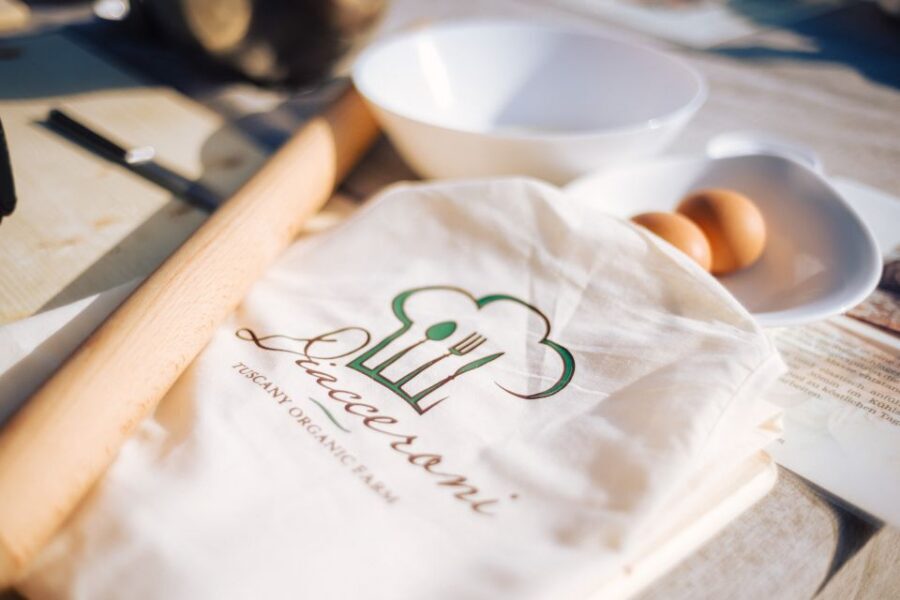
- Working farmhouse setting: You cook at an agriturismo in the rolling countryside near Volterra, not in a studio kitchen.
- Three pasta shapes in one class: A filled pasta plus two types of egg pasta means you leave with more than one technique.
- You eat what you make: Your pasta gets cooked and served with traditional sauces, typically lunch or dinner.
- Diacceroni wine is included: Wine shows up with the meal, and extra drinks are separate.
- Instructors keep it fun and on track: Lucia and Ilanea are repeatedly praised for patience, humor, and clear guidance.
- Small-group energy can happen: Some sessions may feel very personal, even small enough to be chef-and-you focused.
A Working Agriturismo Just Outside Volterra
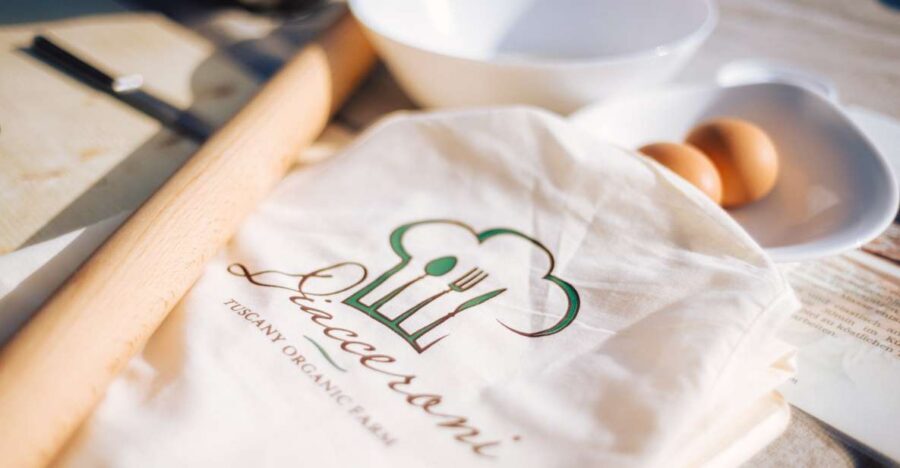
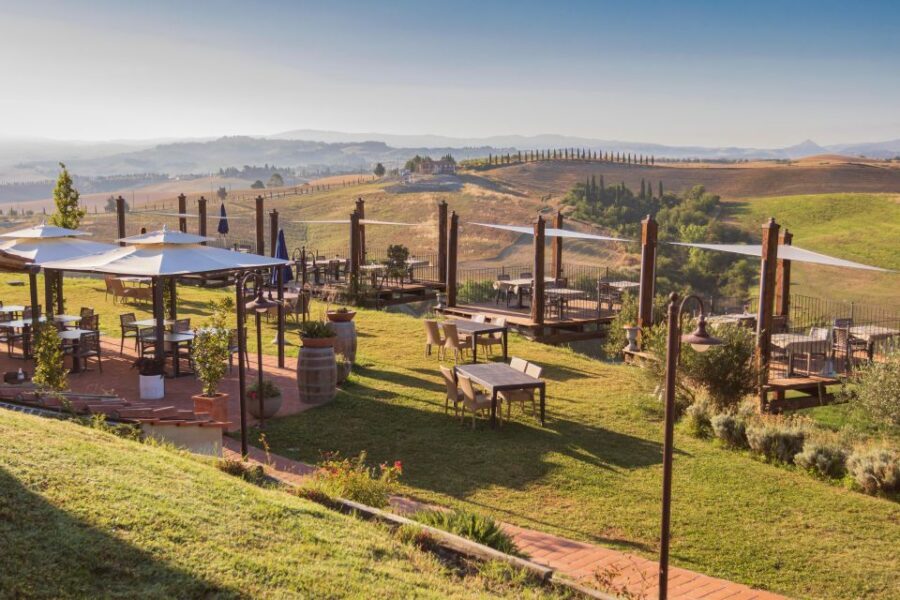
This is the kind of cooking class that feels like part of daily life. You’re not transported to a theme kitchen. Instead, you’re welcomed at a working Agriturismo Biologico Diacceroni farmhouse in the Volterra hills area, where the whole point is farm-to-table comfort.
The atmosphere matters more than you might think. When you cook on a real working property, the food lesson lands differently. It’s less about memorizing steps and more about understanding why Tuscan home cooking is the way it is. You’ll spend the class at your station, with everything you need waiting for you when you arrive.
The practical upside: you’re not chasing a scattered “tour” itinerary. The experience is centered around one location, one kitchen workflow, and one meal outcome. The only trick is to plan your arrival thoughtfully since pickup isn’t included.
You can also read our reviews of more tours and experiences in Volterra.
Meeting at Peccioli: Where to Start Your Cooking Day
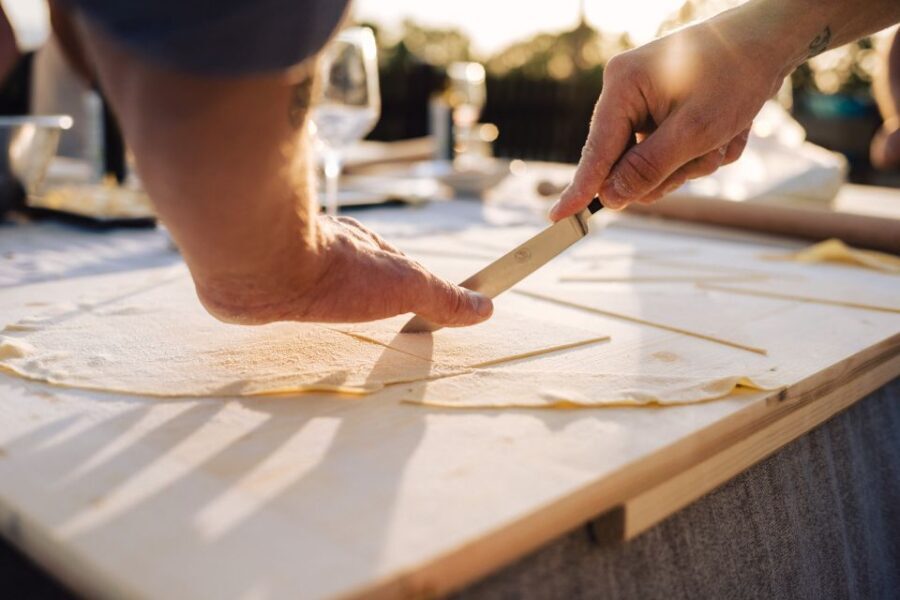
The meetup point is the reception of the Agriturismo, located in Peccioli at Via della Bonifica, 156. The class ends back at the meeting point, so you’ll be returning to the same place afterward.
Since there’s no hotel pickup or drop-off, you’ll want to have transportation lined up before booking. If you’re basing yourself in or near Volterra, this can still work well as a day plan, but you need to factor in the drive time. Also remember the class runs rain or shine, so don’t count on weather to create a free “plan change” moment.
One small logistical tip that will make your life easier: plan for this to be your focused activity. Because the meal is included and served after the cooking, you’ll likely want to arrive hungry and ready to enjoy the full sequence.
Your Station Setup: Apron, Ingredients, and Chef Stories
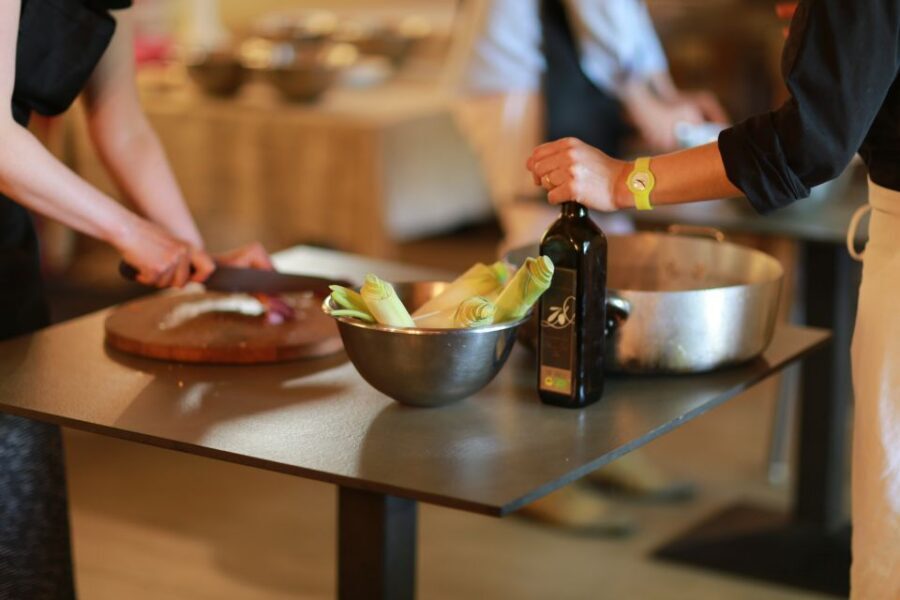
When you arrive, you’re guided to your assigned cooking station. You’ll get an apron and the ingredients for what you’ll be making. That setup is a big part of why these classes feel smooth: you don’t lose time figuring out tools, translating labels, or tracking down what goes where.
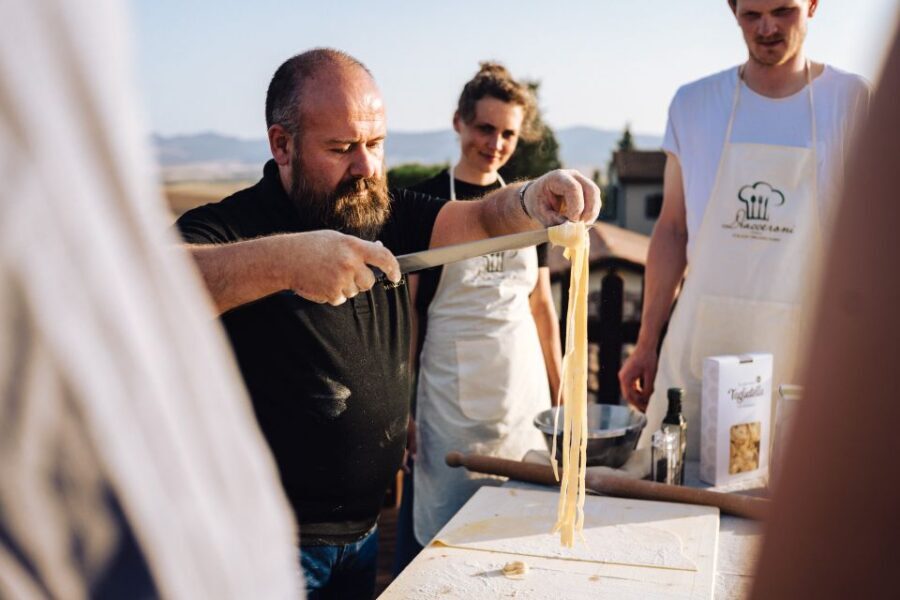
From there, the class moves in a friendly, festive rhythm. You’re encouraged to participate in the preparation rather than just watching. You’ll also get time for interaction with the chefs and instructor, including anecdotes and curiosities related to traditional Tuscan cuisine.
This is where the “hospitality” piece becomes real. The best classes don’t just teach technique—they make you feel like you belong at the table. Multiple instructors are described as personable and patient, with a sense of humor that helps you relax, even if you’re new to pasta making.
Making Three Pasta Shapes in Two Hours
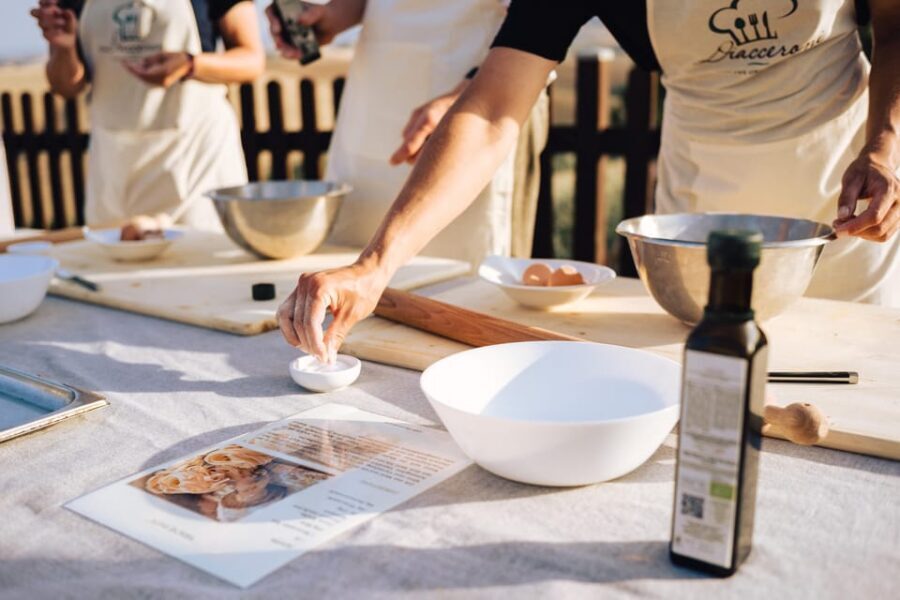
The core lesson is hands-on and structured: you’ll learn preparation for three pasta shapes. That usually means a filled pasta and two different egg pasta types. The exact fillings or shape details can vary by class, but the teaching goal is consistent: you learn how dough behaves, how to shape it, and how to work efficiently without rushing the quality.
Here’s what you’ll be doing in plain terms:
- First, you work the dough and shaping steps for the filled pasta.
- Then you move to two additional egg-based shapes.
- Throughout, you follow the instructor’s guidance so your dough texture and thickness stay consistent enough to cook well.
Why this matters for you: many cooking classes focus on one pasta format. Making three formats in one go gives you options. If you love the way one shape eats with sauce, you’ll be able to repeat it later. And even if you don’t remember every step perfectly, you’ll have the muscle memory of rolling, shaping, and handling egg dough.
Also, egg pasta is different from filled formats. Egg dough tends to be more forgiving in some ways but can also punish you if you rush or over-flour. In a good class, you learn that balance fast—usually right when it matters.
The Moment You Get to Sit Down: Sauces, Wine, and Your Own Pasta
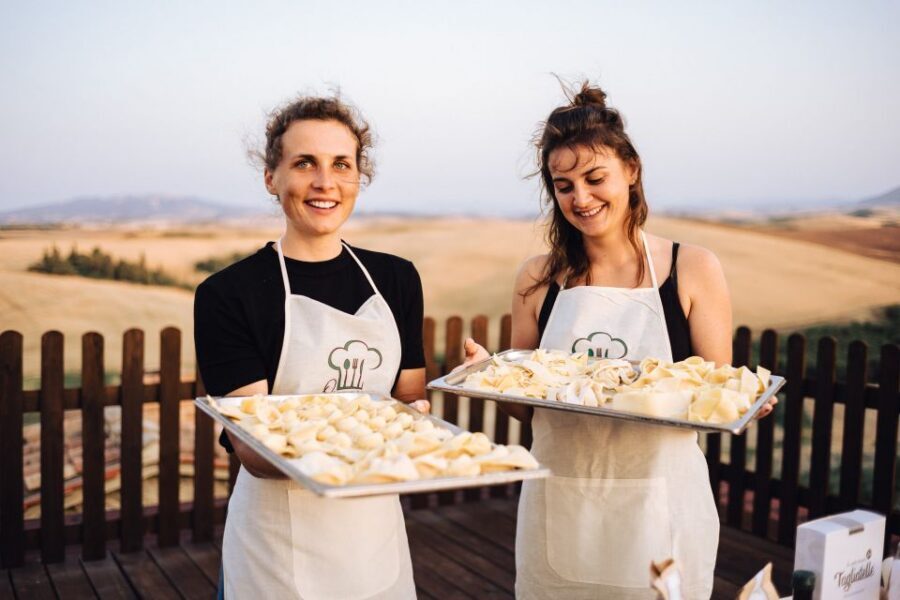
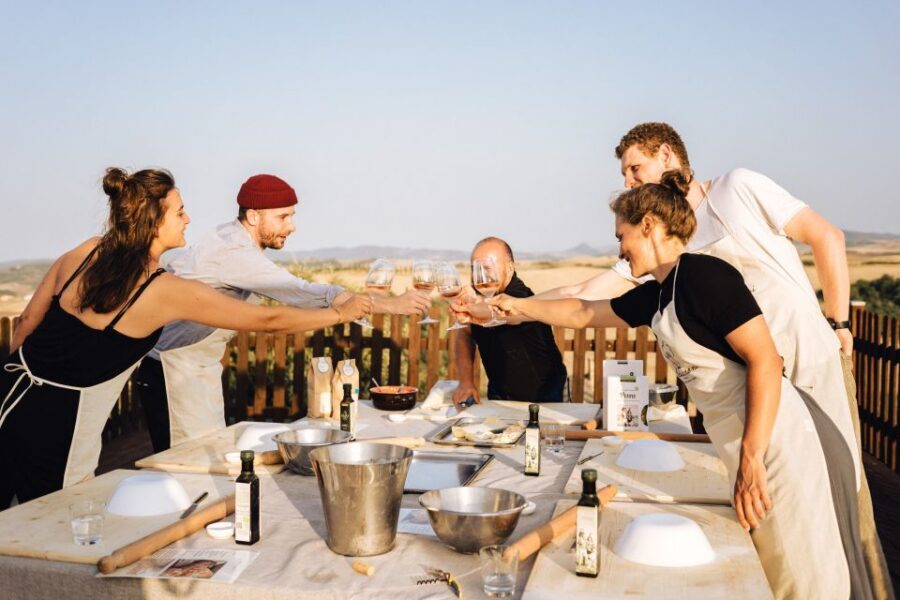
After the pasta is prepared, it’s cooked and served. You’ll eat what you made, enhanced with traditional sauces. The class is planned around a full meal experience, described as similar to a cheerful Tuscan family lunch setting, which is exactly the right mood for a pasta lesson.
Wine is part of the deal. The meal includes excellent Diacceroni wine. Extra drinks aren’t included, but the included wine helps you settle in and enjoy the food while it’s at its best.
A practical note: since this is designed as a lunch or dinner-style meal, you may want to avoid stacking it right after another heavy food stop. You’ll probably taste at least a couple sauce combinations, and you’ll be eating enough pasta to justify showing up with a real appetite.
There’s also a genuinely considerate detail that pops up in instructor praise: if you can’t finish, you may be able to take leftovers away. That’s not something to count on in a blanket way, but it’s a helpful “ask” if you end up with more than you expected.
Instructors Who Make Technique Feel Easy (and Slightly Funny)
The instructors are one of the strongest parts of this experience. Lucia is specifically praised for keeping everyone on track so the pasta comes out delicious, plus for staying upbeat and funny. Ilanea is also mentioned for being personable and patient, with a clear ability to teach without making you feel rushed.
What I like about that kind of instruction style is that it reduces stress. Pasta-making can feel intimidating if you’re worried about messing up. A patient chef helps you recover quickly and keep moving, so you don’t turn the class into a self-critique session.
Some sessions can also feel unusually personal. One example is a class that worked for just two participants, where the chef and guide could focus more tightly on your pace and questions. If you value attention and a lighter crowd dynamic, it’s worth looking for a time slot that works for smaller schedules.
In short: the cooking here isn’t just about recipe steps. It’s about confidence.
Price and Value: What $118.95 Really Buys You
At $118.95 per person, this isn’t a “cheap snack workshop.” But when you break down what’s included, the value starts to make more sense.
You’re paying for:
- Instruction and hands-on coaching
- Utensils and ingredients
- The full pasta lesson across multiple shapes
- Cooking and serving of your meal with traditional sauces
- Included Diacceroni wine
Compare that to doing pasta at home with a stack of ingredients, a special flour/dough setup, and the time to learn dough behavior from trial and error. Here, you get guidance and a finished-food payoff inside a two-hour window.
The main “value check” for your decision:
- If you want a meal experience where you actually cook and then eat, this price is easier to justify.
- If you’re only looking for a light tasting, you might feel it’s more than you need, especially since extra menù items and extra drinks cost extra.
Also, because pickup isn’t included, factor in your local transport cost and time. For many people, that’s still a small add-on. For others, it can push the total cost meaningfully higher.
Who This Class Is Best For
This is a great fit if you want a practical Tuscany experience—something you can take home as a skill, not just a photo.
It suits:
- Couples and small groups who want an activity that feels social but not crowded
- Food-first travelers who learn best by doing
- Anyone who likes traditional cooking and wants context, not just instructions
- People who enjoy sitting down with what they cooked (rather than leaving hungry)
It might be less ideal if:
- You’re very strict about dietary needs and don’t want to discuss them in advance. (They ask you to inform them of allergies or intolerances when you reserve.)
- You prefer a purely observational experience. This is participation-heavy.
Practical Tips to Get the Best Results
A few things will help you enjoy the class without friction:
- Wear something you’re comfortable getting flour-dusty. You’ll be rolling and shaping.
- Go in ready to work. The fun part is the hands-on pasta steps.
- If you’re unsure about wine pairing or what’s served, remember the meal includes Diacceroni wine and traditional sauces, so pace yourself.
- If you have allergies or intolerances, include them during your reservation so they can plan accordingly.
Should You Book This Volterra Fresh Pasta Class?
Yes, if your ideal Tuscany moment includes real cooking, a real farmhouse setting, and a meal that ends with you eating your own work. The combination of hands-on pasta shaping, traditional sauces, and included Diacceroni wine makes it feel like a full experience rather than a quick demo.
I’d also book it if you want instruction that feels warm and controlled. Lucia and Ilanea are repeatedly praised for keeping people on track, being patient, and adding humor that keeps the mood light. And if you land in a smaller group session, you’ll likely get more direct attention while you learn.
If you’re only looking for a cheap, casual activity, the price may feel steep. But if you want a memorable hands-on meal tied to Tuscan food culture, this is the kind of class that gives you something usable after you leave.
FAQ
How long is the fresh pasta cooking class?
The class lasts 2 hours. Starting times vary by availability.
What kinds of pasta will I learn to make?
You’ll prepare three traditional pasta shapes: a filled pasta and two types of egg pasta.
Is lunch or dinner included?
Yes. After cooking, the pasta you make is cooked and served, enhanced by traditional sauces, as a meal experience (lunch or dinner).
Is wine included?
Wine is included with the meal, specifically Diacceroni wine. Extra drinks are not included.
Do they provide hotel pickup and drop-off?
No, hotel pickup and drop-off aren’t included. You meet at the Agriturismo reception in Peccioli.
What languages are used during the class?
The instructor speaks Italian and English.
Will the class run if it rains?
The class takes place rain or shine.