Three sips, underground cool air.
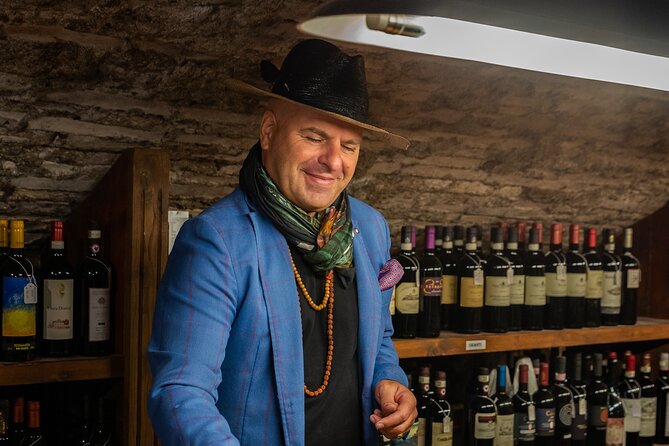
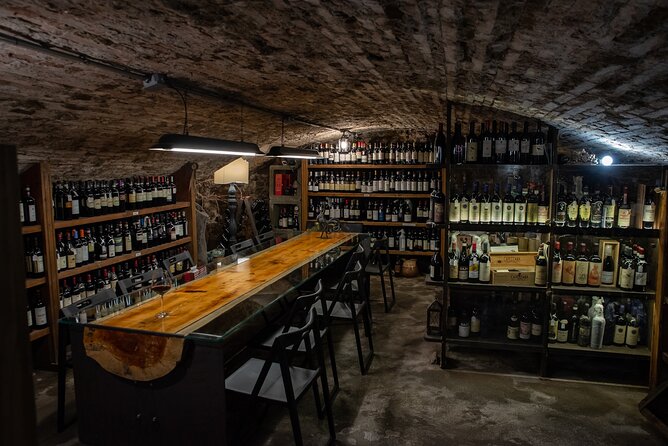
This wine tasting in Lucca takes you into the oldest underground cellar in the city, where an English-speaking sommelier guides a short, thoughtful tasting of three Tuscan wines. You don’t just sample wine—you get a real sense of how Tuscany makes different styles, with the pace kept friendly and focused.
I really like two things here. First, the setting: the cellar is described as cozy and mysterious, and it feels like you’ve stepped into Lucca’s quieter past. Second, the teaching: the sommelier (Laxmi) walks you through the wines’ background and the basics of how they’re made, plus you get Lucca focaccia and water to balance everything out.
One consideration: it’s an about 1-hour experience with a quick tasting format. If you’re hoping for a long, slow tasting session or a big deep-course lecture, this one is more of a fast, high-quality stop than a half-day wine immersion.
In This Review
- Key highlights to look for
- Where Lucca’s Underground Cellar Changes the Wine
- Meeting at Enoteca Vanni: Getting Started in the Right Place
- What You’ll Taste: Three Tuscan Wines in One Hour
- Laxmi’s Role: How the Sommelier Shapes Your Experience
- Lucca Focaccia and Water: The Pairing That Makes It Work
- Timing and Pace: Why the One-Hour Format Is a Plus
- Group Size, Comfort, and Who This Fits Best
- Price and Value: Is $48.06 Worth It?
- Getting the Most Out of Your Tasting
- Weather and Rescheduling Reality (Quick Heads-Up)
- Should You Book This Lucca Wine Tasting?
- FAQ
- How long is the wine tasting in Lucca?
- What’s included in the tasting?
- Will it be English?
- How many people are in a group?
- Where do I meet for the tasting?
- Does the activity end at the meeting point?
- What happens if the weather is bad or I need to cancel?
Key highlights to look for
- Oldest underground cellar in Lucca for an instantly memorable tasting setting
- Sommelier-led guidance, with clear talk about Tuscany and wine-making process
- Three Tuscan wines in one hour, including one white and two reds
- Lucca focaccia + water to keep the tasting balanced and easy to enjoy
- Small group size (max 8) so questions actually get answered
- English tour with a mobile ticket for a smooth start
Where Lucca’s Underground Cellar Changes the Wine
Lucca has a way of slowing you down. Even before the first pour, the experience leans into that mood: you’re welcomed into a cellar that’s been part of the city’s underground life for a long time. In plain terms, it’s the kind of place where you stop talking over each other and start paying attention.
The value here is not just that it’s “historic.” It’s that the setting makes the tasting feel focused. When you’re in a cellar atmosphere that’s cool and quiet, the wines seem more distinct. You’re more likely to notice differences between the white and the reds, and you can actually follow the sommelier’s explanations without the distraction of a busy bar scene.
This is also a great “Lucca evening plan” option. It’s short enough to fit between sightseeing and dinner, but it still feels like a proper experience, not a rushed snack-and-go.
You can also read our reviews of more tours and experiences in Lucca.
Meeting at Enoteca Vanni: Getting Started in the Right Place
You’ll start at P.za del Salvatore, 7 (Lucca). That location matters because it places you right in the heart of the city, so you can plan this without a long transfer. The activity ends back at the meeting point, which is helpful if you’re juggling dinner reservations or just don’t want to think about logistics afterward.
The tasting happens at Enoteca Vanni, a wine shop with access to old underground spaces. That detail is part of why the experience feels special: you’re not just walking into a random basement room. You’re entering a real working wine atmosphere, then heading into the cellar space for the tastings.
Group size is capped at 8 travelers, which changes the whole vibe. It’s not a cattle-call scenario. You can ask a question when something clicks—or when it doesn’t. And with only a handful of people, the sommelier can keep the flow moving while still responding to individuals.
What You’ll Taste: Three Tuscan Wines in One Hour
The tasting is built around three Tuscan wines, meant to be representative of the area. In practice, that usually means you’ll sample a white first, then move into two reds—a combination that makes it easier to compare styles back to back.
Here’s what I think this format does well for you:
- You get an immediate “A/B/C” feel. White vs. red is a clear contrast, so your palate has a reference point.
- You can build understanding quickly. Instead of only learning about one kind of wine, you hear how Tuscany expresses itself through more than one style.
- It keeps momentum. One hour is enough time to taste and learn, but not so long that you lose interest halfway through.
The sommelier’s guidance is a major part of the value. The explanations connect the wines to the bigger picture—how Tuscany thinks about wine, plus some of the story and the production process. The result is that your takeaway isn’t just which glass you liked best. You should walk away with better language for why you liked it, and what to look for later if you order wine in a restaurant.
Laxmi’s Role: How the Sommelier Shapes Your Experience
The experience is led by the provider Laxsommelier, and at least one standout guide name that shows up in feedback is Laxmi. That matters because a good tasting guide can make the difference between a pleasant stop and an experience you remember.
From what’s described, Laxmi blends wine talk with real clarity: history and region context, plus the winemaking process. You’ll likely find the explanations paced for travelers who want more than a simple yes/no on flavor. Instead of sounding like a textbook, the guidance seems designed to help you connect what you taste to where it comes from.
For you, that means the tasting is usable. You won’t just leave with a vague memory like fruity or dry. You should leave with a better sense of how to read wine labels, how region identity affects flavor, and why the tasting lineup makes sense.
Lucca Focaccia and Water: The Pairing That Makes It Work
Wine tastings can go sideways when the food doesn’t show up or when it’s an afterthought. Here, your tasting includes Lucca focaccia and water, which turns the whole session into something you can actually enjoy without worrying about getting too heavy or too numb.
Focaccia is a smart partner for a tasting because it’s filling without being overly complicated. It gives your palate something stable to work against, so you can taste the next wine instead of just reacting to the last one. Water also keeps the session comfortable and lets you stay present for the guide’s explanations.
This is one of the most practical parts of the experience. You’re in a cellar. You’re tasting multiple wines quickly. The pairing helps you keep up.



Timing and Pace: Why the One-Hour Format Is a Plus
The tasting runs for about 1 hour, and that short duration is a real advantage in Lucca. You get a focused experience without turning your day into a production. It’s easy to slot between walking the historic center and heading out for dinner.
The pace is also described as quick, so it’s not a slow, lingering tasting. For you, that means two things:
- It’s ideal if you want a satisfying taste-and-learn stop without committing half a day.
- If you’re a wine enthusiast who likes extended comparison flights, you may want to pair this with another casual drink afterward.
Still, the compact format works because the group is small. The sommelier can keep things moving while still delivering actual information, so the short time doesn’t feel like a compromise.
Group Size, Comfort, and Who This Fits Best
With a maximum of 8 travelers, you should feel like the tasting is structured for human conversations, not crowd management. That’s especially valuable in English-language experiences, where it’s easy for larger groups to limit interaction.
Also, the experience notes that most travelers can participate and that service animals are allowed. It’s near public transportation, which you’ll appreciate if you’re using buses or hopping between sights on foot and want flexibility.
Who this fits best:
- Couples who want a memorable Lucca activity without a long time commitment
- Solo travelers who like guided learning with room to ask questions
- People who want a classic Tuscan wine intro, with real context
- Anyone planning a tight itinerary who still wants something more meaningful than a bar stop
Price and Value: Is $48.06 Worth It?
At $48.06 per person, you’re paying for more than a few pours. You’re paying for:
- Access to a special setting (the oldest underground cellar in Lucca)
- A guided tasting with a sommelier
- Three Tuscan wines
- Food and drink support (Lucca focaccia and water)
- A small group experience with a max of 8
If you’ve done tastings elsewhere, you know the hidden cost is often the venue and guidance. A cheaper tasting might give you wine, but not the context. A more expensive one might give you context, but not the food support or the small-group attention. Here, the mix looks balanced: a short session, guided learning, and practical pairing.
And timing matters for value too. Because it’s about an hour, you’re not giving up a long chunk of your schedule. That’s part of what you’re buying: quality per hour.
One extra signal: it’s often booked around 34 days in advance. That suggests demand is steady. If you want a specific day, I’d plan ahead rather than waiting until the last minute.
Getting the Most Out of Your Tasting
This is a short, guided experience, so preparation can help you enjoy it more.
- Come hungry enough for focaccia, but not so full that you feel sleepy.
- If you’re not sure what you like, that’s fine. Ask questions about the differences you notice between the white and the reds.
- Pay attention to the sommelier’s explanation of Tuscany’s wine process and regional context. That’s where the real value is, not just in the last glass you liked.
Also, keep your expectations aligned with the format. It’s not a wine museum tour. It’s tasting plus explanation, done efficiently.
Weather and Rescheduling Reality (Quick Heads-Up)
This experience is described as requiring good weather. If it’s canceled due to poor weather, you’ll be offered a different date or a full refund. There’s also a minimum number of travelers, so if the group minimum isn’t met, you may be rescheduled or refunded.
So I’d treat it like a planned activity you should confirm for the day before, especially if you’re traveling during unsettled conditions.
Should You Book This Lucca Wine Tasting?
I think this is a smart booking if you want a short, high-impact Lucca experience. The combination of the oldest underground cellar setting, three Tuscan wines, and a sommelier-led explanation in English makes it feel like real value, not just a quick sip tour.
Book it if:
- You want something hands-on and guided in Lucca
- You like the idea of tasting one white and two reds together
- You enjoy learning the why behind what you’re drinking
Skip it if:
- You want a long, slow tasting with lots of wine comparisons
- You’re only looking for a casual drink with no guidance
If your schedule is tight but you still want a memorable “only-in-Lucca” moment, this fits the bill.
FAQ
How long is the wine tasting in Lucca?
It’s about 1 hour.
What’s included in the tasting?
You’ll taste three Tuscan wines, plus Lucca focaccia and water.
Will it be English?
Yes, the experience is offered in English.
How many people are in a group?
The tour has a maximum of 8 travelers.
Where do I meet for the tasting?
You’ll meet at P.za del Salvatore, 7, 55100 Lucca LU, Italy.
Does the activity end at the meeting point?
Yes, it ends back at the meeting point.
What happens if the weather is bad or I need to cancel?
If it’s canceled due to poor weather, you’ll be offered a different date or a full refund. You can cancel up to 24 hours in advance for a full refund; cancellations made less than 24 hours before the start time are not refunded.