REVIEW · FLORENCE
Accademia Gallery Priority Entry Ticket with e-Book
Book on GetYourGuide →Operated by Florence with Locals Group Tours · Bookable on GetYourGuide
Skip the line at the Accademia.
This priority entry ticket focuses your time on what matters most: Michelangelo’s David and the museum’s other standout sculpture and painting rooms, without gambling on your arrival working out. I like that you get a reserved time approach plus an on-site exchange with staff help, and I also like the free e-book, which gives you something useful to read before and after you walk the galleries.
One drawback to keep in mind: the ticket starts with a physical voucher exchange outside a supermarket, and on busy days security rules can still cause some admission delay.
In This Review
- Key points worth knowing
- Entering the Accademia: priority entry that’s practical, not magical
- The voucher pickup at Via Ricasoli 115 (Carrefour) is the make-or-break step
- Michelangelo’s David: why everyone plans around it
- Salone dell’Ottocento: plaster casts and models that show the sculptor’s workflow
- The Gipsoteca: 19th-century plaster models with Florentine studio energy
- Medieval and Renaissance paintings: Giotto and Botticelli, plus the slower rhythm
- Musical instruments of the Medici and Tuscan grand dukes
- Top floor: colossal medieval altarpieces to close the loop
- Price and value: $38 makes sense if your timing matters
- Who should book this Accademia priority ticket
- Quick, real-world tips to make your visit smoother
- Should you book this priority entry ticket?
- FAQ
- FAQ
- How long is the Accademia Gallery priority entry ticket good for?
- What’s included with the ticket?
- Is a live tour guide included?
- Where do I exchange my voucher for the physical ticket?
- Do I need to exchange the voucher before entering?
- What if the museum is very busy?
- Are there ticket rules for children and reduced pricing?
- Is the Accademia Gallery visit wheelchair accessible?
Key points worth knowing
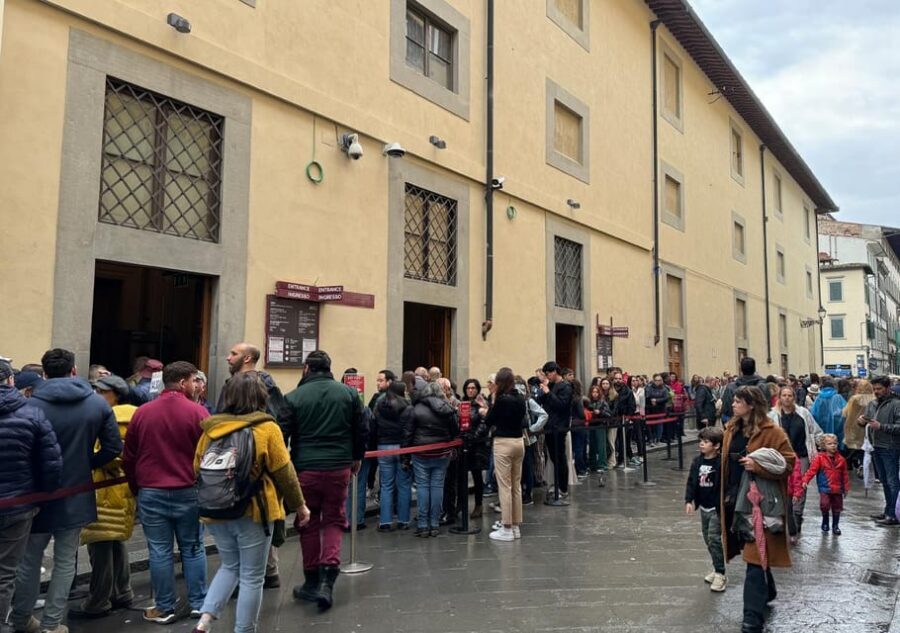
- David fast, not delayed: a separate entrance helps cut waiting, though crowds can still slow things slightly
- Voucher exchange in the open: you pick up a physical ticket at Via Ricasoli 115, in front of Carrefour
- Sculpture details pay off: you’ll get time for David’s workmanship and other sculpture-focused rooms
- Plaster models and casts: the Gipsoteca and related rooms show how sculptors worked with plaster
- Don’t skip the top floor: the medieval altarpieces help round out the visit
- No live guide included: it’s self-paced once you’re in, so plan how you’ll navigate
Entering the Accademia: priority entry that’s practical, not magical
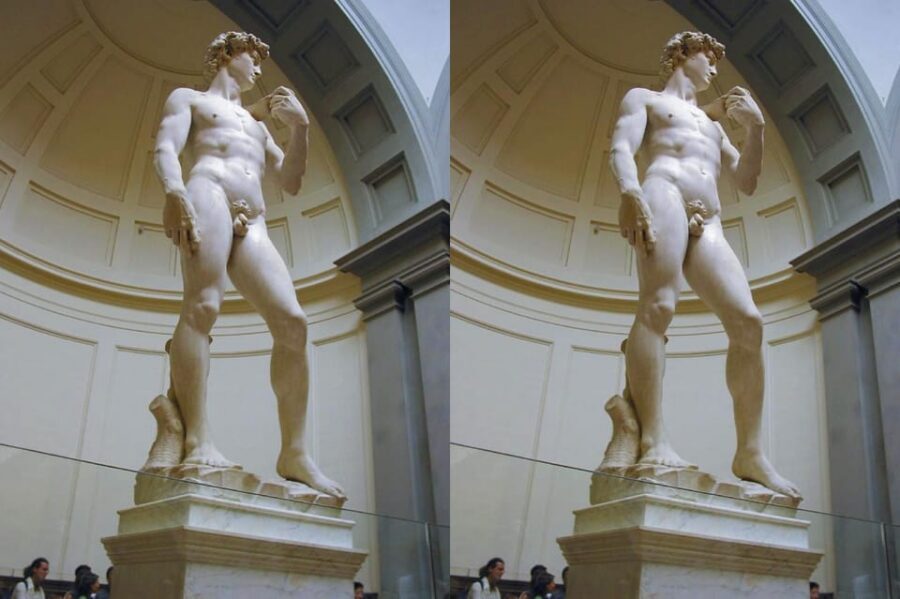
The Accademia Gallery in Florence is famous for one reason most people plan around: Michelangelo’s David. The problem is timing. If you arrive without a plan, you can lose a big chunk of your day staring at a line that moves slowly.
This ticket is built to fix that. It’s designed for skip-the-line entry using a separate entrance, which is the kind of small advantage that matters in Florence, where museums can swing from calm to crowded quickly. You still need to exchange your voucher for a physical ticket before you enter, and you should expect security checks—just try not to arrive at the very last minute.
Also, if the museum has a lot of people inside, admission can be regulated. That means even with priority, you might see a brief hold to maintain security. In other words: you’re reducing waiting, not eliminating it.
You can also read our reviews of more tours and experiences in Florence
The voucher pickup at Via Ricasoli 115 (Carrefour) is the make-or-break step
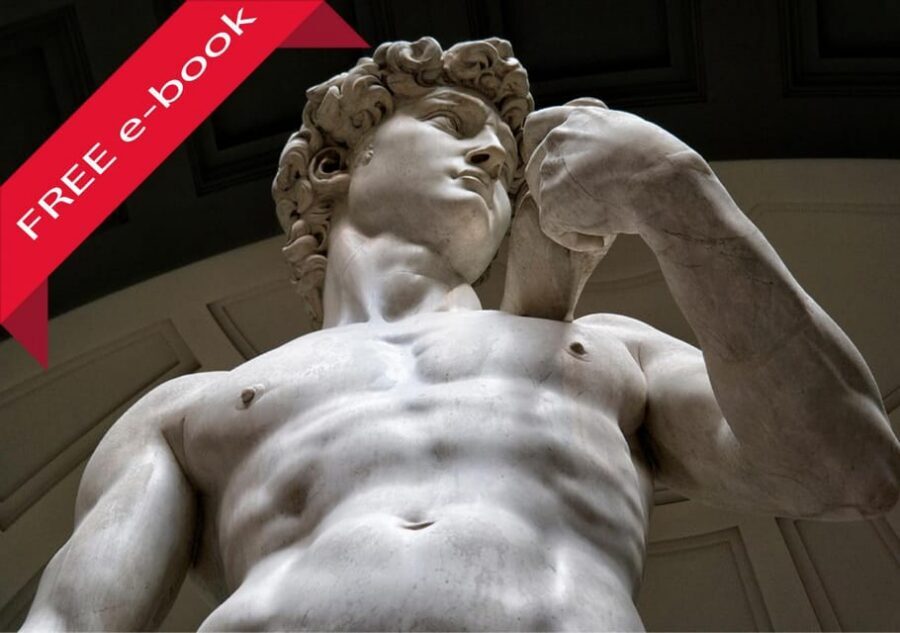
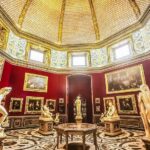
Before you even reach the museum door, you’ll handle the ticket exchange at the meeting point: Florence’s Via Ricasoli, 115, right in front of the Carrefour Supermarket. A staff member is posted outside with a red number marker, and they’ll exchange your Get Your Guide voucher for your physical ticket.
This matters because there are two common failure points on museum mornings. First, people show up expecting an office. This one is street-level, with an actual person standing outside—so look for the staff member at the spot, not a door address. Second, it can take time for the exchange to happen if staff are busy or if lots of groups arrive together.
If you want the day to run smoothly, aim to be at the meeting point with a little cushion. Florence is easy to navigate, but museum timing is unforgiving.
Michelangelo’s David: why everyone plans around it
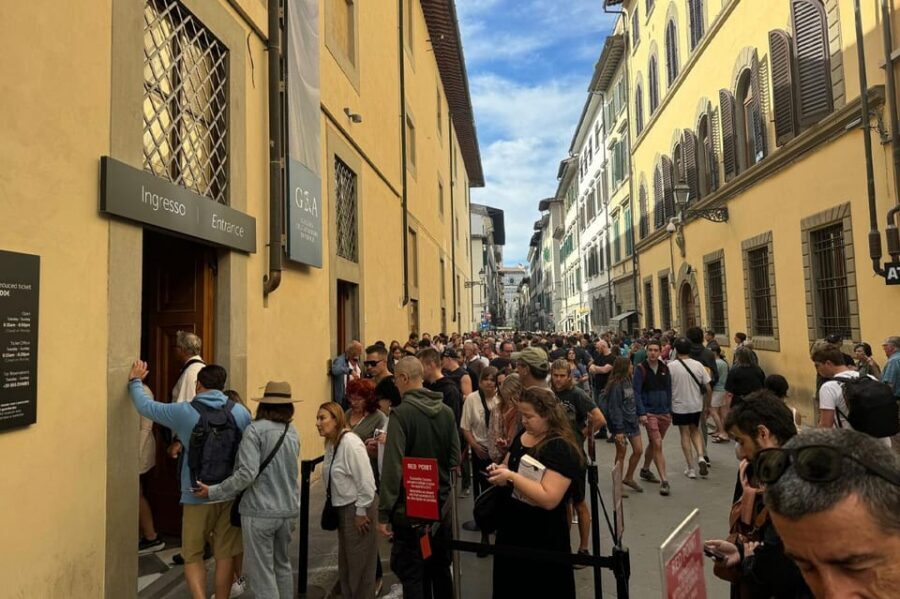
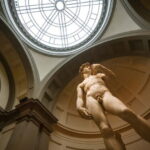
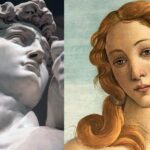
Yes, David is the star. But what makes it worth your time is not just the fame—it’s the craft you can see up close. Inside the museum, you can notice visible tool work, including chisel marks. That’s one of the ways David becomes more than a photo moment. You start understanding the process and the precision.
When you reach David, take a breath and give yourself time to look from different angles. Even though most people move quickly, the sculpture rewards slower looking—especially if you’re the type who notices surfaces, not just silhouettes. If you’re comparing museums across Italy, this is one of the experiences where the museum’s focus actually helps: the Accademia is tuned to sculpture first, so David feels like the center of gravity.
One note for expectations: David is the work that most easily justifies the ticket on its own. The rest of the collection is still important, but it’s more focused and less like a giant “greatest hits” show than some other Florence heavyweights. If you’re the kind of visitor who wants only the biggest-name masterpieces, you’ll feel David the most—and that’s not a bad thing.
Salone dell’Ottocento: plaster casts and models that show the sculptor’s workflow
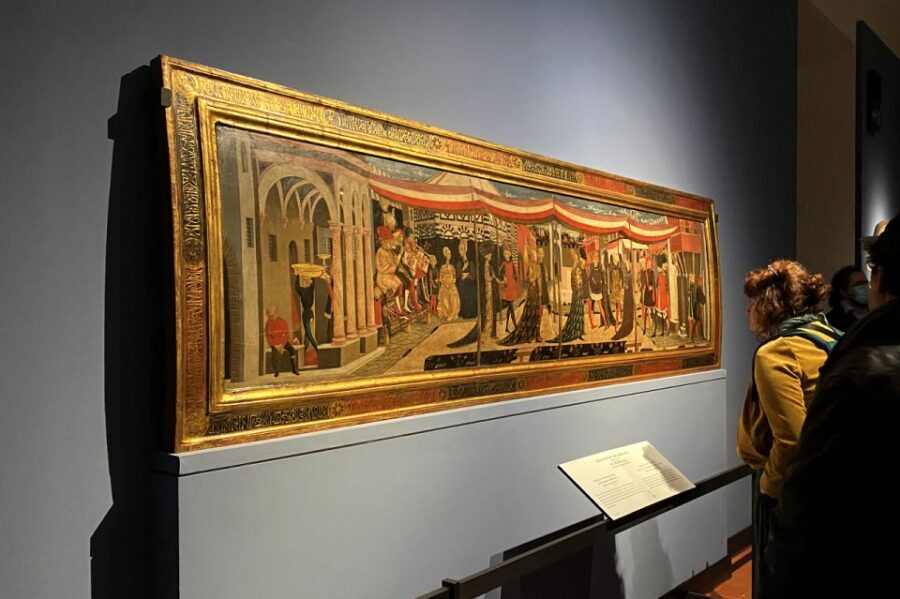
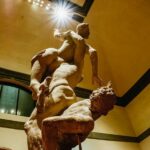
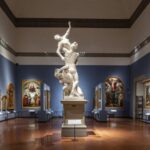
After David, shift your attention from the finished monument to the behind-the-scenes world of sculpture. In the Salone dell’Ottocento, you’ll see plaster casts and models linked to Bartolini. This room is a different kind of education: instead of only celebrating the final work, it shows how artists studied form and prepared pieces.
Plaster can feel less dramatic than marble or bronze, but it tells a clearer story about building. You can often understand the steps of shaping and refining because plaster preserves that working feel. If you’ve ever wondered how Renaissance sculpture got from sketches to real anatomy, this is where the museum starts answering that question in a hands-on way.
Spend a bit here even if you normally speed-run museums. A short pause in rooms like this changes how the main sculpture looks later. It turns admiration into understanding.
The Gipsoteca: 19th-century plaster models with Florentine studio energy
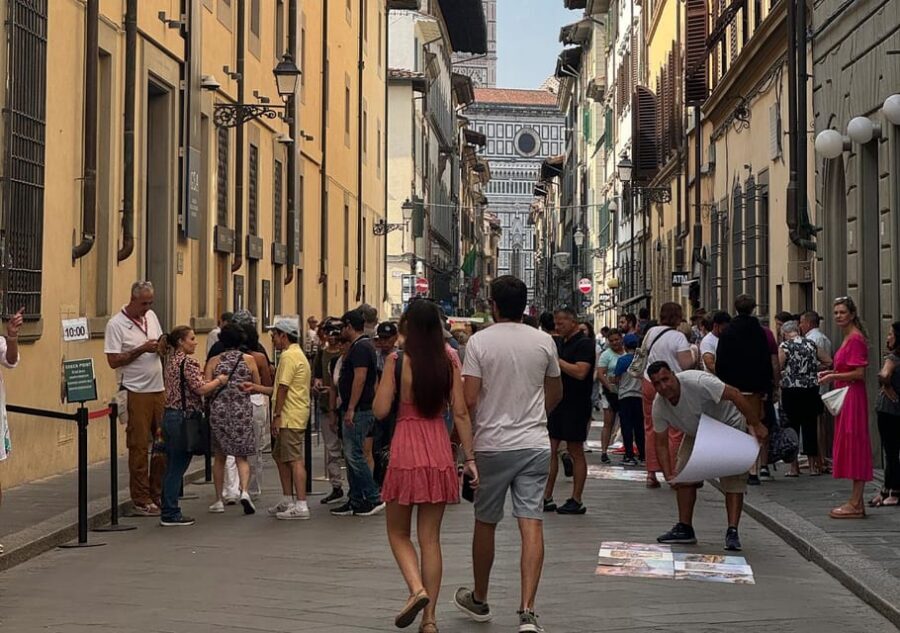
The museum also includes the Gipsoteca, described as home to 19th-century Florentine sculptors’ plaster models. Think of it as a factory of study and imitation—more about learning and replication than dramatic spectacle.
This is the room to visit if you like process. Plaster models are how sculptors tested ideas, measured proportions, and refined details. The material has a different texture and visual language than marble, so your eyes have to adjust. Once you do, you start seeing how a workshop environment could produce consistent results, even across generations.
If you’re short on time, don’t skip it—just don’t expect it to “hit” like David. Instead, treat it like the workshop section of a bigger art lesson.
You can also read our reviews of more museum experiences in Florence


Medieval and Renaissance paintings: Giotto and Botticelli, plus the slower rhythm
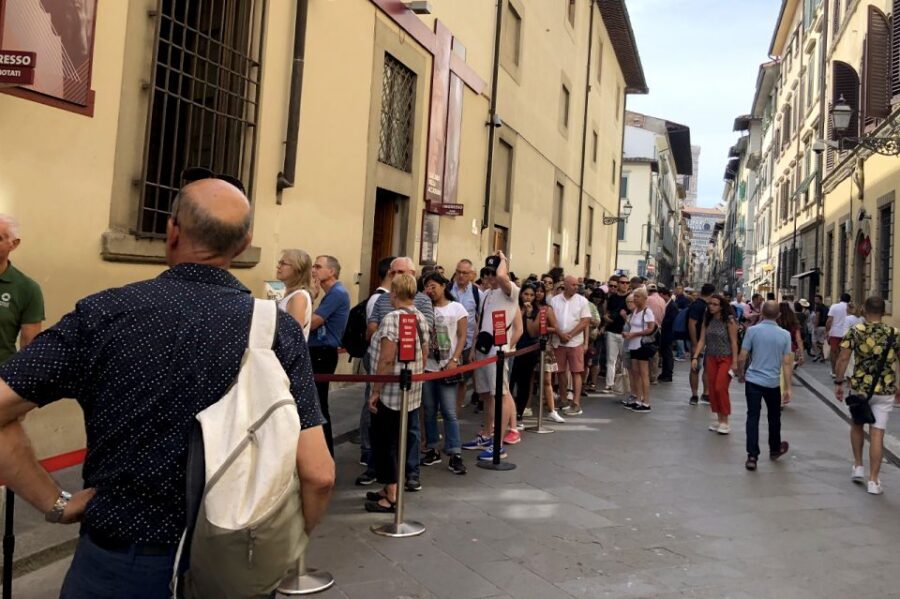
The Accademia isn’t only sculpture. Once you move through the galleries, you’ll find medieval and Renaissance painting works by artists such as Giotto and Botticelli. This part of the visit helps balance the sculpture-heavy experience, giving you a different view of Florence’s artistic timeline.
What’s special here is the shift in pace. Painting rooms don’t demand the same angle-hunting as sculpture. You can settle in, read the labels, and let a theme build. If you’ve been in Florence long enough to start feeling museum fatigue, painting rooms offer a reset—still art, but a more “sit and look” kind of experience.
If you’re comparing to Florence’s biggest art museum hubs, keep your expectations realistic. Some collections spread out across multiple masterpieces and enormous rooms. The Accademia’s painting side is meaningful, but David remains the headline. Still, if Giotto and Botticelli matter to you, this ticket gives you a compact way to see them in one place without turning your day into a museum marathon.
Musical instruments of the Medici and Tuscan grand dukes
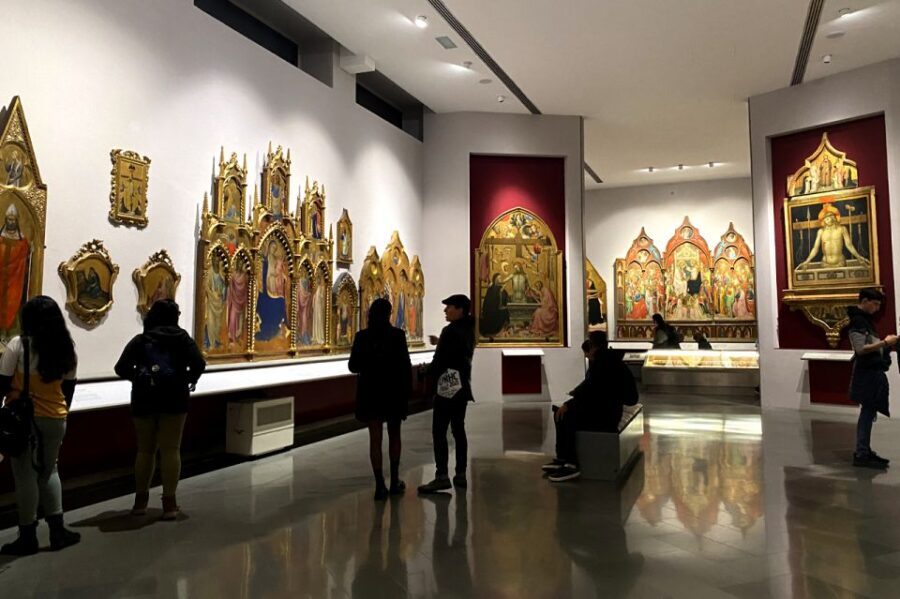
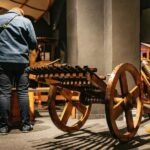
One of the more surprising parts of the Accademia experience is the museum’s collection of musical instruments owned by grand dukes of Tuscany and the Medici. Instruments add a different kind of atmosphere to an art museum because they link visual culture to sound, status, and daily life.
You won’t experience them as a concert in this visit, but seeing the instruments in a museum setting can be a quick mental switch. They feel connected to power and court life—especially in a Florence setting where the Medici name shows up everywhere.
If you like quirky museum moments—objects that don’t usually headline guidebooks—this section is a good reason to spend a little extra time inside.
Top floor: colossal medieval altarpieces to close the loop
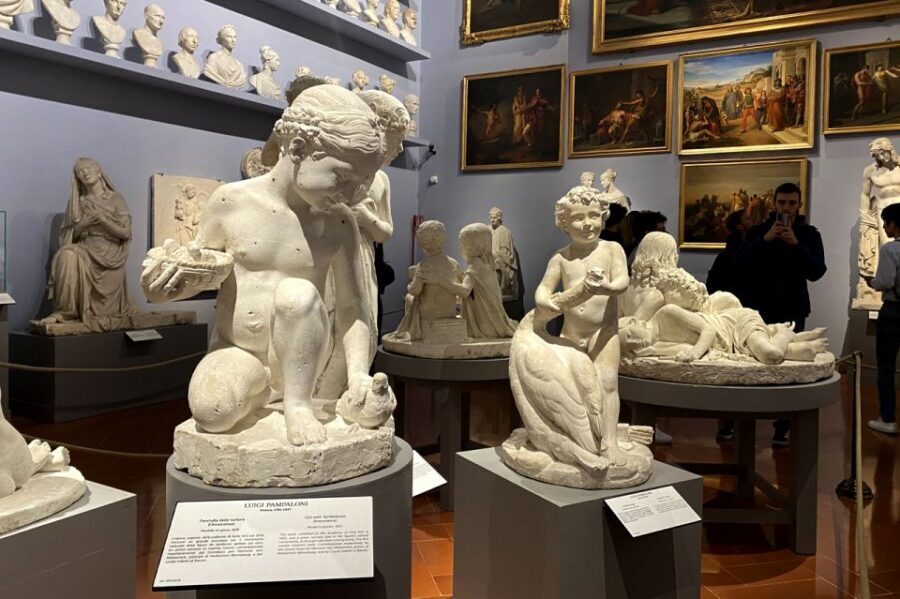
Before you leave, make the top-floor stop. The museum’s final highlight includes colossal medieval altarpieces. Altarpieces have a different emotional scale than panel paintings. They’re built for space and worship, and the scale can be the point, not only the details.
This is also a smart way to finish your visit. Earlier rooms can feel centered on famous names and single icons. The altarpieces bring back the sense of the long arc of medieval art, where works were designed to dominate a room and guide devotion.
If you want an effective rhythm, you can think of it like this: David for impact, plaster models for process, paintings for timeline, and altarpieces for scale.
Price and value: $38 makes sense if your timing matters
At about $38 per person for priority entry plus a free e-book, you’re paying for time savings and certainty. In a city where waiting can eat hours, that can be a strong value—especially if you’re trying to fit David into a packed Florence day.
But there’s a clear trade-off: there’s no live tour guide included. That means you’re not buying interpretation from a person; you’re buying access and a head start on timing. If you like self-paced museums and you enjoy reading labels or using the included e-book, this works well. If you want a guide to point out what to notice, you may feel the experience needs more “human direction.”
To judge value for your own travel style, ask yourself: will you actually use the skip-the-line advantage? If you’re arriving during a peak period and you hate queue time, priority makes more sense. If you’re visiting off-peak and you’re relaxed about waiting, the savings may feel smaller.
Who should book this Accademia priority ticket
This works especially well for:
- People with limited time in Florence who really want David without testing their patience
- Visitors who like sculpture and process, including plaster models and studio-style objects
- Travelers who are comfortable exploring on their own and want to spend money mostly on access
It might not be the best fit if:
- You strongly prefer guided tours with a live interpreter
- You need a lot of narrative context to enjoy art, and you don’t plan to use the e-book or read on-site information
Quick, real-world tips to make your visit smoother
Before you go, check the day-before email. You’ll have key details there. On arrival, don’t wait until the last moment; do the voucher exchange first so you’re not rushed at security.
Inside, give yourself permission to slow down for David’s surface details and for the plaster rooms. Those are the parts that turn a “famous sculpture checklist” into a more satisfying art experience.
And when you reach the top floor, don’t skip it just because you’re mentally tired. Those medieval altarpieces are a strong payoff at the end.
Should you book this priority entry ticket?
Yes—if your goal is Michelangelo’s David with less waiting and you’re fine doing the rest at your own pace. The price is reasonable for what you gain: reserved entry behavior, help at the meeting point, and a free e-book to support your visit.
Skip booking if you know you want a live guide to connect the dots for you, or if you’re the type who travels so spontaneously you might miss the voucher exchange window. Otherwise, this is a solid way to protect your time in Florence and focus your attention where the museum shines most.
FAQ
FAQ
How long is the Accademia Gallery priority entry ticket good for?
It’s valid for 1 day. You’ll need to check availability for starting times.
What’s included with the ticket?
You get a reserved entry ticket to the Accademia Gallery, assistance at the meeting point, and a free e-book.
Is a live tour guide included?
No. A live tour guide is not included.
Where do I exchange my voucher for the physical ticket?
You exchange your Get Your Guide voucher in front of the Carrefour Supermarket at Via Ricasoli, 115 in Florence (look for the staff member with the red number).
Do I need to exchange the voucher before entering?
Yes. You must exchange your voucher for a physical ticket before entering the museum.
What if the museum is very busy?
During high visitor traffic, admission may be slightly delayed to maintain security, and access is regulated based on how many people are inside.
Are there ticket rules for children and reduced pricing?
People aged 7–18 must show a photo ID with a date of birth for reduced tickets. Without that ID, they must pay the full adult price. Kids aged 6 and under do not require a ticket.
Is the Accademia Gallery visit wheelchair accessible?
Yes, it’s listed as wheelchair accessible.
More Museum Experiences in Florence
More Tickets in Florence
More Tour Reviews in Florence
- Tuscany Day Trip from Florence: Siena, San Gimignano, Pisa and Lunch at a Winery
★ 5.0 · 21,634 reviews - The Best tour in Florence: Renaissance & Medici Tales – guided by a STORYTELLER
★ 5.0 · 12,316 reviews