REVIEW · BOLOGNA
Bologna: Gelato Making Workshop with a Professional
Book on GetYourGuide →Operated by My Gelato Lab · Bookable on GetYourGuide
Gelato secrets, taught at home.
This Bologna class is interesting because you learn the method from Alessandro, not just how to eat it. I like that you get hands-on practice with real base ingredients, and I like the focus on making gelato-style desserts the right way. One consideration: transportation isn’t included, and you’ll meet at his home on Via Antonio Vivaldi 26.
What makes it click is the balance: you’re making multiple frozen treats while also learning what separates good gelato from ice cream in looks, texture, and freshness. The session runs about 2.5 hours, so it feels efficient, not rushed, and you even end with something to take home if there are leftovers. I do think the small-group setup (max 4) means you should book early if you’re set on a specific date.
You’ll get instruction in English and Italian, and the host can work with allergies and intolerances if you tell him in advance. Kids are welcome with adult supervision, but it’s not suitable for children under 3, so plan around that if you’re traveling as a family.
In This Review
- Key moments to expect
- Meeting Alessandro at Via Antonio Vivaldi, 26
- Italian gelato origins and the “what makes it different” lesson
- Making granita, gelato, and sorbet from raw ingredients
- Spotting good gelato freshness when you’re back on the street
- The take-home bonus: leftovers packed for you
- Price and value of the $77, 2.5-hour small-group setup
- Who should book (and who should skip)?
- Should you book My Gelato Lab in Bologna?
- FAQ
- How long is the Bologna gelato workshop?
- What is the group size?
- What will I make during the workshop?
- Who leads the workshop and what languages are used?
- Where do we meet?
- Is transportation included?
- How much does the workshop cost?
- Can the workshop accommodate allergies or intolerances?
- Is it suitable for children?
Key moments to expect
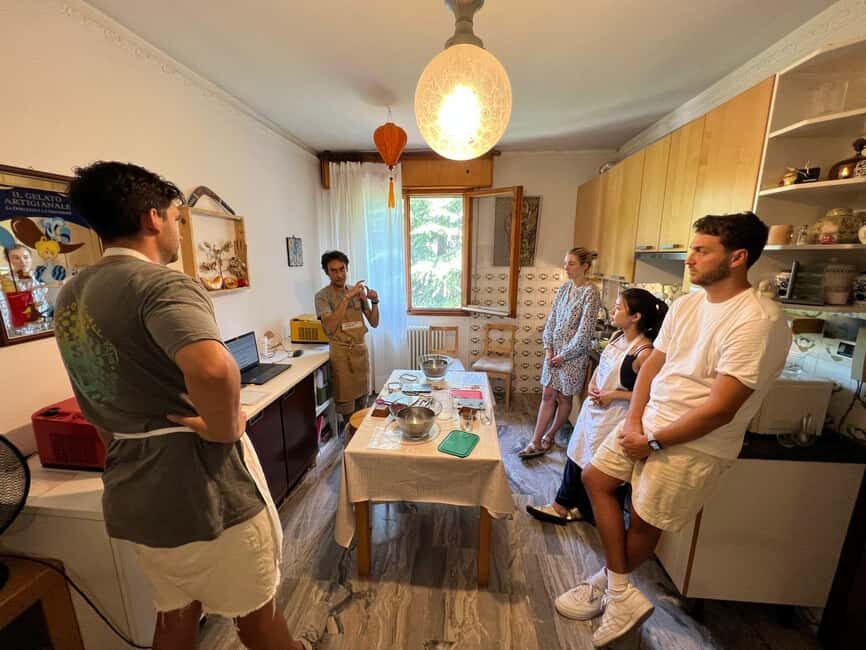
- A professional gelato maker, small group of 4 so you can actually ask questions
- Granita, gelato, and sorbet made from raw ingredients in one workshop
- Origins of Italian gelato tied directly to the techniques you’re practicing
- How to spot good gelato by checking what it looks and feels like, plus freshness cues
- Take-home leftovers carefully packed for you when there’s extra
Meeting Alessandro at Via Antonio Vivaldi, 26
You start the workshop at the host’s home on Via Antonio Vivaldi 26, which already tells you the vibe: this is a learning kitchen, not a showroom. The meeting place matters because you’re not just wandering around a gelato shop. You’re stepping into someone’s workflow, with tools ready and a plan that keeps the group moving for 2.5 hours.
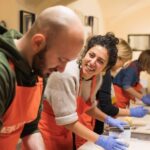
In a small group limited to 4 participants, you’re less likely to get stuck standing around. The class is led by the professional gelato maker (Alessandro in most of the feedback), and the sessions feel structured—ingredients out, equipment prepared, and clear guidance as you work.
Also, check your expectations about transport. Since transportation isn’t included, you’ll want to handle getting there on your own (walk, taxi, rideshare, or whatever works for your schedule in Bologna). If you like quick, practical plans, you’ll appreciate that the workshop is self-contained once you arrive.
Finally, languages are English and Italian, so even if you’re not fluent, you won’t be left behind.
You can also read our reviews of more tours and experiences in Bologna
Italian gelato origins and the “what makes it different” lesson
Gelato isn’t just dessert in Italy. It’s a craft with rules, and this workshop teaches that mindset. One of the strongest parts of the experience is the explanation of where Italian gelato comes from and how technique affects the end result.
You also learn how gelato differs from factory-produced ice cream. That matters because people often assume frozen dessert is frozen dessert. Here, the discussion connects the ingredients and process to what you experience in the spoon—especially how gelato should feel and taste.
Another useful idea: you’re not only learning recipes. You’re learning judgment. The workshop includes guidance on how to recognize good gelato by its characteristics and how to detect freshness so you can choose better gelato in the shops after your class.
If you’re the kind of person who always asks why something tastes better at one place than another, you’ll enjoy this part. It gives you a mental checklist you can actually use while wandering Bologna’s gelato stops.
Making granita, gelato, and sorbet from raw ingredients
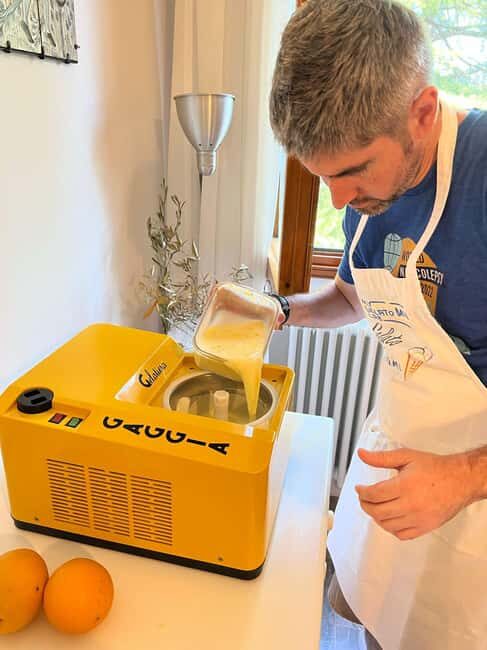
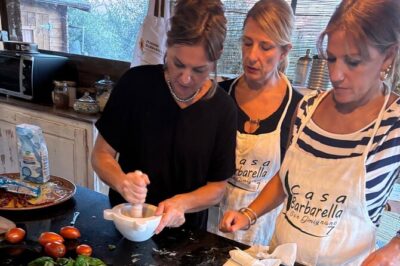
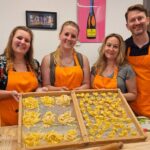
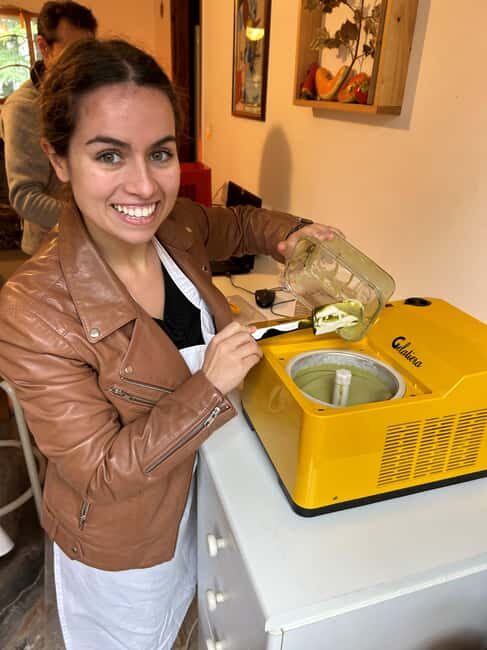
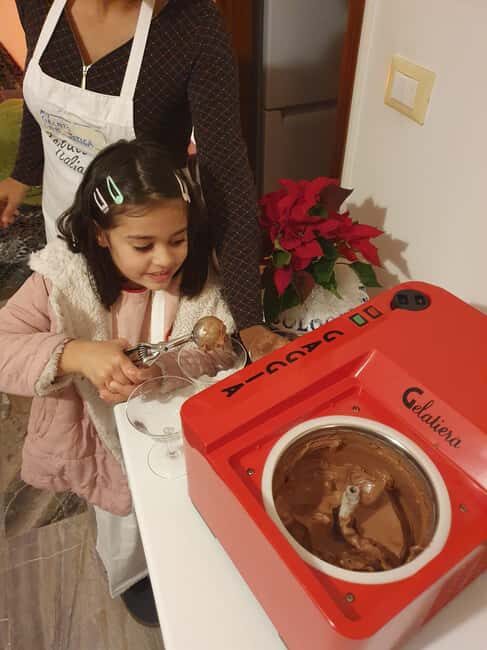
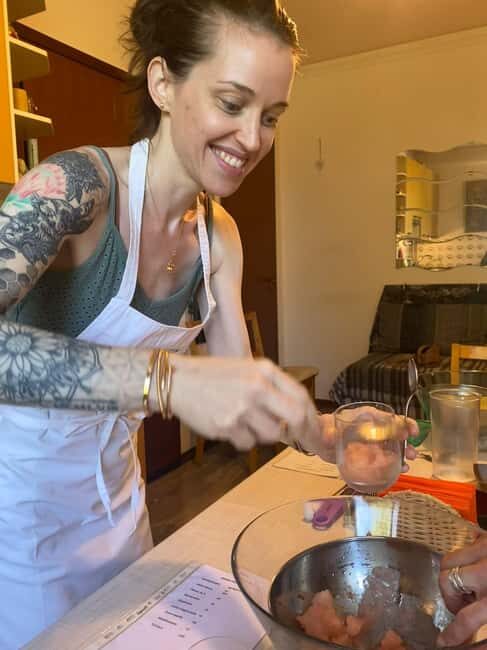
This is the core of the day, and it’s where the workshop earns its value. You prepare granitas, gelati, and sorbets from raw ingredients, which is a big step beyond tasting. You see the workflow and participate instead of watching from the sidelines.
A typical flow includes more than one frozen dessert because each one teaches a slightly different texture and method. In the feedback, people mention that while the gelato mixture cools, you often work on granita too—so you’re busy the whole time instead of waiting in silence. That timing is practical: it keeps you learning while machines and ingredients do their thing.
What you’ll likely take away:
- Granita: a frozen, textured treat that’s easier to understand by hands-on participation
- Gelato: the signature Italian result that’s central to the workshop’s identity
- Sorbets: another frozen option that broadens your understanding beyond classic gelato
Because this is taught by a professional, you’re also picking up the logic behind ingredient choices. One of the most praised parts is Alessandro’s passion and clarity—explaining what each ingredient does and how those choices affect the finished dessert.
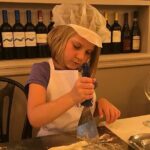
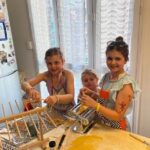
If you’re traveling with kids, this format works well. Several families highlight that granita-making is a hit, and adults appreciate that the host keeps younger participants engaged while still teaching adults.
Spotting good gelato freshness when you’re back on the street
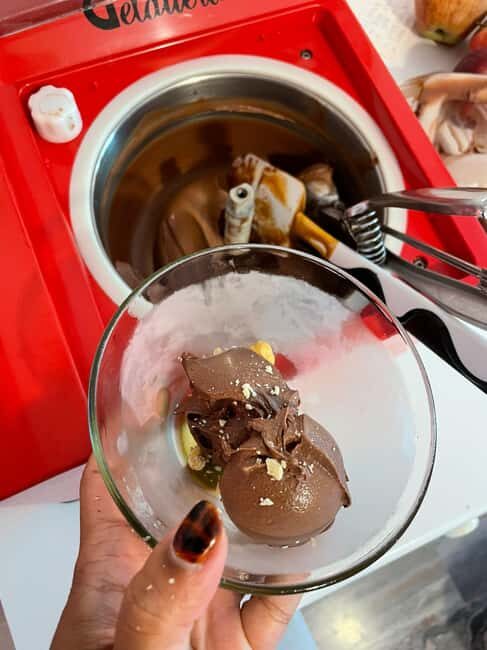
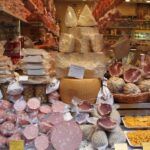
One of the smartest parts of this workshop is what comes after the classroom: how to buy better gelato. You’re taught to recognize good gelato by its characteristics and to check freshness, so you don’t rely only on flavor names and photos on storefront windows.
That practical guidance can save you from the common travel trap: you find a popular shop, pick what looks good, and then wonder why it doesn’t taste as smooth or fresh as you hoped. With the workshop lesson in your head, you’ll be more confident evaluating texture and quality before you hand over your money.
It’s also the kind of knowledge you can use beyond Bologna. Once you understand what freshness looks and feels like in gelato, you’re better equipped anywhere you see gelato displayed with similar counters.
And yes, the workshop makes a point that gelato is not the same as ice cream. You’re given the mental framework to notice those differences instead of treating them like synonyms.
The take-home bonus: leftovers packed for you
A lot of food experiences end at the moment you lick the spoon clean. This one often gives you more. The workshop is designed so that if there are leftovers, you can take them home, and several people specifically mention careful packing for the journey.
That matters for two reasons. First, it reduces waste. Second, it turns the workshop into a real “bring it with you” memory. You’re not only tasting during the class; you’re extending the experience into the rest of your day (or your next morning).
So if you’re thinking, Do I need to eat before I go? Keep in mind that you’ll be making multiple items and eating what you prepare, but you might still want a plan for dinner after. You can also treat the leftovers like a low-effort dessert for later in your trip.


Price and value of the $77, 2.5-hour small-group setup
At $77 per person for about 2.5 hours, this workshop sits in the category of paid experiences where you should ask: what’s the real value?
Here, the value is pretty tangible:
- You’re paying for a professional-led kitchen session, not just a tasting
- You make multiple frozen desserts—granita, gelato, and sorbet—so it’s not a one-item demo
- You get small-group attention (limited to 4 participants), which makes it more interactive
- You often leave with extra dessert packed up if anything remains
This is also a “skill-adjacent” experience. Even if you never turn into a full home gelato machine person, you’ll understand the basic logic behind quality choices. That can improve your gelato-shopping for the rest of your trip, which is a direct payoff.
And don’t ignore the flexibility options. The experience offers free cancellation up to 24 hours in advance for a full refund, plus reserve now & pay later, which makes it easier to fit into a trip schedule.
One practical note: since transportation isn’t included, the true cost is really your getting-to-the-meeting-point cost. If you’re staying close, it feels easy. If you’re across town, factor in time.
Who should book (and who should skip)?
This workshop is a strong match if you:
- Love dessert, and you want the how, not just the what
- Enjoy learning through hands-on tasks
- Like food experiences that include real technique talk, including gelato origins and differences from ice cream
- Want a family-friendly activity where kids can do something hands-on (especially granita)
It’s also ideal for small-group travelers who don’t want a crowd. With only up to 4 participants, it’s easier to keep questions flowing and get practical feedback.
Families should note the child guidance. Children are welcome under adult supervision, but it’s not suitable for children under 3 years. If you’re traveling with little ones, that age cutoff matters.
Allergy and intolerance info must be provided in advance, so if you have dietary needs, contact the host early and be very clear. And if you have special requests, advise them ahead of time so the workshop can be planned around you.
Should you book My Gelato Lab in Bologna?
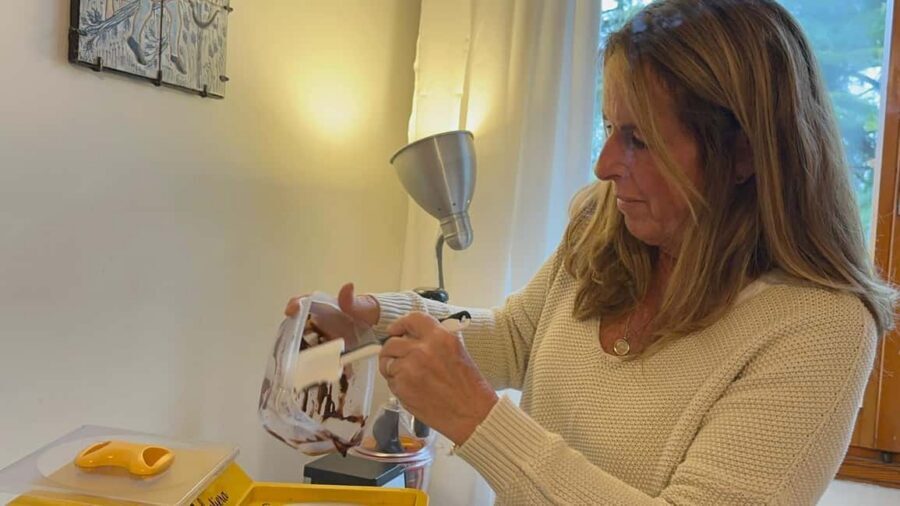
I’d book this if you want more than a sugar hit. It’s a compact class where you actively make granita, gelato, and sorbet, while you learn how to think about gelato quality and freshness. With Alessandro leading a small group and leaving the day with packed leftovers sometimes included, it feels like a genuine experience rather than a quick tourist stop.
Skip it only if you’re mainly after convenience and don’t want to handle going to a private meeting point on your own. Otherwise, it’s one of the smartest Bologna food activities for people who like to learn something usable.
FAQ
How long is the Bologna gelato workshop?
It lasts about 2.5 hours.
What is the group size?
It’s a small group limited to 4 participants.
What will I make during the workshop?
You’ll prepare granitas, gelati, and sorbets from raw ingredients.
Who leads the workshop and what languages are used?
A professional gelato maker leads it, and instruction is available in English and Italian.
Where do we meet?
You meet your host at his home on Via Antonio Vivaldi, 26.
Is transportation included?
No, transportation isn’t included.
How much does the workshop cost?
The price is $77 per person.
Can the workshop accommodate allergies or intolerances?
Allergy and intolerance information must be provided in advance.
Is it suitable for children?
Children are welcome under adult supervision, but it’s not suitable for children under 3 years.