REVIEW · BOLOGNA
Bologna: Guided Walking Tour
Book on GetYourGuide →Operated by Stephanie Foulkes Tourist Guide ER · Bookable on GetYourGuide
Bologna on foot has a way of sticking with you. This tour strings together the city’s terracotta brick charm, famous arcades, and story-rich landmarks so you understand what you’re seeing instead of just passing it by. You’ll also get a hands-on-feeling moment when you head into the food lanes and may spot sfogline (pasta makers) at work.
Two things I especially like: the guide turns big monuments into personal stories, and the route includes a real look at how traditional pasta is made rather than keeping it theoretical. A mild drawback to plan for is weather—this walk runs rain or shine, so you’ll want shoes you can trust and clothes that handle getting damp.
The pacing works well if you like moving through a place while someone explains the why behind it. And if you end the tour with time around the clock tower area, you’ll see how the viewpoints and skyline fit into the whole Bologna picture.
In This Review
- Key highlights you’ll feel right away
- Why Bologna’s myths start on your first block
- Piazza Maggiore: where the city’s scale hits you
- Paviglione portico and the Archiginnasio silk-worm connection
- Neptune Fountain: small stop, big symbolism
- Quadrilatero: where homemade pasta becomes real
- Santo Stefano church: Bologna’s mysterious pause
- Asinelli and Garisenda: the leaning towers explained
- A practical walk: timing, comfort, and real-world pace
- Price and value: is $70 a good deal for Bologna?
- Who this Bologna tour is best for
- Should you book this Bologna guided walking tour?
- FAQ
- How long is the Bologna guided walking tour?
- What is the price per person?
- What’s included in the tour?
- Are food and drinks included?
- Which sights will we see during the walk?
- Do tickets cost extra for Archiginnasio?
- Is the tour wheelchair accessible?
Key highlights you’ll feel right away
- Piazza Maggiore + San Petronio: you get oriented fast, then step into one of Bologna’s most imposing interiors
- Paviglione portico: a signature covered way to walk that also sets the mood of the center
- Neptune Square: a quick stop that explains why this city loves symbolism
- Quadrilatero pasta moment: a chance to see sfogline in action and understand the rhythm of homemade pasta
- Santo Stefano church: a quieter, mysterious stop that shifts the tone from grand to curious
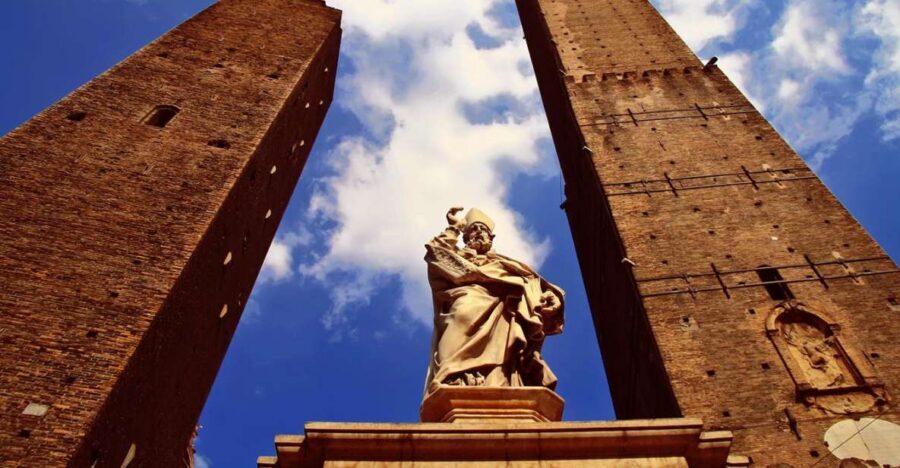
- Asinelli and Garisenda: the city’s leaning-tower identity, explained as more than just a photo op
Why Bologna’s myths start on your first block
Bologna is one of those Italian cities where the streets already feel like part of the show. Before you even reach the most famous views, the guide gives you the framework: why Bologna gets called the red, why people mention the fat and the learned, and how the city’s identity shows up in everyday sights. That kind of context is what makes the walking tour worth doing, because it changes how you read the buildings as you move.
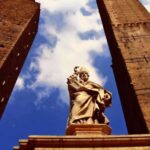
You’ll also be guided toward the two leaning towers—Asinelli and Garisenda—as the symbol of Bologna. You don’t just hear that they lean. You get a sense of why they mattered and how they became the shorthand for the city’s character. It’s a small thing, but it makes the famous angles feel meaningful instead of random.
I also like that the tour is built around stories with a conversational feel. Many guides on this route are good at answering questions on the spot, and the tone tends to be warm and easygoing. Some leadership examples from past tours include guides such as Tiziana and Stephanie Foulkes, who have been praised for being attentive, open to curiosity, and able to adjust the visit based on what the group wants to focus on.
You can also read our reviews of more walking tours in Bologna


Piazza Maggiore: where the city’s scale hits you
Your walk often begins at Maggiore Square, the kind of plaza that makes you slow down without trying. From here, the route naturally funnels you toward San Petronio Basilica, dedicated to the patron saint of Bologna. The big value of this stop is not just the facade—it’s what you notice once you’re inside.
San Petronio’s interior can feel huge in a way that surprises people. The guide helps you register that scale and understand the basilica as part of how Bologna organizes its civic life, not just as a standalone church. If you’ve ever visited churches that felt like one more room in a checklist, this is the opposite: you get a reason to pay attention to proportions, space, and the way the building dominates the square.
Practical note: churches are often cool and sometimes dim. Bring a tiny bit of patience if you need a moment to re-adjust your eyes after bright outdoor light. It’s quick, but it helps you enjoy the interior instead of rushing through it.
Paviglione portico and the Archiginnasio silk-worm connection
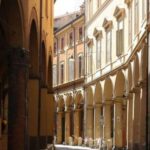
From Piazza Maggiore, the route typically moves through the covered Paviglione portico, a classic Bologna feature. Covered arcades do more than protect you from sun or drizzle. They also create a gentle walking rhythm: you move at street pace, while the city’s details stay framed and easy to study. It’s one of the reasons Bologna feels so walkable and photogenic without feeling forced.
Then the tour heads toward the Archiginnasio, where the story about a silk-worm market comes into play. That detail matters because it shows Bologna wasn’t only about art and churches. It also grew through crafts, trade, and specialized knowledge. The guide’s job here is to link that past to what you see on the streets now, so you’re not just collecting facts.
One thing to know for budgeting: tickets are not included if you want to enter Archiginnasio. If you’re the type who loves interiors and displays, you can treat the ticket as optional value. If you’d rather keep things lighter and focus on streets and open-air sights, you can still enjoy the exterior context and story without going inside.
Neptune Fountain: small stop, big symbolism
Next up is Neptune Square, anchored by the Neptune Fountain. This stop is short, but it’s smart. The guide uses it as a symbol lesson—why Bologna chose this imagery, what the fountain represents, and how public art reflects the city’s priorities.
I like Neptune Square because it’s a break in the walking intensity without losing the thread of the tour. You shift from architecture-heavy stops into something that’s easy to read at a glance. Then you’re ready for the next phase: church lanes and the slower, more intimate side of the center.
If you’re traveling with someone who gets bored during long sightseeing blocks, a quick, focused square like this can be the reset button that keeps the energy up.
Quadrilatero: where homemade pasta becomes real
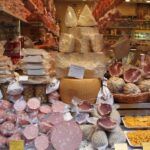
The Quadrilatero area is where Bologna’s food identity stops being abstract. The tour heads into this neighborhood to show how traditional homemade pasta is made, and it helps that the experience is framed as part of the city’s daily culture, not as a staged demo.
A key moment here is the possibility of seeing sfogline (pasta makers) working in the area. The exact scene can vary, but the tour’s design gives you a chance to witness the process rather than just hearing about it. Even if you don’t catch a maker at the exact moment you walk by, you’ll still come away with a better understanding of what makes homemade pasta different—especially the craft and timing behind it.
For me, this is the strongest balance point of the tour. You get big landmarks plus a food-based payoff that feels grounded. If you like markets, cooking traditions, or you want a Bologna experience that goes past postcards, this stop is the reason to book.
You can also read our reviews of more guided tours in Bologna
Santo Stefano church: Bologna’s mysterious pause
After the busier energy of the center and the food lanes, the tour typically heads to Santo Stefano. This church stop changes the vibe. It’s not just another church-brushover. The guide frames it as a place with a more mysterious feel, so you walk in with the right mindset.
The value here is attention. You’re guided to notice what’s different about this church compared to the grander basilica earlier in the day. If Piazza Maggiore felt like Bologna announcing itself loudly, Santo Stefano feels like Bologna whispering. That contrast makes the whole route feel less repetitive and more like a story with different moods.
It’s also a good moment for questions, especially if you want to learn how Bologna’s religious spaces relate to neighborhood life and local identity.
Asinelli and Garisenda: the leaning towers explained
Bologna’s leaning-tower identity isn’t complete without Asinelli and Garisenda. This part of the experience is where the guide’s explanations really pay off. A leaning tower can become just a photo spot if you don’t know anything beyond the visual.
Here, you get a clearer read on the towers as the symbol of the city—part of why Bologna is recognized worldwide in the first place. The guide connects the towers to the bigger Bologna narrative you started hearing at the beginning: the city’s character, its legends, and the way people have long organized around these landmarks.
If you like structural details, you’ll probably notice how the towers shape sightlines and the way the center is laid out. If you’re more interested in stories, you’ll still come away with a stronger sense of why these two towers are the shorthand for Bologna.
A practical walk: timing, comfort, and real-world pace
The tour runs 2 to 4 hours, and that range matters. With a good guide, it feels like you’ll cover a lot without racing. You’ll be walking through central Bologna’s core, seeing main squares, towers, and churches, plus time in areas like Quadrilatero where the pace slows slightly.
Comfort is not optional. Bring comfortable shoes and weather-appropriate clothing. This tour operates rain or shine, so plan to enjoy the city rather than fight the weather. A light layer helps. If it’s wet, you’ll thank yourself for water-resistant footwear.
Also, keep in mind that the pace depends on group flow and how questions land. Some guides are especially good at answering on the fly and redirecting the tour toward what the group cares about. That flexibility is a plus if your travel style is interactive rather than purely observational.
Price and value: is $70 a good deal for Bologna?
At $70 per person, this tour sits in the category of paid city walking experiences. You’re paying for a professional tour guide, a route designed to connect landmarks into a coherent story, and time saved from figuring out what matters on your own.
Here’s why I think the value is strong:
- You’re getting both the headline sights and the “why” behind them, including references to Bologna’s nicknames and key symbols like the leaning towers.
- You get a meaningful food-focused segment, with a chance to see pasta makers (sfogline) and learn about traditional homemade pasta.
- You’re not just getting monuments; you’re getting interpretation—how public art, churches, and porticoes fit together as part of the city’s identity.
Where the value can be slightly less perfect for some people: if you’re a hardcore museum interior lover, you’ll need to decide about optional tickets for the Archiginnasio. But even without entry, the guide’s explanation is the main payoff.
If your travel goal is to understand Bologna beyond a checklist, this price makes sense. If you only want quick exterior photos and don’t care about explanations, you could do the sights independently for free. This tour is for people who enjoy learning as they walk.
Who this Bologna tour is best for
This is ideal if you:
- want a guided overview that covers main squares, arcades, towers, and churches in one connected route
- love food culture and like seeing craft traditions in context
- prefer a conversation-based guide who answers questions and adjusts to the group’s pace
- want a structured way to enjoy Bologna’s center without getting lost
It also works well for families, since guides have been noted for being attentive and engaging with younger participants.
If you already know Bologna deeply and just want specific photos, you might feel you’re paying for interpretation you don’t need. But for most first-time visitors, it’s a strong way to get your bearings fast and leave with a story you can repeat.
Should you book this Bologna guided walking tour?
Yes—if your idea of a great Bologna trip includes stories, architecture, and a real pasta moment. The mix is the point: you’re not stuck in only churches, and you’re not stuck in only food. You get the symbols (including Asinelli and Garisenda), the big interior impact of San Petronio, and the hands-on-feeling possibility of seeing pasta makers in the Quadrilatero.
Book it especially if you’re going to spend only a short time in Bologna and you want the city to make sense while you’re still there, not after you’ve returned home.
FAQ
How long is the Bologna guided walking tour?
It lasts 2 to 4 hours.
What is the price per person?
The tour costs $70 per person.
What’s included in the tour?
The tour includes a professional tour guide.
Are food and drinks included?
No, food and drinks are not included.
Which sights will we see during the walk?
The tour includes stops around Piazza Maggiore, San Petronio Basilica, Paviglione portico, Archiginnasio area, Neptune Square and Neptune Fountain, the leaning towers (Asinelli and Garisenda), Santo Stefano church, and the Quadrilatero area where you may see pasta makers at work.
Do tickets cost extra for Archiginnasio?
Yes. Tickets are not included if you want to enter the Archiginnasio.
Is the tour wheelchair accessible?
Yes, it is listed as wheelchair accessible.