REVIEW · BOLOGNA
Bologna: Private Top Historical Sites Guided Walking Tour
Book on GetYourGuide →Operated by TUI Musement · Bookable on GetYourGuide
Bologna’s medieval center makes sense fast. This private walking tour guides you through Bologna’s key medieval squares and monuments, starting near the Biblioteca Salaborsa and ending back there, so you don’t have to figure anything out on your own. I like that it’s built around real landmarks—civic palaces, major churches, and historic arcades—so the story clicks in the right order.
Two things I especially like: the Piazza Maggiore to San Petronio stretch, with its Gothic architecture and an astronomer’s sun-dial inside, and the final walk to Santo Stefano, Bologna’s famous small-church complex. One consideration: this is a mostly on-foot outing, and it isn’t suitable for people with mobility impairments, plus luggage or large bags aren’t allowed.
In This Review
- Key takeaways before you go
- Starting at Biblioteca Salaborsa: how the tour actually feels
- Piazza del Nettuno and Piazza Maggiore: Bologna’s civic power in stone
- Two Towers and palazzo pass-bys: what to watch without slowing down
- San Petronio: Gothic inside, and Cassini’s sun-dial
- Portico del Pavaglione and Archiginnasio context: the old university story
- Mercato di Mezzo: market alleys where locals actually shop
- Piazza Santo Stefano and the Seven Churches complex: a calm finale
- Value and price: does $147.27 per person make sense?
- Who this tour fits best (and who might skip it)
- Quick practical tips to make the most of it
- Should you book this private Bologna walk?
- FAQ
- Where do I meet the guide?
- How long is the tour?
- Is this a private tour?
- What languages are offered?
- Do I need to pay extra for Archiginnasio?
- Is luggage or a large bag allowed?
- Is the tour suitable for people with mobility impairments?
- What if it rains?
Key takeaways before you go
- Start easy, navigate less: Meet at Biblioteca Salaborsa and finish back at the same spot.
- Gothic + science in one stop: San Petronio includes Cassini’s sun-dial inside the basilica.
- Food culture, not just photos: Mercato di Mezzo takes you through an active market lane with traditional shops.
- Arcades and an old university building: The Portico del Pavaglione route passes by the Archiginnasio area (entry fee extra).
- End at Santo Stefano: The seven-church complex is the perfect calm finale to the walk.
Starting at Biblioteca Salaborsa: how the tour actually feels
This tour is designed for a simple rhythm: you meet your guide, walk a tight loop through central Bologna, and come back to the same meeting point. You’ll find your guide holding a TUI sign/flag in front of the Biblioteca Salaborsa, which is handy when you’re in a crowded piazza.
The tour runs for about 2 hours, and it’s paced for seeing a lot without racing. Even though the route focuses on history and architecture, it doesn’t feel like a museum crawl. The guide’s job is to connect buildings to the people who used them—students, civic officials, merchants, and pilgrims.
Also, it’s a private group, so you’re not fighting for attention in a long line. The guide speaks Spanish, English, French, German, and Italian, and that matters more than it sounds. When the explanation matches your language, you catch details you’d otherwise miss—especially in churches and arcades where the “why” is as important as the “what.”
You can also read our reviews of more walking tours in Bologna


Piazza del Nettuno and Piazza Maggiore: Bologna’s civic power in stone
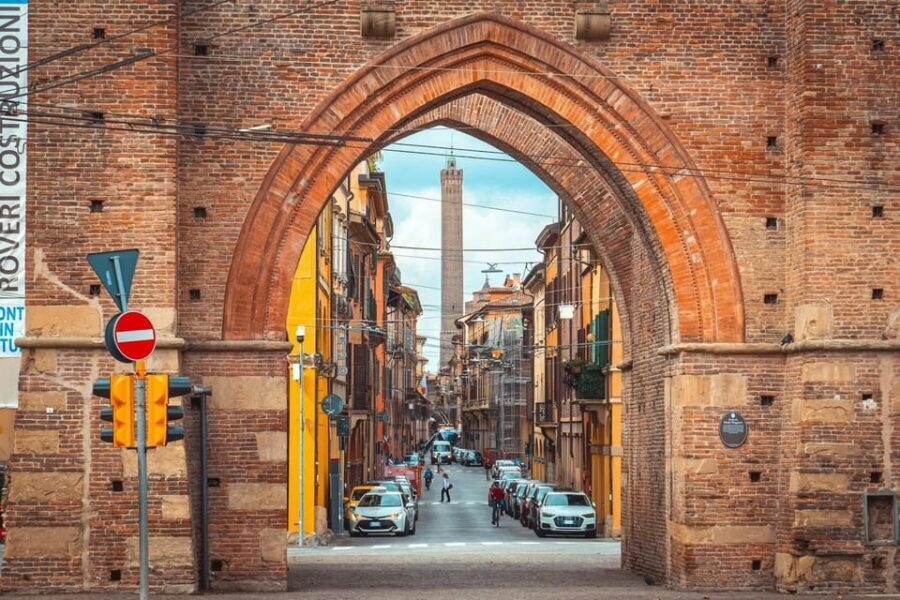
You begin near Piazza del Nettuno (meeting point listed at Piazza del Nettuno, 3), then move into Piazza Maggiore, Bologna’s public living room. This is where you first notice how Bologna built government and identity into everyday space.
At Piazza Maggiore, you’ll see the big medieval civic palaces the guide highlights, including Palazzo Re Enzo, Palazzo dei Notai, and Palazzo dei Banchi. These aren’t random backdrops. They tell you who held influence in the medieval city—legal professionals, officials, and merchant families—through architecture that was meant to project seriousness.
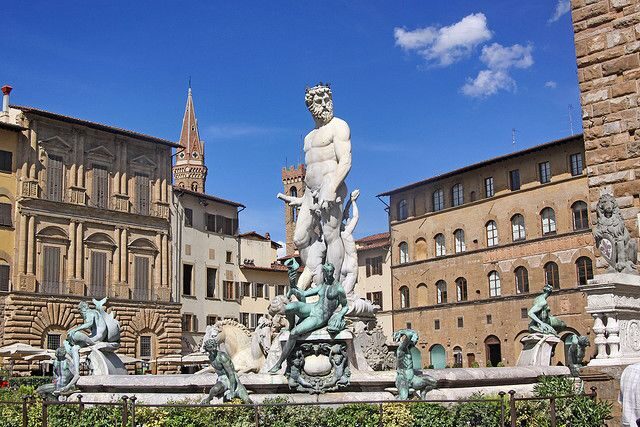
A must-see moment here is the Fountain of Neptune. The sculptor credited for the late Renaissance work is Giambologna. Even if you’re not a sculpture nerd, it’s the kind of thing that gives you an immediate “this city had money and taste” feeling. My practical advice: look up and around the fountain, not just at it. In Bologna, the square reads as a whole composition.
Why this stop is valuable: Piazza Maggiore sets the tone for everything you’ll see later. The city’s medieval identity isn’t tucked away in one museum; it’s displayed in civic spaces you can still walk into today.
Two Towers and palazzo pass-bys: what to watch without slowing down
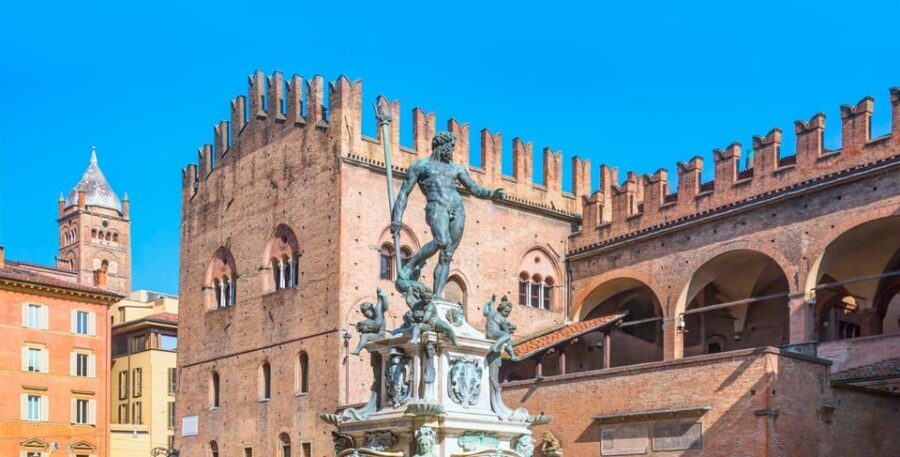
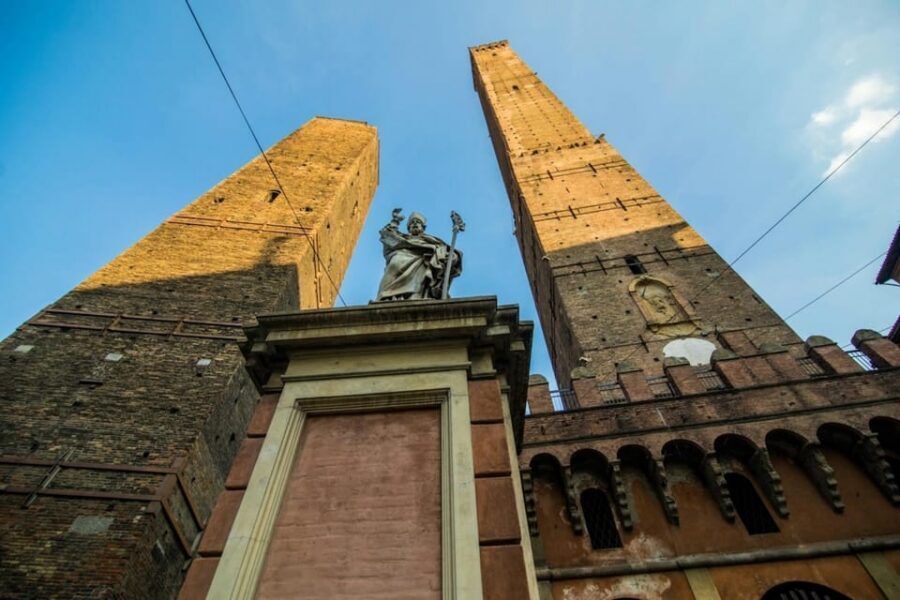
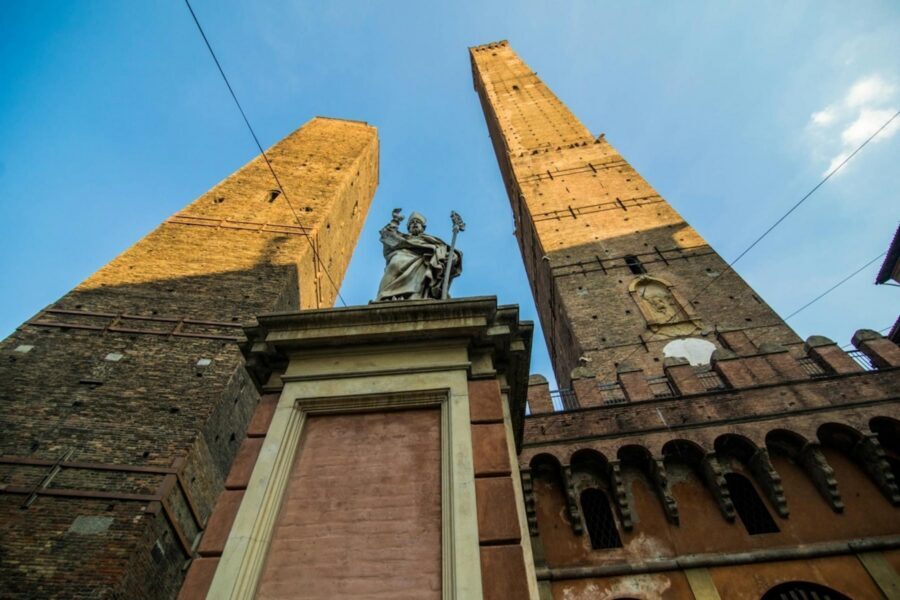
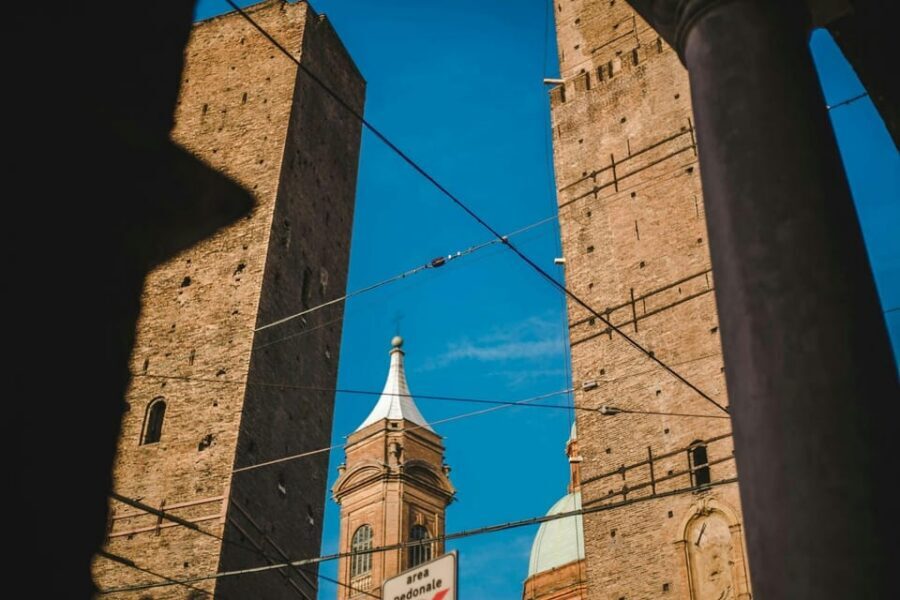
Between the main square and the deeper architectural stops, you’ll pass by the Two Towers area. You’re not meant to linger too long here on this specific route, but it’s a good moment to let the guide point out what towers meant in medieval Bologna—status, family power, and a city that prized vertical statements.
You’ll also pass by additional palace exteriors as the walk continues. Even when the stop is “pass by,” it’s worth paying attention to the guide’s framing. The route is timed so you don’t lose momentum, but you still get the meaning behind what you’re seeing.
If you’re the kind of person who loves photos, this is where you’ll get them. Just keep in mind: the best shots often come from the side angles, not straight-on, because Bologna streets and arcades bend your viewpoint naturally.
San Petronio: Gothic inside, and Cassini’s sun-dial
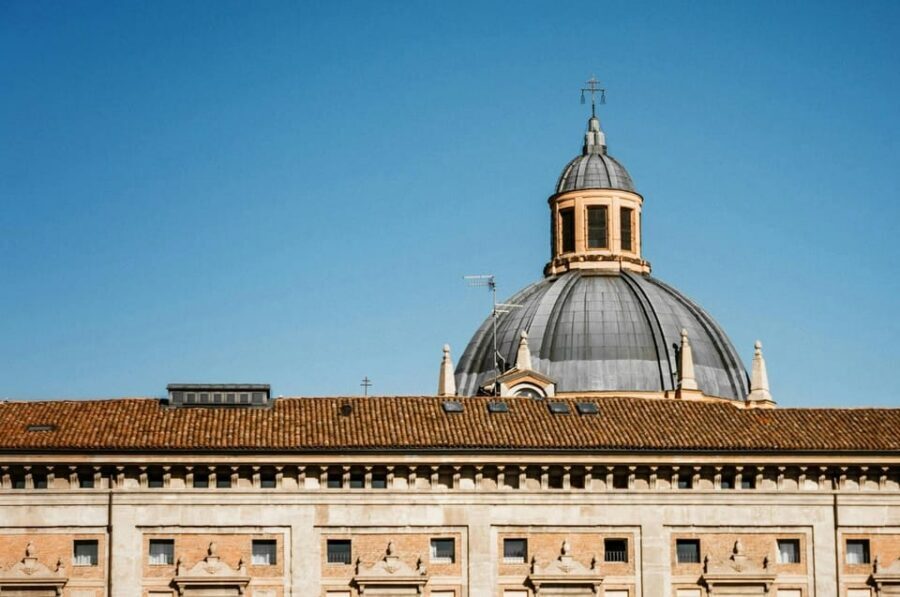
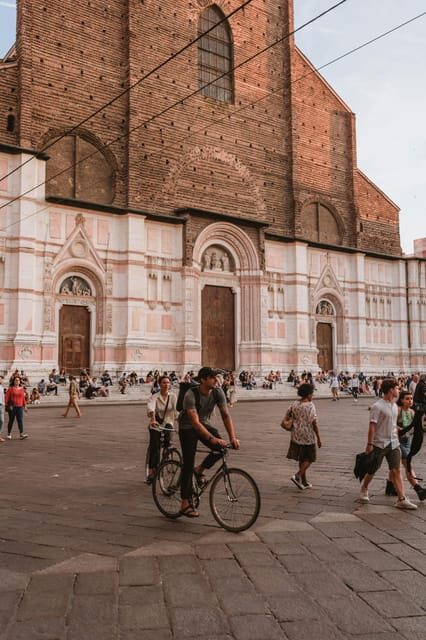
Next up is the Basilica of San Petronio, one of the city’s biggest Gothic landmarks. This is the stop where the tour shifts from “see the building” to “understand the building.”
Inside, the guide points out the Cappella Bolognini, known for vibrant late Gothic frescoes. Frescoes like this are a reminder that these churches weren’t static decorations. They were part of how people learned, worshiped, and celebrated over time.
Then comes a standout detail for science fans and casual observers alike: you’ll be guided to the grand sun-dial designed by astronomer Cassini. A sun-dial in a basilica is one of those things that feels surprising the first time you hear it—and it makes the church feel even more connected to everyday life. Timekeeping, religion, and astronomy overlap here, and you don’t have to be an expert to appreciate what that combination says about the era.
Practical note: church interiors can feel cool and dim compared with the streets. If you run warm easily, bring something light you can layer. Also, wear shoes that handle uneven stone calmly—this is a walking tour, not a sit-down one.
Portico del Pavaglione and Archiginnasio context: the old university story
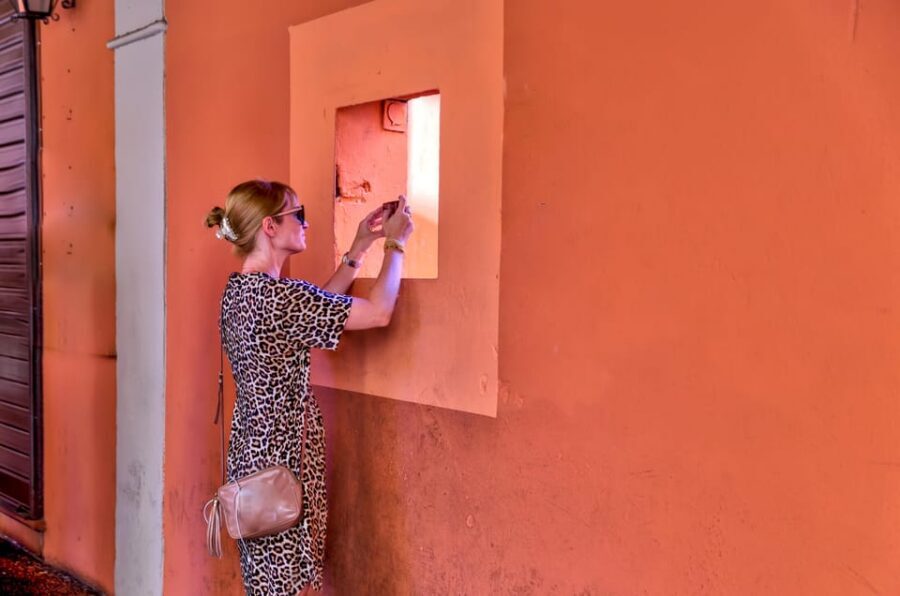
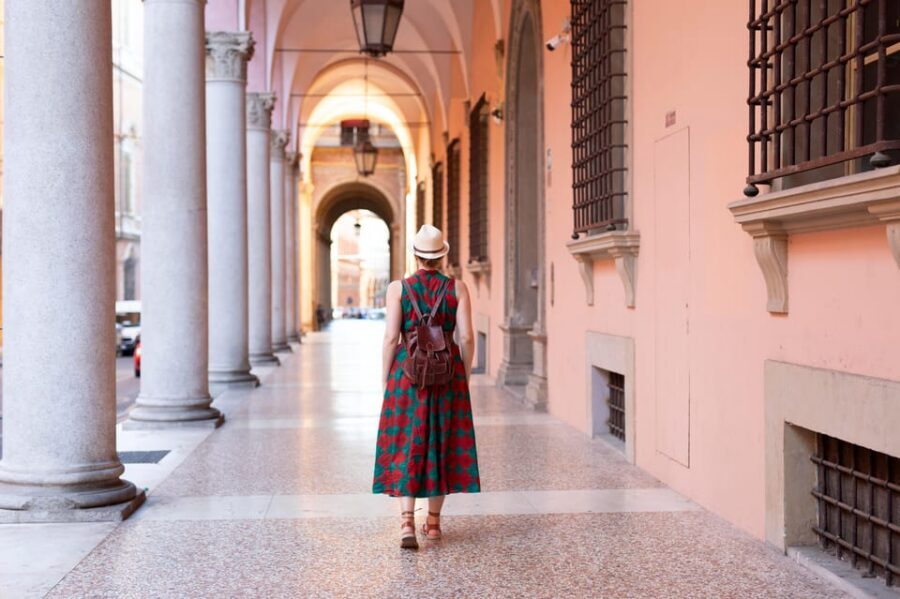
After San Petronio, you walk along the Portico del Pavaglione. Porticoes are a big deal in Bologna, and this stretch helps you feel the city’s rhythm. They shape how people move and how the streets stay usable in different weather.
As you move along, the route links the portico walk to the Archiginnasio Palace area, Bologna’s former university building. You won’t be stuck reading a sign; the guide frames why this building matters to Bologna’s identity.
One of the most specific details you’ll hear here: the Archiginnasio walls carried close to 6,000 student coat of arms. That number lands differently in your head once you realize the university was a large civic force, not just a school. Bologna’s academic reputation isn’t a branding claim—it was built into the architecture and the public display of students.
There’s one important cost note: entrance to the Archiginnasio site is not included, and it requires an extra fee of €3.50 per person. On this tour, you’ll still get the context, but if you want inside access you’ll need to plan for that separate ticket.
You can also read our reviews of more guided tours in Bologna
Mercato di Mezzo: market alleys where locals actually shop
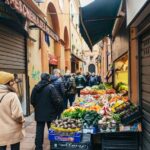
Then you hit Mercato di Mezzo, Bologna’s historic market district. This part of the tour is where the city stops feeling like a set of monuments and starts feeling like a living place.
The guide takes you through market alleys filled with the aromas, colors, and everyday energy of traditional food shops. Even if you don’t stop to buy anything (you might just enjoy looking), you’ll learn how the market fits into the city’s medieval-to-modern continuity. Markets like this are where history shows up as habit: what people eat, what they sell, and what they treat as normal.
Practical advice: if you’re hungry, this is the time to decide if you want a quick snack. The tour is only 2 hours, so you may not have a lot of spare time to browse, but one quick stop for something small can be a nice reward after the churches and palaces.
Also, expect narrower lanes and more foot traffic than in the main squares. Keep an eye on your footing and pace.
Piazza Santo Stefano and the Seven Churches complex: a calm finale
You finish at Piazza Santo Stefano, where the Santo Stefano complex gathers the small Romanesque churches people often refer to as the Jerusalem of Bologna or simply the Seven Churches. This is a clever way to end a historical walking tour: after the big civic statements and the major Gothic basilica, the route shifts to an atmosphere that’s quieter and more intimate.
Santo Stefano’s power is in its layout. Instead of one grand interior dominating the experience, you get a set of connected spaces that make you slow down, look at details, and notice how different churches interact as a group.
What makes this a great finale for your trip: it gives you variety in one walking loop. You’re not ending at another monument that feels similar to what you already saw. You’re ending in a cluster that feels more personal—almost like a transition from public Bologna to spiritual Bologna.
Value and price: does $147.27 per person make sense?
At $147.27 per person for a private 2-hour guided walk, the value depends on what you care about.
Here’s when the price tends to feel worth it:
- You want a guide to explain the meaning behind San Petronio and its Cassini sun-dial, not just point at the building.
- You’d rather spend your time walking through key spots like Piazza Maggiore, the Portico del Pavaglione, Mercato di Mezzo, and Santo Stefano than piece together a self-guided route.
- You like the idea of a private group and a guide who can tailor pace and language.
Here’s the small extra to remember: Archiginnasio entry is €3.50 per person and isn’t included. Also, the tour includes guidance, not site fees everywhere, so be ready for that one optional add-on if you want inside access at the university building.
I also think the multilingual factor matters for value. If you pick a language you’re comfortable with—English, German, French, Spanish, or Italian—you’ll understand more than the average visitor walking by on their own.
Who this tour fits best (and who might skip it)
This tour is best for you if you:
- like architecture and want the story attached to it
- want a tight walk through central Bologna without getting lost
- enjoy markets as part of a cultural plan, not just a place to eat
It’s less ideal if you:
- need accessibility support for mobility challenges (it’s not suitable for people with mobility impairments)
- travel with luggage or large bags (not allowed)
If you’re on a short Bologna trip and want the highlights without spending hours researching, this one is a practical use of your time.
Quick practical tips to make the most of it
- Wear shoes that grip well. The route is central but involves churches and older stone streets.
- Bring a light layer for church interiors; they can feel cooler.
- If you care about Archiginnasio, budget the extra €3.50. On a 2-hour plan, that decision is easier to make before you arrive.
Should you book this private Bologna walk?
If your goal is to see Bologna’s most important medieval and Gothic highlights in a tight, guided loop, I’d say yes. The combination of Piazza Maggiore, San Petronio (with Cassini’s sun-dial and Cappella Bolognini), the Mercato di Mezzo market stop, and a calm landing at Santo Stefano makes the tour feel like a real “Bologna circuit,” not random sightseeing.
Book it especially if you want a high-quality guide experience in your language. The format is private, the route is focused, and the tour earns its cost by connecting places you’d otherwise skim to the details that make Bologna stick in your memory.
FAQ
Where do I meet the guide?
Meet in front of the Biblioteca Salaborsa. The guide will hold a TUI sign/flag.
How long is the tour?
The tour lasts 2 hours.
Is this a private tour?
Yes. It’s a private group experience.
What languages are offered?
The live guide is available in Spanish, English, French, German, and Italian.
Do I need to pay extra for Archiginnasio?
Yes. Entrance to the Archiginnasio site is not included and costs €3.50 per person.
Is luggage or a large bag allowed?
No. Luggage or large bags are not allowed.
Is the tour suitable for people with mobility impairments?
No. It is not suitable for people with mobility impairments.
What if it rains?
The tour runs even when it’s raining. In exceptionally heavy rain, it may be cancelled and you’ll receive a full refund.