REVIEW · CHIANTI
Chianti – Pizza and Tiramisu Course for Only Small Groups
Book on Viator →Operated by SiChef - Cooking Experience · Bookable on Viator
Pizza and tiramisu in Tuscany hits different. This Chianti hills cooking class turns two classic Italian favorites into a simple, teachable process, done at a relaxed villa setting with a small group size and an instructor guiding the steps in English. You end up eating what you make, with your pizza paired with beer or wine.
I especially like the clear focus on pizza fundamentals: kneading the dough and then choosing toppings based on what works. I also like the way the tiramisu course builds from straightforward ingredients like eggs, sugar, mascarpone, bitter cocoa, coffee, and Pavesini, plus recipes provided after class so you can repeat it at home. Chef Julio’s friendly, funny teaching style shows up in the way the class is described, which matters when you’re learning in a shared kitchen.
One possible drawback to note: if multiple pairs or groups are booked together, the class may feel a bit like turn-taking, with some waiting while others work. That can also mean the pizza you eat isn’t always the exact piece you handled, depending on how ingredients and dough are portioned.
In This Review
- Quick highlights
- A Villa Kitchen in the Chianti Hills
- Where You Start and How the Class Typically Flows
- Pizza Basics: Kneading Dough and Choosing Toppings
- Tiramisu From Scratch: Mascarpone, Coffee, Cocoa, and Pavesini
- What You Actually Eat (And What You Can Recreate Later)
- Group Size, Pacing, and the Odds of Waiting
- Language, Style, and the Instructor Factor (Chef Julio Matters)
- Price and Value: Is $141.95 Worth It?
- Who This Chianti Course Is Best For
- Should You Book This Chianti Pizza and Tiramisu Class?
- FAQ
- How long is the Chianti pizza and tiramisu course?
- What is the maximum group size?
- Where is the meeting point?
- Is the course offered in English?
- What dishes will I learn to make?
- Will I get recipes to use at home?
- Can the class accommodate dietary needs?
- Is there beer or wine included?
- Do I receive a mobile ticket and booking confirmation?
- Can I cancel for a full refund, and are service animals allowed?
Quick highlights
- Villa-in-the-hills setting for a slower, calmer pace than a busy city kitchen
- Pizza dough kneading + topping decisions so you learn the why, not just the steps
- Tiramisu with classic ingredients including mascarpone, bitter cocoa, coffee, and Pavesini
- Dietary options available on request: vegetarian, vegan, gluten-free, lactose-free
- Max 12 people with a relaxed group feel in an instructor-led class
- Recipes provided after class so your results don’t rely on memory
A Villa Kitchen in the Chianti Hills
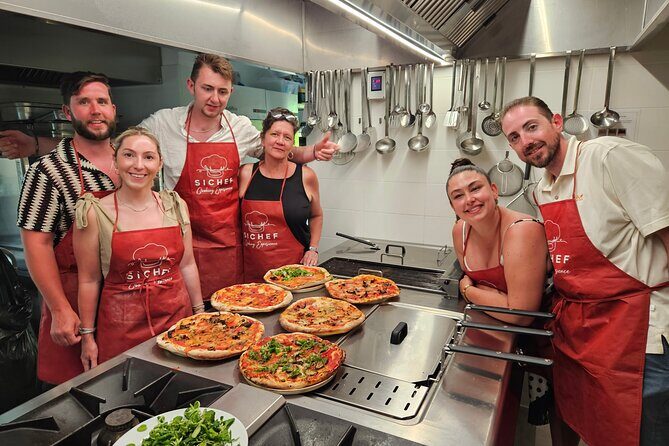
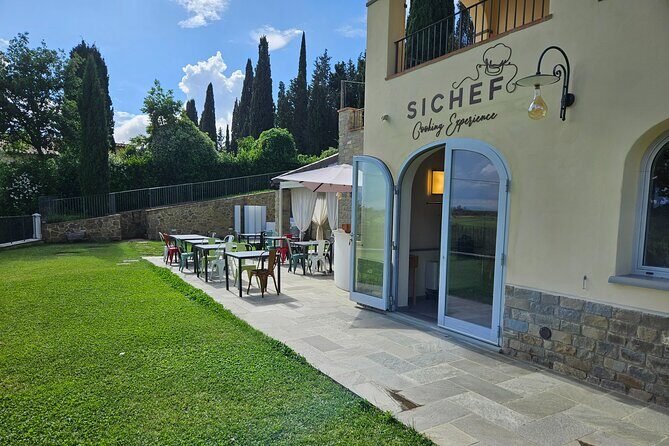
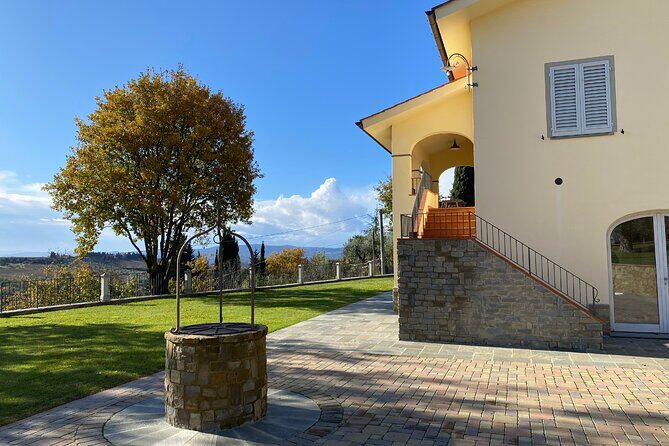
The big reason this class works is the setting. You’re not stuck in a small, crowded storefront kitchen. Instead, you’re cooking in a villa in the middle of the Chianti hills, which changes the whole mood from hectic to hands-on and calm.
That matters more than it sounds. When you’re learning something as finicky as pizza dough and dessert assembly, you want space to ask questions and reset if something goes off-script. Here, the pacing is described as relaxed, and the class is kept small—up to 12 travelers—so you’re less likely to feel lost or rushed.
You also get a real Tuscan rhythm: class first, then you eat what you made. The experience is designed for families and friends, which is a good fit if your group wants something fun and social without being a long day-trip with a rigid agenda.
You can also read our reviews of more tours and experiences in Chianti.


Where You Start and How the Class Typically Flows
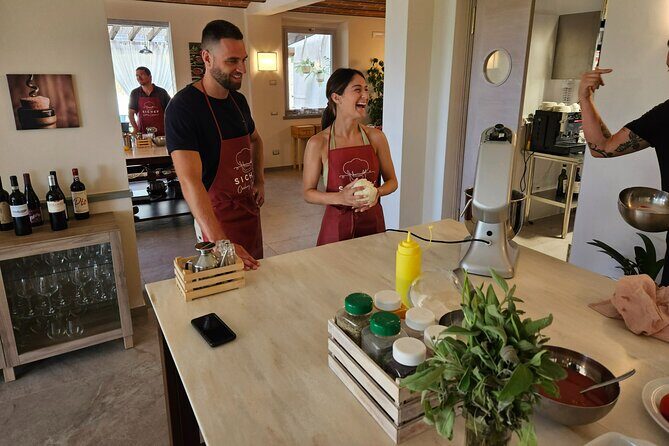
You meet at Str. Spoiano, 1, 50028 Barberino Tavarnelle FI, Italy. From there, the experience connects to the Chianti region, including Greve in Chianti as a start point in the flow of the day.
The class itself runs about 3 hours and is conducted in English. You’ll receive a mobile ticket, and you get confirmation at the time of booking, which helps if you’re planning your days around other reservations.
What you’ll do during the session is straightforward in concept:
1) Make pizza dough and learn how to think about toppings
2) Assemble tiramisu using the classic ingredient list
3) Eat the results with a drink pairing for the pizza course
The schedule is built around learning, not performance. Expect step-by-step guidance, but also expect some shared workspace since you’re in a group format.
Pizza Basics: Kneading Dough and Choosing Toppings
Pizza isn’t just one thing. It’s dough, technique, and choices you can repeat at home. That’s why I like that the course explicitly focuses on kneading and then moves into topping decisions.
The pizza section is built around two learning goals:
- Master the basics of pizza dough kneading
- Make the important decision of toppings
That combination is valuable because most home cooks don’t struggle with selecting ingredients as much as they struggle with getting dough to behave. When you understand kneading, you’re no longer guessing when you’re making dough later. You also learn what to look for when choosing toppings, instead of treating the pizza as a single fixed recipe.
The topping part is also where the class stays fun. It’s an interactive moment where your preferences show. You’re not just being told what to do—you’re making the call, then watching how the dish turns out.
One practical consideration: if the class setup uses shared dough and shared stations, you may end up waiting for your turn to handle dough or work on parts of the process. In one version of the class, groups took turns and the dough was kept together rather than pre-portioned by pair. It didn’t ruin the experience, but it did affect how clearly participants could claim the exact pizza they ate.
Tiramisu From Scratch: Mascarpone, Coffee, Cocoa, and Pavesini
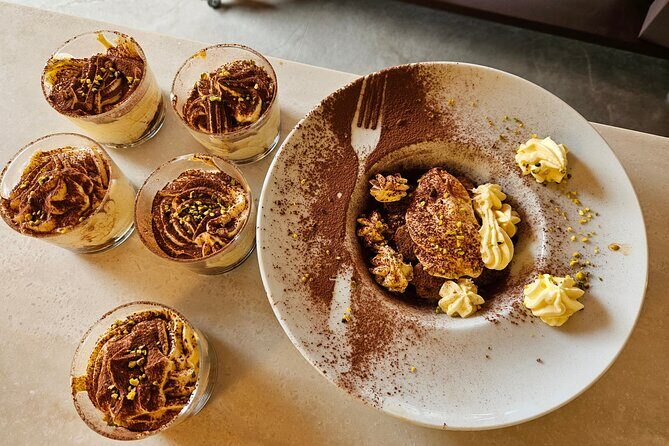
Then comes dessert, and the tiramisu lesson is laid out like a clear ingredient-driven recipe rather than a mysterious technique. You use the classic building blocks listed for the course:
- eggs
- sugar
- mascarpone
- bitter cocoa
- coffee
- Pavesini
The key learning advantage here is that you’re composing the dessert from recognizable ingredients. If you’ve ever looked at tiramisu and felt intimidated, this approach helps you understand it as something you can assemble systematically.
I also like that the class spells out the exact components. That’s what you need to recreate it later. You can’t replicate a dessert if you don’t know which cookies or biscuits were used, and Pavesini is a specific choice. Even if you adjust flavors later, having the same ingredient foundation makes your first attempt much more reliable.
The dessert portion also balances the pizza course. Pizza teaches you about dough and choices. Tiramisu teaches you about texture and assembly. It’s a satisfying pairing for a cooking class, especially when the full experience is only about 3 hours.
What You Actually Eat (And What You Can Recreate Later)
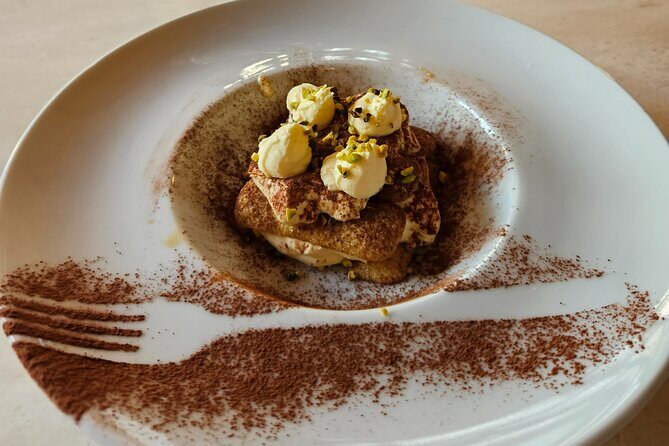
This is not a “watch and taste a bite” class. You’re meant to enjoy the pizza you prepared, and the dessert you made is served too.
The pizza is described as being accompanied by beer or wine, which is a nice touch if you want your meal pairing included without planning it yourself. After you finish the cooking steps, you can sample the dishes over lunch or dinner depending on the timing of your session.
The other major value is that you get recipes provided after class. That turns the course into something more than a one-day activity. For you, it means you can turn the memory into a dinner you actually cook, and not just a story you tell.
In practical terms, recipes after class are what you want when you’re learning technical things like dough. They give you a safety net for your next pizza night, and they help you match ingredients more closely, especially when the course uses specific items like Pavesini and bitter cocoa.



Group Size, Pacing, and the Odds of Waiting
The class is designed around a maximum of 12 people, and that limit helps a lot. In a small group, the instructor can keep an eye on what you’re doing and explain things at a pace that doesn’t feel like a race.
Still, group cooking is always group cooking. One reported wrinkle is that all participants may take turns working through the dough and dessert steps, with a shared arrangement that can leave some people standing and watching while others handle the current step.
If your top priority is solo time on every step, this may not be the perfect fit. If your priority is learning in a friendly environment with time for questions and tasting what you make, the format is likely a good match.
Also, because it’s kept relaxed, the class works even if you’re not a confident cook. A supportive instructor style helps a lot here. Chef Julio’s instruction is described as clear, with a friendly, humorous vibe, which can turn nervous beginners into comfortable learners fast.
Language, Style, and the Instructor Factor (Chef Julio Matters)
This class is offered in English, so you won’t need language gymnastics to understand kneading cues or ingredient roles. That alone makes a difference when you’re trying to focus on technique rather than translating everything in your head.
The instructor’s tone comes through strongly in the descriptions. Chef Julio is repeatedly described as super friendly, with humor, and good at explaining the process. That teaching style matters because small mistakes are easier to correct when the instructor is approachable.
You’re also cooking in a setting that feels like someone’s hospitality, not just a classroom. One note that stood out is that the villa is described as clean and that the owner is accommodating, which supports the idea that you’ll feel comfortable while you learn.
Price and Value: Is $141.95 Worth It?
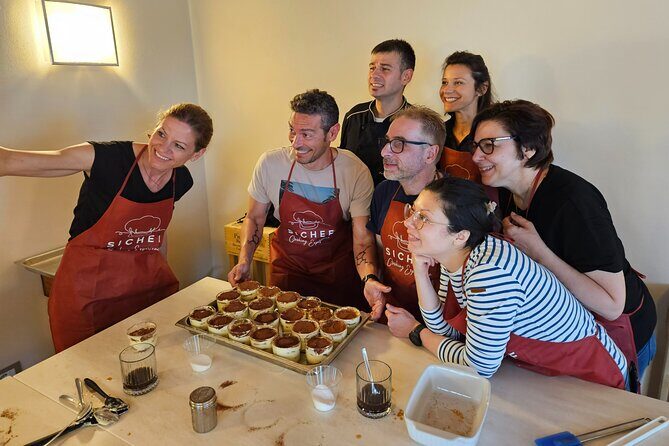
At $141.95 per person, you’re paying for three things: expert instruction, a structured cooking session, and ingredients (plus food to eat at the end). The “value” angle here is not just the ticket price. It’s the fact you leave with knowledge plus materials you can use again.
Here’s what you get for your money, based on what’s included and emphasized:
- an instructor-led class (in English) focused on pizza and tiramisu
- hands-on work during the session with a small group
- your pizza is paired with beer or wine
- recipes provided after class for both dishes
- ingredient options on request (vegetarian, vegan, gluten-free, lactose-free)
If you’ve ever paid for a cooking class and felt like you only tasted and watched, this is the kind where the outcome is the meal you make. That’s a better deal for most people because you get practice, not just entertainment.
If your group is sensitive to waiting time during turn-taking, you might weigh whether the shared setup matches your learning style. But if you want a fun, structured day in the Chianti countryside with a real meal attached, the price looks pretty reasonable for the package.
Who This Chianti Course Is Best For
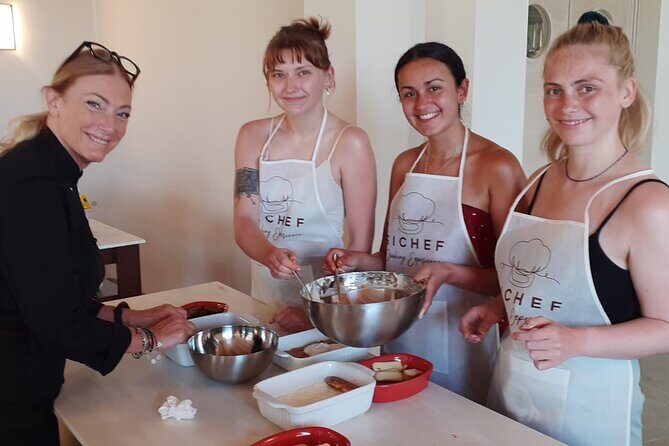
This experience is a strong fit if you want a cooking class that feels like a day out in the countryside, not a crowded city activity.
It especially suits:
- Couples and friends who want a shared project and a meal afterward
- Families who want something hands-on that stays social
- People who want repeatable recipes and not just a one-off dinner
- Anyone who appreciates a small group (up to 12) and a relaxed pace
It might be less ideal if you’re the kind of cook who wants to do every step solo with no waiting. Because the class can be organized around turn-taking, plan on sharing the workspace and momentum.
Should You Book This Chianti Pizza and Tiramisu Class?
If you want an easy-to-understand cooking lesson in a beautiful Chianti hills villa setting, I’d book it. The combination of pizza fundamentals, a classic tiramisu build with Pavesini and bitter cocoa, and recipes afterward is a solid formula for getting something you can actually make again.
I’d skip it only if you’re very sensitive to shared stations and standing around during parts of the process. If that’s not a big deal for you, this class hits the right balance of technique, fun, and a satisfying meal to close the session.
FAQ
How long is the Chianti pizza and tiramisu course?
It lasts about 3 hours.
What is the maximum group size?
The class has a maximum of 12 travelers.
Where is the meeting point?
You meet at Str. Spoiano, 1, 50028 Barberino Tavarnelle FI, Italy.
Is the course offered in English?
Yes, it is offered in English.
What dishes will I learn to make?
You learn how to make pizza and tiramisu.
Will I get recipes to use at home?
Yes. Recipes are provided after class so you can recreate both dishes.
Can the class accommodate dietary needs?
Yes. Dietary needs can be handled on request, including vegetarian, vegan, gluten-free, and/or lactose-free options.
Is there beer or wine included?
Your pizza is accompanied by beer or wine.
Do I receive a mobile ticket and booking confirmation?
Yes. You get a mobile ticket, and you receive confirmation at the time of booking.
Can I cancel for a full refund, and are service animals allowed?
Free cancellation is available, with a full refund if you cancel up to 24 hours before the experience starts. Service animals are allowed.