REVIEW · CHIANTI
Homemade Pasta Class and Lunch in the Heart of Chianti
Book on Viator →Operated by eatwith · Bookable on Viator
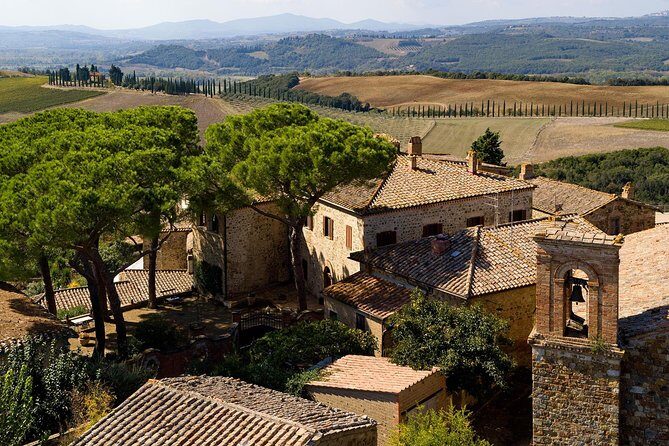
Francesco’s farmhouse day beats most restaurant dinners. This homemade pasta class is built around the Chianti hills, a family-style garden welcome, and hands-on cooking with Valentina and Anna as your guides. Expect olive trees, cypresses, and mulberry trees, plus a meal that feels like you’ve been invited into a real Tuscan kitchen for the afternoon.
I especially love the small group size (up to 8), because you can actually learn the technique instead of watching from the sidelines. I also like that the day includes a full sit-down lunch with wine, with dishes that match what you just made (not just a token tasting).
One consideration: language can be a little bumpy. English is offered, but the hosts may use a translation tool, so plan to be patient and go with the flow.
In This Review
- Key Highlights at a Glance
- A Chianti Hills Farmhouse Start That Sets the Tone
- Meet the Hosts: Francesco, Valentina, and Anna in a Real-Family Setting
- Hands-On Fresh Pasta: Learning Shapes You Can Actually Recreate
- A quick reality check about timing
- The Starter Board: Why Pappa al Pomodoro and Fettunta Fit the Day
- The Main Course: Seasonal Vegetable Sauce on Fresh Pasta
- Dessert and Coffee: A Sweet Finish That Feels Like the End of a Meal
- Chianti Wine Pairing: Included, Not an Afterthought
- Where It Fits in Your Day Trip Plan
- Getting There: Meeting Point and the Address on Your Voucher
- What to Do About Language and Communication
- Food Restrictions: Message Them Before the Class
- How Much Does It Cost, and Is It Good Value?
- Who This Pasta Class Suits Best
- Should You Book This Homemade Pasta Class and Lunch in Chianti?
- FAQ
- What time does the Chianti pasta class start?
- How long is the experience?
- Where do I meet for the class?
- Will I return to the same meeting point?
- Is the class offered in English?
- What’s the maximum group size?
- Is wine included?
- Can I get a refund if plans change?
Key Highlights at a Glance
- Small group format (max 8) for hands-on guidance and a relaxed pace
- Three fresh pasta shapes you’ll learn and cook (tagliatelle, fusilli, orecchiette)
- Garden lunch in Chianti with a starter spread and seasonal vegetable sauce
- Chianti wine included alongside a dessert-and-coffee finish
- Farm-to-table feel using quality products from the family farm
A Chianti Hills Farmhouse Start That Sets the Tone
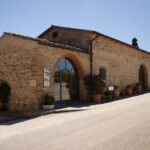
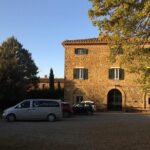
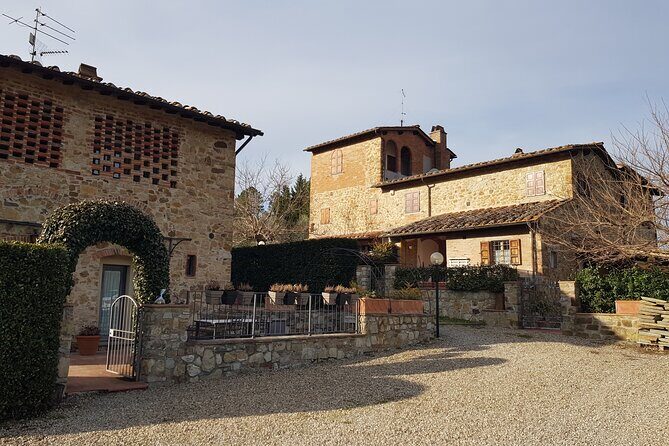
The day begins in and around Greve in Chianti, at Palagione (meeting point: Palagione 50027 Greve in Chianti). You start at 11:30 am and the experience ends back at the same meeting point, so you’re not stuck figuring out “what now” after lunch.
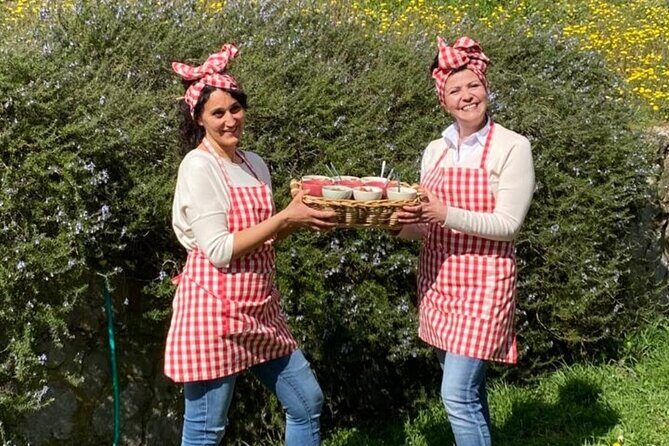
When you arrive, you’re greeted by Francesco, the farmhouse owner, and then met by Valentina and their friend Anna (one of the hosts is also referred to as Annamaria in reviews). This matters more than it sounds. In a cooking class, the vibe affects everything: if people feel relaxed, you’ll learn faster and enjoy the food more.
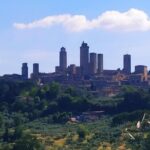
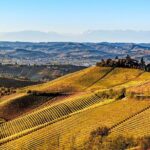
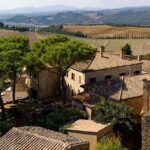
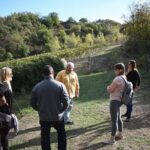
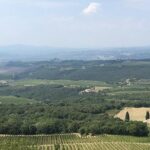
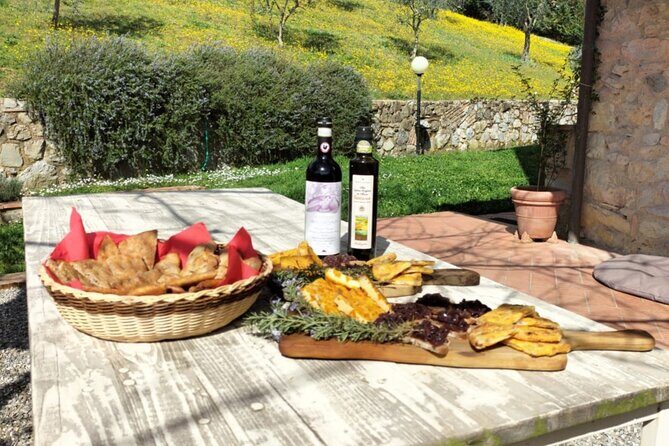
The welcome happens in a garden setting with olive trees, cypresses, and mulberry trees. That outdoor backdrop also helps you get why Chianti cuisine is so tied to the seasons. You’re not just learning recipes; you’re absorbing the setting that makes those ingredients worth using.
You can also read our reviews of more tours and experiences in Chianti
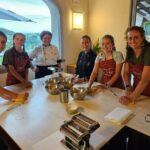
Meet the Hosts: Francesco, Valentina, and Anna in a Real-Family Setting
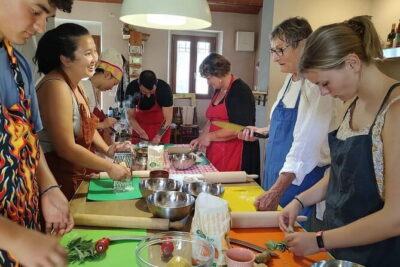
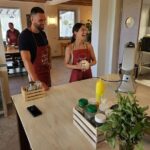
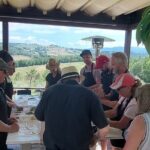
This is not a big, scripted workshop. The hosts run it like a family table, which shows up in how the day is structured: welcome first, cooking together second, then lunch in the garden afterward.
Francesco’s role is the host-and-conviviality piece. Valentina and Anna are two of the cooks who teach the traditions of Tuscan cuisine, including pasta-making and desserts. In one review, the hosts even used a translation tool and it worked well enough that the language gap didn’t derail the experience, which is what you want.
And yes, there’s a playful side to the day. One review mentions the hosts’ dogs, Muso and Cuba, adding a little charm when you’re waiting for dough to rest or pasta to dry.
Hands-On Fresh Pasta: Learning Shapes You Can Actually Recreate
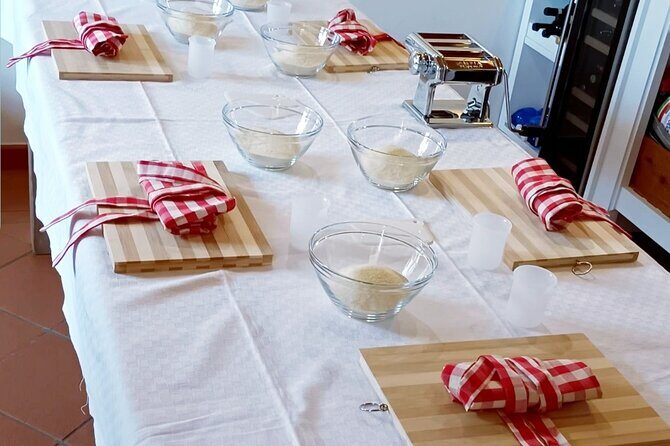
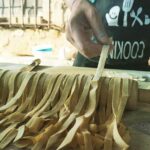
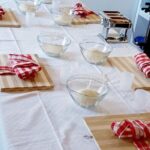
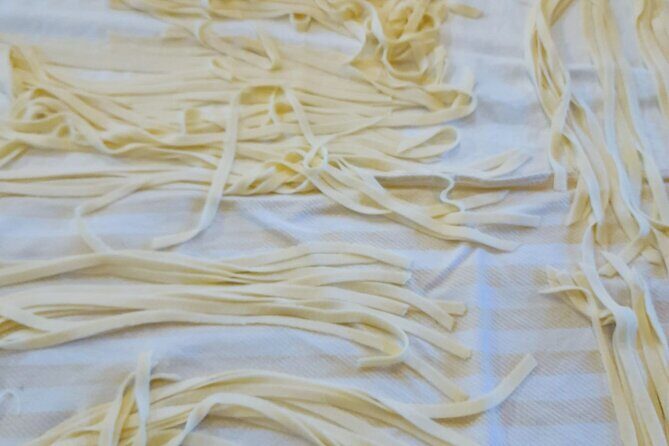
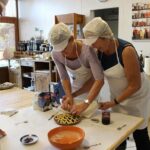
This class centers on making pasta together. You’ll work with dough, shape it into different forms, and then cook what you make for lunch. That’s the key difference between a “watch and taste” experience and one that actually teaches you something useful at home.
Based on the course menu and how the day is described, you’ll work with three pasta types:
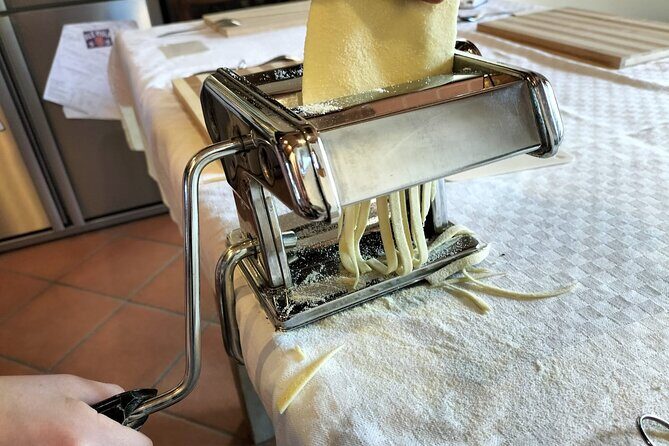
- Tagliatelle
- Fusilli
- Orecchiette
In practice, the learning goal is not just to form pretty shapes. It’s to understand how the dough behaves and how shape affects the way sauce clings and cooks. When you make multiple shapes in one session, you get better at noticing the differences in thickness, texture, and timing.
One reason people rate this so highly is the pacing. Multiple reviews describe the instruction as approachable, patient, and easy to follow even if you don’t have a lot of cooking experience. That’s the big value: you’re not being graded—you’re being taught.
A quick reality check about timing
It’s a 4-hour experience, so there’s not time for a long fermentation science project. The focus is on doable technique and results you’ll eat. If you’re the type who likes deep, theory-heavy cooking courses, you might still enjoy this—just treat it as practical “learn it and taste it” Tuscan cooking.
The Starter Board: Why Pappa al Pomodoro and Fettunta Fit the Day

Before the main pasta portion, you’ll start with a starter spread that includes:
- Board with croutons
- Pappa al pomodoro
- Fettunta
Pappa al pomodoro is a classic Tuscan tomato-and-bread dish. It’s not fussy, but it’s smart, because it’s filling and comforting without feeling heavy. Croutons are a practical touch too: they add crunch and make the starter feel more like a shared board than a single plated course.
Fettunta is another bread-forward starter. Since you’re about to work with flour and dough, bread-based starters actually make sense. You get a warm, savory foundation while the cooking schedule is ramping up.
This is also where the generosity shows. In reviews, people describe leaving with more food than they expected—especially once lunch arrives. The starter sets you up to enjoy the rest of the menu without feeling rushed.
You can also read our reviews of more tours and experiences in Chianti
The Main Course: Seasonal Vegetable Sauce on Fresh Pasta
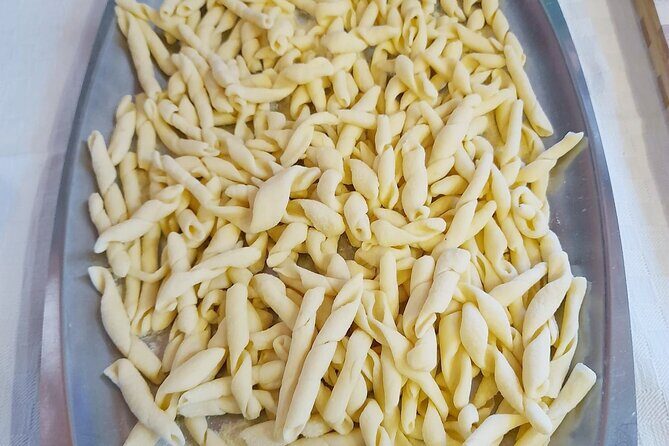
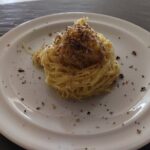
Lunch is built around what you made. Your main course uses one of the pasta shapes (tagliatelle, fusilli, or orecchiette) served with a sauce based on seasonal vegetables.
That “seasonal vegetables” phrase is doing a lot of work. It means the menu is responsive, which keeps the cooking rooted in what the farm and local market would realistically offer. In a place like Chianti, that seasonal approach is part of why the food tastes simple but never boring.
Also, fresh pasta pairs especially well with vegetable-forward sauces. The pasta’s texture holds onto sauce differently than dried pasta. That’s exactly the kind of small culinary detail that makes this class memorable later, when you try recreating it at home.
Dessert and Coffee: A Sweet Finish That Feels Like the End of a Meal
After the pasta, you’ll make a typical dessert and then have dessert as part of the lunch experience. The sample menu lists:
- Two different types of desserts
- Coffee
Some classes stop at the cooking. Here, dessert is part of the learning arc, which is why it lands well for people who like finishing what they started. Even if you don’t become the household pastry chef, you’ll leave with a sense of the Tuscan rhythm: starter, handmade pasta, then a sweet close with coffee.
Chianti Wine Pairing: Included, Not an Afterthought
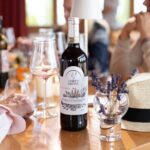
An excellent Chianti wine accompanies the meal. This is important for value, because wine pairing often costs extra in other settings.
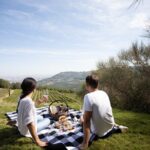
It also keeps the day aligned with Tuscan hospitality. Pasta-making can be hands-on and a little time-consuming. Having the meal paired with wine turns it into the kind of long lunch you’d hope for in the countryside, not just a quick “course and out” meal.
If you’re not a wine drinker, you’ll still have plenty to enjoy—most of the value is the meal and the cooking—but the wine is explicitly part of the experience as described.
Where It Fits in Your Day Trip Plan
This is a 4-hour activity that starts at 11:30 am. That timing is great if you want to avoid a late lunch drift and still get a full morning in Chianti. It’s also a solid alternative to winery tours if you want something more hands-on and less structured.
The class ends back at the meeting point. That matters because you don’t have to plan an open-ended “transport after the last bite.” If you’re staying in the Greve in Chianti area, it’s especially convenient.
Getting There: Meeting Point and the Address on Your Voucher
You meet at Palagione, 50027 Greve in Chianti. The full address is provided on your confirmation voucher under the Before you go section, so don’t count on guessing the exact doorstep from the meeting point alone.
One plus: it’s near public transportation. If you’re planning to use local buses or shared rides, this is the kind of tour that’s easier to plug into your schedule than a totally remote experience with complicated access.
Because the exact arrival spot is confirmed in your voucher, I’d treat the meeting instructions as your “source of truth” for where to stand at 11:30 am.
What to Do About Language and Communication
English is offered, and you’ll be taught while cooking. Still, some reviews point out that the hosts may have limited English and used translation support.
Here’s the practical approach I’d recommend:
- Bring a phone translation tool and keep it handy.
- Be ready for a lot of smiling, gestures, and hands-on demonstration.
- Ask questions early, before dough-making gets busy.
If you’d like maximum smoothness, you can also message ahead about how you communicate best (simple phrases are often fine). One review even suggests that having working Wi-Fi would help translation. The lesson for you: don’t rely on slow or weak connectivity—test your phone before you go.
Food Restrictions: Message Them Before the Class
They ask guests to communicate any food restrictions (allergies or special diets) when needed. That’s not optional fine print—this is a home-cooking setting, and ingredient choices matter.
If you have allergies or a strict diet, contact the operator in advance with clear details. For example, you might need confirmation about ingredients in pasta dough, sauces, or dessert components. The best outcomes come when hosts know exactly what you need before shopping and prep.
How Much Does It Cost, and Is It Good Value?
The price is $201.64 per person for about 4 hours. That sounds steep until you compare what’s actually included.
What you’re paying for:
- A hands-on homemade pasta class where you make pasta together
- A complete lunch that includes multiple courses
- Chianti wine included with the meal
- A small group experience (maximum 8 travelers)
In other words, you’re not just buying a lesson. You’re buying the meal, the teaching time, and the setting: garden lunch on the Chianti hills. For many people, that combination is what makes it feel worth it, especially if you want an experience that’s more personal than a standard restaurant reservation.
Who This Pasta Class Suits Best
This is a great fit if you:
- Want a hands-on cooking experience in the Chianti area
- Like small groups where you’ll be able to ask questions
- Prefer home-style Italian food over formal dining
- Are curious about Tuscan food traditions beyond just tasting
It may be less ideal if you:
- Hate any language barrier at all (even with translation support)
- Want a super technical class with strict culinary theory
- Need a very rigid schedule with detailed minute-by-minute steps
Should You Book This Homemade Pasta Class and Lunch in Chianti?
Yes—if you want the kind of day that ends with full stomachs and a real sense of how Tuscan food is made, this is a smart booking. The recipe payoff is practical: you’ll learn pasta shapes you can repeat, and you’ll eat a complete meal that ties directly to what you cooked.
Book it especially if you’re traveling in a small group or as a couple and want something romantic, calm, and genuinely local-feeling. The garden lunch and the family-style hospitality are the big wins.
FAQ
What time does the Chianti pasta class start?
It starts at 11:30 am.
How long is the experience?
The duration is about 4 hours.
Where do I meet for the class?
The meeting point is Palagione, 50027 Greve in Chianti, Metropolitan City of Florence, Italy.
Will I return to the same meeting point?
Yes. The activity ends back at the meeting point.
Is the class offered in English?
Yes, it’s offered in English.
What’s the maximum group size?
The maximum is 8 travelers.
Is wine included?
Yes. An excellent Chianti wine is included with lunch.
Can I get a refund if plans change?
Free cancellation is available up to 24 hours in advance of the experience start time for a full refund.