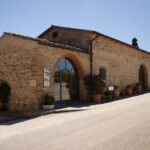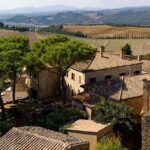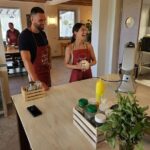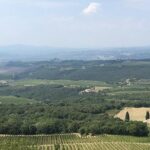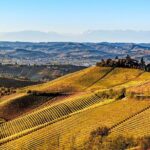
Cooking in the Chianti countryside is more than a meal. It’s a 3-hour, private class at Agriturismo Le Bonatte where you’ll cook a full Tuscan menu, taste local products, and leave with recipes you can actually use at home. The setting is hands-on and personal, with instruction led by Giorgia and Gioia (the class often feels like learning from family).
I especially like the focus on real technique and simple, step-by-step guidance. You’ll make everything yourself, including fresh pasta, and you’ll sit down to enjoy what you cook rather than treating it like a demo. And I love that the experience includes tastings of organic extra virgin olive oil and Chianti Classico, so the food has context, not just flavor.
One possible consideration: the schedule is limited to Monday–Friday at 10:00 AM–1:00 PM, so if your trip is more weekend-heavy, you may need to shuffle dates to make it work. Also, because it’s in a farmhouse setting in the country, plan ahead for how you’ll get there from your base.
In This Review
- Key highlights you’ll feel fast
- From Radda in Chianti to a real Tuscan kitchen
- The menu: what you’ll cook, why it matters, and what you’ll eat
- Starter: panzanella (Tuscan bread salad, done properly)
- Main: tagliatelle al ragù (fresh pasta and Tuscan meat sauce)
- Dessert: tiramisù (the sweet finale)
- The tastings: olive oil, Chianti Classico, and local sharing
- Meet Giorgia and Gioia: teaching style that makes people relax
- What a typical 10:00–13:00 schedule feels like
- Why the private format is worth paying for
- Practical details that help you enjoy it more
- Who this is best for (and who should think twice)
- Should you book this Tuscan cooking class?
- FAQ
- What menu will we cook during the class?
- Is the class private and offered in English?
- How long is the cooking class, and what time does it run?
- What tastings are included?
- Where do we meet?
- How far in advance should we book, and what’s the cancellation rule?
Key highlights you’ll feel fast
- Private class with personal attention, so questions don’t get lost in a big room
- A full menu: panzanella starter, tagliatelle al ragù main, tiramisù dessert
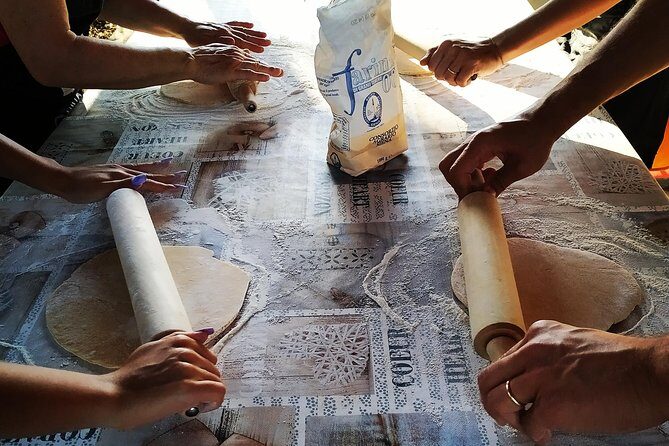
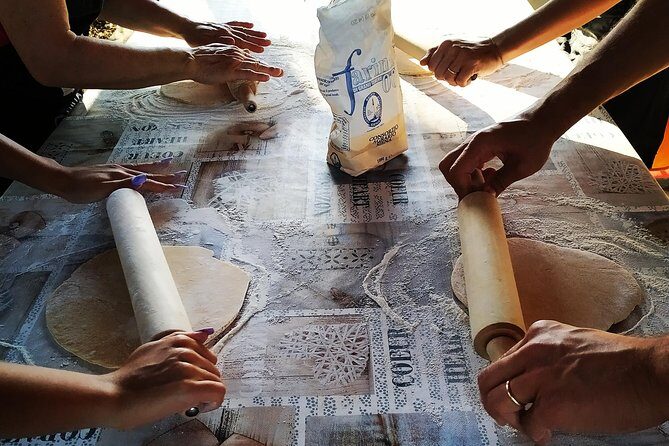
- Hands-on fresh pasta experience, not just assembling or watching
- Olive oil and wine tastings, including Chianti Classico, tied to what you’re cooking
- Recipe take-home materials, so you can recreate the menu later
- A warm, story-filled atmosphere with Giorgia and Gioia’s teaching style and local anecdotes
From Radda in Chianti to a real Tuscan kitchen
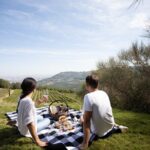
This class is set in the Chianti area at Agriturismo Le Bonatte, in the hamlet of Loc. le Bonatte, 77, 53017 Radda in Chianti (SI). You meet there at the start time and finish back at the same place, so you’re not dealing with a long, complicated run around the countryside.
The most practical part: the class is designed around one compact block of time, about 3 hours. That matters because you can focus on learning and cooking without feeling rushed into a photo sprint. It’s also private, so it’s easier to tailor your pace if you’re new to pasta or just want to slow down and understand each step.
You can also read our reviews of more cooking classes in Chianti
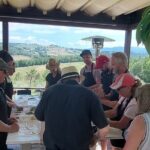
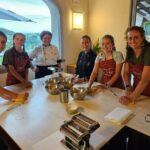
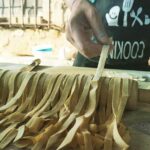
The menu: what you’ll cook, why it matters, and what you’ll eat
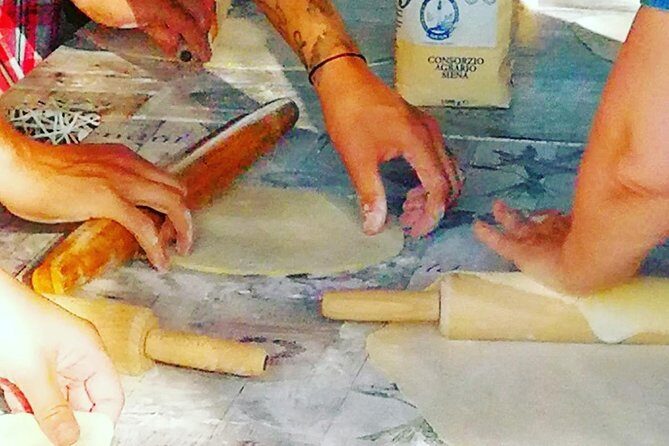
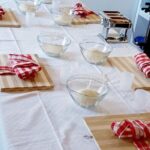
You’ll prepare a complete Tuscan-style menu together. In other words, you’re not just making one item and getting a small snack. The class builds a full meal from starter to dessert.
Starter: panzanella (Tuscan bread salad, done properly)
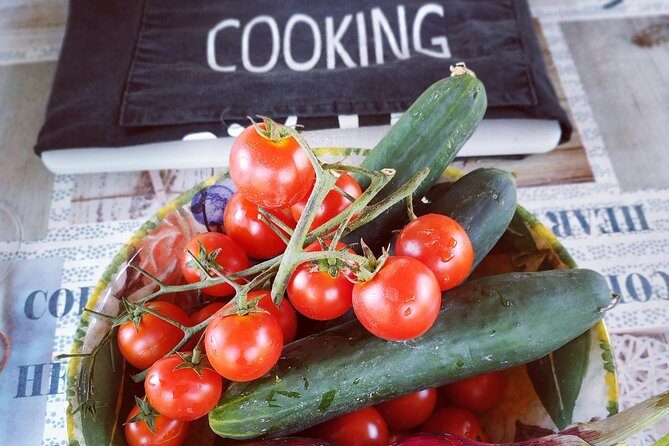
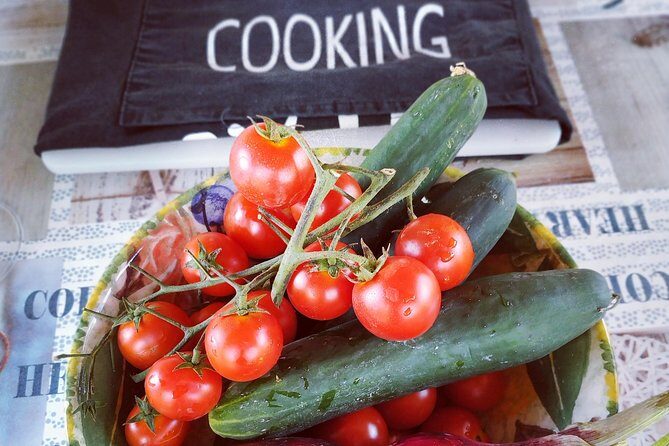
You’ll make panzanella, a classic Tuscan salad built around fresh ingredients. The key idea with panzanella is balance: juicy tomatoes and crisp vegetables, then bread used in a way that turns it from plain into part of the dish instead of something separate.
In class, you’ll work through the practical steps of building the salad so it tastes like a coordinated meal. Expect it to be colorful, fresh, and very “this is how Italians actually eat” rather than fussy restaurant plating.
Main: tagliatelle al ragù (fresh pasta and Tuscan meat sauce)
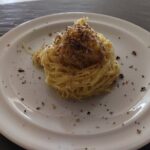
The main event is tagliatelle al ragù, with fresh pasta made from scratch and a meat sauce in the Tuscan tradition. You’ll learn the process of shaping and cooking pasta while also working on the ragù (the meat sauce), so you understand how the two parts work together.
This is the part that most people remember because it turns cooking into a small project. You’ll go from ingredients to something that looks and tastes like real homemade food. It’s also where the private format helps: if your dough or timing needs adjustment, you’re not stuck hoping someone notices.
And yes, you’ll eat it. You’re making a meal for the table, not training on a tray that someone else will finish.
Dessert: tiramisù (the sweet finale)
For dessert, you’ll make tiramisù, a classic Italian favorite. What I like about doing tiramisù in a cooking class is that it’s both familiar and educational. Even if you’ve had it before, making it step by step helps you understand why the texture works and how to get the balance right.
You’ll assemble the dessert and then enjoy it, so the class ends on a satisfying note instead of sending you out with only ingredients.
You can also read our reviews of more tours and experiences in Chianti
The tastings: olive oil, Chianti Classico, and local sharing
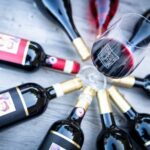
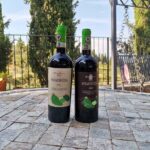
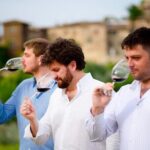
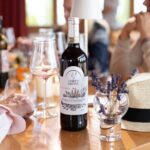
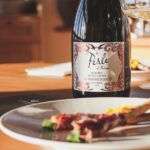
This experience includes a tasting of organic extra virgin olive oil and Chianti Classico wine. That pairing is smart. When you taste olive oil and wine while you’re cooking, you start connecting flavor to ingredients rather than just chasing salt, fat, and sugar.
Olive oil tasting helps you learn what “good” actually tastes like in plain terms: fruitiness, balance, and aroma. Wine tasting adds another layer, especially with a ragù main where red wine naturally belongs.
Some hosts also share other regional sips during the conversation, depending on what’s available. You might find an extra taste of vin santo as part of the day if it’s offered in the moment.
Meet Giorgia and Gioia: teaching style that makes people relax
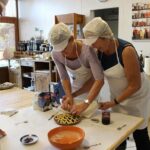
The class runs with Giorgia and Gioia working as a team. The vibe is warm and structured at the same time: clear instruction, then lots of chatting while you work. The teaching style is also built for real humans, not just experienced home cooks.
A recurring theme with this duo is how they turn strangers into a comfortable group. People laugh while they chop, stir, knead, and shape pasta. That matters because cooking lessons can be awkward if nobody breaks the ice. Here, the environment nudges you into asking questions and trying things without fear of messing up.
Giorgia brings the cooking instruction, including technique and how to handle the steps. Gioia adds regional context through stories about food and the area, and you’ll hear enough local detail to make the recipes feel grounded, not generic.
What a typical 10:00–13:00 schedule feels like

The class is offered within a daily time block of 10:00 AM to 1:00 PM (Monday through Friday). You’ll arrive, settle in, and start with the starter. After that, you’ll move into the pasta and sauce work, then finish with tiramisù.
You won’t be bouncing between multiple locations. It stays in one place, which makes it easier to stay present. That’s the kind of logistics that makes the experience feel relaxing instead of chaotic.
Because it’s private, the flow can also match your group’s rhythm. If you’re slower with cutting vegetables or shaping pasta, you’ll get time built into the lesson rather than watching the clock like it’s a bus tour.
Why the private format is worth paying for
At $132.32 per person for about 3 hours, it’s not a cheap activity, but it isn’t priced like a simple tasting either. You’re paying for:
- hands-on instruction
- a full menu you cook and eat
- ingredient tastings (organic olive oil and Chianti Classico)
- recipe take-home materials
- a private setting with no one else to compete with for attention
That private attention is the real value. In group classes, one person can dominate questions, and the rest cope in silence. Here, your group gets room to focus on learning and getting your hands on the process.
If you’re the type who likes to recreate food at home, recipe take-home materials raise the value again. A class that ends at the dining table is just a meal. A class that gives you your own copy of what you made becomes a repeatable skill.
Practical details that help you enjoy it more
A few things you’ll want to keep in mind so the day goes smoothly.
Bring your appetite. This is a full meal format, and the work is real. You’ll work through starter, main, and dessert, and you should plan for all of it to land on your plate while your day’s energy is still high.
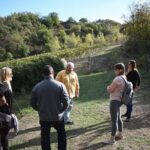
Expect a countryside setting. The meeting point is at a working agriturismo in the Loc. le Bonatte area of Radda in Chianti. You’ll want to plan transport from where you’re staying, since rural stops don’t always connect easily with public options.
Language is covered. The class is offered in English, so you don’t have to worry about losing key instructions.
Use a mobile ticket. You’ll receive a mobile ticket, and you’ll get confirmation within 48 hours of booking, depending on availability. With a private class, that availability can matter.
Who this is best for (and who should think twice)
This is a great fit if you want a hands-on food day in Tuscany that feels personal, not staged. It’s ideal for couples who want something more meaningful than another sightseeing stop. It also works well for people who love wine and olive oil and want those flavors tied to what’s on the table.
It’s also a solid choice for mixed skill levels. The instruction is set up so people can follow along even if they’ve never made fresh pasta before.
The main reason to think twice is timing. Since it’s Monday–Friday 10:00 AM–1:00 PM, it won’t work for everyone’s schedule. If your itinerary is tight on weekdays or you’re only free on weekends, you may need to look at alternatives.
Should you book this Tuscan cooking class?
I’d book it if you want real technique, a private pace, and a full Tuscan menu that you make and eat in one sitting. Giorgia and Gioia’s approach adds something harder to quantify: the day feels friendly, not stiff, and it makes learning pasta and ragù feel doable.
Skip it (or at least double-check dates) if you’re only available outside Monday–Friday mornings. Also consider whether you’re comfortable planning a rural meeting point in the Chianti area.
If your goal is a memorable food day in Tuscany that you can repeat at home, this one is built for that.
FAQ
What menu will we cook during the class?
You’ll prepare a typical Tuscan starter (panzanella), a main course of fresh pasta with Tuscan ragù (tagliatelle al ragù), and dessert (tiramisù).
Is the class private and offered in English?
Yes. It’s a private tour/activity where only your group participates, and it’s offered in English.
How long is the cooking class, and what time does it run?
The duration is about 3 hours. The activity is scheduled Monday to Friday from 10:00 AM to 1:00 PM.
What tastings are included?
The class includes a tasting of organic extra virgin olive oil and Chianti Classico wine.
Where do we meet?
You start at Agriturismo Le Bonatte, Loc. le Bonatte, 77, 53017 Radda in Chianti SI, Italy, and the activity ends back at the same meeting point.
How far in advance should we book, and what’s the cancellation rule?
On average, it’s booked about 60 days in advance. Confirmation is sent within 48 hours of booking, subject to availability, and you can cancel for a full refund up to 24 hours before the experience’s start time.