REVIEW · CHIANTI
Chianti -Fresh Pasta Making Class and Sauces with Lunch or Dinner
Book on Viator →Operated by SiChef - Cooking Experience · Bookable on Viator
Fresh pasta, made without fear.
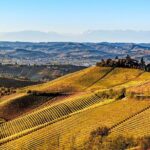
This class is a hands-on 3-hour cooking session in the heart of Chianti, starting with a welcome drink and those big Chianti hill views around Barberino Tavarnelle. You’ll work with a chef to learn how to make fresh dough using flour, water, and eggs, then shape ravioli, tagliatelle, cappelletti, and/or gnocchi with seasonal flavorings. I especially like that you’re not just watching technique—you’re tasting the results at the end, with lunch (or dinner), wine, dessert, and coffee included. One note to keep in mind: while you’ll do plenty yourself, the flow can be efficient, and you might see some initial prep done before you start shaping every single component.
The “how big is the group?” question is the only potential wrinkle. Even with the private format, the kitchen can feel like a shared workspace if there are more people in your session than you planned for, and beginners should expect a short learning curve before dough becomes easy. Still, the overall vibe is patient and fun, and the results are real food you’ll be proud to eat.
In This Review
- Key things I’d circle before you book
- Getting there from Florence: the Chianti setting changes everything
- The dough lesson: flour, water, and eggs with real technique
- Shaping your pasta: what you do vs. what the kitchen does
- Sauces in Chianti: matching flavor to the pasta shape
- Lunch with your own pasta: cold cuts, cheese, wine, and dessert
- Where it happens: the kitchen, the house, and the view factor
- Who this class is best for (and who should rethink)
- Price and value: what $144.03 buys you in real life
- Timing and logistics that matter during the 3 hours
- Recipes to take home: the real souvenir
- Should you book this Chianti fresh pasta class?
- FAQ
- How long is the Chianti fresh pasta class?
- What pasta and sauces will I learn to make?
- What’s included with lunch or dinner?
- Where do I meet the group?
- Is the experience private and offered in English?
- Can I get a refund if I cancel?
Key things I’d circle before you book
- Hilltop welcome drink with views over the Chianti countryside before you touch dough
- 2 to 3 pasta types from classics like ravioli and tagliatelle, plus options like cappelletti or gnocchi
- Sauces matched to your pasta, explained so you can re-create them later
- Real lunch with local appetizers (cold cuts and cheeses), wine, dessert, water, and coffee
- Recipes to take home, so the day keeps paying off after your trip
- Beginner-friendly structure, with room for you to touch, shape, and learn even if you’re new
Getting there from Florence: the Chianti setting changes everything
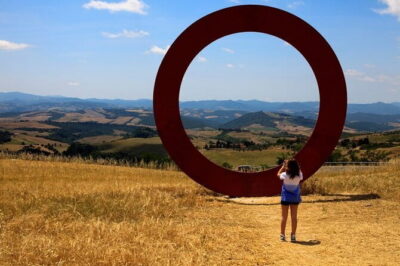
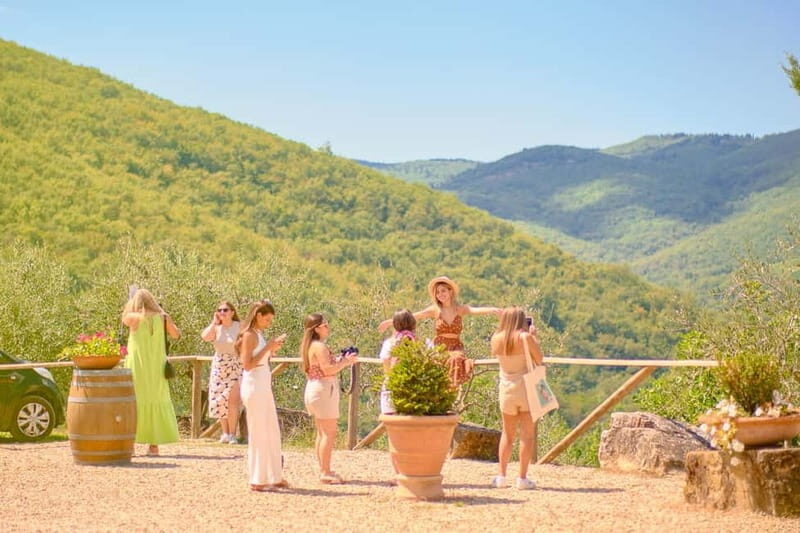
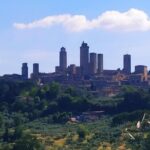
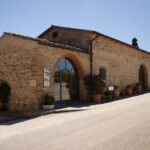
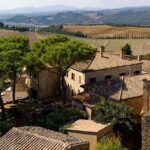
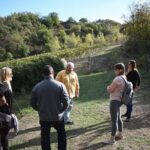
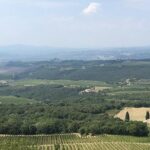
This pasta class is about 30 km from central Florence, so you’re trading city noise for countryside rhythm fast. You start at Str. Spoiano, 1, 50028 Barberino Tavarnelle (FI), and the day kicks off with a welcome drink that comes with an unbeatable view over the Chianti hills. That matters, because it puts you in a practical frame of mind: you’re not doing a quick gimmick. You’re learning the basics of fresh pasta in the place Italians actually associate with food.
The session runs about 3 hours. That time window is long enough for you to feel your hands learn something (dough, rolling, shaping), but not so long that you turn into a tired spectator. If you’re doing Tuscany as a day-trip kind of schedule, this is a good fit because it gives you a solid activity plus a full meal without needing extra plans afterward.
You’ll also get the class in English, which is a relief if you’re relying on your Italian being limited to ordering and smiling.
You can also read our reviews of more cooking classes in Chianti
The dough lesson: flour, water, and eggs with real technique
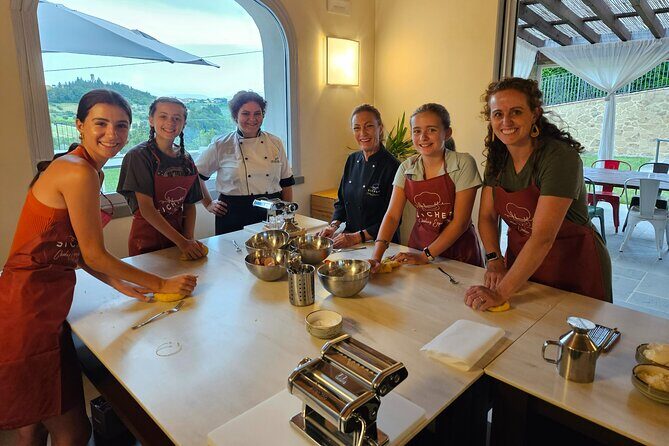
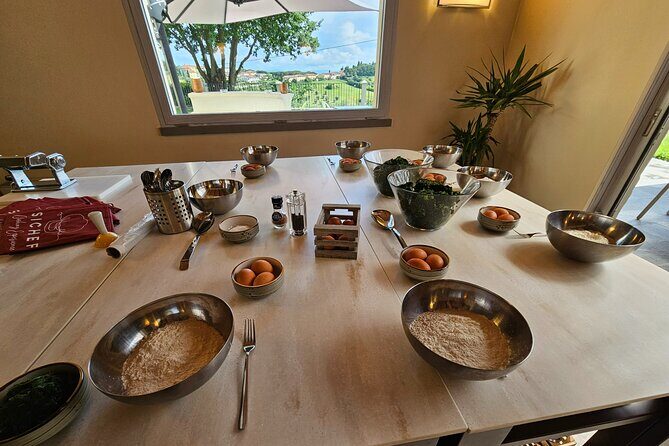
The core of the class is making fresh pasta dough from simple ingredients: flour, water, and eggs. That sounds almost too basic, but that’s exactly why it works. Once you understand how these three ingredients behave together, the rest becomes much easier.
You’ll be guided to make 2 or 3 types of fresh pasta. The classics you may make include:
- Ravioli
- Tagliatelle
- Cappelletti
- Gnocchi
What I like about this setup is that it teaches fundamentals, not just one “pretty dish.” Ravioli teaches shaping and filling logic. Tagliatelle teaches rolling and cutting. Gnocchi (if you do it) brings texture and patience. Even when chefs help at key moments, you’re still learning what the dough is doing and why.
Also, you get seasonal context. The chef explains how seasonal ingredients affect what you’re making and pairing. That turns the class from recipe recitation into food sense, which is what you want if you plan to cook at home and not just recreate a memory.
Shaping your pasta: what you do vs. what the kitchen does
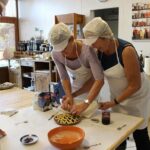
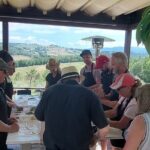
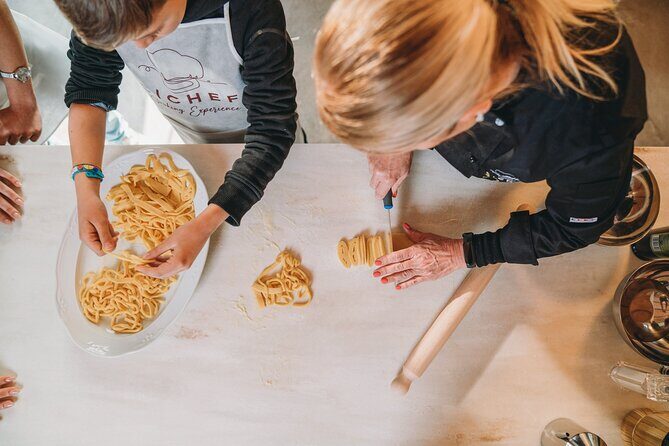
Expect a semi-hands-on style rather than a full factory line where every minute is pure solo work. You’ll likely start with instruction and then move into shaping, with staff stepping in to keep things smooth. One important practical takeaway from the experience: if you want to be very hands-on for every step, go in ready for some moments where you’re learning by doing, and other moments where the team moves faster so the meal timeline stays on track.
That said, you should still get plenty of time shaping. In past sessions, people were able to form multiple ravioli shapes and work the dough directly—so you’re not paying to watch someone else do all the work.
One more thing I noticed from the teaching style described: the chefs tend to use warm, grandmother-style language and lots of small corrections. Names that come up include Vilma and Tommaso, and instructors like Luca (and Luca R. in one session). There’s also mention of Lucca, who shared family recipe stories tied to his own Nonna. That kind of storytelling helps the technique stick.
Sauces in Chianti: matching flavor to the pasta shape
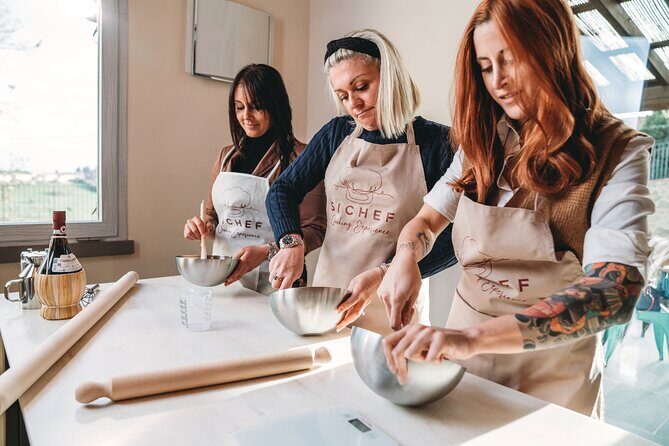
Here’s the part that makes the class feel more “Italian cooking” and less like a generic pasta workshop: your sauces aren’t random. You learn how seasoning sauces are matched to the pasta type.
Instead of one sauce for everything, you’ll learn seasonings that make sense with the pasta shape—how a sauce clings, where it lands, and what kind of bite you get when you combine them. The chef guides this pairing so you understand the logic, not just the outcome.
If you’ve ever made pasta at home and wondered why it tastes flat, this is where the answer usually lives: pasta is half dough and half coordination. Rolling, thickness, and sauce compatibility all matter. This class is built around that “why,” which is why you’ll feel more confident the next time you cook.
Lunch with your own pasta: cold cuts, cheese, wine, and dessert
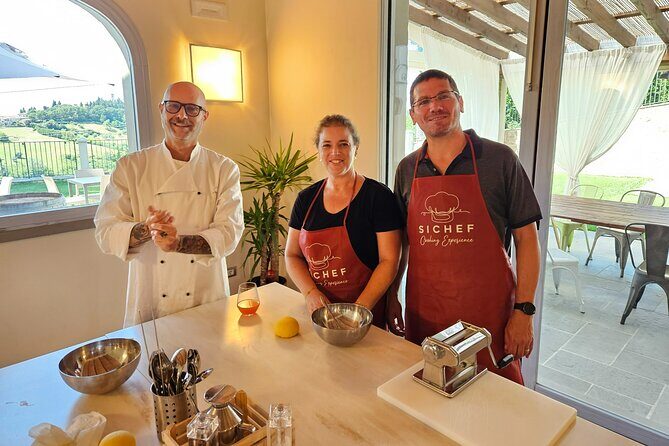
After the pasta is made, you sit down and eat. That’s the best part of a pasta class: the moment you taste what your hands created.
The meal includes:
- Appetizers based on local cold cuts and cheeses
- The fresh pasta you prepared
- 1 glass of wine
- Dessert
- Water and coffee
A full lunch like this changes the value of the experience. At many cooking classes, you pay for a skill lesson but leave hungry or forced to eat later. Here, you get food as part of the instruction. You also get immediate feedback: if your dough is spot-on, you’ll taste it. If you need to adjust thickness next time, you’ll feel that too.
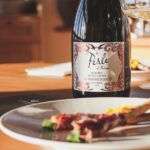
The wine pairing is also practical. You learn how wine fits naturally into the meal, not as a tourist accessory. One of the consistent notes from people who attended is that the wine feels integrated into the lunch experience.
You can also read our reviews of more tours and experiences in Chianti
Where it happens: the kitchen, the house, and the view factor
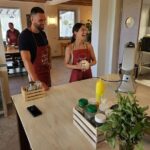
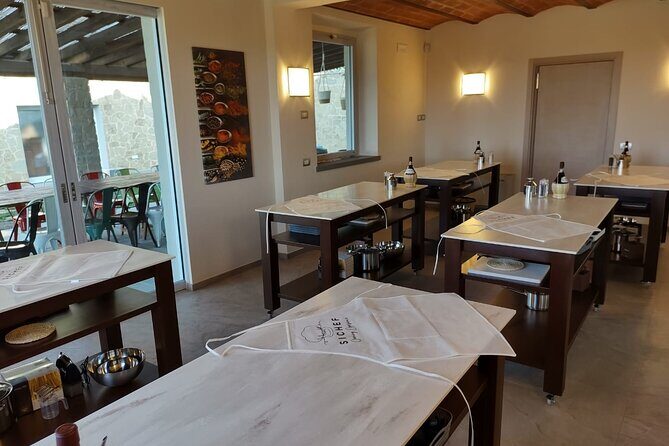
The class is held in a house setting in the hills, with an industrial-style work area for the cooking. That combination is surprisingly nice. You’re not crammed into a sterile room. You start with scenic calm, then move into a functional kitchen where things are organized and you can actually work.
Clean workspaces come up in the feedback, and that’s not trivial. When you’re learning dough handling, a clean, organized setup helps you concentrate on learning instead of fighting chaos.
And yes, the view is part of the experience. People describe a breathtaking Chianti backdrop from the house. It’s the sort of detail you remember because it makes the meal feel like an event, not just a class.
Who this class is best for (and who should rethink)
This experience is especially good if you want:
- A beginner-friendly path into fresh pasta
- A structured lesson with plenty of tasting
- A Tuscany day that ends with a complete meal
- A hands-on cooking memory you can recreate later
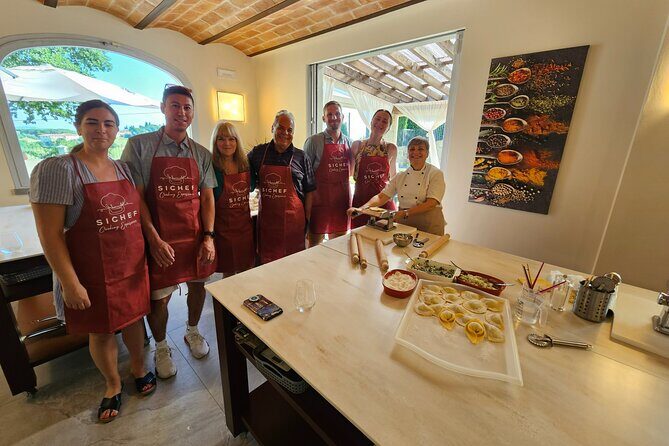
It can work well for couples, groups, and families. One of the nice signals from the way the class is described: chefs and staff are patient, and kids can participate because the process is guided and the meal is rewarding.
The main reason you might reconsider is if you expect a tiny, super-private kitchen where every step is done with one-on-one attention. Even though the format is private, classes can involve enough people to keep a shared kitchen flow going. You’ll still learn, but it won’t feel like a private “chef shadowing” session every minute.
Price and value: what $144.03 buys you in real life
At $144.03 per person, you’re paying for more than a recipe sheet. You’re paying for:
- A guided pasta-making class with dough and multiple pasta shapes
- Sauce instruction matched to the pasta
- A full meal: cold cuts/cheese appetizers, your pasta, dessert, and coffee
- Wine (1 glass)
- Recipes you can take home
Is it expensive for a “cook at home” person? Sure, because you could buy flour and eggs. But that’s not what this is. You’re paying to learn technique correctly the first time in a real kitchen, then eat it immediately with wine and dessert, with instruction in English.
For me, the best value trigger is this: if you want a Tuscany experience that’s not just scenery but a skill you’ll use again, the price makes sense. If you already cook pasta comfortably and just want an elegant meal, you might find other dining options cheaper. But as a first-timer or even as an enthusiastic amateur, this is a strong use of time.
One more value signal: it’s booked about 37 days in advance on average, which usually means people find it easy to fit into a Florence/Tuscany trip—and they come back satisfied enough to recommend it.
Timing and logistics that matter during the 3 hours
Plan your day so you’re not rushing afterward. You’ll likely spend the first part meeting the chef, receiving instruction, and starting dough. Then comes shaping and sauce work. Finally, you sit down to eat and enjoy the wine, dessert, and coffee.
Because you end back at the meeting point, you don’t need complicated navigation right after the meal—one less stress point.
If you’re coming in by public transport, the experience is near public transportation. Still, for a countryside schedule, I recommend building in extra time so you arrive with calm, not sprint energy.
Recipes to take home: the real souvenir
The class includes recipes to reproduce at home. That’s a big deal. A lot of food tours give you a memory. This one tries to give you an actual tool: the know-how to make fresh pasta and the sauces again.
When a recipe is tied to a technique you practiced with your own hands, you’ll understand it better. You won’t be staring at measurements wondering what you’re supposed to see in dough texture. You already handled it.
If you’re the kind of traveler who brings back spices, cookbooks, or food gifts, you’ll love this. If you’re not, you’ll still appreciate that you leave with something practical and tasty.
Should you book this Chianti fresh pasta class?
Yes—if your trip includes Florence and you want a Tuscany activity that ends with a full meal you helped make. I’d book it when you want more than dining: you want skills, tasting, and recipes in one 3-hour block, without needing extra planning afterward.
I’d think twice only if you’re very sensitive to group pace in shared kitchens. If you hate the idea of any staff prep before you start shaping, you might feel impatient. But if you’re there to learn, eat, and have fun—this is one of the most satisfying kinds of food classes.
If you can, pick a date when you’re not rushed. Arrive hungry and curious, and you’ll leave with pasta you can actually recreate, not just a nice afternoon.
FAQ
How long is the Chianti fresh pasta class?
The class lasts about 3 hours.
What pasta and sauces will I learn to make?
You’ll make fresh pasta dough and prepare 2 or 3 types of fresh pasta with seasoning sauces. The possible pasta types listed include ravioli, tagliatelle, cappelletti, and gnocchi.
What’s included with lunch or dinner?
The meal includes appetizers made from local cold cuts and cheeses, the pasta you prepare, 1 glass of wine, dessert, water, and coffee.
Where do I meet the group?
The meeting point is Str. Spoiano, 1, 50028 Barberino Tavarnelle FI, Italy. The activity ends back at the meeting point.
Is the experience private and offered in English?
Yes. It’s a private tour/activity, and it’s offered in English.
Can I get a refund if I cancel?
Yes. You can cancel for a full refund if you cancel up to 24 hours in advance of the experience’s start time. If you cancel less than 24 hours before, the amount paid is not refunded.