REVIEW · FLORENCE
Florence: Accademia Gallery Timed Entry Ticket
Book on GetYourGuide →Operated by See Florence Italy · Bookable on GetYourGuide
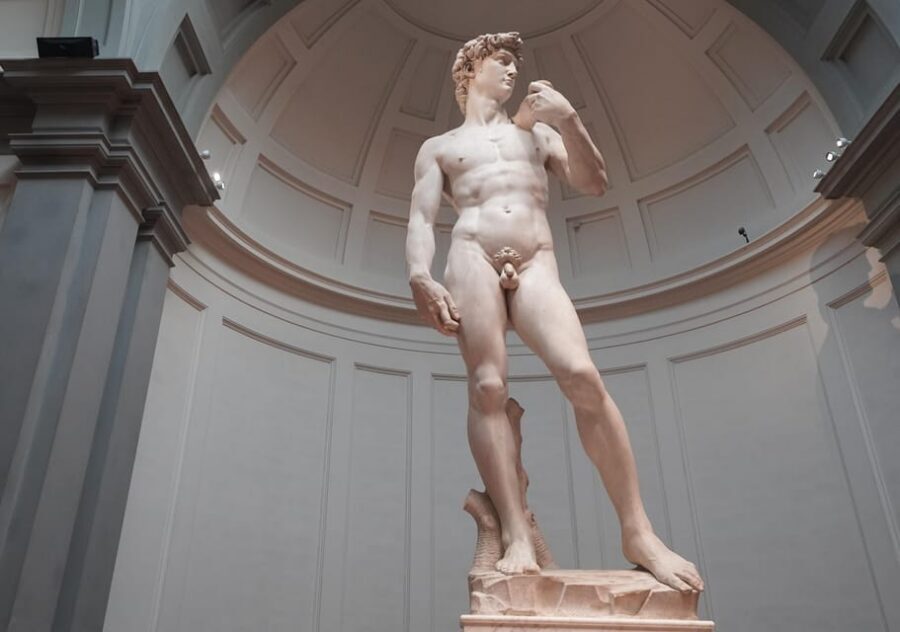
First time you see David, it hits different. This timed entry ticket helps you get into the Accademia Gallery without losing time to long lines, and you can focus on the art once you’re inside. I like that it’s built around the core sights: Michelangelo’s David in the main hall and several related works in the same visit window.
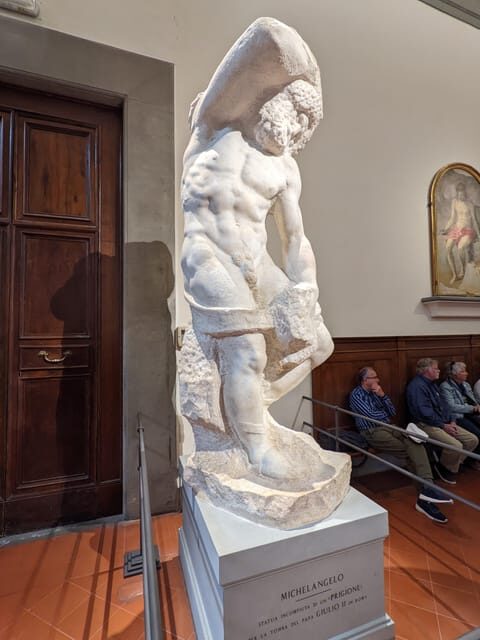
Two other things I really appreciate: you get to see Michelangelo’s unfinished sculptures with visible chisel marks, not just the finished icon everyone comes for. And the museum’s musical side is surprisingly memorable, including original Medici instruments with three made by Stradivarius.
The main consideration is that this experience is only 1 hour, and it’s not a full guided tour. If you want slow looking time, or you’re hoping for a live guide throughout, you may feel slightly rushed and you’ll want to plan your priorities before you go.
In This Review
- Key things that make this ticket worth it
- Entering Florence’s Accademia Gallery fast, with less waiting
- Meeting point reality check: Ricasoli 45 and the voucher swap
- The main hall: Michelangelo’s David and the “work in motion” effect
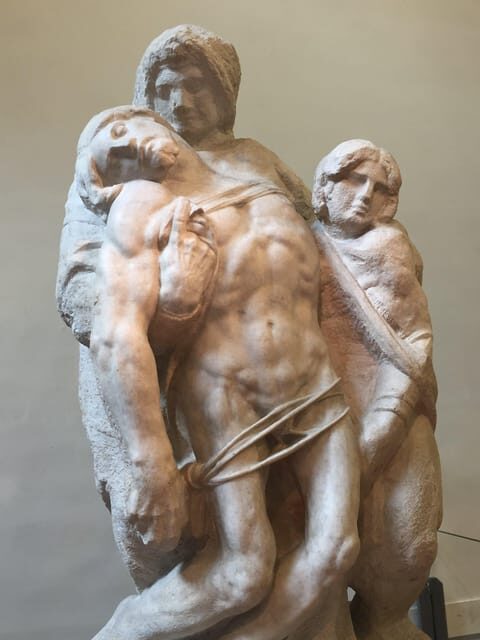
- Chisel marks and unfinished sculpture: seeing the artist’s process
- Gipsoteca and plaster models: the study side of sculpture
- Medici musical instruments and the Stradivarius detail
- Painting galleries: medieval to Renaissance, plus big altarpieces upstairs
- What the PDF guide and audio app actually do for you
- Price and value: is $50 a smart use of a Florence hour?
- Who this timed entry works best for
- Quick tips so you don’t lose time on arrival
- Should you book this Accademia Gallery timed ticket?
- FAQ
- How long is the Accademia Gallery visit with this timed entry ticket?
- What does the ticket include?
- Is this a guided tour?
- Where do I meet to exchange my voucher for a physical ticket?
- What time should I arrive for my timed entry?
- Are there any photo or behavior restrictions inside?
- Is the audio guide headset included?
- Is the activity wheelchair accessible?
- What identification do I need for children?
Key things that make this ticket worth it
- Timed entry via a separate entrance: less waiting, more looking.
- Michelangelo’s David up close: a must-see centerpiece in the main hall.
- Unfinished works with chisel marks: you can spot the making process, not only the final result.
- Gipsoteca plaster models: learn to recognize what sculptors studied and built with.
- Medici instruments, including Stradivarius: music history sits right inside the sculpture museum.
- Painting galleries and top-floor altarpieces: you still get broader Renaissance and medieval art in the same trip.
Entering Florence’s Accademia Gallery fast, with less waiting
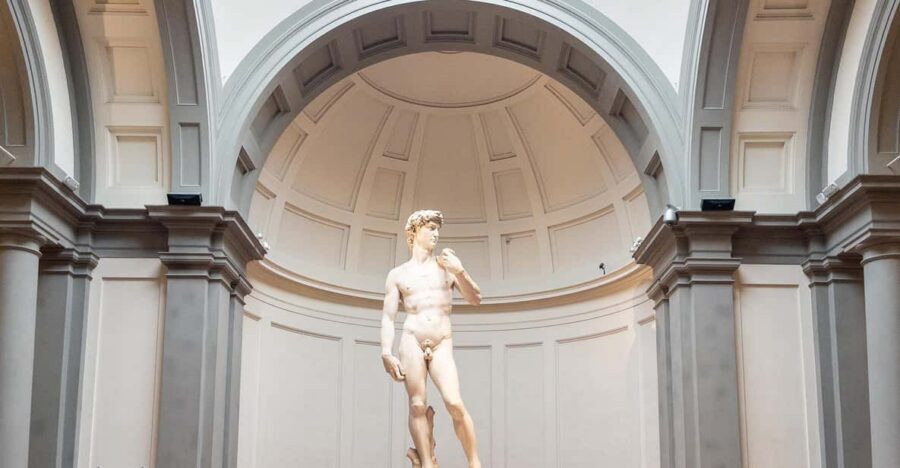
If you’ve ever stood in a ticket line in Florence, you know how quickly time disappears. A timed entry ticket matters here because it protects your schedule. Instead of gambling on walk-up availability, you’re assigned a slot, and you enter through a separate entrance designed to keep the slow parts of the day to a minimum.
Also, the ticket comes with more than just admission. You get assistance meeting the group at the start point, plus help exchanging your voucher for a physical ticket. For a place as famous as the Accademia, that kind of practical support is not glamorous, but it keeps your visit from turning into a scavenger hunt.
You can also read our reviews of more tours and experiences in Florence
Meeting point reality check: Ricasoli 45 and the voucher swap
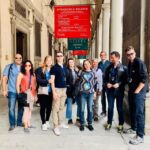
Your “start” isn’t at the museum office. You exchange your voucher for a physical ticket at the meeting point on Ricasoli 45, described as blue signage near the entrance area and a nearby red point. The instruction is clear: meet the See Florence Italy assistant in front of the door area. Don’t ring any bell and don’t wander into offices.
This is the part where I’d be most alert. In past bookings connected to this type of service, I’ve seen delays and confusion happen when someone expected the assistant to be at the ticket office itself. Your best move is simple: be early, stand in the correct spot, and keep your voucher ready. If nothing happens right away, your fallback is to ask for museum help once you’re inside—staff there can usually point you toward what you need to do next.
The main hall: Michelangelo’s David and the “work in motion” effect
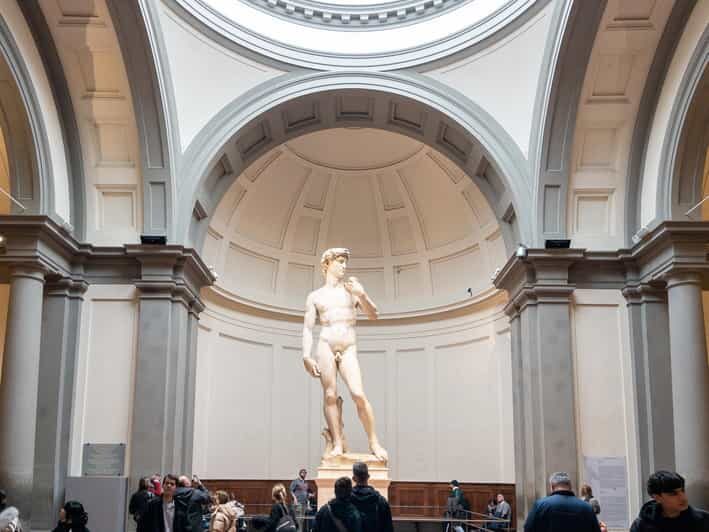
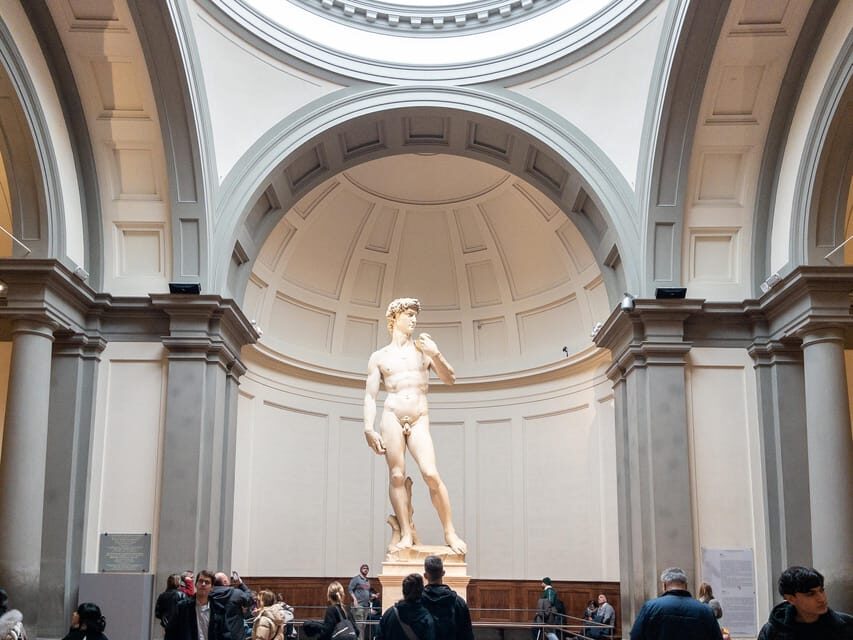
Once you’re in, the Accademia’s layout funnels you toward the headline moment. In the main hall, you’ll see Michelangelo’s statue of David. Even if you’ve seen images a hundred times, being there changes the scale and the tension. It’s less about checking a famous name and more about noticing how the sculpture holds presence.
What I found most useful is that this ticket doesn’t stop at David. You also get time to see other sculptural pieces connected to the same creative world. That matters because the David story becomes clearer when you can compare it to related works, including the ones that feel more raw or unfinished.
Chisel marks and unfinished sculpture: seeing the artist’s process
One reason this experience feels different from a quick “photo and go” visit is the chance to look for unfinished works still showing chisel marks. That’s the kind of detail you might miss if you only sprint for the main sight.
It changes how you read Michelangelo. Instead of viewing art as a finished object, you start seeing it as a process: what’s been refined, what’s still rough, and what the artist was working toward. If you like craftsmanship, this section turns the museum into something closer to a workshop lesson than a showroom.
Gipsoteca and plaster models: the study side of sculpture
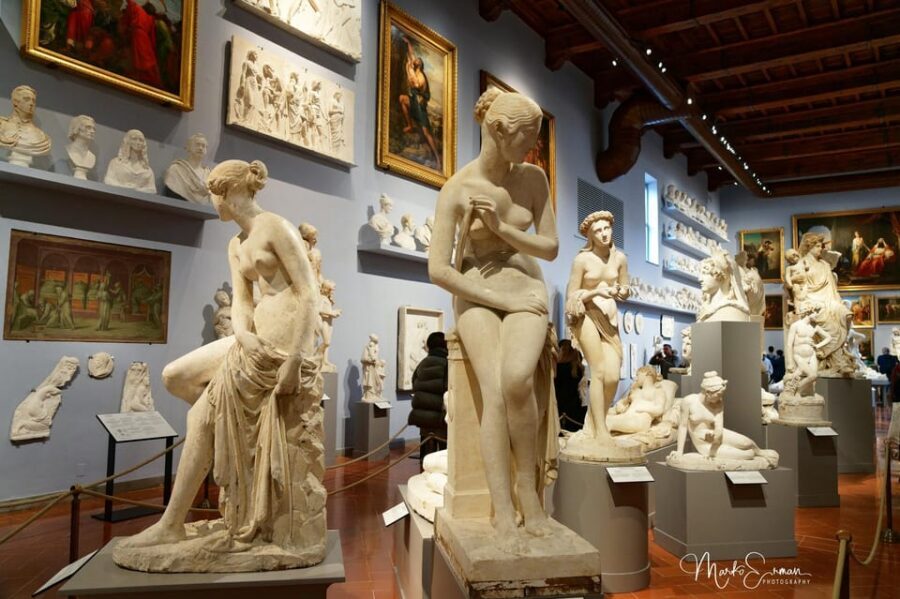
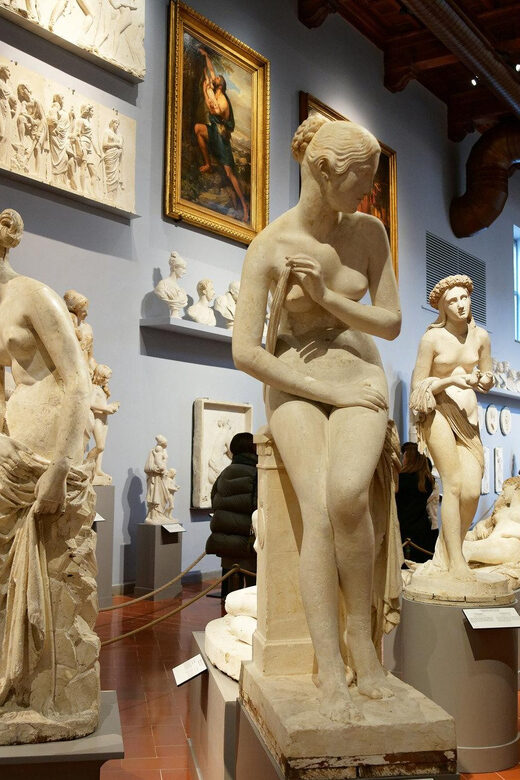
After David and the unfinished pieces, you’ll want to pay attention to the Gipsoteca. This section houses original plaster models made by 19th-century Florentine sculptors. It’s not the same as seeing an original Renaissance sketch, but it gives you a tangible sense of how later artists and craftsmen studied earlier masterworks.
For many visitors, plaster models are a surprise because they don’t feel like “final museum pieces.” But that’s exactly why they’re valuable. They help you understand sculpting as repeatable learning: modeling, measuring, and recreating forms so you can study the structure in a hands-on way.
You can also read our reviews of more museum experiences in Florence



Medici musical instruments and the Stradivarius detail
The Accademia’s musical instruments section is one of the best examples of how varied this museum is. You’ll see original instruments linked to the Medici, including three made by Stradivarius.
Even if you’re not a music person, you can still get something out of this. Instruments made by Stradivari carry a built-in prestige, but the real value is that you’re seeing why Florence mattered beyond sculpture and painting. The same city that produced Renaissance masters also supported high craft in performance and instrument-making.
If you’re short on time, don’t skip this room. It’s one of those sections where your brain goes quiet in a good way. You’ll likely leave thinking: Florence wasn’t one art form. It was many.
Painting galleries: medieval to Renaissance, plus big altarpieces upstairs
Once you’ve absorbed sculpture, the museum continues into painting galleries. You can expect masterpieces from medieval and Renaissance painters. The good part about including both sculpture and painting in one ticket is pacing. You’re not stuck in one lane for an entire hour.
Then, plan to head to the top floor for the huge medieval altarpieces. That’s a smart use of time because large-format works can be overwhelming, but they also reward attention. Give yourself a minute or two to step back, then come in close enough to read the forms.
This is also where the timed nature of the visit matters. If you rush, you’ll see the paintings as “big.” If you slow just a little, you’ll notice the details that make medieval altarpieces feel so theatrical.
What the PDF guide and audio app actually do for you
This experience includes a helpful guide in PDF format (mentioned as part of the experience) and an audio guide mobile application. A key detail: a headset isn’t listed as included. If you’re the kind of person who likes to hear audio clearly, bring your own earbuds or plan to listen without.
The practical win here is that the audio guide helps you keep moving without constantly reading every label. Since you only have 1 hour, that matters. You’ll get enough context to understand why David is important, why unfinished chisel marks matter, and how the Medici instruments connect to the broader cultural scene.
Price and value: is $50 a smart use of a Florence hour?
At $50 per person for a 1-hour visit, you’re paying for time savings and structure. This isn’t a “bargain ticket,” but it can still be good value if you’re visiting during peak hours and you care about avoiding line stress.
Here’s how I judge the value:
- You’re skipping the ticket office line through a separate entrance.
- You’re getting reserved entry, which reduces the risk of arriving and discovering sold-out situations.
- You’re also getting audio guidance and staff assistance at the start.
If your schedule is flexible and you’re fine waiting, you might decide to skip the premium and show up the regular way. But if you have only a short window in Florence, this ticket often makes your day feel smoother. Paying to save time is one of the best uses of money when your time is the real constraint.
Who this timed entry works best for
This fits best if you:
- Want to see David without burning half your morning in a line.
- Prefer a self-paced museum visit with audio help, not a full guided narration.
- Like having a clear “hit list” but still want time for unexpected details like chisel marks and musical instruments.
It may be less ideal if you:
- Want a deeply interactive, live guided tour for the entire hour.
- Need lots of time in front of each artwork and get frustrated when you’re counting minutes.
Quick tips so you don’t lose time on arrival
To make your hour count, I’d do two things before you go:
- Pick your non-negotiables: David, one sculpture beyond David (unfinished works), and one “left turn” section (either Gipsoteca or the Medici instruments).
- Build your route in your head: main hall first, then sculpture details, then paintings and the top-floor altarpieces.
Also, keep an eye on the meeting point instructions. You’re swapping your voucher for a physical ticket at the specified area on Ricasoli 45. If you show up late, you risk losing time before you even enter the museum.
Should you book this Accademia Gallery timed ticket?
Yes, I’d book it if you want a smooth, time-protected visit to the Accademia’s top attractions, especially Michelangelo’s David, the unfinished works, and the Medici/Stradivarius instruments. The combination of timed entry and practical start-point assistance makes the $50 feel more reasonable than it looks at first glance.
Skip booking only if you have a long, unstructured day and you’re happy to wait your turn, or if you want a fully guided experience with a live guide and headset-style audio provided. For a focused 1-hour Florence stop, this ticket is a solid way to get in, get oriented, and see the museum’s most memorable sections without the usual scramble.
FAQ
How long is the Accademia Gallery visit with this timed entry ticket?
The duration is listed as 1 hour.
What does the ticket include?
It includes a timed entry ticket to the Accademia Gallery, a skip-the-line ticket, reservation fee, assistance on meeting point and from the office, and an audio guide mobile application.
Is this a guided tour?
No. A guided tour is not included. You’ll have the audio guide application and a helpful PDF guide as part of the experience.
Where do I meet to exchange my voucher for a physical ticket?
Meet at Ricasoli 45, at the meeting point described as blue signage in front close to the entrance door and a red point. The assistant is described as not being at the office.
What time should I arrive for my timed entry?
The ticket is timed, and you should exchange your voucher at the meeting point before you enter. Arriving early gives you a buffer for the physical ticket exchange.
Are there any photo or behavior restrictions inside?
Flash photography is not allowed. Alcohol and drugs (and alcoholic drinks in the vehicle) are also not allowed. Weapons or sharp objects are not allowed, and pets are not allowed.
Is the audio guide headset included?
A headset is not listed as included.
Is the activity wheelchair accessible?
Yes, it is listed as wheelchair accessible.
What identification do I need for children?
Visitors aged 6 to 17 must show a valid photo ID with date of birth for a reduced ticket. Children under 6 do not require a ticket.


More Museum Experiences in Florence

More Tickets in Florence


More Tour Reviews in Florence
- Tuscany Day Trip from Florence: Siena, San Gimignano, Pisa and Lunch at a Winery
★ 5.0 · 21,634 reviews - The Best tour in Florence: Renaissance & Medici Tales – guided by a STORYTELLER
★ 5.0 · 12,316 reviews