REVIEW · FLORENCE
Florence: Duomo Tour with Brunelleschi’s Dome Climb & Access
Book on GetYourGuide →Operated by Walks in town · Bookable on GetYourGuide
The Duomo dome climb changes how you see Florence. I love the way the guide ties the buildings to the people who built them, from Arnolfo di Cambio to Filippo Brunelleschi. And I love that your ticket includes a 3-day pass plus the chance to tackle 463 steps for city views.
One consideration: the climb is physical, and it’s not a good fit if you’re dealing with mobility limits, claustrophobia, or nerves about heights and tight spaces. Still, guides such as Anastasia, Regina, and Michele are often praised for making the stories make sense fast and keeping the group moving with care.
In This Review
- Key highlights you’ll feel fast
- The Duomo complex: Florence in layers you can read
- Lindt meeting point and how to avoid dome-line stress
- Baptistery mosaics: the golden dome scenes you’ll actually recognize
- Santa Maria del Fiore exterior: marble, carvings, and builder credits
- Opera del Duomo Museum: art objects that explain what you saw outside
- Brunelleschi’s Dome climb: 463 steps, double-shell logic, real views
- What the 3-day pass lets you do after the tour ends
- Dress code and practical rules that can ruin your day if ignored
- Price and value: what $123.37 buys (and when it’s a smart pick)
- Who should book this Duomo tour and who should skip
- Should you book it?
- FAQ
- Where does the tour meet?
- What’s included in the guided portion?
- Is there a guided tour inside the cathedral or crypt?
- How many steps are in the Brunelleschi’s Dome climb?
- Is Giotto’s Bell Tower included?
- What should I wear and bring?
- When does the 3-day access pass start?
Key highlights you’ll feel fast
- Duomo complex focus: Baptistery, Cathedral exterior, and the Opera del Duomo Museum with an expert local guide
- Golden Baptistery dome details: you’ll know what you’re looking at before you step inside
- Marble facade walkthrough: carvings and construction history explained in plain language
- Brunelleschi’s Dome climb: 463 steps plus the engineering logic of the double-shell design
- 3-day Duomo access: Cathedral interior, Santa Reparata crypt, and Giotto’s Bell Tower on your schedule
The Duomo complex: Florence in layers you can read
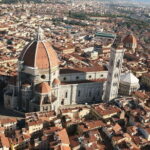
This is one of the easiest ways to understand why Florence takes art and engineering so personally. You’re not just looking at one monument. You’re moving through a whole system of buildings that shaped civic pride, religious life, and Renaissance creativity.
The tour builds your context in the right order. You start with the Baptistery and the Cathedral area, where symbolism matters as much as style. Then you head into the Cathedral Museum so you can connect what you saw outside to objects, sculpture, and craftsmanship made for the same spiritual and artistic mission.
What I like is how the guide’s stories help you notice details without turning the walk into a lecture. Expect explanations of design choices, like the idea behind Brunelleschi’s dome structure, and the role major figures played in what you’re seeing today. If you’ve ever looked at a big church and felt lost, this format helps you get your bearings fast.
You can also read our reviews of more tours and experiences in Florence.
- Tuscany Day Trip from Florence: Siena, San Gimignano, Pisa and Lunch at a Winery
★ 5.0 · 21,634 reviews

Lindt meeting point and how to avoid dome-line stress
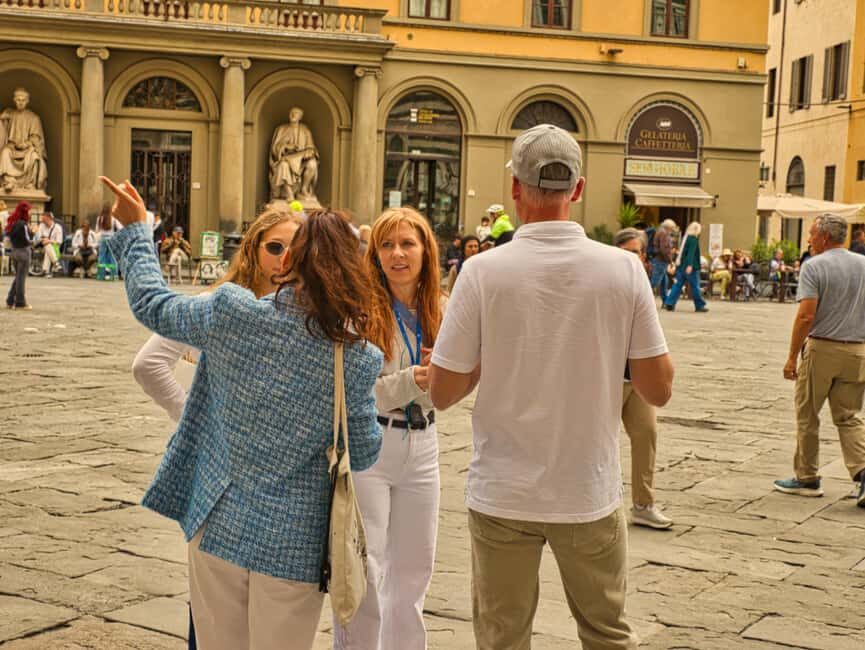
You meet at the Lindt Chocolate Shop Firenze Duomo, on the left side of the cathedral, and you’ll spot the guide by an orange flag. That’s a simple target in a busy area, and it matters because Duomo security and ticket checks can slow down crowds.
This tour also has a timing rhythm. The guided portion is designed to get you to Brunelleschi’s Dome entrance at the right moment for the climb queue. That can make the beginning feel brisk. It’s not chaos, but it’s also not a slow stroll where you stop for every detail the minute it pops into your head.
The upside: once you reach the dome entrance (Porta della Mandorla), you climb on your own. So you can set your own pace for photos and breaks, rather than being guided through every step like a conveyor belt.
Baptistery mosaics: the golden dome scenes you’ll actually recognize
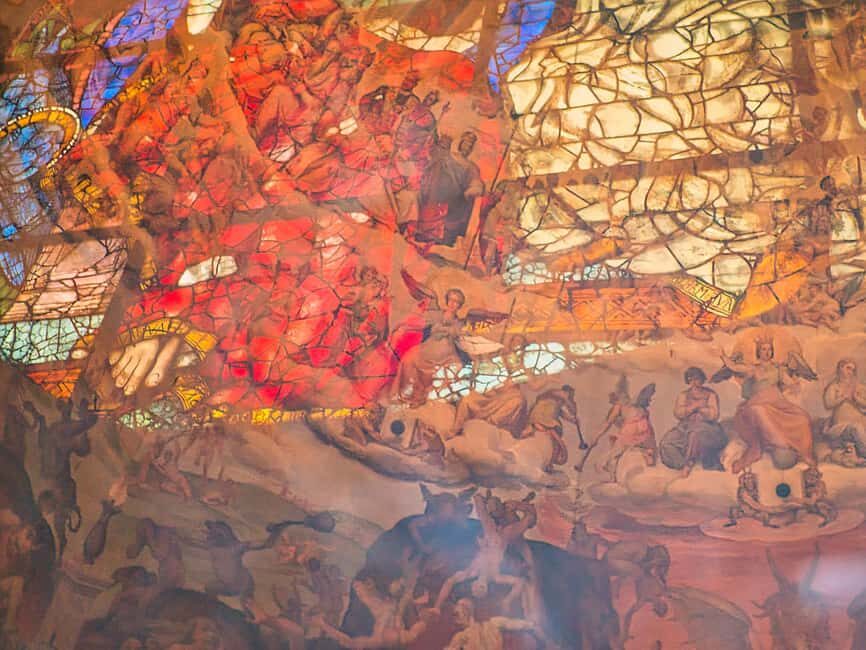
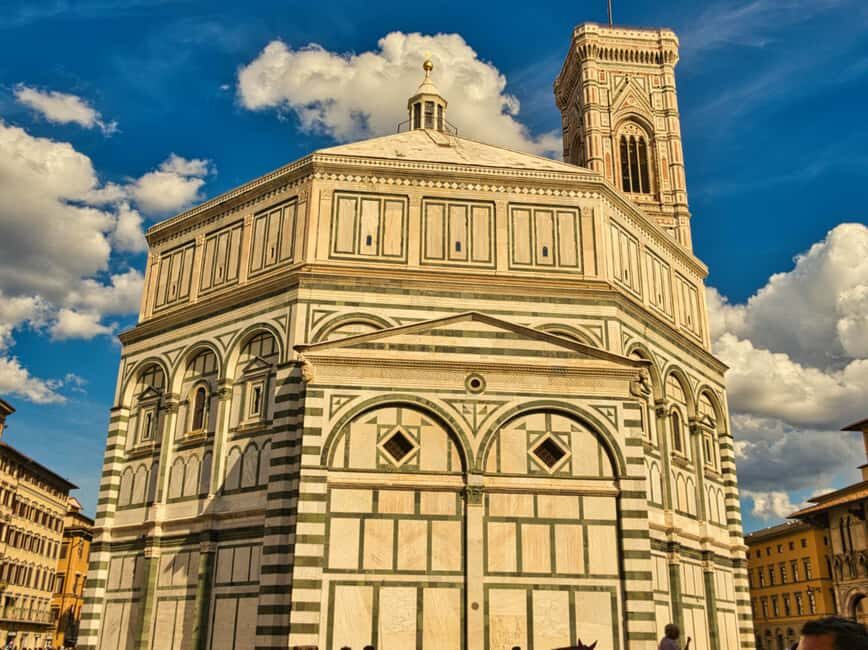
The Baptistery of Saint John is one of the most important buildings in Florence, and it has a special “wow” factor because of its mosaics. Your guided time here is about more than letting you stare upward. It helps you recognize what the dome scenes represent, including images tied to the Last Judgment and the lives of Christ and John the Baptist.
Inside the Baptistery, your eyes will keep catching small differences in the mosaic storytelling. The guide’s job is to make those scenes feel less random and more intentional. You’ll also get context about why the Baptistery mattered in Florentine life and how it became central to local identity.
Also note the practical side. The Baptistery has restoration happening on the mosaics of the vault. That means your view might be slightly different than photos you’ve seen online, depending on what’s under work. And every first Sunday of the month, the Baptistery closes early at 1:30 PM.
Santa Maria del Fiore exterior: marble, carvings, and builder credits
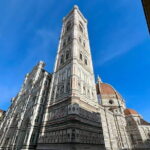
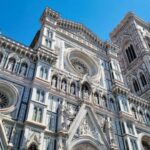
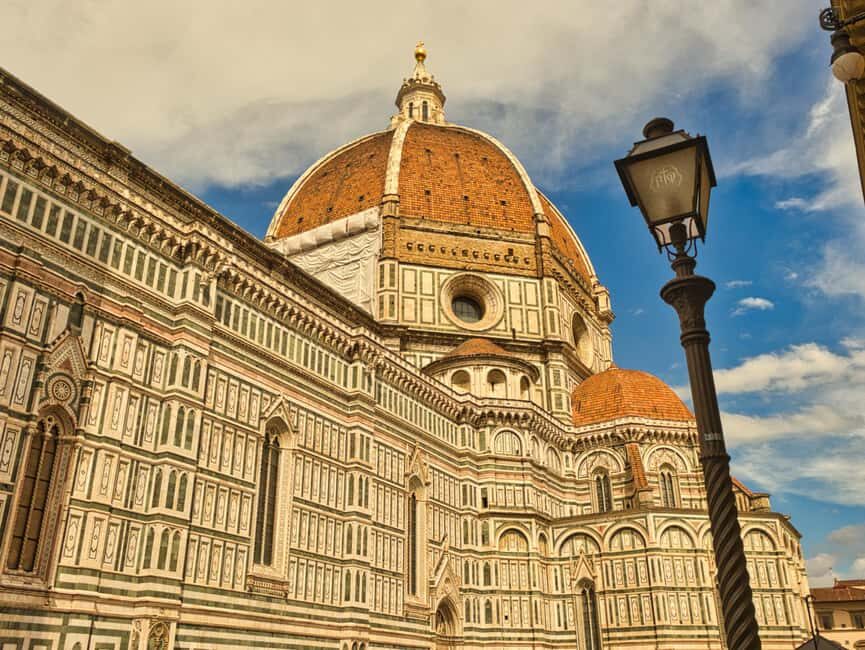
Before you see the museum, you’ll take in the Cathedral exterior. This is where the marble facade does its best work, because up close you can spot how the decoration isn’t random. Carvings and patterns are tied to the cathedral’s long construction story.
Your guide will walk you through what you’re looking at and share the key architectural names behind it. You’ll hear about origins and construction, including mentions of Arnolfo di Cambio and the breakthrough work of Filippo Brunelleschi. Even if you don’t remember every date, you’ll leave understanding the big idea: this wasn’t a quick build. It was a long project shaped by ambition and problem-solving.
If you’re the type who likes to look for meaning, this stop pays off. The facade isn’t just pretty. It’s a visual map of faith and civic pride, laid out in stonework and sculpture.
Opera del Duomo Museum: art objects that explain what you saw outside
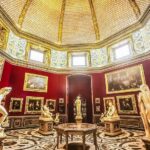
The Opera del Duomo Museum is your change of pace. You go from open-air marble to galleries where Renaissance art and religious craftsmanship can be viewed more comfortably.
You’ll spend about an hour here with your guide, and this is a smart use of time because the museum is where the story becomes more concrete. The tour includes mentions of works such as Michelangelo’s unfinished Pietà, sculptures by Donatello, and an incredible silver altar connected to Saint John the Baptist.
This stop also helps if you’re trying to understand why people cared so much about the Duomo complex. It’s easy to think of cathedrals as buildings only. The museum reminds you they were also about objects made to move people—through technique, style, and symbolism.
One caution: the museum is closed on the first Tuesday of each month. If your visit lands on that day, you’ll want to confirm what’s operating.
- Tuscany Day Trip from Florence: Siena, San Gimignano, Pisa and Lunch at a Winery
★ 5.0 · 21,634 reviews - The Best tour in Florence: Renaissance & Medici Tales – guided by a STORYTELLER
★ 5.0 · 12,316 reviews

Brunelleschi’s Dome climb: 463 steps, double-shell logic, real views
After the guided portion, you arrive at Brunelleschi’s Dome entrance (Porta della Mandorla). Then the climb is self-guided. That’s important. You can slow down when your legs start filing complaints and speed up when you’re feeling strong.
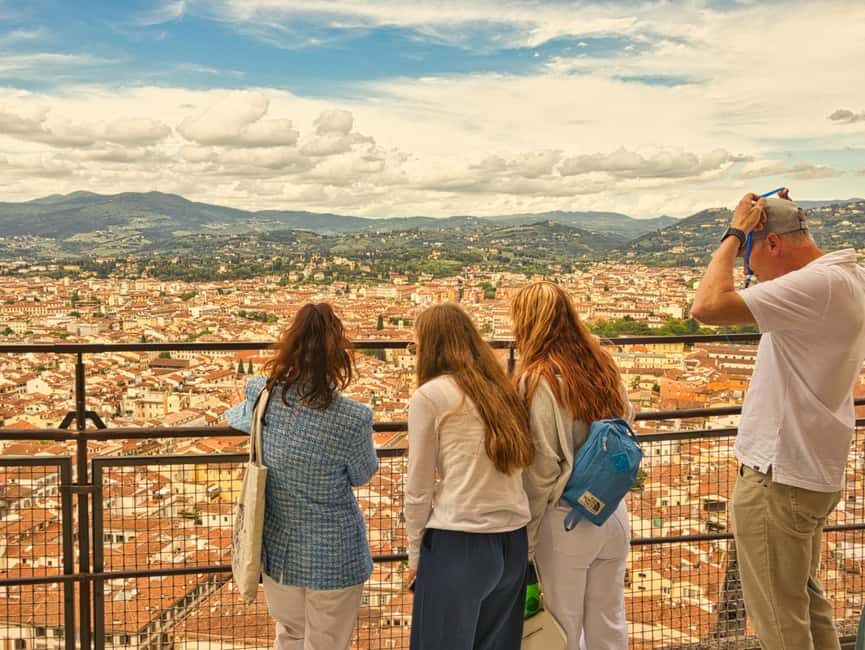
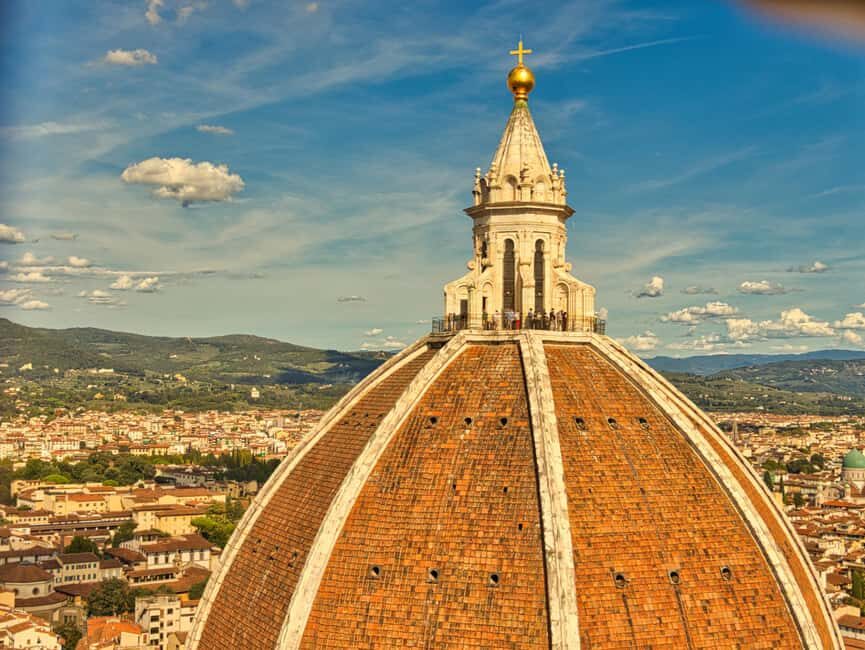
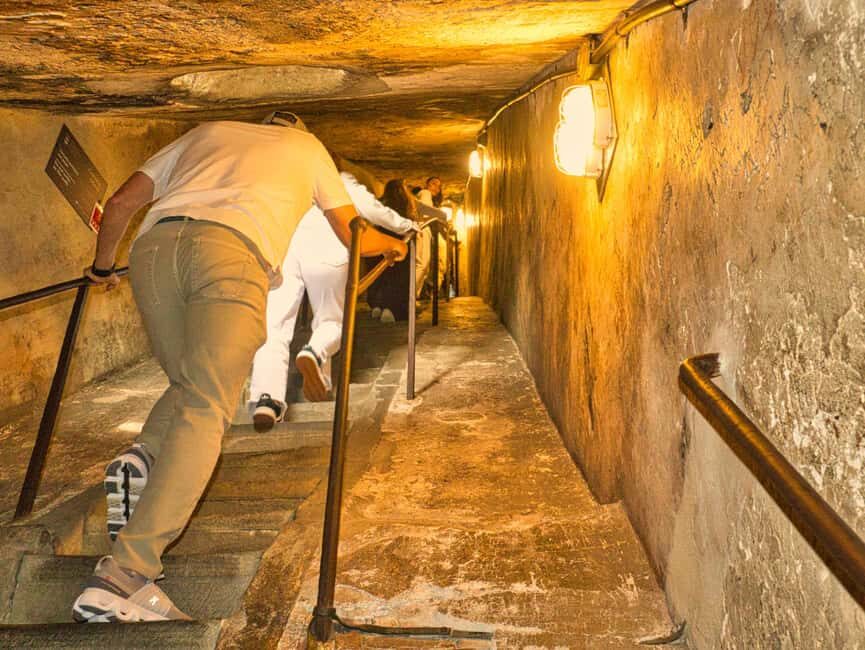
You climb 463 steps to reach panoramic views of Florence. And it’s not just about the view. The climb path is a lesson in engineering. You’ll pass through narrow passageways and notice why Brunelleschi’s dome was such a milestone: the double-shell structure was an answer to the problem of how to build something so massive without modern steel.
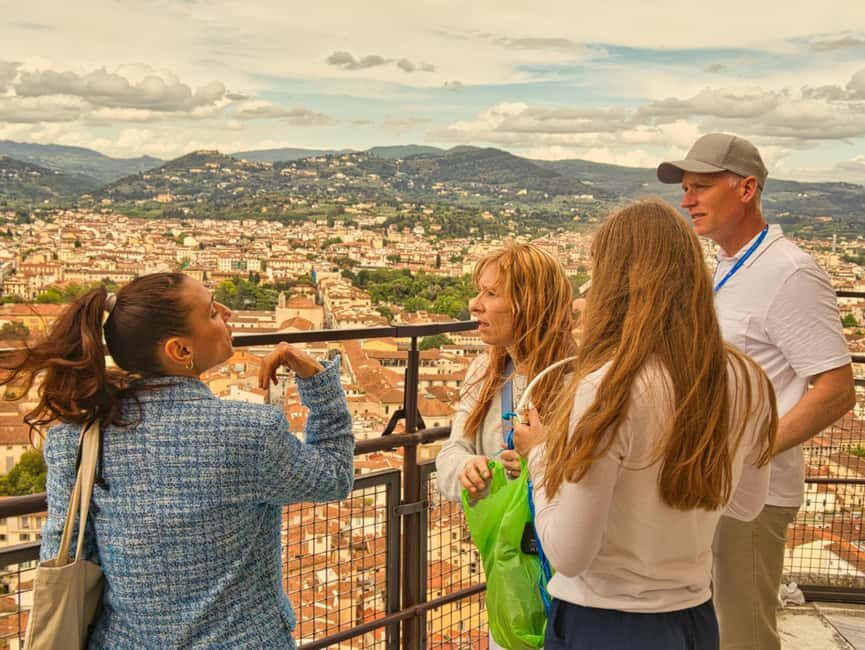
Once you reach the top, you’re rewarded with wide views across Florence and the Tuscan countryside beyond. It’s the kind of place where a camera matters because the angles are different from street-level views, and you’ll spot landmarks in relation to each other.
Still, be honest with yourself about the climb conditions. It’s not suitable for people with vertigo, and it’s not a good choice for anyone afraid of heights or who feels claustrophobic in tight spaces. Comfortable shoes are a must, and water is wise.
What the 3-day pass lets you do after the tour ends
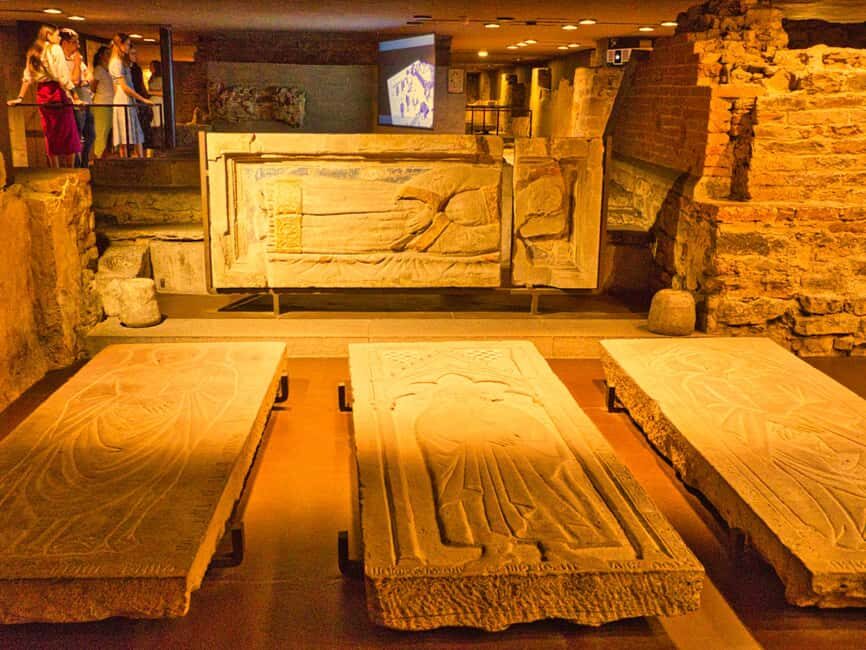
One of the strongest value points here is the flexibility of the 3-day access pass. The guided tour does not include a guided visit inside the cathedral or the crypt. Instead, you’re given access to return later within your three-day window to see those spaces at your own pace.
With the pass, you can explore the Cathedral interior, the Santa Reparata crypt, and Giotto’s Bell Tower. This matters because these are the areas where you might want extra time. A guided visit can be amazing, but sometimes you want quiet minutes to sit, look, and absorb without needing to keep up with a group.
Giotto’s Bell Tower is listed as another climb option: 414 steps, another chance for views, and a chance to learn about how the bell chimes marked daily rhythm for centuries.
A few timing issues can affect your plans. The Cathedral and crypt remain closed on Sundays and during Christian holidays. Also, the Cathedral may close for liturgical reasons without notice, so it’s smart to have a Plan B day in your schedule.
Dress code and practical rules that can ruin your day if ignored
This is a place where your outfit matters. For the cathedral’s ground floor, the Baptistery, and the crypt, shoulders and knees must be covered. You don’t need that kind of coverage for every part of the dome complex, but you do need to think ahead for the interior access points.
A jacket or scarf can save you if you’re short on the right layers. Some guides have been known to help with shoulder coverage, but don’t plan on it.
Other practical notes:
- Bring comfortable shoes, a camera, and water.
- Flash photography is not allowed.
- Luggage, large bags, and backpacks are not allowed.
These rules are the kind that seem minor until you’re standing there ready to enter. If you travel light, you’ll feel calmer from start to finish.
Price and value: what $123.37 buys (and when it’s a smart pick)
At $123.37 per person for a 2-hour experience, this isn’t a budget activity. But it’s also not just paying for a view. You’re paying for access, time-saving structure, and interpretation from an expert guide across multiple key sites.
Here’s the value equation as I see it:
- You get guided time at the Baptistery, the Cathedral exterior, and the Opera del Duomo Museum, so you’re not wandering with zero context.
- You get dome access and the chance to do the climb yourself, so you control your pace.
- You also get a 3-day pass, which effectively extends the usefulness of what you paid for. Instead of one quick circuit, you can plan repeat visits.
It’s especially worth it if you want the Duomo complex experience but don’t want to spend your energy figuring out what to look for at each stop. If you’d rather read guidebooks at your own speed and already know the story, the value might feel less sharp. But for most first-timers, the combination of guidance and flexibility is a strong deal.
Who should book this Duomo tour and who should skip
This tour fits best if you want:
- a guided explanation of the Baptistery, Cathedral exterior, and the museum
- a self-guided dome climb so you can move at your own speed
- flexible follow-up access for the interior, crypt, and Giotto’s Bell Tower
It’s not suitable for people with claustrophobia, vertigo, or fear of heights. It’s also not suitable for wheelchair users, and the dome climb involves 463 steps, so mobility limitations are a concern. Pregnant women are also listed as not suitable.
If you’re comfortable walking, climbing stairs, and covering your shoulders and knees, you’ll likely find this one of the most efficient ways to experience the Duomo complex. And if you’re the type who enjoys architecture details—carvings, engineering choices, and how art and faith connect—you’ll get extra mileage out of the guided stops.
Should you book it?
Book it if you want a structured Duomo day with expert guidance at the places where interpretation matters most, plus the freedom to return later for the interior and crypt. The 3-day pass turns this from a quick tour into a multi-visit strategy, which is hard to beat in a city where opening hours and closures can complicate plans.
Skip it if stairs and tight spaces are a no-go for you. In that case, the climb makes the tour the wrong fit, even if the sights are amazing. If you’re on the fence, be practical: this experience is really about the dome climb plus follow-up access. If you can handle that part, the rest falls into place nicely.
FAQ
Where does the tour meet?
The guide meets you in front of the Lindt Chocolate Shop Firenze Duomo, on the left side of the cathedral. Look for the orange flag.
What’s included in the guided portion?
You’ll get guided access to the Baptistery, the Cathedral exterior, and the Opera del Duomo Museum. You also receive access for the Cathedral Museum, Baptistery, and Brunelleschi’s Dome.
Is there a guided tour inside the cathedral or crypt?
No. The tour includes access to the Cathedral interior and the Santa Reparata crypt with your 3-day pass, but a guided visit inside is not included.
How many steps are in the Brunelleschi’s Dome climb?
Brunelleschi’s Dome climb is 463 steps.
Is Giotto’s Bell Tower included?
Giotto’s Bell Tower is included as part of the 3-day access pass. The climb is listed as 414 steps.
What should I wear and bring?
You should wear clothing that covers shoulders and knees for the cathedral ground floor, Baptistery, and crypt. Bring comfortable shoes, a camera, and water. Flash photography is not allowed.
When does the 3-day access pass start?
The 3-day pass starts from the morning date you reserved, and you can return anytime within three days.

More Tours in Florence


More Tour Reviews in Florence
- Tuscany Day Trip from Florence: Siena, San Gimignano, Pisa and Lunch at a Winery
★ 5.0 · 21,634 reviews - The Best tour in Florence: Renaissance & Medici Tales – guided by a STORYTELLER
★ 5.0 · 12,316 reviews