REVIEW · FLORENCE
Florence Highlights Walking Tour By Night with Expert Guide
Book on Viator →Operated by My Green Tour · Bookable on Viator
Florence shifts gears after the crowds leave. This night walking tour is built for seeing the big sights fast, with an English-speaking guide who adds context as you go.
I love the smart pacing: you get multiple photo-friendly moments across the historic center without feeling stuck in a long museum line. Another plus is the small group size, capped at 20 people, so questions actually get answered.
One thing to consider: the quality can hinge on your guide’s communication. A few past guests noted that some accents were harder to follow, so if you’re sensitive to that, it’s worth choosing a day when you know you’ll be at your best for listening.
In This Review
- Key moments worth planning around
- A 5:00 pm walk that feels like Florence, not a line
- Palazzo Medici Riccardi: where power shows up as architecture
- Basilica di San Lorenzo: Medici burial ground, city-market center vibes
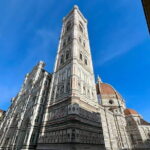
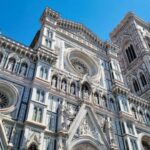
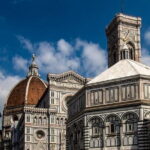
- Florence Cathedral (Santa Maria del Fiore): the outside tour that still teaches
- Piazza della Repubblica and Orsanmichele: city changes you can still feel
- Mercato del Porcellino: the bronze boar fountain with a story
- Piazza della Signoria: Florence’s political stage
- Ponte Vecchio at night: shops on a medieval bridge over the Arno
- What the guide actually changes (and why some people felt it)
- Price vs. what you’re buying: $70.89 for orientation and timing
- Logistics that help you enjoy it more
- Who should book this Florence by Night tour
- Should you book this one?
- FAQ
- FAQ
- How long is the Florence Highlights Walking Tour By Night?
- What time does the tour start, and where do I meet?
- Does the tour include admission tickets?
- Is the tour offered in English?
- How many people are in the group?
- Is free cancellation available?
Key moments worth planning around
- A 5:00 pm start that lets you see Florence with calmer streets and softer light
- Medici-focused stops like Palazzo Medici Riccardi and the San Lorenzo area
- Duomo time without ticket pressure, since key entrances aren’t included
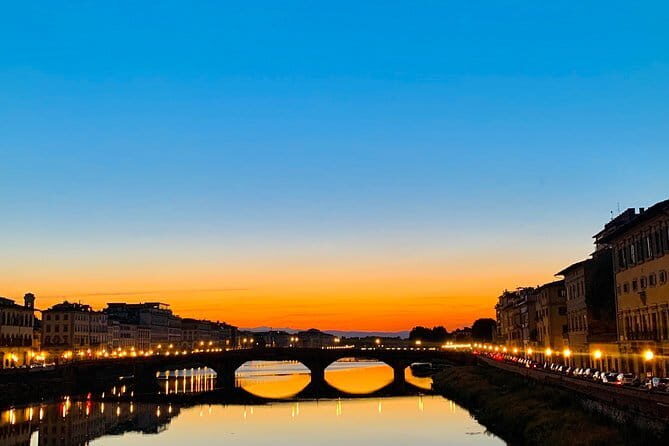
- Classic evening photo stops at Piazza della Signoria and Ponte Vecchio
- A guide-led route that turns landmarks into a story you can remember
- Concentrated time: about 1 hour 40 minutes to hit a lot of ground
A 5:00 pm walk that feels like Florence, not a line
Starting at 5:00 pm is a gift. In the late afternoon, Florence usually begins to loosen its grip on visitors, and the monuments start looking less like postcards and more like places you could live next to. The tour is scheduled for around 1 hour 40 minutes, which is exactly the right length for an arrival day when you want orientation, not homework.
You’ll meet at Via de’ Martelli, 33R and end near Palazzo Pitti (Piazza de’ Pitti, 1). That end point matters. It’s a smooth way to cap the walk on the south side of the Arno, so you can keep exploring without backtracking the whole day.
The walking style is also worth noting. This is a “highlights” route, meaning you’ll stop often, listen, and then move on. It’s not a long slog, but it does require you to be comfortable on foot. If your plan is to do more sightseeing that night, you’ll like the fact that this tour doesn’t eat your whole evening.
You can also read our reviews of more walking tours in Florence
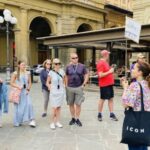
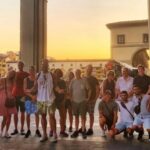
Palazzo Medici Riccardi: where power shows up as architecture
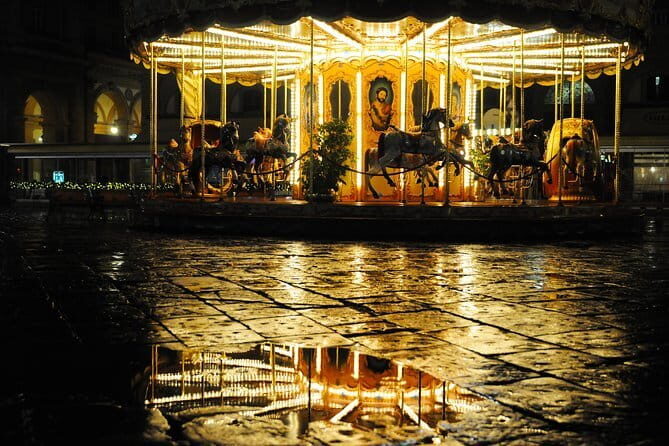
The tour begins with Palazzo Medici Riccardi, a Renaissance palace that later became associated with the Medici family’s expansion. It’s also tied to the seat of the Metropolitan City of Florence and functions as a museum, but during this tour you mainly get the exterior experience and the guided context.
Here’s why this stop works in the evening: you’re not just seeing a pretty façade. Your guide can explain how the Medici name became a political and cultural force through buildings like this. It’s one of those places where knowing the story changes what you notice—windows, scale, and the overall “this family mattered” attitude of the stone.
A practical note: admission tickets aren’t included for this stop. So don’t plan on entering. Do plan on learning how to read what you’re looking at from the street.
Basilica di San Lorenzo: Medici burial ground, city-market center vibes
Next comes the Basilica di San Lorenzo area. The key hook here is the Medici connection: members of the family from Cosimo il Vecchio through Cosimo III are tied to the basilica’s burial tradition. It’s also set right in Florence’s main market district, which is a big reason why the area feels real, not staged.
At night, churches like this can feel more intimate, even when you’re not going inside. The guided commentary helps you understand what you’re seeing and why the Medici would want their legacy stitched into the city’s most important sacred space.
Again, admission isn’t included here. You’re there for the stop, the context, and the chance to connect this landmark to the bigger Medici thread running through the tour.
Florence Cathedral (Santa Maria del Fiore): the outside tour that still teaches
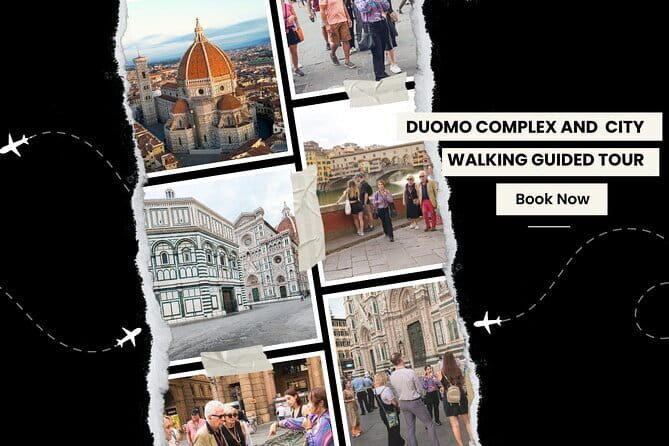
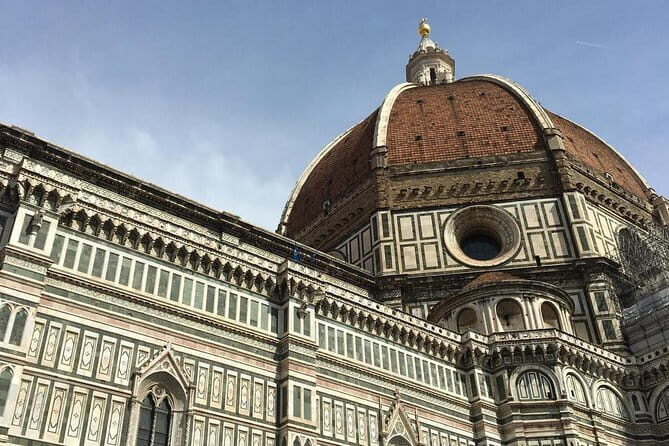
Your next landmark is the Cathedral of Santa Maria del Fiore—the big one people come to Florence for. This stop is designed so you can appreciate the architecture and symbolism without needing cathedral admission.
Even if you’ve never studied Renaissance design, a good guide can point out what makes this cathedral stand out: its scale, its place in Florence’s identity, and how the surrounding streets frame the view. In the evening, the cathedral often looks less harsh than midday, and that makes it easier to take photos that don’t feel overexposed.
Because tickets aren’t included for this stop, keep expectations realistic: you’re not buying an interior experience with this time slot. You’re getting the “learn to look” version of the Duomo.
Piazza della Repubblica and Orsanmichele: city changes you can still feel
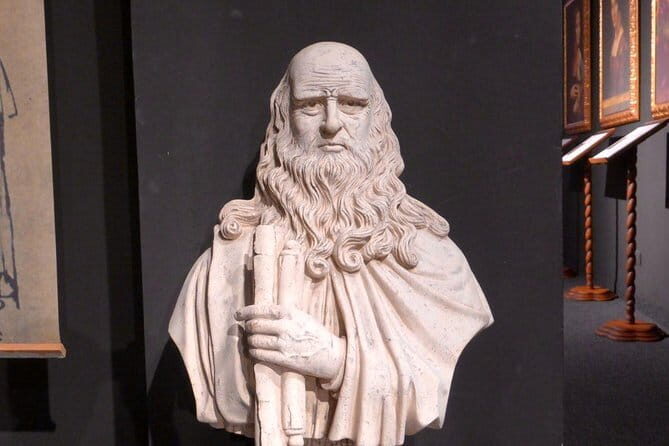
From the cathedral area, you move to Piazza della Repubblica, a square with layers. It started as the site of the city’s forum and later became tied to the old ghetto. Then, during Florence’s major 19th-century modernization period—when Florence was the capital of a reunited Italy—the area was swept through “Risanamento” works, creating new avenues and boulevards.
That’s a lot of history for one stop, and it’s exactly the kind of thing a walking guide can do well. You’ll start seeing the city as a living timeline, not a single era frozen for tourists.
After that, the route includes Orsanmichele. This church was built on the site of the kitchen garden of the monastery of San Michele, which no longer exists. Even from street level, this is a reminder that Florence wasn’t always laid out the way we see it today. The city repurposes land, reshapes neighborhoods, and keeps reusing the past.
This is also where you’ll benefit from the “small group” size. When the route compresses, it’s easier to keep up, hear the guide, and take a few photos without feeling like you’re constantly lagging behind.
You can also read our reviews of more guided tours in Florence
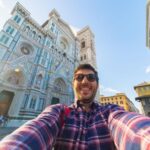
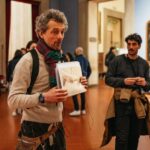
Mercato del Porcellino: the bronze boar fountain with a story
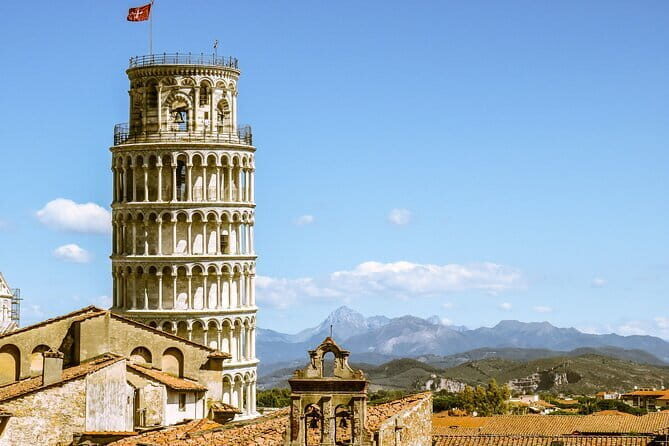
Then you reach Mercato del Porcellino, with Il Porcellino—the bronze boar fountain figure that Florence calls its piglet. This isn’t just a cute stop. Your guide can connect it to the artwork behind it.
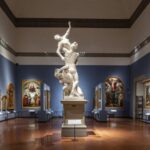
The fountain figure was sculpted and cast by Pietro Tacca (1577–1640) shortly before 1634, after a marble Hellenistic original. The marble original was part of the Grand Ducal collections, and it’s now on display at the Uffizi.
In practice, this stop is perfect for a break in the route’s “big building” rhythm. You get a human-scaled landmark, something you can photograph up close, and a story that connects Florence’s Renaissance era to older classical art traditions.
Admission here is free, which is a relief when you’re trying to keep costs under control during your first day.
Piazza della Signoria: Florence’s political stage
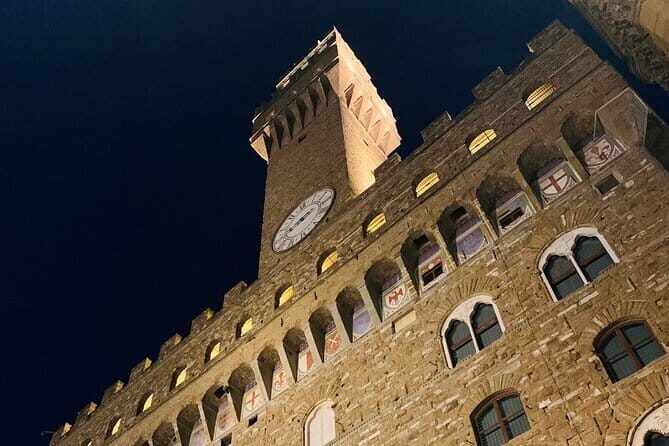
Next is Piazza della Signoria, the L-shaped square in front of Palazzo Vecchio. This is the city’s political heart in one of the most literal ways possible: it’s tied to the origin and history of the Florentine Republic and still functions as a major meeting point.
This stop is where the evening lighting really earns its keep. Even in a short time, you can capture the square’s energy—stone, shadows, and the sense that this is where big decisions played out.
Also, because Piazza della Signoria sits near the Duomo and the gateway area toward the Uffizi neighborhood, it helps you map Florence mentally. After this tour, you’re less likely to feel lost because you’ve already “anchored” yourself to the city’s central squares.
Ponte Vecchio at night: shops on a medieval bridge over the Arno
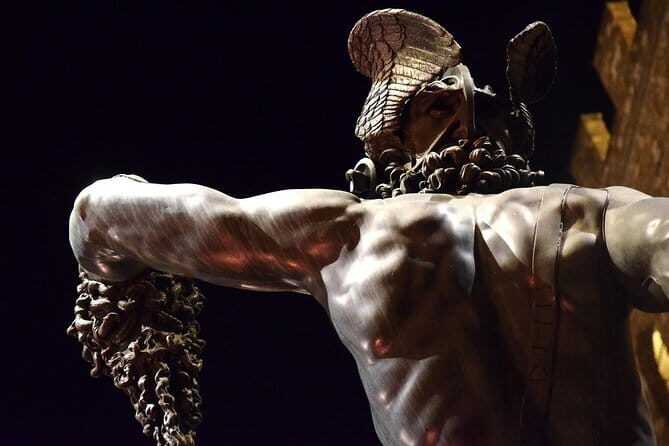
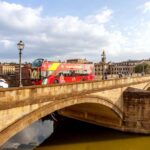
The final big star is Ponte Vecchio. It’s a medieval stone bridge over the Arno, famous for the fact that it still has shops built along it.
Here’s the useful historical contrast your guide may share: butchers originally occupied the shops, and today the tenants are mostly jewelers, art dealers, and souvenir sellers. In other words, the bridge didn’t just survive time—it adjusted to it, and the city kept reusing the same prime real estate.
At night, Ponte Vecchio is excellent for photos, especially if you’re patient and wait for a calmer moment between groups. You also get a sense of the Arno corridor, which is handy because Florence’s sights often line up around this river geography.
The tour ends near Palazzo Pitti, which is a natural next step if you want to keep moving south toward the wider Pitti area.
What the guide actually changes (and why some people felt it)
This is a guide-driven experience, and the difference shows up fast.
When the guide clicks, the walk turns into a conversation. Names that stand out from past experiences include Eduardo, Julia, Raphaelo, Kevin, Ali, Saif, Zoraida, Filomena, and Xheni—and the theme across them is clear: people liked when the guide mixed facts with personality, kept the group engaged, and made the route feel like a guided story rather than a checklist.
But here’s the caution: a small number of guests reported issues with accent clarity or felt their guide wasn’t delivering the depth they expected. That doesn’t mean every run is the same. It just means you should set your listening expectations for a walking tour in a second language and be prepared that communication quality can vary.
Price vs. what you’re buying: $70.89 for orientation and timing
At $70.89 per person, this isn’t a bargain-basement walking tour. You’re paying for three things:
- A tight route (about 1 hour 40 minutes) that hits major landmarks without you spending the time figuring out connections.
- A guide who turns monuments into context, which is often what makes the difference between seeing a cathedral and understanding why it matters.
- Evening timing, when the city is calmer and the light can be kinder for photos.
So is it worth it? For first-timers, people who have limited time, and anyone who wants a fast orientation, the value makes sense. If you already know Florence’s basics and prefer self-paced wandering, you might feel the price is high for what is mostly a viewing-and-context route without included admissions at several stops.
Logistics that help you enjoy it more
A few practical points that can make or break your night:
- You’ll be on your feet for the whole session, with frequent stops. Wear shoes that don’t hate cobblestones.
- Bring a small layer. Evening air can feel cooler than you expect right after a hot day.
- If your guide uses headsets, it can improve clarity, especially in busy intersections. (Not every tour may use them, but it’s been part of past experiences.)
- Do a quick bathroom stop before you start. The route includes several photo stops, but it’s still a walking tour schedule.
Because this is English-only, it also helps to be honest with yourself: if you struggle with spoken English in noisy places, the tour may require extra patience on your part.
Who should book this Florence by Night tour
This tour fits best if you want:
- a first-night orientation so the next days make more sense
- an easy plan that won’t swallow your whole evening
- a Medici-and-monuments route with an expert guide to connect the dots
- a small group night walk, capped at 20 people
It may be less ideal if:
- you’re hoping for included interior visits at every major church
- you dislike listening in a second language
- you’re the type who wants slow museum time rather than short landmark stops
Should you book this one?
If your goal is to get your bearings fast and you want Florence’s highlights lit up in the evening, I think you’ll like this tour. The combination of major landmarks, Medici focus, and a tight 5:00 pm schedule makes it a strong “start here” move.
But if you’re picky about language clarity or you’re counting on paid sites being included, you should set expectations. Some key admissions are not included (including Palazzo Medici Riccardi, Basilica di San Lorenzo, and Santa Maria del Fiore), so plan to see those stops from the outside or the areas that match the included scope.
FAQ
FAQ
How long is the Florence Highlights Walking Tour By Night?
It runs for about 1 hour 40 minutes.
What time does the tour start, and where do I meet?
The start time is 5:00 pm. You meet at Via de’ Martelli, 33R, 50129 Firenze FI, Italy.
Does the tour include admission tickets?
Admission tickets are not included for Palazzo Medici Riccardi, Basilica di San Lorenzo, and the Cathedral of Santa Maria del Fiore. Some stops, like Piazza della Repubblica, Mercato del Porcellino, and Piazza della Signoria, are free.
Is the tour offered in English?
Yes, the tour is offered in English.
How many people are in the group?
The tour has a maximum of 20 travelers.
Is free cancellation available?
Yes. You can cancel up to 24 hours in advance for a full refund.

More Walking Tours in Florence

More Tours in Florence


More Tour Reviews in Florence
- Tuscany Day Trip from Florence: Siena, San Gimignano, Pisa and Lunch at a Winery
★ 5.0 · 21,634 reviews - The Best tour in Florence: Renaissance & Medici Tales – guided by a STORYTELLER
★ 5.0 · 12,316 reviews