REVIEW · FLORENCE
Florence: National Archeological Museum of Florence
Book on GetYourGuide →Operated by Florence Tours by Made of Tuscany · Bookable on GetYourGuide
Florence can be loud, but this tour stays focused. A couple hours inside the National Archaeological Museum of Florence gives you big-name ancient art, plus a surprisingly personal look at how the museum building itself evolved over time. I especially love the way the tour strings together three worlds—Etruscan, Greek/Roman, and Egyptian—without feeling like you’re bouncing randomly between rooms. And I really like the highlighted bronze works on the upper floors, from the famous Chimera to the myth-filled François Vase.
One heads-up: with only 2 hours, you’ll get the museum’s best “story beats,” not a full-by-room survey. If you want to linger over every object, you may feel a little rushed and crave extra time on your own.
In This Review
- Key things to know before you go
- Meeting at SS. Annunziata Square: start easy, start on time
- The museum building is part of the show: Crocetta convent to archaeology
- First floor bronzes and the Chimera: Cellini’s 1500 restorations matter
- Second floor masterpieces: Torso of Livorno and the François Vase myths
- Egyptian Museum time: 14,000 artifacts without the overwhelm
- The garden reconstruction: Etruscan tombs in a calmer setting
- What the 2-hour private format really gives you
- Languages and guide style: when explanations click
- Who should book this tour (and who might want more time alone)
- Should you book the National Archaeological Museum of Florence guided tour?
- FAQ
- Where do I meet the guide for the museum tour?
- How long does the guided experience last?
- Does this tour include skip-the-ticket-line entry?
- What languages are available for the live guide?
- Is the tour wheelchair accessible?
- Is it a private group?
- What cancellation flexibility is offered?
Key things to know before you go
- Piazza prelude: A short guided walk in SS. Annunziata square helps you orient fast.
- Museum building backstory: The convent of the Crocetta and Maria Maddalena de Medici set the scene.
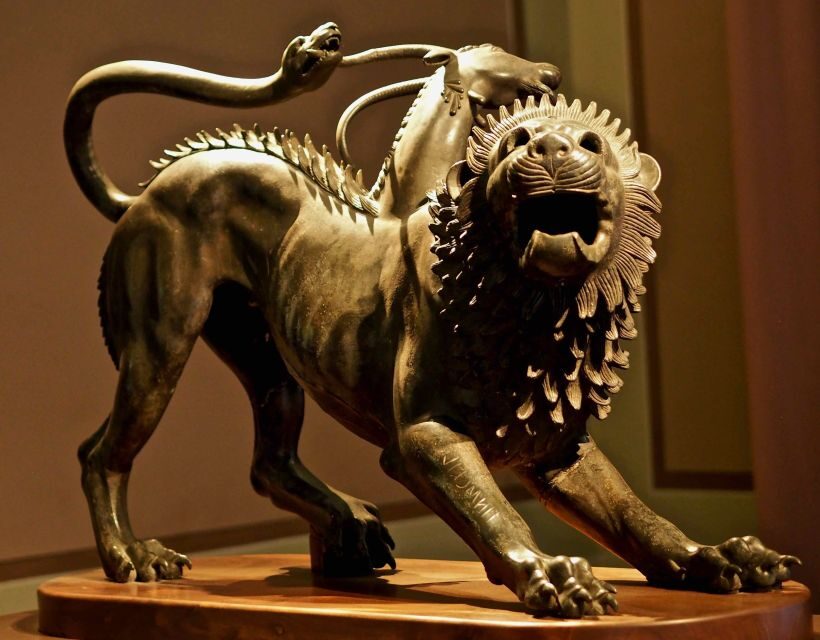
- Chimera bronzes in context: You’ll see the large bronze statues and the 1500 restorations by Benvenuto Cellini.
- Greek art’s showpiece: The François Vase gets a clear explanation of the myths shown on it.
- Egyptian Museum focus: You’ll see standout artifacts from a collection of 14,000 pieces, including mummies.
- Etruscan tomb reconstruction: The reconstructed Inghirami of Volterra tomb brings the garden to life.
Meeting at SS. Annunziata Square: start easy, start on time
The tour meets right in front of the Museo Archeologico Nazionale di Firenze, in Piazza SS. Annunziata. If you use GPS, the coordinates given for the meeting point are 43.7766227722168, 11.261474609375. That small detail matters in Florence, where streets can look identical when you’re tired.
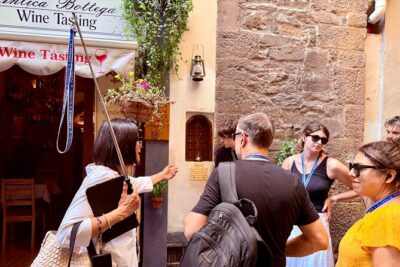
The first stop is not inside the museum. You get about 15 minutes of guided time at the Piazza della Santissima Annunziata area. Think of it as a warm-up: you get bearings, you learn what to look for once you step through the museum doors, and your guide helps you connect the building to what’s inside.
This is also where the “private group” format shows up. It’s easier to ask questions early, and your guide can pace the tour around your group’s interests without needing to herd everyone toward the same corner of the museum.
You can also read our reviews of more museum experiences in Florence
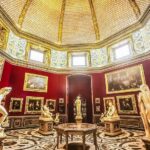

The museum building is part of the show: Crocetta convent to archaeology
One of the smartest choices here is that the tour doesn’t start with artifacts. It starts with the building.
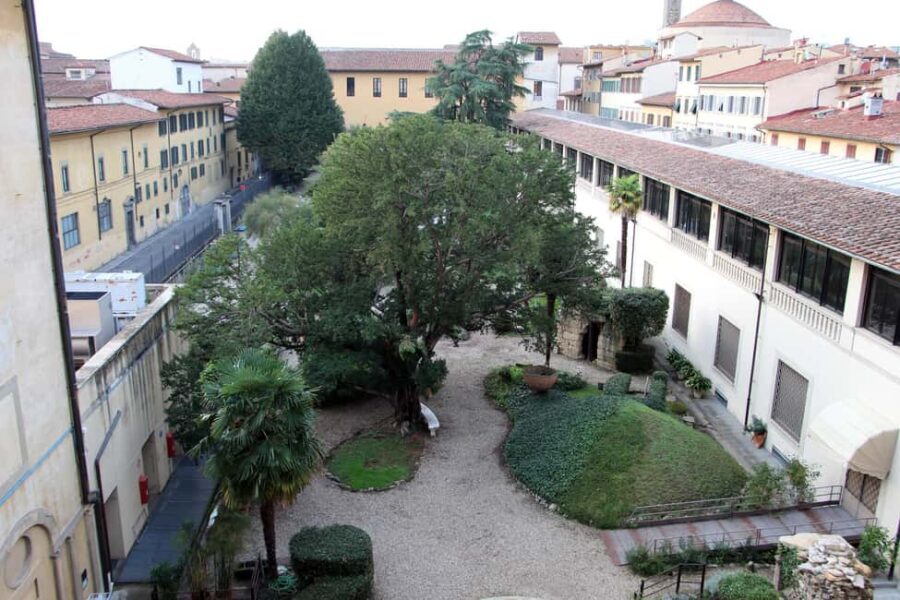
This museum is housed in a structure that once served as a convent of the Crocetta, where Maria Maddalena de Medici lived. That background changes the feeling of walking through the halls. You’re not just going from one display case to another; you’re moving through a place that has had different “jobs” over centuries.
When you learn the origin of the building, you start noticing the museum as a physical timeline. The guide frames what you’re about to see with the idea that Florence re-used spaces and gathered objects over time, not just to show them—but to preserve them, study them, and give them new meanings for later generations.
If you’ve ever walked into a museum and felt like the room was talking over your head, this approach helps. You get a simple narrative hook, and then the collections click into place much faster.
First floor bronzes and the Chimera: Cellini’s 1500 restorations matter
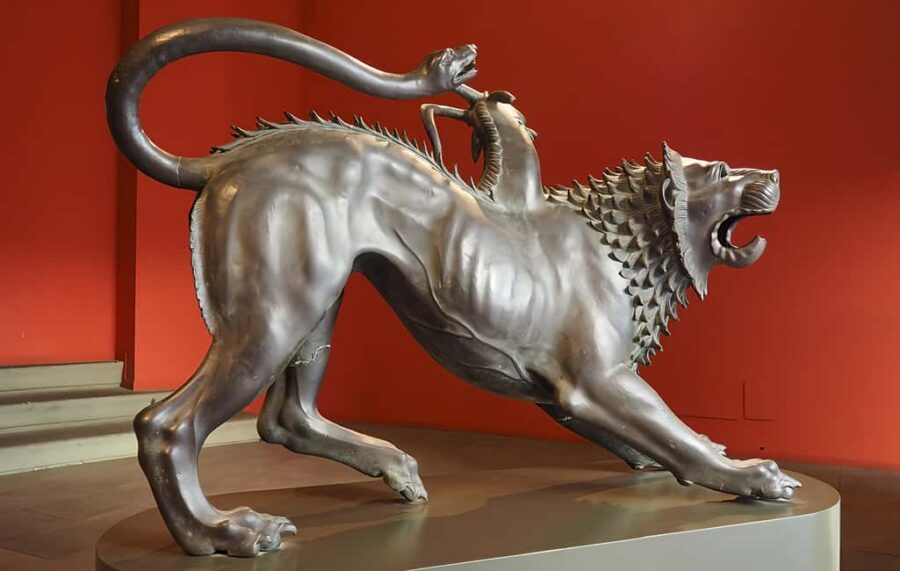
After the initial orientation, you move into the main collection with a structured focus. On the first floor, the tour spotlights large bronze statues of the Chimera.
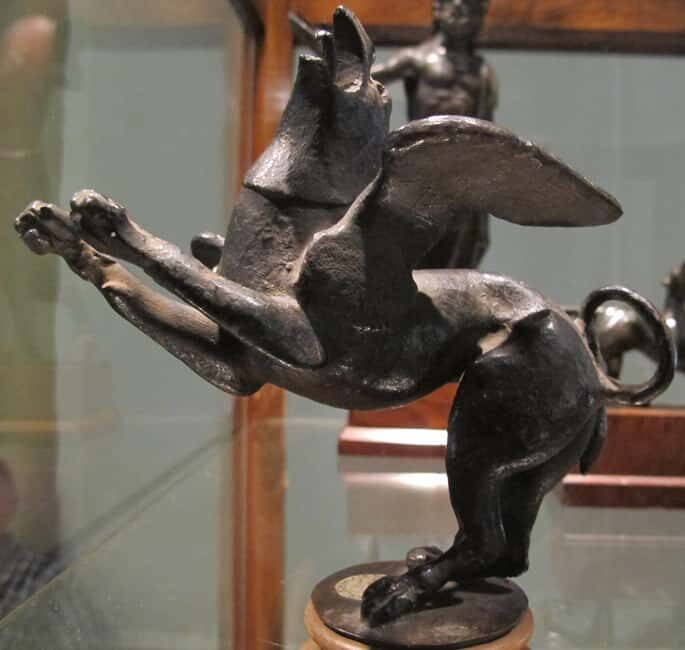
This is a great moment to understand what restoration can do. The Chimeras you’ll see were restored in 1500 by Benvenuto Cellini, and the guide’s job here is to help you see why that matters. Restoration isn’t just fixing damage. It’s also a historical act—someone in the Renaissance period decided these ancient bronzes were worth saving, improving, and showing again.
Even if you’re not a bronze-nerd, the Chimera is a natural crowd-pleaser. It’s myth, scale, and metal craft all at once. And because the guide places it within the museum’s story, you’re not just admiring a sculpture—you’re understanding why the object survived and how later generations shaped what you see today.
This first-floor stop also helps you manage expectations. The tour is designed so you build confidence as you go. You start with something visually dramatic, then later you can handle objects that are more detailed and interpretive.
Second floor masterpieces: Torso of Livorno and the François Vase myths
The second floor is where the tour really earns its keep for people who love “big art moments.” You’ll see ancient Greek, Roman, and Renaissance bronze works, with standout named objects that make it easy to remember what you saw.
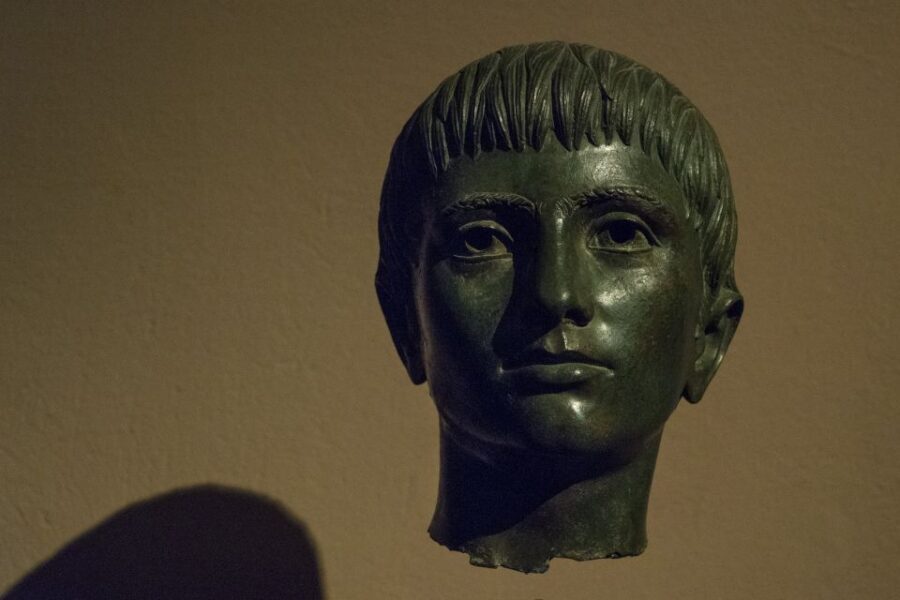
Among the highlights are the Torso of Livorno, the Medici Riccardi horse head, and the Idolino of Pesaro. Those names aren’t random labels. They’re anchors—your guide uses them to connect style, subject matter, and what different periods valued in bronze sculpture.
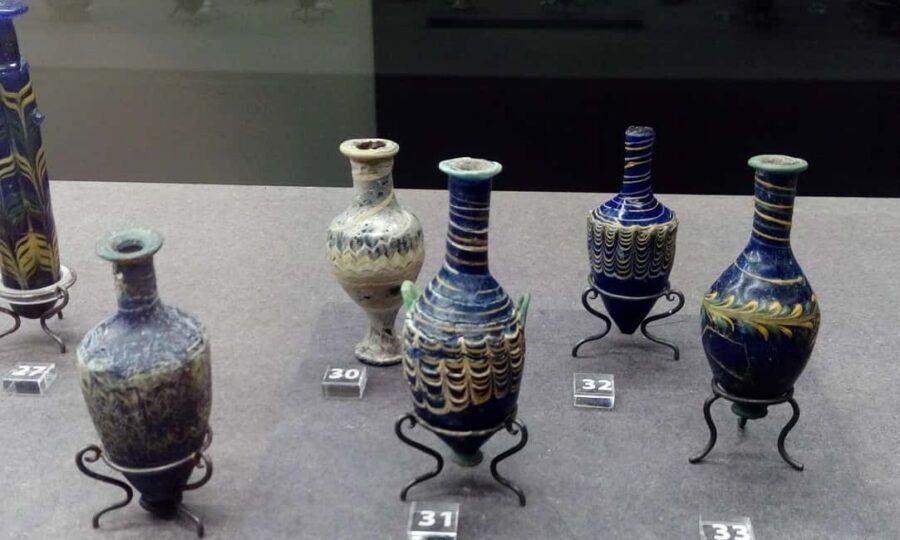
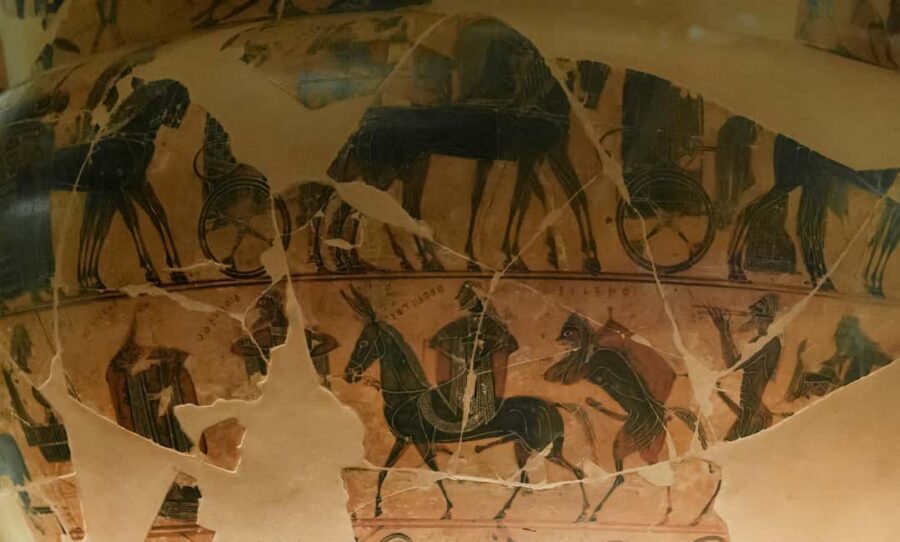
Then comes the object that tends to steal the show for many people: the François Vase. The François Vase is introduced as one of the most important finds in the world of Greek art, and the tour takes the right approach—close looking plus myth context.
Instead of only saying, Here’s a famous vase, you get help interpreting the scenes. You’ll look at the mythical tales from Ancient Greece depicted on the vase and understand what the imagery is doing. That turns the vase from a pretty antique into a readable storybook.
If you’re traveling with kids or teens, this is often the part where questions start flying. When you have someone explaining what the images mean, the vase stops being glassy and distant and becomes human: people, legends, and relationships played out in figures.
Egyptian Museum time: 14,000 artifacts without the overwhelm
One reason this tour works well is that it doesn’t treat “Egypt” like a separate planet you must suddenly understand. You go into it with the Roman/Greek thinking already in your head, and then Egypt becomes another leg of the same ancient-story journey.
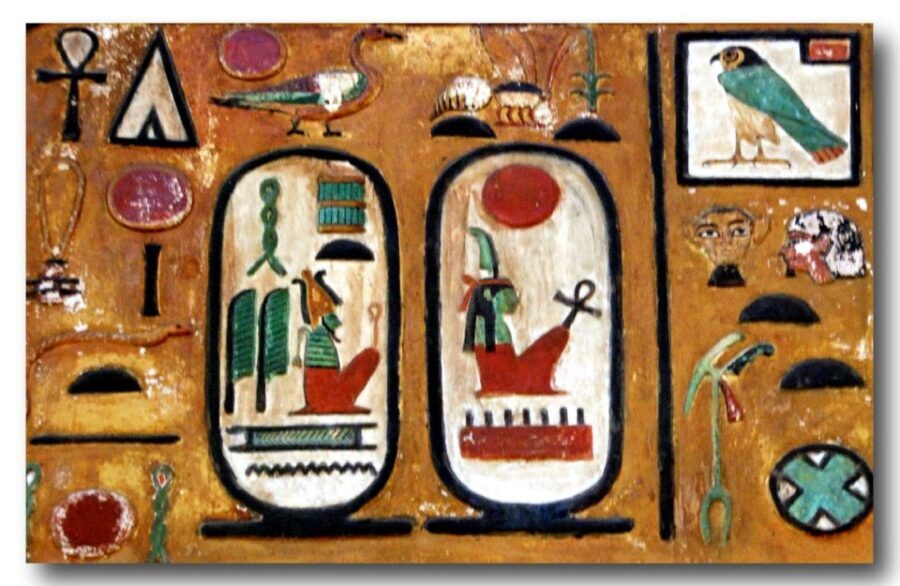
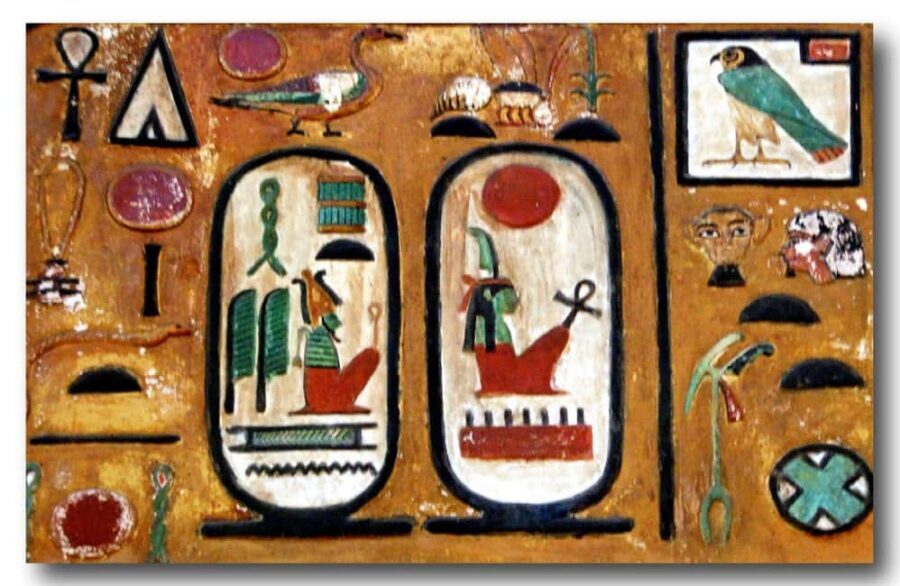
The Egyptian Museum section includes over 14,000 artifacts, and the guided tour focuses you on key categories: steles, vases, ushabti, amulets, and bronzes. The guide is helpful here because the collection is huge. Even if you’re a fan, a self-guided wander can turn into a blur.
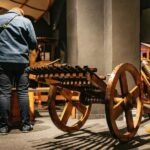
You’ll also see specific standouts mentioned for this tour: the statue of Amenophis III, a war chariot from the seventeenth dynasty, and perfectly preserved mummies. The combination is important. You’re not only looking at religious objects or funerary items. You’re also seeing political power and daily-world connections through images tied to status and war.
This part can hit different depending on your interests. If you’re into history, the objects feel like evidence. If you’re into art, the craftsmanship and materials stand out immediately. And if you’re traveling with mixed ages, mummies tend to do what they always do: they create instant attention, and then—when the guide adds context—you get more than scare-factor. You get meaning.
- Tuscany Day Trip from Florence: Siena, San Gimignano, Pisa and Lunch at a Winery
★ 5.0 · 21,634 reviews - The Best tour in Florence: Renaissance & Medici Tales – guided by a STORYTELLER
★ 5.0 · 12,316 reviews


The garden reconstruction: Etruscan tombs in a calmer setting
The tour doesn’t end inside a dark room full of cases. You step into the garden and see a reconstruction of an Etruscan tomb called Inghirami of Volterra.
Why it’s worth your time: a tomb reconstruction helps you understand how burial space worked. Inside this reconstruction, you can observe original alabaster urns that were placed there in old times.
That last phrase matters. It’s easy for visitors to think museums are only about copies and replicas. Here, the tour points you toward what’s genuinely from the past, and you can feel the difference between “display” and “placement.” In a garden setting, the objects also feel less chaotic than gallery rooms. You get a breather, you can look at things without squeezing through other groups, and your brain has time to connect Etruscan burial customs to the earlier museum sections.
It’s also a nice contrast after the intensity of the Egyptian Museum and the myth-loaded bronze works. This final stop adds a human scale—quiet, grounded, and easier to digest.
What the 2-hour private format really gives you
Let’s talk pacing, because 2 hours can be either perfect or painfully short, depending on what you want.
This tour is built as a highlights-and-story route. You don’t try to see everything. You see the museum’s most explainable masterpieces across multiple sections. That’s a value proposition for most people: you’re buying a guide’s ability to choose, connect, and explain.
The tour also includes skip-the-ticket-line entry. In Florence, small time-savers matter. It reduces the moment where you’re standing around while your attention fades. With the line skipped, the tour stays in motion and you get more artifact time per minute.
It’s private group, so you’re not locked into a fast herd pace. If your group wants more time on, say, the bronze sculptures or the François Vase, the guide can adjust within reason. If you want to keep it moving, you can do that too.
If you’re the type who likes to wander off-grid and read labels at your own speed, then you might still want to plan a longer independent visit to the museum later. But as a first encounter—or as a “best of” in a busy day—this format is very efficient.
Languages and guide style: when explanations click
The tour is offered with a live guide in multiple languages: English, Italian, Spanish, German, and French. That flexibility is helpful if you’re traveling as a family or with friends who don’t all share one language.
One detail that stands out from real-life experience: the best moments happen when a guide can adjust explanations to the room. Stefania has been specifically noted for being patient and detail-focused, with explanations that held attention from young visitors to teens. That’s not a small thing. Many museum tours go either too slow for adults or too general for everyone else. When the guide can keep it clear and lively, you end up remembering names and objects afterward, not just vibes.
So if you like learning without feeling lectured, this tour’s style is exactly what you hope for.
Who should book this tour (and who might want more time alone)
This experience is a strong fit if:
- You want a structured path through a large museum in 2 hours
- You care about Egyptian artifacts but don’t want to feel lost in a massive collection
- You like seeing how objects connect across cultures: Etruscan, Greek/Roman, Renaissance, and Egypt
- You’re traveling with mixed ages and want a guide who can keep attention
You might want to book something longer or add extra museum time if:
- You want to read every label and spend a full day
- You’re deeply focused on one specialty (like only Egyptian art or only bronze sculpture) and don’t want shortcuts
For most people, this tour is the sweet spot: it gets you to the heart of the museum without turning the day into a museum marathon.
Should you book the National Archaeological Museum of Florence guided tour?
Yes, if you want an efficient, explanation-forward visit that covers the museum’s big draws in a way you can actually remember. The combination of the Chimera bronzes with Cellini’s connection, the story-driven François Vase, and the Egyptian section with 14,000 artifacts (plus mummies and key objects like Amenophis III) gives you a balanced ancient-world sampler.
No, if you already know you want hours of solo browsing, because 2 hours is designed for highlights. Think of it as a guided on-ramp. After that, you can always go back and go deeper on your own.
FAQ
Where do I meet the guide for the museum tour?
Meet your guide in front of the Archeological Museum at SS. Annunziata square.
How long does the guided experience last?
The tour duration is 2 hours, with about 15 minutes at Piazza della Santissima Annunziata and about 105 minutes inside the National Archaeological Museum.
Does this tour include skip-the-ticket-line entry?
Yes. The tour includes skip the ticket line.
What languages are available for the live guide?
The live tour guide is available in English, Italian, Spanish, German, and French.
Is the tour wheelchair accessible?
Yes. The experience is wheelchair accessible.
Is it a private group?
Yes. It’s listed as a private group.
What cancellation flexibility is offered?
You can cancel up to 24 hours in advance for a full refund, and it also offers reserve now & pay later to keep plans flexible.


More Museum Experiences in Florence

More Tour Reviews in Florence
- Tuscany Day Trip from Florence: Siena, San Gimignano, Pisa and Lunch at a Winery
★ 5.0 · 21,634 reviews - The Best tour in Florence: Renaissance & Medici Tales – guided by a STORYTELLER
★ 5.0 · 12,316 reviews