REVIEW · FLORENCE
Florence: Private Astronomical Tour of the Museo Galileo
Book on GetYourGuide →Operated by Inside Out Italy · Bookable on GetYourGuide
Galileo’s tools are surprisingly real. I love how this private museum tour brings Renaissance science to life, and I especially enjoy seeing original telescopes and precision measuring devices up close. The tour is great for context and objects, but if you’re hunting for lots of hands-on scientific explanation, you may want to lean on the museum’s app videos too.
What makes this experience click is the focus on how people measured space, time, and even temperature. You’ll also get a smooth entry with fast-track entrance and headsets, so you can actually hear your guide without crowd noise.
One more thing to consider: the museum experience is built around artifacts and interpretation, so the “wow” comes from what you see and ask about—not from lab-style demonstrations. You’ll leave with a clearer mental map of early astronomy, physics, and timekeeping, but it’s still a museum, not a science show.
In This Review
- Key things to know before you go
- Galileo in Florence: Why This Museum Matters
- Meeting Point and the Easiest Start Possible
- Your 90 Minutes: What the Tour Actually Feels Like
- Galileo’s Original Telescopes and Instruments: The Headliner
- Astrolabes and Celestial Globes: How People Learned the Sky
- Time, Temperature, and the Antique Clocks That Tell Stories
- The Nocturnal (1568): A Cool Object With Real Purpose
- Santucci’s Armillary Sphere (1593): The Geometry of the Cosmos
- Optics and Electrostatics: Science Beyond the Telescope
- Value for $159: What You’re Paying For
- Who This Private Galileo Tour Suits Best
- Photography, Bags, and Small Comfort Tips That Matter
- Should You Book This Galileo Tour?
- FAQ
- How long is the private Galileo tour at the Museo Galileo?
- What’s included in the price?
- Where do I meet the guide, and when should I arrive?
- Is the tour private?
- Which languages are available?
- Can I take photos inside the museum?
- What’s not included?
- Is the museum wheelchair accessible?
Key things to know before you go
- Skip the line with express security and fast-track entrance
- See Galileo’s original telescopes and scientific instruments
- Explore astrolabes, celestial globes, and classic navigation tools
- Learn how time and space were measured with antique clocks and thermometers
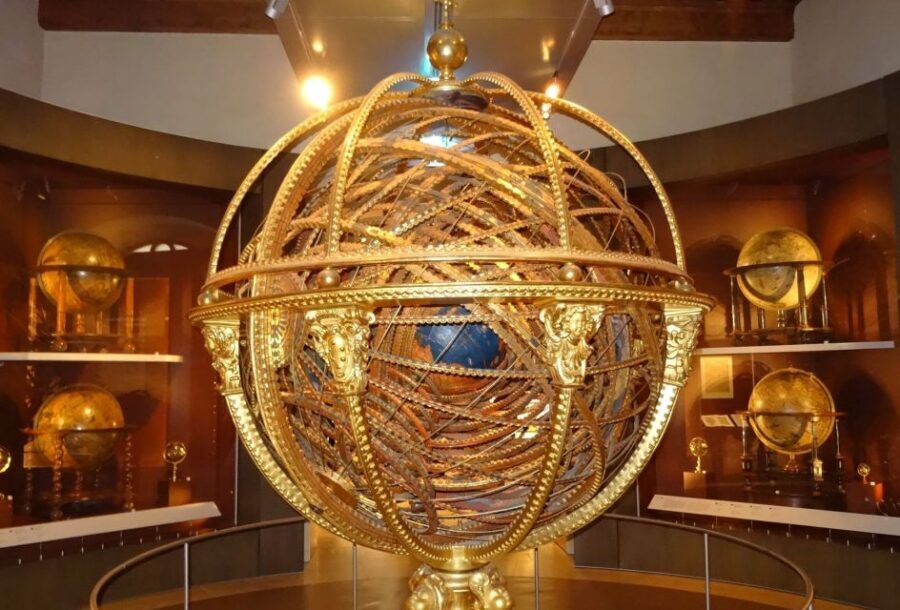
- See standout objects like the Nocturnal (1568) and Santucci’s armillary sphere (1593)
- Hear your guide clearly thanks to included headsets in a private group
Galileo in Florence: Why This Museum Matters
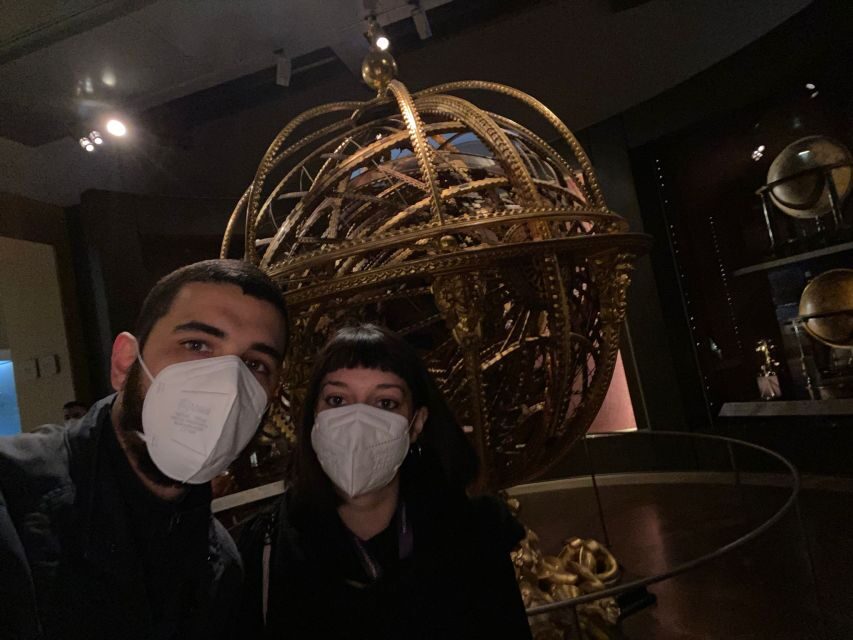
If you want one place in Florence where “science” feels physical, not theoretical, this is it. The Museo Galileo is the former home linked to Galileo Galilei’s Florentine world, and it’s packed with the kind of instruments you can’t really picture from textbooks. The whole collection connects to the Medici era and the idea that studying nature was part art, part engineering, and part court politics.
What I like about this experience is that it doesn’t just name-drop famous people. It shows you how knowledge was built—through instruments, careful measurement, and the changing way people understood the sky. During your visit, you’ll also learn how the collection developed over time, including support that began with Cosimo I de’ Medici in the 1500s and continued under successors, with the scientific Academy of Assay founded in 1657 and later work connected to Grand Duke Leopoldo of the Lorena line.
You can also read our reviews of more private tours in Florence


Meeting Point and the Easiest Start Possible
This tour is set up to be painless from the first step. Meet at the City Florence Tours office and arrive 15 minutes early. You’ll exchange your voucher at the ticket office before the tour starts, so don’t plan to arrive at the exact minute and sprint in.
Once you’re sorted, you use the express-style route with fast-track entrance tickets and an express security check. That matters in Florence, because museum lines can steal half your energy. This timing helps you reach the galleries while your brain still has room for new facts.
You’ll also have headsets. That’s a big deal in museums, where sound bounces and groups drift. With headsets, you can concentrate on your guide’s explanations and ask questions without shouting.
Your 90 Minutes: What the Tour Actually Feels Like
The tour runs about 1.5 hours. In that time, you’ll be moving at a museum pace: see an artifact, get context, and connect it to Galileo’s life and the broader evolution of astronomy and physics. It’s private, so the guide can match the flow a bit to your interests—whether you’re curious about instruments, the human story, or how early science approached measurement.
Because the time is limited, don’t expect every single display in the museum. This tour focuses on the objects most tied to Galileo’s worldview: tools for looking at the sky, instruments for measuring time and physical conditions, and the scientific thinking behind them. If you love science for the sake of science, you’ll likely want extra time afterward on your own.
Galileo’s Original Telescopes and Instruments: The Headliner
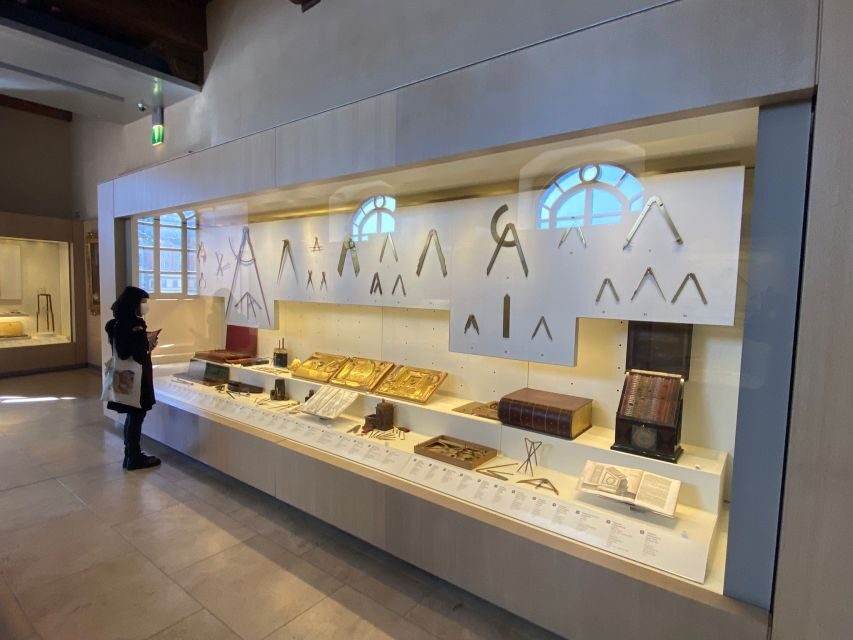
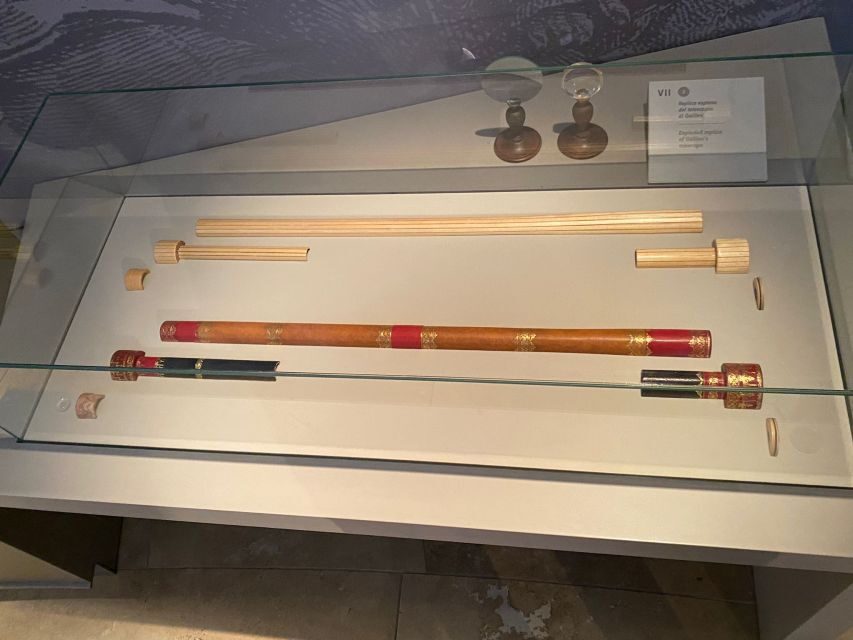
This is the part you’ll remember when the rest of the Florence trip fades. Seeing Galileo Galilei’s original telescopes and instruments gives you that rare feeling of standing near the source, not a replica. Telescopes weren’t just “cool gadgets” in the early 1600s. They changed what people thought they were seeing in the heavens, and they forced new ways to argue from observation.
Your guide should connect those instruments to Galileo’s real work—how he used them for astronomical study and how the technology supported the bigger intellectual shift of the era. Even if you’re not a science nerd, the story makes sense because you can literally point at the tool and connect it to the claim being tested.
Practical tip: take a few seconds to look at the telescope as a machine, not just as an icon. Notice shape, structure, and the design choices that would help someone use it at the time.
Astrolabes and Celestial Globes: How People Learned the Sky
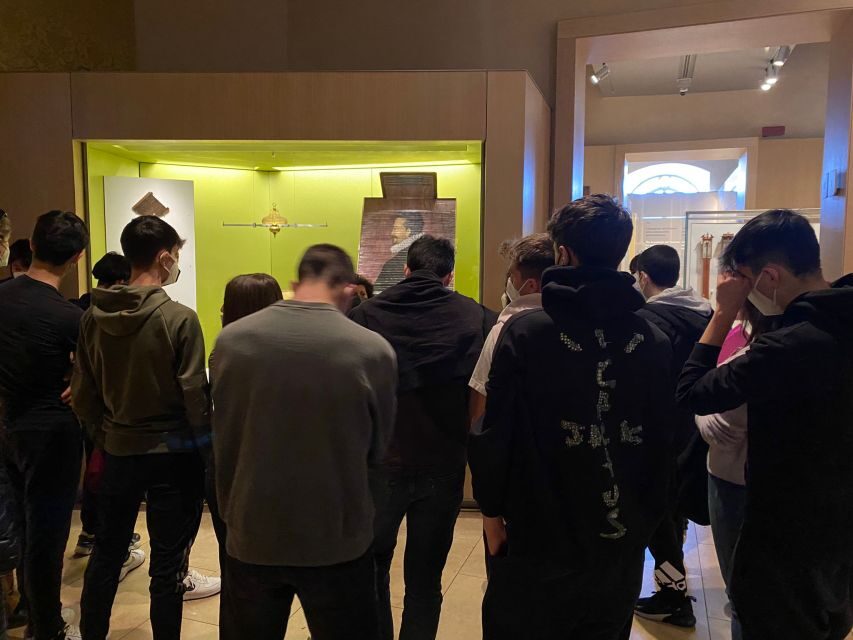
After the telescope moments, you’ll move into a world of tools made to translate the sky into something navigable. The museum includes large collections of astrolabes and celestial globes, the kinds of instruments used for mapping positions and understanding where things are in relation to Earth.
What I love here is the “math meets metal” feeling. These objects show how astronomy wasn’t only about studying distant planets. It was tied to navigation, timekeeping, and practical problem-solving. Your guide should help you see how instruments turned observations into measurements you could use.
If you’re traveling with kids, this section tends to work well. These are visual, touchable-feeling objects (even though you won’t touch). It’s easy for a younger traveler to ask questions like: How did they know? What did they measure? Why that scale?
- The Best tour in Florence: Renaissance & Medici Tales – guided by a STORYTELLER
★ 5.0 · 12,316 reviews



Time, Temperature, and the Antique Clocks That Tell Stories
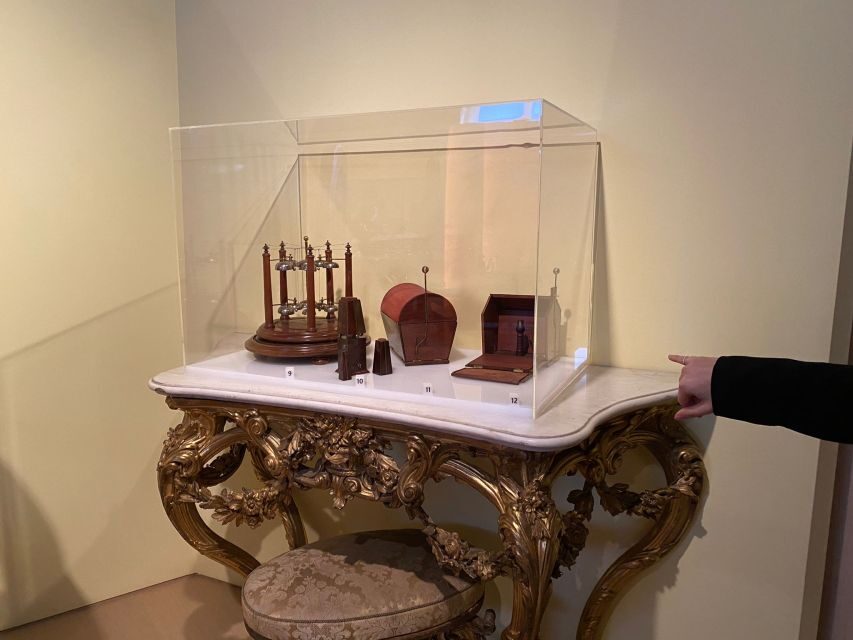
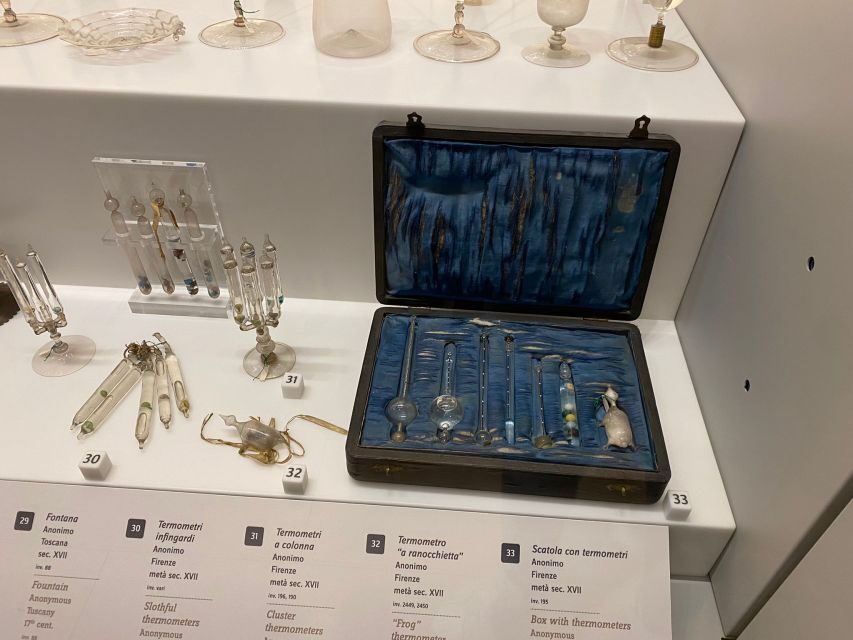
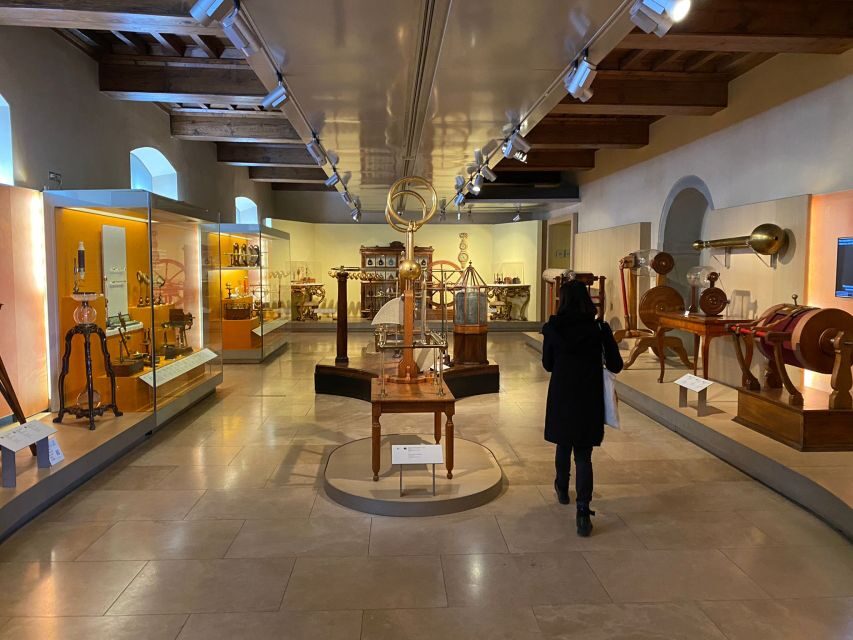
One reason this tour stands out is that it doesn’t stop at the sky. You’ll also learn how people measured time, space, and temperature during Galileo’s era and the surrounding decades. The museum includes antique clocks and other measurement devices, and your guide should connect them to the way early scientific study demanded repeatable observations.
A few notable items you may see:
- Antique clocks and measurement instruments that relate to timekeeping
- Thermometers that show early thinking about temperature
- Maps and globes tied to understanding space and position
This is where your brain starts building a framework: Galileo’s world wasn’t only about stars. It was about getting measurements consistent enough to argue scientifically. And in a world before digital sensors, instruments were the backbone of credibility.
The Nocturnal (1568): A Cool Object With Real Purpose
Among the highlights, you might see the original Nocturnal by Girolamo della Volpaia (1568). A “nocturnal” sounds poetic, but it’s actually a practical time-and-sky instrument used at night. It connects timekeeping to the appearance of celestial objects, which is exactly the kind of leap between astronomy and real-world measurement that makes this museum so satisfying.
When your guide explains it, listen for the logic: how the instrument converts sky observations into a time reference. That’s the trick. Once you get that mental model, the object stops being decorative and becomes a piece of problem-solving engineering.
Santucci’s Armillary Sphere (1593): The Geometry of the Cosmos
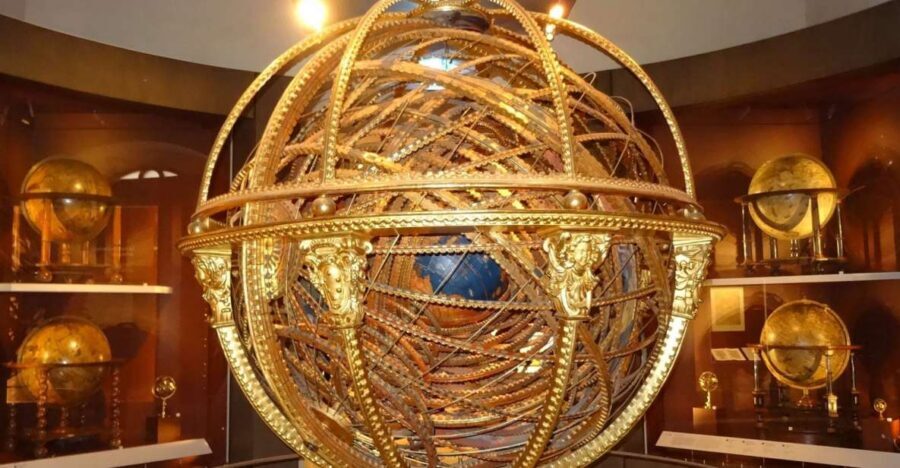
Another standout you may see is Santucci’s Armillary Sphere (1593). An armillary sphere is a physical model of celestial coordinates, basically a framework for thinking about how the sky organizes itself. It’s not just for display; it’s a way to “see” geometry.
If you’ve ever struggled with the concept that early astronomers were mapping invisible coordinate systems, this kind of object helps. It shows that astronomy was built on geometry and measurement, not just storytelling about planets.
Your guide should tie it back to the larger arc of astronomy’s evolution—how knowledge moved forward as instruments improved and ideas got tested against observation.
Optics and Electrostatics: Science Beyond the Telescope
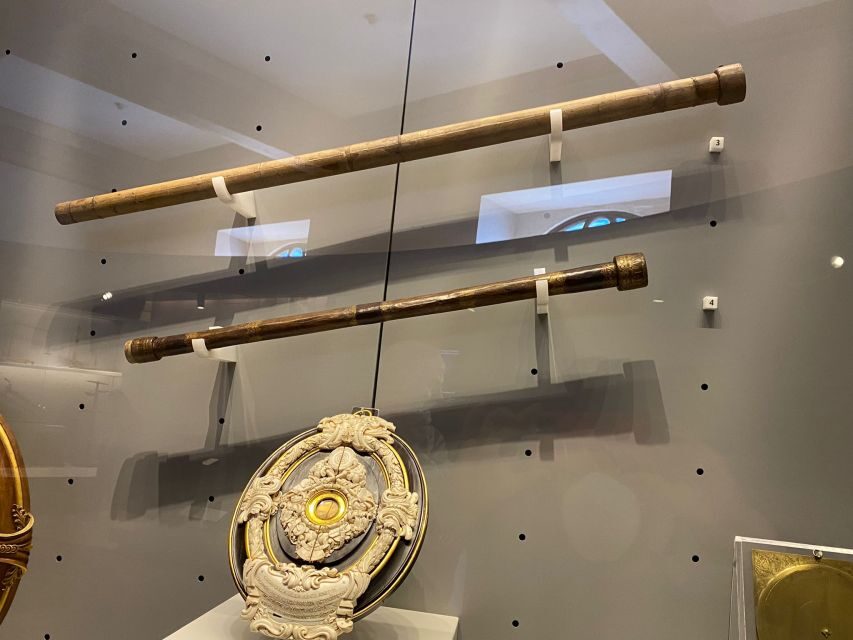
Galileo is the center, but the museum’s scope reaches beyond his telescopes. You’ll get explanations around optics—the science behind how viewing works—and you may also encounter discussion related to electrostatics.
Even if electrostatics isn’t your top interest, the point of including it is strong: it shows science expanding into different physical phenomena. The tour helps connect the dots between Galileo’s observational methods and the broader growth of physics as a discipline.
Also, expect a lighter moment here and there. The museum experience includes fun elements—so yes, you’ll get some “games of the past” style discovery that works for both adults and kids. It helps the tour feel less like a lecture and more like guided exploration.
Value for $159: What You’re Paying For
At $159 per person for about 1.5 hours, the value depends on how you like museums.
You’re paying for:
- A private guide (so you’re not stuck with a generic group pace)
- Headsets to keep the explanations clear
- Fast-track entrance and express security
- A guided path through the most relevant objects tied to Galileo and measurement
If you like museums best when someone points out what matters—and connects each object to a bigger story—this price can feel fair. If you’re the type who reads slowly, wants to replay videos, and enjoys pure self-guided wandering, you might prefer more independent time at the museum.
Also, a private tour at this price in Florence often makes sense for families or couples. You get time efficiency, and you can ask your specific questions without feeling rushed.
Who This Private Galileo Tour Suits Best
This works best if you:
- Love science, instruments, and the human story behind discovery
- Want a guided route through a large museum without trying to guess what to prioritize
- Enjoy history that connects directly to objects you can see
- Are traveling with kids who can handle a focused museum visit for 1.5 hours
It may be less ideal if you’re hoping for lots of step-by-step physics explanations for how every mechanism works. One practical way to solve that: use the museum’s app videos alongside your guide’s context. The museum app has scientific video explanations for the main displays, and it can supply the “how it works” detail if your guide is emphasizing history and meaning over technical instruction.
Photography, Bags, and Small Comfort Tips That Matter
Rules are straightforward:
- Photography is allowed, but without flash to protect artifacts.
- Comfortable walking shoes help, because you’ll be moving through galleries.
- Large bags and backpacks may need to be stored in the cloakroom.
These are small things, but they affect how relaxed your visit feels. If you’re carrying a lot, plan to travel light so you don’t lose time dealing with storage.
Should You Book This Galileo Tour?
Book it if you want a focused, high-impact visit where Galileo’s instruments—and the measurement ideas behind them—come alive quickly. The private format, headsets, and fast-track entry are real quality-of-life upgrades, especially if you’re trying to fit this into a packed Florence itinerary.
I’d especially recommend it if you like your history grounded in objects: telescopes, globes, clocks, and the specific tools Galileo’s world depended on. And if you’re the type who wants both the story and the deeper science mechanics, pair the tour with extra museum time using the app videos afterward.
One caution: the tour is listed as not suitable for people with mobility impairments. At the same time, the museum is described as wheelchair accessible. Because those two details don’t perfectly match, if you have mobility needs, check directly with the provider so you’re not surprised by how your specific movement and pacing needs will work on site.
FAQ
How long is the private Galileo tour at the Museo Galileo?
It lasts about 1.5 hours.
What’s included in the price?
Fast-track entrance tickets, reservation fees, a professional tour guide, and headsets.
Where do I meet the guide, and when should I arrive?
Meet at the City Florence Tours office and arrive 15 minutes early. You’ll exchange your voucher at the ticket office before the tour begins.
Is the tour private?
Yes, it’s a private group experience.
Which languages are available?
The live guide is available in English, Spanish, German, Italian, and French.
Can I take photos inside the museum?
Yes, photography is allowed, but without flash.
What’s not included?
Hotel pickup and drop-off, plus food and drinks.
Is the museum wheelchair accessible?
The museum is described as fully wheelchair accessible, but the tour listing also says it’s not suitable for people with mobility impairments, so it’s worth checking for your specific situation.

More Private Tours in Florence

More Tours in Florence

More Tour Reviews in Florence
- Tuscany Day Trip from Florence: Siena, San Gimignano, Pisa and Lunch at a Winery
★ 5.0 · 21,634 reviews - The Best tour in Florence: Renaissance & Medici Tales – guided by a STORYTELLER
★ 5.0 · 12,316 reviews