REVIEW · FLORENCE
Florence Private WALKING TOUR
Book on Viator →Operated by Olga in Florence · Bookable on Viator
Florence can feel like a blur. This half-day private walk keeps it clear and doable, moving from grand churches to Medici power to the Arno river finish. You pick a morning or afternoon slot, and you’ll have headsets so you can actually hear every story in the crowded streets.
I particularly like two things. First, the guide style—Olga in Florence—turns landmarks into real people and real moments, with humor and answers to your random questions. Second, the tour doesn’t just show photos; it includes entry to the Santa Maria Novella Pharmacy, letting you experience the place tied to Tuscany’s perfume legend, not just stand outside.
One possible drawback: most stops are exterior views only. The Cappelle Medicee, Palazzo Medici Riccardi, and Battistero di San Giovanni are seen from outside, and their entrances are not included, so you may still want to plan a later ticketed visit for anything you want to go inside.
In This Review
- Key things I’d pay attention to
- How a 3-hour Highlights Walk Fits Real Florence Time
- From Piazza Santa Maria Novella to Ponte Vecchio: The Route Logic
- Santa Maria Novella: Where Florence Welcome Starts
- Officina Profumo Farmaceutica: The Pharmacy Stop That Makes It Different
- Palazzo Antinori: A Short Look at Tuscany Wine Power
- The Medici Trail: Chapels, San Lorenzo, and Medici Residences
- Cappelle Medicee (seen outside)
- San Lorenzo (free exterior stop)
- Palazzo Medici Riccardi (seen outside)
- Duomo and Beyond: Santa Maria del Fiore, the Dome, and the Baptistery Area
- Battistero di San Giovanni (seen outside)
- Museo Casa di Dante
- Palazzo Vecchio and Piazza della Signoria: The Political Heart
- Ponte Vecchio: Finishing at the Most Useful Icon
- Price and What You Really Get for $240.29
- Who This Tour Is Best For (and Who Might Skip It)
- Should You Book This Florence Highlights Walk?
- FAQ
- How long is the Florence Private Walking Tour?
- How much does it cost?
- What’s included, and what entrance tickets are not included?
- Where do I meet, and where does the tour end?
- What language is the tour in?
- What happens if the weather is poor?
Key things I’d pay attention to
- Headsets throughout: no guessing what the guide says when you’re shoulder-to-shoulder with other groups
- Private pace: only your group, so you can ask questions and keep moving without feeling rushed
- Pharmacy entry included: one stop is hands-on, not just a look-from-the-street moment
- Medici storyline from multiple angles: residences, chapels, and civic power connect into one thread
- Ends at Ponte Vecchio: you finish at an iconic spot that’s also a simple launch point for your next plan
- English-only tour: helpful for first-timers who want clarity without language friction
How a 3-hour Highlights Walk Fits Real Florence Time
If you’re short on time, Florence can be overwhelming in the best way. This tour is built for that problem. In about three hours, you cover major sights that normally take multiple days of wandering to stitch together.
The real value here is not just seeing “the big names.” It’s the order and the way the guide links places into a story you can hold in your head. You start near the arrival point of many visitors (Santa Maria Novella), and you end at the river’s signature crossing (Ponte Vecchio). That path helps you understand the city instead of only collecting stamps.
Because it’s a private walking tour, you’re not forced into the hard-stop rhythm of a large group. If you’re curious, you can ask. If you’re tired, you can slow down. If your schedule shifts, the guide can adjust what you focus on—something that matters a lot when your day doesn’t match your plan.
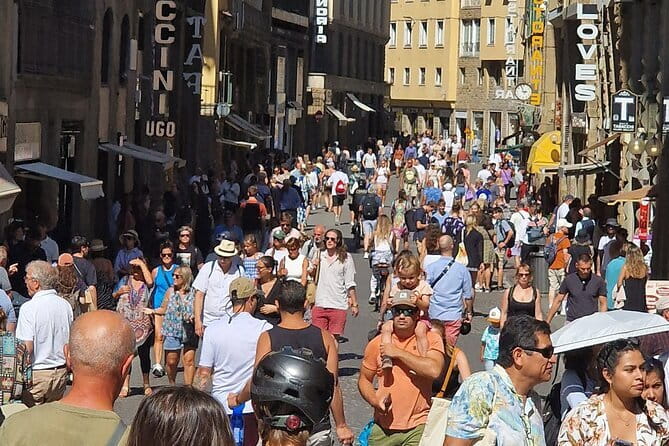
Also, headsets are a big deal in Florence. Around Duomo, the Baptistery area, and the narrow stretches between major buildings, it’s loud and crowded. With headsets, you won’t lose the thread just because the street got noisy.
You can also read our reviews of more walking tours in Florence
From Piazza Santa Maria Novella to Ponte Vecchio: The Route Logic
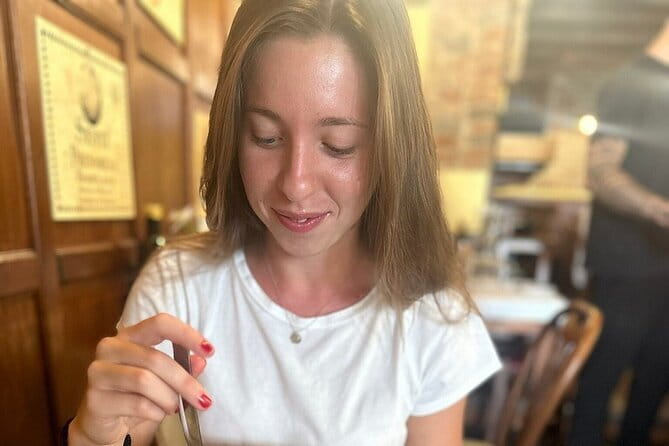
You meet at Fratellanza Militare Firenze, in Piazza di Santa Maria Novella, 18. The end point is Ponte Vecchio, so you get a clean finish at one of the easiest places to navigate from—especially if you want to keep exploring after the tour.
The route works because it gently escalates. You begin with two Santa Maria Novella stops that set the tone—religion, tradition, and craft. Then you move into Medici connections through palaces and chapels. After that comes the religious heart of Florence (Duomo and the Baptistery area), then the political center (Palazzo Vecchio and Piazza della Signoria), and finally the river-facing climax.
Expect a lot of “look up, look around” time. Florence is one of those cities where the details only hit after you slow down for a moment. This tour gives you those moments without turning the day into an all-day marathon.
One practical tip for you: wear shoes you can trust on uneven stone and curbs. Even though it’s only three hours, Florence walking adds up fast when you’re making frequent stops for photos, explanations, and quick orientation.
Santa Maria Novella: Where Florence Welcome Starts
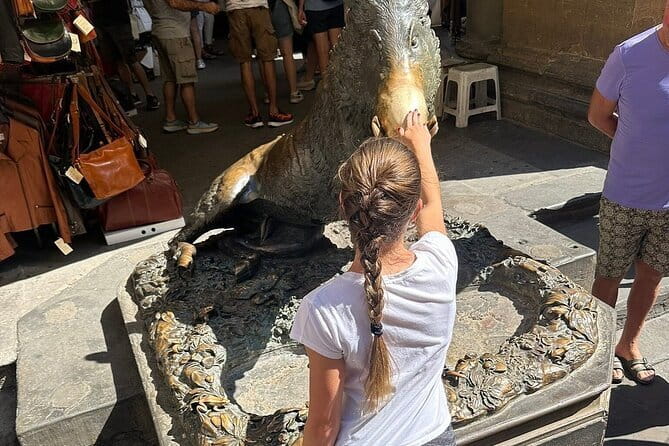
Your first stop is Santa Maria Novella, one of Florence’s key churches. It matters that you start here because it’s a natural “first impression” building. The church is closely tied to how visitors entered the city—especially those arriving by train—so the tour starts at a real gateway point, not a random landmark.
You’ll spend around 20 minutes here, and the guide’s goal is to help you read what you see. Don’t treat this like a quick exterior photo. Use the time to notice how important churches are also social markers—where power and culture display themselves in stone.
Even if you’ve been inside churches before, Santa Maria Novella is worth your attention for how it anchors the city’s identity. It also sets you up for the next stop, where craft and scent connect to the same religious world.
Admission ticket notes: the tour indicates Santa Maria Novella itself is free in the context of this stop (you won’t need to buy an entry ticket for what the tour includes). It’s more about viewing and learning than chasing a timed ticket.
Officina Profumo Farmaceutica: The Pharmacy Stop That Makes It Different
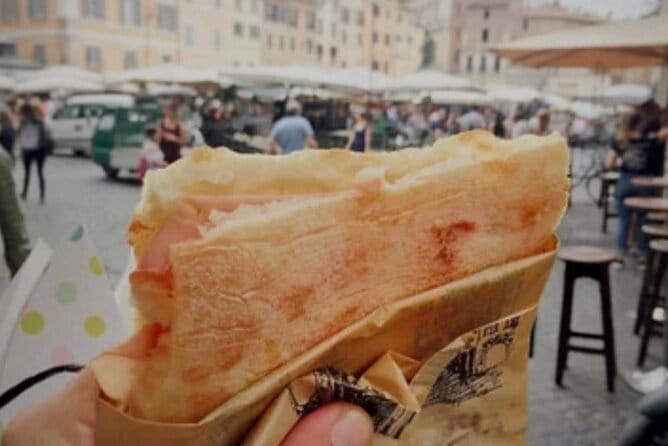
This tour has a standout included experience: entry to Officina Profumo Farmaceutica di Santa Maria Novella. You’ll get about 20 minutes inside, and this is the moment where the tour stops being purely visual and becomes sensory.
The point isn’t only to admire bottles behind glass. You’ll get the story of how monks created a tradition tied to the Santa Maria Novella church and how perfume became part of Florence’s cultural export. The tour emphasizes smelling the fragrances, so you get a more memorable connection than a standard storefront stop.
This is also where I think the value shows. You’re paying for a guide and headsets anyway, but you’re also getting a specific, included entry. If you’ve ever done “outside only” walking tours, you know how quickly those can feel thin. This one avoids that by giving you one genuine interior experience.
If you like craft, scents, or the idea that Renaissance Florence wasn’t just art in museums, you’ll enjoy this stop the most.
Palazzo Antinori: A Short Look at Tuscany Wine Power
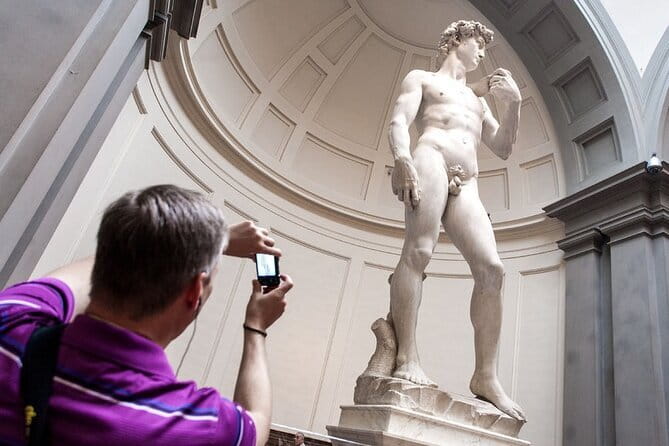
Next is Palazzo Antinori, with about 10 minutes. This stop is shorter, but it’s carefully chosen. Antinori is a name that signals Tuscany’s wine-making legacy, and the guide uses it to connect Florence’s elite world to the pleasures—and politics—of wine culture.
For you, the best way to use this short stop is to pay attention to context. Palaces aren’t just impressive facades; they’re signals of who had influence and how that influence traveled into business and daily life. Even with limited time, the guide can give you a handful of stories that make the building feel less like a backdrop.
Since there’s no included entry here, plan for this as an exterior-reading stop. You’ll likely get better value from looking slowly at architectural cues and listening for the story than from rushing for a photo.
You can also read our reviews of more private tours in Florence


The Medici Trail: Chapels, San Lorenzo, and Medici Residences
After Antinori, you move through several Medici-linked stops that show different sides of power.
Cappelle Medicee (seen outside)
You’ll see the Cappelle Medicee for about 10 minutes, but entrance is not included. That can be a good thing if you want orientation first. The chapels are so strongly associated with the Medici family that seeing the exterior in the right context helps you decide whether a later, ticketed visit is worth your time.
San Lorenzo (free exterior stop)
San Lorenzo is about 5 minutes. The tour highlights it as a first Florentine cathedral and notes the idea that it was sponsored by the Medici clan. Again, you’re not going deep inside during this walk, but you are learning why the building mattered to their image and influence.
Palazzo Medici Riccardi (seen outside)
Then comes Palazzo Medici Riccardi for around 10 minutes. Entrance is not included. Still, it’s a powerful stop because it gives you a feeling for the Renaissance-era “home base” of a family shaping politics, patronage, and artistic life. The tour specifically connects the palace to the idea of Michelangelo under the protection of Lorenzo the Magnificent, which helps you understand patronage as something lived, not abstract.
Here’s the practical takeaway for you: because entrances aren’t included at several Medici sites, treat this section like your planning tool. You’ll come away with a shortlist of what to see inside later, and the guide can help with that based on what you’re most interested in.
Duomo and Beyond: Santa Maria del Fiore, the Dome, and the Baptistery Area
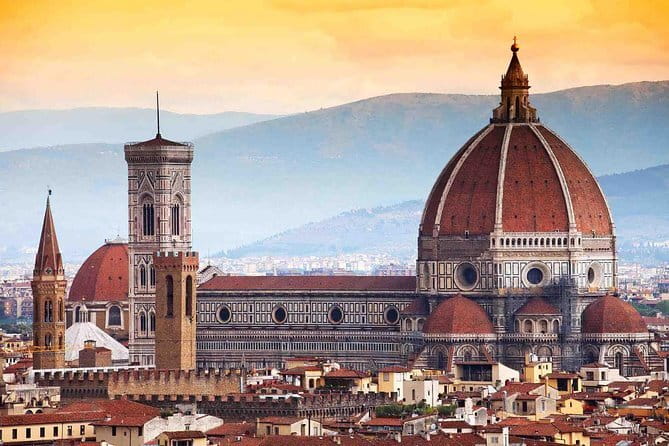
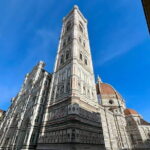
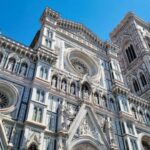
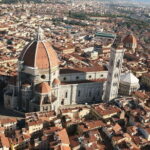
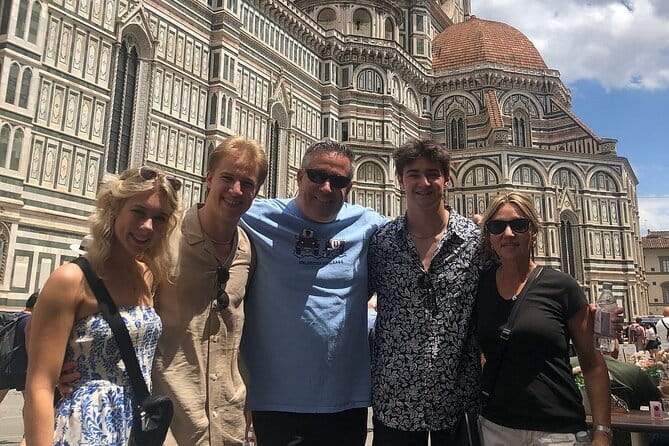
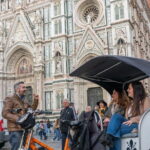
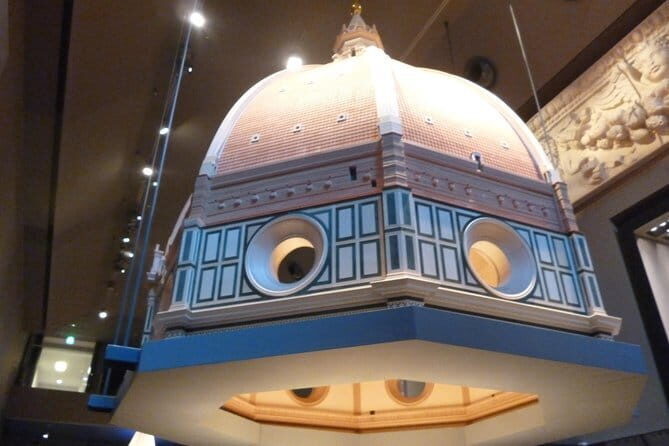
One of the biggest payoff moments is the Duomo (Cattedrale di Santa Maria del Fiore) stop. You’ll have about 20 minutes here, and it’s described as having a unique flower-shaped plan and the famous masonry dome by Filippo Brunelleschi—with a note that even Michelangelo thought it would be difficult to match or surpass.
Even if you’ve seen Duomo before, this stop can still help you “reset” your understanding. The guide’s stories are built to make the architecture feel purposeful rather than only grand.
Battistero di San Giovanni (seen outside)
You’ll also spend about 20 minutes on the Battistero di San Giovanni, described as the oldest building in the city and famous for the Gates of Paradise. Entrance isn’t included during the walk, but the exterior view plus context makes the Baptistery feel like part of the same spiritual and artistic center.
Museo Casa di Dante
Then you’ll stop at Museo Casa di Dante for about 20 minutes. This is a different kind of landmark: it anchors you in literature and language. The tour connects it to Dante’s father’s meeting with the muse of his life, giving the area a personal, story-driven tone.
What I like about this stretch is pacing. You go from big religious architecture to a more human narrative. That balance keeps the tour from feeling like only stone and dates.
Palazzo Vecchio and Piazza della Signoria: The Political Heart
Next, you’ll look at Palazzo Vecchio—a medieval fortress with prison history and Medici-era connections. Even without going inside, you can see why this place mattered. Florence wasn’t just a city of art. It was a city of government, control, and public power.
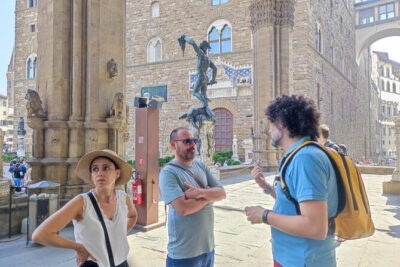
The tour then moves into Piazza della Signoria for about 15 minutes. This square is basically an outdoor museum, with many original sculptures created by Renaissance artists. In practical terms, this stop is about learning how public space carried meaning. It’s not just a pretty plaza; it’s where politics and art meet in plain sight.
If you’ve ever wondered why certain Florentines seem obsessed with symbolism, this is your answer. Look at how sculpture and architecture sit in the public eye. The guide helps you see those choices as communication.
Ponte Vecchio: Finishing at the Most Useful Icon
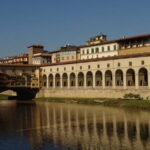
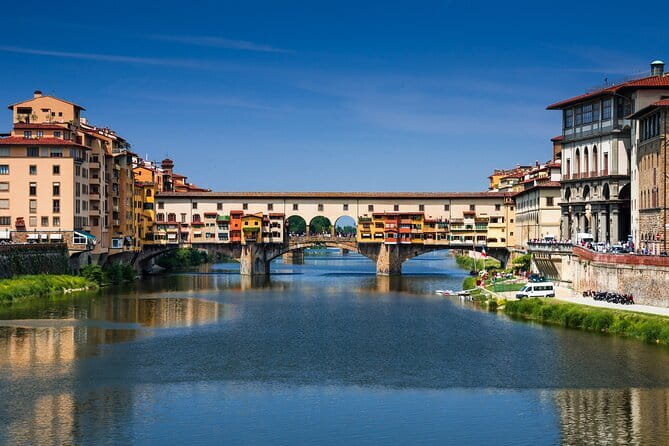
Your final stop is Ponte Vecchio, around 10 minutes. It’s described as the symbol of Florence and the oldest bridge in town, with its famous jewelry shops hanging over the Arno River.
This finish is smart for your day because it gives you options. Once you reach the bridge, you’re right where many walking paths and photo viewpoints radiate outward. If you want to keep exploring, you’re positioned well. If you want to head back toward your next stop, the location is easy to work from.
Also, because this is the end, you can enjoy it without feeling like you need to sprint for the next ticket. It’s a chance to soak in what you just learned: Florence wasn’t only churches and palaces; it was also commerce and daily life—literally hanging on the river crossing.
Price and What You Really Get for $240.29
At $240.29 per person for an approximately three-hour private walking tour, you should judge value by what’s included and what it saves you.
Here’s what you get that many cheaper walks don’t:
- A licensed guide for the full duration
- Headsets, which genuinely improve the experience in crowded areas
- Santa Maria Novella Pharmacy entry, which adds an interior experience instead of only street-level viewing
- A planned route that hits major Florence highlights without turning your afternoon into aimless walking
What you don’t get (and should plan for):
- Most building entrances during the walk are not included. That means if you want to go inside Medici-related sites or the Baptistery, you’ll likely need a separate ticket later.
So, who is it best for? If you want structure, clear explanations, and a guide who can adjust to what your day needs, this price can feel fair. If you’re traveling on a very tight budget and you’re happy with a DIY route and lots of outside-only views, you might choose a less expensive option. But if you hate missing information in the noise, headsets alone can make this worth it.
One more value point: this tour is often booked around 60 days in advance. If your dates are fixed, I’d reserve early so you’re not stuck with limited time slots.
Who This Tour Is Best For (and Who Might Skip It)
I think this tour fits best when you:
- Want a first-time Florence overview that connects sites into one story
- Prefer a private pace over large group schedules
- Value hearing a guide clearly—especially in dense areas like the Duomo zone
- Want at least one included interior stop, not only exterior viewing
It may not be the best match if you:
- Already plan multiple ticketed museum stops and only want exterior sightseeing
- Are hoping for lots of entrances during the walk (several key sites are seen outside, and tickets aren’t included for them)
Still, even if you’re ticket-heavy, this can work as your orientation. Use it to pick what you’ll return to with a real plan.
Should You Book This Florence Highlights Walk?
Yes—if you want Florence simplified into a route you can remember. The mix of Santa Maria Novella, the included pharmacy entry, Medici-linked stops, and the Duomo-to-Ponte Vecchio arc gives you a strong “big picture” in only three hours.
Book it if you like having a guide who brings places to life through stories and humor, and who answers your questions without shutting you down. It’s also a smart pick if crowds make self-guided navigation stressful, since the headsets help you stay focused on what matters.
If you’re the type who always wants to go inside everything, be ready to buy separate tickets for certain sights later. But as a way to get your bearings fast and choose your next moves, it’s a solid, practical use of a half day.
FAQ
How long is the Florence Private Walking Tour?
The tour is approximately 3 hours.
How much does it cost?
It costs $240.29 per person.
What’s included, and what entrance tickets are not included?
Included are the 3-hour walking tour with a licensed tour guide, headsets, and entrance to the Santa Maria Novella Pharmacy. Entrances to other buildings and museums are not included, since you’ll mostly see them outside.
Where do I meet, and where does the tour end?
You meet at Fratellanza Militare Firenze, Piazza di Santa Maria Novella, 18, and the tour ends at Ponte Vecchio.
What language is the tour in?
The tour is offered in English.
What happens if the weather is poor?
This experience requires good weather. If it’s canceled due to poor weather, you’ll be offered a different date or a full refund.

More Walking Tours in Florence

More Tours in Florence


More Tour Reviews in Florence
- Tuscany Day Trip from Florence: Siena, San Gimignano, Pisa and Lunch at a Winery
★ 5.0 · 21,634 reviews - The Best tour in Florence: Renaissance & Medici Tales – guided by a STORYTELLER
★ 5.0 · 12,316 reviews