REVIEW · FLORENCE
Florentine Fashion Private Tour
Book on Viator →Operated by Florence Tours by Made of Tuscany · Bookable on Viator
Style is a language in Florence.
This private fashion tour strings together three stops that explain how Italian taste grew into today’s major design houses. I like how the guide helps you trace Florentine style (not just name-drop brands), and you also get time inside the big museums instead of hovering outside for selfies. One heads-up: the format is built for walking, so wear shoes you trust and expect a steady pace.
Two things I really liked are the museum time and the street finish. Inside the Gucci Museum at Gucci Garden and the Museo Salvatore Ferragamo, the guide can connect design to the city around it. Guides named in past tours, like Suzanna and Rosanna, come across as lively and passionate about art and architecture, which helps if you’re not a hardcore fashion superfan. The main drawback to consider is value: if your goal is just to see the objects and shop, you may feel the guided layer doesn’t justify the cost.
In This Review
- Key things to know before you go
- A 3-hour Florence fashion walk that stays practical
- Gucci Garden and the Gucci Museum: family fashion as a city story
- Ferragamo Museum: why shoes matter in Italian design
- Via Tornabuoni: turning museum facts into street-level style
- Why the private guide changes the whole feel
- Tickets included, but the line reality is still real
- Price and value: when guided fashion feels worth it
- Timing, walking pace, and how to get comfortable fast
- Is this Florentine Fashion Private Tour a good match for you?
- FAQ
- How long is the Florentine Fashion Private Tour?
- Where does the tour start and end?
- Is admission included for Gucci and Ferragamo?
- Is this tour private or shared with strangers?
- What are the main stops on the tour?
- Can I cancel for a full refund?
Key things to know before you go
- Private English guide for a more personal flow, with professional storytelling between stops
- Gucci Garden + Ferragamo Museum tickets included, so you’re not juggling costs while on foot
- 1 hour at each museum, which is enough to see highlights without turning into a half-day museum marathon
- Via Tornabuoni fashion street ties the brands to real Florence streetscape
- No hotel pickup/drop-off means you’ll start and end at Piazza di Santa Trinita
- Mobile ticket + group discounts can make entry smoother if you manage your timing well
A 3-hour Florence fashion walk that stays practical
This experience is set up as a 3-hour introduction to modern Italian fashion through two of Florence’s loudest design names: Gucci and Ferragamo. It’s private, so you’re not stuck in a big group rhythm, and the guide can pace you based on what you care about—clothes, shoes, design history, or the business side.
You’ll start at Piazza di Santa Trinita (50123 Firenze FI) and return to the same meeting point. There’s no hotel pickup, so plan your route there using public transportation. The tour is offered in English, and the tour description notes that most people can participate, which fits this mostly walking-and-standing format.
The tour also includes the key thing that often gets forgotten on brand tours: entrance tickets. That matters because Florence museums and design sites can eat up time. When tickets are handled, your guide can spend more energy explaining the why behind what you’re looking at.
You can also read our reviews of more private tours in Florence

Gucci Garden and the Gucci Museum: family fashion as a city story
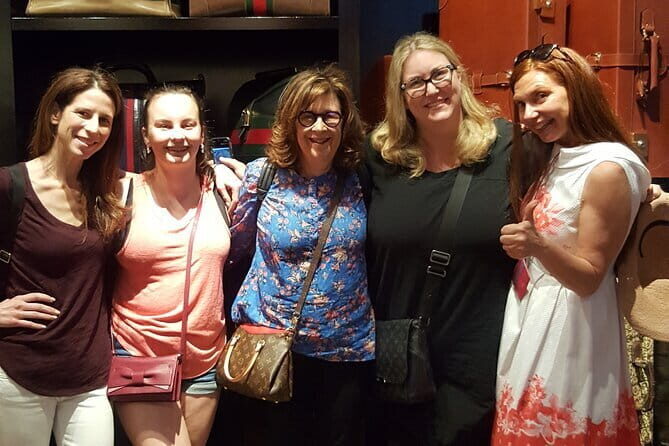
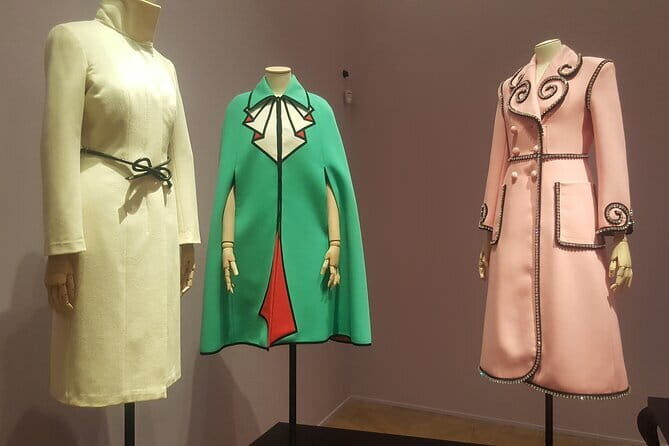
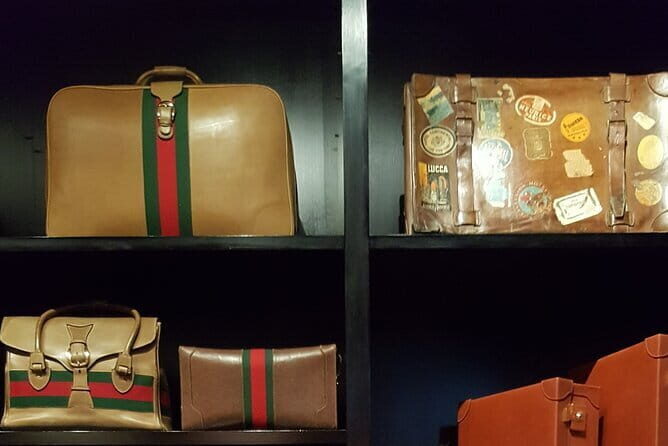
The first stop is the Gucci Garden / Gucci Museum. You get about 1 hour there, and the focus is the legacy of the Florentine fashion family behind the label. Even if you’re not deeply into fashion theory, this is the part where the tour can connect branding to Florence itself—how a place with strong craft traditions becomes a stage for global fashion.
What makes this stop work well is the museum’s structure for a quick but meaningful look. With a guide, you’re not only scanning displays; you’re getting help putting names, timelines, and design choices into a single story. One of the best ways to use that hour is to pick two things you want answers for before you step in. For example:
- What design details changed over time?
- How does Gucci’s look connect to Florentine identity?
From the value side, people do like this stop. It’s one of the points where the tour can feel more than a storefront visit because you’re getting time inside a curated museum space, not just walking past the marketing.
A practical consideration: museum entrances can be slow in busy periods. If you arrive late to the meeting point and miss your tour’s best timing window, you’ll feel it. And if you’re the type who wants long breaks, you may find this schedule tighter than you’d like.
Ferragamo Museum: why shoes matter in Italian design
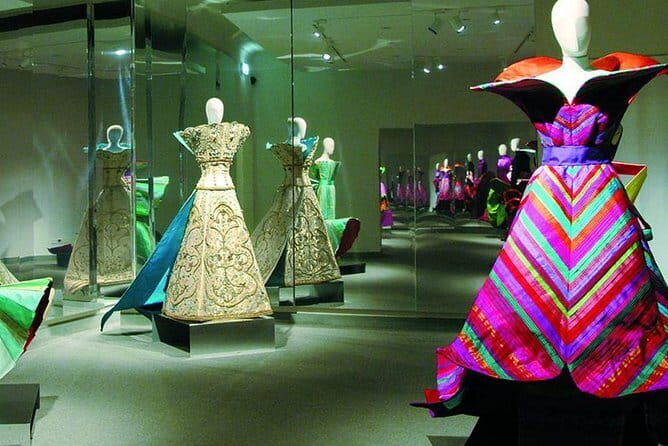
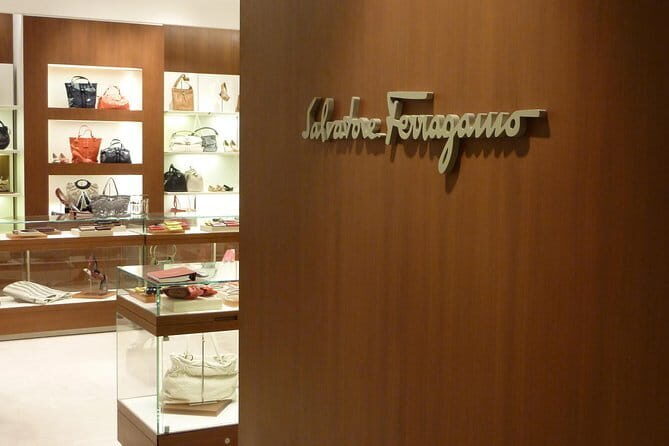
Next up is Museo Salvatore Ferragamo, also about 1 hour, with admission included. This stop is centered on Salvatore Ferragamo as the shoemaker of the stars. That phrase matters because it frames the museum around influence and performance—how footwear becomes part of fashion history when it’s built for big stages and demanding tastes.
If you’ve ever wondered why Italian footwear looks so intentional, this is the place where the guide can connect craft to impact. Shoes are functional, sure, but in fashion they also carry status, artistry, and a visual style that reads instantly. With a guide, you can spend less time guessing what you’re looking at and more time learning why certain designs became memorable.
This museum also gives the tour a balance. Gucci can feel flashy and graphic; Ferragamo often feels more about precision, materials, and design choices. That mix is one reason this tour lands well even for people who aren’t fashion diehards. The architecture and storytelling around the displays can click for art and design lovers who want a stronger “why” than a typical shopping stop.
One more tip: because you’ll be spending time indoors and then walking outside again, keep your bag manageable. You’ll likely be tempted to take photos, and you don’t want to juggle bulky items while you’re moving.
Via Tornabuoni: turning museum facts into street-level style
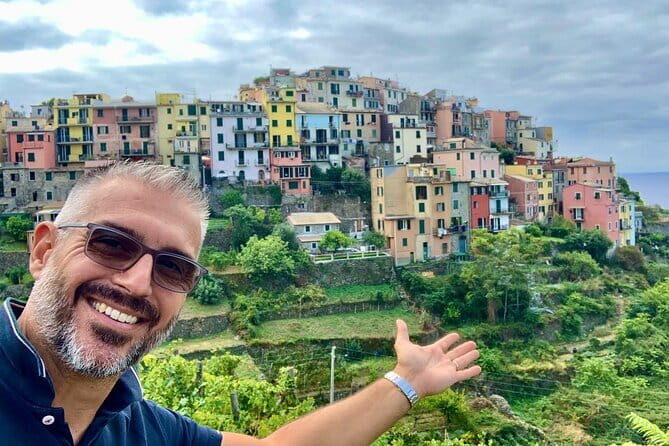
After the two museum stops, you’ll head to Via Tornabuoni, described as Florence’s fashion street. This is where the tour helps you read the city instead of treating it like a backdrop for brand names.
This part is especially useful if you like doing a quick “what does it look like here?” reality check. On Via Tornabuoni, you can connect what you saw in the museums to the kinds of storefronts and luxury culture that sit in the street today. You’ll also get a change of pace from indoors—still walking, but in an open-air environment where Florence’s scale and architecture start doing their job.
What you should do here: slow down and pay attention to details that match the guide’s themes. If your guide discussed materials, look at how the street’s style choices reflect those trends—colors, silhouettes you see in windows, and how shops present their collections. If the guide talked about the business side of fashion, watch how stores position themselves and how the street caters to certain shoppers.
A small caution from the “keep your expectations grounded” side: this isn’t framed as a sit-down tour with breaks. You’re getting the museums and then a street walk. So bring water if you know you run warm, and wear shoes that can handle uneven stone.
Why the private guide changes the whole feel
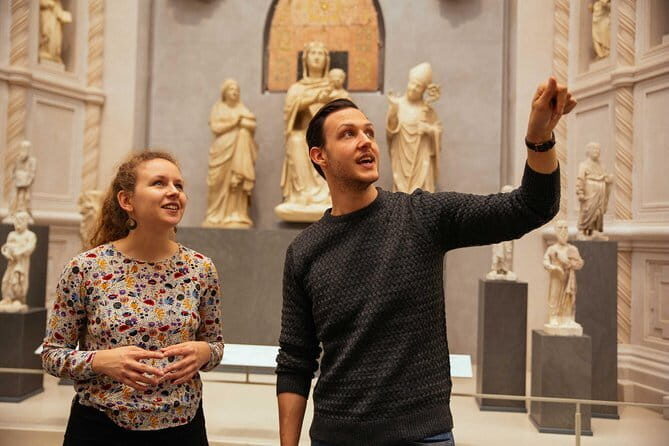
The biggest variable in any guided tour is the guide. In this case, past comments tied strong results to guides who bring energy and context. Names like Suzanna and Rosanna showed up with praise for being personable and for connecting fashion to Florentine art and architecture rather than treating the visit like a checklist.
Here’s how you benefit from that kind of guiding:
- You get context fast, without needing to read a wall of text yourself
- The guide can connect design choices to the city’s broader identity
- You can ask follow-up questions based on what catches your eye
If you’re the kind of traveler who hates slow pacing, you’ll likely appreciate a guide who knows how to move between stops without rushing you out the door. If you’re the kind of traveler who wants every exhibit explained like a documentary, you might find the schedule tight. The tour is only around three hours, so the guide has to choose priorities.
And yes, there’s a downside possibility: one unfortunate experience in the past described a moment where the guide wasn’t fully focused because of a bracelet repair, leading to less information than expected. That doesn’t mean it will happen to you, but it’s a reminder that the tour lives or dies on engagement. If you book, arrive on time so your guide starts with full momentum.
- Tuscany Day Trip from Florence: Siena, San Gimignano, Pisa and Lunch at a Winery
★ 5.0 · 21,634 reviews - The Best tour in Florence: Renaissance & Medici Tales – guided by a STORYTELLER
★ 5.0 · 12,316 reviews



Tickets included, but the line reality is still real
This tour includes entrance tickets for the two museums, which is a strong practical win. It saves you the hassle of figuring out ticket timing while you’re already on the move. It can also improve your odds of staying on schedule.
Still, tickets don’t always cancel reality. If the museums are busy, you can still wait. One past reviewer noted waiting inline even after factoring in the included entry. That’s not a dealbreaker, but it’s smart to plan for it. If you’re sensitive to delays, consider building a buffer into the rest of your day, especially because you’ll end back at the meeting point and then need to transition to your next plan.
Also note: the tour doesn’t include hotel pickup and drop-off. That means you own the first mile. I recommend choosing a meeting spot route you’ve already tested earlier in your trip so you’re not guessing under pressure.
Price and value: when guided fashion feels worth it
There’s no official price listed here, but one pattern matters: some people felt the experience was expensive relative to what they could do on their own. Another group loved it and called it more than just fashion—blending Renaissance connections, architecture context, and design storytelling.
So how do you judge value before you book?
Look at what’s included:
- Two major museum visits with admission included
- A private guide doing the interpretation
- A street walk that turns the museums into context
Now your decision comes down to your style:
- If you want the names and the visuals only, you could probably spend a similar amount of time self-guiding. You’d miss the connections a guide can point out.
- If you want the story—how Florence’s craft culture relates to today’s fashion business—this is more likely to feel worth the money.
A helpful clue from one past comment: someone compared the total they paid with the idea that each museum admission was only around 8 euros per person. Whether that matches current prices or not, the point is clear: when ticket value feels low, the guide has to justify the rest with real explanation and momentum. That’s why it helps to be clear with yourself about what you want from the tour—shopping versus understanding.
Timing, walking pace, and how to get comfortable fast
This tour is built around short museum blocks—about 1 hour each—plus walking time in between and the Via Tornabuoni section. That means you’ll spend more time in motion than in lounging.
Practical ways to make it easier:
- Start with a light bag so you can move freely inside museums
- Wear comfortable, grippy shoes for Florence’s stone streets
- Don’t schedule a super tight dinner right after; give yourself a cushion
Since the meeting point is in central Florence near public transportation, getting there should be manageable. But “near public transportation” is still vague, so plan your exact route and test it once earlier that day if you can.
Also remember: the guide is there to help you see patterns. If you jump from exhibit to exhibit with no pause, you’ll miss some of that connecting tissue. Aim to pick a few moments that catch your eye and let the guide’s framing guide where you look next.
Is this Florentine Fashion Private Tour a good match for you?
I think this tour is a great fit if you want:
- A fashion-focused Florence experience without losing the art and architecture side
- Time in Gucci Garden and Ferragamo with a guide to explain what you’re seeing
- A compact plan that still covers major design houses in about three hours
It may feel less satisfying if:
- You mainly want shopping or quick photos and less interpretation
- You dislike walking and standing and prefer long breaks
- You’re expecting a deep, museum-length lecture rather than a smart, timed highlight tour
There’s also one situational risk worth knowing: one past booking was canceled last minute because of a private event at Gucci Garden. That doesn’t mean it’s common, but it’s enough to suggest you don’t book this as the only plan for a single fixed time block in Florence.
If you like your Florence with a mix of design and storytelling, and you’re happy to move through the city, this is a strong way to spend a half-morning or early afternoon.
FAQ
How long is the Florentine Fashion Private Tour?
It’s about 3 hours.
Where does the tour start and end?
You start at Piazza di Santa Trinita, 50123 Firenze FI, Italy, and the tour ends back at the same meeting point.
Is admission included for Gucci and Ferragamo?
Yes. Entrance tickets for Gucci Garden and Museo Salvatore Ferragamo are included.
Is this tour private or shared with strangers?
This is a private tour/activity. Only your group participates.
What are the main stops on the tour?
You’ll visit Gucci Garden, Museo Salvatore Ferragamo, and you’ll also walk through Via Tornabuoni.
Can I cancel for a full refund?
Yes. You can cancel up to 24 hours in advance for a full refund.
If you want, tell me your travel dates and whether you care more about shoes, clothing, or the city’s art/architecture. I can help you decide if this pacing fits your style.

More Private Tours in Florence


More Tours in Florence




More Tour Reviews in Florence
- Tuscany Day Trip from Florence: Siena, San Gimignano, Pisa and Lunch at a Winery
★ 5.0 · 21,634 reviews - The Best tour in Florence: Renaissance & Medici Tales – guided by a STORYTELLER
★ 5.0 · 12,316 reviews