REVIEW · LUCCA
Lucca: Guided Walking Tour
Book on GetYourGuide →Operated by DadaTour Giada · Bookable on GetYourGuide
Lucca rewards slow wandering, but a smart tour helps you start right. This guided walk lays out the city’s big sights in a tight loop, with storytelling tied to the buildings you’re seeing. You’ll get the famous Guinigi Tower plus the oddball centerpiece square of Lucca’s amphitheater area, all in one go.
I especially love the way the guide connects street details to the city’s medieval layout. I also like the focus on specific facades and landmarks, from Saint Martin’s front to San Frediano’s exterior, so the walk feels like more than check-the-box sightseeing.
One drawback to plan for: it’s a walking tour with plenty of steps and movement, so if you want to stop and linger often, you might feel the pace.
In This Review
- Key highlights worth your time
- Entering Lucca’s old streets with a plan
- Starting at Piazza del Giglio by Garibaldi
- Saint Martin’s façade: the first curveball
- Saint Michael’s exterior and the shift into the city squares
- Piazza San Salvatore and the goddess of pure water
- San Frediano’s façade: more character, more clues
- Guinigi Tower: the landmark you finally understand
- The amphitheater area: history in the middle of town
- Why the itinerary order works so well
- What to bring, plus photo and behavior rules
- Your guide makes the difference
- Price and value: $17 for a focused 2-hour orientation
- Who should book this tour
- Should you book Lucca: Guided Walking Tour?
- FAQ
- How long is the Lucca guided walking tour?
- Where does the tour start?
- What sights are included?
- Is the tour available in English?
- What should I bring?
- Are there any rules about photography or smoking?
Key highlights worth your time
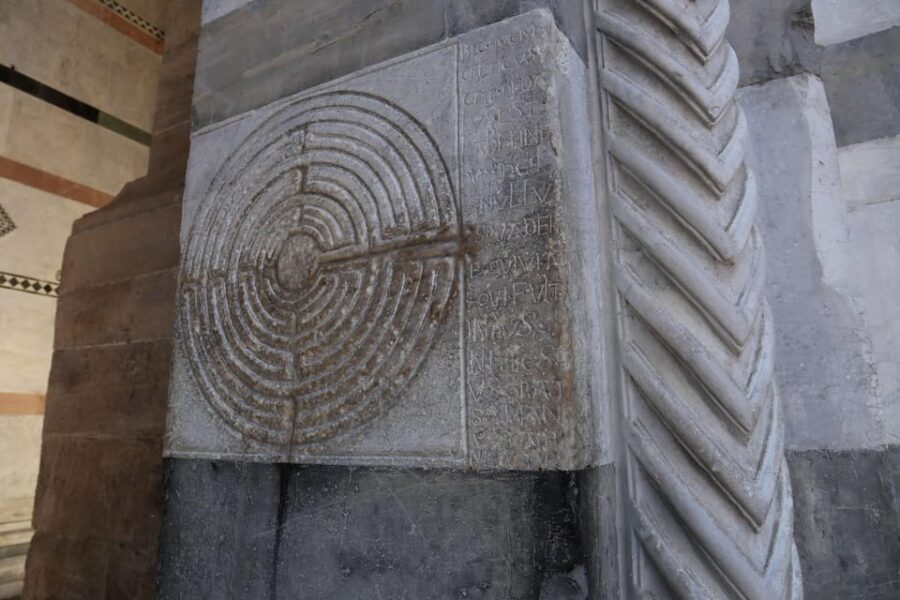
- Guinigi Tower orientation: you see the landmark area and understand why it matters in the city layout
- Church façades up close: Saint Martin and San Frediano are front-and-center, not just passed by
- Piazza San Salvatore + goddess of pure water: an iconic detail in the heart of Lucca
- Amphitheater area in the city core: Roman-style structure energy, surrounded by medieval streets
- Local guide stories: explanations that turn stone and windows into a readable Lucca
Entering Lucca’s old streets with a plan
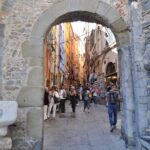
Lucca can feel confusing at first because the city is compact and full of small lanes. A guided walk helps you connect the dots fast. In about 2 hours, you cover major sights without wasting time figuring out what to see next.
The value is that you’re not just standing in front of monuments. You’re walking between them in the order that makes sense. And because the guide is local, you get the kind of context that makes the architecture click, especially when you notice patterns in the facades.
You can also read our reviews of more walking tours in Lucca
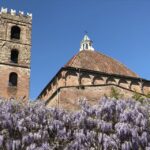
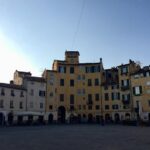
Starting at Piazza del Giglio by Garibaldi
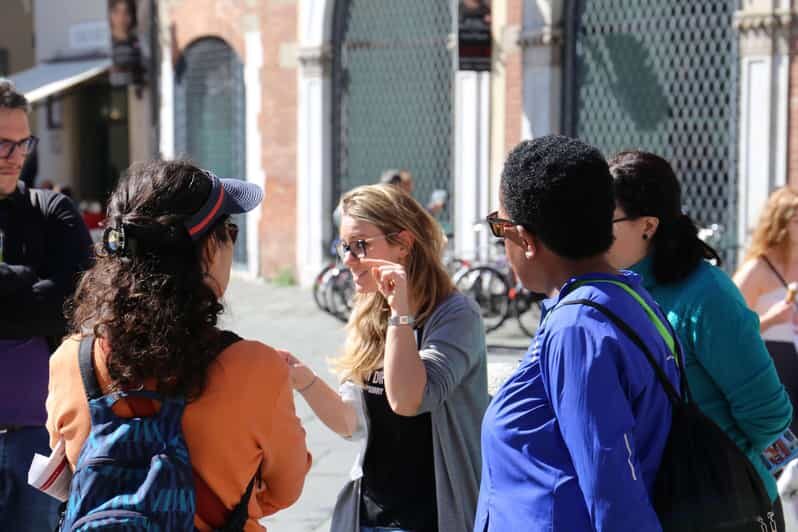
Your tour begins in Piazza del Giglio, right in front of the theatre with the Garibaldi statue. The meeting spot is described very specifically, which is helpful if you’re new to town: be there a little early and look for the guide holding a paper that says get your guide tour.
This start matters because it’s a clean way to get your bearings. You’re in the central feel of Lucca, and from there the walk flows into the key church areas and main squares. If you’re prone to wandering, anchoring the day with a scheduled start time helps a lot.
Practical tip: wear comfortable shoes. The tour notes that there will be a lot of walking, and Lucca’s historic streets don’t always forgive slow footing.
Saint Martin’s façade: the first curveball
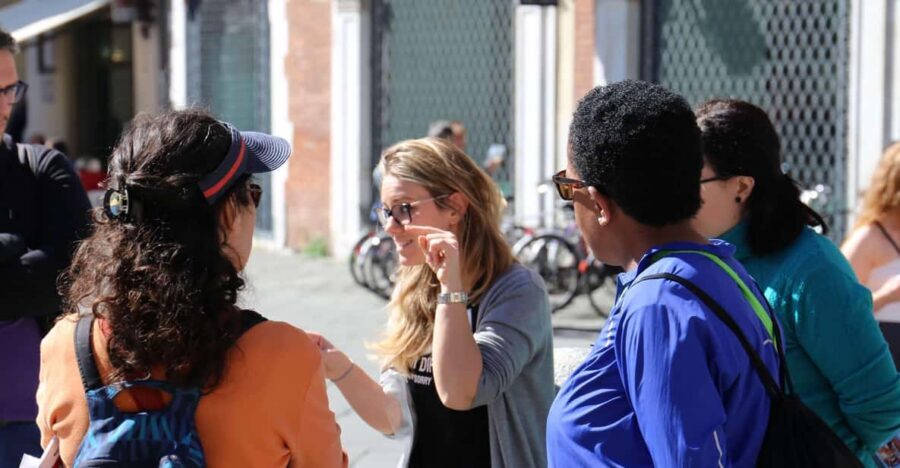
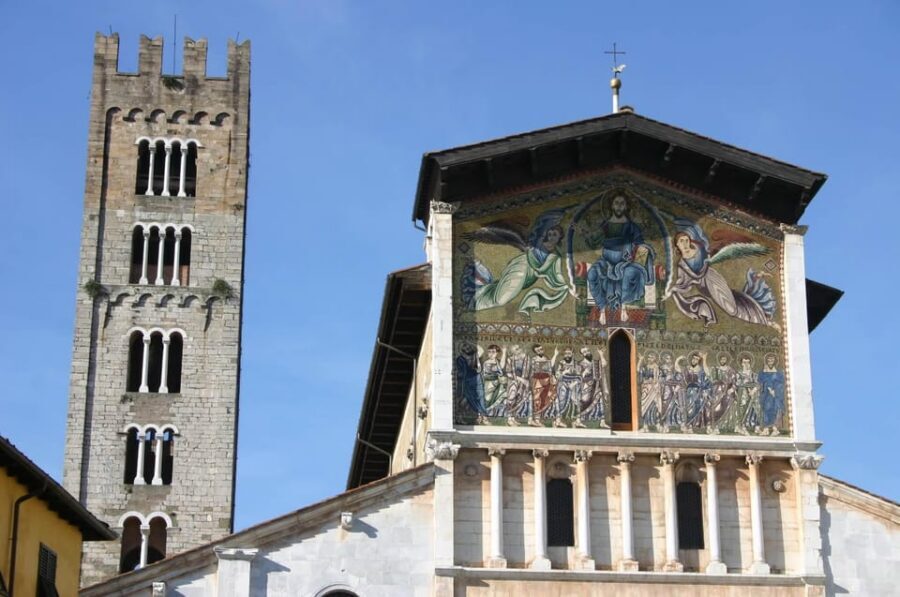
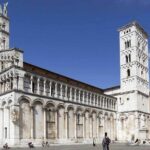
Next up is the Church of Saint Martin, where you admire its gorgeous and slightly weird façade. That wording is telling: this is one of those landmarks where your eyes can tell you it’s special, but a guide helps you understand what you’re looking at and why it’s arranged that way.
Even if you’re not a hardcore architecture person, façades are the easiest way to “read” Italian cities. They show what a community valued and how it displayed wealth, taste, and identity at street level. With a guide, you’re more likely to notice details you’d normally miss.
If you like taking photos, plan to use your camera here. Photography is welcomed, and it’s one of the most visual stops early on.
Saint Michael’s exterior and the shift into the city squares
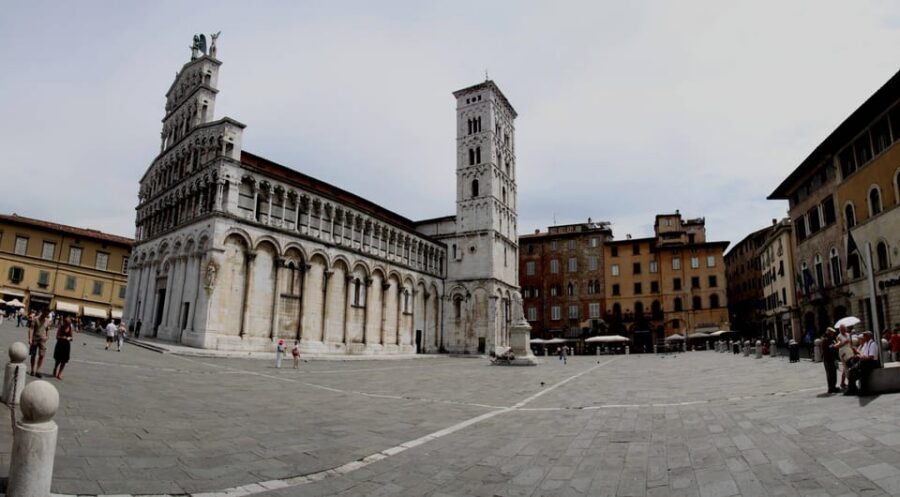
From Saint Martin’s area, the walk continues to the façade of Saint Micheal’s church and then onward to Piazza San Salvatore. This is where the tour changes from “look at churches” to “see how the city breathes.”
Squares in Italian towns aren’t just empty space. They’re social rooms: where people gather, where ceremonies happen, where the city’s story becomes visible. The tour structure leans into that idea, so you get both the building fronts and the public spaces that frame them.
Piazza San Salvatore and the goddess of pure water
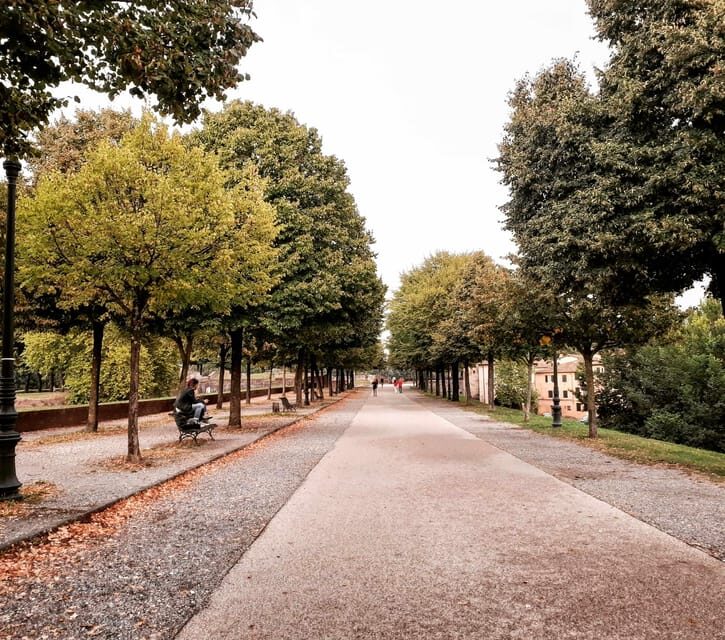
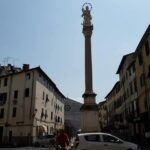
At Piazza San Salvatore, you’ll see the famous goddess of pure water. This is one of the stops I think makes the walk feel truly Lucca-specific. It’s not a generic tourist sight; it’s a local symbol you can tie to the daily life of the city.
What I like about a stop like this is that it breaks the “church after church” rhythm. You get a landmark that’s more symbolic, more personal, and easier to remember later when you’re trying to explain your day to someone back home.
Also, since you’ll be moving through central areas, it helps to have a water bottle. The tour explicitly recommends bringing water to stay hydrated, and you’ll feel it on a warm Tuscany day.
You can also read our reviews of more guided tours in Lucca
San Frediano’s façade: more character, more clues
After Piazza San Salvatore, the walk heads to San Frediano’s façade. This is the kind of church exterior you’ll want to look at with intent. Instead of treating it like scenery, the guide’s job is to help you connect it to the city’s architecture choices and medieval structure.
If you’ve ever visited Italy and felt like every stone building looks the same, don’t worry. A guided walk is basically a cheat code for noticing differences. You start comparing shapes, levels, entrances, and ornamentation. By the time you reach the later stops, you’re seeing Lucca as a system, not random highlights.
Guinigi Tower: the landmark you finally understand
Then comes Guinigi Tower, one of the most famous silhouettes in Lucca. You’ll see it from the right streetside perspective and learn how it fits into the medieval city plan.
Here’s the practical reason this stop is so satisfying: when you understand why a landmark is where it is, the view stops being a postcard and starts being geography. Guinigi Tower isn’t just tall; it’s tied to what mattered to the city and how its elite signaled identity.
If you’re the kind of traveler who likes to get a photo but also wants a story to go with it, this is a good moment. Your camera will thank you, and the guide’s explanation will make the photo more meaningful later.
The amphitheater area: history in the middle of town
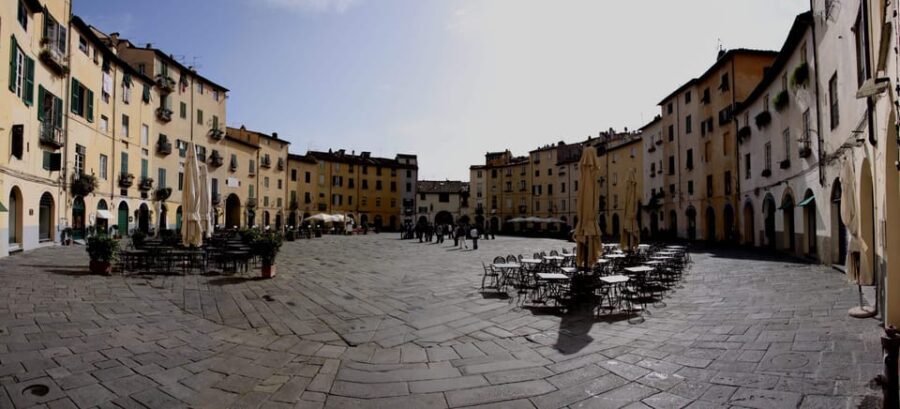
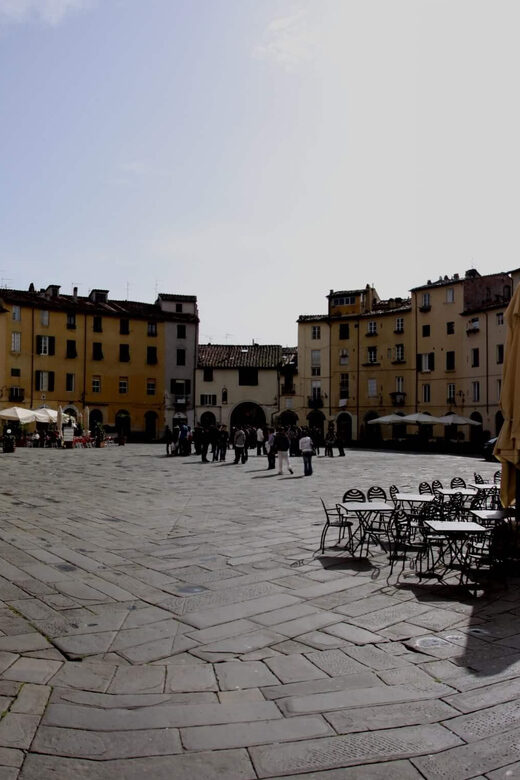
After Guinigi, you reach the amphitheater in the heart of Lucca. This is one of those sights that feels extra cool because it’s not tucked away. You’re in the city core, walking past it, seeing how the structure lives alongside medieval streets.
Amphitheaters can be tricky on your own. You might not know what you’re looking at, or why it’s shaped the way it is. With a guide, you get the bigger picture: the medieval structure and city organization are explained while you’re standing right where the story happened.
I also like that the tour is timed so you’re not rushing. You see the amphitheater area after the tower, so the city’s “layers” start to make sense in your head.
Why the itinerary order works so well
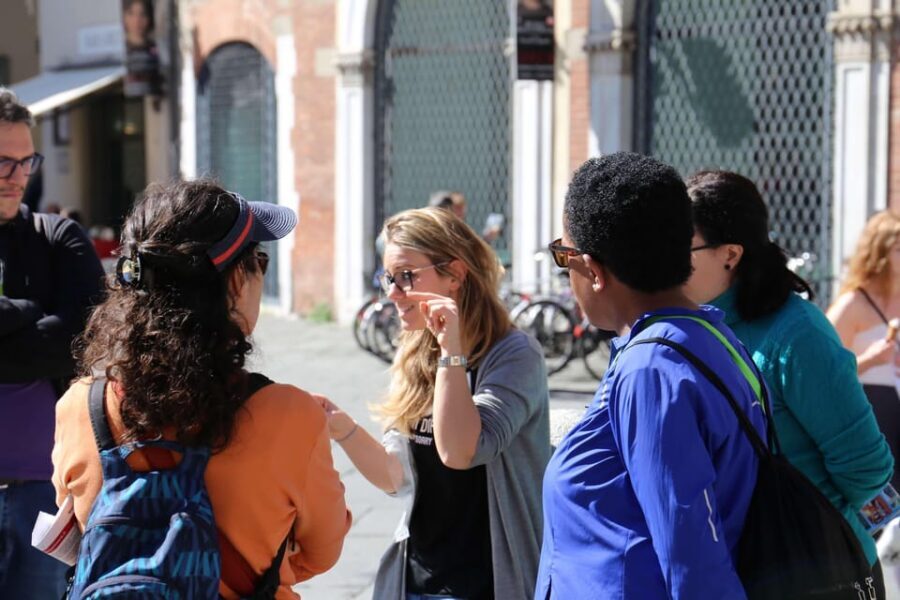
The tour is built as a loop through central Lucca: start at Piazza del Giglio, hit Saint Martin’s façade, move to Saint Micheal’s area and Piazza San Salvatore, then continue through San Frediano, Guinigi Tower, and the amphitheater.
That order is smart for two reasons:
- It reduces backtracking. You’re not zigzagging across town chasing landmarks.
- It teaches by comparison. Churches and squares are different kinds of spaces, and you learn to spot the differences by moving through them in sequence.
And because the guide is actively talking about the history and architecture, the walk becomes a moving lesson. It’s a good option if you’re short on time but still want more than a quick hit.
What to bring, plus photo and behavior rules
The tour is straightforward, but small rules matter on a walking day:
- Bring comfortable shoes. The tour warns there will be a lot of walking.
- Bring a water bottle so you don’t end up rationing sips.
- Bring a camera because photography is allowed and welcomed.
- No flash photography and no smoking.
You might think flash rules are minor, but they matter in churches and tight public spaces. Plan to use available light or steady settings instead. It’s also easier to enjoy the stops when you’re not constantly juggling gear.
Your guide makes the difference
A walking tour lives or dies by the guide’s storytelling. Here, there’s a clear pattern: guides like Antonella, Giada, and Anna are described as fun and prepared, with anecdotes and simple explanations. Antonella, in particular, was noted for sending additional recommendations (like places for aperitivo and bakeries) after the walk, which is exactly the kind of helpful extra that turns a tour into a better trip.
Even if you’re not into history lectures, this matters. When a guide shares practical next steps, you get more value than just two hours of sightseeing.
One more tip: the meeting point is tied to the Garibaldi statue and the theatre front. Make sure you’re at Piazza del Giglio a little early and keep an eye out for the guide holding the get your guide tour paper.
Price and value: $17 for a focused 2-hour orientation
At about $17 per person for a guided walk, you’re paying for three things:
- a qualified guide who explains what you’re seeing,
- a route that hits major sights without you guessing,
- and a structured way to learn Lucca’s medieval layout.
You should expect the tour to be efficient rather than slow. Meals and beverages aren’t included, so you’ll want to plan your food separately (and you’ll probably want to snack afterward). But for the price, it’s a solid way to get your bearings quickly before you wander on your own.
If you’re in Lucca for just a day, this is the kind of ticket that helps you turn limited time into real understanding.
Who should book this tour
This experience fits best if you:
- want an easy entry point into Lucca without needing to plan every stop,
- like church façades and public squares as your main sightseeing style,
- enjoy learning how buildings connect to the city’s medieval structure,
- want English commentary from a live guide.
It may be less ideal if you’re traveling with limited mobility or you need lots of long stops, because it’s described as a walking day with a lot of movement. The tour is listed as wheelchair accessible, but you’ll still want to consider your comfort with the route.
Also, if you’re the type who wants to spend hours reading every inscription and lingering in each square, you might prefer to pair this tour with extra free time afterward.
Should you book Lucca: Guided Walking Tour?
Yes, I think you should book it if you want a fast, organized way to experience central Lucca. The route hits the big names and also includes the smaller, memorable details like the goddess of pure water in Piazza San Salvatore. For the price, it’s a practical deal: you buy a guide’s eyes and explanations, not just access to landmarks.
Do it especially if you’re short on time, or if you want to feel confident walking Lucca afterward. Start with this tour, then use your remaining hours to roam with a better sense of where everything sits.
FAQ
How long is the Lucca guided walking tour?
The guided walking tour runs for about 2 hours.
Where does the tour start?
It starts in Piazza del Giglio, in front of the theatre near the Garibaldi statue.
What sights are included?
You’ll see the Guinigi Tower, the amphitheater in the city center, the facades of churches including San Michele (Saint Micheal’s church) and San Frediano, and you’ll visit Piazza San Salvatore with the goddess of pure water.
Is the tour available in English?
Yes, the live guide provides the tour in English.
What should I bring?
Bring comfortable shoes, a camera, and water.
Are there any rules about photography or smoking?
Photography is allowed and welcomed, but flash photography is not allowed. Smoking is not allowed.