REVIEW · LUCCA
Lucca: Renaissance City Walls Walking Tour
Book on GetYourGuide →Operated by Coop. Turislucca · Bookable on GetYourGuide
Lucca’s walls have a secret. The Renaissance fortification isn’t just something you look at from the street. You walk the elevated wall park and then go inside to see restored spaces and heavy brick vaults built for military use.
What I love most is how the tour turns stone and brick into something you can picture. You get real context on the evolution of fortification design in Italy from the 13th to the 17th centuries, plus a close look at the interior bastions that were never used for defensive purposes.
One thing to consider: the tour runs in English and Italian with a bilingual guide. If the group includes both languages, it can affect pacing—so come ready to enjoy the experience even if the timing feels a little compressed.
In This Review
- Key things to know before you go
- A Renaissance wall-walk with an inside visit
- Starting at the tourist information center and setting your tempo
- On top of the walls: a park path built on fortification logic
- Stepping into the bastions: restored rooms and the weight of the structure
- Those immense brick vault galleries and the cannon-hiding design
- The engineering story your guide turns into an easy map
- What makes the timing work (and where it can wobble)
- Price and value: what $17 buys you in Lucca
- Practical tips so the tour feels easy
- Should you book this Lucca Walls Walking Tour?
- FAQ
- How long is the Lucca walls walking tour?
- What does the tour cost?
- Where do I meet the guide?
- What languages are available?
- Is the tour wheelchair accessible?
- Does the tour run in bad weather?
- What are the cancellation and payment options?
Key things to know before you go
- Walk the wall circuit around Lucca’s historic center in a tree-lined public park
- Go inside the bastions and restored rooms, not just along the outside path
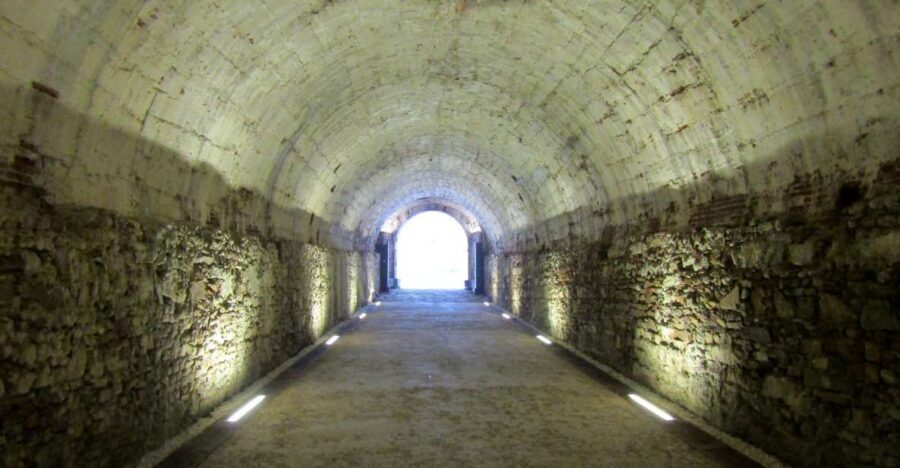
- See the brick vault galleries and understand why they were built to conceal heavy bronze cannons
- Get the engineering story from the 13th to the 17th centuries, explained in plain terms
- Expect a steady outdoor pace that works best with comfortable shoes
A Renaissance wall-walk with an inside visit
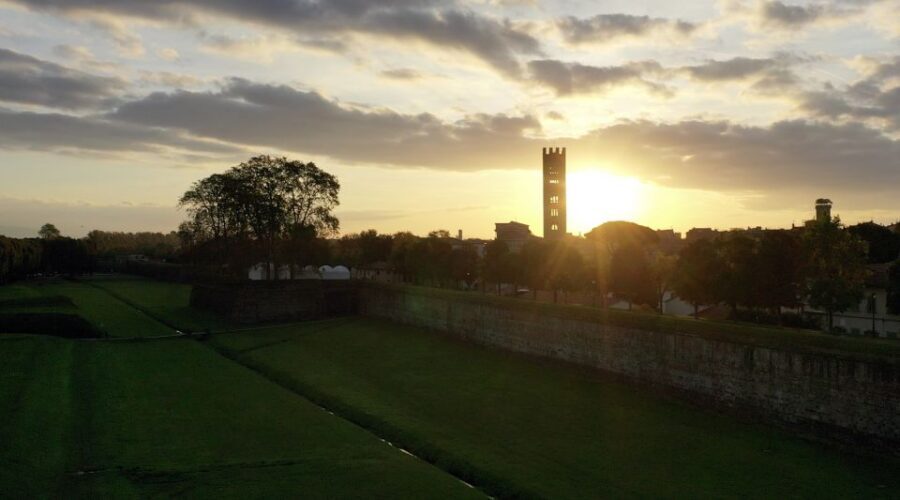
Most city-wall tours stop when the view gets good. This one keeps going. You start on the walls—wide enough for an easy stroll, lined with different varieties of trees, and set up like a big public park around the old center. Then you step inside for what’s often the real payoff: galleries and rooms within restored bastions.
The walls of Lucca are a major example of Italian fortification planning. The design matters, and that’s what your guide helps you see. From the outside, it can look like “pretty walls.” From the inside, it becomes a functional system—passageways, vaults, and spaces shaped by military engineering.
You can also read our reviews of more walking tours in Lucca


Starting at the tourist information center and setting your tempo
You meet your guide by the entrance of the tourist information center, and the tour ends back at the same spot. Show up about 10 minutes early so you can get oriented before you begin the walk.
Because the whole experience runs about 2 hours, the pace is purposeful. You’ll be moving more than standing still, and the time gets shared between the outdoor wall walk and the indoor interior spaces. In other words: this is a “walk + visit” tour, not a museum-only stop.
On top of the walls: a park path built on fortification logic
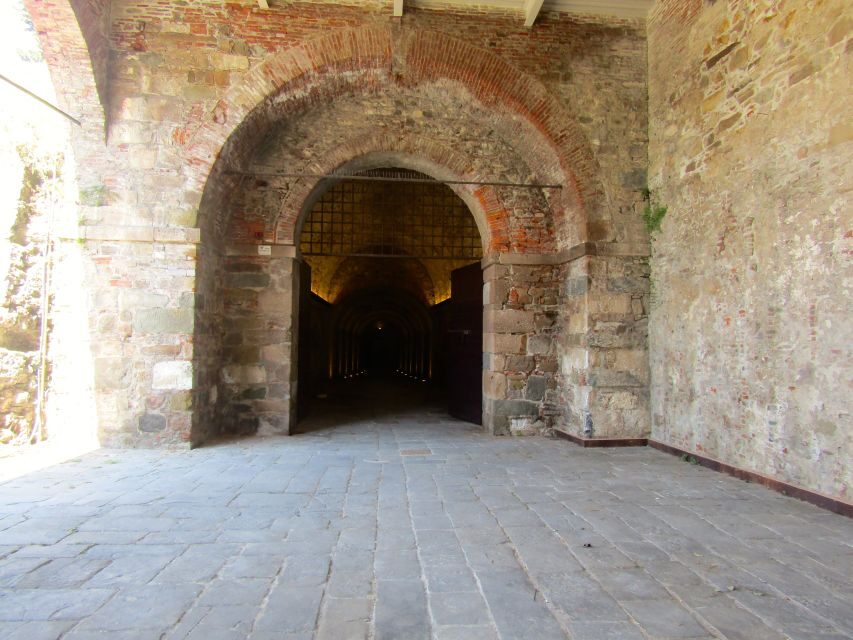
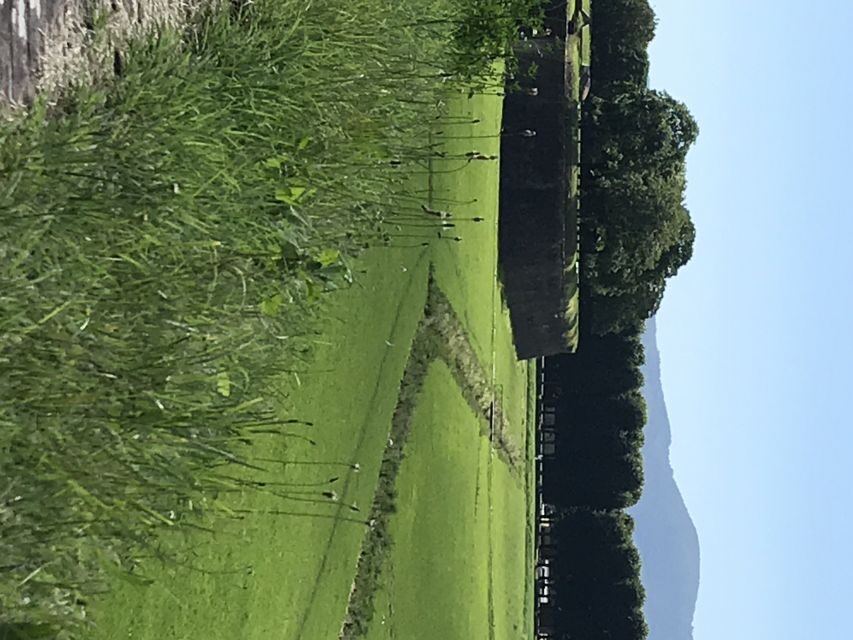
The outdoor part takes place on an elevated walkway that surrounds and delimits the historical center. That positioning is the point. You’re essentially walking the edge between “inside the city” and “outside,” and it’s easier to understand the walls as part of city planning when you can feel the separation.
The walkway is flanked by trees, so the atmosphere is calmer than you might expect from an ancient fortification. Instead of a bare rampart, you get shade, changing greenery, and a promenade feel. It makes the history easier to digest because the experience isn’t purely dramatic—it’s also daily, public, and walkable.
And here’s a practical mental trick: while you’re on the walls, keep asking what you’re seeing that a defender would care about—visibility, control of movement, and how spaces connect. Your guide helps tie those ideas together as you go.
Stepping into the bastions: restored rooms and the weight of the structure
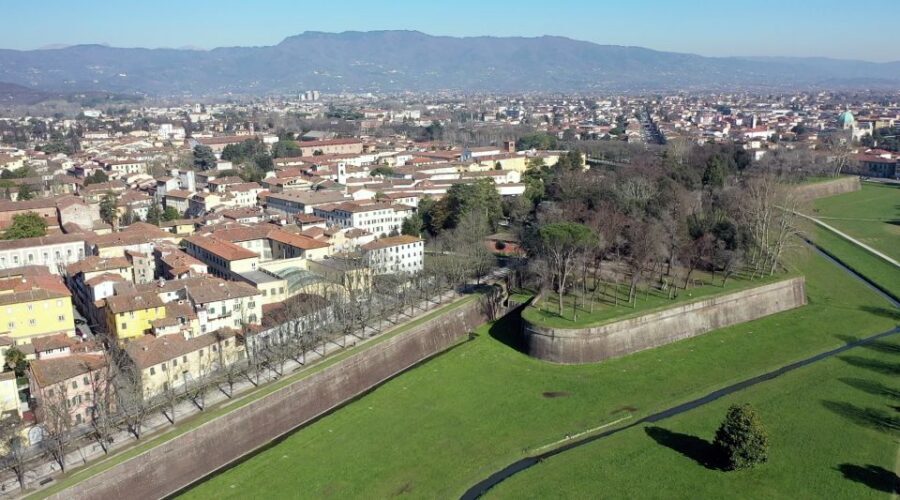
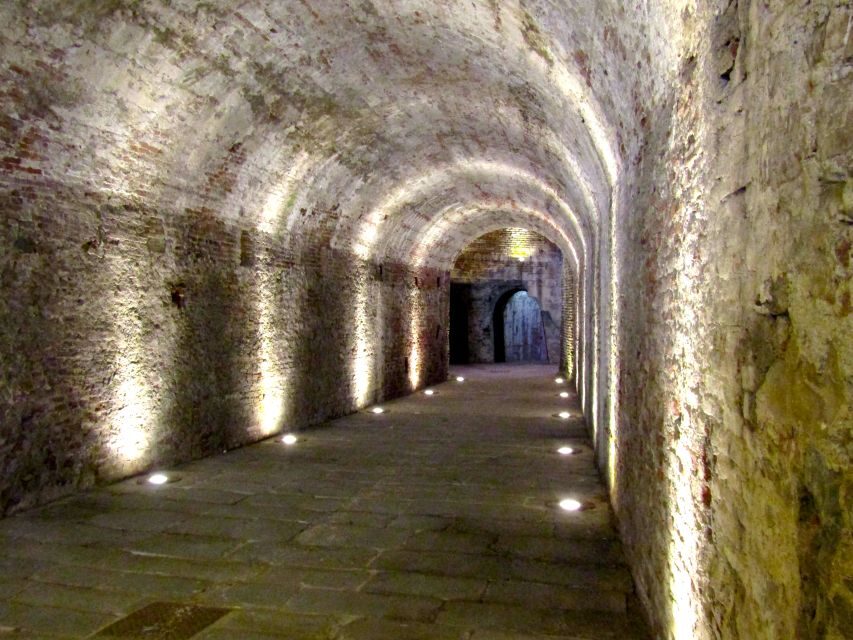
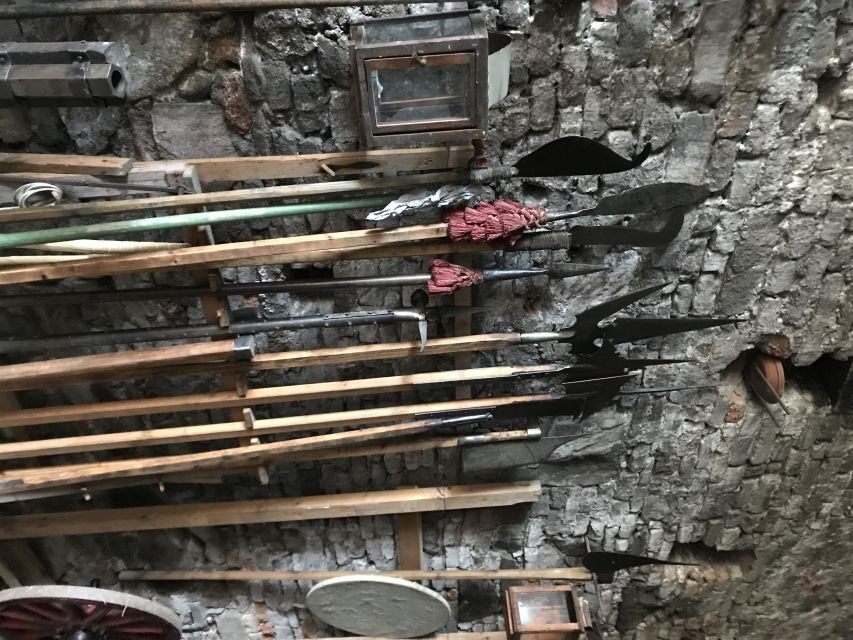
The tour’s interior stop is where it gets memorable. You visit the bastions inside the wall system, including recently restored rooms. This restoration matters because it lets you see the monument as something meant for use and movement—not just as an exterior shell.
One especially interesting detail: these bastions were never used for defensive purposes. That flips the usual expectation. You’re not touring a place full of battlefield stories. Instead, you’re seeing how engineering plans translated into built space—how the design was meant to work, even if the scenario it prepared for didn’t happen in the way you might expect.
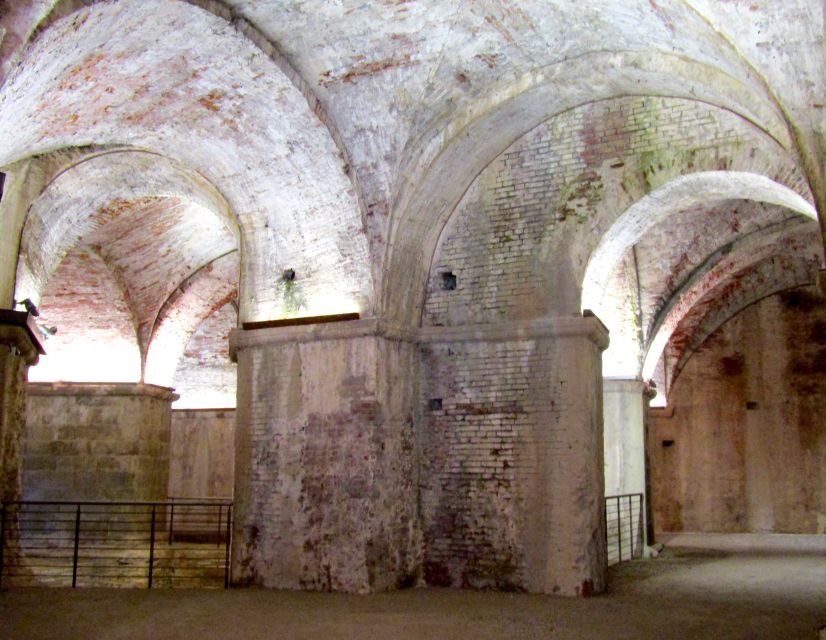
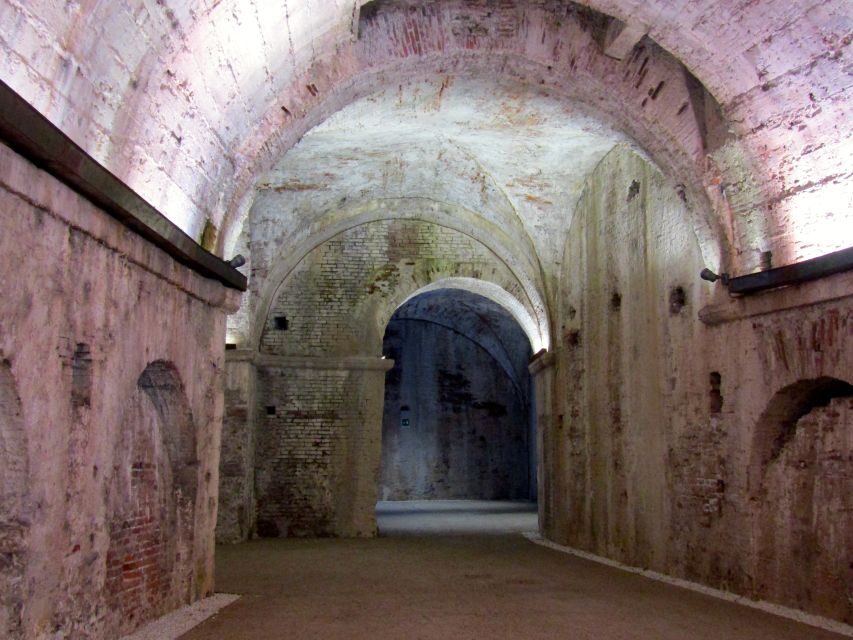
As you move through the interior galleries, you’ll feel the scale. The brickwork isn’t delicate; it’s built to hold up and handle serious structural loads. That physical sense of mass makes the “why” of the design feel real.
Those immense brick vault galleries and the cannon-hiding design
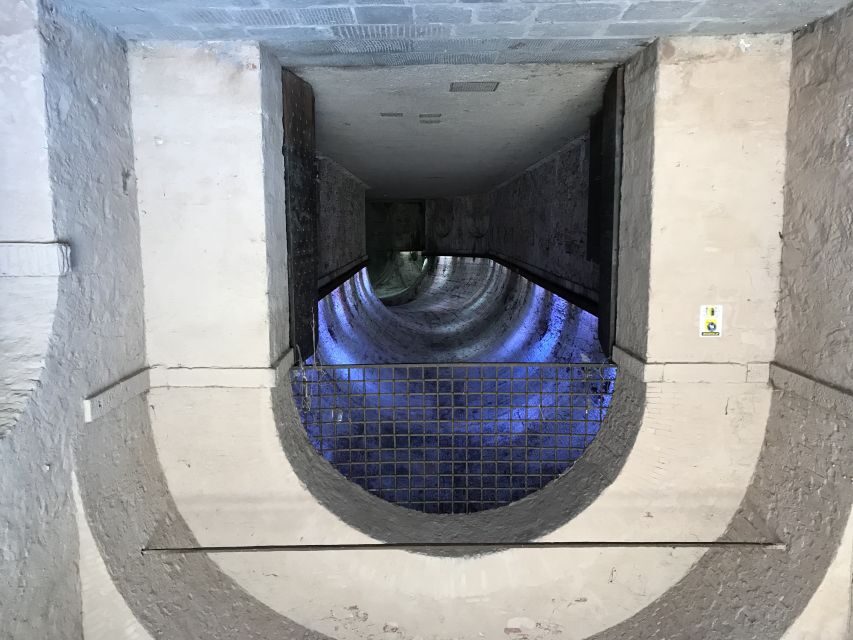
The headline interior detail is the immense brick vaults inside the galleries. These vaults weren’t built for decoration. They were built to hide heavy bronze cannons.
It’s one of those concepts that lands instantly once you picture it. Cannons are bulky and need shelter. If you’ve ever tried to imagine medieval or early-modern warfare logistics, it’s not just about the weapon—it’s about storing, positioning, and protecting it. The vaults and covered galleries help explain how fortifications could conceal capabilities rather than advertise them.
So when you’re standing under the vaults, don’t just admire the architecture. Try to see the system: where visibility would be controlled, where movement would happen, and why brick vaults offer both cover and strength.
You can also read our reviews of more city tours in Lucca



The engineering story your guide turns into an easy map
This is not a random walk with a few historical dates tossed in. The tour is built around the evolution of military engineering in Italy from the 13th to the 17th centuries.
That range is important. Fortification design changed as weapons and tactics evolved. Your guide connects those dots in a way that makes the architecture feel like it had a reason to exist beyond aesthetics.
I’ve heard guides such as Roberta, Paula, and Paola bring the story to life with energy and lots of specific details. What makes this work well is that the explanation isn’t stuck in textbooks. It stays tied to what you’re looking at—wall structure outside, then internal galleries and restored spaces.
If you like understanding how cities were protected and re-engineered over centuries, this part is your main course.
What makes the timing work (and where it can wobble)
The tour runs about 2 hours. For that time, you get:
- the outdoor wall stroll in the park setting
- entry into interior bastions and restored rooms
- the architectural explanation of the vault galleries and the cannon concept
- the broad engineering timeline from the 13th to the 17th centuries
Most of the “slow start” complaints seem minor and usually worth it once you’re underway. Still, this tour depends on moving between areas efficiently. It’s a tight schedule, especially if the guide needs to shift between English and Italian during the same walking group.
If language pacing is a big deal for you, plan to focus on the parts you can follow confidently. Even if the guide cycles languages, the physical architecture is there in front of you—so you’ll still get value from seeing the spaces and understanding the overall logic.
Price and value: what $17 buys you in Lucca
At $17 per person, this is priced like a practical “do it while you’re here” tour. And that’s the key to the value. For the cost of a single meal (give or take), you get:
- access to the wall-walk experience as more than a photo stop
- an interior visit to bastions and restored rooms
- explanation of the vault galleries and why they were made to conceal cannons
- context for how Italian fortification evolved across centuries
Two hours is also a smart length. You’re not committing your whole day to a single site, and you’ll still have time to explore Lucca afterward on your own. If your time in town is limited, this is an efficient way to get a deeper feel for Lucca’s structure and planning.
Practical tips so the tour feels easy
Bring comfortable shoes. You’ll be walking, and you’ll want a sure footing as you transition between outdoor and interior spaces.
Plan for rain or shine. If weather changes your comfort, the best move is simple: dress in layers and bring a light rain layer just in case.
Wheelchair accessibility is listed, so the route is designed to accommodate it. Still, because part of the experience includes an outdoor wall walkway, it helps to wear shoes that work well on varied surfaces.
Lastly, treat the bilingual nature of the tour as part of the experience. The guide leads in English and Italian. If you’re fluent in only one language, you might find the tour pace adjusts depending on how the group is composed—but the architecture and overall story remain the backbone.
Should you book this Lucca Walls Walking Tour?
Book it if you want more than a pretty perimeter. This tour is a strong pick when you like cities that were engineered, not just decorated. The combination of walking the wall park and then stepping into restored interior galleries is what makes it worth your time.
Skip it (or rethink) if you prefer a fully museum-style visit where you’ll sit quietly and read at your own speed. This is active. It’s also built around explanation that depends on the bilingual format, so it may not feel perfectly paced in every language.
If you enjoy architecture, city planning, and the “how it worked” side of history, you’ll feel satisfied here. You’ll leave with a clearer picture of how Lucca’s defenses were designed—and how those brick vaults could hide something as serious as heavy bronze cannons, right in the middle of a peaceful public park.
FAQ
How long is the Lucca walls walking tour?
The tour lasts about 2 hours.
What does the tour cost?
It costs $17 per person.
Where do I meet the guide?
Meet your guide by the entrance of the tourist information center, and the tour ends back at that same meeting point.
What languages are available?
The tour guide offers English and Italian.
Is the tour wheelchair accessible?
Yes, the tour is listed as wheelchair accessible.
Does the tour run in bad weather?
Yes. The tour takes place rain or shine.
What are the cancellation and payment options?
You can cancel up to 24 hours in advance for a full refund. You can also reserve now and pay later to keep your plans flexible.