REVIEW · SIENA
Montepulciano: Dining Experience at a Local’s Home
Book on GetYourGuide →Operated by Cesarine · Bookable on GetYourGuide
Dinner at a real Tuscan home is different.
In Montepulciano, you ring the doorbell at your Cesarina host’s house, watch an exclusive cooking demo, and then sit down for a shared meal built from recipes that Italian families actually keep and cook.
My favorite parts are learning practical pasta-making skills (I love when the demo turns into gnocchi you can taste right away) and eating classic Tuscan comfort food like tiramisu for dessert. The food is plentiful, and the wine is part of the evening, not an afterthought.
One consideration: it’s a home dinner, so the pace is relaxed and times are flexible. If you want a highly formal, restaurant-style schedule, this small-group format may feel slower than you expect.
In This Review
- Key moments that make this worth your time
- A Cesarina dinner in Montepulciano: why a home kitchen wins
- The 2.5-hour flow: cooking demo, then three shared courses
- What you’ll eat: gnocchi, meatballs, peppers, and tiramisu
- Wine, water, and coffee: included drinks that make the table feel Italian
- Conversation with your host: the part you’ll remember after the plates are gone
- Small group of 8: why the home setting stays comfortable
- Dietary needs and language: how to get a smooth meal
- Practical notes for your Montepulciano dinner day
- Who should book this (and who might be better elsewhere)
- Should you book this Montepulciano local-home dinner?
- FAQ
- How long is the Montepulciano home dining experience?
- What time does dinner usually start?
- How big is the group?
- What drinks are included?
- Can the host accommodate dietary requirements?
- Is the meal canceled if I change plans?
Key moments that make this worth your time
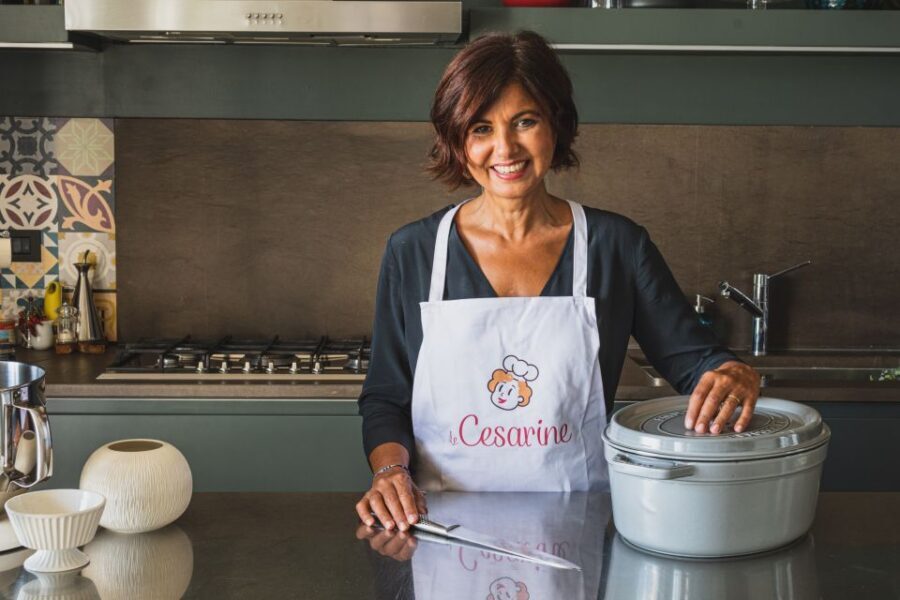
- A cooking demo in a real household kitchen before you eat
- Three courses with drinks included: water, regional red/white wine, and coffee
- Small group of up to 8 people, so conversation stays personal
- Family-recipe classics show up often, including gnocchi, meatballs, and tiramisu
- Hosts with big warmth (for example Barbara, Paolo, and Adriana) make it feel like a visit, not a performance
A Cesarina dinner in Montepulciano: why a home kitchen wins
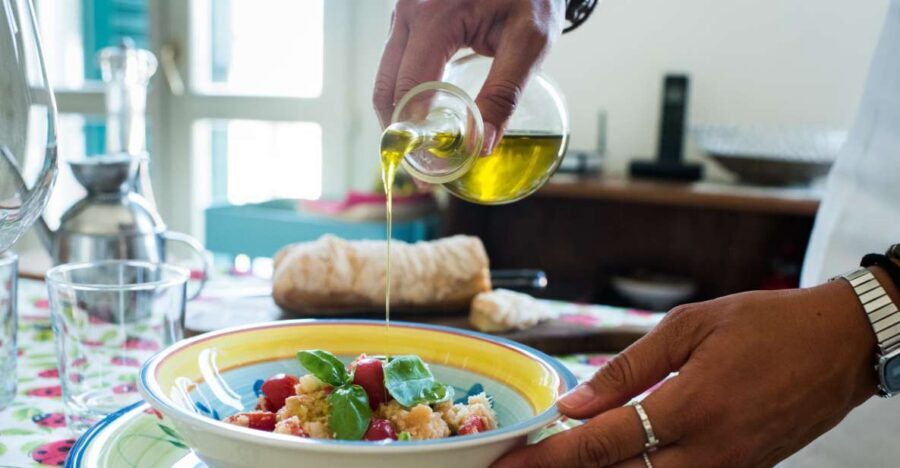
I come to Tuscany for food, yes. But I also come for the feeling that food is part of everyday life. This type of Montepulciano experience does that in a very direct way: you’re not dining “at” an attraction, you’re dining with people who cook these dishes because they’re their dishes.
A big part of the magic is the Cesarina host. In this setup, the host is both your guide and your chef. You show up at their home, and the evening plays out like a genuine family meal—shared table, real conversation, and a cooking moment you can watch closely. Names from past hosts include Barbara, Paolo, and Adriana, and the consistent theme is the same: they make you comfortable quickly and then treat the food like it matters.
This is also a good way to see what Tuscan food culture really values. In many restaurants, you get a plated version of a dish. Here, you get the behind-the-scenes thinking: how ingredients are chosen, how flavors are balanced, and how the family approach to cooking creates that “this tastes like home” effect. When the meal is tied to stories—holidays, shopping habits, and daily routines—the food lands in a deeper way.
You can also read our reviews of more tours and experiences in Siena

The 2.5-hour flow: cooking demo, then three shared courses
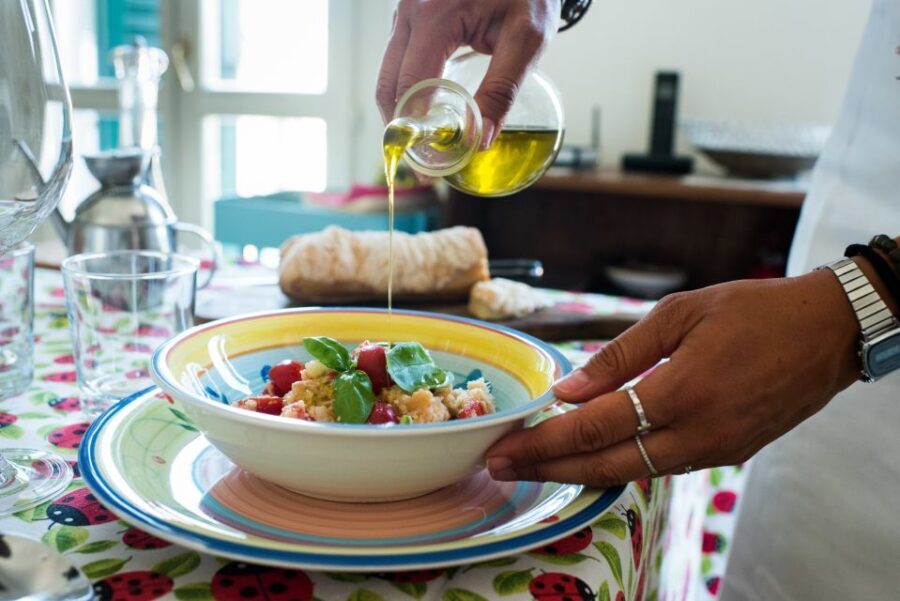
The total duration is 2.5 hours, and the structure is simple: you’ll start with a cooking demo, then move into your meal. Typical start times are 12 noon or 7pm, but the schedule can be flexible with advance request.
What I like about this flow is that it doesn’t dump you into a long class. You’re not sitting through theory. You watch, you learn by seeing, and then you eat what you just learned. That timing matters because it helps you connect the technique to the taste.
Here’s what the evening often feels like, based on what hosts cook and serve:
- First, you get the exclusive cooking demo, usually with a hands-on or close-up explanation style.
- Next come the three courses. The meal is shared, so the table feels social rather than stiff.
- Drinks are part of the experience across the meal—water, regional wine (red and white), and then coffee.
One extra note: the listing says three courses, but I’ve seen menus described as longer in some home settings. In other words, don’t be shocked if the table feels like more than a quick three-course pass. That’s usually a sign the host is going all-in.
What you’ll eat: gnocchi, meatballs, peppers, and tiramisu
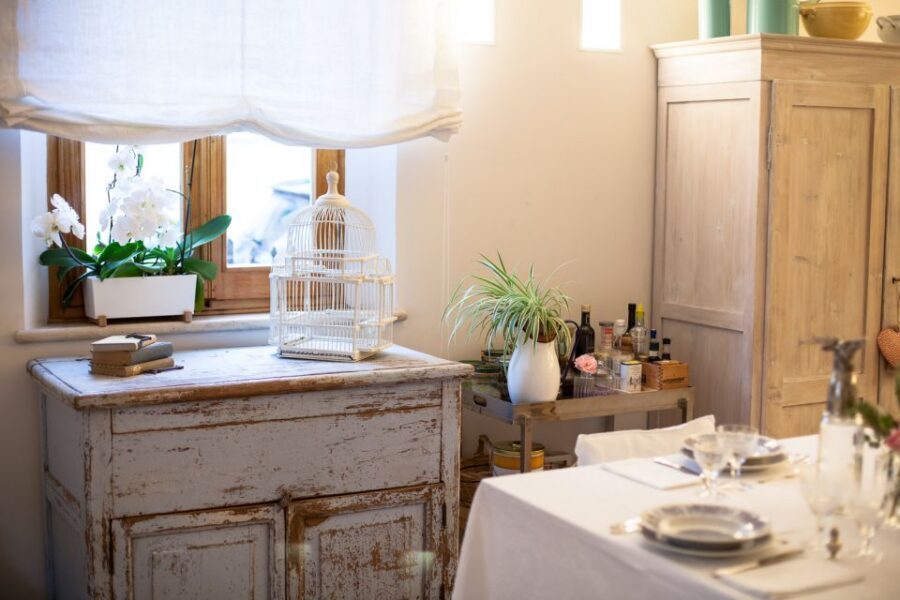
Tuscan food can sound similar on paper—pasta, beans, cured meats, olive oil, cheese—but the details are where the personality shows up. This is why I like the menu style here: it tends to highlight dishes families truly make, not just dishes that photograph well.
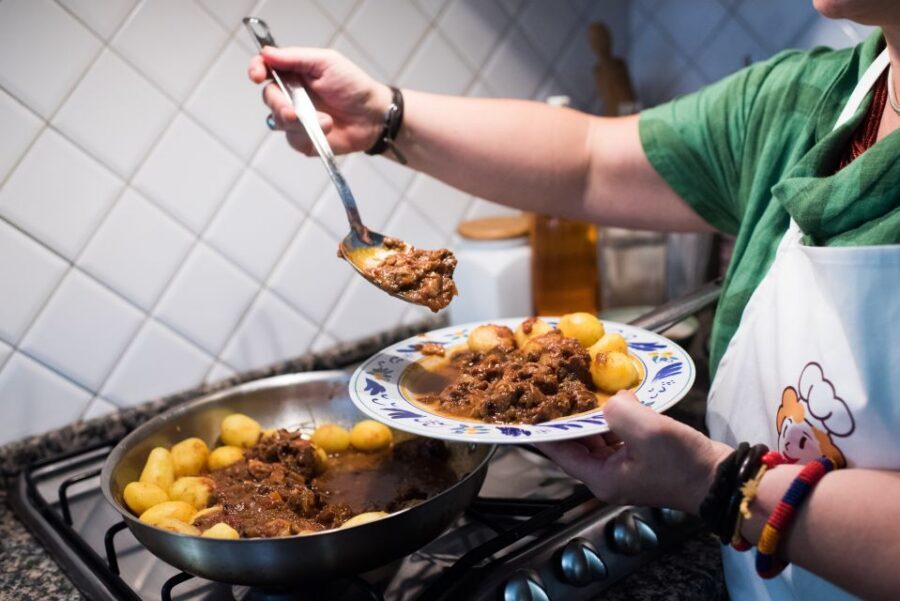
From the dishes described in past experiences, you should expect a strong chance of classic favorites such as:
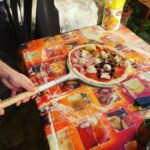
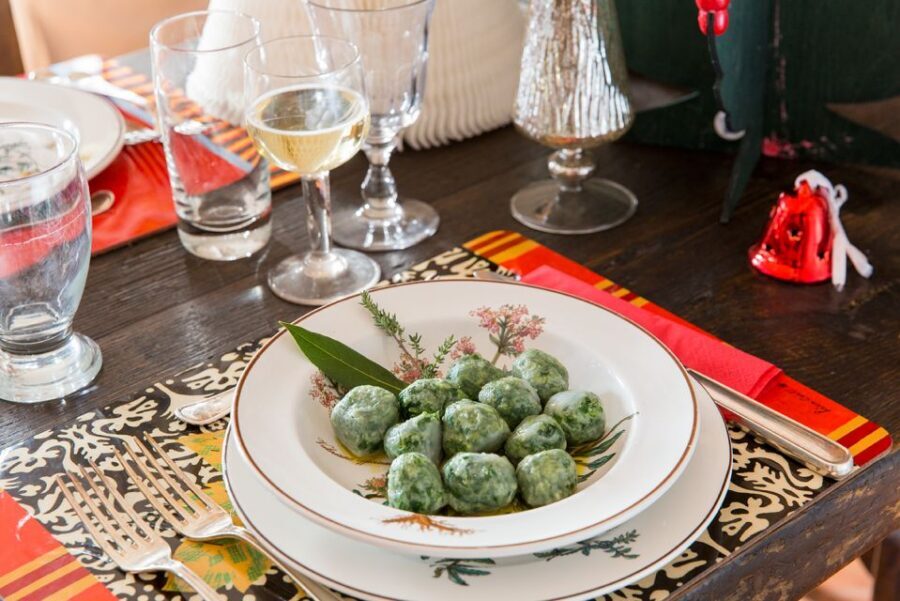
- Homemade gnocchi, sometimes paired with beans or served alongside other meat dishes
- Meatballs that are genuinely homemade, not the frozen kind
- Fresh, simple vegetable elements, including peppers in some menus
- A salad-style starter such as panzanella on certain nights
- A starter spread that can include things like ham and cheese pastry and a salamis and cheese platter, sometimes with fruit sauces
And dessert is often a clear highlight: tiramisu is repeatedly mentioned as a top payoff. When a dessert like that shows up, it tells you something important about the host’s priorities: they’re not just feeding you; they’re finishing the meal the way they would for their own people.
A practical tip: come hungry, but also come ready to slow down. Shared home meals move at a human pace. If you treat it like a fast stop between sights, you’ll miss the best part—watching the cooking, asking questions, and tasting while the flavors are at their peak.
Wine, water, and coffee: included drinks that make the table feel Italian
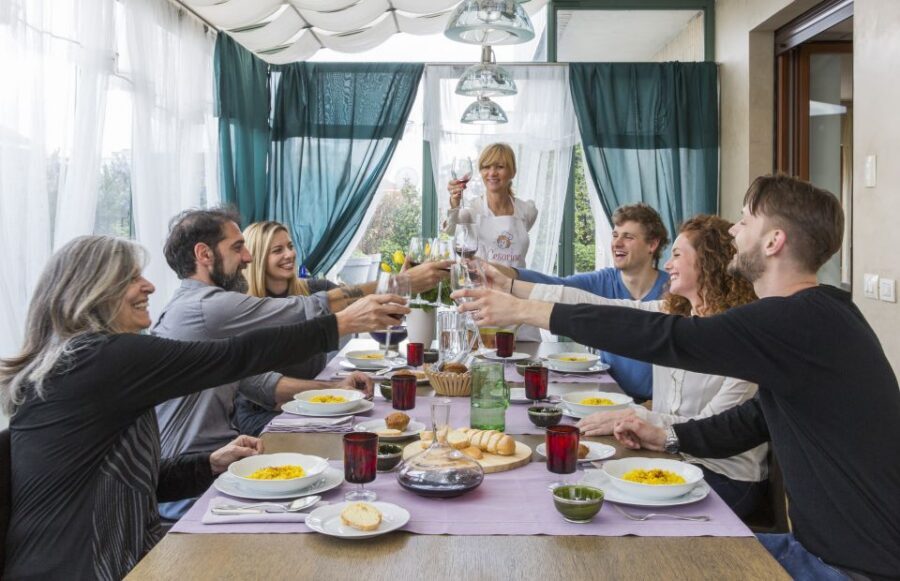
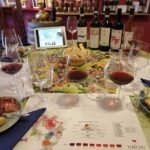
One of the real value points is the drink plan. This experience includes water, a selection of red and white wines sourced from regional cellars, and coffee. That matters because wine is often extra at restaurants, and here it’s part of the rhythm of the meal.
From the way people describe their evenings, the wine doesn’t feel stingy. It’s there to support conversation and help you enjoy the pace. You’ll also get to experience regional choices rather than a generic house pour. Even if you don’t consider yourself a wine person, this is a fun way to taste the area without overthinking it.
If you want to make the most of it, stay present. Don’t rush from sip to sip. Taste the wine alongside the food. When you notice that a sauce tastes different on the day it’s cooked, you’ll understand why home dinners beat “best meal of Italy” hype in a big way.
Conversation with your host: the part you’ll remember after the plates are gone
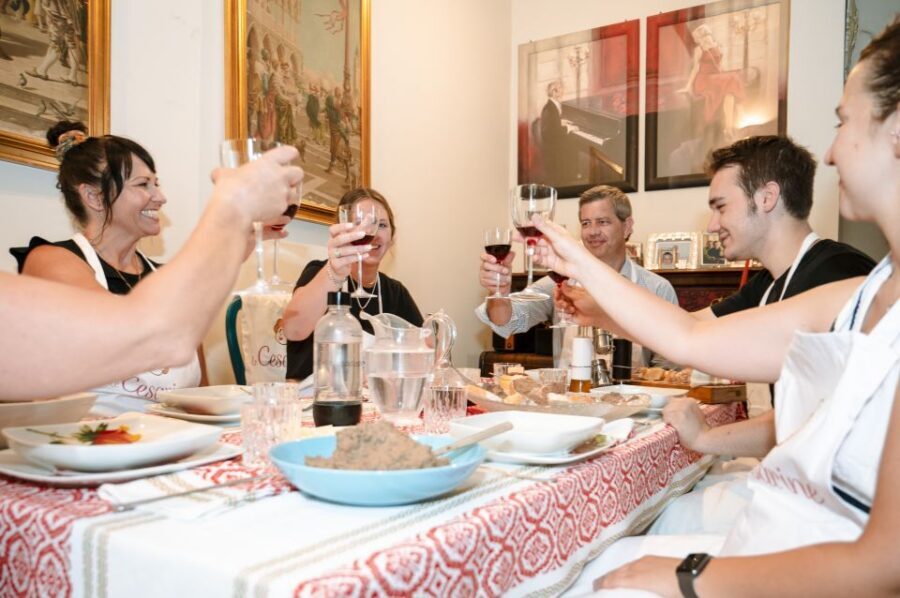
Food is the headline, but conversation is the glue. In past evenings, hosts spend real time talking—about holidays, daily life, and what Italian food means at home. People also describe meeting parts of the host’s family, which is a strong sign you’re being treated as a person, not a ticket.
I like that the host often includes a mix of storytelling and instruction. You might learn practical habits like how ingredients are shopped for, how preparation changes the outcome, and what matters for texture and seasoning. Some hosts are described as trained chefs, which you can feel in how the demo is explained.
Language can be a factor in any Italian food class, but this experience lists English and Italian. In practice, that means you’re not stuck guessing. You can ask questions, and the host can meet you where your comfort level is. If you speak a little Italian, even better, but it’s not required.
You can also read our reviews of more tours and experiences in Siena
Small group of 8: why the home setting stays comfortable
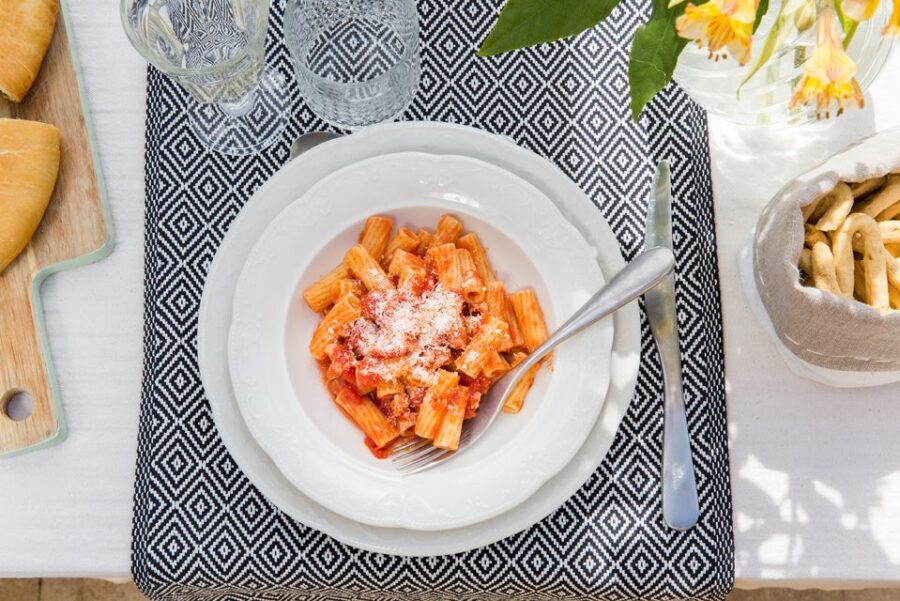
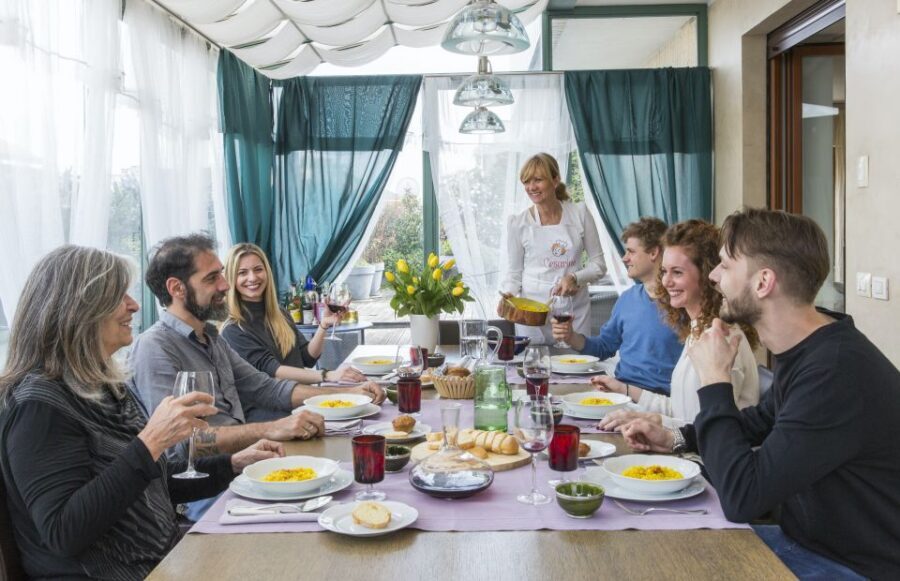
This is a small group experience limited to 8 participants. That number changes the entire vibe. In a big group, you can feel like background noise. In a small group, you get space to ask what’s going on in the kitchen and actually hear the explanation.
You also benefit from the home layout. A house kitchen isn’t designed for crowds, so you’re likely to feel more relaxed rather than squeezed. People describe feeling comfortable from the moment they arrive—often right after they ring the doorbell and meet the host.
If you’re planning with friends or as a couple, this size also helps conversation. You’ll naturally mingle with others at the table, but it won’t become an awkward group tour. The meal stays human.
Dietary needs and language: how to get a smooth meal
Dietary requirements can be handled, but it’s not automatic. The activity states that different dietary requirements can be accommodated, to be confirmed directly with the organizer after booking.
So here’s how you should approach it:
- Tell your dietary needs clearly as soon as you can after booking.
- Use simple language. If you can, include the foods you avoid and the foods you’re okay with.
- Expect that the menu may adapt while still keeping the spirit of the meal.
As for language, the host/instructor speaks English and Italian. That’s helpful for both cooking explanations and for dietary communication.
Practical notes for your Montepulciano dinner day
The meeting point is your host’s home. When you arrive, you ring the doorbell and your Cesarina host welcomes you for the authentic Italian food experience.
Your address is shared after the reservation, and the organizer contacts you by email with private details, including the host’s full address and mobile number. That’s actually a good setup if you’re not trying to guess streets in a new area.
Timing-wise, the dining typically begins at 12 noon or 7pm, but you can request changes in advance. Keep this in mind when you’re planning your Montepulciano day. You want time to arrive without feeling rushed, because a home dinner is less about “getting there fast” and more about settling in.
Also, at least one person is required for the activity to take place. If you’re traveling in low season or on a rare day, that matters.
Who should book this (and who might be better elsewhere)
I think this is perfect for:
- Food lovers who want more than a restaurant meal
- Couples or small friend groups who like chatting with real people
- Anyone who wants a cooking moment they can connect to what hits the table afterward
- Travelers who value wine included, but in a local, regional way
You might skip it if:
- You need a very formal dining schedule or a strict itinerary with no flexibility
- You dislike home environments and prefer a public restaurant setting
Should you book this Montepulciano local-home dinner?
Yes, if you want a Tuscany meal that feels personal. This experience hits a rare combination: a cooking demo, family-style recipes, and a shared table with drinks included. The consistent praise points are the warmth of the host and the quality of the food—especially the homemade dishes like gnocchi, meatballs, and tiramisu.
If you book, come with the right mindset: treat it like a real evening, not a quick stop. Ask questions during the demo, eat at the pace of the room, and lean into conversation. That’s where the value shows up most.
FAQ
How long is the Montepulciano home dining experience?
It lasts about 2.5 hours.
What time does dinner usually start?
Dinners typically begin around 12 noon or 7pm, but the tour times are flexible if you request it in advance.
How big is the group?
The group is small, limited to 8 participants.
What drinks are included?
Water is included, along with a selection of red and white wines from regional cellars, plus coffee.
Can the host accommodate dietary requirements?
The experience can cater to different dietary requirements, but you must confirm details directly with the service organizer after booking.
Is the meal canceled if I change plans?
You can cancel up to 24 hours in advance for a full refund. You can also reserve now and pay later to keep your plans flexible.