REVIEW · PERUGIA
Perugia 2–Hour Small Group Walking Tour
Book on GetYourGuide →Operated by UMBRIA CON ME · Bookable on GetYourGuide
Perugia goes underground. And in just two hours you’ll stitch together Fontana Maggiore and the underground maze of the Rocca Paolina like they’re one story. I love how the walk gives you both the big postcard sights and the small details, like the carved symbolism you’re meant to actually notice. I also like the pace: easy, talk-forward, and built for questions.
One consideration: entrance fees and any food stops aren’t included, so if you want to go inside everything you see, you’ll need a bit of extra cash and time flexibility.
In This Review
- Key Things to Know Before You Go
- Why Perugia in Two Hours Works
- Meeting at Piazza Italia and Getting Your Bearings Fast
- Walking the City Walls with Etruscan-Era Perspective
- Fontana Maggiore: The Fountain You’re Meant to Study
- Rocca Paolina Underground: Perugia’s Layers, Literally
- Perugia Today: Why the City Feels Current
- The Guide Makes the Difference (Michael, Antonella, and Michaela)
- Pace, Group Size, and How to Get the Most Out of Two Hours
- Price and Value: What You’re Paying For
- What You’ll See, Stop by Stop
- Etruscan walls: your ancient foundation
- Fontana Maggiore: symbolism you’ll finally notice
- Rocca Paolina: Perugia below street level
- Who This Tour Suits Best
- Should You Book This Perugia Walking Tour?
- FAQ
- How long is the Perugia 2-Hour Small Group Walking Tour?
- Where does the tour start and end?
- Is the tour offered in English?
- What’s included in the price?
- Are entrance fees included?
- Is there a child rate?
- Is there a minimum group size per booking?
Key Things to Know Before You Go
- Etruscan Age city walls set the stage for Perugia’s long timeline as you walk along ancient fortifications
- Fontana Maggiore details matter here, especially the symbolism carved by Nicola and Giovanni Pisano
- Rocca Paolina underground layers help you understand how Perugia changed over centuries
- Professional English-speaking local guides bring the sights to life and answer questions clearly
- Easy, not-rushed touring helps you keep up without feeling dragged along
- City energy beyond monuments: Perugia has festivals and a stylish, modern side, not just old stone
Why Perugia in Two Hours Works
Two hours sounds short, until you picture Perugia’s center. The streets twist, the levels shift, and the history stacks up fast. This tour is built for exactly that problem: how to see the key highlights without trying to master the entire city in one day.
You’ll walk a route that focuses on three layers: the ancient perimeter (Etruscan Age walls), the medieval civic showpiece (Fontana Maggiore), and the dramatic underground spaces of Rocca Paolina. That mix is what makes the time feel efficient.
You can also read our reviews of more walking tours in Perugia
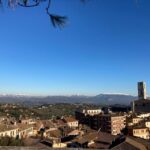


Meeting at Piazza Italia and Getting Your Bearings Fast
The tour starts at the monument in the center of Piazza Italia, and it ends back at the same meeting point. That return-to-base setup matters. It keeps you from guessing how far you’ll wander, which is a relief in a hill town where directions can feel like a puzzle.
In the beginning, your guide typically frames what you’re about to see and how the pieces connect. You’ll get a mental map early, which makes every turn after that feel less random and more meaningful.
Walking the City Walls with Etruscan-Era Perspective
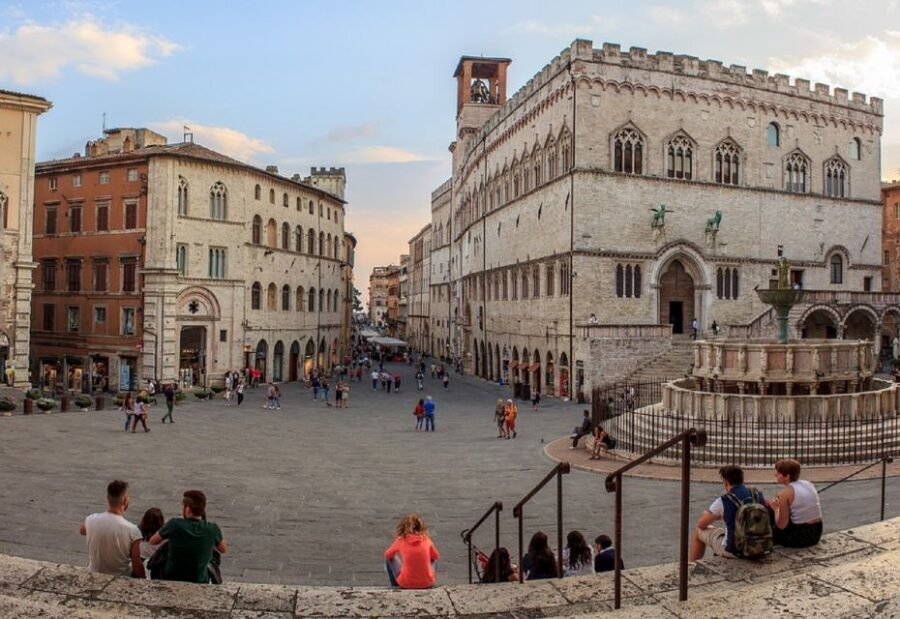
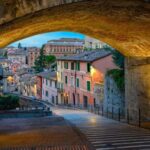
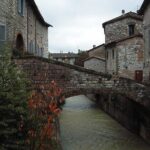
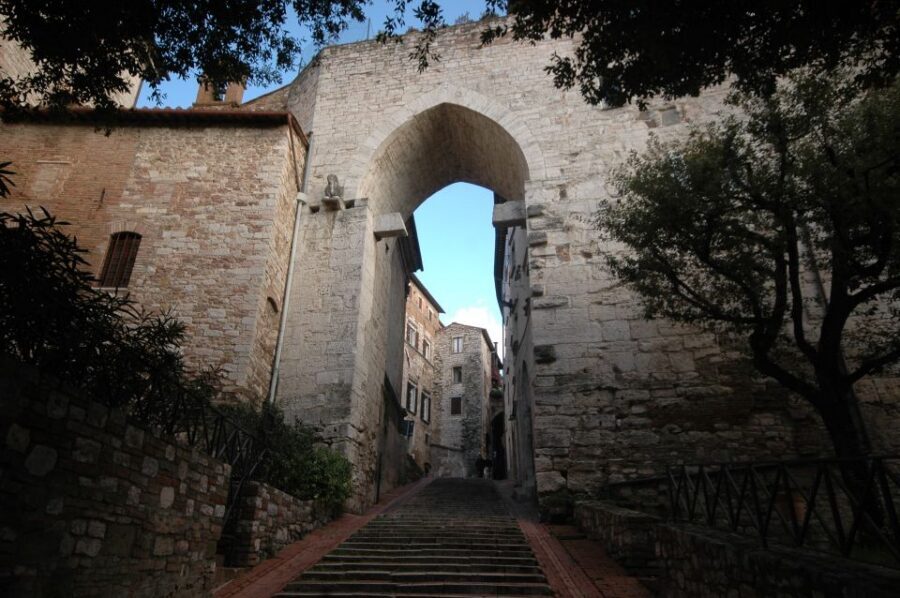
You’ll walk along the city walls dating from the Etruscan Age. Even if you’ve seen “ancient walls” elsewhere in Italy, these feel different because of how Perugia’s center sits around them. The important part isn’t just that they’re old. It’s what the walls tell you about why Perugia grew the way it did.
As you move along, look for the way the city opens and closes around you. The hills and alleys aren’t obstacles on this tour; they’re part of the story. Your guide’s job is to help you read the city like a living timeline, not just a set of attractions you check off.
Fontana Maggiore: The Fountain You’re Meant to Study
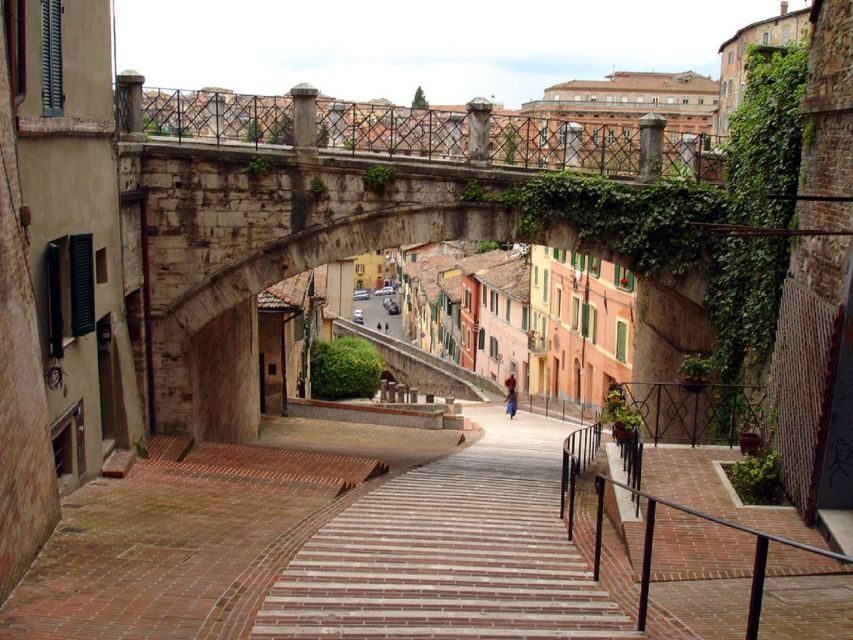
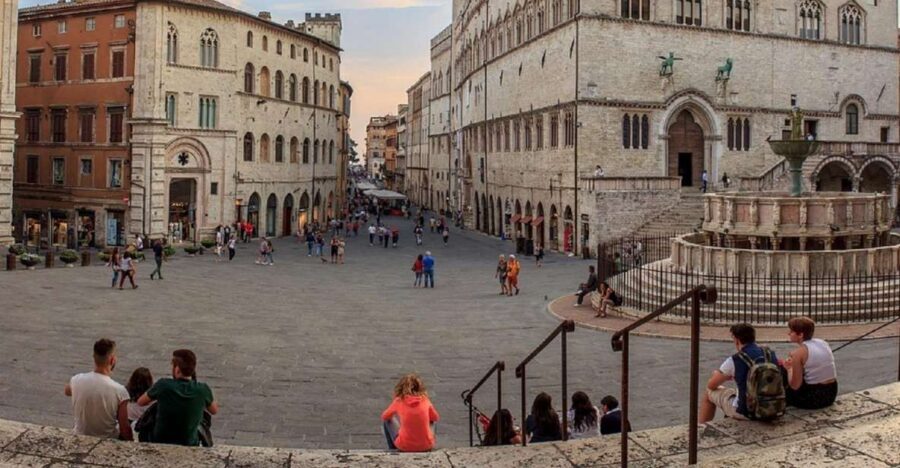
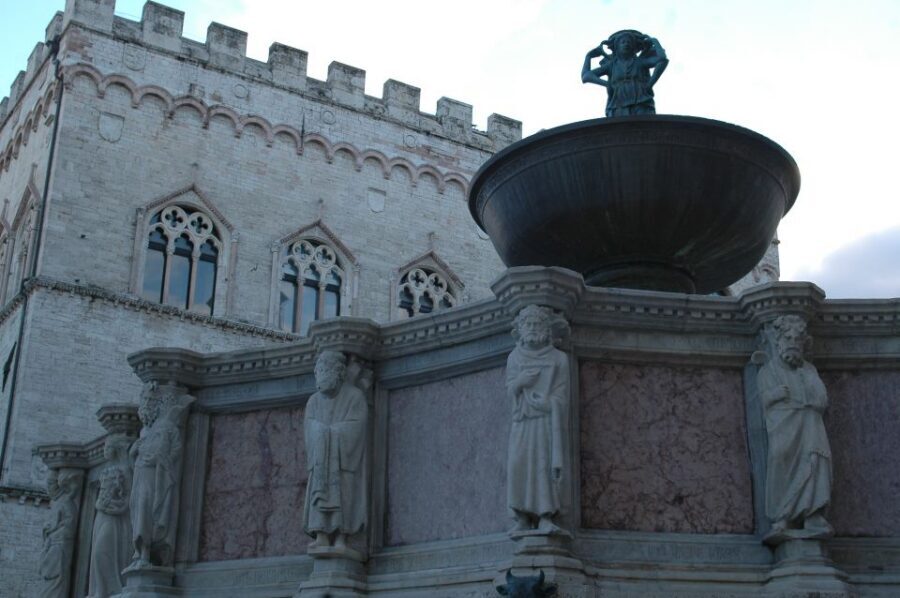
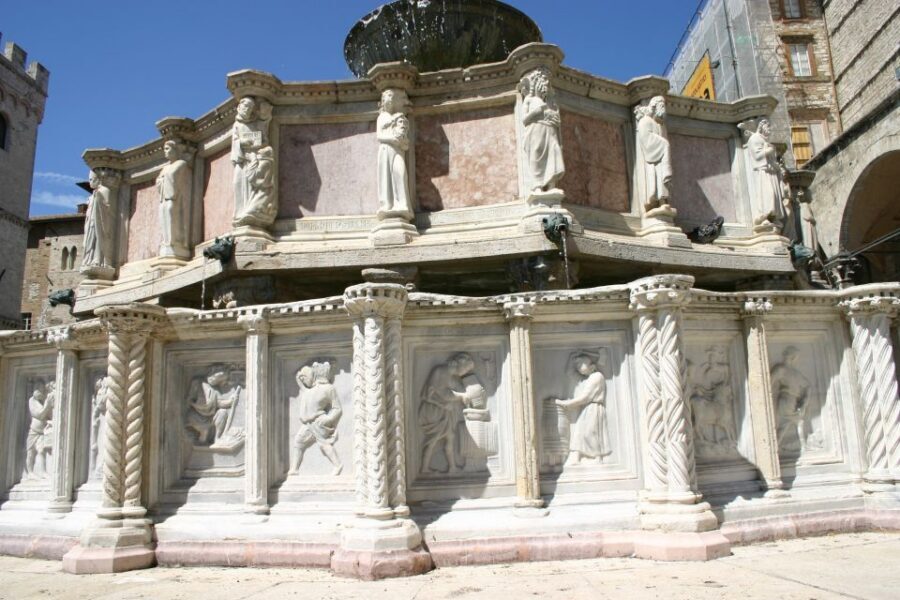
Then comes the showstopper: the Fontana Maggiore. This isn’t treated like a quick photo moment. You’ll be guided to notice the carved symbols—exactly the kind of detail most people miss when they’re rushing.
The tour highlights how the fountain’s sculptural program ties to Perugia’s identity. One of the most interesting details is the symbolism carved by Nicola and Giovanni Pisano. When you understand that the carvings weren’t decorative filler, the fountain stops being only pretty and becomes a message in stone.
Practical tip: when you get close, pause with your head tilted slightly upward and scan slowly. If you try to look straight-on at first, the carvings can feel like visual noise. With a little guidance, they click into place as a coherent set of stories.
Rocca Paolina Underground: Perugia’s Layers, Literally
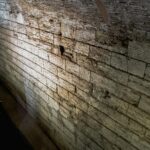
After Fontana Maggiore, the mood shifts. You’ll visit the Rocca Paolina, and the focus isn’t just the surface. The real wow comes from the many layers of the undergrounds—Perugia’s spaces beneath the street level.
This part of the tour is valuable because it answers a question you might not even realize you have: how can one city feel so many ages old at once? When you explore the underground layers, the city stops being flat. It becomes stacked. History stops being a museum concept and becomes a physical thing under your feet.
Your guide helps you connect what you’re seeing to how Perugia evolved over time. You don’t need a background in architecture to get it. The tour is paced so you can absorb the main ideas without feeling lectured.
If you want the best experience here, wear shoes you trust. Even on a short tour, you’ll be walking and moving with intention.



Perugia Today: Why the City Feels Current
Perugia isn’t just a showcase of old stone. It has a young, active side that shows up through events and street life. The tour connects that energy to what you’re seeing above ground—like how civic spaces and traditions keep the city feeling alive.
Two big examples: the summer Umbria Jazz festival and the annual fall Chocolate festival. Even if you’re not there during those dates, knowing they matter helps you understand why Perugia still feels like a place people live in, not only a place people visit.
As you walk, keep your eyes open for the contrast: medieval monuments beside modern tastes, formal architecture beside everyday movement. That mix is part of the charm.
The Guide Makes the Difference (Michael, Antonella, and Michaela)
This tour is only two hours, so the guide matters a lot. The standout theme in the feedback is clarity: guides explain Perugia’s history patiently and answer questions fully, in fluent English.
I love that guides like Michael and Antonella (and Michaela) don’t just rattle off facts. They help you understand what you’re looking at and why it matters. You can ask straightforward questions, and you won’t feel rushed or dismissed.
Another smart bonus: some guides also share practical ideas for your next steps—places to eat and even where to shop for fresh produce in the area. That’s not just sightseeing. It’s how you turn a walk into a better day.
Pace, Group Size, and How to Get the Most Out of Two Hours
This is a small-group walking tour with a simple structure: walk, stop, explain, and keep moving. The pace is designed to feel comfortable. You shouldn’t feel shoved along, and you shouldn’t spend half the time waiting.
In two hours, you can still miss details if you move like you’re chasing the next stop. So do this: slow down during the key monuments. Fontana Maggiore is a moment for looking. Rocca Paolina is a moment for listening and processing.
A good strategy is to pick one question per stop. Ask it early, then let the guide’s answer shape what you notice next. It’s the fastest way to make the tour feel personal instead of generic.
Price and Value: What You’re Paying For
The price is $67.97 per person for a 2-hour small-group tour, with a professional local guide. That’s not “just walking.” You’re paying for someone who can connect Etruscan walls, a major sculpted fountain, and underground layers into a single, understandable route.
Entrance fees and food aren’t included. That’s normal for many walking tours, but it changes the budgeting. If you’re the type who wants to see everything up close, plan for extra costs beyond the base price.
Still, the value holds because the included guide time is focused on the highlights you came for. And if you care about interpretation—what the carvings mean, how the underground adds context—that’s the kind of value you can’t buy later on your own.
What You’ll See, Stop by Stop
Here’s the experience in the order it tends to flow:
Etruscan walls: your ancient foundation
You start with the city walls dating from the Etruscan Age. This is where you get the long view, so the rest doesn’t feel random.
Fontana Maggiore: symbolism you’ll finally notice
You then focus on the stunning Fontana Maggiore. Expect attention on the symbols carved by Nicola and Giovanni Pisano, not just surface-level admiration.
Rocca Paolina: Perugia below street level
You finish with the Rocca Paolina visit, centered on the undergrounds and their layered feel. It’s a dramatic contrast that makes Perugia feel deeper than its street map.
And yes, you return to the starting point in Piazza Italia, which helps you plan the rest of your day.
Who This Tour Suits Best
This tour is a great fit if you:
- want a fast way to understand Perugia’s center without getting lost
- care about sculpture and symbolism, not just big views
- like your history explained in clear, patient English
- prefer an easy pace that still feels substantial
It may be less ideal if you want a long, self-guided stroll with lots of downtime. This is structured and interpretive. You’re meant to learn while you walk.
Should You Book This Perugia Walking Tour?
I’d book it if your goal is to leave Perugia feeling oriented and informed, not just photographed. The mix of Etruscan walls, Fontana Maggiore with Pisano symbolism, and Rocca Paolina underground layers makes the two hours feel purposeful. Add strong English guidance and a calm, not-rushed pace, and you have a tour that works even if your history knowledge is light.
Skip it only if you already plan to spend a half day doing deep museum-style exploration and you don’t want a guided structure at all. Otherwise, this is one of those efficient city tours that helps you understand the place while you’re still in it.
FAQ
How long is the Perugia 2-Hour Small Group Walking Tour?
The tour lasts 2 hours.
Where does the tour start and end?
It starts at the monument in the center of Piazza Italia and ends back at the same meeting point.
Is the tour offered in English?
Yes. The live tour guide speaks English.
What’s included in the price?
A professional local guide is included.
Are entrance fees included?
No. Entrance fees are not included.
Is there a child rate?
A child rate applies only when sharing with 2 paying adults.
Is there a minimum group size per booking?
Yes. A minimum of 2 people per booking is required.