REVIEW · PERUGIA
Hands on Italian Cooking Classes
Book on Viator →Operated by Agriturismo la volpe e l'uva · Bookable on Viator
Cooking in Umbria feels like a family visit.
This hands-on class at Agriturismo La Volpe e L’uva turns your kitchen skills up a notch, with an English-speaking teacher and a real working farmhouse setting. I love that you cook on-site with vegetables from the farm’s garden and finish by eating the meal you made with wine from the estate.
The two things I like most: pasta-making practice (yes, you’ll do the work, not just watch), and dinner-table comfort thanks to Umbrian wine and a proper shared lunch after class. You’ll also get a folder of recipes, plus an apron and a participation certificate.
One drawback to plan around: there’s no hotel pickup, so you’ll need to get to the farmhouse meeting point yourself (it’s near public transportation, but it’s still out in the countryside).
In This Review
- Key highlights worth your attention
- A working farmhouse kitchen just outside Perugia
- The four courses you’ll cook, from pasta dough to dessert
- Appetizer: pasta shapes with Umbria flavors
- First course: sauce work and timing
- Main course: meat and seasonal sweetness
- Dessert: classic comfort, made by you
- Why the farm garden, olive oil, and wine matter (beyond branding)
- How the lesson is taught in English (and why you’ll remember it)
- Your half-day schedule: what timing feels like in real life
- What you get to take home (and what it’s actually good for)
- Price and value in Perugia: what $169.38 buys you
- Practicalities you’ll want to know before you go
- Who this cooking class suits best (and who might prefer something else)
- Should you book Hands-On Italian Cooking in Umbria?
- FAQ
- FAQ
- How long is the Italian cooking class in Perugia?
- Where does the class meet?
- Is hotel pickup or drop-off included?
- Is the class offered in English?
- Is the class hands-on or is it more of a demonstration?
- How many people are in the group?
- What meal is included?
- What do I receive besides the lunch?
- What if I have dietary requirements?
Key highlights worth your attention
- Small group size (max 8): more hands-on coaching and less waiting around.
- Totally hands-on lesson: you make a multi-course meal from scratch.
- Farm-to-plate ingredients: vegetables from the organic garden; olive oil and red wine from the estate.
- English instruction plus recipe context: techniques and the history of each recipe are part of the lesson.
- Lunch with Umbrian wines: you cook, then you sit down and enjoy what you made.
A working farmhouse kitchen just outside Perugia
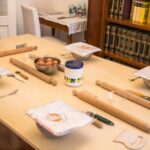
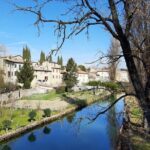
Perugia is a great base for exploring Umbria, but this class pulls you out of the city vibe and into real countryside life. The setting is Farmhouse La Volpe E L’uva, a working agriturismo atmosphere where food isn’t a theme. It’s the routine.
What you’re really buying here is time and attention. You’ll be cooking in a small group (up to eight), and the teacher guides you step-by-step, in English. That matters, because Italian cooking is about feel as much as directions—pasta dough, seasoning balance, and knowing when something is ready.
And you’re not just eating afterward. The meal is the point. You’ll prep and cook a full batch of courses, then enjoy them with wine from the estate. It’s the kind of experience where your hands do the learning first, then your brain catches up.
You can also read our reviews of more cooking classes in Perugia
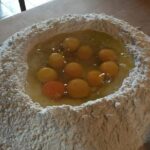
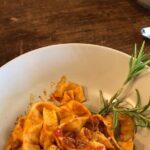
The four courses you’ll cook, from pasta dough to dessert
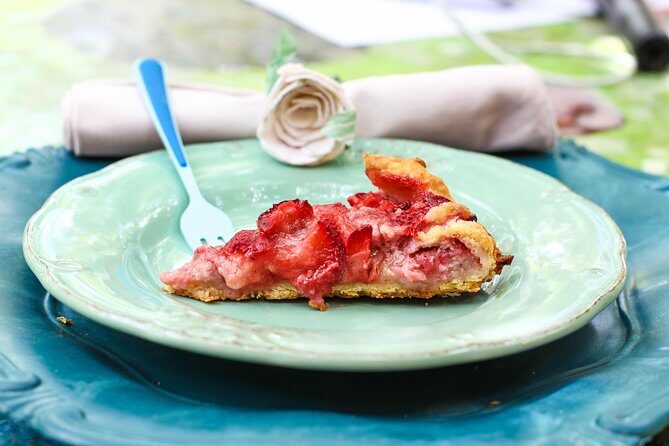
You’ll prepare a complete meal made of four courses: an appetizer, a first course, a main course with a side dish, and dessert. The exact dishes can vary by day, but this sample menu shows the range you might make at Let’s Cook in Umbria.
Here’s what that range looks like:
Appetizer: pasta shapes with Umbria flavors
You may start with fresh pasta dishes such as:
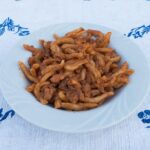
- Homemade tagliatelle with sausage ragu
- Potato gnocchi
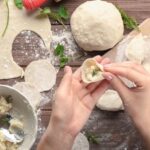
- Ravioli with spinach and fresh ricotta
- Strangozzi with truffle
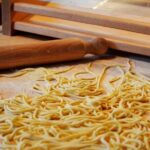
Even if pasta isn’t your thing at home, this is where the class clicks. You learn how dough behaves, how to shape properly, and how sauce decisions work with the pasta you choose.
First course: sauce work and timing
In many classes like this, the first course is where you practice building flavor. Based on the menu options, you could be working with pasta plus rich, local-style sauces.
The big value for you is learning what goes together and why. It’s not just ingredients—it’s technique and order. When to start, when to adjust seasoning, and how to keep pasta from turning into a sad, sticky mass.
Main course: meat and seasonal sweetness
For the main, you might cook options like:
- Pork tenderloin with dry plums
- Chicken alla cacciatora
- Veal alla Perugina
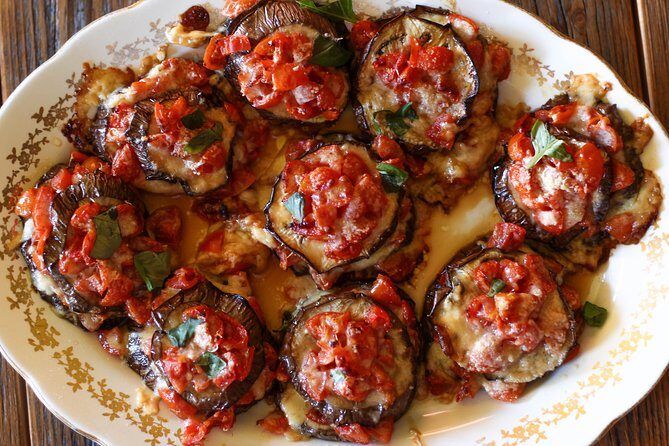
This is a good moment to pay attention to seasoning and finishing. Umbria cooking often leans on depth and balance—savory herbs, tomato or wine notes, and the kind of sweet-sour contrast you don’t always get in Italian restaurants.
You can also read our reviews of more tours and experiences in Perugia
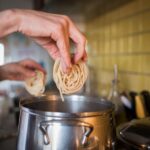
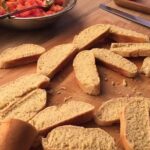
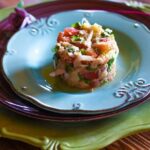
Dessert: classic comfort, made by you
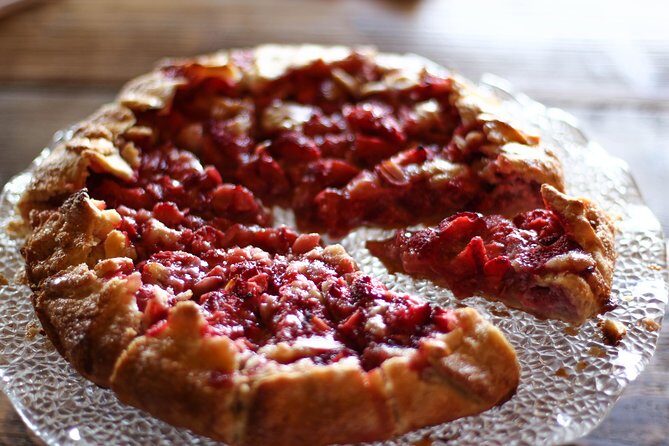
Dessert is where you can relax a bit, because you already did the hard work. Examples on the menu include:
- Homemade tiramisu
- Chocolate and pears cake with cream
- Crostata
You’ll get the satisfaction of serving something that looks like it came from a proper Italian kitchen, not a vacation attempt.
Why the farm garden, olive oil, and wine matter (beyond branding)
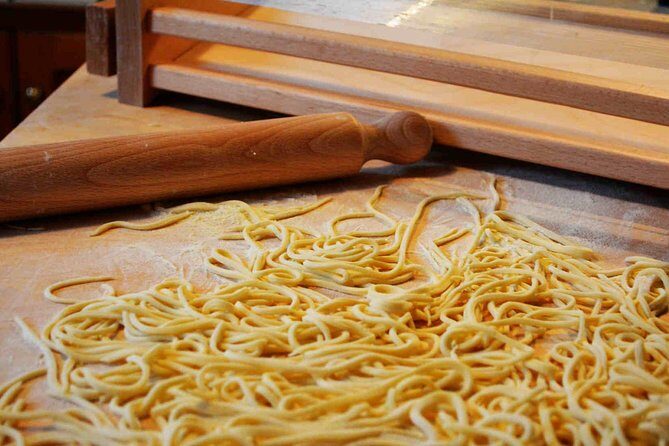
This class isn’t happening in a rented studio. It’s based on an organic vegetable garden on the property, and the farm uses the vegetables grown there in the cooking. That’s not a small detail. It changes the flavor you taste, and it changes the lesson because you can see the ingredients where they come from.
The farm also produces extra virgin olive oil and organic red wine. The wine shows up with your meal, and the olive oil shows up in the cooking process.
What you should expect in practical terms:
- Ingredients feel seasonal and real, not imported “for the class.”
- You learn how local staples work together on a plate.
- You leave with recipes that aren’t just measurements—they come with practical context about what to look for.
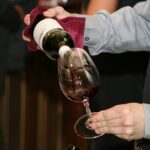
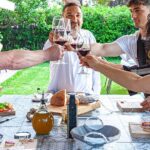
And yes, wine is part of the experience: Umbrian wines are included during the meal, with coffee after lunch. This is one of those meals where you stop thinking like a student and start thinking like a guest at someone’s table.
How the lesson is taught in English (and why you’ll remember it)
The class is totally hands-on, taught by an English-speaking teacher. The lesson doesn’t just cover steps. You’ll get traditional cooking techniques and the history of each recipe as you go.
That structure helps you remember. When you understand where a dish comes from and what it was designed to do—feed a family, use seasonal ingredients, make leftovers taste good—you’re less likely to forget. You also get better at adapting at home.
I also like the pacing. You’re not sitting for hours waiting your turn. You’ll work, taste, adjust, then move to the next course. Pasta shaping can feel awkward at first, so having patient guidance matters a lot.
One name you’ll hear here is Raffaella. In English-language teaching, having a teacher who can explain technique clearly—and keep things calm when flour gets everywhere—makes a big difference.
Your half-day schedule: what timing feels like in real life
Classes start at 10:00 a.m. and usually run about 3 to 4 hours. You’ll go from cooking to eating without the usual tourist gap where you change your focus.
A typical flow looks like this:
- You arrive at the farmhouse meeting point and get oriented.
- You cook together in stages, including prep for a multi-course meal.
- You sit down to the four-course lunch you prepared, paired with Umbrian wines.
- Coffee comes after lunch, and then you wrap up with your recipes and participation items.
Group size stays tight—up to eight—so expect interaction. Also expect that you’ll be standing and working with your hands for much of the session. Wear something comfortable. Even if you’re tidy, dough is dough.
What you get to take home (and what it’s actually good for)
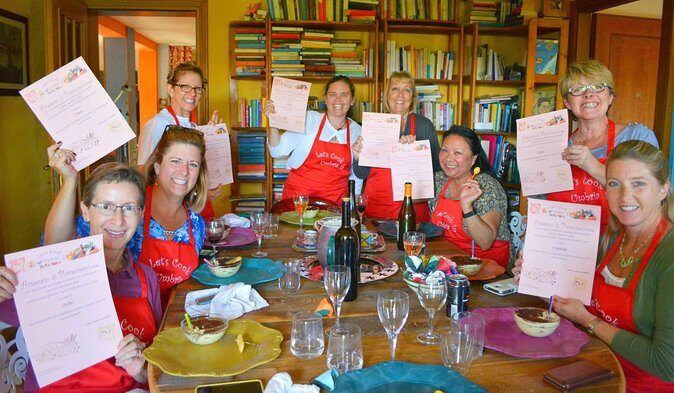
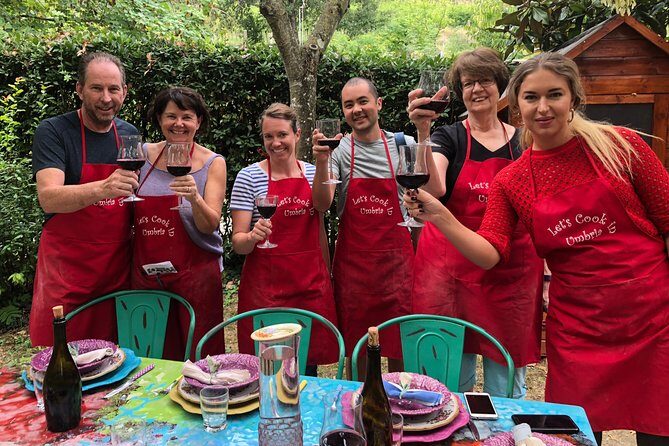
A lot of cooking classes hand you recipes. This one gives you more. Included items are:
- A folder with all the recipes
- A certificate of participation
- An apron of Let’s Cook in Umbria
The real value is the recipe folder. It’s not just a shopping list. You’ll use it right away, because you’ll remember what you did and what the dough should feel like.
If you like cooking as a hobby, this is the kind of class that turns into meals later at home. The apron is fun, but the folder is practical.
Price and value in Perugia: what $169.38 buys you
At $169.38 per person for an approximately four-hour class, you’re paying for three things at once:
- Hands-on instruction in English (not a passive demo)
- A full meal you cook, with Umbrian wines and coffee included
- A farm setting with ingredients sourced from the property and nearby markets
In other words, you’re not just buying entertainment. You’re buying time, coaching, and food. For a working farmhouse experience outside the city, the price feels reasonable because you’re also avoiding the costs you’d add at home—like taking a market day, buying specialty ingredients, and then still not having someone teach you technique.
If you’re traveling on a budget, consider picking one “experience class” during your trip. This is a strong candidate because it delivers both a lesson and a meal.
Practicalities you’ll want to know before you go
Here are the details that affect your day most:
- Meeting point: Farmhouse La Volpe E L’uva, Strada Comunale S. Marino, 25, 06125 Perugia PG, Italy. The activity ends back at the meeting point.
- No hotel pickup: you’ll handle your own way there and back.
- Confirmation timing: you should receive confirmation within 48 hours of booking, if there’s availability.
- Dietary needs: you’re asked to advise any specific dietary requirements at the time of booking.
- Mobile ticket: your ticket is delivered on a mobile device.
- Public transport: it’s near public transportation, but it’s still countryside, so check routes ahead of time.
Also, note this: the class is non-refundable and cannot be changed for any reason. If your schedule is tight, plan so you don’t risk losing the cost.
Who this cooking class suits best (and who might prefer something else)
This experience is a great fit if:
- you want to learn real Italian technique like pasta shaping and sauce building
- you enjoy cooking and want a plan for what to do step-by-step
- you like small group settings and a slower pace than big tours
It may be less ideal if:
- you want to spend most of the day touring historic sights, not working at a kitchen counter
- you strongly prefer pickup convenience over finding your own transport
- you’re not interested in eating what you cook (the meal is part of the package)
If your travel style is food-focused but you still want something cultural and hands-on, this hits the mark.
Should you book Hands-On Italian Cooking in Umbria?
I’d book it if you want a hands-on Perugia food experience that feels like you’re learning in a real home-kitchen setting. The combination of farm-sourced ingredients, English instruction, and a full meal at the end is the kind of value that’s hard to beat.
If you’re unsure, ask yourself one simple question: do you want to leave with skills you can use later, not just photos of dishes? If yes, this class is a smart choice. If not, you might prefer a lighter food tour or a restaurant meal.
FAQ
FAQ
How long is the Italian cooking class in Perugia?
It runs about 3 to 4 hours (half day), starting at 10:00 a.m.
Where does the class meet?
The meeting point is Farmhouse La Volpe E L’uva, Strada Comunale S. Marino, 25, 06125 Perugia PG, Italy.
Is hotel pickup or drop-off included?
No. Hotel pickup and drop-off are not included. The activity ends back at the meeting point.
Is the class offered in English?
Yes, it is offered in English.
Is the class hands-on or is it more of a demonstration?
It is totally hands-on. You prepare the meal yourself as part of the workshop.
How many people are in the group?
The class has a maximum of 8 travelers.
What meal is included?
You prepare and enjoy a four-course lunch from the cooking lesson: appetizer, first course, main course with side dish, and dessert. Wine is included during the meals, and coffee comes after lunch.
What do I receive besides the lunch?
You receive a certificate of participation, a folder with all the recipes, and an apron of Let’s Cook in Umbria.
What if I have dietary requirements?
You should advise any specific dietary requirements at the time of booking so the provider can plan accordingly.