REVIEW · PERUGIA
The secrets of Perugia. Underground and Etruscan tour
Book on Viator →Operated by Umbria con Me · Bookable on Viator
Perugia has layers under your feet. This 3-hour guided walk sends you through the medieval world of Rocca Paolina and into major Etruscan landmarks that still shape how the city looks today. I love that you get guide commentary tying the places together, not just a list of stops. I also love how the route mixes practical sightseeing with “how did they build this” moments, like the 36-meter Etruscan well. One thing to consider: entry to the museum and the well is not included, so you’ll want to budget a bit extra and follow the strict dress code for indoor sites.
The guide quality matters a lot here. In the feedback I saw, guides such as Michele Tomassoni stand out for being patient, flexible, and able to tailor explanations for kids and different learning styles. If you’re the type who likes asking questions while walking (instead of just watching), this format usually works very well.
In This Review
- Quick, Practical Highlights
- Perugia Above and Underground: The Etruscan Story in One Walk
- Rocca Paolina Tunnels to Porta Marzia: Fortress Passages Into Etruscan Territory
- San Domenico Museum and the Cippo di Perugia: What You See Matters
- Pozzo Etrusco and St. Ercolano Arch: The City’s Plumbing, Explained
- Porta Sole Viewpoint and the Etruscan Arch: Roman-Era Touches on Ancient Stone
- Price and Tickets: Does $154 Feel Fair?
- Who Should Book This Tour (and Who Might Not)
- Small Tips That Make the Tour Smoother
- Should You Book the Secrets of Perugia Tour?
- FAQ
- How long is the Underground and Etruscan tour in Perugia?
- Where does the tour start and end?
- Is the tour ticket mobile?
- Are admission tickets included in the price?
- Do I need to follow a dress code?
- Is this tour private?
Quick, Practical Highlights
- Underground Rocca Paolina tunnels, then right out to the Etruscan city gate area at Porta Marzia
- National Archaeological Museum of Umbria at the San Domenico convent, with key Etruscan finds like the Cippo di Perugia
- Pozzo Etrusco (36 meters deep), with context on why it mattered for everyday life in ancient Perugia
- St. Ercolano arch—a medieval renovation sitting on top of an older Etruscan gate
- Porta Sole viewpoint plus the big Etruscan arch linked to Roman emperor Augustus
- Private tour setup, so you can slow down when something grabs your interest
Perugia Above and Underground: The Etruscan Story in One Walk
Perugia is a city that makes you look up and look down. This tour is a smart way to do both without getting lost, since the route is planned around the most important ancient structures in the old center.
What makes it feel different from a standard city stroll is the “time layering.” You start in spaces connected to later medieval life inside Rocca Paolina, then shift into Etruscan places that predate the Roman Empire by centuries. That contrast helps you understand why Perugia keeps reusing its own bones. Even when the architecture changes hands over time, the city’s geography and key access points stay relevant.
A big advantage for you: you’re not mapping this on your phone while also trying to read stonework. The guide’s job is to connect the dots—why a gate is where it is, how the well functioned, and why a particular arch matters architecturally. At $154, the value comes from that guided “sense-making,” plus the fact you’re covering multiple major sites in about 3 hours.
And yes, you’ll likely get a few jaw-drop moments—not because everything is flashy, but because Etruscan engineering and city planning show up in places you might otherwise walk past.
You can also read our reviews of more tours and experiences in Perugia.
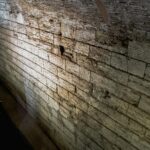


Rocca Paolina Tunnels to Porta Marzia: Fortress Passages Into Etruscan Territory
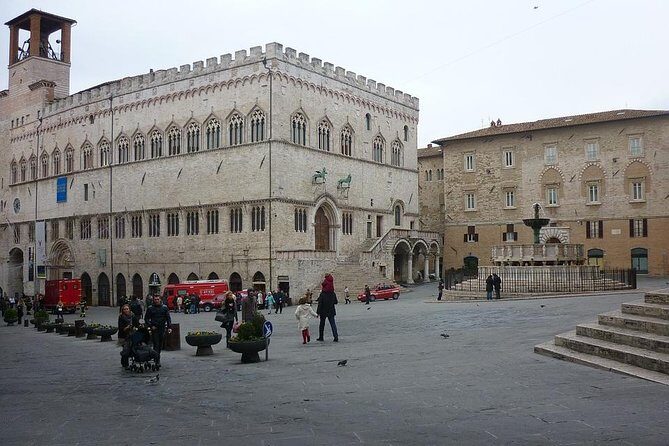
The tour begins at Piazza Italia and quickly turns into a maze of history under the city. Stop 1 is Rocca Paolina, a fortress area with tunnels you can walk through. This is where you see Perugia as a defended, structured place—built to control movement through narrow routes.
Then you reach Porta Marzia, the southern entrance of the Etruscan city. This is one of those stops where the “you’re standing on history” feeling is very real. The guide helps you connect the Renaissance-era fortress features to earlier access points used by the Etruscans.
A detail worth noticing: the arch incorporated into the fortress walls is tied to Renaissance architect Antonio da Sangallo il Giovane. That kind of attribution matters because it shows how later builders chose to reference older glory rather than erase it completely. It’s a reminder that cities don’t just grow—they recycle.
Practical note: expect it to feel like a guided walk through enclosed spaces at least part of the time. If you don’t love tight corridors or cool, stone interiors, you’ll want to mentally prepare for that shift.
This segment is short—about 20 minutes plus walking—but it sets the tone for the whole experience. You’re not just sightseeing. You’re moving through the city’s defensive layout, then into the gate area that defined entry in Etruscan times.
San Domenico Museum and the Cippo di Perugia: What You See Matters
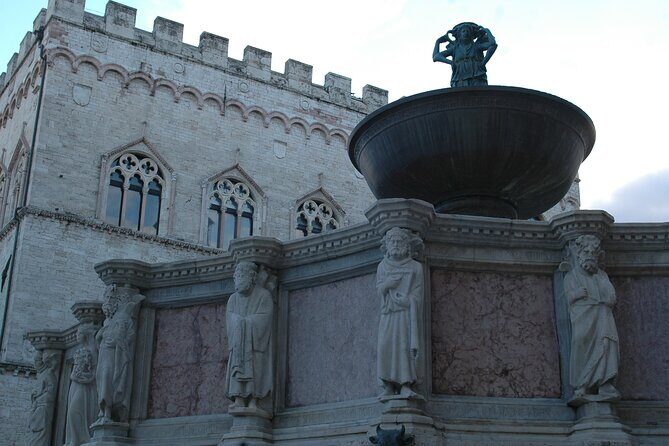
After the outdoor-to-underground movement, the route heads to the National Archaeological Museum of Umbria, housed at the San Domenico convent. This is a key stop for two reasons.
First, it brings the story into focus with artifacts, not only architecture. The museum’s collection spans from the Paleolithic through the Roman period, which helps you understand where Etruscan material culture fits in the longer timeline of central Italy.
Second, it includes Etruscan “anchors” that make the language and funerary practices more understandable. In particular, the Cippo di Perugia is highlighted as a fundamental step for understanding the Etruscan language. Even if you don’t read Etruscan, seeing an inscription-related object and getting the explanation behind it can transform the way you interpret the rest of what you’ll see.
You also get the Cai Cutu tomb experience, described as completely rebuilt in the museum. That matters because Etruscan tombs are often hard to visualize from descriptions alone. A rebuilt tomb structure gives your brain something concrete to hold onto.
The museum stop is about 30 minutes. Admission is not included, so plan on paying the museum ticket separately. Also double-check the dress code: this tour requires knee and shoulder coverage for places of worship and selected museums. No shorts or sleeveless tops. If you’re not dressed for it, you risk being refused entry.
Pozzo Etrusco and St. Ercolano Arch: The City’s Plumbing, Explained
Next comes one of the most memorable engineering stops in Perugia: Pozzo Etrusco, the Etruscan well. The well dates back about 22 centuries and reaches a maximum depth of 36 meters. That number sounds almost unreal until you’re standing near it and hearing how important water storage was for a city.
The guide’s commentary is the difference between reading a sign and truly getting it. You’ll hear about the well as the city’s most important water tank and as a masterpiece of Etruscan hydraulic engineering. In other words: this wasn’t a decorative feature. It was life support.
On the way, you pass the arch of St. Ercolano. This is described as an Etruscan gate renovated in the Middle Ages. That’s exactly the kind of layered detail I like because it makes Perugia feel like one living structure, not separate eras pasted together.
The well stop is about 30 minutes, and again, the admission ticket is not included. If you’re trying to manage your budget, this is the point where you’ll most likely feel the extra costs. Still, I think it’s worth it because a well like this isn’t easily replaced by other activities in the same time window.
One more practical thought: because you’re moving between a gate area, a major square-adjacent spot, and then up or down toward viewpoints later, wear supportive shoes. This is a walking tour, and Perugia’s old streets include plenty of slopes and uneven stone surfaces.
Porta Sole Viewpoint and the Etruscan Arch: Roman-Era Touches on Ancient Stone
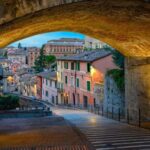
At Porta Sole, you get the payoff view. The tour walks up to the Porta Sole viewpoint, then heads down toward the northern gate of Etruscan Perugia.
This stop has two parts that work together. First, you see the Umbrian Valley from above. Even a short scenic moment matters because it gives context for why Perugia’s defenses and gates were placed where they were.
Second, you reach the imposing Etruscan arch, described as about 23 centuries old. This arch was restored and decorated by Roman emperor Augustus around 40 years before Christ. That detail is a big deal. It explains why some ancient sites feel like they’re “speaking two languages”—Etruscan structure and Roman-era modifications.
So instead of treating Roman influence as the end of the story, the tour shows you how the Romans worked with existing Etruscan foundations. That makes Perugia’s history feel less like a straight line and more like a conversation across centuries.
This segment runs about 20 minutes and includes time for the walk and the architectural look. The admission is listed as free for this stop, which is helpful because your ticket costs are already separated for the museum and the well.
If you want photos, this is one of your best opportunities. The combination of viewpoint and a major arch gives you both a wide-angle sense of place and a close-up sense of craftsmanship.



Price and Tickets: Does $154 Feel Fair?
At $154 for a private, official 3-hour walking tour, you’re paying for two main things: expert guidance and a route packed with high-value ancient stops.
Here’s how the math feels in real life:
- You’re getting guided access to underground tunnels at Rocca Paolina and structured time at major Etruscan landmarks.
- You’re spending about 3 hours walking, so the guide is effectively saving you planning time (and guesswork).
- The private format means your group can ask questions and move at a pace that works for you.
On the other hand, admission tickets are not included for the museum and Pozzo Etrusco. That’s not a deal-breaker, just something to factor into your total spending. If you don’t want to manage separate entries, you’ll feel that extra cost more strongly.
Still, I think the overall value is solid if you care about the “why” behind what you’re seeing. A self-guided walk might get you to the same streets and landmarks, but it won’t give you the explanations that connect the Etruscan gates, the city’s water system, and the museum objects like the Cippo di Perugia.
For families, couples, and history-minded solo travelers, this tends to be the kind of tour where your time feels used well.
Who Should Book This Tour (and Who Might Not)
This tour fits best if you fall into at least one of these buckets:
- You want an Etruscan-focused Perugia experience without turning your trip into mapwork.
- You like architecture and city planning, not just famous paintings or big-ticket ruins.
- You appreciate explanations you can ask about on the spot—especially if you’re traveling with kids. Guides have been praised for patience and adapting to different learning styles.
- You want a private format so you can slow down when something catches your attention.
You might consider a different option if:
- You’re not interested in museum time (the museum stop is part of the plan).
- You’re traveling in outfits that may not meet the dress code. Shorts and sleeveless tops are specifically not allowed in places of worship and selected museums, and refusal is possible.
For most people who can handle a walking tour and follow basic clothing rules, this is a strong Perugia pick.
Small Tips That Make the Tour Smoother
A few practical points can save you friction:
- Bring clothing that covers knees and shoulders. This is the most important rule on the list. If you need to, plan a light layer you can use quickly.
- Use comfortable shoes. You’re walking between gates, viewpoints, and museum areas, including climbs and descents.
- Plan your expectations for the “mix.” You’ll be doing both outdoor architecture and indoor museum content. If you like switching between bright stone streets and interior learning, you’ll probably enjoy it.
Also note: you’ll receive confirmation after booking (subject to availability), and the ticket is delivered as a mobile ticket. It’s the kind of setup that works well if you’re already juggling train schedules and other reservations.
Should You Book the Secrets of Perugia Tour?
If you want Perugia in one efficient, guided loop—underground tunnels, Etruscan gates, a top museum stop, and the Etruscan well—this is an easy yes.
Book it when you:
- care about pre-Roman history and want the Etruscan story explained clearly,
- like architectural details that connect to real engineering and daily life,
- want a private experience guided by professionals such as Michele Tomassoni (based on the guide praise).
Skip it (or consider another option) if you hate the idea of separate museum and well admissions, or you’re not willing to comply with the dress code before entering indoor sites.
Bottom line: for $154, you’re paying for time saved, context provided, and access to the most meaningful ancient layers of Perugia—above and below.
FAQ
How long is the Underground and Etruscan tour in Perugia?
It’s about 3 hours of guided walking.
Where does the tour start and end?
The tour starts at Piazza Italia, 06121 Perugia PG, Italy and ends back at the meeting point.
Is the tour ticket mobile?
Yes, the tour includes a mobile ticket.
Are admission tickets included in the price?
No. Admission is not included for the National Archaeological Museum of Umbria and for Pozzo Etrusco.
Do I need to follow a dress code?
Yes. Knees and shoulders must be covered for places of worship and selected museums. No shorts or sleeveless tops, and entry can be refused if you don’t comply.
Is this tour private?
Yes. It’s a private tour/activity, and only your group participates.