REVIEW · PERUGIA
Capitularies Museum of Saint Lorenzo Entry Ticket
Book on GetYourGuide →Operated by Secret Umbria · Bookable on GetYourGuide
A museum ticket in a cathedral cloister is a treat.
The Capitular Museum of Saint Lorenzo is a smart, low-cost way to see Perugia through sacred art, local legends, and major names like Perugino and Signorelli. I like that it’s self-guided, so you can move at your pace through eight subject-based rooms in the San Lorenzo Island complex. I also like the specific focus on objects and stories, from the Holy Virgin Mary’s wedding ring to the Acre manuscript. One consideration: since there’s no guided tour, you’ll want to read the labels (or use the brochure) if you want extra context beyond the artwork.
Inside this monumental setting, you’re not just looking at paintings and sculpture—you’re following a thread of Perugia’s identity. The museum was founded in 1923 and renovated in 2023, which means the experience is built for visitors while still keeping that historic cathedral-area atmosphere. The biggest “gotcha” is simple: plan to go inside the museum from the ticket office, and keep an eye on the rules (no food, no flash photography, and no pets).
In This Review
- Key highlights you’ll actually care about
- Where the Capitular Museum of Saint Lorenzo is, and how you access it
- The value of an $9 ticket in Perugia (and what you get for it)
- Your self-guided route: eight rooms that stay organized
- Perugino, Signorelli, and Agostino di Duccio: why these names matter here
- The museum’s best storytelling objects: Mary’s wedding ring and more
- Cardinal Armellini’s clothes: the strange-but-human details
- San Lorenzo Island: why the setting adds something (even on a short visit)
- Museum rules that affect your day plan
- What the brochure is for (and how to use it)
- Price check: why this ticket can beat bigger tours
- Who this museum entry ticket is best for
- Booking and timing basics (without the fuss)
- Should you book the Capitular Museum of Saint Lorenzo ticket?
- FAQ
- What does the Capitular Museum of Saint Lorenzo entry ticket include?
- Is this ticket for a guided tour?
- Where is the meeting point?
- How long is the ticket valid?
- What languages are available for the brochure and staff?
- Is the museum wheelchair accessible?
- Are flash photos allowed?
- Are food, drinks, or pets allowed?
- Is free cancellation available?
Key highlights you’ll actually care about
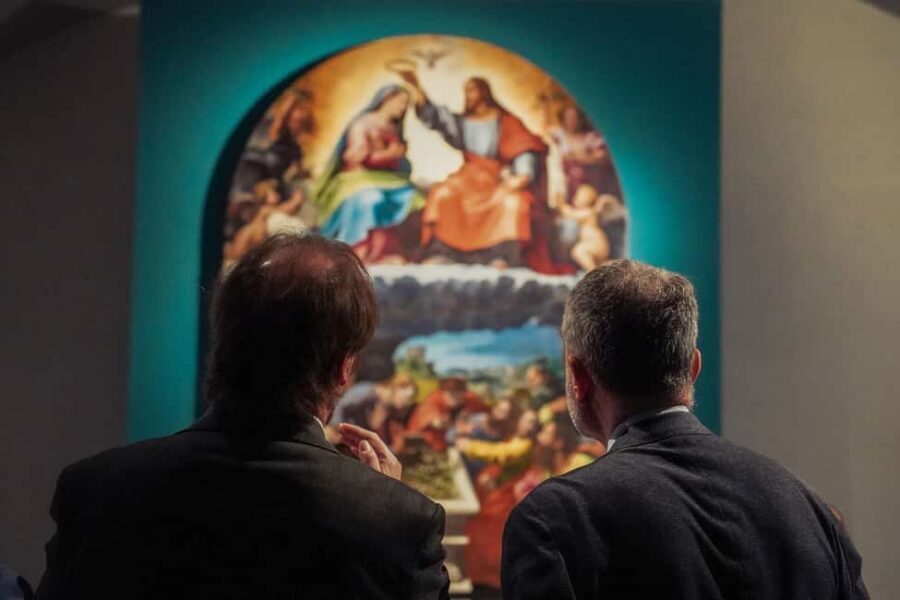
- San Lorenzo Island setting: the museum sits in the same monumental complex as the Cathedral of San Lorenzo and the Perugia Underground area.
- Self-guided visit in eight rooms: organized by subject, so you don’t wander aimlessly.
- Major Renaissance names: Perugino, Signorelli, Agostino di Duccio, and more.
- Story-based relics and artifacts: the Holy Virgin Mary’s wedding ring, the Acre manuscript, and other themed pieces.
- Recent renovation: founded in 1923, renovated in 2023 for a visitor-friendly presentation.
Where the Capitular Museum of Saint Lorenzo is, and how you access it
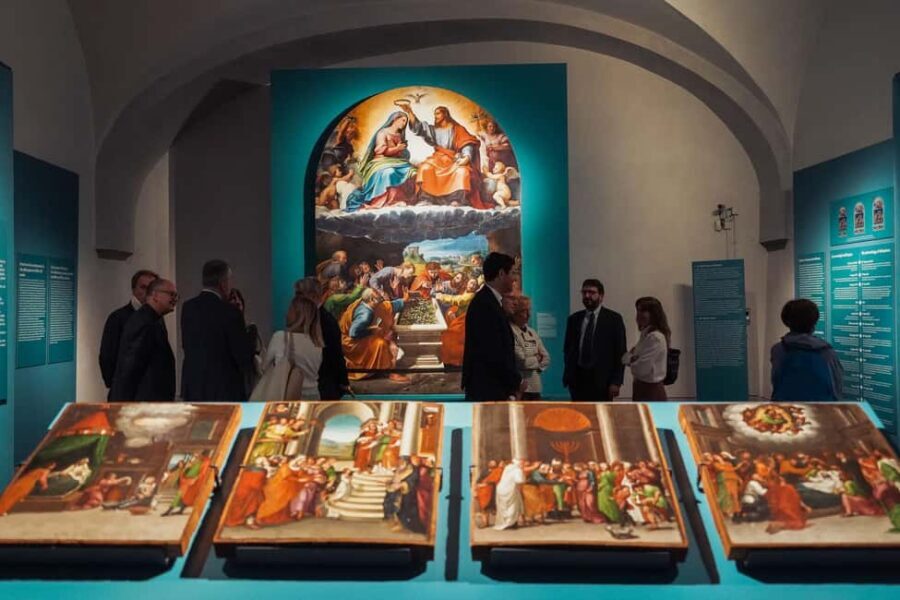
This ticket takes you to the Capitular Museum of Saint Lorenzo in Perugia, in the broader San Lorenzo Island monumental complex. You’ll enter through the cloister area dating to the 1700s—think stone, arches, and that cathedral-complex feel where everything is close together.
Your starting point is the ticket office of the Chapter Museum and the Perugia Underground, located inside the cloister. You access that cloister via the big portal in Piazza IV Novembre. If you’re arriving by foot, Piazza IV Novembre is one of the main “grab a landmark and orient” points in central Perugia, so you can work backward from there.
Also note one practical detail: this is an admission ticket for the museum itself. The meeting point is shared with the Perugia Underground area, but your ticket content is museum entry and a brochure, not a guided tour or guaranteed entry to other parts.
You can also read our reviews of more tours and experiences in Perugia
The value of an $9 ticket in Perugia (and what you get for it)
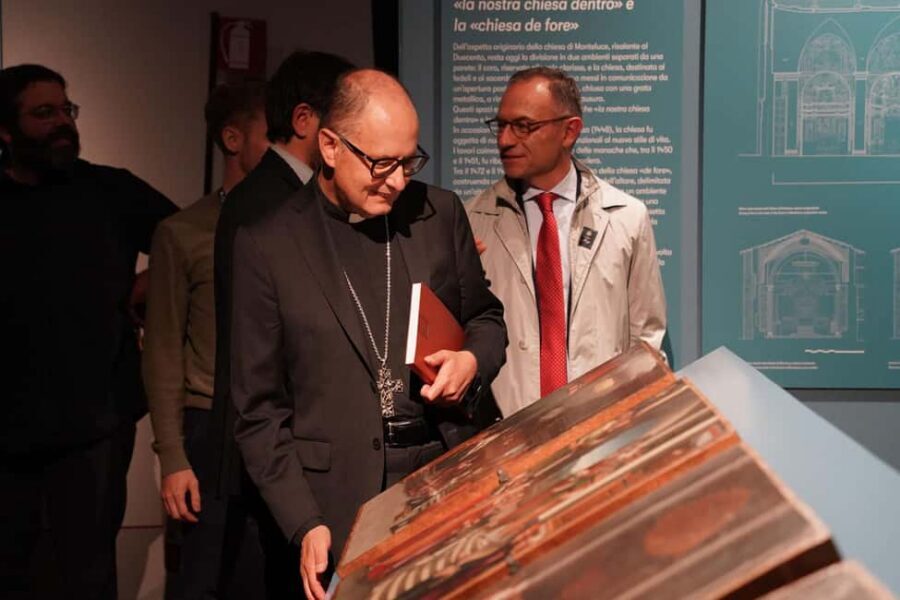
At around $9 per person, this is the kind of museum entry that fits into almost any day plan. The reason it feels good value isn’t only the price—it’s the structure of the visit. You get a self-guided route through eight rooms organized by subject, plus a museum brochure in Italian or English available at the entrance.
That matters because Perugia days can be a mix of climbs, long walks, and casual meals. A ticket like this gives you a calm, indoor cultural stop without forcing you to join a group tour. If you’re traveling with people who want art but have different pacing styles, self-guided is often the compromise that actually works.
One more value point: the museum’s identity is very clear. You’re not signing up for a generic “look at art” museum afternoon. The experience is built around how Perugia’s people and spirituality weave into the works on display—so even if you’re only there for an hour or two, you’ll feel like you learned something specific.
Your self-guided route: eight rooms that stay organized
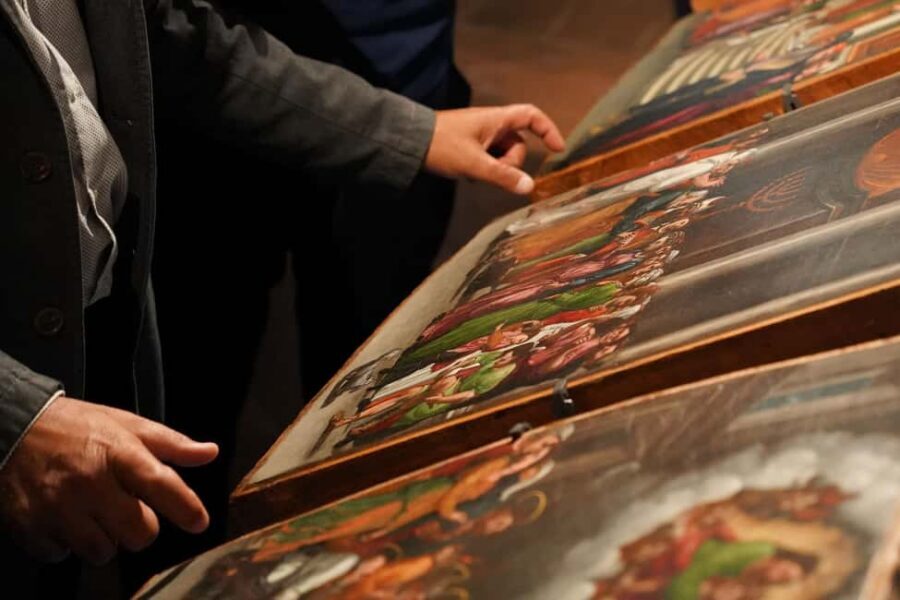
There’s no tour script you have to follow. Instead, you’ll move through eight rooms, grouped by topic. The museum is set up so the story flows in a way that’s easy to track: colors, sculpture, embroidery, and the way the town’s heritage and local spirituality connect to the art.
A helpful approach is to treat it like a sequence, not a race:
- Start with the room that feels most aligned with what you like (painting, sculpture, textiles).
- Then pivot to the room with a story centerpiece (the museum includes several notable narrative-driven objects).
- Finally, slow down for the Renaissance-scale pieces and manuscripts, where reading the description can add a lot.
Because it’s self-guided, your time depends on how closely you read. If you skim, you can likely do it in a short block. If you read carefully and pause for details in textiles and sculpture, plan closer to a longer visit. Either way, the key is to let the subject-based room layout do the heavy lifting.
Perugino, Signorelli, and Agostino di Duccio: why these names matter here
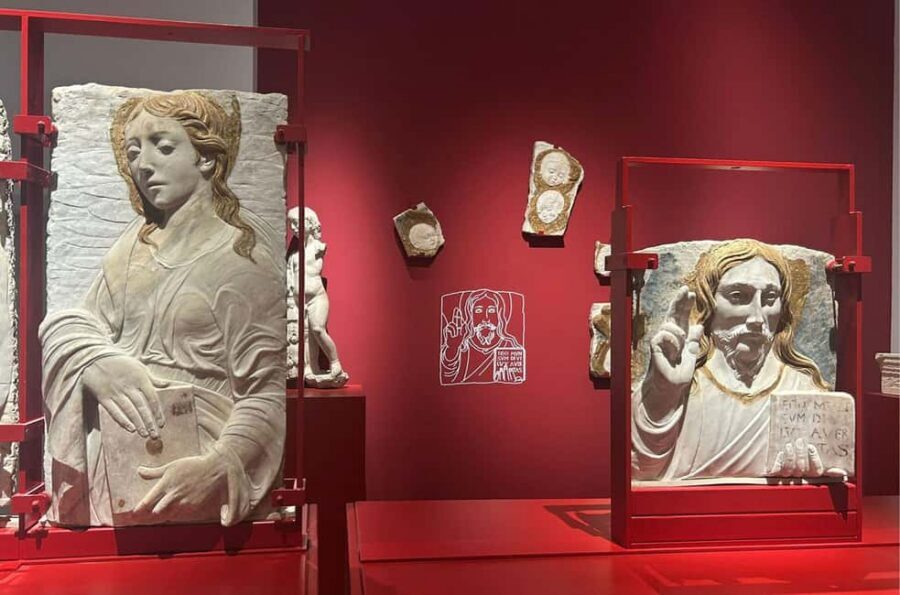
This museum highlights work by big Renaissance and Umbrian-adjacent figures, including Perugino, Signorelli, and Agostino di Duccio, among others. If you’ve seen other Italian galleries where artists are name-dropped but the display feels random, here the focus feels more intentional.
What you should look for:
- For Perugino: pay attention to how the museum frames religious themes. This museum’s story approach matters, because the art isn’t only aesthetic; it’s tied to belief and local identity.
- For Signorelli: the museum includes Luca Signorelli’s Renaissance masterpiece. If you like works where composition and confident Renaissance style take center stage, make this a “pause and really look” moment.
- For Agostino di Duccio: scan for sculpture details and decorative elements. Museums that mix sculpture and textiles can be harder to appreciate if you rush, so give this part a little extra time.
Even if you’re not an art-history enthusiast, having these anchor artists on site gives you a quick mental map. You can walk in and know you’ll hit recognizable names without needing a background lecture first.
The museum’s best storytelling objects: Mary’s wedding ring and more
One reason this admission ticket works well is that it’s not just a holding place for beautiful works. It’s a place where specific stories and artifacts get spotlight time.
The museum features the Holy Virgin Mary’s wedding ring, including what you might think of as the object’s “vicissitudes,” or the twists and turns connected to it over time. Even without getting lost in the details, the point is clear: this is sacred material treated as part of a larger narrative about faith and community memory.
You’ll also encounter the Acre manuscript, described as having a fascinating story. Manuscripts can feel intimidating because they’re small compared to paintings, but that’s exactly why they matter in a museum like this. When a museum gives a manuscript stage time, it’s telling you that the written record and the spiritual story around it are part of the art.
If you like museums that explain how objects gained meaning, not just how they were made, this is the section where you’ll likely slow down.



Cardinal Armellini’s clothes: the strange-but-human details
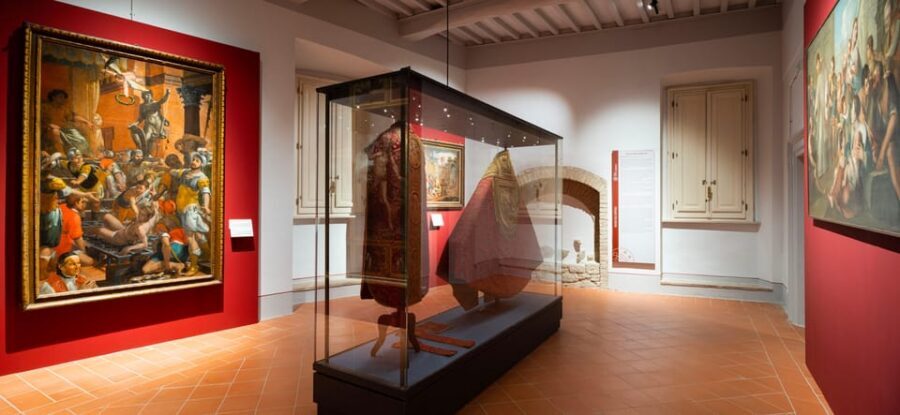
Not every museum focuses on clothing and everyday-like details inside religious art stories. Here, the museum includes the story of the clothes of Cardinal Armellini, described as unscrupulous.
That detail might sound like a plot point from a novel, but it’s actually useful for visitors. When a museum ties art to characters and human behavior—power, misuse, reputation—it makes the artwork feel less distant. You’re not only looking at religious symbolism; you’re also seeing how stories about people shaped what got remembered and preserved.
If you tend to learn faster from narrative hooks than from purely visual descriptions, let that be your guide. Look at those story-driven pieces and then circle back to the surrounding art to see how the museum builds its chain of meaning.
San Lorenzo Island: why the setting adds something (even on a short visit)
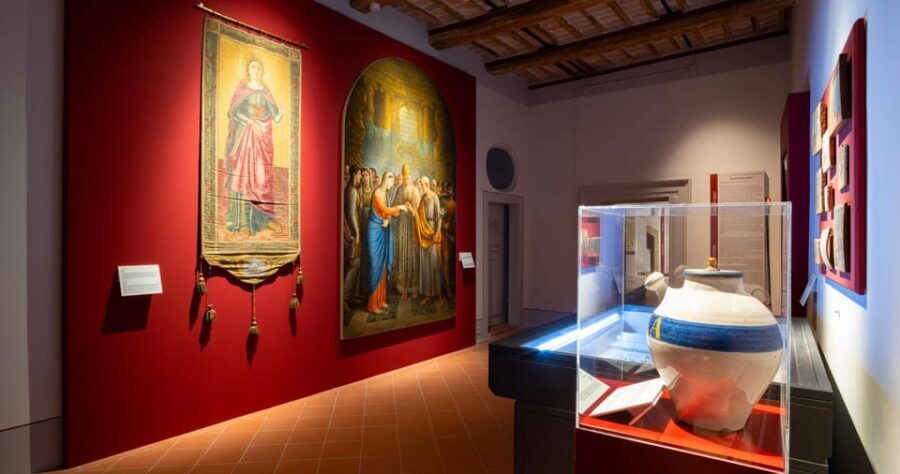
Even though your ticket is for the museum, the San Lorenzo Island complex context shapes the experience. The museum is housed in a splendid monumental complex that also includes the Perugia Underground and the Cathedral of San Lorenzo.
What does that mean for you, practically?
- Your museum visit starts in a cloister environment that feels connected to religious life, not isolated like some standalone museum buildings.
- You’re in a cathedral-area location with strong sense of place, so the museum’s focus on spirituality and local heritage doesn’t feel forced.
So even if you’re only spending a limited amount of time, the location helps you understand why the museum’s themes lean spiritual. It’s part of the same broader architectural and cultural ecosystem.
Museum rules that affect your day plan
This is easy to comply with, but it’s worth knowing upfront so you don’t lose time at the entrance.
Not allowed:
- Food and drinks
- Pets (assistance dogs are allowed)
- Flash photography
Also: animals are not allowed.
So if you’re going between meals, plan to eat elsewhere first. And if you like taking photos for memories, remember to avoid flash. Most phones will still take great pictures without it, so you’re not missing out—you’re just respecting the museum’s rules.
What the brochure is for (and how to use it)
Included with your ticket is an informational brochure in Italian or English available at the entrance. There’s also a host or greeter who speaks Italian and English.
Because there’s no guided tour, this brochure is your friend. Use it like this:
- Skim before you enter a new room, so you know what story thread you’re about to see.
- Then read again if you spot one of the named highlights: the ring, the manuscript, or the Renaissance centerpiece.
This turns the visit from “a nice museum” into “I learned specific things,” which is what you want from a low-cost, short-duration ticket.
Price check: why this ticket can beat bigger tours
A $9 ticket isn’t just cheap—it can be efficient. For many visitors, big tours cost a lot more because they bundle transportation, a guide, and sometimes a set route through multiple sites. Here, you pay for a museum experience that’s already built to tell a story in eight rooms.
If you want a no-stress cultural stop, this is the kind of ticket that can stretch a day:
- You can fit it around lunch or after a morning walk.
- You can stop for art you care about and skip what you don’t.
And since it’s self-guided, you’re not spending your time waiting for a group. In historic centers like Perugia, that freedom can matter more than people expect.
Who this museum entry ticket is best for
This one suits you if:
- You want self-guided art and story, without booking a timed guided tour.
- You like religious artifacts, Renaissance art, and narrative objects (not only paintings).
- You’re the type who enjoys reading labels and connecting details to the bigger theme.
It’s also a solid pick for couples and solo travelers who want a quieter indoor break. If your group includes one person who loves museums and another who gets bored quickly, the subject-based room layout helps. Everyone can find something to focus on—sculpture, textiles, major paintings, and manuscript stories.
Booking and timing basics (without the fuss)
Your ticket is valid for 1 day, and you’ll want to check availability to see starting times. So plan your visit window, arrive at the ticket office in the cloister, and then go at your own pace through the museum.
The experience ends back at the meeting point. That means you’re not dealing with a complicated transfer or a separate drop-off location. In practical terms: once you’re inside, you can spend your time on the art, not on figuring out what happens next.
Should you book the Capitular Museum of Saint Lorenzo ticket?
Book it if you want a focused Perugia museum stop that’s worth the walk and the price, with clear story themes and major Renaissance names. The setting in the San Lorenzo cloister complex adds meaning to the spirituality angle, and the eight-room layout keeps your visit organized.
Skip it or think twice if you strongly prefer guided interpretation. Without a guide, you’ll rely on the brochure and your own reading to get the full payoff from the artifact stories. If that’s your style—slow looking, reading, and connecting details—this ticket is a smart buy. If you need a live guide to make art click, you may feel that something is missing.
FAQ
What does the Capitular Museum of Saint Lorenzo entry ticket include?
The ticket includes entry to the Capitularies Museum of Saint Lorenzo and an informational brochure in Italian or English available at the entrance.
Is this ticket for a guided tour?
No. This is a self-guided visit. A guided tour is not included.
Where is the meeting point?
The meeting point is the ticket office of the Chapter Museum and the Perugia Underground, inside the cloister of the cathedral. You can access it through the big portal in Piazza IV Novembre.
How long is the ticket valid?
The ticket is valid for 1 day. Starting times depend on availability, so you should check what’s offered.
What languages are available for the brochure and staff?
The informational brochure is available in Italian or English, and the host or greeter speaks Italian and English.
Is the museum wheelchair accessible?
Yes, the museum is wheelchair accessible.
Are flash photos allowed?
No, flash photography is not allowed.
Are food, drinks, or pets allowed?
Food and drinks are not allowed, and pets are not allowed (assistance dogs are allowed).
Is free cancellation available?
Yes. Free cancellation is available up to 24 hours in advance for a full refund.