REVIEW · PERUGIA
Perugia: City Private Walking Tour and food tasting
Book on GetYourGuide →Operated by BOLOGNA TOUR & BEST ITALY TOUR · Bookable on GetYourGuide
Perugia turns your walking path into a history lesson. This private tour is built around the dramatic Rocca Paolina and the Etruscan-era fortifications, then it flows through the medieval core so you’re not just seeing famous spots, you’re learning how the city actually grew. I especially like how the route includes big-ticket landmarks like Palazzo dei Priori and La Fontana Maggiore, but also keeps your eyes open for the smaller clues in the streets. And I love the Corso Vannucci stroll, because it’s a straight shot into Perugia’s public life—architecture, power, and everyday movement.
One thing to plan for: this is a 2.5-hour walking experience, and it’s not suitable for people with mobility impairments. Comfortable shoes are a must, and the terrain and steps mean you’ll want to keep a steady pace.
In This Review
- Key highlights at a glance
- Perugia in 2.5 Hours: how the private pace helps
- Where you meet: Italia Square and a fast start
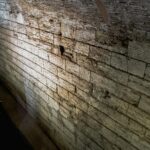
- Rocca Paolina and the Etruscan fortifications: Perugia’s defense story
- Corso Vannucci: the civic spine of town
- Palazzo dei Priori and La Fontana Maggiore: more than a photo break
- Hall of the Notaries and the Cathedral with the Holy Ring
- Alleys, curiosities, and the Etruscan-to-medieval bridge
- Porta Marzia, the Etruscan Arch, and the ancient aqueduct
- How Perugia’s jazz and chocolate festivals shape the mood
- The end stop: food tasting of local products and specialties
- Who this private walking tour is best for
- Tips to get the most out of the 2.5-hour route
- Should you book this Perugia private walking tour?
- FAQ
- FAQ
- Where is the meeting point for the tour?
- How long is the Perugia private walking tour?
- Is this tour private or group-based?
- What languages are available for the guide?
- What are the main sights on the tour?
- Do we get any food during the tour?
- What should I bring?
- Is the tour suitable for people with mobility impairments?
- What’s the cancellation policy?
- Can I reserve without paying right away?
Key highlights at a glance
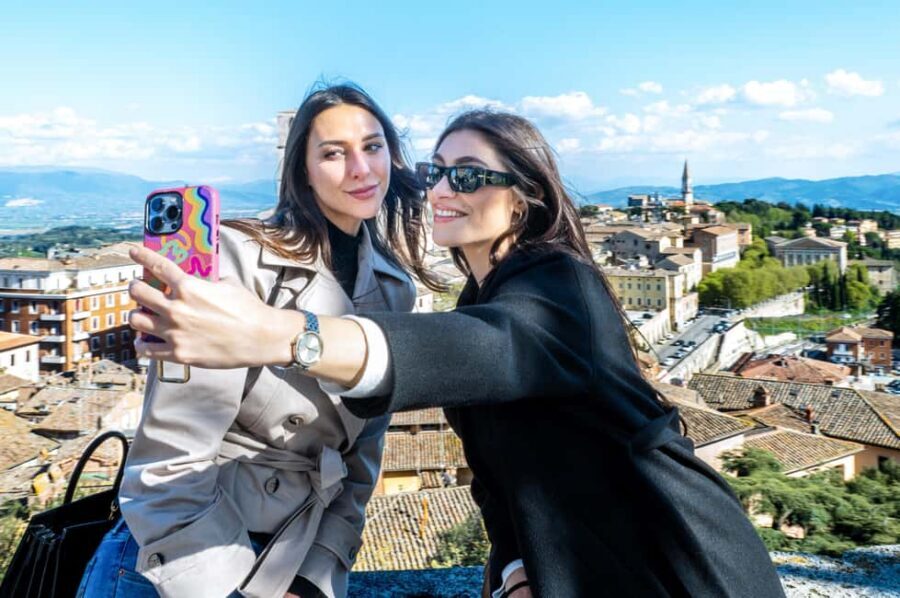
- Rocca Paolina views: See why this fortress became such a signature part of Perugia.
- Etruscan layers: Porta Marzia, the Etruscan Arch, and ancient aqueduct details help you connect the dots.
- Corso Vannucci promenade: A guided walk that links major civic sights with city atmosphere.
- Power meets art: Palazzo dei Priori, La Fontana Maggiore, and the Hall of the Notaries are more than photo stops.
- Cathedral moment with the Holy Ring: A slower, specific stop for a standout Perugia tradition.
- End with a tasting: You finish with local products and specialties to round out the experience.
Perugia in 2.5 Hours: how the private pace helps

A short tour works best when it’s focused, and this one is. You get a private guide, so you can move at a comfortable speed instead of being pushed along with a crowd. The payoff is that you get context while you’re still in the right spots—so the history doesn’t feel like a lecture that ends somewhere else.
Perugia is the kind of town where you can spend a day just wandering, but you can also waste hours guessing what you’re looking at. Here, you get a guided route that connects the dots: Etruscan defenses, medieval power, religious tradition, and the city’s modern cultural life—especially its annual jazz and chocolate festivals.
And yes, you’ll do a lot of walking. The upside is that the walking is the point. On foot, you get the “why” behind the sights: streets that funnel movement, corners that frame monuments, and changes in elevation that explain how Perugia handled defense and daily life.
You can also read our reviews of more walking tours in Perugia

Where you meet: Italia Square and a fast start
You’ll meet at Italia Square, right in front of the statue of Vittorio Emanuele II in Perugia. That matters because it’s a clear landmark point in the center area, and it helps you avoid the common stress of finding a tiny meeting spot.
When I’m picking a walking tour, I look for two things at the start: a guide who can get you moving quickly and a route that doesn’t waste time. This activity’s structure is set up for momentum—you start outdoors, then the tour begins linking the city’s layers right away.
Tip for day-of: wear shoes you can trust on old stone. The tour is timeboxed (2.5 hours), so you’ll want your feet ready for the pace.
Rocca Paolina and the Etruscan fortifications: Perugia’s defense story
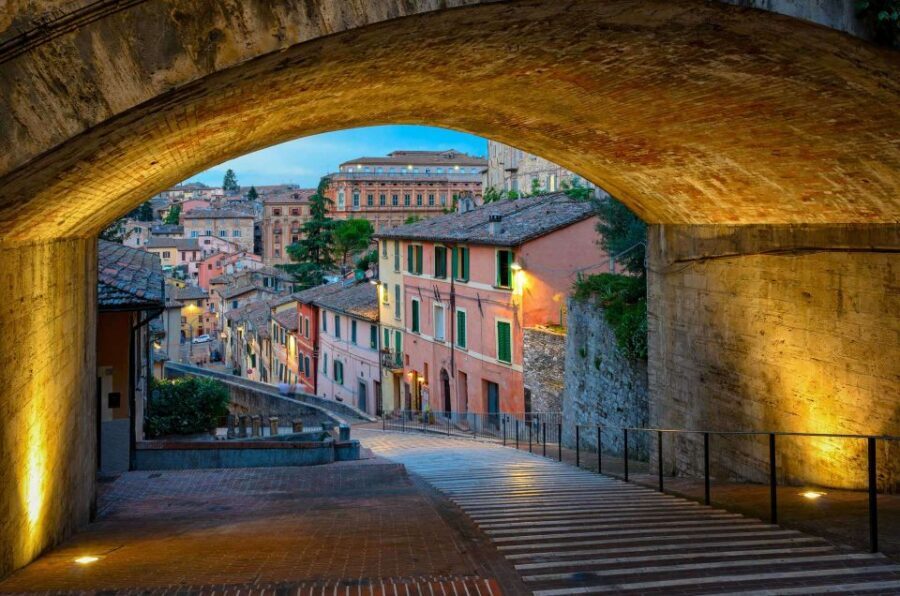
The tour’s opening sets the tone. You’ll see the Rocca Paolina, described as majestic, and you’ll also learn about the Etruscan-era fortifications. This is where Perugia stops being a “pretty hill town” and becomes a place with a real strategy.
Rocca Paolina is the kind of monument that makes you look twice, because you can sense its purpose even before you learn the details. A private guide helps here. Instead of just pointing at walls, they can explain how fortifications affect everything you see later—where gates go, why streets bend, and how the city’s layout makes sense.
This section is also where the guide’s preparation shows. One review praises the guide for being highly prepared and for showing the city beyond the obvious. In practical terms, that means you’re more likely to get the little “curiosity” facts that make a fortress feel human rather than just dramatic.
Corso Vannucci: the civic spine of town
After the fortress area, you’ll stroll along Corso Vannucci, one of Perugia’s key streets. This part works because it’s a long, readable line through the city. You can see how the main artery connects major sights without it turning into a chaotic sprint.
Along the way, you’ll admire Palazzo dei Priori and La Fontana Maggiore. These aren’t random stops. They sit in the civic heart of the city—places tied to governance, public life, and the way Perugia presented itself.
What I like about this segment is how it balances art and function. You look at buildings and details, but the guide ties them to everyday history: who would gather here, why the design matters, and how Perugia used architecture to project identity.
If you like tours that teach you how to “read” a city instead of just collecting landmarks, this is one of the strongest stretches.
Palazzo dei Priori and La Fontana Maggiore: more than a photo break
Palazzo dei Priori is the kind of building you can appreciate even from a few angles. Up close, you start noticing the craftsmanship and the presence it gives the street. With a guide, it becomes easier to understand why such a place would anchor power in the city center.
Then you get La Fontana Maggiore, a standout fountain tied to the city’s artistic tradition. A fountain sounds simple, but it’s actually a good stop for slowing down. You’re looking at iconography and style, and you’ll get help understanding why this fountain became such a recognizable Perugia symbol.
A private guide can also do something group tours often can’t: linger without guilt. You’re not competing with the next camera cluster. If you want to zoom in on details, this setup makes it easier.
You can also read our reviews of more food & drink experiences in Perugia



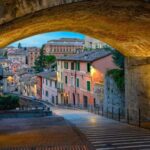

Hall of the Notaries and the Cathedral with the Holy Ring
Two stops here help you understand different sides of Perugia: the administrative world and the spiritual world.
The Hall of the Notaries is specifically called out in the highlights. That’s your clue that this isn’t a tour that only focuses on scenic views. You’re being shown spaces tied to records, agreements, and the legal machinery of city life. It’s a reminder that culture isn’t only painted on walls—it’s also written into institutions.
Next comes the Cathedral and its Holy Ring. This is a memorable kind of stop because it’s specific. Instead of “look at a cathedral,” you’re guided toward one particular element that defines a Perugia tradition. A guide’s job is to connect that detail to local meaning, so you leave understanding what makes the Holy Ring important to the city.
If you tend to skip interiors because you’re short on time, don’t. This is one of the best ways to use a 2.5-hour tour: you get a focused interior moment where context matters.
Alleys, curiosities, and the Etruscan-to-medieval bridge
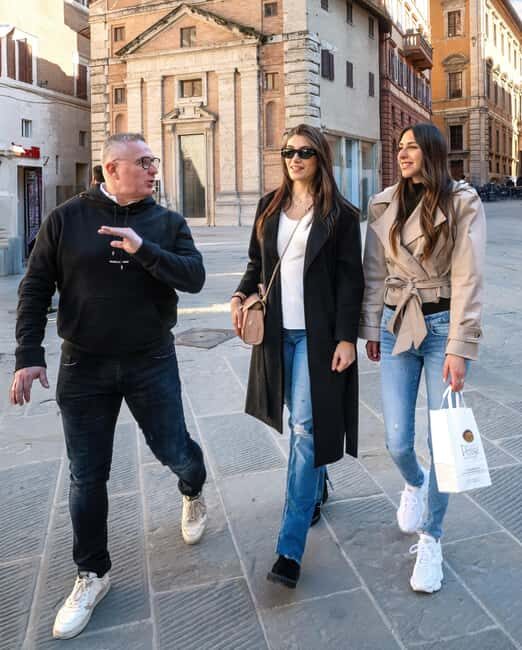
Perugia’s charm shows up in the in-between parts: the alleys full of history. Here’s where the guide’s storytelling matters. The tour includes anecdotes and curiosities about the Etruscan and medieval city, so the route doesn’t feel like disconnected bullet points.
I like this kind of guided walking because it trains your attention. You start noticing how streets align, where you’d expect passageways, and how the city’s age shows up in small architectural choices. Even if you’ve seen other Italian hill towns before, Perugia’s layering feels distinct.
Based on feedback, the guide doesn’t just lead you down the easiest path. One review in particular praises the guide for revealing places less known but still interesting. That’s exactly what you want if you’re trying to get more out of a short visit.
Porta Marzia, the Etruscan Arch, and the ancient aqueduct
This is one of the more “geeky-cool” parts, in the best way. You’ll see Porta Marzia, the Etruscan Arch, and an ancient aqueduct. These are not the kind of sights people stumble into on accident. A guided route helps you reach them in the right order, so each one reinforces the last.
Porta Marzia and the Etruscan Arch help explain how Perugia managed movement and identity at key entry points. Then the aqueduct shifts your perspective. Suddenly you’re thinking about infrastructure—how the city brought in water and supported daily life. That’s a different kind of history, one that’s practical and easy to connect to what you feel as you walk.
This segment also helps you appreciate the fortifications you saw at the start. You’re not starting over. You’re building a full picture: defense plus daily function.
How Perugia’s jazz and chocolate festivals shape the mood
Even when you’re looking at stone and arches, Perugia has a living cultural side. Your guide will cover the annual jazz and chocolate festivals, including references to the Umbria Jazz event.
This matters because it changes how you experience the city. If you know what Perugia celebrates, you’re more likely to notice why certain streets and public spaces feel like places made for gatherings—whether it’s music, food, or community events.
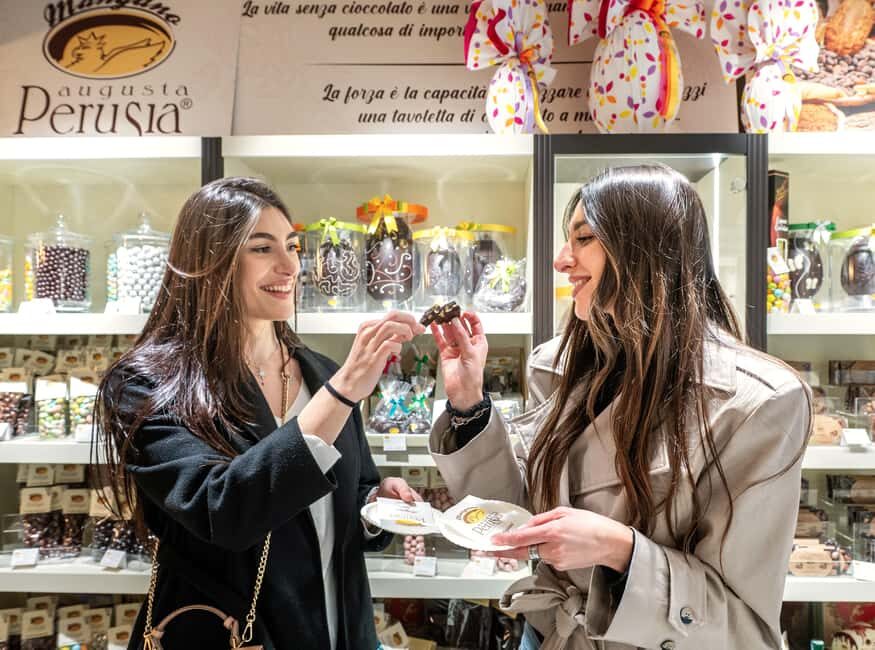
Chocolate is also part of the identity here. Perugia is home to Perugina, a well-known chocolate factory, and that background helps you understand why chocolate shows up as more than a souvenir. It’s local culture.
You might not be visiting a factory on this specific tour, but you’ll still get the cultural framing. And that makes the food tasting at the end feel more connected, not random.
The end stop: food tasting of local products and specialties
You’ll finish with a tasting of local products to conclude the tour. The specific items aren’t listed in the information you provided, so I’ll keep it practical: expect a small sampling designed to introduce you to Perugia’s flavors without turning the tour into a long meal.
Food tasting works best at the end because you’re already warmed up emotionally. You’ve seen the city’s heritage and traditions. Now you get to taste the present-day version of that identity.
One more tip: if you’re sensitive to being too full before dinner, go easy on lunch beforehand. The tasting is part of the 2.5-hour plan, and you’ll want room for your next bite later.
Who this private walking tour is best for
This tour is a great fit if you want a high signal-to-noise experience. You’re looking at major sights, but you’re also getting guided explanations that help you understand what you’re seeing. The private format also makes it easier to ask questions or adjust your walking pace.
It’s especially well-suited for:
- People who love architecture and want meaning behind details
- Travelers who enjoy a guide who shares anecdotes and curiosities instead of generic narration
- Short-stay visitors who still want the “big picture” of Perugia
It’s not a great fit if mobility is an issue, since it’s a walking-based tour and the information clearly says it’s not suitable for people with mobility impairments.
Tips to get the most out of the 2.5-hour route
- Bring comfortable shoes. You’ll be on foot for the full time.
- Wear layers if weather shifts during the day. Stone streets can feel cooler in shade.
- If you’re a museum-phobic traveler, don’t panic. This is a mix of streets, monuments, and specific indoor-style stops like the Hall of the Notaries.
- Treat the Holy Ring stop as your “slow moment.” It’s the kind of detail you’ll remember later.
- If festivals are happening during your visit, ask your guide what’s relevant that week. The jazz and chocolate angle is built into the tour’s story.
Should you book this Perugia private walking tour?
I’d book it if you want a guided walk that actually teaches you how Perugia fits together—Etruscan fortifications, civic power spots, religious tradition, and the city’s jazz-and-chocolate identity—without turning it into a rushed checklist. The reviews also point strongly to guide quality: being prepared, showing the city in its breadth, and including spots that aren’t always top-of-the-line for casual visitors.
Skip it if you need step-free access, or if you’d rather explore purely on your own with no structured context. This tour is built for walking and explanation.
FAQ
FAQ
Where is the meeting point for the tour?
You’ll meet at Italia Square in front of the statue of Vittorio Emanuele II in Perugia (meeting point at the coordinates 43.10878372192383, 12.38829517364502).
How long is the Perugia private walking tour?
The tour lasts 2.5 hours.
Is this tour private or group-based?
It’s a private group experience, with a live guide.
What languages are available for the guide?
The live tour guide is available in English, Spanish, and Italian.
What are the main sights on the tour?
You’ll visit and learn about Rocca Paolina and Etruscan-era fortifications, plus highlights like Palazzo dei Priori, La Fontana Maggiore, the Hall of the Notaries, the Cathedral with the Holy Ring, Porta Marzia, the Etruscan Arch, and an ancient aqueduct.
Do we get any food during the tour?
Yes. At the end, you’ll be offered a tasting of local products and specialties.
What should I bring?
You should wear comfortable shoes for walking.
Is the tour suitable for people with mobility impairments?
No. The tour is not suitable for people with mobility impairments.
What’s the cancellation policy?
You can cancel up to 24 hours in advance for a full refund.
Can I reserve without paying right away?
Yes. It offers a reserve now & pay later option, so you can book your spot and pay nothing today.