REVIEW · PERUGIA
Perugia: Cooking Class at a Local’s Home
Book on GetYourGuide →Operated by Cesarine · Bookable on GetYourGuide
Three recipes, one kitchen, and real Umbria.
I love the fact that this Perugia cooking class happens in a local family home with a certified home cook, so you’re learning food in the way it’s really made and served. The lesson focuses on three authentic regional dishes, and the payoff is that you sit down and taste what you cook.
I also like the dining part is not an afterthought. You’ll eat everything you prepare with a selection of local red and white wines, plus water and coffee, turning the 3 hours into a full experience rather than just a demo.
One possible drawback is simple: it’s a private home, so you won’t get the full address up front. After booking, the host contacts you with the meeting instructions, and you’ll want to follow them closely so you arrive on time.
In This Review
- Key highlights I’d mark for your planning
- Why a cooking class in a Perugia home feels different
- Your 3-hour flow: how the class typically plays out
- What you’ll actually learn from the cook’s “tricks”
- The tasting table: why wine inclusion changes the experience
- Practical logistics that can make or break a home-class day
- Address and meeting instructions
- Dietary requirements
- Class minimum
- Duration and start times
- Price and value: what $164.26 buys you in Umbria
- Who this Perugia home cooking class is perfect for
- Final call: should you book this cooking class in Perugia?
- FAQ
- How long is the Perugia cooking class?
- What’s included in the experience?
- Do I need to tell you about dietary requirements?
- Where do I meet the host?
- What languages are used during the class?
- What about cancellation and paying later?
Key highlights I’d mark for your planning
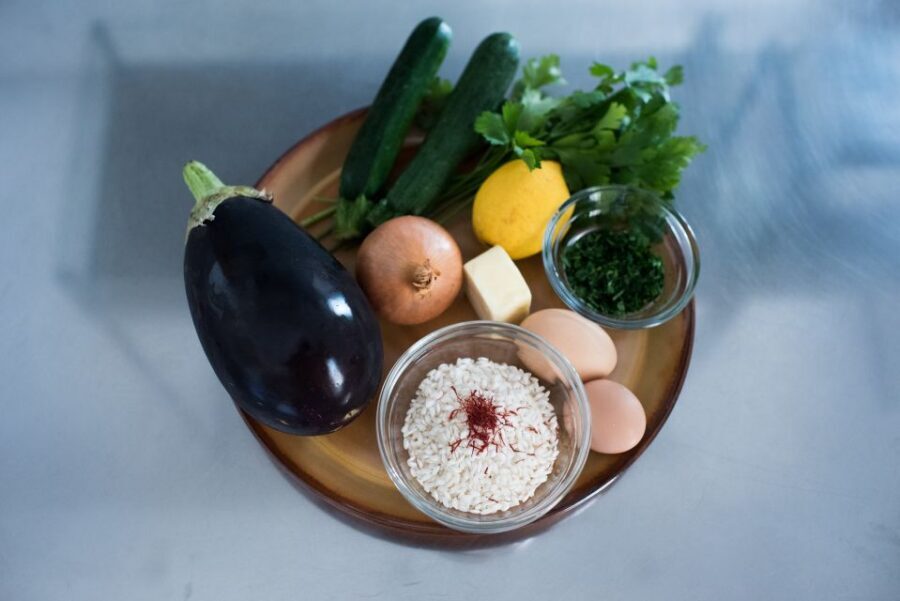
- Three local recipes taught by a certified home cook, with tricks for the dishes you actually want to recreate.
- Cook, then taste at the table, so the class ends with a proper meal you helped make.
- Wine included with both red and white options, plus water and coffee.
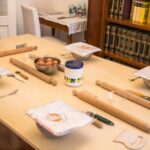
- You cook in a real home kitchen, with utensils and ingredients set up for your workstation.
- English or Italian instruction, useful if you want clarity on technique and timing.
- Dietary needs are handled if you tell them in advance, so you’re not left guessing.
Why a cooking class in a Perugia home feels different
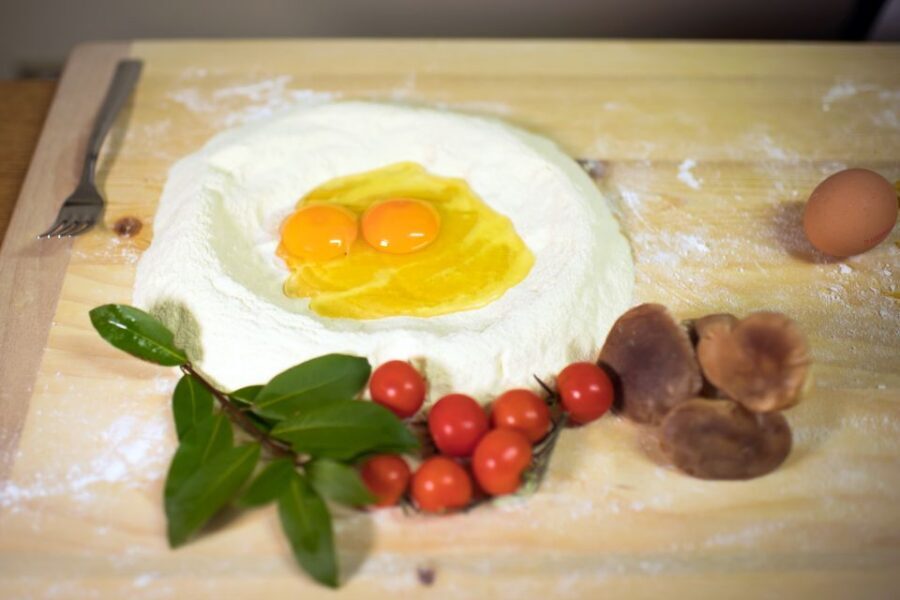
There’s cooking instruction, and then there’s cooking instruction that feels like you stepped into daily life. This class is built for the second one. Instead of learning in a commercial space, you learn in a local family home, which changes the whole vibe: the pace feels human, the tools feel familiar, and the table becomes the center of the evening.
I like experiences like this because they teach skills you can use later, not just names you can repeat. You’re shown three authentic recipes from the region, and the cook shares the practical know-how behind them. That matters in Umbria, where small method differences can make a big change in texture, sauce thickness, and seasoning.
Also, the structure is friendly. You’ll have your own workstation with utensils and ingredients, so you’re not just hovering. You’re actually making food, which is the fastest path to learning.
The other big reason this is worth your attention is the ending. You don’t just taste a small bite and leave. You taste everything you prepare at the table, with local wine and coffee in the mix. It’s a class plus a meal, and that combination is where you get real value.
You can also read our reviews of more cooking classes in Perugia
Your 3-hour flow: how the class typically plays out
The duration is listed as 3 hours, with starting times usually at 10:00 AM or 5:00 PM. If you advise in advance, the timing can be flexible based on your needs, which is useful if your day in Perugia is already packed.
Here’s how you can expect the time to move, based on how the experience is described:
1) Arrival at a local home and quick setup
You’ll meet your host at the designated meeting point. For privacy, the full address is shared only after booking, and the local partner contacts you with instructions. Once you’re there, you’ll get oriented to the kitchen and your workstation.
The key practical point: you can’t assume standard street-level meeting logistics. Treat the host’s message as your source of truth. If you’re even a few minutes late, the kitchen can be busy and the group may already be cooking.
2) Cooking three authentic regional recipes
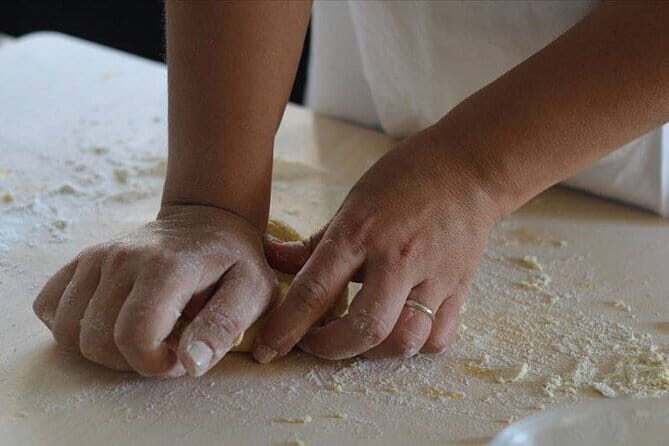
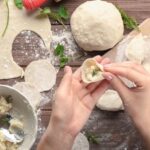
During the lesson, the cook will reveal the tricks of the trade for three local recipes. You’ll prepare them using ingredients provided and utensils set up at your station.
The advantage of this format is that you learn multiple dishes instead of just one “signature” plate. And because the cook is teaching as they go, you get to connect technique with results: what changes when you adjust timing, how to know when something is ready, and what seasoning decisions matter most for these Umbrian-style dishes.
A small consideration: three recipes in 3 hours means you’ll likely cover each one efficiently. You won’t have time to wander off or take unlimited photos while everything is cooking. Plan to watch, participate, and focus on the steps rather than perfect plating.
3) Sit down to taste everything you made
After cooking, you’ll taste the results around the table. The beverages included include water, wine, and coffee, and the wine is described as a selection of red and white local wines.
This is where the “home” part really matters. You get the rhythm of a meal, not just the curiosity of tasting. You’ll learn what you made and how it should taste when served, which is the moment most people remember.
4) Wrap-up and heading back
The activity ends back at the meeting point. That means you can plan the rest of your day around a clear return, without needing to factor in travel to another stop.
What you’ll actually learn from the cook’s “tricks”

The experience focuses on three authentic local recipes, and the cook shares the trade secrets behind them. Since specific recipe names aren’t provided here, you should think of this as training in Umbrian technique more than chasing a single dish.
That’s a good thing. When you learn how a recipe is built, you can adapt later. And for most home cooks, that’s more useful than collecting one-off instructions.
Here are the kinds of “tricks” this format usually includes, and how you’ll feel the difference:
- Timing cues: When to start the next step, based on what the food looks and smells like, not just the clock.
- Texture targets: How to judge thickness and doneness in the moment, which you can’t fully capture in a photo.
- Seasoning judgment: What to taste for as the flavors develop, especially when wine or herbs are part of the profile.
- Order of operations: Why one step needs to happen first so the next dish benefits.
You’ll also get the fun part: it’s described as learning from family cookbooks, which signals that this isn’t just a professional show. You’re picking up approaches that have lived in families, not only on paper.
If you like hands-on cooking and you want to return home with confidence—not just recipes—this is the kind of class that fits.
The tasting table: why wine inclusion changes the experience
Food classes can fall into two modes: cook a little, taste a little, then go. This one is different. You taste everything you prepared, paired with wine.
The beverage setup is clearly included:
- local wines (a selection of red and white)
- water
- coffee
This matters for two reasons. First, it helps you understand what the dishes are meant to taste like. Second, it makes the end of the class feel like a real meal. In Italy, that is the point. You don’t separate cooking from eating; you learn by doing both.
A practical tip: go in with a relaxed mindset. The wine is included, so pace yourself and enjoy the conversation at the table. If you’re planning to continue exploring right after, you might want to plan for a slower afternoon or an easy evening route back to your lodging.
Practical logistics that can make or break a home-class day
This class is run through Cesarine, and it’s taught by an instructor who works in English and Italian. That bilingual setup is important if you want more than basic instructions. You can ask questions, and you’re less likely to miss key technique points.
Here are the practical details you should plan around:
You can also read our reviews of more tours and experiences in Perugia

Address and meeting instructions
Because it’s in a local family’s home, the full address is confirmed after booking. The local partner then contacts you with instructions for the meeting point.
How to handle this: wait for the host’s message, save it, and arrive with a little buffer time. Don’t rely on memory or Google Maps guesses based on a nearby landmark, since the exact door matters.
Dietary requirements
You must advise the organizers of any dietary requirements so they can cater for you. That means if you have allergies, preferences, or restrictions, you should send details early.
This is one area where your preparation helps your comfort. If you wait until the last minute, you risk a situation where the kitchen might not be able to adjust.
Class minimum
The class requires a minimum of two people. If you’re traveling solo, you’ll want to check availability for your preferred time.
Duration and start times
Starting times are usually 10:00 AM or 5:00 PM. If you advise in advance, the start time can be flexible based on your requirements. If your schedule is tight, send your needs early.
Price and value: what $164.26 buys you in Umbria
At $164.26 per person, this class sits in the “worth it if you’ll use it” category. The price is not just for cooking instruction. It includes:
- the cooking class
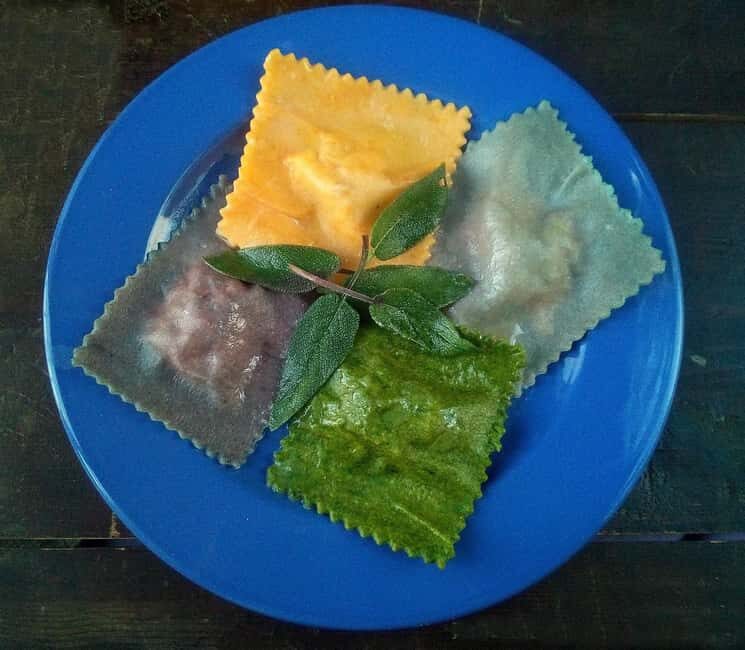
- tasting of three local dishes
- beverages: water, wine, and coffee
- local taxes
That combination changes the math. Many cooking experiences charge similarly but deliver only partial tasting or limited beverage. Here, you’re clearly fed what you make, with wine included, and that’s part of the value.
Also, you’re paying for something intangible but real: access to a private home kitchen and a cook who teaches the “why” behind recipes. You leave with skills you can repeat. That’s harder to price than a meal at a restaurant, but it’s also what makes the experience useful later.
The best way to judge value: think about how much you’d pay for (1) a guided class for three dishes plus (2) a meal with wine and coffee. Then ask yourself if you’d trade that for a simple dinner. For many people, the answer is yes because the class gives you a story plus technique.
Who this Perugia home cooking class is perfect for
This is a great fit if you want a cooking class that feels personal, not staged.
You’ll probably enjoy it if:
- you like hands-on classes where you cook alongside the host
- you want three recipes from Umbria, not just one
- you want to eat what you make at an actual table
- you’re comfortable following a cook’s pace and focusing on technique
- you value wine-included meals as part of the experience
It might be less ideal if:
- you need a very rigid schedule with no flexibility (the exact address and timing details come from the host)
- you want a purely observational experience with minimal participation
- you have dietary requirements and haven’t communicated them in advance
For couples, friends, or small groups, this setup also feels natural. You’re in a home kitchen, sharing the meal, and the group format supports conversation.
Final call: should you book this cooking class in Perugia?
I’d book it if you want a real Umbrian cooking lesson with a full table meal attached. The value is strongest in the combination: three dishes, wine included, and cooking in a local home. It’s not just about eating; it’s about learning the method you can repeat later.
If you’re cautious about logistics, don’t skip it—just plan for the address details to come from the host. And if you have dietary needs, send them early so the kitchen can adjust.
If that sounds like your kind of day, this is the kind of class that leaves you with more than photos. It leaves you with kitchen confidence.
FAQ
How long is the Perugia cooking class?
The class lasts 3 hours.
What’s included in the experience?
You get the cooking class, tasting of three local dishes, beverages (water, wine, and coffee), and local taxes.
Do I need to tell you about dietary requirements?
Yes. You must advise the organizers of any dietary requirements so they can cater for you.
Where do I meet the host?
The experience takes place in a local family’s home. For privacy, you receive the full address after booking, and the host contacts you with meeting instructions.
What languages are used during the class?
The instructor can teach in English and Italian.
What about cancellation and paying later?
You can cancel up to 24 hours in advance for a full refund. You can also reserve now and pay later, meaning you don’t have to pay today.