REVIEW · PISA
Pisa: Sightseeing Walking Tour
Book on GetYourGuide →Operated by Florence Tours by Made of Tuscany · Bookable on GetYourGuide
The Leaning Tower is just the start. This 2-hour guided walk gives you smart context for Pisa’s most famous sights, plus a few quieter corners that make the city feel real. You get the big postcard moments, then the details that explain why Pisa looks the way it does.
I especially like how the tour is paced like a story—from Piazza dei Miracoli to the river. I also love that the guide helps you connect Pisa’s Romanesque architecture with what you see up close, including the Baptistery’s Romanesque-and-Gothic mix. One watch-out: it’s still a walking tour, so if you’re dealing with mobility limits or just hate pavement, you’ll want to plan for steady steps over two hours.
In This Review
- Key things I’d mark on your mental map
- Why this Leaning Tower walk works better than a quick photo stop
- Starting at Porta Santa Maria: a good first “handrail” to the city
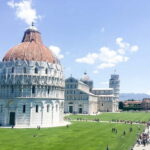
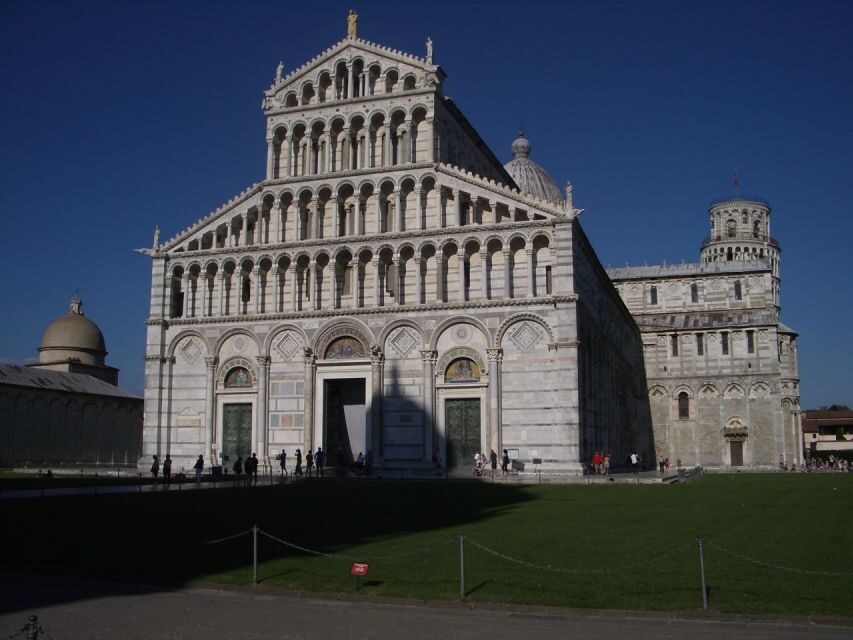
- Piazza dei Miracoli: Cathedral, Baptistery, cemetery, and the Leaning Tower in one sweep
- The Romanesque story: what you learn about Pisa’s architecture while you walk
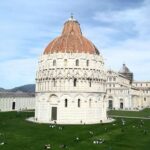
- Baptistery of St. John: Romanesque meets Gothic
- Botanical Gardens: medicinal herbs and rare plant collections
- Piazza dei Cavalieri and Palazzo della Carovana: civic power in stone
- Piazza delle Vettovaglie: where you can actually eat during the walk
- Palazzo Blu on the Arno: a finishing point with a sense of Pisa beyond the tower
- Lungarno Mediceo: ending with the right kind of aftertaste
- Price and value: is $209.58 per person actually fair?
- Who this tour is best for (and who might want something else)
- Should you book Pisa: Sightseeing Walking Tour?
- FAQ
- How long is the Pisa sightseeing walking tour?
- Where does the tour start?
- What are the main stops on the route?
- Is the tour private?
- What languages are offered by the guide?
- Is this tour wheelchair accessible?
- What’s included in the price?
- Can I cancel for a refund?
Key things I’d mark on your mental map
- Square of Miracles first: you start where the Cathedral, Baptistery, cemetery, and Leaning Tower all work together visually
- Architecture that you can actually see: Romanesque period details, plus Romanesque-and-Gothic at St. John’s Baptistery
- Botanical Gardens stop with real plant variety: medicinal herbs and plants in collections that include species no longer found elsewhere
- Piazza dei Cavalieri + adjacent squares: you’ll pause at major civic spaces that feel different from the tourist core
- A practical shopping-street moment in Piazza delle Vettovaglie: time to grab a bite and drink on the walk
- Palazzo Blu by the Arno: you finish with a strong sense of Pisa beyond the tower view
Why this Leaning Tower walk works better than a quick photo stop
Sure, Pisa is famous for one tilted tower. But the best part of this tour is that you don’t treat the tower like a single stop. You see how Pisa’s power, religion, and civic life shaped the city blocks you walk through.
The route is built around short, meaningful pauses. You’ll look at major monuments, then keep moving into the streets and squares that connect them. That matters because Pisa can feel visually confusing if you’re only chasing one landmark at a time. With a guide, you get the order right, so you leave with a mental map that makes sense.
Also, it’s private. That’s not just a luxury. It helps the guide tailor the pace and explanations so you can actually follow the architecture and the small urban changes between squares and streets.
You can also read our reviews of more walking tours in Pisa
Starting at Porta Santa Maria: a good first “handrail” to the city
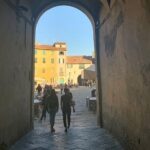
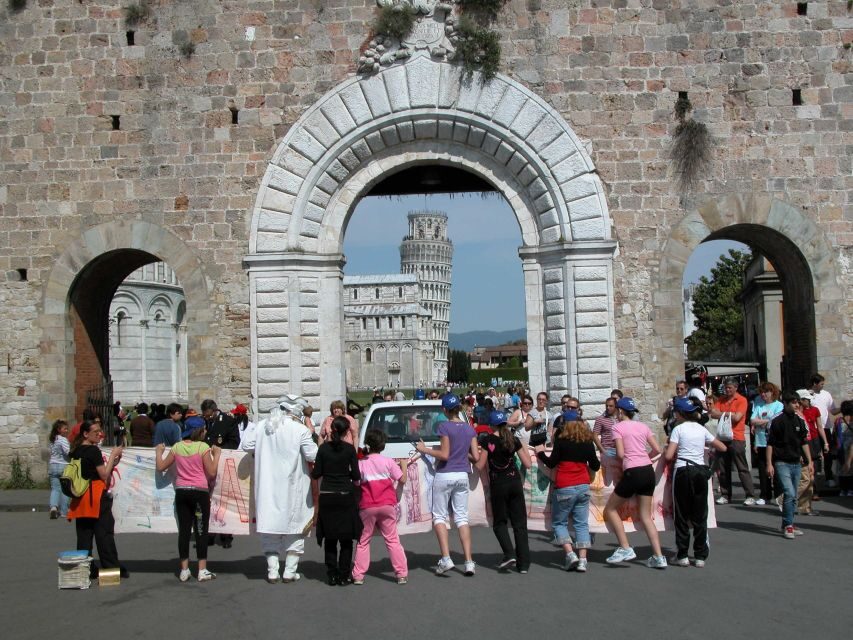
You meet at Porta Santa Maria Pisa, at Piazza Daniele Manin (56126 Pisa PI, Italy). From there, the tour doesn’t waste time. You’re immediately oriented toward the center, and the guide sets the visual and historical context so the walk feels intentional rather than random.
This meeting point is helpful because it’s close to the urban flow that leads you into the main sightseeing area. You’re not stumbling around trying to find your bearings before you start getting the payoff.
You’ll also appreciate that the tour ends back at the meeting point. That keeps the schedule clean, and it makes it easier to plan lunch afterward—especially if you’re doing Pisa as part of a longer Tuscany trip.
Piazza dei Miracoli: Cathedral, Baptistery, cemetery, and the Leaning Tower in one sweep
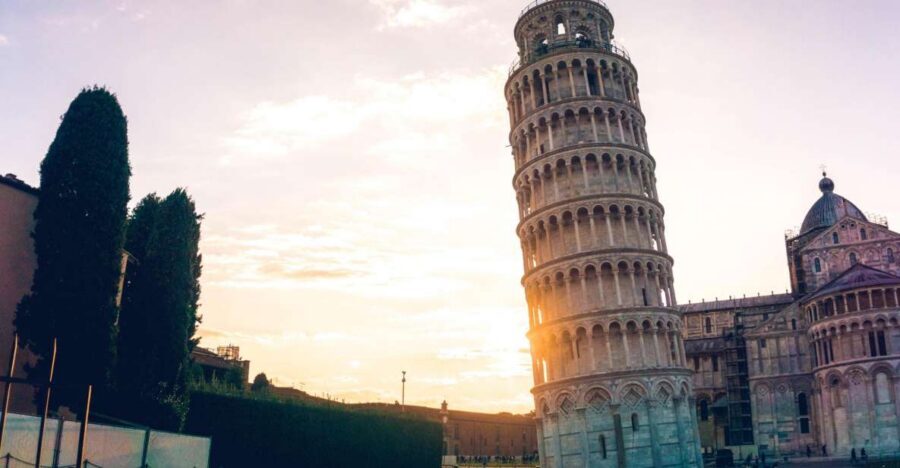
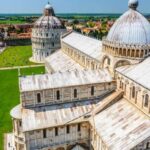
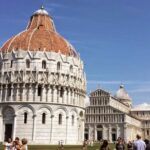
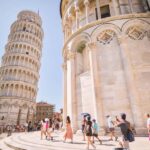
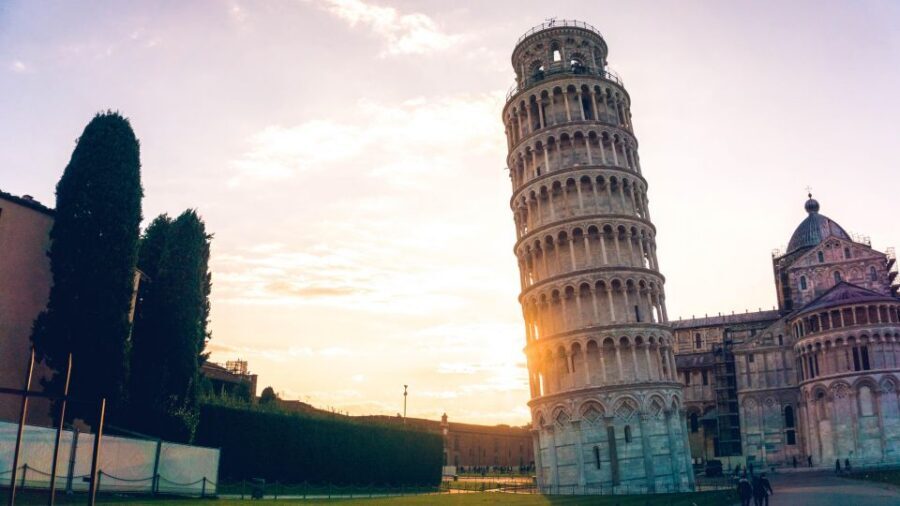
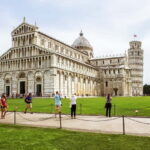
The heart of the tour starts in Piazza dei Miracoli—the square where the big monuments all sit in a carefully composed visual arrangement.
Here’s what you can expect the guide to help you take in:
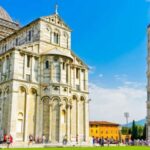
- Views of the Cathedral
- Views of the Baptistery
- The monumental cemetery
- The famous Leaning Tower of Pisa
Even if you’ve seen the tower in photos a thousand times, standing in this space changes everything. The tower’s tilt becomes part of the composition, not just a feature. And the Cathedral and Baptistery aren’t just background; they frame the square and show off Pisa’s architectural ambition.
One practical tip: bring your patience for angles. In Piazza dei Miracoli, you’ll want to walk a few steps to find viewpoints where the different buildings line up. The guide’s job is to point you toward the angles that make sense, so you’re not just circling.
The Romanesque story: what you learn about Pisa’s architecture while you walk
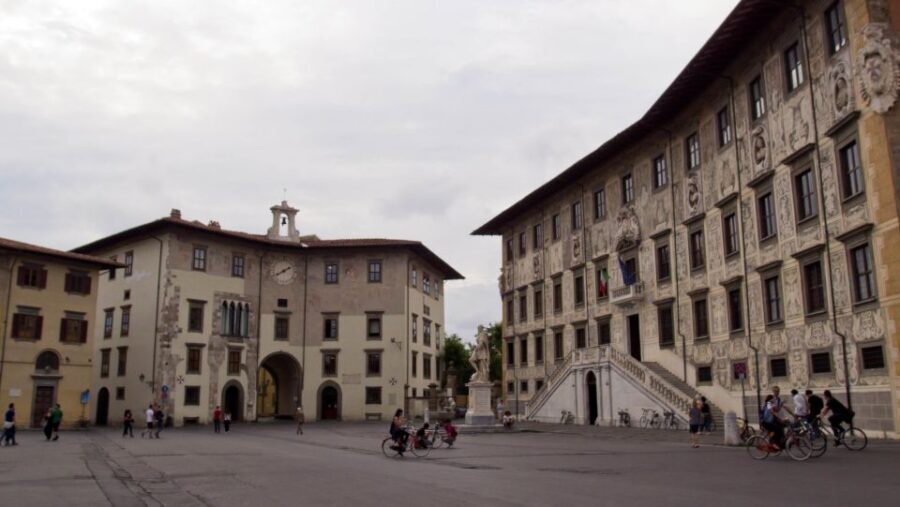
After the Square of Miracles, the tour shifts from “look at this” to “understand why it looks like this.”
You’ll pass by architecture that comes from the Florentine Romanesque period. That matters because Pisa has more than one style showing at once, and it can be hard to sort out on your own. A good guide helps you see patterns—arches, forms, and the way buildings present themselves—so you can read the city like a living sketchbook.
Baptistery of St. John: Romanesque meets Gothic
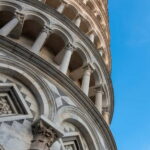
One stop focuses on the Baptistery of St. John, where you’ll see an interesting architectural blend: Romanesque and Gothic.
This is a great moment on the tour because it’s tangible. You’re not just hearing a lecture. You’re standing where the stylistic transition shows up in the structure. When you know what to look for, the building stops being just impressive and becomes meaningful.
If you’re the kind of person who loves noticing details—shapes, façade rhythm, and structural differences—you’ll likely enjoy this segment more than you expect. If you’re less into architecture, the guide keeps it readable, so it stays connected to what you’re seeing.
Botanical Gardens: medicinal herbs and rare plant collections
Next you head to the Botanical Gardens, described as a space that conserves medicinal herbs plus exotic and aquatic plants. The collection includes some species that no longer exist elsewhere in the world.
This is one of those stops that people sometimes skip when they only think of Pisa as tower-and-photos. But it adds balance. After the stone monuments, the garden changes the pace and gives you something softer to look at.
Why this stop is valuable: it reminds you Pisa isn’t only a medieval monument museum. It’s a living city with scientific and educational traditions. The garden’s focus on medicinal and rare plants gives you a different lens on how Pisa has used knowledge over time.
Tip for your comfort: gardens can mean uneven paths and shade that changes quickly. If you’re prone to getting chilly or hot, dress in layers. A 2-hour tour isn’t long, but weather in open-air spots can still surprise you.
Piazza dei Cavalieri and Palazzo della Carovana: civic power in stone
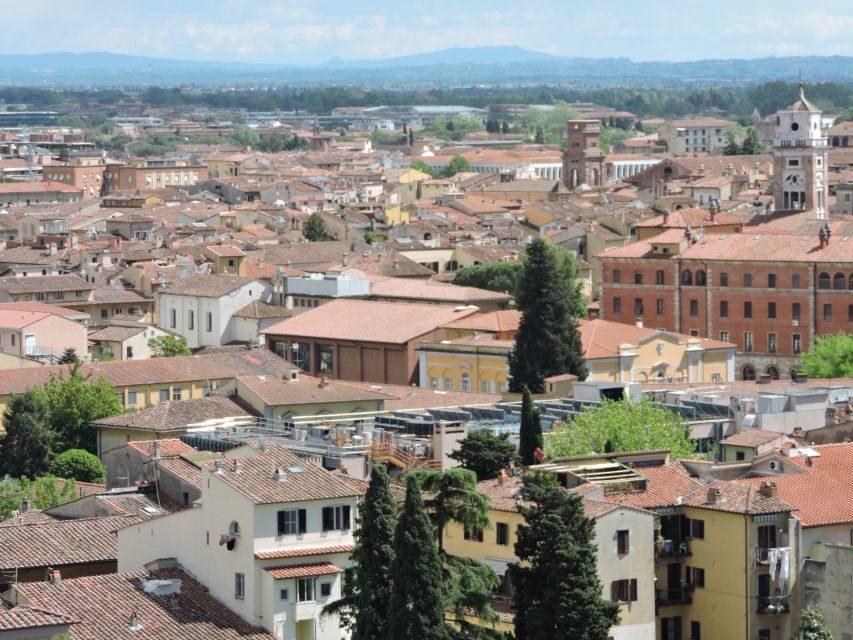
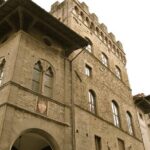
From the gardens, you move to Piazza dei Cavalieri and Palazzo della Carovana. This area feels different from the Miracle Square zone. The vibe is more civic, less ceremonial.
You’ll take time to observe:
- Palazzo della Carovana
- Piazza dell’Orologio across the way
- The surrounding space that supports how these buildings relate visually
Even without digging into deep facts, you’ll notice that squares and palaces here behave like a stage. The guide helps you understand what you’re looking at in terms of function and form, not just name recognition.
Piazza delle Vettovaglie: where you can actually eat during the walk
You’ll then head to Piazza delle Vettovaglie and the Borgo Stretto, which is described as a set of very busy shopping streets.
This is a smart inclusion. Pisa’s center isn’t only about monuments. It’s also about everyday life, food, and quick stops. You’ll have a short break here, which gives you a practical chance to grab a bite to eat and have a drink while you’re in the middle of the action.
If you’re traveling with kids, this kind of stop is gold. One private tour experience included two boys (ages 6 and 9), and the guide kept things engaging enough for them to enjoy the walk. That’s the sort of detail that tells me this isn’t a rigid, lecture-only style tour.
Palazzo Blu on the Arno: a finishing point with a sense of Pisa beyond the tower
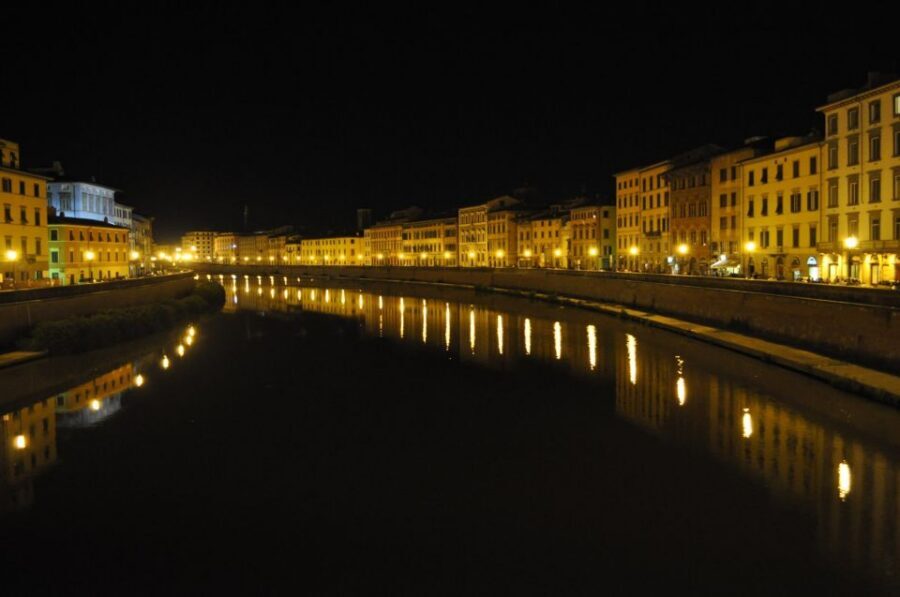
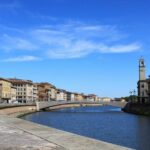
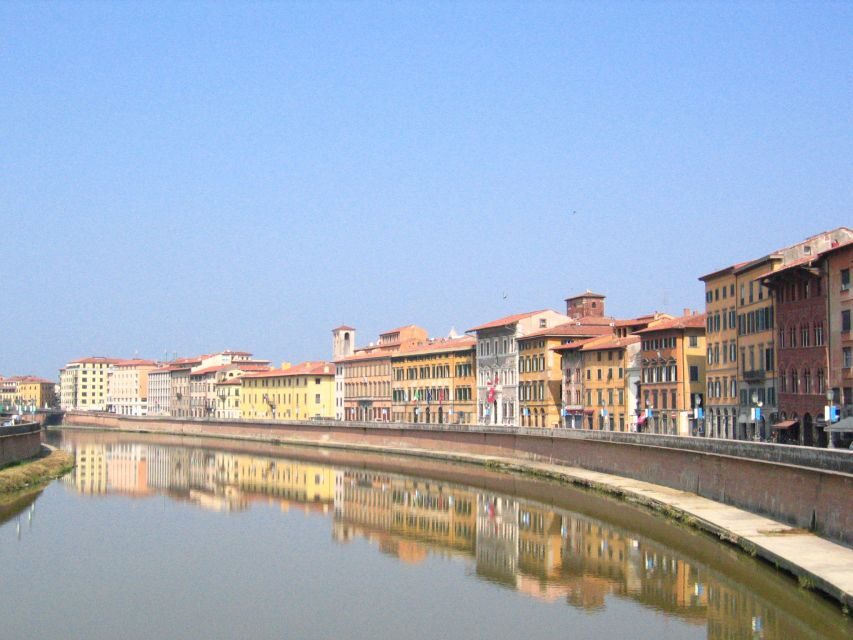
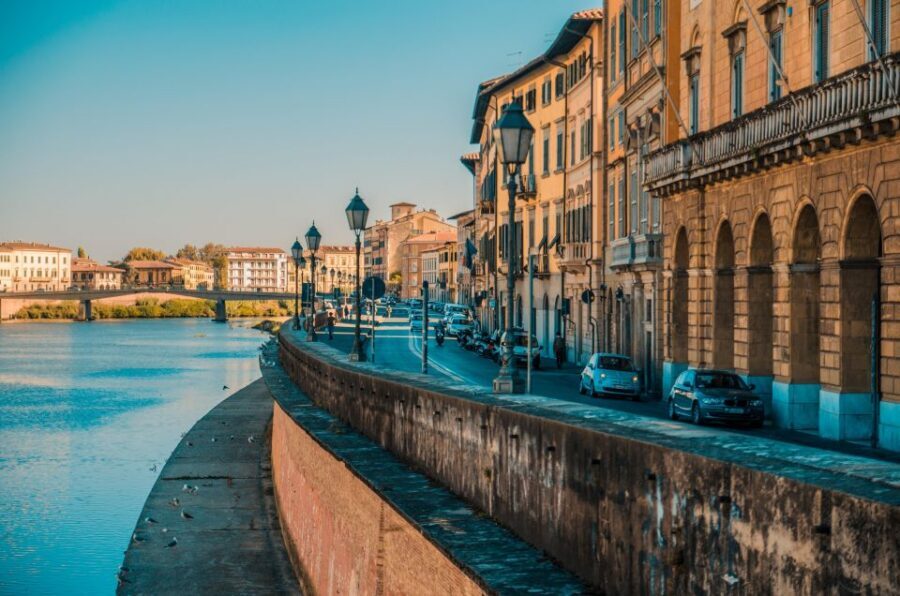
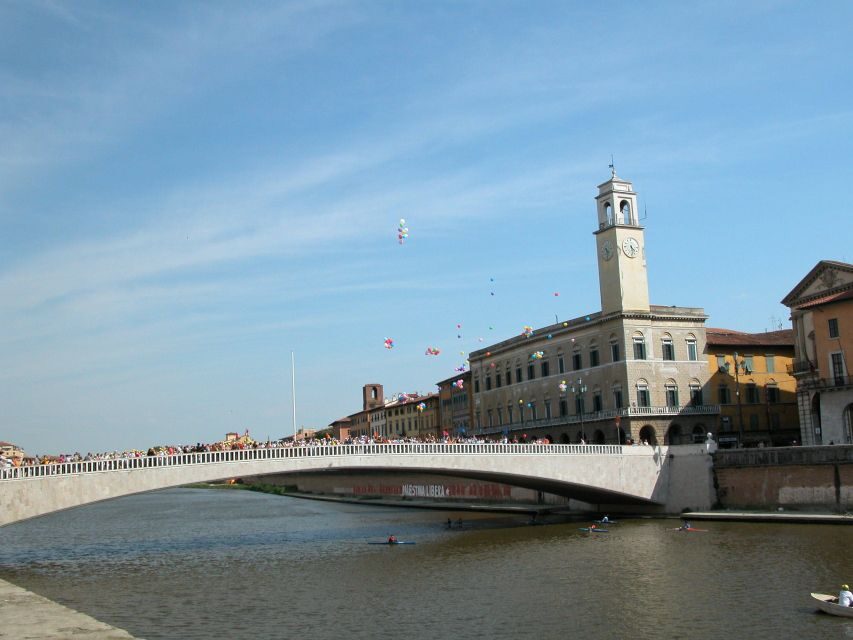
The tour eventually reaches the river, the Arno, and ends with a focus on Palazzo Blu.
You’ll spend time here with guided sightseeing and walk-around moments. The building is described as belonging to the first Doge of Pisa, which gives the structure a personal historical anchor. This stop works well as a finale because it changes the scene from stone façades to water-level atmosphere and city views.
After you’re done, you’ll have that last-mile feeling that you actually walked through Pisa, not just through a highlight reel.
Lungarno Mediceo: ending with the right kind of aftertaste
Before you finish, you’ll also cover Lungarno Mediceo with a short walk and guided attention.
This section matters because it ties the tour together. The Arno isn’t just scenery—it’s part of how Pisa connects spaces. When you end on the river, you’re more likely to remember the walk as a route, not a series of isolated points.
And since the tour ends back at Porta Santa Maria Pisa, you’re not forced into a long trek across town just to get back to where you started.
Price and value: is $209.58 per person actually fair?
At $209.58 per person for a 2-hour private walking tour, you’re not paying for a long day. You’re paying for a guide who can compress the right content into the right walking order.
Here’s what makes that price feel more reasonable than a basic “see everything” idea:
- You get a specialized local tour guide rather than a generic commentary
- It’s private group, so you’re not competing with a big herd for attention
- The tour includes multiple distinct zones: Miracles Square, Romanesque/Gothic architecture, botanical gardens, civic squares, shopping streets, and the Arno
If you’re traveling solo, you may feel the cost more. But if you’re traveling with a partner (or a family), the private format can quickly become worth it, because you’re paying to make your time efficient and easy.
Also, the tour is wheelchair accessible, which is another value factor if mobility access changes what kinds of sightseeing are realistic for you. The ability to do it in a structured way can be as important as the price.
Who this tour is best for (and who might want something else)
This tour fits best if you:
- Want context for Pisa’s architecture, not just photos
- Enjoy short, guided walks that cover several zones without feeling rushed all the way to exhaustion
- Travel as a private group and want a guide who can keep the pace workable
It’s especially smart for families who want something guided but not rigid. A private tour experience that included children aged 6 and 9 suggests the guide approach can be kid-friendly when the questions and pace are handled well.
If you’re the type who wants to spend long hours wandering freely on your own, a two-hour guided format might feel like you’re still turning pages when you’d rather just stare at the artwork. In that case, you might prefer a longer self-guided plan plus one short stop with a guide. But if you want Pisa to make sense quickly, this tour is built for that.
Should you book Pisa: Sightseeing Walking Tour?
I’d book it if you want the best of Pisa’s highlights with explanations you can actually use while you’re there. The route is efficient: Square of Miracles for the icons, then enough architecture and city-life moments to round it out, finishing with Palazzo Blu and the Arno.
I’d think twice if your priority is spending hours at each monument. This is a focused two-hour experience. You’ll see a lot, but it’s still about moving through the city and gathering the main ideas fast.
FAQ
How long is the Pisa sightseeing walking tour?
It lasts about 2 hours.
Where does the tour start?
The tour starts at Porta Santa Maria Pisa, Piazza Daniele Manin, 56126 Pisa PI, Italy.
What are the main stops on the route?
You’ll visit the Square of Miracles, Piazza dei Cavalieri, Piazza delle Vettovaglie, Palazzo Blu, and Lungarno Mediceo, with the tour returning to the meeting point.
Is the tour private?
Yes. The tour is listed as a private group.
What languages are offered by the guide?
The live guide is available in Italian, French, English, Spanish, and German.
Is this tour wheelchair accessible?
Yes, it’s listed as wheelchair accessible.
What’s included in the price?
The included item is a specialized local tour guide.
Can I cancel for a refund?
Yes. Free cancellation is available up to 24 hours in advance for a full refund.