Florence looks obvious. Santa Maria Novella hides a second story. This private tour focuses on mysticism, art, and hidden symbology, with anecdotes and curiosities that help you see what most people miss.
I especially like the way the visit is organized around the big landmarks you already recognize, then re-frames them through symbolism. And I really enjoy the guide style: Sonia Sànchez is described as highly prepared, very clear in her explanations, and patient when you need something repeated or answered again.
One practical consideration: the tour price does not include admission. You’ll need to pay the church/museum entry ticket on site (€7.50 adults, €5 for ages 11–17).
In This Review
- Key highlights of Hidden Symbols in Santa Maria Novella
- Starting at Piazza Santa Maria Novella: the pace of your 1 hour 30 minutes
- Outside first: Leon Battista Alberti’s facade as your symbol cue
- Inside Santa Maria Novella: Masaccio’s Trinity and Giotto’s Crucifix
- What to keep in mind as you look
- The Strozzi Chapel and Tornabuoni Chapel: where symbolism feels intentional
- Green Cloister and Spanish Chapel: a quieter kind of meaning
- The museum stop: Paolo Uccello frescoes and how the tour wraps up
- Sonia Sànchez, guide style: clear, patient, and good at follow-ups
- Price and value: $201.67 per group, plus separate admission
- Who should book this Hidden Symbols tour
- Should you book Hidden Symbols in Santa Maria Novella?
- FAQ
- Where does the tour start?
- What time does the tour begin?
- How long is the guided tour?
- Is this a private tour?
- What group size is it for?
- What’s included in the price?
- Are admission tickets included?
- Do I need a mobile ticket?
- Are service animals allowed?
- Can I get a refund if I cancel?
Key highlights of Hidden Symbols in Santa Maria Novella
- Official art historian guide specialized in hidden symbols in art
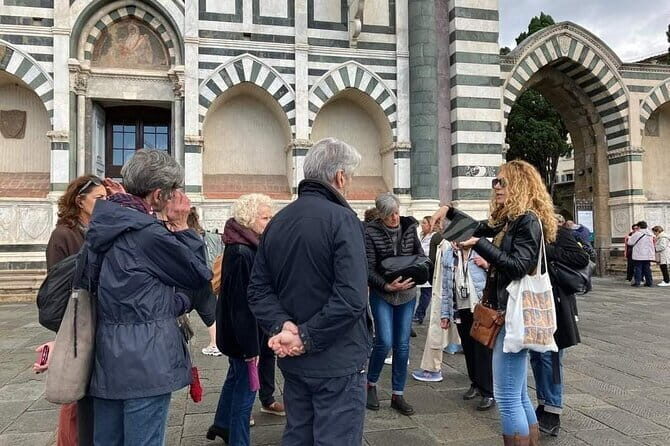
- Facade to masterpieces flow starting at Leon Battista Alberti’s front and moving inside
- Major works with fresh meaning including Masaccio’s Trinity and Giotto’s Crucifix
- Chapels and cloisters that change the mood like the Green Cloister and Spanish Chapel
- Museum stop for Paolo Uccello frescoes rather than a rushed one-and-done visit
- Private group format (up to 10) with time to ask questions
Starting at Piazza Santa Maria Novella: the pace of your 1 hour 30 minutes
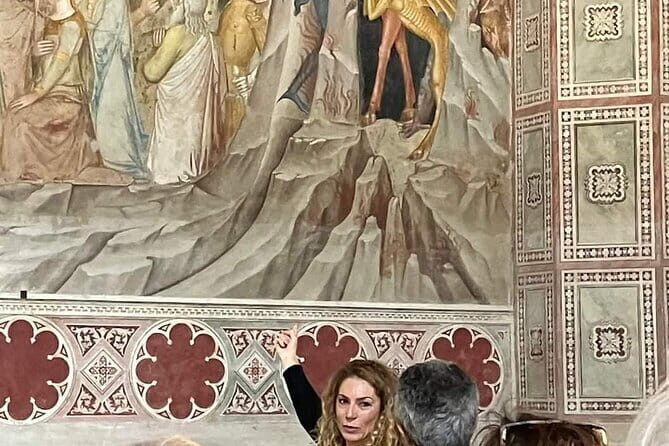
Your tour meets in P.za di Santa Maria Novella, 18/A, 50123 Firenze FI. It starts at 3:30 pm, and it runs for about 1 hour 30 minutes. Because it’s private, it’s just your group, up to 10 people, so you’re not squeezed into someone else’s rhythm.
This matters more than it sounds. Hidden-symbol tours work best when you can actually ask follow-up questions. In the reviews, Sonia is praised for being clear and for correcting and refining what she shows you. That kind of back-and-forth only works when you’re not trapped in a large crowd.
Another plus: you’ll get a mobile ticket, and the meeting point is close to public transportation. If you’re building this around a half-day plan, it’s easier to slot in than a museum-only tour that needs a whole day.
You can also read our reviews of more guided tours in Florence
Outside first: Leon Battista Alberti’s facade as your symbol cue
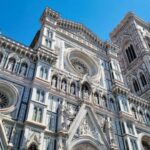
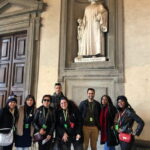
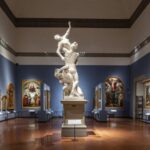
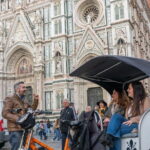
The visit begins with the Facade of Leon Battista Alberti. Think of this as your warm-up. You’re not just looking at an impressive front; you’re training your eye. The whole concept is that symbols are often placed where your attention normally skims past.
Even if you’re not an art-history person, this is a nice entry point because the facade gives you something concrete to start with. Then you step inside with a better question in mind: not only what you’re seeing, but why it might be designed to mean more than one thing.
If you like a tour that makes you pay attention without turning it into homework, this outside start is a smart move. You come in ready to notice details instead of wandering.
Inside Santa Maria Novella: Masaccio’s Trinity and Giotto’s Crucifix
Once you’re inside Santa Maria Novella, the tour targets two paintings/scenes many visitors recognize right away: Masaccio’s Trinity and Giotto’s Crucifix. The value here isn’t that you’re seeing famous works. It’s that you’re guided to interpret them through symbolism and visual language.
For you, the practical benefit is focus. In a church full of art, it’s easy to see a lot and understand little. Sonia’s specialty is hidden symbology, which means you’re more likely to leave with a few clear takeaways you can actually explain to someone later.
From the reviews, this is where her approach shines. People describe her as professional, cultured, and very pleasant, with explanations in simple and enriching language. That combination matters. You can enjoy the art while still understanding how the pieces connect.
What to keep in mind as you look
Your job on this tour is not to memorize facts. It’s to notice. When the guide points out symbolism, you’ll get more out of the experience if you slow down and look where your eyes normally rush:
- placement of figures and how they face
- how scenes are framed within the space
- visual details that repeat or stand out
You’ll still enjoy the moment, but you’ll also start seeing patterns.
The Strozzi Chapel and Tornabuoni Chapel: where symbolism feels intentional
The itinerary includes both the Strozzi Chapel and the Tornabuoni Chapel. These aren’t quick stops. In a hidden-symbols tour, chapels act like concentrated storyrooms: art, patronage, and religious messaging all layered into one place.
The Strozzi Chapel is also listed again in the form of the Strozzi Chapel in Mantua. Since your tour time is limited, this likely functions as part of the symbolism discussion and comparisons rather than a separate major geographic detour. Either way, it reinforces the theme: certain artistic ideas travel and reappear across regions, especially when patrons and workshops share tastes and messages.
The Tornabuoni Chapel adds another layer of meaning because it changes the visual and spiritual texture of what you’ve been seeing. The tour keeps moving, but the chapels give you time to reset your attention and look at how different spaces guide different emotions.
You can also read our reviews of more private tours in Florence


Green Cloister and Spanish Chapel: a quieter kind of meaning
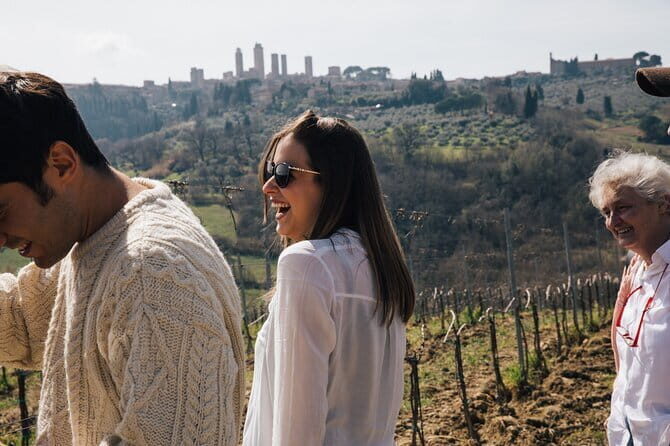
After the chapels, you move into areas that tend to feel less like a single dramatic scene and more like a mapped-out environment. The itinerary includes the Green Cloister and the Spanish Chapel.
This is a good moment for you if you like tours that slow down without stopping. Cloisters and chapels can help you notice the “grammar” of a site. You start looking at how light, layout, and decorative program shape what you feel and where your attention goes next.
Also, the Spanish Chapel is a real crowd-magnet. If you’ve ever walked past something popular and thought, I saw it, but I didn’t really get it, this kind of guided symbolism approach solves that. You’re not left guessing.
The museum stop: Paolo Uccello frescoes and how the tour wraps up
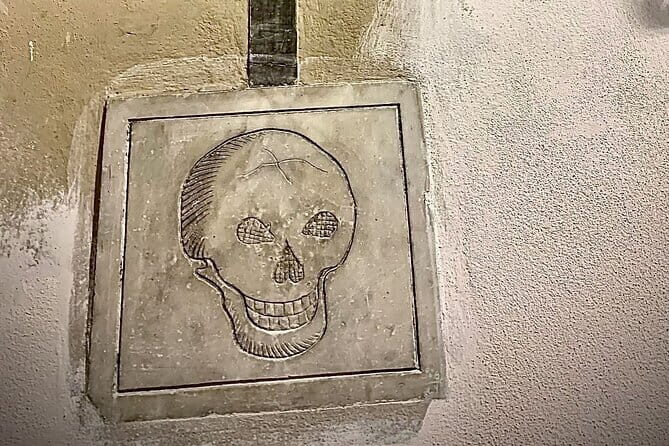
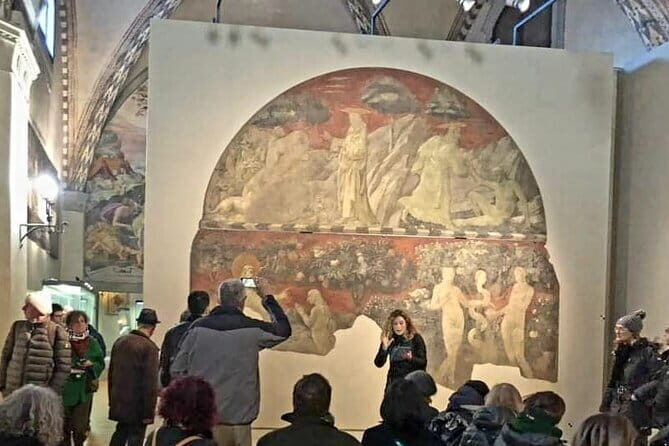
Your route ends with a museum visit with frescoes of Paolo Uccello. This is a smart structure for a 1 hour 30 minutes tour. You start with major church highlights, then move through chapels and cloister space, and finish with painting that helps tie the symbolism theme back to technique and storytelling.
A museum stop can sometimes feel like a bonus you barely have time for. Here, it’s part of the plan. The overall itinerary is built so you finish with something visually strong and thematically consistent.
And it’s also where your guide’s explanations can really stick. If you liked the way Sonia breaks things down for clarity, this museum segment is where that style often pays off: you get to connect what you learned earlier to paintwork and surface details.
Sonia Sànchez, guide style: clear, patient, and good at follow-ups
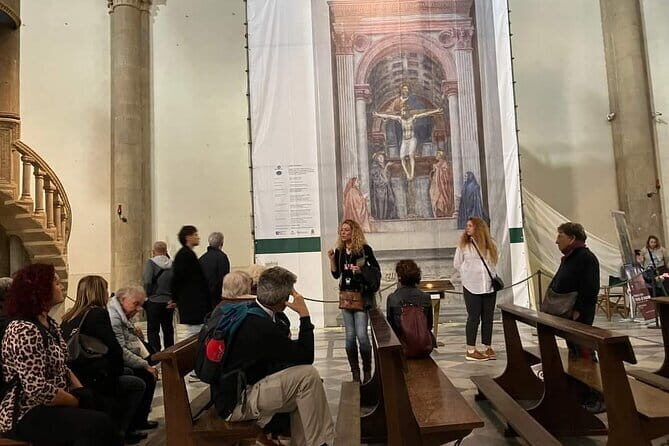
The name Sonia Sànchez Guia Oficial Florencia shows up across the feedback, and the praise is consistent. People describe her as:
- knowledgeable and prepared
- correcting things she shows you
- very clear
- patient when asked to explain again
- kind and pleasant
One reviewer also calls out her knowledge of mythology, and multiple comments mention how questions are handled well. Another detail I like from the reviews: after the tour, Sonia offers helpful recommendations on where to eat or shop. That’s not the same as being a guide for the church, but it makes the whole afternoon smoother. You can actually use the time you saved on navigation.
So if you want more than a lecture, this looks like a strong fit. The tone seems conversational. You get facts, but you also get room to ask why something matters.
Price and value: $201.67 per group, plus separate admission
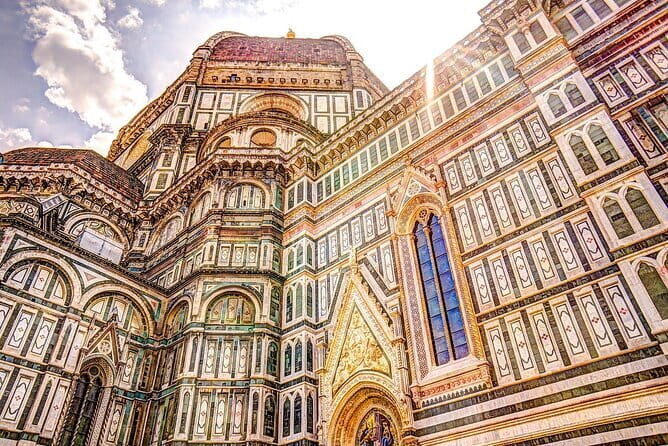
The tour price is $201.67 per group (up to 10), for about 1 hour 30 minutes. Admission ticket is not included, and the listed cost is €7.50 for adults and €5 for ages 11 to 17.
Here’s how I’d think about value:
- If you have a small group of 2, the guiding portion works out to about $100.84 per person, before the admission tickets.
- If you have a group of 6, it drops to about $33.61 per person, plus the ticket.
- If you fill it with 10 people, it’s about $20.17 per person, plus tickets.
For many people, the big value driver is not just the number. It’s the fact that you’re paying for an official art historian who specializes in hidden symbols. A standard walkthrough can get you photos. This is aimed at understanding, with a guide who can clarify and correct as you go.
If you’re traveling solo or as a couple, you’ll want to consider whether the admission add-on and private pricing matches what you enjoy. But if you like guided interpretation, it can feel like good money spent because you’re not guessing on your own.
Who should book this Hidden Symbols tour
I think this tour is ideal if you:
- like art that has a message behind it, not just a masterpiece label
- want a guided explanation that helps you connect details across different works
- enjoy asking questions in real time (private format helps a lot)
It may be less ideal if you:
- want a purely free-roam church visit with no structure
- plan to spend most of your time photographing and reading on your own
Also, note that the tour is for most travelers and service animals are allowed. If you have someone in your group who needs that, it’s good to know you’re not dealing with a hard stop.
Should you book Hidden Symbols in Santa Maria Novella?
Yes, you should book it if you’re the kind of person who looks at a church and thinks: there has to be more going on here. This is built for that mindset. The itinerary covers key works like Masaccio’s Trinity and Giotto’s Crucifix, plus the Strozzi and Tornabuoni chapels, the Green Cloister, the Spanish Chapel, and finishes with Paolo Uccello frescoes. That’s a lot of cultural ground for 90 minutes, and it’s organized around the symbolism theme rather than random sightseeing.
The main reason to hesitate is simple: admission isn’t included, so budget a bit extra and be ready to pay the on-site ticket cost (€7.50 adults, €5 ages 11–17). If that’s fine for you, you’re likely to get a strong return on your time—especially if you care about explanations that are clear and repeatable.
If you want your Florence afternoon to feel like more than a checklist, this hidden-symbols approach is a genuinely smart choice.
FAQ
Where does the tour start?
The meeting point is P.za di Santa Maria Novella, 18/A, 50123 Firenze FI, Italy.
What time does the tour begin?
The start time listed is 3:30 pm.
How long is the guided tour?
It lasts about 1 hour 30 minutes.
Is this a private tour?
Yes. It’s private, and only your group participates.
What group size is it for?
It’s priced for up to 10 people per group.
What’s included in the price?
It includes an official art historian guide specialized in hidden symbols in art.
Are admission tickets included?
No. Admission is not included. The listed adult price is €7.50, and €5 for ages 11 to 17.
Do I need a mobile ticket?
Yes, the tour includes a mobile ticket.
Are service animals allowed?
Yes, service animals are allowed.
Can I get a refund if I cancel?
Yes. Free cancellation is available up to 24 hours in advance for a full refund.
More Guided Tours in Florence
More Tours in Florence


More Tour Reviews in Florence
- Tuscany Day Trip from Florence: Siena, San Gimignano, Pisa and Lunch at a Winery
★ 5.0 · 21,634 reviews - The Best tour in Florence: Renaissance & Medici Tales – guided by a STORYTELLER
★ 5.0 · 12,316 reviews