
REVIEW · FLORENCE
Royal Paths of Florence: Explore the Boboli Gardens
Book on Viator →Operated by Star Florence · Bookable on Viator
Boboli Gardens doesn’t feel like a typical checklist stop. In just about an hour, you get a guided walk through the parts people rave about, from the fountain at the start all the way to Michelangelo and Buontalenti’s showpieces. I especially like that the Boboli admission ticket is included, so you don’t have to juggle lines or extra stops. I also love the radio system, because Boboli’s beauty comes with lots of stone, paths, and distance—headsets keep the guide’s commentary clear. The one real consideration: this is a walking route with gentle slopes and steps, so plan for comfortable shoes and pace yourself on the uphill parts.
You meet at Piazza de’ Pitti, not deep inside a museum maze, and the tour loops back to the same spot when you’re done. With a small group size (maximum 15) and a 1-hour focus on the highlights, this works well when you want Boboli, but you still want time for the rest of Florence.
In This Review
- The Best Part: A Tight One-Hour Route Through Boboli’s Star Attractions
- Price and Value: $54.19 with Admission and a Radio System
- Entering Boboli: Piazza de’ Pitti to the Artichoke Fountain Start
- Neptune, Amphitheatre Views, and Giambologna’s Abundance at the Top
- Viottolone to the Isolotto: The Ocean Fountain Moment
- Giardino del Cavaliere and the Kaffeehaus: Michelangelo’s Garden Logic
- Buontalenti Grotto: Limestone Details, Stalactites, and Water on the Walls
- Pace, Comfort, and What to Wear for the Walk
- Hearing the Guide: Why the Radio System Is a Big Deal
- The Guide Experience: From Iliria to Matteo to Francesca
- Timing and Planning: One Hour That Actually Covers the Highlights
- Should You Book This Boboli Gardens Tour?
- FAQ
- How long is the Royal Paths of Florence: Explore the Boboli Gardens tour?
- What does the ticket include?
- Where do I meet the guide?
- Does the tour include a radio system?
- Is the tour in English?
- Do I need hotel pickup or transportation?
- Is there a walking requirement?
- What happens if it rains heavily?
- What is the group size?
- What if I arrive after the tour start time?
- What is the cancellation window for a full refund?
The Best Part: A Tight One-Hour Route Through Boboli’s Star Attractions
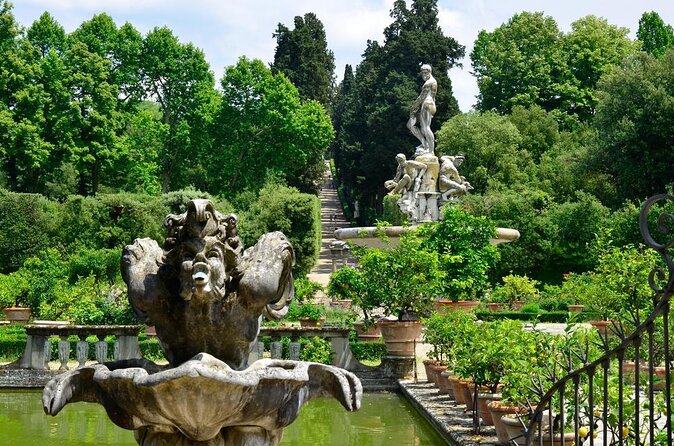
Boboli is enormous, and free-range wandering can eat up your day. This tour gives you a controlled route that hits major moments without turning your shoes into sandpaper. The guide’s job is to explain what you’re looking at—fountains, statuary, and garden design—and why they matter in Florence’s story.
It also helps that the experience includes the official certified guide and a ticket with reservation for the gardens. That combination tends to reduce hassle, so your hour stays about enjoying, not planning.
Price and Value: $54.19 with Admission and a Radio System
At $54.19 per person for about 1 hour, the value isn’t only the guide. The smart part is that you’re paying for three things bundled together: a guide-led route, Boboli Garden admission, and a radio system to hear clearly.
If you were to buy a ticket plus find your own way through the highlights, you’d still spend time figuring out the garden flow. Here, the guide helps you move through the garden in a sensible order—up, then down—so you don’t miss the big visual beats.
You can also read our reviews of more tours and experiences in Florence.
- Tuscany Day Trip from Florence: Siena, San Gimignano, Pisa and Lunch at a Winery
★ 5.0 · 21,634 reviews



Entering Boboli: Piazza de’ Pitti to the Artichoke Fountain Start
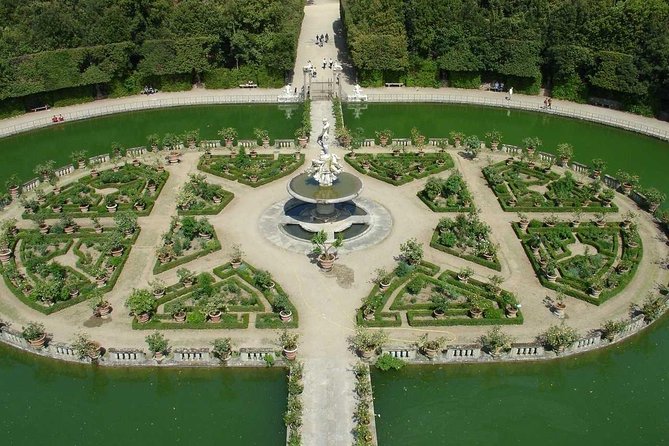
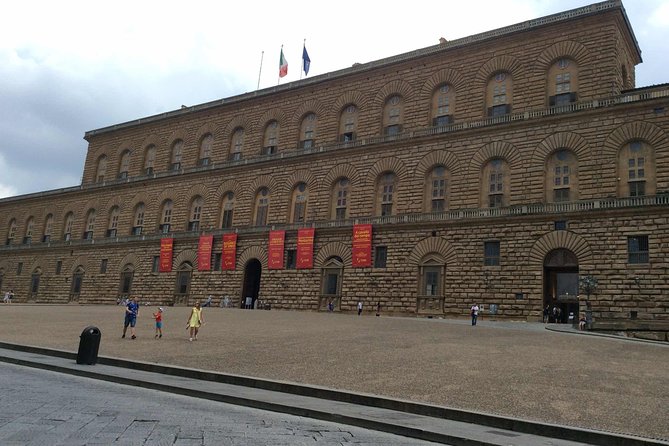
You start at Piazza de’ Pitti and the guide leads you across the Pitti Palace courtyard. From there, you head toward the early showpiece: the “artichoke” fountain, a large octagonal basin filled with statues and topped by a bronze lily.
Early in the walk, you’ll also get the view of the Amphitheatre, built into the hill behind the palace. It’s the kind of detail that’s easy to overlook if you’re just looking for pretty scenery. The guide’s commentary helps you connect the landscape design to the way power and art show up in Florence’s outdoor spaces.
What I like about this start: it gives you context fast. You’re not wandering in blind.
Neptune, Amphitheatre Views, and Giambologna’s Abundance at the Top
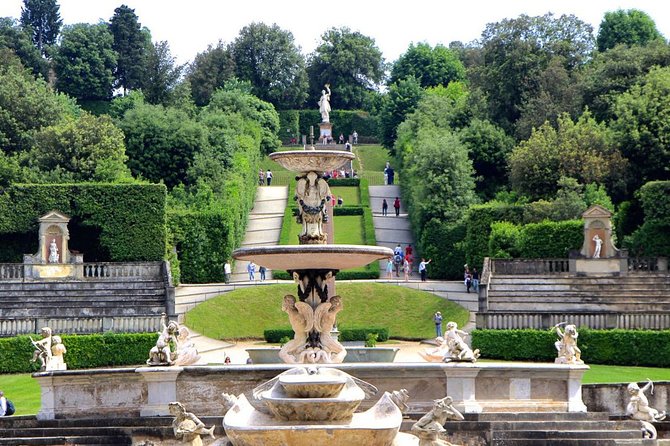
Boboli’s best trick is the mix of strong sightlines and controlled walking. As you climb, you pass Neptune’s fountain, and the guide explains the layout as part of how the garden was designed.
Then comes the big finish of the uphill push: at the top, you’ll see the large statue of Abundance by Giambologna. This is one of those moments where the garden stops being “pretty outdoors” and starts feeling like a sculpted stage set.
Later, the route shifts into a steeper, sloping avenue back down the hill. That part is short, but it matters. The garden is built to move you, not just let you stroll whenever you feel like it.
Viottolone to the Isolotto: The Ocean Fountain Moment
Once you’re back on the down-slope path, you enter the Viottolone—a broad avenue lined with cypresses and punctuated by statuettes. The design is meant to guide your eye down the corridor of trees, so as you walk you’re also “reading” the garden like a visual timeline.
The walk ends in the pond area: the Isolotto, with an admirable fountain known as The Ocean, created by Giambologna. This section is a highlight because it’s visual payoff after the climb: you get open space, water, and that classic Boboli mix of sculpture and setting.
A practical tip: slow down here. Even if you’re tempted to rush for photos, this is a spot where taking an extra minute makes the view feel complete.
Giardino del Cavaliere and the Kaffeehaus: Michelangelo’s Garden Logic
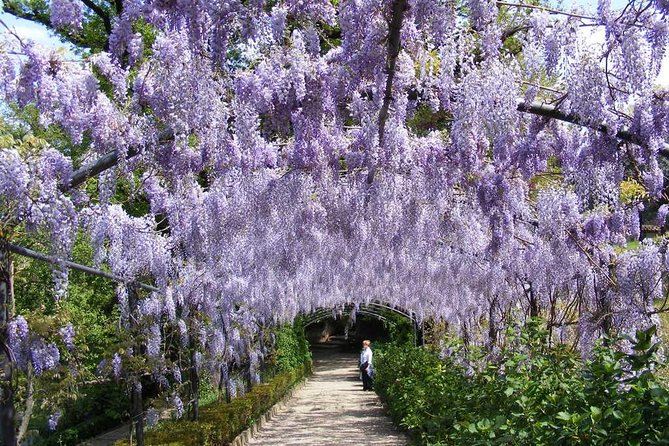
The later portion of the tour keeps the pace friendly but still purposeful. You’ll reach the Giardino del Cavaliere, a garden area built by Michelangelo. Even if you’re not a Michelangelo superfan, it’s worth paying attention, because it’s where you see how big-name art shaped the garden world—geometry, placement, and the “why” behind what you’re standing near.
Next is the Kaffeehaus. You’ll also hear the guide connect it to the garden’s theatrical role, not just the plants and paths. Places like this matter in Boboli because the garden wasn’t only made for nature. It was made for people, gatherings, and performance.
If you’ve got a short time window in Florence, this is a strong way to experience the big names without getting lost in the full size of the gardens.
- The Best tour in Florence: Renaissance & Medici Tales – guided by a STORYTELLER
★ 5.0 · 12,316 reviews






Buontalenti Grotto: Limestone Details, Stalactites, and Water on the Walls
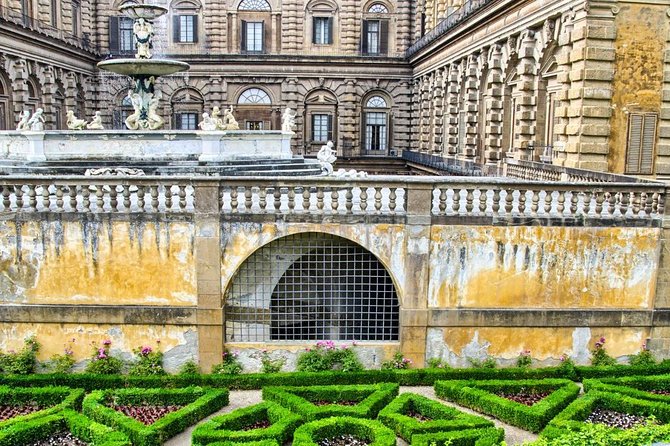
The last stretch is where Boboli turns playful and theatrical again. You’ll visit the Buontalenti Grotto, created by Buontalenti, built from limestone concrete with stalactites, shells, and terracotta reliefs.
The key feature here is the water effect. Water runs down the walls, giving the grotto color and movement. Without a guide, you can still enjoy it—but you might miss what the design is doing. With the commentary, you start spotting the craft and the illusion logic behind the textures.
This stop is also a good reminder of why a guided hour works so well. Boboli has many layers, and the tour helps you notice them in the time you have.
Pace, Comfort, and What to Wear for the Walk
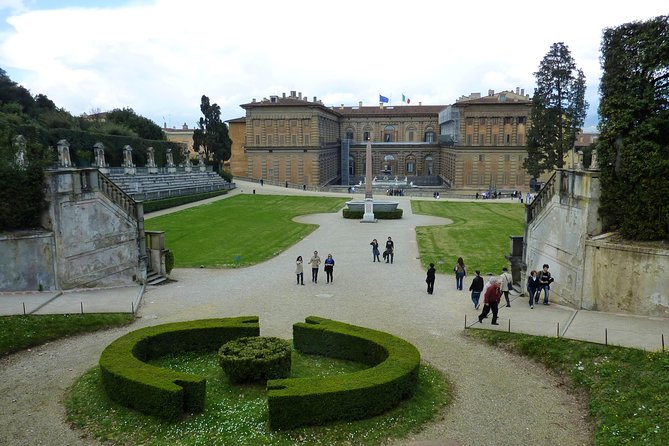
This tour is sold as suitable for most people, and it’s built as a leisurely stroll at a pace that generally works. Still, the route includes gentle slopes and steps, plus an actual uphill climb early on.
Here’s how I’d plan it:
- Wear comfortable walking shoes with grip. Stone paths can be slippery if it’s damp.
- Bring a light layer for shade changes and breezes.
- On hot days, take advantage of any pause the guide suggests—Boboli is more enjoyable when you’re not rushing.
If you’re traveling with kids, it can still work. One of the best guide experiences from the feedback I received mentions the kids appreciated the way the history landed, not just the scenery.
Hearing the Guide: Why the Radio System Is a Big Deal
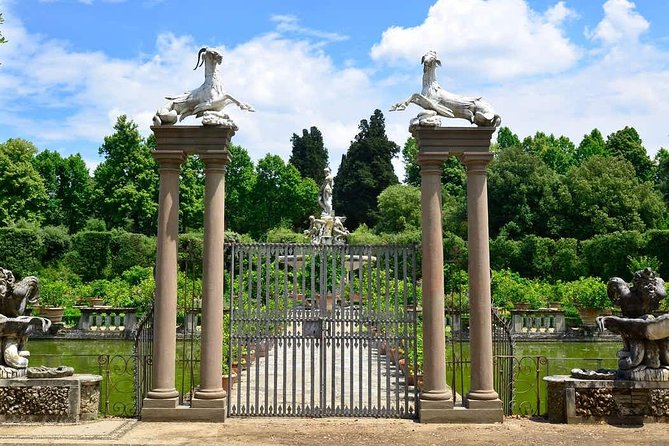
The tour provides a radio system so you can hear commentary clearly. In a place like Boboli—where paths widen, people spread out, and the terrain changes—this feature isn’t a gimmick. It’s what lets the guide explain fountain design and sculpture details without you constantly craning your neck.
One thing to keep in mind: radio quality can vary by person and position. If your headset sounds off, don’t wait. Ask the guide right away so adjustments happen while the group is still together.
I also like that you’re not stuck listening to the guide from far away. The route and pacing keep the group close enough to follow along.
The Guide Experience: From Iliria to Matteo to Francesca
This tour really depends on the guide’s ability to make garden design feel human. The feedback points to guides like Iliria, Matteo, and Francesca as especially strong—people who take time, explain Florence context, and make the gardens feel more than just a pretty walk.
That shows up in the kind of storytelling you want in Boboli. Not just names, but why they’re placed where they are—how the fountains and statues create a sequence, and how the hills and vistas become part of the “art.”
With a group capped at 15, you’re more likely to get that attentive feel instead of being one face in a crowd.
Timing and Planning: One Hour That Actually Covers the Highlights
The tour runs for about 1 hour. That sounds short, but Boboli’s highlight route is exactly the kind of landscape where an hour is enough to feel satisfied without becoming exhausted.
You’ll return to the meeting point at the end, which is handy when you want to jump to another Florence stop afterward. Also, the tour ends back at the start, so you aren’t solving transport mid-day.
One practical note: if you arrive late, you might not be able to join the group and you won’t be refunded or rescheduled. So show up a little early at Piazza de’ Pitti and let the guide take it from there.
Should You Book This Boboli Gardens Tour?
Book it if:
- You want the key Boboli sights without spending half a day mapping routes.
- You like hearing explanations of fountains and sculpture placement.
- You’d rather pay for included admission than add another step to your day.
- You appreciate a small-group feel (maximum 15) with a guide keeping you on track.
Skip it or switch plans if:
- You want to roam freely and linger for hours in every corner.
- You’re not comfortable with uphill walking and steps, even at a gentle pace.
- You’re traveling on a day when weather might be rough—Boboli can be paused during heavy rain.
FAQ
How long is the Royal Paths of Florence: Explore the Boboli Gardens tour?
It lasts about 1 hour.
What does the ticket include?
Your price includes admission to Boboli Garden with reservation.
Where do I meet the guide?
You meet at Piazza de’ Pitti, 50125 Firenze FI, Italy.
Does the tour include a radio system?
Yes. A radio system is provided so you can hear the guide clearly.
Is the tour in English?
Yes, it is offered in English.
Do I need hotel pickup or transportation?
No. Hotel pickup and drop-off and transportation to/from attractions are not included.
Is there a walking requirement?
Yes. The route involves walking with gentle slopes and steps, and it’s best to wear comfortable shoes.
What happens if it rains heavily?
The gardens do not operate on days with heavy rain. If canceled due to poor weather, you’ll be offered an alternative date or a full refund.
What is the group size?
The tour has a maximum of 15 travelers and requires a minimum of two guests to run.
What if I arrive after the tour start time?
If you arrive after the tour starts, you won’t be able to join and you won’t be refunded or rescheduled.
What is the cancellation window for a full refund?
You can cancel up to 24 hours in advance of the experience for a full refund.

More Tour Reviews in Florence
- Tuscany Day Trip from Florence: Siena, San Gimignano, Pisa and Lunch at a Winery
★ 5.0 · 21,634 reviews - The Best tour in Florence: Renaissance & Medici Tales – guided by a STORYTELLER
★ 5.0 · 12,316 reviews