REVIEW · SIENA
Siena: Wine tasting Experience with Tuscan Sparkling Wines
Book on GetYourGuide →Operated by Perlage Enoteca · Bookable on GetYourGuide
Siena turns sparkling wine into a lesson. At Enoteca Perlage, you get a guided tasting that focuses on how Tuscan grapes become bubbles, not just what tastes good. I like that an expert wine educator keeps things clear and conversational, and I also love the historic, table-centered setting where you can actually listen.
You’ll taste three wines made from native varieties used for still wines: Sangiovese, Trebbiano, and Vermentino. Then you’ll hear how the production method changes what ends up in your glass, whether it’s a more traditional approach or something older-school like the Ancestral Method. One thing to consider: it’s a tight 1-hour experience with three tastings, so if you’re expecting a long, food-heavy aperitivo with lots of pours, this is more focused than indulgent.
Still, for $41, you’re paying for structure: education, three distinct bottles, and local pairings in a small group capped at 10. It’s also not aimed at kids under 18, so plan this as an adult activity in the heart of Siena.
In This Review
- Key Highlights You’ll Actually Care About
- Entering Enoteca Perlage: A 1-Hour Tasting Set Up for Listening
- The Core Lesson: Tuscan Sparkling Made From Sangiovese, Trebbiano, and Vermentino
- Three Ways to Make the Bubbles: Champenoise, Charmat, and Ancestral
- What’s on the Table: Local Pairings That Actually Help
- Where You Feel the Value: Expert Guidance in a Small Group
- How Much Is $41 Worth for Three Sparkling Wines?
- Who This Tasting Is Best For (And Who Might Want Another Plan)
- Simple Practical Tip: Make This Your Sparkling-Wine Anchor Stop
- Should You Book the Siena Tuscan Sparkling Wine Tasting?
- FAQ
- How long is the Siena sparkling wine tasting?
- Where do I meet for the experience?
- How much does the tour cost?
- What wines and grape varieties are included?
- Which sparkling wine production methods are included?
- Are local foods included?
- What languages are offered?
- Is it suitable for children, and is it wheelchair accessible?
- Can I cancel, and is pay later available?
Key Highlights You’ll Actually Care About
- Three native Tuscan grapes (Sangiovese, Trebbiano, Vermentino) shown through sparkling wine
- Three production styles: Champenoise, Charmat, and Ancestral Method
- Expert educator format that’s easy to hear, thanks to the small group size (max 10)
- Local delicacy pairings that help you notice flavors, not just bubbles
- Historic-looking venue in Piazza Indipendenza, an easy walk from the Siena center
Entering Enoteca Perlage: A 1-Hour Tasting Set Up for Listening
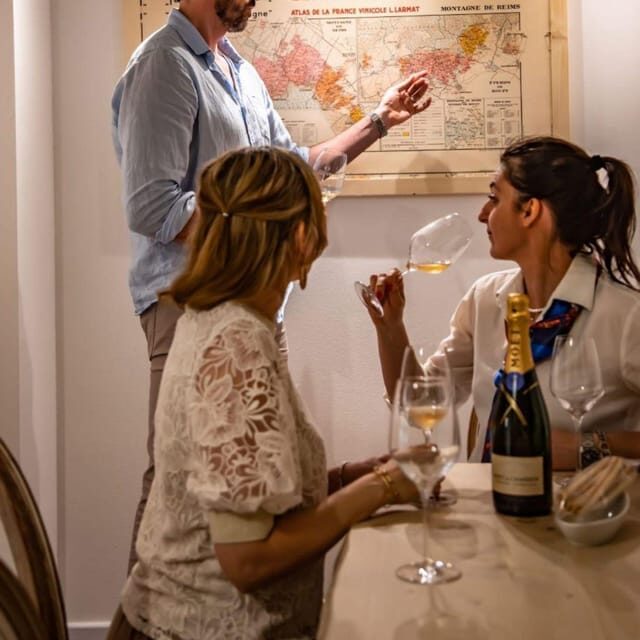
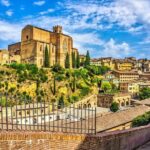
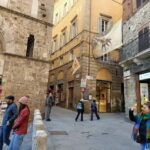
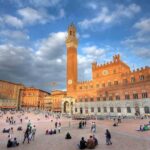
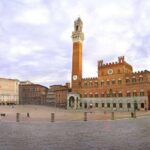
The experience starts in the middle of Siena at Enoteca Perlage, on Piazza Indipendenza, right in front of the taxi rank and about 20 meters from Piazza del Campo. That matters because you don’t waste time hunting. You can park your brain and just get into the tasting.
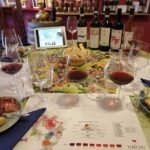
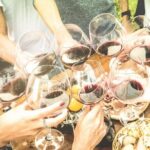
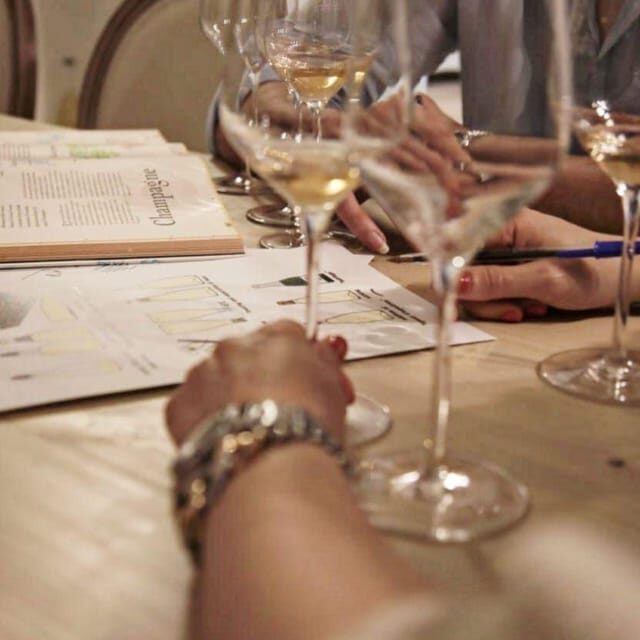
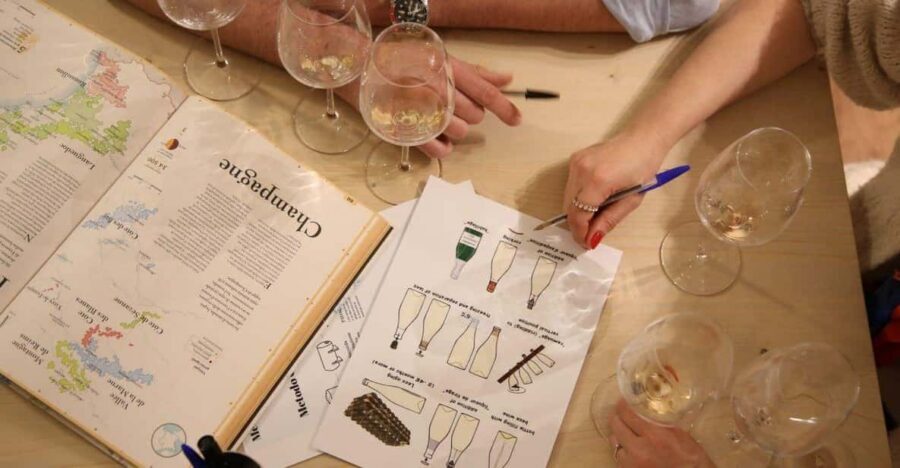
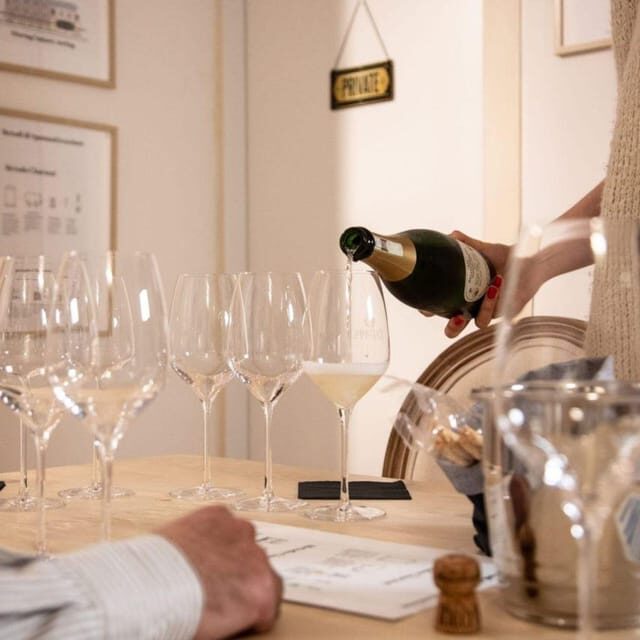
Inside, you’re seated at a beautifully set table. It’s not a big “festival” vibe. It’s more like a small classroom with wine glasses, which is exactly what you want for learning production differences. The group is kept to 10 participants, so the educator can talk to everyone instead of shouting over the room.
The pacing is designed for a one-hour window:
- welcome and a quick orientation to what you’ll taste
- three tastings, each with an explanation tied to grapes and technique
- pairing bites to reset your palate between pours
- a final toast that ties the lesson together
This is why I think the format works. Sparkling wine is easy to enjoy but tricky to understand. You’re not just repeating tasting notes. You’re getting a framework you can use later when you’re choosing a bottle.
You can also read our reviews of more food & drink experiences in Siena
The Core Lesson: Tuscan Sparkling Made From Sangiovese, Trebbiano, and Vermentino
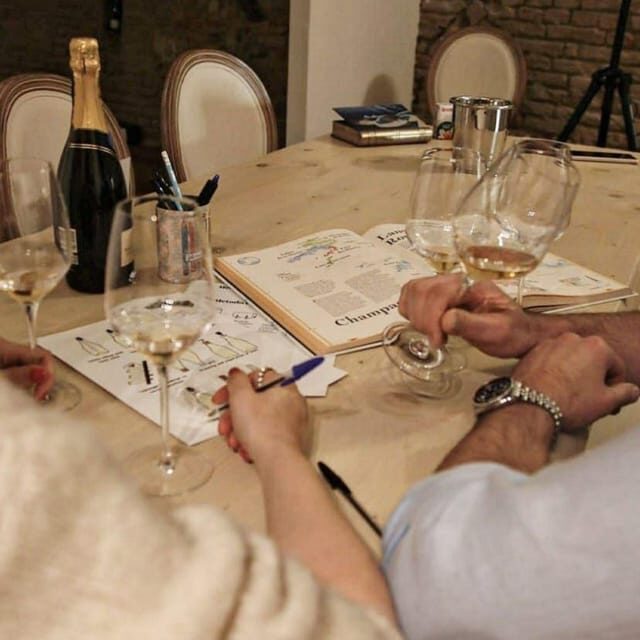
A lot of sparkling wine choices come down to the grape. This tasting leans hard on that truth.
You’ll taste sparkling wines made from grapes that are historically significant in Tuscany—varieties more commonly known for still wine. You get Sangiovese, Trebbiano, and Vermentino each brought into the sparkling format, and the educator explains what changes when the base grape has to work with fermentation, aging, and pressure.
Here’s what you can expect to notice as the tasting moves along:
Sangiovese sparkling
Sangiovese brings a Tuscan backbone—think structure and a flavor profile that can stay “serious” even when it’s fizzy. When it’s used in sparkling wine, you’ll likely find the bubbles highlight the grape’s character instead of covering it.
Trebbiano sparkling
Trebbiano often reads lighter and more approachable in many forms, and in sparkling style it can come across crisp and refreshing. This part of the tasting is useful if you normally stick to sweet or fruit-forward bubbly and want a more food-friendly direction.
Vermentino sparkling
Vermentino is associated with freshness and a coastal feel in Tuscany’s broader wine story. In a sparkling format, it’s a great grape for understanding why method matters: the same “fresh” base can turn elegant or different depending on how the sparkle is made.
The value here isn’t just tasting three wines. It’s training your palate to connect grape identity with production choices. After this, you’ll have a better instinct for why one sparkling wine tastes more structured, another more delicate, and another more casually drinkable.
Three Ways to Make the Bubbles: Champenoise, Charmat, and Ancestral
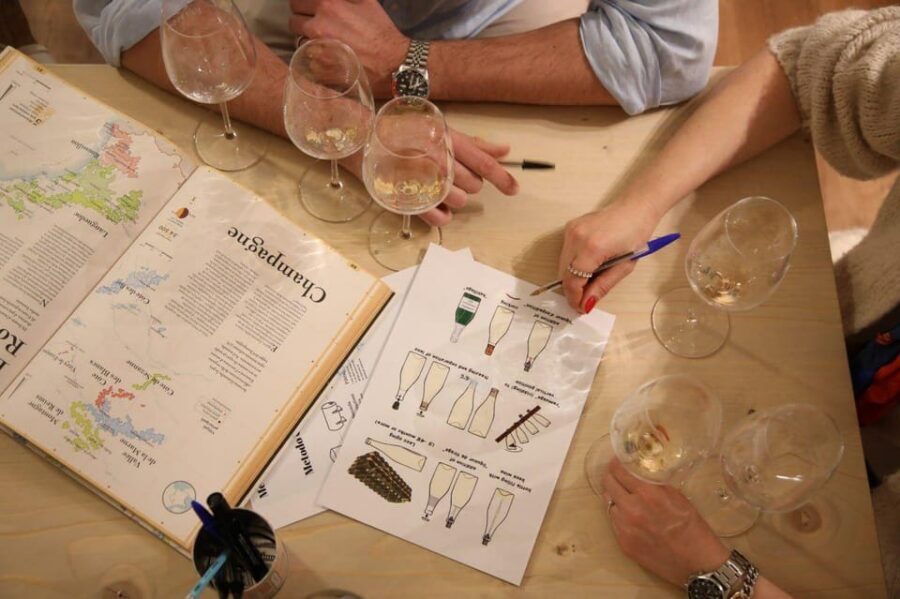
The tasting makes production technique a real talking point, not trivia. You’ll experience three methods, each one shaping how the wine behaves in your glass.
Here are the three styles included:
Champenoise Method (Traditional method)
This is often the “gold standard” style people associate with classic sparkling wine. In this tasting, it’s included so you can compare how a more traditional pathway influences texture and overall character.
Charmat Method
Charmat tends to be about efficiency and freshness in the right context. You’ll be able to taste how this method can feel cleaner, with a different kind of lift.
Ancestral Method
This is the fun curveball. Ancestral sparkling is tied to older traditions and tends to be more rustic and lively. It’s a smart way to learn that not all “sparkling” means the same exact flavor goal.
What I like about this structure is that it forces you to stop judging bubbles only by sweetness or “how fine the mousse is.” Instead, you learn to listen for differences in aroma, mouthfeel, and how the bubbles interact with the wine’s fruit and acidity.
Also, because you’re tasting these methods using Tuscan grape varieties, you’re not comparing random brands. You’re comparing approaches applied to grapes you can connect back to Tuscany. That’s a big step toward buying the right bottle later without needing a translator and a spreadsheet.
What’s on the Table: Local Pairings That Actually Help
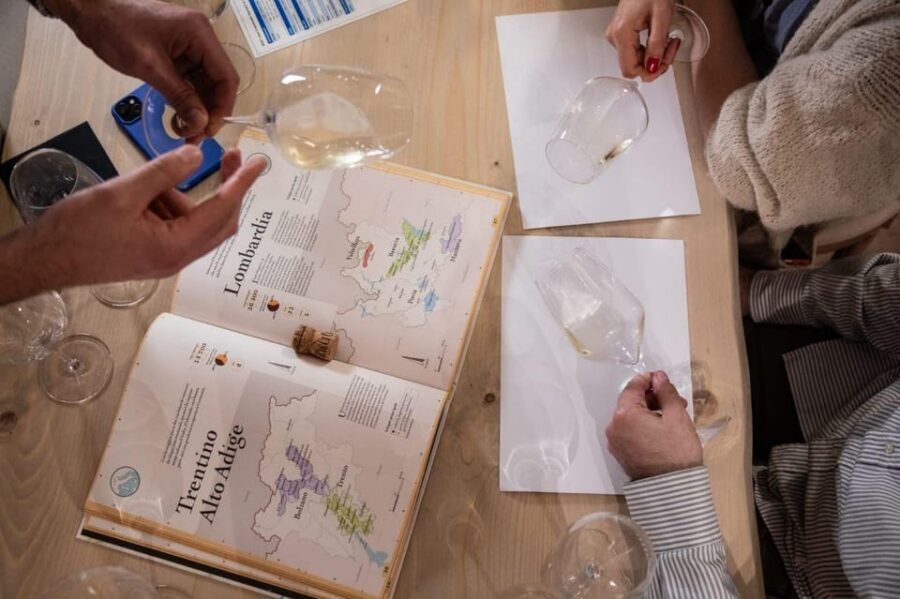
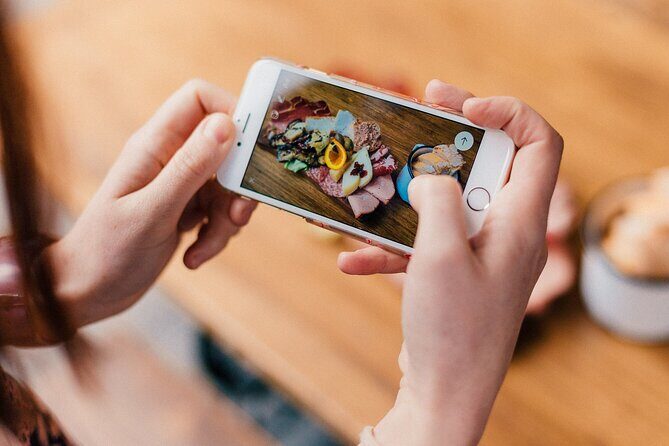
Wine tastings can sometimes feel like you’re drinking and trying not to spill. Here, you’ll get local delicacies paired with the pours. That’s important because sparkling wine is very sensitive to what you pair it with.
Between wines, those bites give your palate a quick reset. It also helps you understand the practical part of the lesson: sparkling wine isn’t only for celebrations. It can work with food, and the right pairing makes the grape and method easier to recognize.
A review note that stood out to me: one person wished there were a smaller aperitivo element or that more wine was included for the price. That tells you something useful. This is a tasting format first. If you want a meal, you’ll want to plan one separately before or after.
Still, for many people, the pairings are exactly the right amount to keep the tasting moving and focused over the hour.
Where You Feel the Value: Expert Guidance in a Small Group
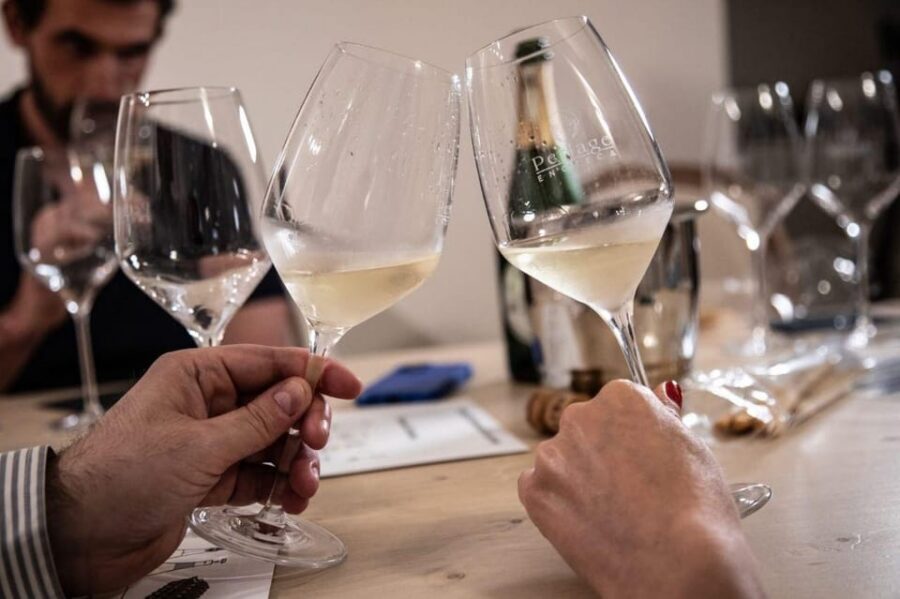
At Perlage Enoteca, you’re not wandering through a wine list on your own. You’re guided by an educator who talks through history, vineyards, and winemaking process as you taste.
That educator-led format matters because sparkling wine can be intimidating. The labels and terms can look like a code. Here, you get the code translated into something you can taste and remember.
The small group size also changes the experience. With only up to 10 people, the educator can pace explanations and keep conversations flowing. One reviewer even highlighted how easy it was to hear in the intimate setting, and I agree with the logic: when the room is sized right, you don’t miss details.
And the learning sticks because you’re drinking while you’re learning. The tasting is short, but it’s designed to help you build a decision-making tool for future purchases.
You can also read our reviews of more wine tours in Siena
How Much Is $41 Worth for Three Sparkling Wines?
Let’s talk value, because $41 is not nothing.
What you’re paying for:
- 3 wines for tasting
- expert instruction in English, French, or Spanish
- three sparkling production methods (Champenoise, Charmat, Ancestral)
- local delicacy pairings
- a 1-hour experience in central Siena
If you’re the type who enjoys learning only when it’s directly connected to what you’re drinking, the price starts to make sense. You’re not paying just for the alcohol. You’re paying for the structure that turns tasting into knowledge.
If your priority is quantity—more pours, a long hang, or a heavier food experience—then you might feel it’s short, and that’s the main drawback to keep in mind. This tasting is focused, not a full night out.
Who This Tasting Is Best For (And Who Might Want Another Plan)
This works especially well if:
- you’re curious about how Tuscan native grapes behave as sparkling wine
- you want a guided tasting without overthinking complicated steps on your own
- you want to learn differences between production methods in a practical way
- you’re traveling solo or in a small group and want something social but not chaotic
It might be less ideal if:
- you want a long aperitivo with lots of food
- you’re expecting more than three tastings in the hour
- you’re traveling with children (it’s not suitable for under 18)
Because the tasting is adult-focused and time-limited, it also fits nicely as a “Siena in one evening” plan: do a tasting early, then keep your night moving through the city.
Simple Practical Tip: Make This Your Sparkling-Wine Anchor Stop
If you’re doing multiple wine or food activities in Siena, I recommend using this as your anchor tasting.
Why? You’ll come out with a mental map:
- grape character (Sangiovese, Trebbiano, Vermentino)
- production style (Champenoise, Charmat, Ancestral)
- how bubbles change the overall feel of the wine
After that, when you see sparkling bottles elsewhere in Tuscany, you’ll have better instincts about what you’ll actually enjoy. You won’t need to guess based only on label design or hype.
Should You Book the Siena Tuscan Sparkling Wine Tasting?
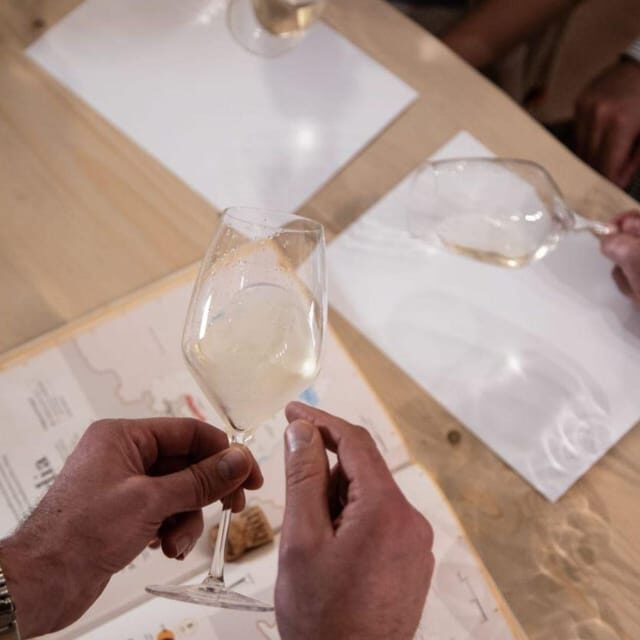
I think you should book it if you want a smart, friendly way to understand Tuscan sparkling wine in a single hour. The format is built for learning: three wines, three methods, native Tuscan grapes, and local pairings, all in a small group at a central address you can find quickly.
Skip it or consider a different option if you’re mainly looking for a long food-and-drink night or you want a bigger amount of wine per person. This experience is about education and variety, not volume.
If you’re 18+ and you like the idea of comparing Champenoise vs Charmat vs Ancestral using Tuscan grapes, this is one of the best-value “do it once, remember it later” tastings in Siena.
FAQ
How long is the Siena sparkling wine tasting?
It lasts 1 hour.
Where do I meet for the experience?
You meet at Enoteca Perlage in Piazza Indipendenza, in front of the taxi rank, about 20 meters from Piazza del Campo.
How much does the tour cost?
The price is $41 per person.
What wines and grape varieties are included?
You taste three sparkling wines made from historically significant Tuscan grape varieties: Sangiovese, Trebbiano, and Vermentino.
Which sparkling wine production methods are included?
The tasting includes Champenoise Method, Ancestral Method, and Charmat Method.
Are local foods included?
Yes. Each wine is paired with local delicacies.
What languages are offered?
The instructor speaks English, French, and Spanish.
Is it suitable for children, and is it wheelchair accessible?
It is not suitable for children under 18. It is wheelchair accessible.
Can I cancel, and is pay later available?
Yes. You can reserve now and pay later, and you can cancel up to 24 hours in advance for a full refund.
If you tell me when you’re in Siena (and what kind of sparkling wines you usually like), I can suggest a simple game plan for the rest of your day around this tasting.