
REVIEW · FLORENCE
Skip the Line: Galileo Museum Ticket in Florence
Book on Viator →Operated by Weekend in Italy · Bookable on Viator
Galileo feels oddly personal here. This timed ticket gets you into the Museo Galileo without wrestling with the worst of the crowd flow, and the museum itself is packed with centuries of instruments and the people who built them. You also choose an admission time, so the visit can fit your day in Florence instead of stealing half your plans.
I really like two things about this experience. First, the collection is built around real scientific instruments dating back to the 1400s, so you’re not just reading about science—you’re seeing how it was done. Second, the visit length is about 1–2 hours, which is a sweet, workable window when you’re also trying to squeeze in Duomo views and gelato breaks.
Here’s the one drawback to keep in mind: the “skip the line” promise can depend on how your ticket/voucher is handled at the museum door, and your confirmed time may not be the exact one you requested. If you’re traveling with tight timing, you’ll want a calm plan and a little buffer.
In This Review
- Key things to know before you go
- Why Museo Galileo Works in Florence (And Why It’s Worth Your Time)
- The Long Medici-to-Lorraine Story Behind the Museum
- What You’ll Actually See: Galileo, the Sky, and the Tools Behind It
- Your Timed Entry Plan: Make the 1–2 Hours Work
- Price and the Skip-the-Line Question (Value, Not Just Cost)
- Museum Logistics That Matter in Real Life
- Who This Ticket Suits Best (And Who Might Want Another Plan)
- Final Take: Should You Book This Galileo Museum Skip-the-Line Ticket?
- FAQ
- How long is the Museo Galileo visit with this ticket?
- Is the ticket admission timed?
- Can I request a specific admission time?
- Is the admission ticket included in the price?
- Are food and drinks included?
- How soon will I receive confirmation after booking?
- How many people are in the group?
- Is the museum accessible for visitors with reduced mobility?
- Where is the meeting area or how do I get there?
- Is this ticket refundable or changeable?
Key things to know before you go
- Timed entry: you’ll get an exact entrance time to follow during opening hours
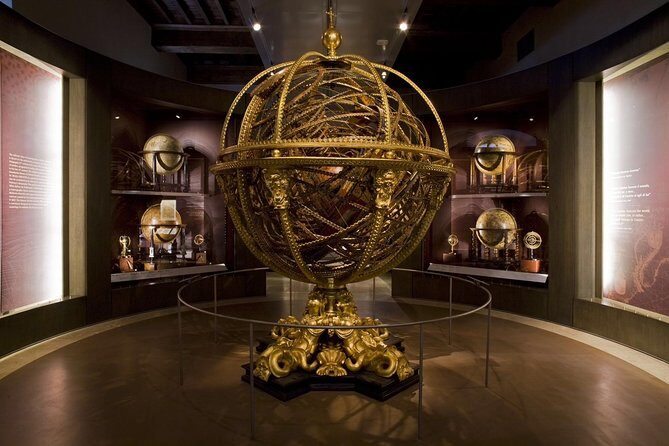
- Instruments, not just ideas: collections trace multiple scientific waves, including Medici-era collecting
- A tight visit window: expect about 1–2 hours
- Small group cap (15): the format stays manageable
- Plan for flexibility: your confirmed time can shift to the closest available slot
Why Museo Galileo Works in Florence (And Why It’s Worth Your Time)

Florence already sells you on art and marble. Museo Galileo adds a different kind of genius—smart, hands-on, and stubbornly practical science. The museum’s pull is that it shows how knowledge was built, not just what people eventually discovered.
What I like most is the museum’s “science as a story” vibe. You’ll move room to room through instruments tied to astronomy and experimentation, and the overall effect is that Galileo doesn’t feel like a distant name in a textbook. He feels like part of a longer chain of inventors, craftsmen, and scholars who were trying to measure the universe with the tools they had.
And because this is a timed entry ticket, you can steer your day. Instead of arriving, waiting, and losing momentum, you arrive closer to when you’re meant to start. That matters in Florence, where “I’ll just wander over there” can turn into an unexpected detour.
You can also read our reviews of more tours and experiences in Florence



The Long Medici-to-Lorraine Story Behind the Museum
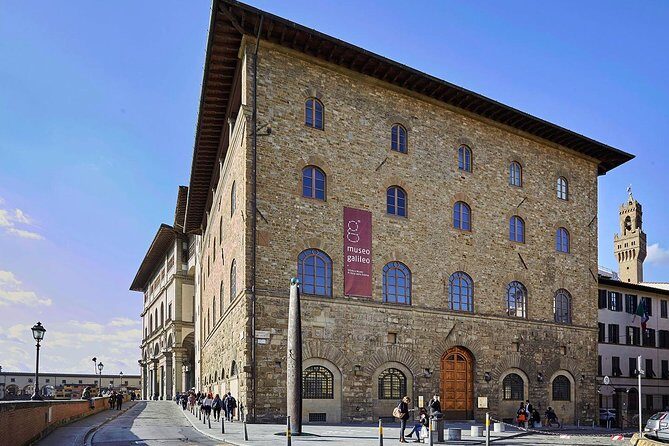
This museum didn’t pop up in a vacuum. It inherits a collecting tradition that stretches back five centuries, and it’s tied to the Medicis and the Lorraine family’s support for scientists and instruments.
It begins with Cosimo I (1519–1574), who started the Medicean collection and housed it in the Palazzo Vecchio’s “Wardrobe” area—today associated with the sala delle carte geografiche (Map Room). That’s not trivia; it frames why the collection is so instrument-focused. These weren’t casual display pieces. They were treated as serious objects meant for study and experimentation.
Then the story shifts with the foundation of the Accademia del Cimento in 1657, inaugurated by Ferdinand II and Leopold de’ Medici. The academy’s goal was experimental investigation of nature—especially work tied to thermometric, barometric, and pneumatic research. In other words: this wasn’t only sky-watching. It was also measuring air, pressure, and temperature like the scientific world was learning a new language.
The instruments later moved to the Pitti Palace, and the collection survived political and historical curveballs. After decline during the Napoleonic occupation (1799–1814), the Lorraine family reorganized the museum. Following the Unification of Italy, collections were dispersed into university departments.
Then comes the near-modern rescue arc. In 1922, a group focused on preserving national scientific heritage rescued the collections from abandonment. In 1927, the Istituto di Storia delle Scienze (with the goals of collecting, cataloging, and restoring) was founded. By 1930, the University of Florence opened a permanent exhibition at Palazzo Castellani to the public.
World War II and the 1966 flood hit hard: instruments stored in the basement and ground floor were seriously damaged. International solidarity and the efforts of Maria Luisa Righini Bonelli, then director of the museum, helped recover and reopen the exhibition rooms. That backstory gives the museum a deeper emotional layer—you’re not just visiting a display. You’re seeing artifacts that endured real threats.
What You’ll Actually See: Galileo, the Sky, and the Tools Behind It
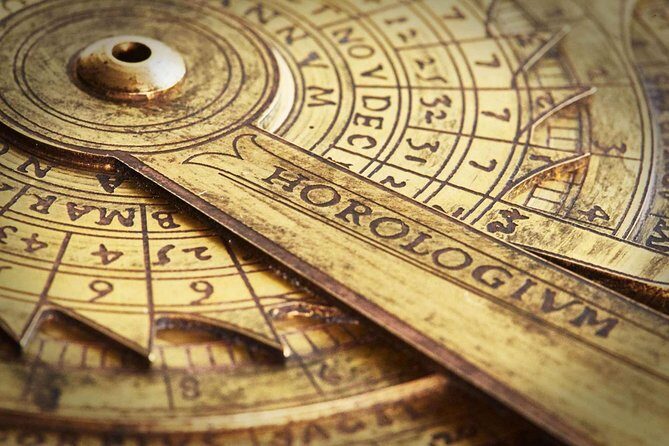
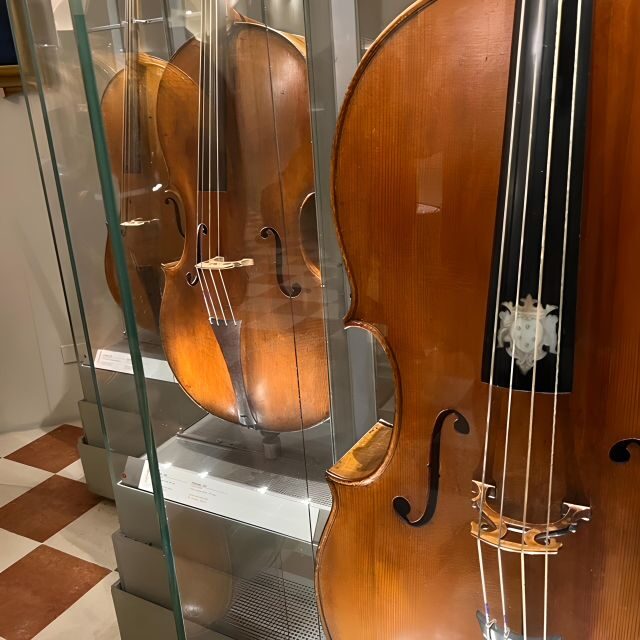
The museum’s headline promise is built on the idea that history matters most when you can look closely at the objects. You’ll find a vast collection of instruments dating to the 1400s, and you’ll connect them to Galileo’s contributions to understanding the universe. This makes the visit feel more like “science history with visuals” than a lecture hall.
Here’s how it typically lands in your experience. As you move through rooms, you’ll see instrument design as a kind of problem-solving. People back then didn’t have sensors, screens, or digital scaling. They had precision craftsmanship, careful calibration, and a need to turn observation into something you could measure and repeat.
The museum also leans into interactive learning. Some parts of the experience can feel hands-on, the sort of thing that makes students and non-experts alike ask questions. That’s a big plus if your group includes anyone who thinks museums are “just walking and reading.”
Also, don’t expect it to be only about Galileo. The broader collection reflects multiple scientific goals—astronomy and the heavens, yes, but also the experimental mindset that shaped how early scientists tested ideas. If you’re a science fan, you’ll probably spot the through-line fast: Galileo sits at a crossroads of observation and measurement.
If you’re short on time, aim for the rooms that connect Galileo’s era to the surrounding instrument-making tradition. You don’t need to sprint. The museum is designed for a paced look, and the best part comes from slowing down enough to notice how different tools work.
Your Timed Entry Plan: Make the 1–2 Hours Work
This ticket is set up around a timed start. You’ll be assigned an exact entrance time that you must respect. The important part: the time can land anywhere during opening hours, and if your requested slot is unavailable, the museum may confirm the closest available time on the same date.
That structure is good for scheduling. It also means you should treat your entrance time like an appointment, not a suggestion. Florence doesn’t do traffic delays gently, and your feet can’t teleport you from one end of town to another.
A good on-the-ground approach:
- Arrive early enough to get your bearings and avoid stress.
- Plan on spending most of your time inside, not outside.
- If you’re pairing this with other sights, keep a buffer so your schedule doesn’t collapse if the line is longer than expected.
Duration-wise, 1–2 hours is realistic. You can do a thoughtful sweep in about that range if you don’t get stuck reading every label for an hour each. If you love science history, you might stretch closer to two hours, because it’s easy to keep going room to room.
And remember: you’re not traveling with a huge crowd. The experience is capped at 15 travelers, which usually keeps things feeling organized rather than chaotic.
Price and the Skip-the-Line Question (Value, Not Just Cost)
The price is $25.83 per person, and the headline benefit is guaranteed line skipping. That sounds straightforward, but here’s the practical truth: the actual payoff depends on how your ticket is recognized at the museum entrance.
In a perfect world, your timed ticket reduces friction right away. In the real world, some visitors have run into situations where the museum didn’t accept their voucher or they couldn’t use it as expected, forcing them to buy entry again on site. That’s exactly the sort of scenario that turns “skip the line” into “pay twice and hope.”
So is this still good value? Often, yes—if you treat it like a convenience tool and keep your plan flexible.
My value math looks like this:
- If the ticket works smoothly at the door, you save time and hassle.
- If there’s a snag, the museum experience can still be great, but the ticketing convenience may not be worth the extra cost.
One more note: this ticket is non-refundable and not changeable. That matters. If your Florence days are already unstable (health issues, sudden itinerary changes, travel delays), you’ll want to think hard before booking.
You can also read our reviews of more museum experiences in Florence





Museum Logistics That Matter in Real Life
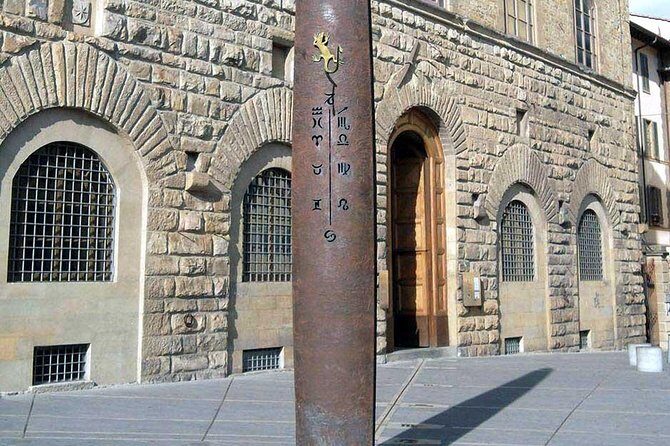
This doesn’t require a complicated travel setup. It’s in Florence and is marked as near public transportation, which makes it easier to reach without building your whole day around taxis.
For visitors with reduced mobility, the museum is described as entirely barrier-free, with an accessible entrance at Lungarno Anna Maria de’ Medici, where you can call for assistance if needed. That’s an important detail worth noting if you’re mapping your route ahead of time.
Also, keep an eye on your confirmed entrance time versus what you requested. The confirmed slot can be the closest available time during the same date, even if it’s not the time you initially aimed for. If you’re trying to stitch together a strict plan for the morning or afternoon, that small difference can matter.
Who This Ticket Suits Best (And Who Might Want Another Plan)
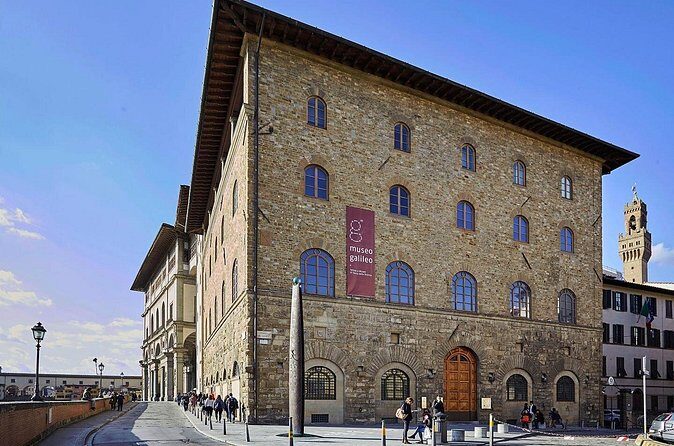
This is best for you if you like science history, hands-on learning, or anything that connects Galileo to the wider evolution of instruments and experimental thinking. If you’re the type who likes learning how people made measurements before computers existed, you’ll probably enjoy it a lot.
It also works well for mixed groups. The museum is structured so that not every person needs deep scientific background. You’ll still get the story—and the objects do a lot of the convincing.
Where it may not fit as well is if your trip has zero flexibility and you need perfect certainty. The experience is small-group and timed, but the ticketing convenience depends on smooth acceptance at the door. If your schedule is razor-thin and non-refundable changes are a deal-breaker, you might prefer buying directly when you arrive—simple, direct, and less variable.
Final Take: Should You Book This Galileo Museum Skip-the-Line Ticket?
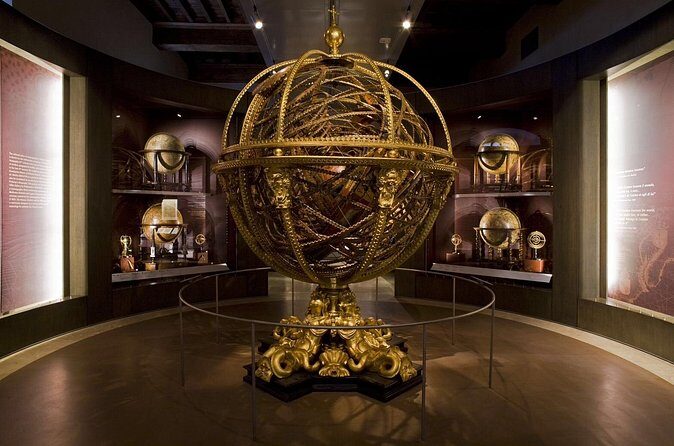
I’d book it if you want a smooth start, you’re okay arriving with a little calm buffer, and you’re excited about seeing the instruments and the science story behind Galileo. At $25.83, the value is strongest when the ticket works as intended and you genuinely save time.
I would pause before booking if your schedule is fragile, because the purchase is non-refundable and not changeable, and there’s at least some risk of ticket/voucher hiccups at the museum entrance. In short: the museum itself is the draw, and this ticket is mostly a convenience wrapper—great when it goes smoothly, annoying when it doesn’t.
If you’re traveling with enough time to handle a minor snag, go for it. If not, consider planning your entry in a way that protects your day.
FAQ
How long is the Museo Galileo visit with this ticket?
The visit is listed as about 1 to 2 hours.
Is the ticket admission timed?
Yes. You’re assigned an exact entrance time that you must follow. It can be any time during the museum’s opening hours, and that time is shown on your voucher.
Can I request a specific admission time?
You can request a time, but the confirmed time may not match your request if that slot is sold out. The museum will confirm the closest available time on the same date if needed.
Is the admission ticket included in the price?
Yes. The admission ticket is included.
Are food and drinks included?
No. Food and drinks are not included.
How soon will I receive confirmation after booking?
Confirmation is sent within 48 hours of booking, depending on availability.
How many people are in the group?
This experience has a maximum of 15 travelers.
Is the museum accessible for visitors with reduced mobility?
Yes. The museum is described as entirely barrier-free, with an accessible entrance at Lungarno Anna Maria de’ Medici. Visitors can call for assistance if required.
Where is the meeting area or how do I get there?
The experience is marked as near public transportation, but no specific meeting point is provided in the details.
Is this ticket refundable or changeable?
No. This experience is non-refundable and cannot be changed for any reason.


More Museum Experiences in Florence


More Tickets in Florence


More Tour Reviews in Florence
- Tuscany Day Trip from Florence: Siena, San Gimignano, Pisa and Lunch at a Winery
★ 5.0 · 21,634 reviews - The Best tour in Florence: Renaissance & Medici Tales – guided by a STORYTELLER
★ 5.0 · 12,316 reviews