
REVIEW · FLORENCE
Skip the Line: Stibbert Museum Ticket in Florence
Book on Viator →Operated by Weekend in Italy · Bookable on Viator
Medieval weapons, plus art, in one calm house. With timed entry to the Museo Stibbert, you avoid the most annoying part of visiting a popular museum in Florence. I also love the way the collection mixes armor from the 1400s to the 1800s with paintings, costumes, and tapestries, so your brain never gets bored.
What makes Stibbert work so well is that it feels like a real private obsession turned museum. You’re stepping through a home with 50,000 objects at the core of Frederick Stibbert’s original collection, and you’ll get a chance to see both Western and Eastern arms side by side. The one real drawback to plan around: your ticket assigns an exact entrance time, and that time may be the closest available option rather than the one you first requested.
In This Review
- Key points to know before you go
- Stibbert Museum: a private collection in Florence you can actually take your time with
- Skip-the-line tickets with an assigned entry time (how it really works)
- Your timed visit itinerary: how the museum unfolds once you enter
- What to look for in the arms and armor collection (Western and Eastern)
- Beyond weapons: paintings, costumes, tapestries, and unexpected objects
- Meet Frederick Stibbert’s vision in 60-plus rooms
- How long to plan, and who will enjoy this most
- Value check: is a $17.42 ticket worth it?
- Should you book the Stibbert skip-the-line ticket?
- FAQ
- Do I need to book a timed ticket in advance?
- How does the assigned entrance time work?
- How long should I plan to spend at the Stibbert Museum?
- What’s included with the ticket price?
- What kinds of things are inside the museum besides armor?
- Can I cancel or change my ticket?
Key points to know before you go
- Timed entry helps you sidestep long waiting and start your visit on schedule
- 60-plus rooms turn the museum into a slow, stroll-through experience rather than a rushed checklist
- Western and Eastern arms and armor from the 15th to 19th centuries gives you real visual range
- Frederick Stibbert’s personal collection shapes the museum’s layout and personality
- A short 1–2 hour visit works well if you want a focused Florence museum stop
Stibbert Museum: a private collection in Florence you can actually take your time with
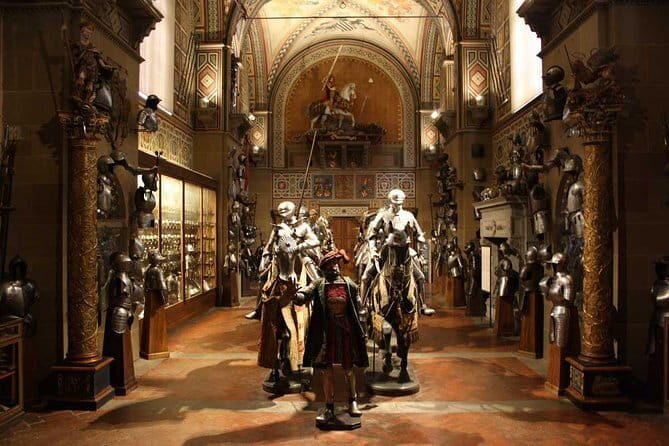
The Stibbert Museum doesn’t feel like a giant “big-ticket” museum. It feels like someone built a world you can walk into. You’ll find nearly 60 rooms filled with art and artifacts, and the setting matters: this was the former personal residence of Frederick Stibbert. That’s why the experience lands differently than most museum visits. The objects are arranged in a way that matches a collector’s eye, not just a curatorial grid.
And yes, the headline is arms and armor. But the best part is how the museum refuses to treat weapons as the only story. You’ll also see items that connect to status and daily life—historic paintings, costumes, tapestries, furniture, and more. One of the reasons this works is that it gives your imagination something to do. Armor isn’t just about battles; it’s about craftsmanship, materials, design, and display.
If you like museums where you can slow down and actually look, this is a strong match. If you only want one narrow theme, you’ll still get value, but you may spend less time in sections that move away from weapons.
You can also read our reviews of more tours and experiences in Florence



Skip-the-line tickets with an assigned entry time (how it really works)

This is a Stibbert Museum ticket sold with timed entry, and the key detail is simple: you’ll be assigned an exact entrance time you must respect. The time can fall anywhere during the museum’s opening window (8:15am to 4:45pm), and it will show on your voucher issued after booking.
A practical heads-up: the confirmed time is not always the same time you requested. If the time you want is sold out, the museum automatically assigns the closest available slot on the same date. So if you’re building your day around another timed reservation, don’t plan on your first-choice time. Give yourself cushion.
The good news is that this ticket is designed to avoid line stress. Even if you end up walking into the museum when it’s not extremely crowded, timed entry still helps you keep your day organized. The museum also runs in small groups, with a maximum of 15 people, which usually means less chaos in the check-in moment and less pressure as you start exploring.
Plan to arrive a bit before your time. That’s not a dramatic tip—it’s just the best way to avoid last-minute stress in any Florence neighborhood.
Your timed visit itinerary: how the museum unfolds once you enter

The visit is set up to last about 1 to 2 hours. That range is realistic because Stibbert isn’t just one room of armor and done. It’s a full property experience: multiple rooms, lots of objects, and enough variety that you’ll want to move at a steady, not frantic, pace.
Once you enter the Museo Stibbert, your itinerary basically becomes a path through the collection:
- First, orient yourself so you understand how the rooms connect.
- Then focus on the arms-and-armor areas without feeling like you must see every single item.
- After that, shift gears and spend time on the supporting collections—paintings, textiles, costumes, and the extra artifacts that show another side of Stibbert’s tastes.
Because the museum is housed in Stibbert’s former residence, the “flow” feels more like walking through rooms in a big house than touring a single grand hall. That’s a benefit if you’re prone to museum fatigue. You can stop, look longer, and move on when you’re ready.
If you love photo stops, this museum gives you plenty—but keep your schedule in mind. Timed entry means you’re not fighting the clock while waiting in line, but you still want to use the time slot to actually enjoy the objects rather than rush through for fear of missing an exit.
What to look for in the arms and armor collection (Western and Eastern)

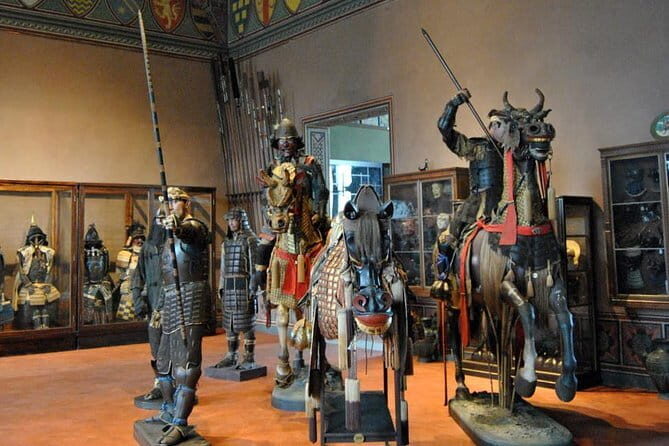
The arms and armor collection is the main reason many people plan their Florence day around Stibbert. The scope is impressive: armor and weapons spanning the 15th to 19th centuries, with examples from both Western and Eastern traditions. You’re not just looking at one style from one country. You’re seeing how different cultures treated protection, rank, and craftsmanship.
Here’s how to make the most of it without getting overwhelmed:
Look for craftsmanship, not just weapons. The best comparisons often come from details—how armor panels fit, the finish of metal, and how decorative elements signal status. Even if you don’t know every term, you’ll start noticing patterns.
Pay attention to the “story” of evolution across centuries. A piece from an earlier period can feel stylistically different from something later, and it helps you grasp that armor design wasn’t static.
If you’re into the Eastern side, you’ll likely find references that go beyond European trends. One visitor specifically called out samurai-related armor as a standout. So if that interests you, don’t speed through those rooms.
Finally, remember this is a collector’s collection. That means the museum’s personality comes through. You’ll often feel like you’re seeing what Frederick Stibbert loved most, not what a committee decided was trendy.
Beyond weapons: paintings, costumes, tapestries, and unexpected objects

The museum doesn’t stop at the “cool armor stuff.” It also includes items tied to art, society, and ceremony. Stibbert wasn’t only gathering weapons—his interests extended to costumes, paintings, tapestries, furniture, and other applied arts.
The payoff for you is variety without leaving the building. When you move from armor to textiles or a painted scene, the museum becomes more than battle history. It becomes social history: who wore what, what materials mattered, and how aesthetics worked alongside function.
A few extra categories round things out. Beyond the core arms and armor, the museum includes archaeological items, musical instruments, and liturgical objects. Those aren’t filler. They help explain how Stibbert thought—he collected broadly, then arranged the museum to reflect that curiosity.
If you care about big-name connections, the museum can include items that belonged to nobility, with references including Napoleon Bonaparte. Even if that’s not why you’re going, it’s a useful reminder that this collection sits at the intersection of power, art, and personal collecting.
And one more practical note: if you have kids or teens, plan to spend a little time here. Several visitors highlighted that the mix of armor plus costumes and historic objects kept younger people interested, not just those who love weapons.
You can also read our reviews of more museum experiences in Florence





Meet Frederick Stibbert’s vision in 60-plus rooms

Frederick Stibbert started building his arms collection as soon as he came of age and returned from study in England. That backstory matters because it turns the museum into more than a static display. It’s a personal project with momentum, and you can feel that through the room-to-room experience.
Today, the museum is a Foundation focused on promoting history for future generations. In plain terms, it’s not just keeping objects in a locked cabinet. It’s trying to preserve a specific collection and share it.
The museum’s design also supports calm viewing. Many people report that it’s not packed like certain other Florence hotspots. The timed entry helps, and the overall feel is relaxed enough that you can actually look rather than just shuffle past.
Don’t expect a guided tour narration unless you’ve chosen one. This ticket is about timed access so you can explore. That makes it a good option if you prefer self-paced sightseeing. You’ll get to set your own rhythm: armor first, art second, or vice versa.
Also, the “nearly 60 rooms” scale is real. You can cover a lot in 1–2 hours, but you’ll get the best experience if you’re selective. Pick a few rooms you love and linger. Stibbert rewards attention.
How long to plan, and who will enjoy this most

The stated duration is about 1 to 2 hours, which I think is right for most people. If you’re more of a scan-and-move type, lean toward the shorter end. If you like detail and comparisons, go longer.
This is especially good for:
- People who love armor and weapons but also want art and textiles to balance the visit
- Teenagers and young adults who want something visually dramatic without being bored by “just history labels”
- Anyone who wants a quieter Florence museum stop where you can look calmly
It’s less ideal if:
- You dislike weapons as a topic (even though the museum includes lots besides armor)
- You’re only interested in large-scale painting galleries or contemporary museum formats
One more practical consideration: timed entry is great, but you’ll need to stay flexible if you’re juggling a busy schedule. Because your entrance time is assigned, build in time to get there and settle.
Value check: is a $17.42 ticket worth it?

At $17.42 per person, you’re paying for two things: access and less waiting. That’s how most skip-the-line tickets earn their keep. Here, the value is strongest when Florence crowds are at their height or when you’ve got a packed day and don’t want to burn time in a queue.
Is it a bargain compared to a random museum ticket? Not always, because skip-the-line costs extra. But Stibbert gives you a lot of “time content.” You’re spending 1–2 hours in nearly 60 rooms, and the collection isn’t one-note. You’re seeing weapons across centuries plus costumes, paintings, tapestries, and other categories that expand the experience.
Also, you’re not just buying entry. You’re buying a calmer start. That matters in a city where time and logistics can run your day.
If you’re choosing between this and another museum, I’d frame it this way: pick Stibbert if you want an unusual Florence experience that mixes craftsmanship, art, and surprising variety in one contained stop.
Should you book the Stibbert skip-the-line ticket?
Book it if you want a Florence museum that feels personal, quiet, and genuinely different from the usual must-sees. The timed entry helps you avoid waiting, and the museum’s layout supports a relaxed pace. You’ll get the star attraction—arms and armor spanning centuries—plus enough art and textiles to keep the visit from feeling like a single long theme.
Don’t book it if your schedule is too tight to handle an assigned entrance time, or if weapons are a hard no for you. Also, if you’re expecting a fast “see everything” style tour, Stibbert rewards looking, not rushing.
If you like having a plan that still leaves room to wander, this is a solid choice.
FAQ
Do I need to book a timed ticket in advance?
Yes. This is designed specifically so you can purchase ahead and use an admission time slot to skip the long lines.
How does the assigned entrance time work?
After booking, you’ll receive a voucher with an exact entrance time you must respect. The assigned time can be any time during opening hours (8:15am to 4:45pm), and it may be the closest available slot if your requested time is sold out.
How long should I plan to spend at the Stibbert Museum?
Plan for about 1 to 2 hours.
What’s included with the ticket price?
Your ticket includes guaranteed skip-the-line entry.
What kinds of things are inside the museum besides armor?
You can expect historic paintings, costumes, tapestries, and additional items such as archaeological objects, musical instruments, and liturgical objects.
Can I cancel or change my ticket?
No. The experience is non-refundable and cannot be changed for any reason.



More Museum Experiences in Florence
More Tickets in Florence


More Tour Reviews in Florence
- Tuscany Day Trip from Florence: Siena, San Gimignano, Pisa and Lunch at a Winery
★ 5.0 · 21,634 reviews - The Best tour in Florence: Renaissance & Medici Tales – guided by a STORYTELLER
★ 5.0 · 12,316 reviews