REVIEW · SIENA
Small-Group Chianti and San Gimignano Sunset Trip from Siena
Book on Viator →Operated by Tuscan Escapes by Papilio SRL · Bookable on Viator
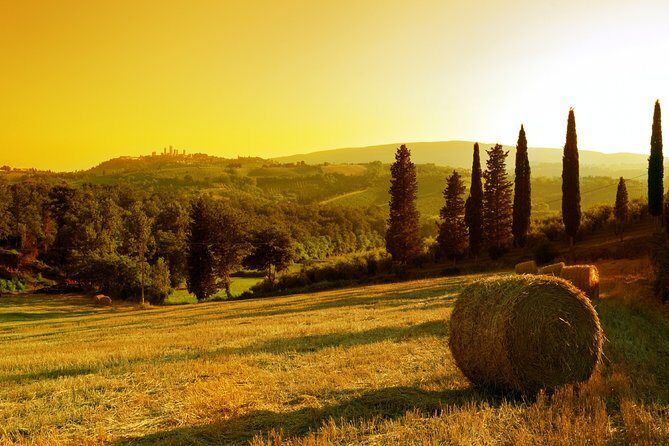
There’s no rush on this Tuscan day. You start in Siena in the late afternoon, roll through the Chianti countryside, and end with views over San Gimignano as the light turns golden.
What I like most is the pacing: you get real time in the hill towns, not just a quick stop for photos. I also like that the tasting and dinner are built in, so you aren’t constantly paying extra for food and wine. The main thing to consider is that if you’re chasing the absolute most town time, the wine stop may feel like a big block of the day for some people.
In This Review
- Key moments worth marking on your mental map
- From Piazza San Domenico to sunset views: how the timing works
- Chianti countryside drive: what you actually learn on the road
- Winery time in the Chianti hills: tour, cellar stories, and Black Rooster Chianti Classico
- Monteriggioni: quick walls, quiet streets, and a fortress town you can still read
- Late-afternoon San Gimignano: towers, the Collegiata, and optional museum time
- The dinner at the rustic farmhouse: Vernaccia tastings and sunset on a terrace
- Getting your best day out of it: practical tips that matter
- Price and logistics: is $217.23 worth it?
- Who this tour suits best (and who should consider another option)
- FAQ
- Where do I meet the guide?
- What time does the tour start?
- How long is the trip?
- How many people are in the group?
- What’s included in the price?
- Are entrance fees in San Gimignano included?
- Is alcohol included, and is there an age limit?
- Does the tour use a mobile ticket?
- Can I cancel and get a full refund?
- Should you book this sunset Chianti and San Gimignano trip?
Key moments worth marking on your mental map
- A 2:30pm start that gives you evening light, not just daytime sightseeing
- Monteriggioni’s intact wall ring, a medieval fortress town you can actually walk through
- A family-run style winery visit with a guided tour and a Chianti Classico tasting
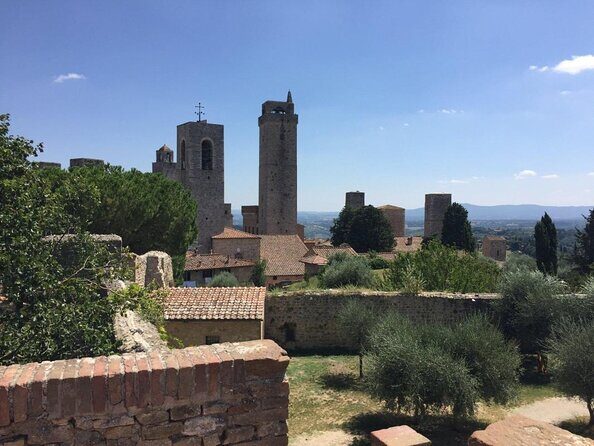
- San Gimignano as the crowds thin, with options like the Collegiata church
- A terrace sunset dinner setup with vegetables, cured meats, cheeses, and Chianti + Vernaccia tastings
- Max 8 people, which changes the vibe from tour bus to shared day out
From Piazza San Domenico to sunset views: how the timing works
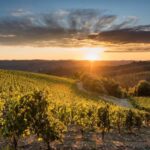
This tour is built around one smart idea: leave Siena late enough that you’ll be in San Gimignano near golden hour. You meet at 2:30pm in front of the church of San Domenico, then head out by air-conditioned minivan. With about 8–9 hours total, you should expect a return to Siena in the late evening.
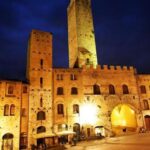
That timing matters because San Gimignano is at its most photogenic when the day cools down. Towers look sharper, streets feel less congested, and the whole place slows down. It also helps you avoid the midday crush you get on day trips that run straight through.
Group size is capped at eight, which usually means you can hear your guide in a conversation, not just “tour commentary.” And because the tour returns you to the meeting point, you’re free to plan your evening in Siena without extra transfers.
You can also read our reviews of more evening experiences in Siena
Chianti countryside drive: what you actually learn on the road
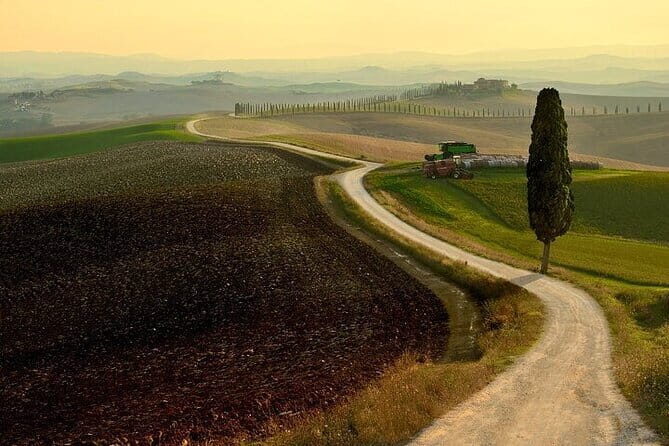
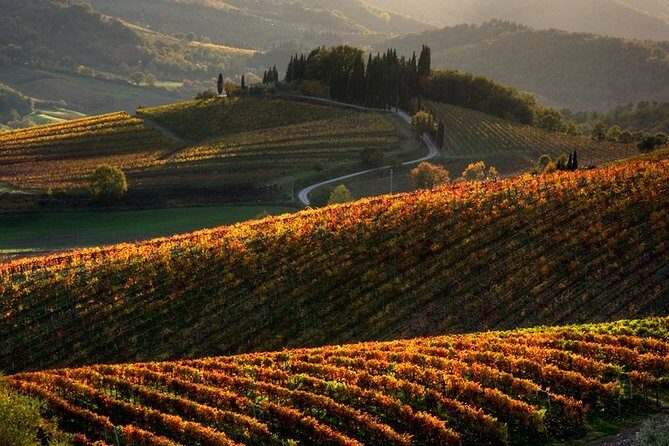
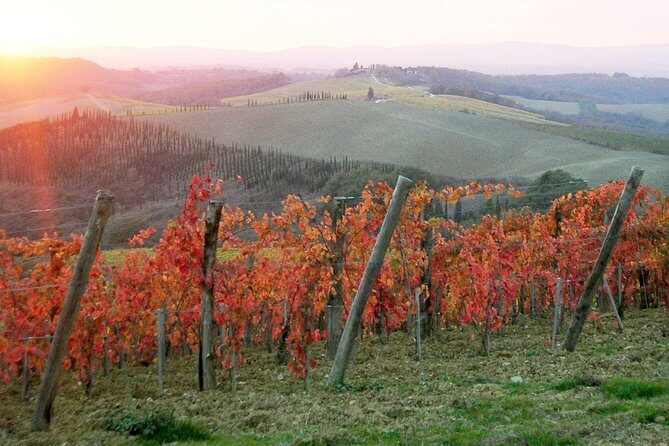
The drive through Chianti isn’t just transportation. Your guide builds context as vineyards and farm roads slide by the windows, so the countryside stops being generic scenery and starts feeling like a lived-in system—vineyards, soil, and trade patterns all tied together.
This is where the guide makes the biggest difference. Past groups have been led by guides such as Keko, Danielle, Marco, Mattia, Georga, and Elio, and the consistent theme is that they connect wine and place without turning it into a lecture. You’ll get enough background to understand what you’re tasting, and then you’re on to the fun parts.
One practical note: country roads can be bumpy. If you’re the type who gets car-sick easily, plan ahead with what works for you.
Winery time in the Chianti hills: tour, cellar stories, and Black Rooster Chianti Classico
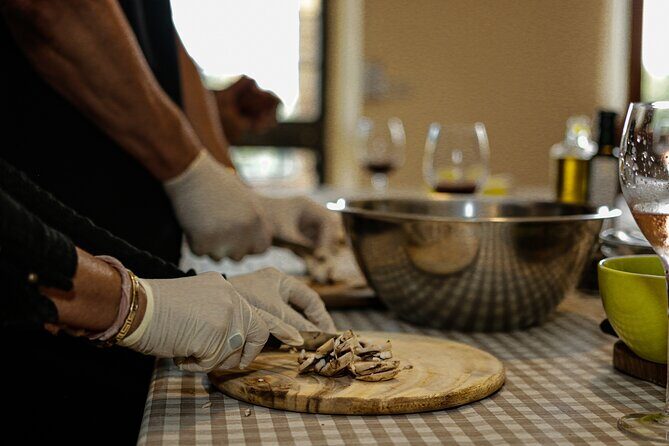
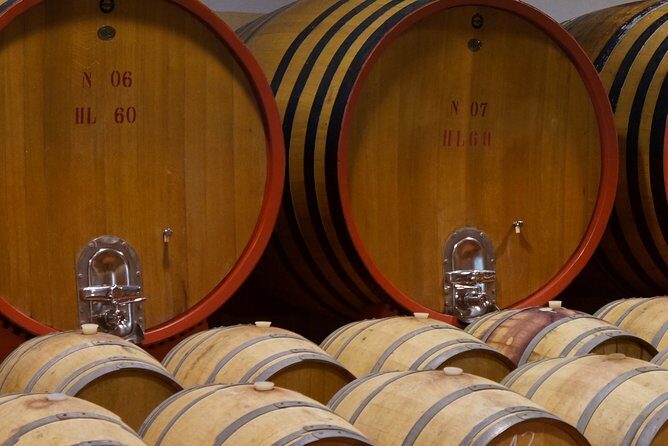
Your first major stop is at a Chianti wine estate for a grounds-and-cellar visit, followed by a tasting. The tasting listed here includes Black Rooster Chianti Classico, and it’s paired with the kind of explanation that helps you recognize what makes Chianti taste like Chianti.
Why this is valuable: you’re not just drinking. You’re learning the basic steps behind the bottle, so later, when you see how producers describe their wines, it feels less like random marketing. This matters even if you’re not a wine nerd, because it turns the tasting into a sensory map instead of a sip-and-spit routine.
Also, note the flow of the day. The wine stop is a centerpiece, not a side quest. That’s great if you enjoy wine culture. It can be a little too long if you’re hoping to spend every minute walking towns and skipping any slower moments.
Monteriggioni: quick walls, quiet streets, and a fortress town you can still read
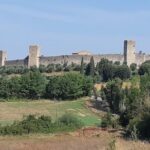
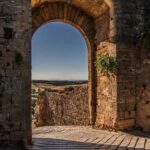
After the winery, you head to Monteriggioni, a medieval town known for its complete ring of walls and turrets. It was once Siena’s main defense against Florentine armies, and the “why it looks the way it does” is easy to grasp once you’re standing near the walls.
You get about 30 minutes of independent time, plus the freedom to wander the charming streets and small shops. For a short visit, this is a strong stop because it’s visually obvious—you don’t need a deep guidebook to appreciate what you’re seeing.
Potential drawback: Monteriggioni is well-preserved and very tour-friendly, so if you dislike tourist shops right inside historic walls, you may find the atmosphere a bit commercial. Still, it’s one of the easiest medieval “wow” moments to fit into a day trip from Siena.
Late-afternoon San Gimignano: towers, the Collegiata, and optional museum time
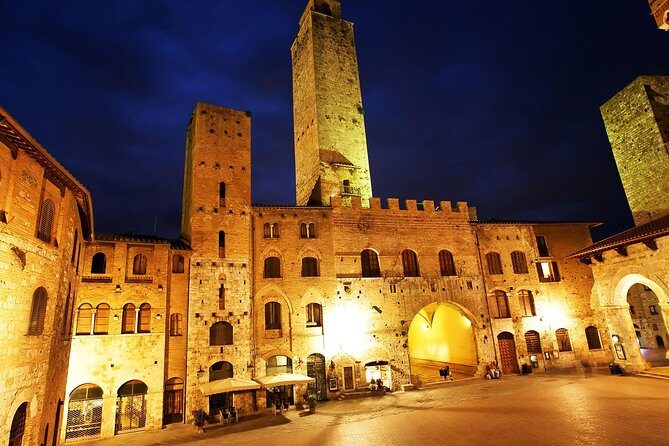
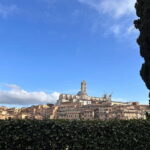
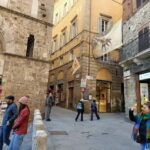
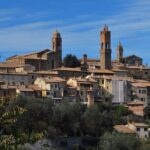
San Gimignano is where this trip turns into a true evening experience. You arrive in the late afternoon when the crowds start to thin out, so you can actually move through the streets without feeling boxed in.
You’ll get about an hour of free time to explore. The Collegiata di San Gimignano is the main church stop mentioned, and it’s a good use of time if you want to see something historic without spending money on extras. There’s also the Civic Museum option, but entrance fees are at your own expense.
If you’re the shopping type, this is a fun place for small Italian finds: you can look for handcrafted pottery and leather goods, plus the food shops and wine bars in town. The vibe is part medieval town, part modern artisanal retail, and because you’re there later in the day, it feels more relaxed.
Also, the town’s medieval rise is tied to the via Francigena trade route. Even if your legs are doing most of the work, your guide’s context helps you see that the towers weren’t just decoration—they were status.
The dinner at the rustic farmhouse: Vernaccia tastings and sunset on a terrace
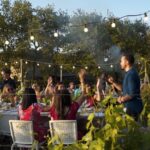
After San Gimignano, you travel to a rustic farmhouse just out of town for dinner. This is the “Tuscan Escapes” moment people remember, because it’s not only a meal—it’s the pacing and setting.
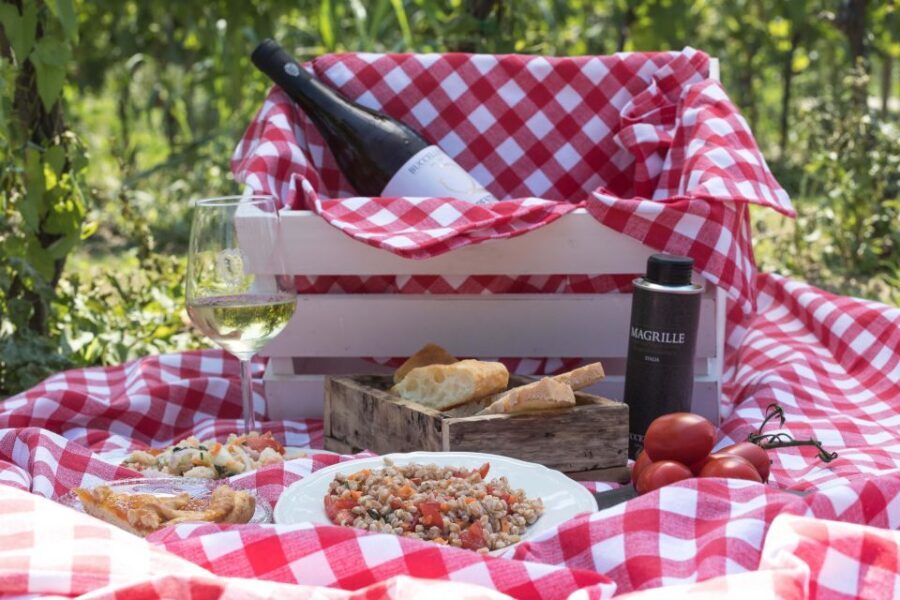
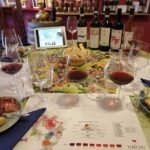
The dinner includes fresh vegetables, cured meats, and cheeses served on the terrace. Wine is part of the deal: you’ll have red Chianti blends with dinner, and there’s also a chance to taste San Gimignano’s famous white wine, Vernaccia. The result is that you get local-by-local contrast: the Chianti region’s red style alongside Vernaccia’s crisp identity.
One key detail to keep your expectations aligned: the dinner is described as a farm experience, but some people reported it can feel more like a larger country restaurant than a tiny, quiet farmhouse kitchen. So if you’re picturing a super intimate family dining room with zero other groups nearby, you might need to recalibrate.
Still, the value is in the “no-surprise” part. You’re not trying to find dinner reservations after a long day, and you’re not paying separately for wine tastings at every stop. The meal is included, and the wine pairing is part of that package.
Getting your best day out of it: practical tips that matter
Here are a few ways to make this tour land perfectly for you:
- Wear shoes you can walk in. The towns involve uneven old streets, and you’ll want to wander when you get free time.
- Plan for late hours. With an 8–9 hour day starting at 2:30pm, you’ll likely be back in Siena at night. Keep your evening plans flexible.
- If sunset is your top priority, be ready for timing. The tour is designed around sunset over San Gimignano, but timing can shift with driving, group pace, and how long wine stops take.
- Bring a light layer. Evening in the Tuscan hills can feel cooler, especially once you’re outside at the terrace.
- Eat a small snack before meeting. This helps you enjoy the tasting and dinner without feeling hungry between stops.
Group size helps with all of this. With a maximum of eight people, your guide can manage small pacing issues without the “everyone sprint to the next stop” chaos.
Price and logistics: is $217.23 worth it?
At $217.23 per person, the price isn’t “cheap,” but it also isn’t just a bus ride. You’re paying for transport from Siena, a professional guide, a winery tour plus tasting, and a full dinner with wine. That combo is what makes the deal feel reasonable.
Also, the logistics are low-stress. There’s no hotel pickup or drop-off, and you meet in the city. But once you’re there, you don’t have to drive, park, or coordinate multiple separate tickets for wine and dinner.
So the real question becomes: does the included wine and dinner match your travel style? If you want wine + towns + a pre-arranged meal in one day, this is solid value. If you mainly want to speed through tastings and spend more time wandering, the wine portion may be the part that tests your patience.
Who this tour suits best (and who should consider another option)
This is a great fit if you want a classic Tuscany hit without the stress of renting a car. It’s especially good for people who:
- Want a small-group experience (max 8)
- Like wine tastings but don’t want to build the day from scratch
- Prefer visiting San Gimignano later so it feels calmer
- Enjoy a structured “see, taste, eat” day that ends with views
It may be less ideal if:
- You’re very sensitive to car movement on rural roads
- You want maximum time walking towns and minimal time at wineries
- You strongly expect a tiny farmhouse dinner setting with no group dining rooms
One more thing: alcohol is served only to travelers age 18 or older, so you won’t be served wine if you’re under the legal drinking age.
FAQ
Where do I meet the guide?
You meet at Piazza San Domenico, in front of the church of San Domenico, in Siena.
What time does the tour start?
The start time is 2:30pm.
How long is the trip?
It runs about 8 to 9 hours.
How many people are in the group?
It’s limited to a maximum of eight travelers.
What’s included in the price?
Included items are a professional guide, transport by air-conditioned minivan, a tour of the winery with wine tasting, and a traditional dinner at the farm.
Are entrance fees in San Gimignano included?
Entrance fees to attractions in San Gimignano are not included.
Is alcohol included, and is there an age limit?
Wine is part of the experience, but alcohol is only served to guests who are at least 18 years old.
Does the tour use a mobile ticket?
Yes, it includes a mobile ticket.
Can I cancel and get a full refund?
You can cancel up to 24 hours in advance for a full refund.
Should you book this sunset Chianti and San Gimignano trip?
If you want a single, well-timed day that combines Chianti wine, two historic towns (Monteriggioni and San Gimignano), and an included dinner with local wine, I think this is a strong choice. The main reason to book is the structure: it saves you from planning and still gives you real time to walk.
I’d book especially if you love the idea of seeing San Gimignano in evening light. If you’re picky about wine stop timing or you picture a very small, quiet farmhouse dinner room, consider that the schedule leans toward wine and the dinner setting can be more “country dining” than “tiny family table.”