REVIEW · FLORENCE
The Medici family and the Renaissance with a local art historian
Book on Viator →Operated by Flora's walk · Bookable on Viator
Step into Renaissance Florence, one story at a time. What makes this experience click is the way an art historian turns famous names into real people and connects them to the places you’re standing in. I love how the guide uses storytelling to explain why power, art, and ideas all grew together here. I also like the practical route length—about 2 hours—so you get meaningful context without burning your whole day. One possible drawback: a few major stops are marked as needing separate admission, so factor in extra time and bring a little cash/card for onsite tickets.
This is built for people who want more than a photo stop. You’ll move through central Florence landmarks that shaped the Renaissance—San Lorenzo, Medici power centers, the Duomo area, Piazza della Signoria, Palazzo Vecchio, and (if timing allows) Ponte Vecchio—while your guide points out details most people miss. For your comfort, wear comfortable shoes and bring water, since it’s an outdoor walking route in real city conditions.
In This Review
- Key highlights you’ll notice right away
- Why the Medici Renaissance works best as a guided story
- Starting at Piazza di San Lorenzo: where Florence symbols begin
- Basilica di San Lorenzo: more than an opening stop
- Palazzo Medici Riccardi: seeing patronage as architecture
- The Duomo stop: why Florence built a giant
- Piazza della Signoria: Medici meetings in public space
- Palazzo Vecchio: the political heart with serious color
- Ponte Vecchio finale: if you have time, don’t skip the wow
- Value and price: what $100 buys you in real life
- What to bring, how to plan your day, and how the timing feels
- Who should book this Medici Renaissance tour
- Should you book Flora’s Walk with an art historian?
- FAQ
- Where does the tour start and end?
- How long is the tour?
- What is the cost?
- Is this a mobile-ticket experience?
- Are admission tickets included for the stops?
- What time does the tour begin?
- How many people are in the group?
- Is the tour dependent on weather?
- Is free cancellation available?
Key highlights you’ll notice right away
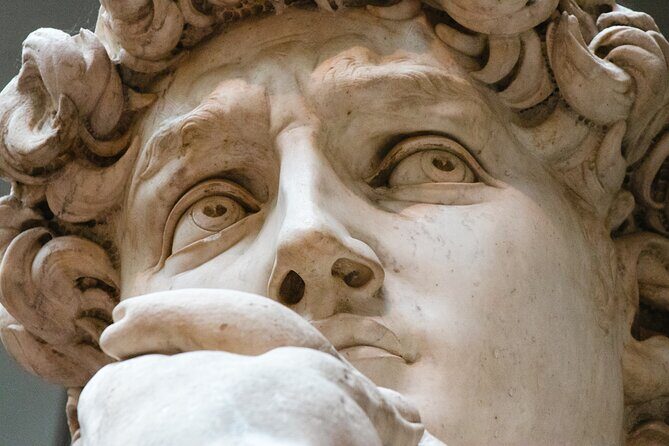
- Medici power made human through art-history stories, not memorized dates
- Central Florence route that connects multiple Renaissance sites in about 2 hours
- Stops with different entry needs: some are free, others require separate tickets
- Big-picture clues (like why the city has so many towers) woven into what you see
- Small group size capped at 15 for questions and back-and-forth
- Deborah and Manuel Messina are among the guides who’ve earned praise for keeping it vivid and clear
Why the Medici Renaissance works best as a guided story
Florence can feel like a museum without walls. You see the Duomo from everywhere and the Medici name in half the city, but it’s easy to miss the actual “how did this happen?” part. That’s where this tour scores: the guide doesn’t treat the Renaissance like a sealed package of masterpieces. They explain the people behind the patronage, the politics behind the marble, and the choices behind the buildings you’re walking past.
I also like that it frames the Renaissance as something made by households, not just geniuses. The Medici weren’t saints—they were complicated, ambitious, and smart about culture. When you hear that mindset explained while standing in the places they used, the stones start talking.
One more reason I’d put this on your short list: it’s designed around focus. Each stop gets enough time to understand the “why,” but not so much time that you’re stuck waiting on a long line. You’ll leave with clear connections you can carry into your self-guided exploring afterward.
You can also read our reviews of more tours and experiences in Florence.
- Tuscany Day Trip from Florence: Siena, San Gimignano, Pisa and Lunch at a Winery
★ 5.0 · 21,634 reviews

Starting at Piazza di San Lorenzo: where Florence symbols begin
The tour starts in the Piazza di San Lorenzo area, with the Basilica di San Lorenzo as your first major stop. This opening matters because San Lorenzo isn’t just a church you pass on the way to something else. It’s a starting point for understanding Florence’s identity—how religious space, civic pride, and Medici influence overlap in the city’s story.
In the first stretch, the guide typically sets the “symbol language” for the day. You’ll get a short orientation to Florence and its visual cues, so later buildings don’t feel random. Then you’re ready to look up instead of just looking around.
What I love here: you get an early sense of how Renaissance art grew from real institutions—religious ones included.
What to watch for: don’t rush photos. Use the initial time to let the guide point out key details, because it makes your later stops make more sense.
Basilica di San Lorenzo: more than an opening stop
San Lorenzo gets about 15 minutes, and that’s exactly the right length to avoid turning it into a long museum detour. The guide’s goal at this point is usually orientation—what the Basilica represents, and why this site fits into the Renaissance narrative you’ll follow for the rest of the walk.
This stop can also be a gentle “tempo check.” If you’re new to Florence history, it helps you settle into the theme without overwhelming you. If you already know some names, you’ll still pick up fresh ways to connect the Medici story to the broader Florentine setting.
Keep in mind: the tour notes that admission ticket is not included for this stop. So if you want to go inside for anything beyond what’s covered during the walk, plan on separate entry.
Palazzo Medici Riccardi: seeing patronage as architecture
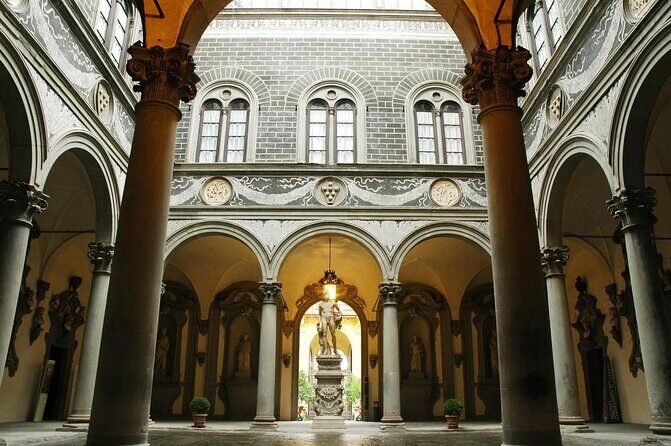
Next comes Palazzo Medici Riccardi. This is where the Renaissance stops being abstract. You see the building as a statement—about taste, about status, and about a family shaping culture while staying firmly in power.
This stop is where your guide’s storytelling style becomes especially useful. They’ll likely connect the Medici’s influence to the “Maestri”—the masters who left painting and sculpture to the future. Instead of listing artists like a textbook, you’ll see how patronage works: money, connections, and political timing all play into what gets commissioned and what gets celebrated.
Why this stop is worth the time: the Renaissance in Florence wasn’t only made by artists. It was made possible by people who backed them and wanted their own place in the cultural record.
There’s a practical point too. Admission for Palazzo Medici Riccardi is listed as not included, so treat this as a stop where you may need to buy your own ticket if you want full access. If you’re trying to budget time tightly, ask your guide at the beginning of the tour what’s included during the guided portion versus what’s optional.
The Duomo stop: why Florence built a giant
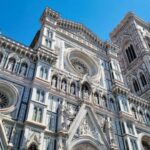
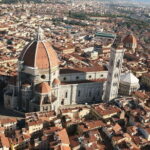
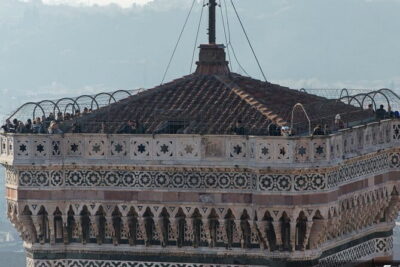
Then you move into the Duomo area, described as a huge, majestic presence in Florence. Even if you’ve seen photos for years, standing near it changes your sense of scale. The guide’s job here is to explain what makes it special beyond the obvious size.
This is also a good moment for learning how Florence likes to build identity into architecture. The Renaissance didn’t arrive in a vacuum. The Duomo is part of the city’s long-term ambition, and the guide ties that ambition into the era’s values.
The tour lists this stop as admission free, which is a big relief if you’re trying to keep costs under control. Do note: free doesn’t always mean you’ll see everything you might see if you bought every possible ticket at the complex. For the guided experience, you’ll focus on the key viewpoints and details your guide points out.
A small tip from how these tours tend to run: look for lines, angles, and ornament patterns from a few different spots. The Duomo can look totally different depending on where you stand, and the guide usually nudges you to the perspective that makes the explanation click.
- Tuscany Day Trip from Florence: Siena, San Gimignano, Pisa and Lunch at a Winery
★ 5.0 · 21,634 reviews - The Best tour in Florence: Renaissance & Medici Tales – guided by a STORYTELLER
★ 5.0 · 12,316 reviews

Piazza della Signoria: Medici meetings in public space
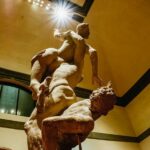
Piazza della Signoria is where Florence shows you its political theater in plain sight. This stop connects the Renaissance story to civic power—where decisions get made, where messages get displayed, and where art and politics share the same stage.
The tour highlights this as meeting other members of the Medici family, which signals an approach: the guide uses the square like a timeline board. You’ll hear how the Medici story plays out across roles and eras, and how the city’s public spaces became part of that narrative.
What I like about this part: you stop thinking of the Medici as distant figures. Instead, you see them as people operating inside the city’s daily life—through influence, symbolism, and public presence.
This stop is listed as admission free, so it’s a good one to slow down. You can take in the surroundings, catch the main architectural and sculptural cues, and let the guide connect them to the “why Medici mattered” theme.
Palazzo Vecchio: the political heart with serious color
Then it’s on to Palazzo Vecchio, described as the political heart of Florence and “the most colored one.” That phrasing is telling: this is not only about government. It’s about visual impact—how power brands itself in stone and surface.
Here, your guide is likely to connect the political function to the Renaissance atmosphere. Florence’s leaders didn’t just govern. They commissioned, displayed, and shaped cultural meaning. A building like this helps explain why the Renaissance became so visible.
This stop is about 15 minutes, which is enough for big-picture orientation. But the tour lists admission as not included. If you’re interested in going in for deeper interior viewing, plan for separate entry time and cost.
One thing I really appreciate about guides in this style: they point out “how to read buildings.” You’ll likely be shown what to notice at a glance—types of details, where power is signaled, and why the city’s built environment made certain ideas easier to spread.
Ponte Vecchio finale: if you have time, don’t skip the wow
If there’s time, the tour ends near Ponte Vecchio, with a “just one word: wow” kind of emphasis. Ponte Vecchio is one of those Florence landmarks that almost everyone recognizes—but you’ll still get more from it with context.
This stop also works as a mood shift. After churches and palaces, a river crossing feels more human-scaled. It’s a natural place to end the experience, especially since the official end point is on the Lungarno near the Uffizi area and in front of the bridge.
The tour lists admission as free for this stop. Even better: it’s a great place to stand and actually absorb the geometry—how the bridge frames views and how the area feels connected to the rest of central Florence.
My practical advice: even if you think you’ve “seen Ponte Vecchio before,” stay for the quiet moment. The guide’s last pieces of storytelling often land better when you’re not rushing to the next ticket line.
Value and price: what $100 buys you in real life
At $100 for about 2 hours, the price isn’t a budget snack. You’re paying for a local art historian who can connect the Medici story to multiple sites and make you notice things on your own afterward.
Where this becomes good value is in the setup:
- You get several key Renaissance anchors in one compact route.
- You’re guided through meaning, not just location.
- The group size is capped at 15, which usually makes it easier to ask questions and keep the pace from feeling chaotic.
If you only wanted “see the buildings” time, you could cobble together a self-guided walk. But if you want the Renaissance to stop being a list of names and start being a reasoned story, this price starts to make sense quickly.
Do budget for the fact that some stops are marked as not included for admission. The ones listed as free (like Piazza della Signoria and the Duomo stop in this route) help keep your overall spend from ballooning.
What to bring, how to plan your day, and how the timing feels
The tour is about 2 hours, and it’s timed to start at 2:00 pm. That’s a smart slot because it gives you enough morning freedom to visit museums or do a slower neighborhood wander before you commit to a focused theme walk.
Pack the basics:
- Comfortable shoes (you’ll be standing and walking on city surfaces)
- Water (the tour explicitly asks you to bring it)
- A quick mindset: good vibes help because the guide’s style is lively storytelling, not strict lecture mode
Weather matters. The tour requires good weather, and if it can’t run due to poor conditions, you’ll be offered a different date or a full refund. In Florence, that’s the difference between a comfortable afternoon and an unpleasant one.
Also, keep your evening buffer in mind. Since the tour ends near the river and the Uffizi area in front of Ponte Vecchio, it’s an easy launch point for dinner plans that don’t feel like a long commute.
Who should book this Medici Renaissance tour
This is a good fit if:
- You like Renaissance art and want the Medici story explained in a clear way
- You want a guided route that helps you read Florence’s buildings
- You’d rather pay for meaning than spend hours piecing together context on your own
It’s also a good choice for couples and solo travelers who enjoy asking questions and moving at a steady pace. The max group size of 15 supports that.
If you’re the type who hates any admission planning at all, you might find the separate-ticket stops annoying. But if you’re okay buying tickets when it’s actually useful, this route is nicely efficient.
Should you book Flora’s Walk with an art historian?
I think you should book if your main goal is to understand the Renaissance in Florence as a story about people—especially the Medici—and how their choices shaped the city you’re walking through. The combination of multiple landmarks, a compact 2-hour format, and a guide who knows how to explain why details matter is exactly what turns Florence from scenery into insight.
Skip it only if you’re trying to do a strictly free, zero-ticket route or if you don’t enjoy guided explanations at all. Otherwise, this is a strong way to get your bearings fast and make your later museum visits feel connected rather than random.
FAQ
Where does the tour start and end?
The tour starts at Piazza di San Lorenzo, 13, 50123 Firenze FI, Italy. It ends at Lungarno Anna Maria Luisa de’ Medici, 8, 038983 Firenze FI, Italy, near the river and Ponte Vecchio.
How long is the tour?
The tour lasts about 2 hours.
What is the cost?
The price is $100.
Is this a mobile-ticket experience?
Yes. The tour uses a mobile ticket.
Are admission tickets included for the stops?
Not all stops. The Basilica di San Lorenzo, Palazzo Medici Riccardi, and Palazzo Vecchio are listed as not included. The Duomo, Piazza della Signoria, and Ponte Vecchio are listed as admission free for the tour portion.
What time does the tour begin?
The start time is 2:00 pm.
How many people are in the group?
The tour has a maximum of 15 travelers.
Is the tour dependent on weather?
Yes. It requires good weather. If it’s canceled due to poor weather, you’ll be offered a different date or a full refund.
Is free cancellation available?
Yes. You can cancel for a full refund if you cancel up to 24 hours in advance. Within 24 hours, the amount paid will not be refunded.
More Tour Reviews in Florence
- Tuscany Day Trip from Florence: Siena, San Gimignano, Pisa and Lunch at a Winery
★ 5.0 · 21,634 reviews - The Best tour in Florence: Renaissance & Medici Tales – guided by a STORYTELLER
★ 5.0 · 12,316 reviews