REVIEW · FLORENCE
Tuscan Cooking Course with Florence Central Market Visit
Book on GetYourGuide →Operated by CAF Tour & Travel · Bookable on GetYourGuide
Want to cook like a local in 5 hours? This experience pairs a hands-on Tuscan cooking class with a walk through Piazza San Lorenzo’s market so you start with real ingredients, not store-bought guesses. You’ll hand-pick seasonal items with your group, then head into the culinary school to turn them into an appetizer, first course, main, and dessert, finishing with the meal you made.
I like that the cooking part is practical, not just a demonstration. With chefs such as Greta, Francesco, and Caterina showing up in past sessions, the vibe tends to be upbeat and hands-on, with plenty of time to participate rather than just watch.
One thing to keep in mind: the class isn’t a long deep-dive. It’s a tight schedule, and if you want lots of solo practice or a longer market browse, you might feel a bit time-crunched.
In This Review
- Top reasons this Tuscan class works
- San Lorenzo Market: your ingredient-shopping warm-up
- From groceries to a four-course Tuscan menu
- The lunch payoff: tasting what you built
- Chef-led instruction that keeps you moving
- What the class includes (and what it doesn’t)
- Suitability and dietary realities in a Florence kitchen
- Practical tips for your 5-hour schedule
- Price and value: is $93 fair for what you get?
- Should you book this Tuscan cooking course?
- FAQ
- FAQ
- Where is the meeting point for this Tuscan cooking course?
- How long is the experience?
- What is included in the price?
- What do you cook during the class?
- What languages are the instructor or guide speaking?
- Is this class suitable for children?
- Is the cooking class wheelchair accessible?
- Are celiacs able to attend?
Top reasons this Tuscan class works
- San Lorenzo market shopping first, so your menu actually matches what’s fresh that day
- Four-course meal you prepare yourself, then you eat it with drinks and Tuscan wine
- Small-group format (one professional chef per 15 participants), so you’re not stuck in a crowd
- Real chef personalities in instruction, often described as fun, encouraging, and easy to follow
- Take-home recipes so you can recreate pasta and sauces later without guessing
San Lorenzo Market: your ingredient-shopping warm-up
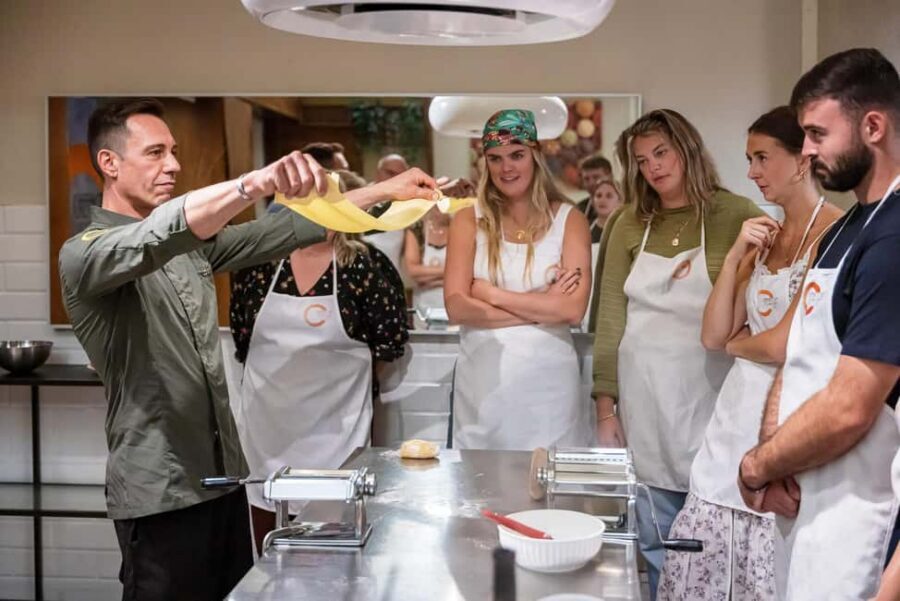
The day starts at Piazza San Lorenzo in central Florence. You meet at the statue in the middle of the square, and an assistant in blue is there to point you to the group. From the start, the point is simple: food in Tuscany begins with good raw materials, and markets are where you see what’s truly in season.
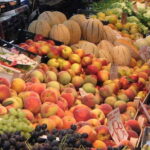
The market visit is more than a stroll. You’re selecting what will become your meal, which helps the cooking class feel meaningful. You’ll also get guided tastings that many people remember as some of the most fun parts—tastes of things like olive oil, truffle oil, and balsamic vinegar show you what those flavors bring to the finished dish. Even if you think you already know olive oil, the tasting angle can recalibrate your palate fast.
Why this matters for you: you leave with a clearer idea of what to buy back home. You’re not just learning recipes; you’re learning how Tuscan shopping influences the outcome. And because you’re doing it with a guide, you can ask straightforward questions while you’re standing next to the ingredients.
Practical tip: wear comfortable shoes. Market walking in Florence adds up quickly, and you’ll want stability for cobblestones and tight spaces.
You can also read our reviews of more shopping tours in Florence
From groceries to a four-course Tuscan menu
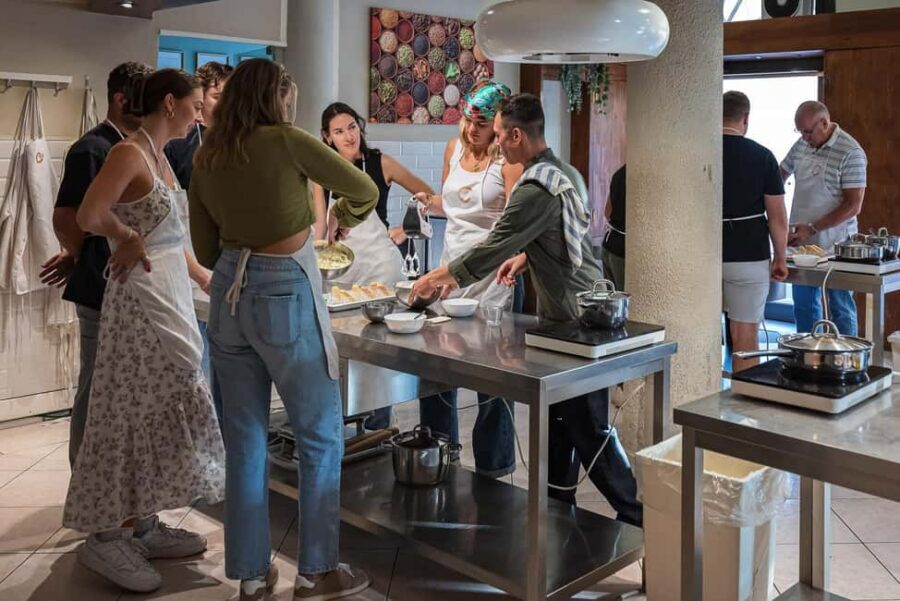
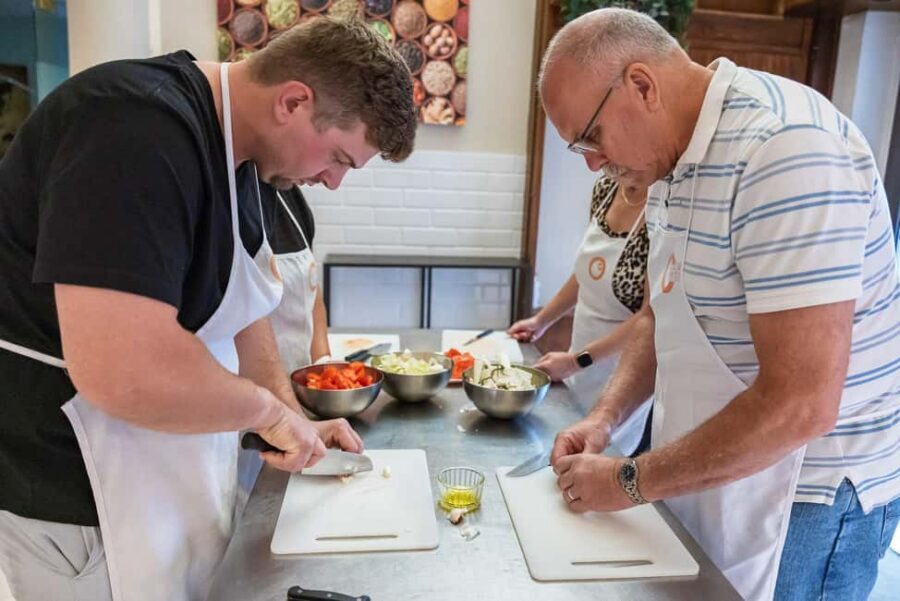
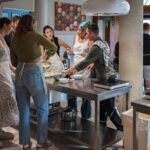
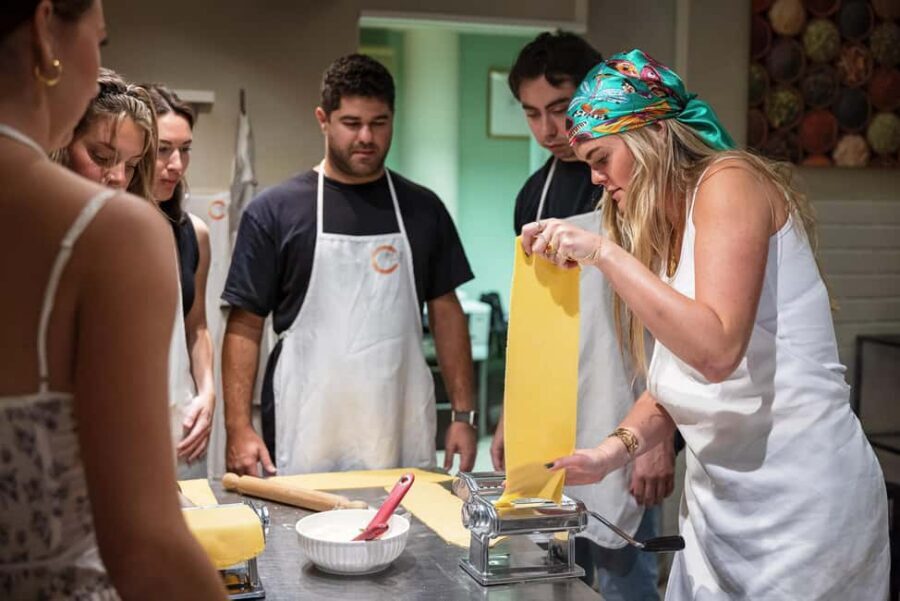
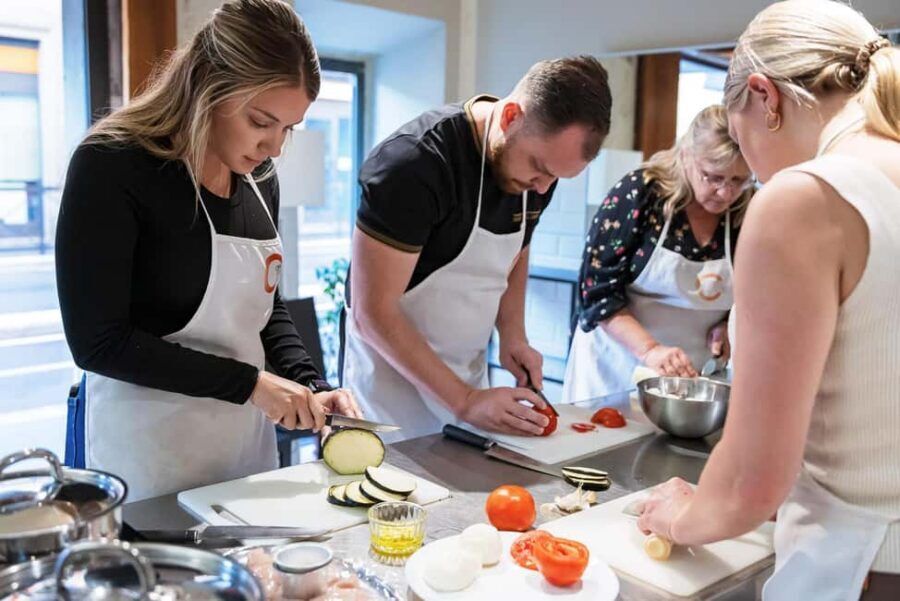
After the market, you shift from choosing ingredients to cooking them. The lesson takes place in a culinary school setting where your group turns selected items into a complete meal. The structure is clear: you create a four-course lineup that typically includes an appetizer, a first course, a main dish, and a dessert.
This is a good format because it forces you to learn more than one technique. Pasta and sauces teach timing and texture. A main dish teaches handling and seasoning. Dessert teaches a different kind of precision, where you’re watching set, consistency, and balance rather than just browning and flavor-building.
What you might make: past menus have included dishes such as truffle sauce potato gnocchi, and a savory main built around bell pepper and onion with balsamic flavors. Dessert examples have included milk-and-vanilla jello topped with mixed berries. Exact dishes can vary by day and ingredient availability, but the scope stays consistent.
One detail that keeps popping up in feedback is learning small “technique tricks” that make a big difference. People have highlighted clever handling tips involving olive oil and water during cooking. You’ll likely get moments like that too: short explanations, then immediate application at your station.
Also, the course is designed for mixed skill levels. You’re not expected to be a kitchen pro. At the same time, it’s still satisfying if you cook at home sometimes, because you’ll refine method rather than just follow steps.
A realistic drawback: it’s five hours total, so the cooking time is efficient. If you’re hoping for a long, slow session where you cook every component from scratch with lots of repeats, this isn’t that kind of class. It’s built for learning and finishing strong.
The lunch payoff: tasting what you built
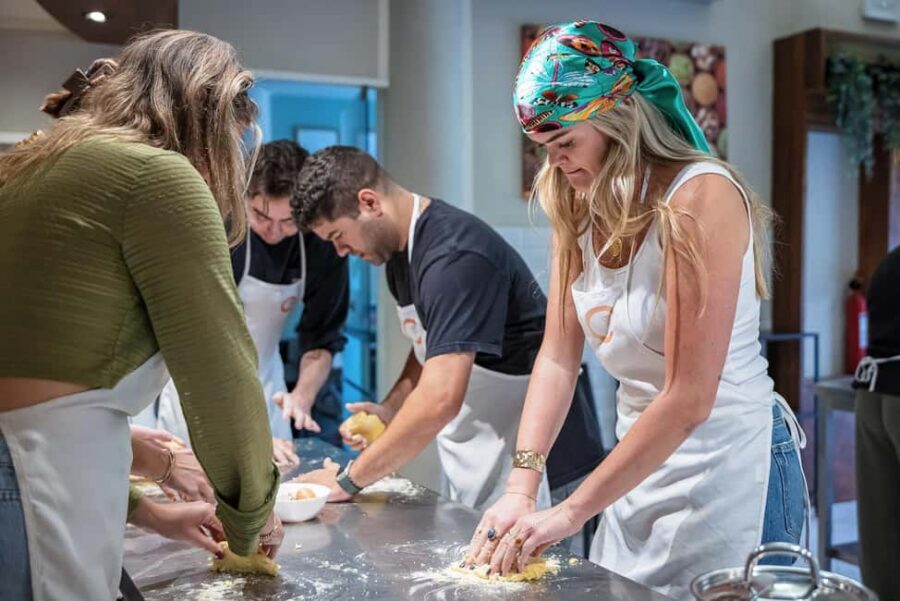
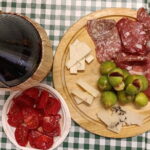
At the end, you sit down to enjoy the meal you prepared. The format is a lively, friendly finish, with lunch that includes drinks and Tuscan wine. For many people, this is where the experience clicks emotionally: you’re not hauling food around in your head—you’re eating it.
Because you made four courses, you also get a sense of pacing. Appetizers wake up your palate. The first course sets the tone for the core flavors (often pasta-driven). Then the main dish brings the hearty Tuscany feel. Finally, dessert ends it clean and sweet.
This is also where value shows up. For $93, you’re not only paying for instruction—you’re getting the ingredient-to-meal journey, plus a full lunch experience with wine.
One small caution from real-world feedback: on at least one occasion, a group had trouble receiving printed recipe copies because of a copy-machine issue. The experience includes recipes, but if you’re the type who relies on paper handouts, it’s worth going in knowing that tech problems can happen anywhere.
Chef-led instruction that keeps you moving
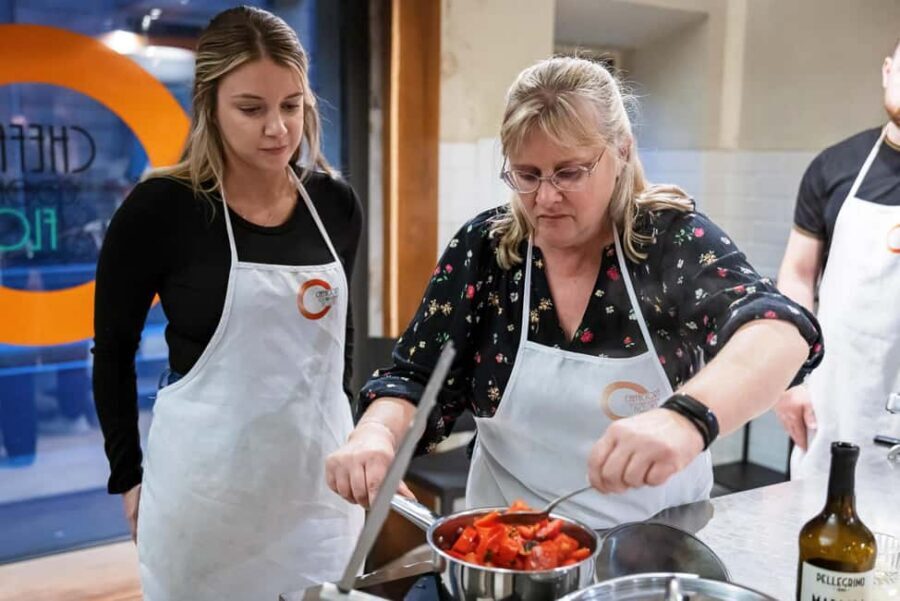
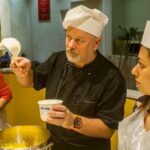
What makes this kind of class worth your time is whether you feel engaged. Here, instruction is hands-on and guided, and multiple people have emphasized the energy of the chefs. In past sessions, instructors such as Greta, Francesco, and Caterina have been described as enthusiastic, funny, patient, and encouraging.
Even the guidance during the market tends to flow into the kitchen. You might hear stories about why ingredients are used in Tuscany, but it stays practical: you learn how to choose, then you apply it immediately. That connection is a huge part of why the class feels more memorable than a generic cooking demo.
Group size also matters. This is a small-group activity, and the class notes indicate a ratio of one professional chef per 15 participants. In real kitchens, fewer people means you get more attention when you need it: timing questions, cutting technique tips, or help adjusting seasoning.
If you’re sensitive to noise or crowded spaces, pay attention to this. There’s a review noting a group size issue once, where the party felt large compared with ideal setup for hearing the guide and fitting at workstations. That’s not guaranteed for every session, but it’s a fair consideration if you prefer quieter, very roomy classes.
What the class includes (and what it doesn’t)
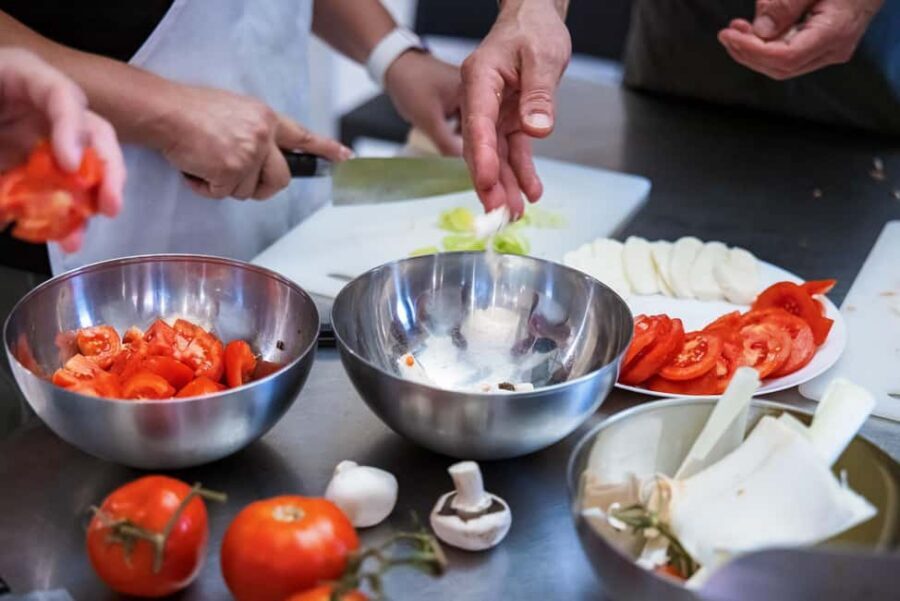
This experience is built to be self-contained, so you don’t have to plan extra meals or hunt for ingredients elsewhere.
Included:
- Multilingual guide (languages listed: English, Italian, Spanish, German)
- Cooking lesson
- Recipes to take home
- Lunch with drinks, including Tuscan wine
- Agency fee
Not included (so plan accordingly):
- Transportation to or from the market/cooking school
- A custom menu for strict medical diets (details below)
In terms of participation, you should expect to be actively cooking. Past groups have described getting to participate in preparing the dishes, rather than only watching.
You can also read our reviews of more tours and experiences in Florence
Suitability and dietary realities in a Florence kitchen
If you have a food restriction, read the fine print carefully. The class isn’t suitable for everyone, and the data is very explicit about a few limits.
Not suitable for:
- Wheelchair users (the cooking class cannot accommodate clients in wheelchairs)
- Pets
- Children under age 10
- People with a cold
Dietary caution:
- Severe and contact celiacs may not attend due to probable contamination.
That last point is worth treating seriously. Even if a chef is willing to help, kitchens cross-contaminate. So if you’re dealing with celiac or strong gluten avoidance, you’ll need to choose a different experience that can guarantee safe handling.
If you’re not in those categories, the class has been described as a fit for beginners too. Some people have said the dishes and techniques are approachable. Others have liked that it still offers useful skill upgrades without feeling too technical.
Practical tips for your 5-hour schedule
Five hours in Florence sounds short until you’re walking, tasting, cooking, and then eating. Here’s how to set yourself up so you enjoy it instead of rushing.
Wear:
- Comfortable shoes. You’ll be on your feet during the market part and moving around the kitchen.
Bring:
- A curious attitude. Ask questions while you’re tasting olive oil or comparing vinegar flavors. Those small conversations make the recipes easier to recreate later.
Plan your timing:
- Don’t schedule something tightly right after. You’ll finish with lunch, and it takes a little time to settle your body after cooking.
What to expect in the learning flow:
- Market first (ingredient selection and tastings)
- Cooking lesson (you help make a full four-course meal)
- Lunch with drinks and wine, so you get a proper end to the day
Price and value: is $93 fair for what you get?
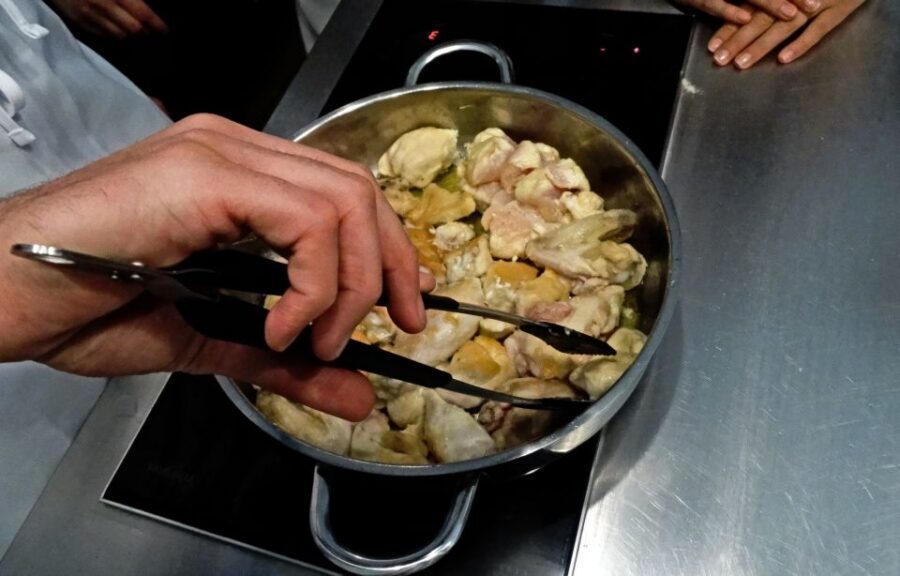
At $93 per person for a five-hour experience, you’re paying for three things at once: guided market time, chef-led instruction, and a real sit-down meal with drinks and wine, plus recipes.
The biggest “value” indicator is that you leave with tangible outcomes:
- You eat what you made
- You get recipes to recreate dishes
- You learn why ingredients work together (not just how to follow steps)
Where the price can feel less comfortable: the schedule is efficient. One feedback point suggested the market portion could be shorter and that some people wanted more cooking time. Another comment said it felt a little expensive for what it was, though the overall experience was still satisfying.
So here’s the practical way to decide:
- If you want both the market experience and a complete Tuscan lunch you didn’t have to plan, this price usually makes sense.
- If you only care about cooking and would skip market shopping, you might feel the cost more sharply.
Should you book this Tuscan cooking course?
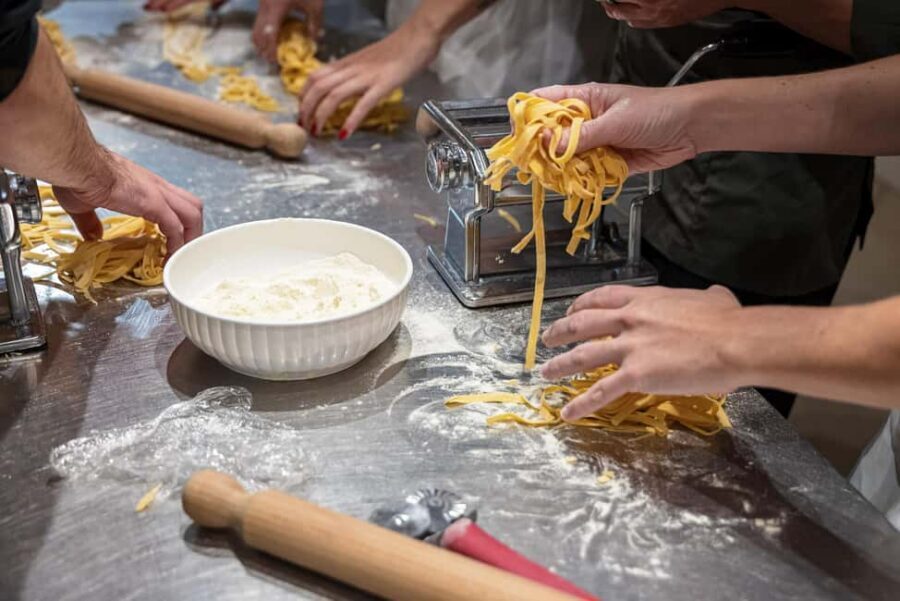
If your idea of a great Florence day includes real ingredient shopping, chef-guided cooking, and then eating a full meal you made with Tuscan wine, I think you’ll enjoy it. The course format is built for participation, and the market-first approach is a strong match for travelers who like learning how food culture shows up on your plate.
I would skip it if any of these apply:
- You need wheelchair access
- You have celiac and require strict gluten-safe handling
- You’re traveling with a child under 10
- You’re currently sick with a cold
- You’re only looking for a quick cooking demo and not interested in market tastings
If you do book it, go in with comfy shoes, expect a busy but friendly five hours, and pay attention during the market tastings. Those flavors are the “why” behind the recipes, and they’re what you’ll remember when you’re cooking pasta or finishing a dish back home.
FAQ
FAQ
Where is the meeting point for this Tuscan cooking course?
You meet in Piazza San Lorenzo (San Lorenzo Square) at the statue located in the center of the square. An assistant wearing blue clothing will be waiting there.
How long is the experience?
The duration is 5 hours.
What is included in the price?
The package includes a multilingual speaking guide, the cooking lesson, recipes, lunch with drinks (including Tuscan wine), and an agency fee.
What do you cook during the class?
You prepare a four-course Tuscan meal: an appetizer, a first course, a main course, and a dessert.
What languages are the instructor or guide speaking?
The instructor guides the experience in English, Italian, Spanish, and German.
Is this class suitable for children?
No. It is not suitable for children under age 10.
Is the cooking class wheelchair accessible?
No. The cooking class cannot accommodate clients in wheelchairs.
Are celiacs able to attend?
Severe and contact celiacs may not attend due to probable contamination.

More Markets in Florence
More Shopping Tours in Florence
More Tour Reviews in Florence
- Tuscany Day Trip from Florence: Siena, San Gimignano, Pisa and Lunch at a Winery
★ 5.0 · 21,634 reviews - The Best tour in Florence: Renaissance & Medici Tales – guided by a STORYTELLER
★ 5.0 · 12,316 reviews