REVIEW · FLORENCE
Typical Dining & Cooking Demo at Local’s Home in Florence
Book on Viator →Operated by Cesarine: Cooking Class · Bookable on Viator
A dinner lesson in a Florentine home. This 2.5-hour experience is interesting because it pairs a show-cooking moment with a real sit-down meal in a local house. I like the combo of a 4-course Italian menu with wine and the fact it’s run for a small group, so you get real attention instead of watching food disappear at the back of a room. One thing to consider: it’s more of a guided demo and shared meal than a full hands-on class where you’ll do every step.
You also get that warm, human side of Florence that you rarely find in big tours. One hosting story highlighted a relaxed, family-like conversation with Paola & Massimo, and the overall vibe is about connecting over food, not performing for you. Add in the extra sanitary care—paper towels, sanitizer, and distancing guidance—and it’s set up to be comfortable and respectful in the home setting.
In This Review
- Key Highlights You’ll Actually Care About
- A Small-Group Dinner Where the Kitchen Is the Main Event
- What You’ll Eat: The 4 Courses and the Florentine “Why”
- Starter: Seasonal and Simple
- Main Course Choice: Pasta with Options
- Second Course: Trippa alla Fiorentina with Beans
- Dessert: Classic Tuscan Sweet Picks
- Wine with the Meal
- The Show Cooking Part: How Learning Feels When It’s Not Scripted
- Pasta and Second Course: What Makes These Choices Worth Your Time
- Gnudi, Pici, Pappardelle, or Potato Tortelli
- Trippa alla Fiorentina con fagioli all’olio
- Dessert Choices: The Part You’ll Remember on Your Flight Home
- Meeting in Florence and Building a Smooth Day Plan
- How long it takes
- Price and Value: Is $134.86 Fair for This?
- Sanitary Rules in a Home Setting: What to Expect and How to Prepare
- Who This Works Best For (and Who Might Want Something Else)
- Should You Book This Florentine Cooking Demo?
- FAQ
- FAQ
- What is the duration of the experience?
- Where does the experience take place?
- What time does it run?
- How much does it cost?
- What language is the experience offered in?
- How many people are in the group?
- What is included in the meal?
- What dishes are included in the menu?
- Is there a mobile ticket?
- Is there free cancellation?
Key Highlights You’ll Actually Care About
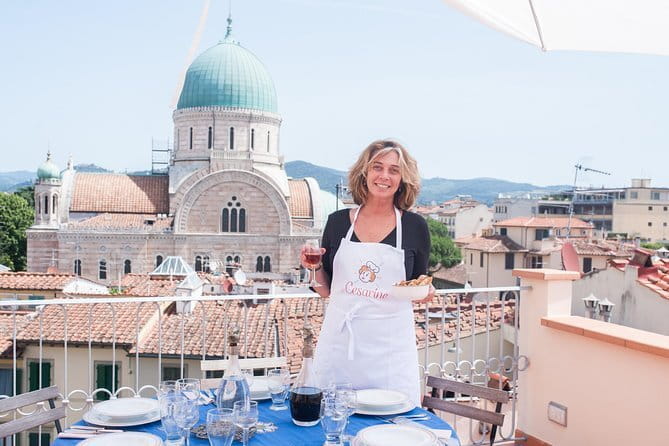
- 4-course meal in a local home with dessert and wine included
- Small group (max 12 people) for better questions and conversation
- Florentine cooking focus using recipes that come from real family cookbooks
- Two start-time options (lunch or dinner) so it fits your day in Florence
- English offered with a format designed for easy participation
A Small-Group Dinner Where the Kitchen Is the Main Event
Florence has plenty of food experiences, but this one has a different rhythm. You’re not just eating; you’re getting a local chef-led show cooking experience followed by a full 4-course meal. That structure matters. It turns a meal into a story you can taste, and it gives you a framework for what you’re eating and why.
The setting is also the point. This happens in a Cesarine host home (Cesarine are local hosts trained to welcome you into their space). That’s a big deal because the food culture you see here comes from domestic cooking, not stage cooking. You’ll feel the difference in the pacing: slower, more personal, and built around conversation.
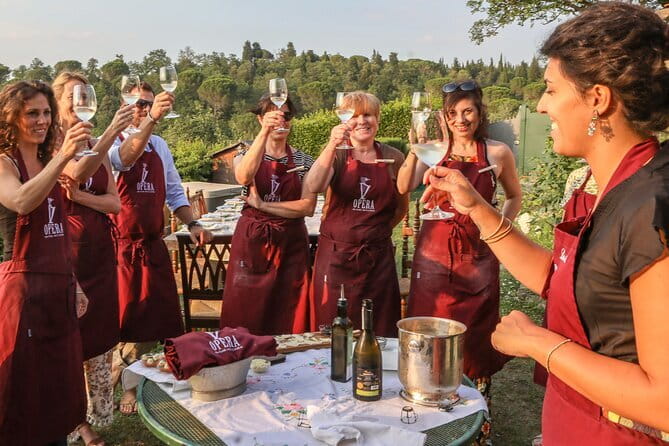
The best part is the group size. With a maximum of 12 people, the host can actually talk with you. You’re more likely to get answers to your questions and fewer chances of getting stuck with the back-of-the-group shuffle.
The only real caution is to think of this as a social dining lesson. You’re learning how Florentine cuisine works and tasting the results. If you’re hunting for a class where you personally plate everything and take home a stack of techniques from start to finish, you might find this format lighter on hands-on action.
You can also read our reviews of more tours and experiences in Florence.
- Tuscany Day Trip from Florence: Siena, San Gimignano, Pisa and Lunch at a Winery
★ 5.0 · 21,634 reviews


What You’ll Eat: The 4 Courses and the Florentine “Why”
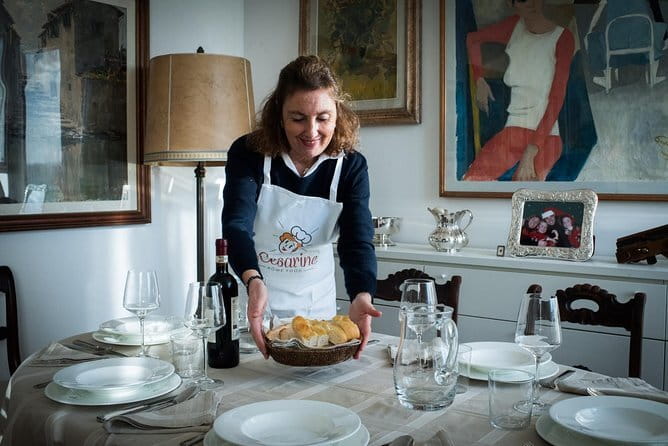
The menu is built for a classic Florentine flow: start light and seasonal, then move into signature regional comfort, finish sweet, and do it with wine.
Starter: Seasonal and Simple
You’ll start with a seasonal starter. That’s not a throwaway line. Seasonal in Italy often means the flavors are dictated by what’s good right now, not what’s easiest for a restaurant kitchen. You’ll likely get a glimpse of how Florentines think about ingredients first, and dishes second.
Main Course Choice: Pasta with Options
For the main course, you’ll typically see pasta options such as Gnudi, Pici, Pappardelle, or Potato Tortelli. This is where the Florence part becomes real. You’re not just eating pasta; you’re sampling styles and shapes that reflect regional taste and texture.
Gnudi, for example, are a kind of ricotta-based dumpling (often served like pasta but with its own character). Pici brings a thicker, hand-rolled feel. Pappardelle is all about wide ribbons and rich sauce friendliness. Potato tortelli is comfort food with a sturdy bite.
You should go into this hungry and open-minded. One of the benefits of having multiple pasta options is that you’re not stuck with one dish that might not suit your preferences.
Second Course: Trippa alla Fiorentina with Beans
The next main is Trippa alla fiorentina con fagioli all’olio. This dish is a very Florence choice—offal-forward, slow-simmer comfort, and usually paired with beans in olive oil flavors.
If tripe is not your thing, don’t panic: you still get the full meal experience, but you might want to think ahead about how adventurous you are with traditional ingredients. The menu is clearly Italian and local; it’s not a generic tourist-safe menu.
- Tuscany Day Trip from Florence: Siena, San Gimignano, Pisa and Lunch at a Winery
★ 5.0 · 21,634 reviews - The Best tour in Florence: Renaissance & Medici Tales – guided by a STORYTELLER
★ 5.0 · 12,316 reviews


Dessert: Classic Tuscan Sweet Picks
For dessert you might have Cantucci, Castagnaccio, Panpepato, Tiramisu, or something similar. That mix tells you the kitchen isn’t locked into one style. You could get a biscotti crunch moment, a chestnut-forward cake option, a spiced holiday-style sweet, or a crowd-friendly tiramisu.
This is where I think the tour delivers value. A lot of cooking experiences stop at a main and call it “dinner.” Here, dessert is part of the package, and it’s tied to local choices rather than a cookie-cutter finish.
Wine with the Meal
Wine is included with your courses. Even if you’re not a big drinker, it helps the pacing feel like a true Italian meal. You’ll likely find it makes the conversation easier too—food talk gets more relaxed when you’re in an authentic dining flow.
The Show Cooking Part: How Learning Feels When It’s Not Scripted
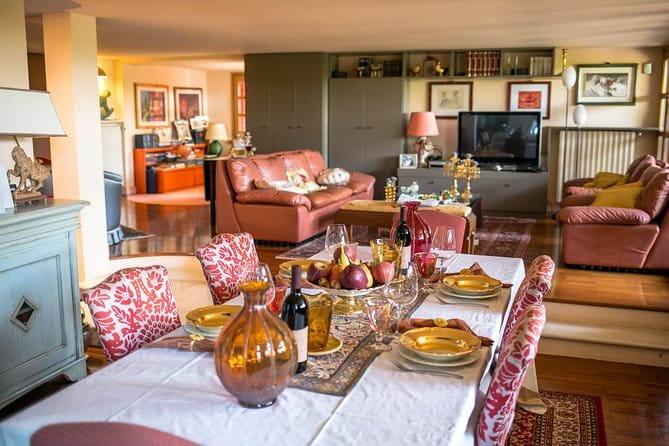
The experience is described as a show cooking with a local chef, tied to Florentine cuisine and family recipes passed down in cookbooks. The key benefit here is context. When you know what the host is aiming for—texture, seasoning, ingredient intent—your tasting becomes more than just eating.
In a small group setting, you can also ask practical questions. Not just what’s in the dish, but how to recreate the vibe at home. Even simple answers can help you avoid the classic tourist mistake: cooking an Italian dish from memory and ending up with something that tastes like it was built from guesswork.
And the tone matters. One hosting story emphasized that it felt like visiting family without drama, with conversation that flowed. That kind of atmosphere changes the whole meal. You’re not trapped behind a program. You’re being hosted, and that makes it easier to ask what you actually want to know.
Pasta and Second Course: What Makes These Choices Worth Your Time

Let’s be practical. Why these particular courses?
Gnudi, Pici, Pappardelle, or Potato Tortelli
These are not random names. They represent different ways Florentines enjoy comfort foods with regional identity.
- If you love delicate yet filling bites, Gnudi is likely the route.
- If you like something chewy and rustic, Pici is worth your attention.
- If you prefer sauces that cling, Pappardelle is a good match.
- If you want a hearty, ingredient-forward option, potato tortelli fits the bill.
The value for you is that you’ll get a menu that feels Italian in a real way, not just Italian as a theme. This is the difference between tasting food and understanding food.
Trippa alla Fiorentina con fagioli all’olio
This dish is a signal flare: this is not trying to please every palate. It’s bringing a genuine local classic to your table.
If you’re cautious, you can use this moment as a chance to try it in a comfortable setting. You’re not ordering in a restaurant; you’re learning in someone’s home. That lowers the stakes. You can watch how it’s served, how it’s described, and then decide whether you like it as you taste.
Dessert Choices: The Part You’ll Remember on Your Flight Home

A lot of “food experiences” get lazy with dessert. Here, you get serious options that fit Tuscany’s sweet range.
- Cantucci: dry, crunchy, often meant for dunking or pairing with a drink
- Castagnaccio: a chestnut flour cake-style sweet that feels earthy, not sugary
- Panpepato: spiced, often associated with holiday flavors
- Tiramisu: the familiar one, but still something you can appreciate when it’s done well
My advice: don’t treat dessert like an afterthought. Use it to calibrate what the host’s style is. If you find one sweet better than the others, that’s a clue about your own preferences for future Italian meals.
Meeting in Florence and Building a Smooth Day Plan
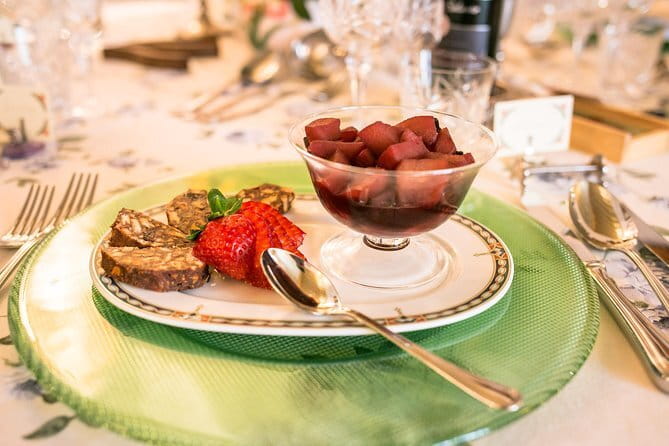
The activity starts in Florence and ends back at the meeting point. You’ll choose either a lunch start or a dinner start, depending on your schedule.
Because the exact meeting address isn’t provided here, your best move is simple: use the info you receive at booking and plan to arrive a little early so you’re not rushing in a neighborhood kitchen area.
Also, since this is a home experience near public transportation, you can keep your day flexible. In practical terms, it means you can structure your Florence time around this meal without needing a car.
How long it takes
It runs about 2 hours 30 minutes. That’s long enough for real cooking storytelling and a full dinner pace, but short enough that you don’t lose an entire evening.
Price and Value: Is $134.86 Fair for This?
At $134.86 per person, you’re paying for a lot of ingredients plus the work behind an at-home dining setup. The value question is: what do you get for that spend?
Here’s what’s included in the experience description:
- A 4-course meal (starter, main course with pasta options, a second course, dessert)
- Wine
- A local chef-led cooking demo focused on Florentine recipes
- A small group experience (max 12 people)
- English offered
In my view, the strongest value driver is the meal plus wine, because it’s not just a tasting spoon parade. You’re getting full courses. The second value driver is the group size. Big group cooking demos often turn into passive watching. This one is built for attention.
The price might feel steep if you think of it as purely cooking instruction. But if you think of it as a hosted dinner with real culinary context, it lands more reasonably. And the fact that it’s typically booked around 40 days in advance on average suggests many people see it as a worthwhile reservation, not a last-minute impulse.
One more practical note: plan ahead. This type of limited seating sells out, and you’ll want your time slot to match your Florence rhythm.
Sanitary Rules in a Home Setting: What to Expect and How to Prepare
This experience includes clear hygiene guidance. You’re told the Cesarine are careful and attentive to sanitary rules, and the homes provide essential supplies like paper towels for washing hands and hand sanitizing gel. There’s also guidance to keep 1 meter distance and to use masks and gloves if you can’t maintain that distance.
You’ll want to show up prepared. Bring a mask in your day bag even if you think you’ll be fine—these rules are spelled out so you can plan around them.
It’s also worth mentioning because it affects comfort. You’re eating in a home, and you want to feel confident that the host is following care standards. The info provided here is designed to make that feel less uncertain.
Who This Works Best For (and Who Might Want Something Else)
This experience suits you if:
- You want Florentine food in a real home setting, not just a restaurant meal
- You love cooking demos that give you food context you can use later
- You prefer small group experiences where you can talk
- You’re happy with a classic menu that includes regional staples like trippa and traditional desserts
It might not be ideal if:
- You want a fully hands-on cooking class where you do most of the steps yourself
- You need a menu that avoids more traditional ingredients entirely
Should You Book This Florentine Cooking Demo?
If you like the idea of eating a proper meal while learning what makes Florentine cooking tick, I’d book it. The biggest reasons are simple: the 4-course value with wine, the small group size, and the chance to experience a Cesarine-style welcome where conversation and food are both part of the package.
Book early if you can. The experience is commonly reserved about 40 days in advance on average, and seating is limited to a maximum of 12 people.
Finally, go in ready to enjoy the social side of dining. This isn’t food-only. It’s food plus hosting, the kind of evening where you leave with a few new tastes in your head and a couple of useful ideas for cooking back home.
FAQ
FAQ
What is the duration of the experience?
It lasts about 2 hours 30 minutes.
Where does the experience take place?
It takes place in Florence, Italy, and ends back at the meeting point.
What time does it run?
You can choose a lunch or dinner start time.
How much does it cost?
The price is $134.86 per person.
What language is the experience offered in?
It is offered in English.
How many people are in the group?
The experience has a maximum of 12 travelers.
What is included in the meal?
You’ll enjoy a 4-course Italian meal including dessert and wine.
What dishes are included in the menu?
A sample menu includes a seasonal starter, pasta dishes such as Gnudi or Pici or Pappardelle or Potato Tortelli, Trippa alla fiorentina con fagioli all’olio, and dessert options such as Cantucci or Castagnaccio or Panpepato or Tiramisu.
Is there a mobile ticket?
Yes, it includes a mobile ticket.
Is there free cancellation?
Yes. You can cancel up to 24 hours in advance for a full refund.
More Tour Reviews in Florence
- Tuscany Day Trip from Florence: Siena, San Gimignano, Pisa and Lunch at a Winery
★ 5.0 · 21,634 reviews - The Best tour in Florence: Renaissance & Medici Tales – guided by a STORYTELLER
★ 5.0 · 12,316 reviews