REVIEW · FLORENCE
Florence: Uffizi Gallery Small Group Guided Tour
Book on GetYourGuide →Operated by Nicom Tours · Bookable on GetYourGuide
Florence is packed with art, fast. The Uffizi Gallery tour is a smart way to get the big-name masterpieces and the background story without losing hours to wandering. I like the focus on the works most people came for, and I especially like that you get a live guide with a headset so you don’t strain to hear.
I also like the structure: one tight route through the gallery’s top collection highlights, so you leave with real names and context, not just a blur of frames. One possible drawback is time: at 1.5 hours, you can’t see everything the Uffizi contains, so it’s best when you want the greatest hits, not a full-day museum crawl.
In This Review
- Key things to know before you go
- Skip-the-line entry: the real-world timing in the Uffizi
- Meeting point by Leonardo: find the guide fast
- Your 90-minute plan: what this tour actually covers
- Stop-by-stop highlights: the masterpieces on your route
- Michelangelo and the Doni Tondo moment
- Botticelli’s Birth of Venus: why it still hits
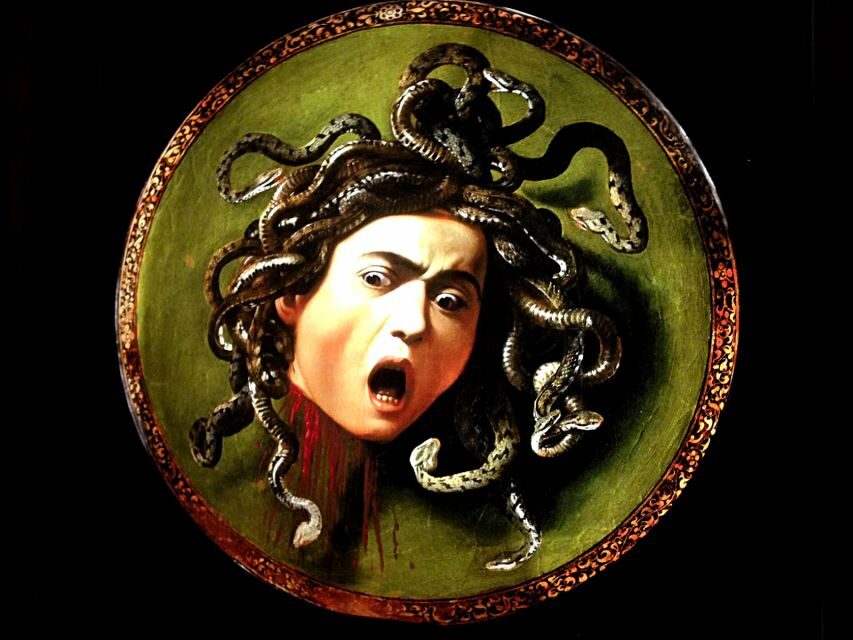
- Caravaggio’s Medusa: the energy factor
- Da Vinci’s Adoration of the Magi: a story-in-painting
- Giotto and Ognissanti Madonna: the grounding stop
- Rembrandt’s A Young Man: the curveball that helps
- What the guide does that you can’t DIY in 90 minutes
- Small group size: up close without the crush
- Price and value: is $82 a smart spend?
- Languages and comfort: how the tour stays usable
- Who this tour suits best (and who should think twice)
- Should you book the Florence Uffizi small group tour?
- FAQ
- How long is the Uffizi Gallery small group guided tour?
- Where do I meet the guide?
- Is there skip-the-line entry?
- What should I bring?
- How big is the group?
- Is the tour wheelchair accessible?
Key things to know before you go
- Skip-the-line entry helps you avoid the longest ticket line, but you still must pass a security check.
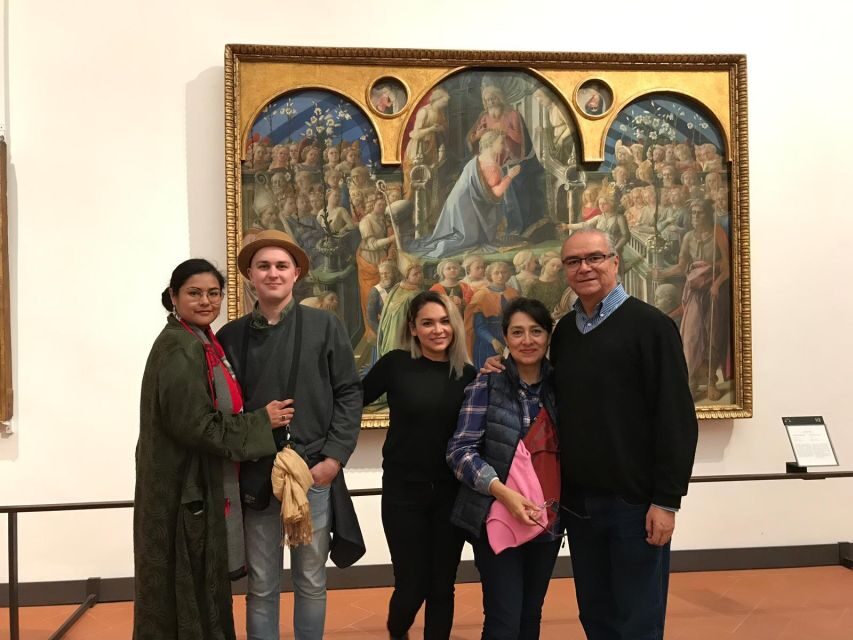
- Small group (up to 9) keeps the pace human and gives your guide space to answer questions.
- Headsets are included, which matters in a gallery this crowded.
- You’ll see iconic works including Botticelli’s The Birth of Venus and Caravaggio’s Medusa.
- Expect history and artist context tied directly to what you’re looking at, not random facts.
- You’ll have to bring passport or ID, and keep luggage/large bags out.
Skip-the-line entry: the real-world timing in the Uffizi
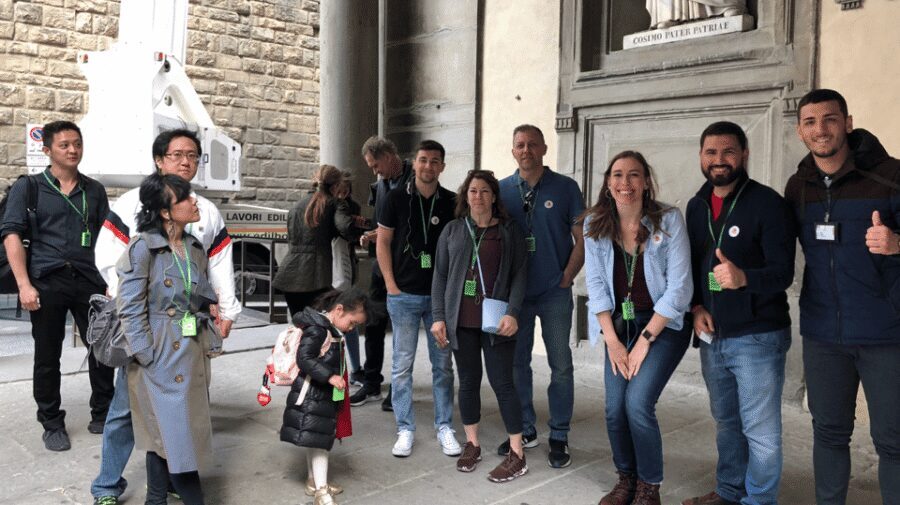
If you’ve ever tried to enter a top museum in Florence, you know the drill: even when you buy the right ticket, time can vanish. This tour uses a separate entrance for skip-the-line tickets, which is exactly what you want when the Uffizi is shoulder-to-shoulder.
Still, don’t treat skip-the-line as a free pass through everything. The tour notes that all visitors must go through a security check, and during peak hours the wait for that can be about 15–20 minutes. In other words, you may save the longest ticket line, but you should still plan for some waiting at security.
That timing reality is the main reason this is a 90-minute tour. It’s designed to let you see a strong slice of the museum while your energy is intact—and before the crowd pressure ramps up too much.
You can also read our reviews of more guided tours in Florence
Meeting point by Leonardo: find the guide fast
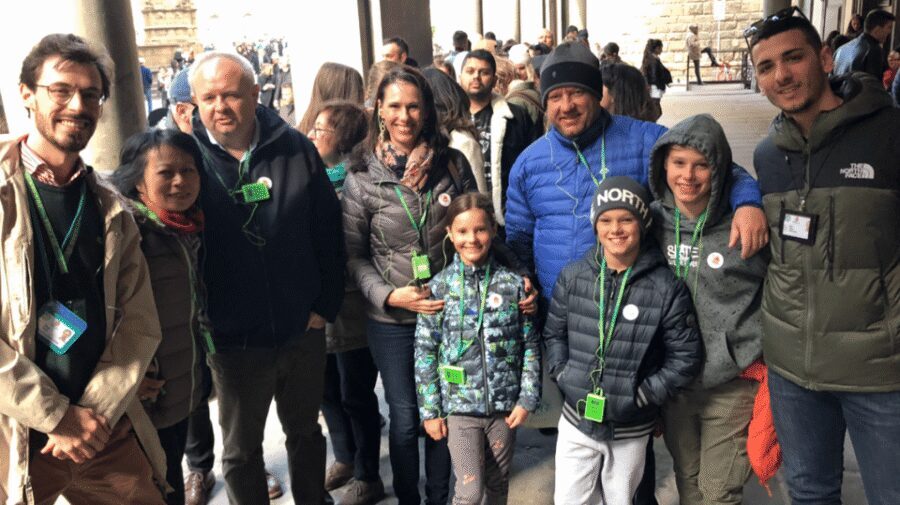
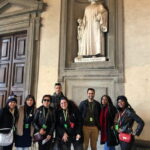
Good tours start with an easy meetup. Here, you meet your guide in front of Leonardo da Vinci’s statue. Your job is simple: look for a guide holding a white flag with ENJOY ROME on it.
I like meeting points that are specific like this. It reduces the usual stress of milling around wondering if you’re late or at the wrong spot. Also, because the group is small, once you spot the flag, you’re basically good to go.
One more practical note: bring passport or an ID card. The information is clear that ID is mandatory, and the tour also warns that names must match what you enter when booking.
Your 90-minute plan: what this tour actually covers
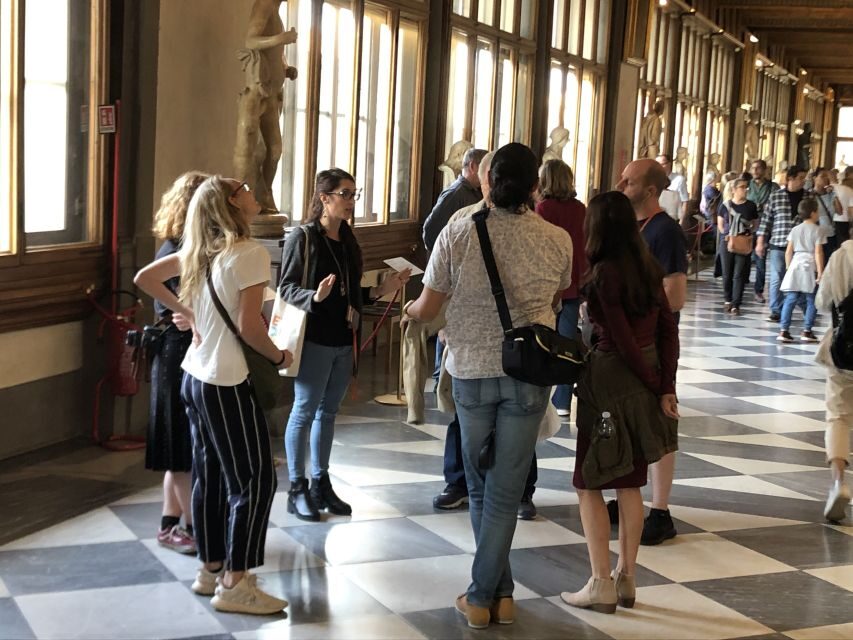
The Uffizi is huge. Even without getting lost, you could easily spend the day and still feel like you only scratched the surface. This tour is built for a different goal: see the most iconic works and get the story behind them in a tight window.
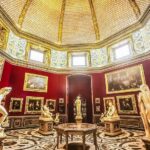
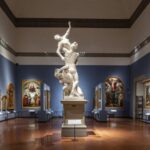
Expect a guided walk through the museum’s major collection highlights, including works from some of Italy’s most prominent artists. The tour description also mentions architectural and collection highlights, not just paintings—so you’re not only staring at canvases.
In a group size capped at 9 participants, the pace stays focused. You don’t get stuck behind a slow-moving cluster. And because you have a headset, your guide’s voice stays clear even when the room fills up.
Stop-by-stop highlights: the masterpieces on your route
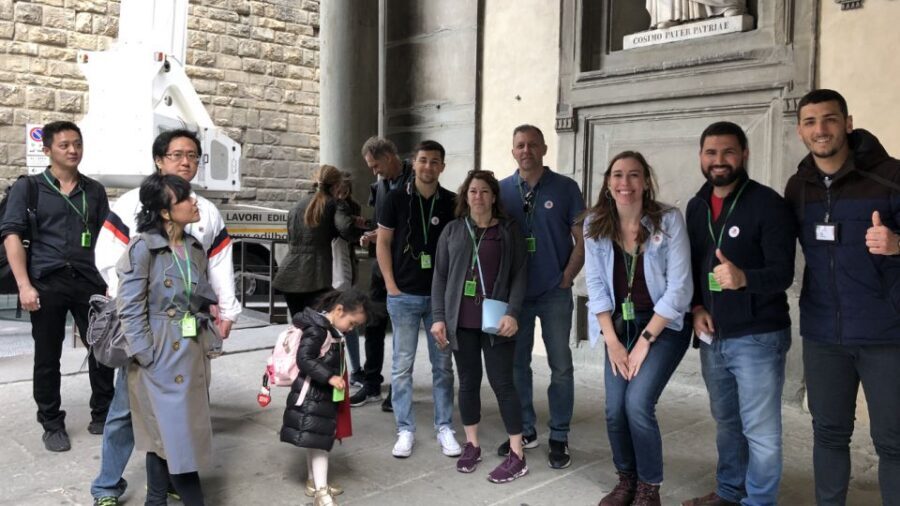
This is where the Uffizi tour delivers value. You’re not doing a random loop; you’re seeing a planned set of crowd favorites that people talk about for a reason.
You’ll get time with:
- Michelangelo’s Doni Tondo
- Giotto’s Ognissanti Madonna
- Caravaggio’s Medusa
- Rembrandt’s A Young Man
- Da Vinci’s Adoration of the Magi
- Botticelli’s The Birth of Venus
Each stop is more than a photo moment. The tour format is designed so your guide explains the work and the artist—how the painting fits into the artist’s world, and why the painting became famous. That’s what turns a museum visit from sightseeing into understanding.
A quick reality check: these works are famous, but they’re also in a busy museum. So you might not have a perfect quiet bubble around every canvas. The headset and the group size help, and your guide’s pacing helps you see what you came for without getting stuck waiting for the room to clear.
Michelangelo and the Doni Tondo moment
Michelangelo’s Doni Tondo is one of those pieces that people recognize immediately, even if they can’t place why right away. In this kind of guided stop, I like how your guide can tie what you’re seeing to Michelangelo’s importance in Renaissance art—without turning it into a lecture you can’t follow.
You can also read our reviews of more museum experiences in Florence



Botticelli’s Birth of Venus: why it still hits
The Birth of Venus by Botticelli is basically a Florence rite of passage. What makes it worth prioritizing is the combination of fame and the emotional pull of the image. This tour helps you connect the painting to its larger story by giving you the context your eyes alone can’t supply.
Caravaggio’s Medusa: the energy factor
Caravaggio’s Medusa is famous for more than its subject. It’s also a great painting to see in person because it’s designed to grab attention. With a guide, you get more than name recognition—you get an explanation of the work’s place in art history and what makes it stand out.
Da Vinci’s Adoration of the Magi: a story-in-painting
Da Vinci’s Adoration of the Magi is the kind of work that rewards a short guided explanation. You’re looking at a scene packed with meaning, and a guide can point out what to watch for so you don’t just see faces—you see how the scene is constructed and why it matters.
Giotto and Ognissanti Madonna: the grounding stop
Giotto’s Ognissanti Madonna gives you a different kind of reference point in the Uffizi lineup. It’s a useful stop because it lets you compare styles across eras while still staying in the “greatest hits” lane.
Rembrandt’s A Young Man: the curveball that helps
It’s easy to expect the Uffizi to feel purely Italian and Renaissance. Rembrandt’s A Young Man helps break that assumption, and it gives your tour a nice balance. In the time you have, that variety is a big win.
What the guide does that you can’t DIY in 90 minutes
The heart of this tour is the guided interpretation. The tour includes a live guide, and the descriptions emphasize learning the history and details behind each masterpiece, plus the lives of the artists behind them.
Why that matters: the Uffizi is full of masterpieces, but your brain needs a map. Without context, it’s possible to walk past paintings and remember only the most obvious ones. With a guide, you’re more likely to walk away with:
- clear artist names attached to specific works
- a sense of how styles changed over time
- a better read on what’s going on inside the painting
The tour also provides headsets, which is a practical detail I’m glad they include. In crowded galleries, it’s common to lose half the explanation just because the room eats your hearing. Headsets solve that. You can focus on the art instead of scanning faces to catch the guide’s words.
Small group size: up close without the crush
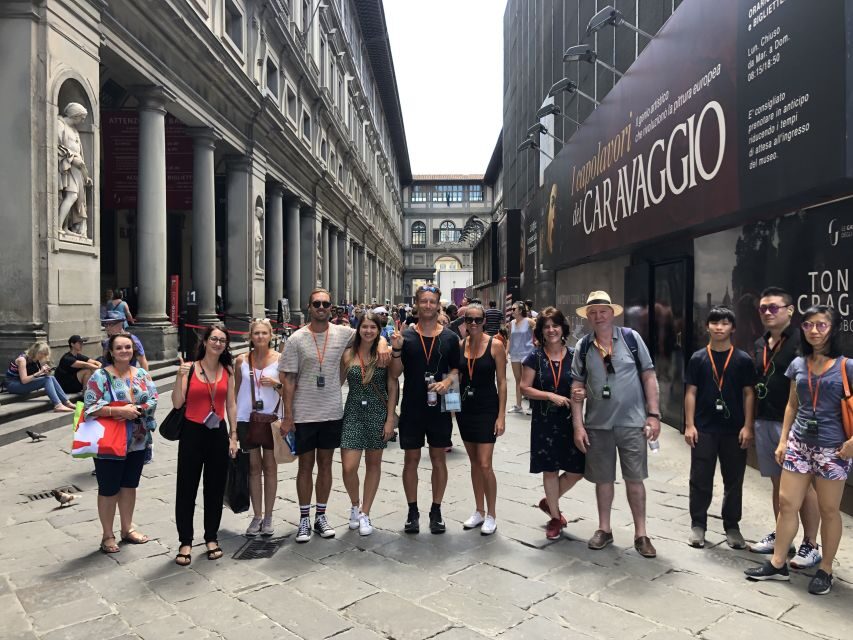
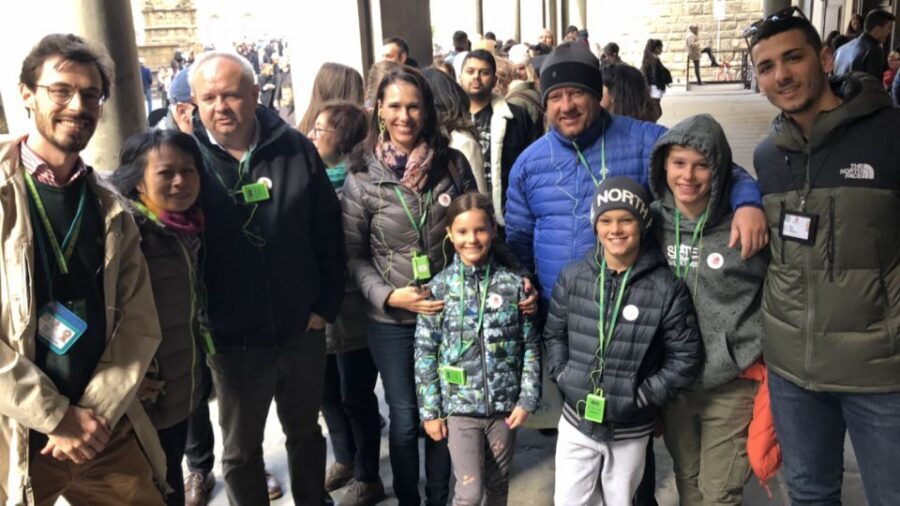
This tour keeps group size limited to 9 participants, and that’s not just a comfort perk—it affects the whole experience. Smaller groups can move with less friction. You get steadier access to the guide’s attention, and you’re less likely to spend your time in a human bottleneck.
One of the strongest themes in the experience is that the guide style matters. People have praised guides for being enthusiastic, professional, and able to fill unexpected downtime with useful context. For example, you might get a guide like Hilary, who made the route through the crowded gallery feel manageable. Or Christian, who—when there was a delay tied to the gallery system—used the extra time to explain Florence governance before the Medici era and how the Medici rose to power. That kind of problem-solving is exactly what makes a short tour feel like it lasts longer.
Other guides named include Simona, Valentina and Victoria, Anna, Laura, and Anatasia, all described as friendly, articulate, and strong at explaining both art and history.
Price and value: is $82 a smart spend?
At about $82 per person for 1.5 hours, you’re paying for three things: a live guide, skip-the-line tickets, and headset access. If you were going alone, you’d still need to solve the crowd problem and figure out what to prioritize.
So the value question is simple: do you want a guided shortlist, or do you want total freedom to wander? This tour is the guided shortlist option. It’s great if you want to see the marquee works like Birth of Venus and Medusa while getting context that helps you remember what you saw.
It may not be the best fit if your goal is to treat the Uffizi like a full-day “every room” mission. One tour at 90 minutes can only cover so much. But for many people, that’s exactly the point. You get a high-density art hit without turning the day into museum fatigue.
Languages and comfort: how the tour stays usable
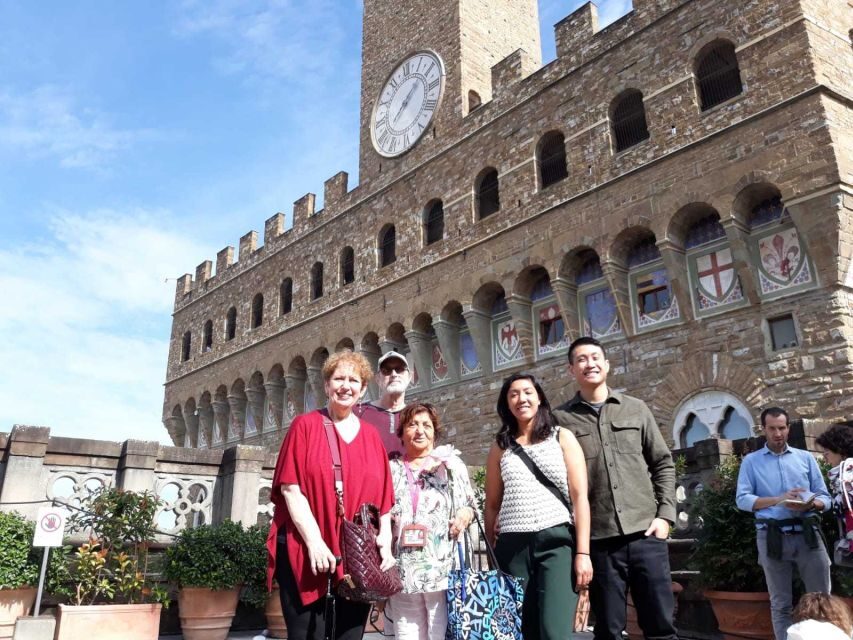
The tour is offered with live guide support in multiple languages: Italian, French, German, Spanish, and English. That’s a real advantage in Florence, where many visitors feel more comfortable when explanations land in their own language.
Also, the tour is wheelchair accessible. If accessibility is part of your planning, this is a key plus in the notes you were given.
And because the tour provides a headset, you’ll likely find the experience easier on your ears and your attention span—especially when the Uffizi is packed.
Who this tour suits best (and who should think twice)
This tour fits you if:
- you want the Uffizi’s top masterpieces without spending a whole day
- you’re okay with a structured route rather than open-ended wandering
- you’d rather learn the art’s context than just look at labels on the wall
- you want a small group experience that’s easier to manage in a crowd
Think twice if:
- you’re planning to pair this with another immediate timed activity the same day and can’t tolerate delays
- you want to study artworks slowly and deeply without moving along
- you expect the 90 minutes to feel like a complete museum visit (it won’t)
There was also an example of a tour starting late due to gallery operations, and the takeaway is practical: if you have tight scheduling after your tour, give yourself buffer time. The Uffizi can run on its own clock once security and gallery systems are involved.
Should you book the Florence Uffizi small group tour?
I’d book this if you want a smart, efficient way to see the Uffizi’s most famous paintings with real guidance. The skip-the-line element, the headsets, and the small group size make it feel built for humans, not just for museum efficiency.
It’s also a great first Uffizi step if you’ve never been. You’ll leave with names and context attached to what you saw, which makes it easier to enjoy the rest of Florence’s art scene afterward.
If you want a full-day museum experience with lots of unhurried room-to-room wandering, you might prefer a longer visit or a different plan. But if your time is limited, this is one of the most straightforward ways to get the main masterpieces—plus the story that helps them click.
FAQ
How long is the Uffizi Gallery small group guided tour?
The tour duration is 1.5 hours.
Where do I meet the guide?
Meet your guide in front of Leonardo da Vinci’s statue and look for the guide holding a white flag with ENJOY ROME.
Is there skip-the-line entry?
Yes. You’ll use skip-the-line tickets through a separate entrance.
What should I bring?
Bring your passport or ID card.
How big is the group?
The tour is a small group, limited to 9 participants.
Is the tour wheelchair accessible?
Yes. The tour is wheelchair accessible.

More Guided Tours in Florence


More Tours in Florence




More Tour Reviews in Florence
- Tuscany Day Trip from Florence: Siena, San Gimignano, Pisa and Lunch at a Winery
★ 5.0 · 21,634 reviews - The Best tour in Florence: Renaissance & Medici Tales – guided by a STORYTELLER
★ 5.0 · 12,316 reviews