REVIEW · FLORENCE
Wine Tasting Experience with Seven Types of Tuscan Wine
Book on GetYourGuide →Operated by Vino Tasting · Bookable on GetYourGuide
This tasting feels like a shortcut to Tuscany. In 90 minutes, you’ll move through major styles, from crisp and mineral whites to age-worthy reds, all in one calm, food-friendly setup.
I especially love the seven-wine format and the way each pour comes with real local bites. Another big plus: the guide work is hands-on, with room to ask questions and get a pace that fits your taste.
One thing to plan around: the schedule is tight, so if you arrive late, you won’t be able to join (and you won’t be refunded). Also, it’s not recommended for pregnant travelers.
In This Review
- Key things to know before you go
- A Florence Wine Tasting That Gives You Tuscany Fast
- The Setting: Vino Tasting Global Srl and a Comfortable Pace
- The Seven Wines You’ll Taste, in Real Order
- Vernaccia: Crisp, Mineral Start
- Bolgheri Rosso: Bold and Opulent
- Chianti Classico: Cherry + Earth Notes
- Nobile di Montepulciano: Smooth Tannins, Dark Fruit
- Chianti Classico Riserva: Nuanced, Aged Expression
- Brunello di Montalcino: Powerful and Complex
- Miraia Tuscan Wine: Elegant and Age-Worthy Finish
- The Food Pairings: Antipasto That Actually Matches
- Meet the Sommelier: Friendly Explanations, Not Pretend Seriousness
- Price and Value: $65 for 7 Wines With Food
- Timing and How to Fit It Into a Florence Day
- Who This Tasting Is Best For (and Who Should Skip It)
- What You’ll Actually Learn (Beyond the Wines)
- Should You Book This Florence Wine Tasting?
- FAQ
- Where is the meeting point?
- How long is the tasting?
- How many wines will I taste?
- What’s included with the wines?
- Are gluten-free or vegetarian options available?
- Is the tour wheelchair accessible?
- What ID do I need to bring?
- Is there an age limit for alcohol?
Key things to know before you go
- Seven distinct Tuscan wines in 90 minutes, sequenced from lighter to more structured reds.
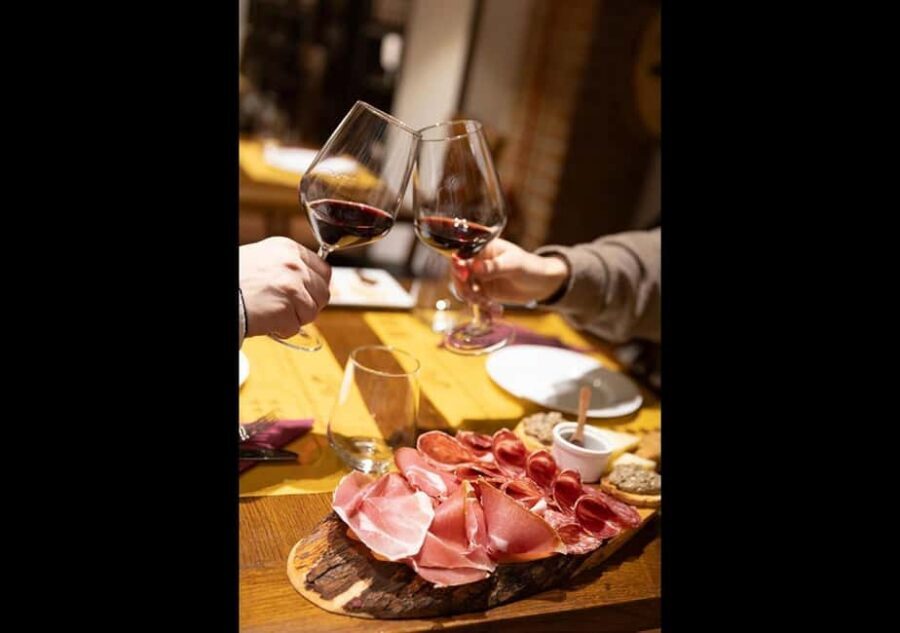
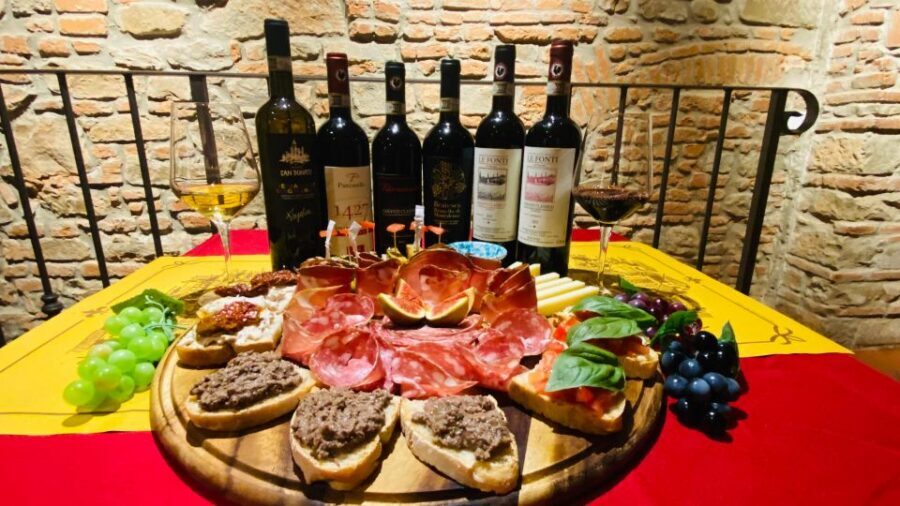
- Antipasto pairing platter designed to match flavors, including olives, bruschetta, salami, and prosciutto.
- Certified guide in English/Italian, with guides who can explain both wine basics and regional context.
- Flexible support for dietary needs, with gluten-free or vegetarian menus available on request.
- A relaxed pace that leaves time for questions, not just a rapid run-through.
A Florence Wine Tasting That Gives You Tuscany Fast
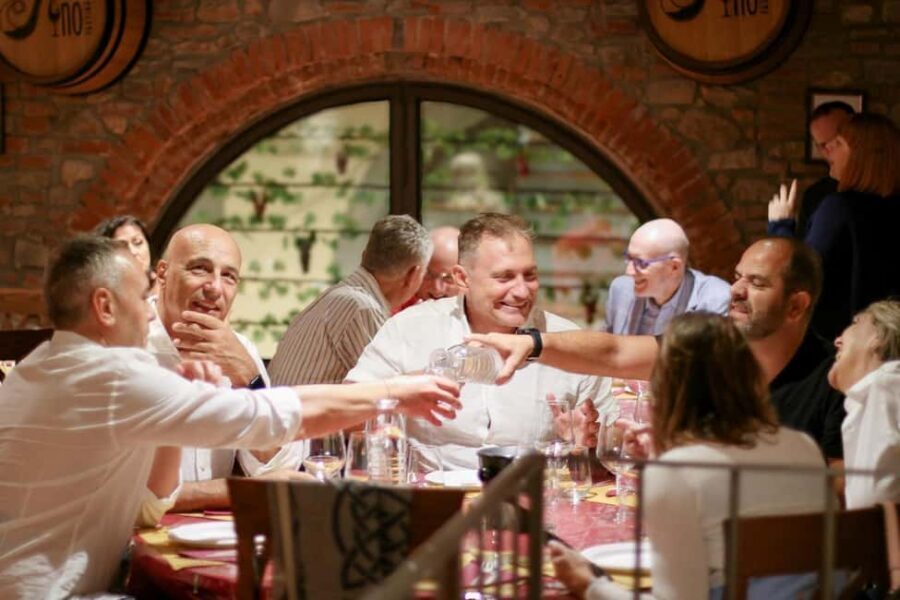
If your time in Florence is short, this is the kind of plan that makes sense. You don’t need to book a full-day trip into the countryside to get the feel of Tuscany’s winemaking.
The experience is built around a simple idea: taste your way through Tuscany’s most talked-about regions, then connect the flavors to what makes each one different. You’ll start with something crisp and mineral, work your way through classic cherry-and-earth territory, then end with heavier, age-worthy styles that show how much character Tuscany can pack into a glass.
This is also a practical choice if you’re not trying to become a wine scholar. You’ll get enough structure—what you’re tasting, why it matters, and what to look for—to make your next glass of Chianti or Brunello feel less like a blind guess.
You can also read our reviews of more food & drink experiences in Florence
- San Gimignano, Siena, Monteriggioni, Chianti Day Trip with Lunch & Wine Tasting
★ 4.5 · 4,432 reviews
The Setting: Vino Tasting Global Srl and a Comfortable Pace
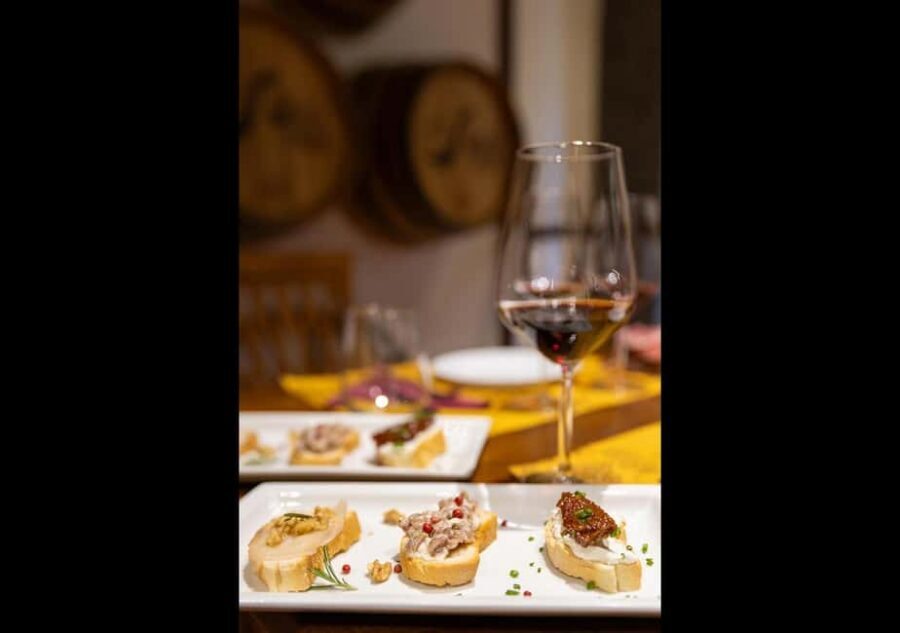
You meet at Vino Tasting Global Srl, Via del Gomitolo dell’Oro, 11r, 50123 Firenze FI. From there, you stay in one place for the full tasting, which is great if you’d rather not do a lot of walking after you’ve already been on your feet around town.
Inside, the space is described as air conditioned and wheelchair accessible, with WiFi available. That matters in Florence—especially in warm months—because a wine tasting can become unpleasant fast if the room is too hot or too cramped.
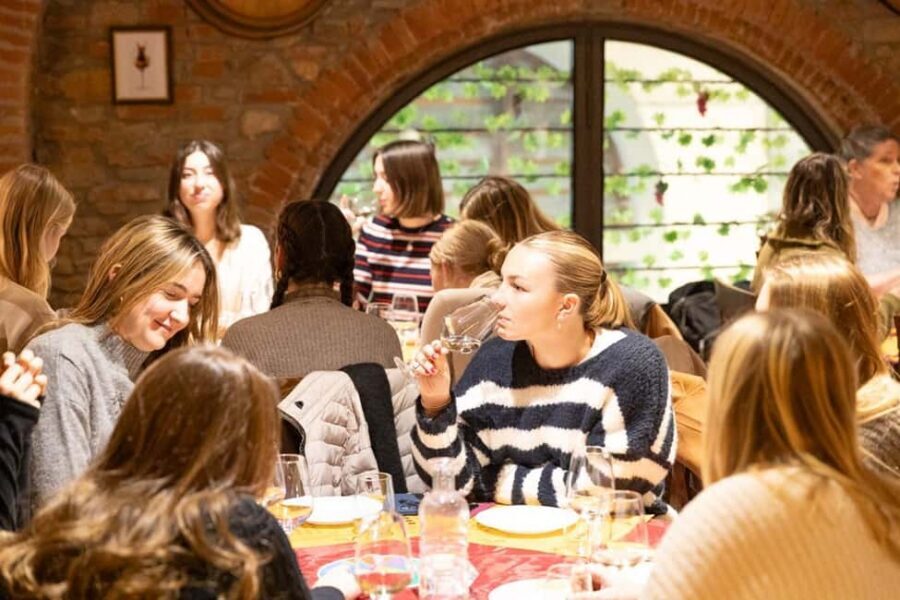
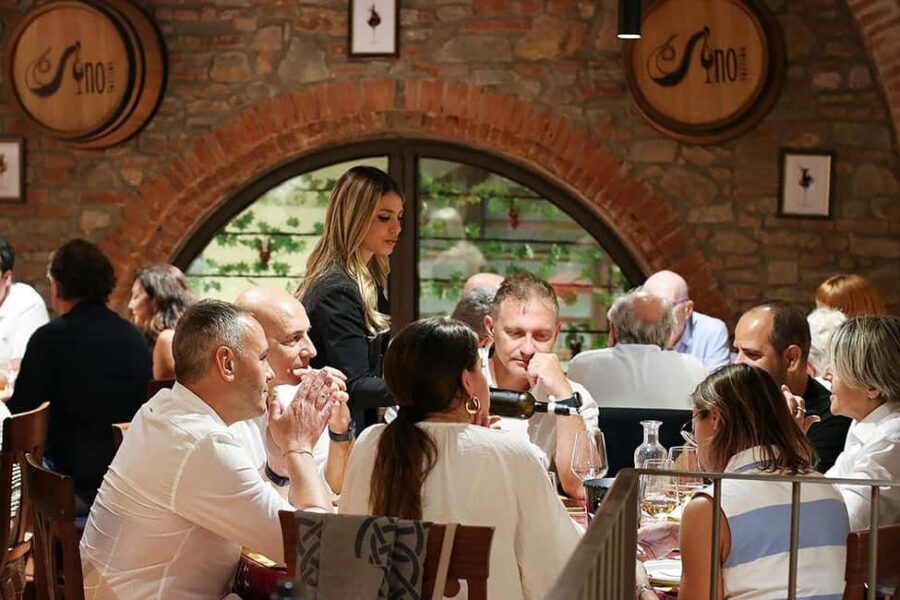
The vibe tends to be relaxed and personal. People have specifically noted that the sommelier slows down for questions, doesn’t push you to finish, and will adjust if you don’t like a specific wine by offering an alternative or a similar recommendation. That’s a surprisingly big deal when you’re paying for an experience built around multiple pours.
The Seven Wines You’ll Taste, in Real Order
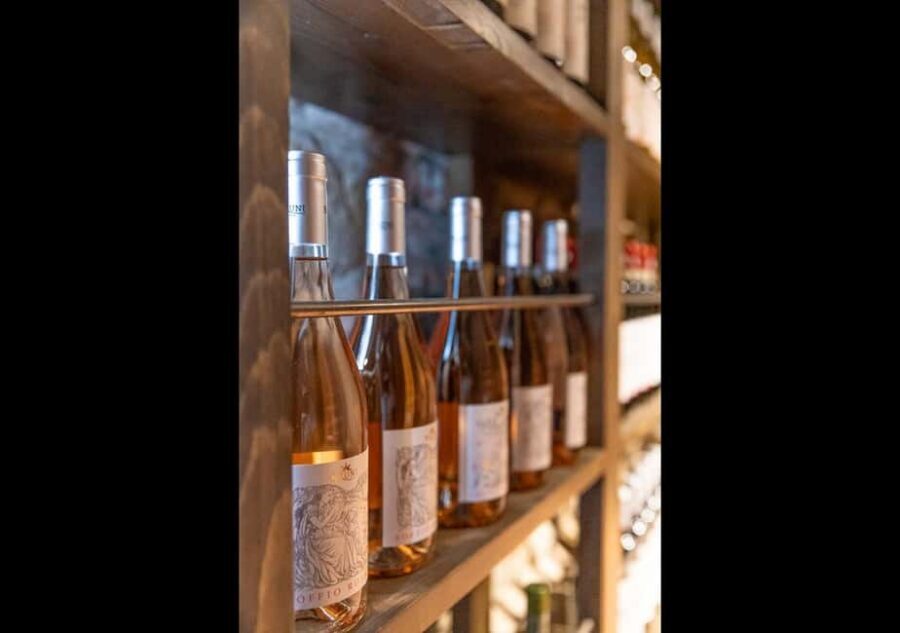
The tasting moves through seven Tuscan wines, each paired with bites from the platter. The order is designed like a mini lesson: you begin with freshness, then you travel toward deeper fruit, more tannin, and longer-aging styles.
Here’s the sequence you’ll experience:
Vernaccia: Crisp, Mineral Start
You begin with Vernaccia, described as crisp and mineral. This sets your palate for the rest of the flight. It’s the kind of wine that helps you reset your senses before richer reds show up.
What it means for you: If you usually think white wine is boring, this first pour is a strong argument that you should pay attention to acidity and minerality.
Bolgheri Rosso: Bold and Opulent
Next comes Bolgheri Rosso, described as bold and opulent. Compared with the starter, it’s the “more body” moment—often the point where you realize Tuscany isn’t only about one style of red.
What it means for you: This is a good check-in wine. You’ll figure out fast whether you like power, smoothness, or fruit-forward intensity.
You can also read our reviews of more wine tours in Florence
- Tuscany Day Trip from Florence: Siena, San Gimignano, Pisa and Lunch at a Winery
★ 5.0 · 21,634 reviews

Chianti Classico: Cherry + Earth Notes
Then you move into Chianti Classico, described with cherry and earth notes as its calling card. This is the backbone style for a lot of wine beginners because it’s approachable, but not simple.
What it means for you: You’ll learn how people can taste earthiness and still keep it friendly. It’s a key bridge to understanding why Chianti shows up everywhere on menus.
Nobile di Montepulciano: Smooth Tannins, Dark Fruit
After that, you’ll taste Nobile di Montepulciano, described as having smooth tannins and dark fruit. This is where the flight starts feeling more structured, but still balanced.
What it means for you: If you’ve ever found tannic wines harsh, this step-by-step pacing helps you understand what smooth tannins actually means in a real glass.
Chianti Classico Riserva: Nuanced, Aged Expression
The flight then offers Chianti Classico Riserva, described as nuanced and aged. Riserva is often a word you see on labels without really knowing what it changes—this tasting makes the difference audible on your tongue.
What it means for you: You’ll notice how aging shifts fruit toward complexity and adds texture, not just time.
Brunello di Montalcino: Powerful and Complex
Next is Brunello di Montalcino, described as king of Tuscan wines, with powerful structure and complex flavors. This is the “big red” in the lineup, and it usually changes how people talk about Tuscany after this pour.
What it means for you: You’ll experience what “structure” means without needing a technical vocabulary. You’ll feel the weight, the layering, and the lingering finish.
Miraia Tuscan Wine: Elegant and Age-Worthy Finish
Finally, you end with Miraia Tuscan wine, described as elegant and age-worthy. It’s a softer landing after Brunello’s intensity, but it still finishes the story with something built to last.
What it means for you: This last pour is where you decide what you actually want to drink again—something classic, something bold, or something that feels polished.
The Food Pairings: Antipasto That Actually Matches
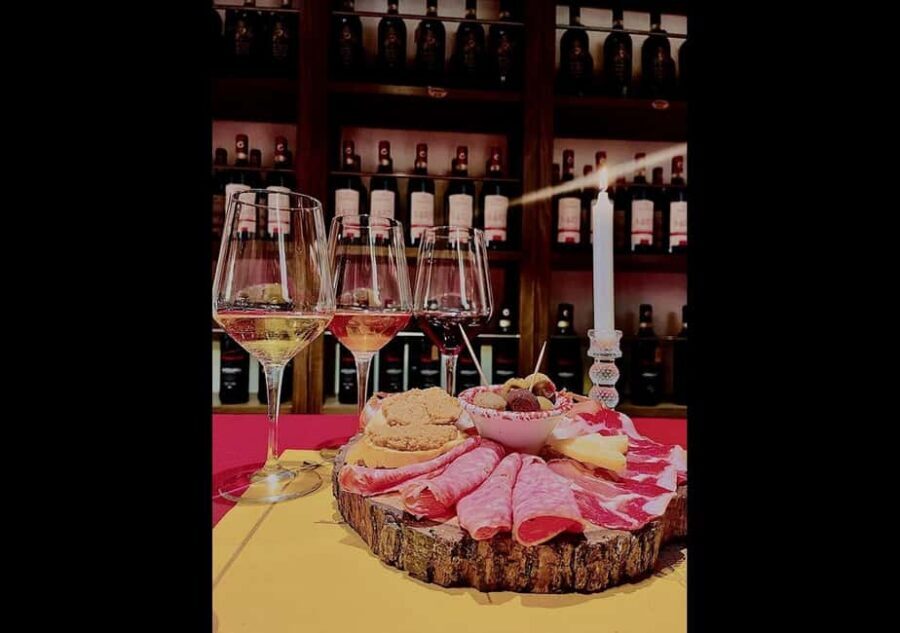
This is not wine with a sad cracker. You’ll get a platter of Tuscan appetizers, including Italian olives, bruschetta, salami, and prosciutto. The idea is to keep the tasting grounded in local food flavors, not just theoretical pairings.
A couple things make the pairing part worth your attention:
First, those items cover a lot of taste territory. Olives bring salt and fat. Bruschetta brings bread, tomato notes, and acidity. Cured meats add salt, savor, and a little smokiness. That combination helps you taste how wine changes when your palate is working with more than just liquid.
Second, the tasting tends to be flexible. People have noted that if they weren’t keen on a specific wine, the sommelier could adjust and keep the experience enjoyable. That same practical approach usually carries into the bite rhythm, so you’re not forced into a one-size-fits-all script.
Meet the Sommelier: Friendly Explanations, Not Pretend Seriousness
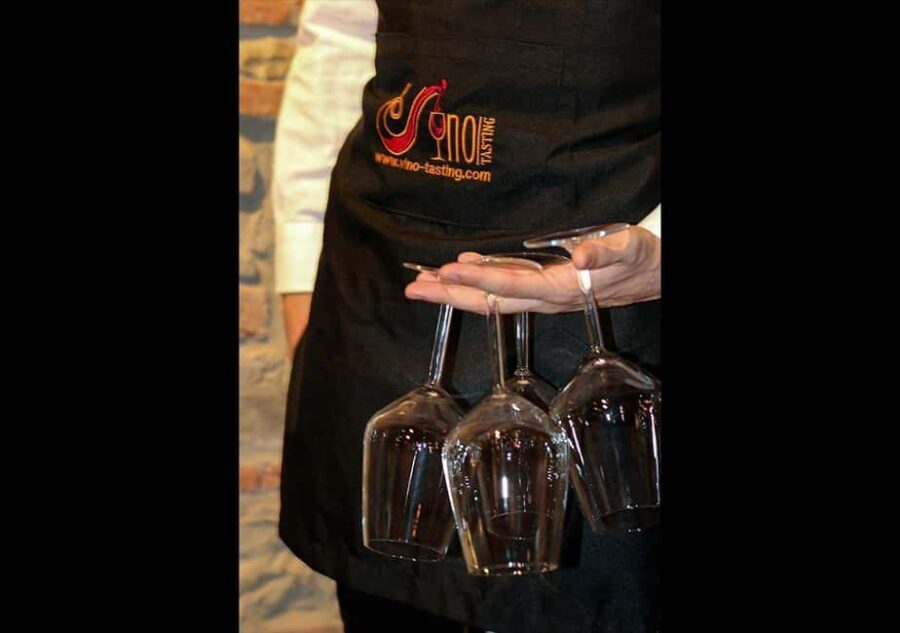
You’ll be led by an official certified guide, available in English and Italian. Names that have come up include Vince, Vinci, and Jessica, and people specifically call out how well the sommelier can explain what you’re tasting and why.
What I like about this kind of setup is the balance. You get enough background to make sense of Tuscany’s major styles, but you’re not stuck listening to a lecture. You can ask questions, and the pace stays relaxed.
If you’re traveling with a friend who drinks wine casually and another who wants more detail, this format helps. You can focus on what you personally enjoy—cherry notes, mineral whites, tannin feel, aged complexity—while still getting a guided path through the lineup.
Price and Value: $65 for 7 Wines With Food
At $65 per person for about 1.5 hours, the value comes from how the experience is packaged. You’re not just buying a few sips of wine at a bar—you’re getting a structured tasting with a certified guide and a food pairing platter.
The “value” piece is the number of wines relative to time. Seven different Tuscan bottles in 90 minutes is a lot of tasting. That matters because it helps you compare styles side-by-side. It’s one thing to read about Chianti or Brunello. It’s another to taste them in sequence and notice the shift.
Also, the food pairing is included. Even if you don’t eat much, having olives, bruschetta, and cured meats in the mix makes the tasting more complete and more enjoyable than a barebones flight.
Timing and How to Fit It Into a Florence Day
This is a 1.5-hour experience, so it works well as an afternoon reset or a relaxed pre-dinner activity. It’s also an easy choice if you’re trying to avoid a long day tour out of the city.
One important practical detail: the tour won’t wait if you’re late. If you arrive after the start time, you won’t be able to join and there’s no refund or rescheduling. So I’d treat it like any other timed activity—leave extra walking room, especially if you’re navigating Florence streets.
Another reality check: the tour runs only if there’s a minimum number of guests. If your schedule is tight, check availability before you plan your whole day around it.
Who This Tasting Is Best For (and Who Should Skip It)
This works especially well if you want Tuscany basics fast. It’s ideal for:
- wine newcomers who need clear guidance and a friendly pace
- couples or small groups who want a calm, sit-down experience
- people who want a taste of several Tuscan regions without leaving Florence
It’s less suitable if:
- you’re pregnant (it’s explicitly not recommended)
- you’re looking for a deep, vineyard-by-van day trip (this is a tasting experience in one location)
And if you’re traveling with kids: the experience mentions Coca Cola, Fanta, or Sprite for children drinks. For alcohol, the minimum drinking age is 17+.
What You’ll Actually Learn (Beyond the Wines)
The best part of a structured tasting is that it changes how you order wine later. After you’ve moved from Vernaccia’s crisp mineral start to Brunello’s structured finish, you’ll recognize patterns like:
- how acidity can make a white feel sharp and clean
- how tannins shift from smooth to stronger structure in reds
- how aging can change fruit into more layered flavors
You’ll also get a practical sense of Tuscany’s range. People often assume Tuscany only equals one famous label. This flight shows you that Tuscany can feel crisp and lively, then bold and powerful, all within a single guided session.
Should You Book This Florence Wine Tasting?
I’d book it if you want a high-value, guided taste of Tuscany without committing to a full day out of town. The format is efficient, the guide role is central, and the included antipasto platter makes it feel like a real experience rather than a quick stop.
Skip it if you hate timed activities or you need a flexible schedule, because late arrival means you can’t join. Also, if you’re someone who only wants to focus on one region (like only Chianti, for example), the seven-wine breadth might feel a bit fast.
If you’re in Florence and want to come away with real confidence ordering your next bottle, this is a smart bet. It gives you more tasting and more context than most casual wine bars can manage in a single sitting.
FAQ
Where is the meeting point?
You meet at Vino Tasting Global Srl, Via del Gomitolo dell’Oro, 11r, 50123 Firenze FI, Italy.
How long is the tasting?
The experience lasts about 1.5 hours.
How many wines will I taste?
You’ll taste seven types of Tuscan wine.
What’s included with the wines?
It includes wine tasting with pairing, an antipasto platter (including olives, bruschetta, salami, and prosciutto), and alcoholic beverages for the seven wines. A certified guide is also included.
Are gluten-free or vegetarian options available?
Yes. Gluten free or vegetarian menus are available on request.
Is the tour wheelchair accessible?
Yes. It’s described as wheelchair accessible.
What ID do I need to bring?
You should bring a passport or ID card, and a valid identification document is required to be carried along.
Is there an age limit for alcohol?
Yes. The minimum drinking age for alcoholic beverages is 17 years and above.
More Wine Tours in Florence
- Tuscany Day Trip from Florence: Siena, San Gimignano, Pisa and Lunch at a Winery
★ 5.0 · 21,634 reviews
More Food & Drink Experiences in Florence
- San Gimignano, Siena, Monteriggioni, Chianti Day Trip with Lunch & Wine Tasting
★ 4.5 · 4,432 reviews


More Tour Reviews in Florence
- Tuscany Day Trip from Florence: Siena, San Gimignano, Pisa and Lunch at a Winery
★ 5.0 · 21,634 reviews - The Best tour in Florence: Renaissance & Medici Tales – guided by a STORYTELLER
★ 5.0 · 12,316 reviews