REVIEW · FLORENCE
4-Courses Cooking Experience in Florence
Book on Viator →Operated by Hidden Experiences · Bookable on Viator
Florence at golden hour is a good time to trade sightseeing shoes for an apron. This 4-course cooking class turns a typical Tuscan meal into a hands-on lesson: you’ll make an appetizer, cook fresh pasta with sauce, prepare a second-course meat-and-vegetable dish, and finish with dessert. I like that it’s designed for small groups, so you’re not stuck watching from the sidelines.
Two big reasons I think it works: you get hands-on instruction in a professional kitchen, and the class ends with a tasting of what you cooked, not just a quick sample. One thing to consider is pacing and space: one low-star experience complained the instruction felt rushed and some parts of the meal didn’t go as smoothly as planned. So if you want a super slow, step-by-step pace, you’ll want to go in with flexible expectations.
In This Review
- What Makes This Class Feel Personal
- Key Points at a Glance
- 4 Courses, One Clock: What You Actually Do in Florence
- Finding the Kitchen on Via Camillo Cavour (and Setting Yourself Up to Enjoy It)
- How the Teaching Works with Up to 15 Cooks at a Time
- Starter to Dessert: Your Tuscan Menu, Course by Course
- Stop 1: Your first course setup on the way into cooking mode
- Fresh pasta with sauce (and a ragù choice)
- Second course: meat with vegetables (or the vegetarian path)
- Dessert: sweet and finishing strong
- Wine, Water, and the End-of-Class Tasting Plate
- Price and Value: Is $94.82 Worth It?
- Pace, Noise, and the Small Things That Can Change Your Night
- Who Should Book This Florence Cooking Class?
- Should You Book 4-Courses Cooking in Florence?
- FAQ
- How long is the 4-courses cooking experience?
- What time does the class start?
- Where do I meet for the cooking class?
- Is the class offered in English?
- How big is the group?
- Is there a vegetarian option?
- What dishes will I make during the class?
- Does the experience include food tasting?
- Is wine included, or just water?
- Is free cancellation available?
What Makes This Class Feel Personal
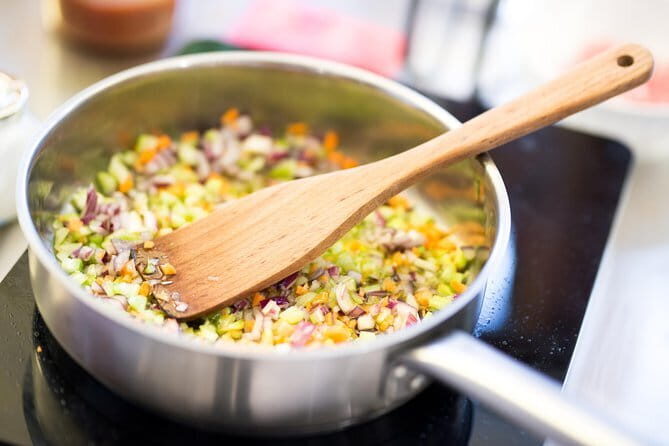
The sweet spot here is how it’s organized. The class caps out with a small group (up to 20 total people), and the cooking focus stays on no more than 15 student chefs at a time. That smaller feel often shows up in the teaching style—people mention instructors who are funny and patient, and chefs who make sure everyone gets a role.
You’ll also get something you can’t replicate easily at home: guidance that connects techniques to results. One person even highlighted learning cutting techniques they hadn’t known before. That’s useful because Italian home cooking is often about doing the basics correctly and consistently, not about fancy gadgets.
Key Points at a Glance
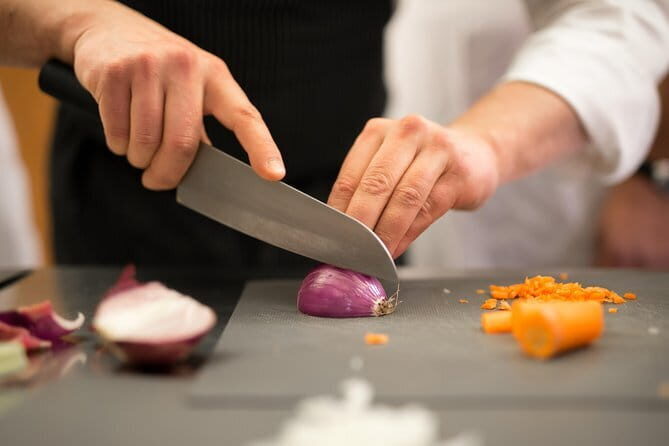
- 4 traditional Tuscan courses: antipasti, fresh pasta with ragù, meat with vegetables, and a sweet dessert
- Small-group format with no more than 15 active cooks
- English instruction plus water and wine included with the experience
- Food tasting at the end so you eat what you make
- Vegetarian option by request, so you can still follow the flow of the class
- Central meeting point on Via Camillo Cavour, with easy transit access
You can also read our reviews of more cooking classes in Florence
4 Courses, One Clock: What You Actually Do in Florence
This is a 4-hour class that starts at 5:00 pm and ends back at the meeting spot. You’ll move through the meal like a real Tuscan sequence: appetizers first, then pasta, then a meat-and-vegetable second course, and finally dessert. The structure matters because you’re not just learning one trick—you’re practicing how courses connect on a real dinner timeline.
Here’s the practical rhythm you should expect. First, you’ll likely get a kitchen orientation and a plan for what’s coming. Then you jump into prep and cooking steps as the courses progress. You’ll make fresh pasta and then dress it with a sauce. After that, you switch gears to a second course built around meat plus vegetables (or the vegetarian alternative, if requested). Dessert rounds it out so the evening ends with something sweet instead of a heavy finale.
I like that the meal isn’t described as gourmet-only. It’s traditional. That means the skills are the kind you can repeat later, without needing a week of prep or a pantry full of rare ingredients.
Finding the Kitchen on Via Camillo Cavour (and Setting Yourself Up to Enjoy It)
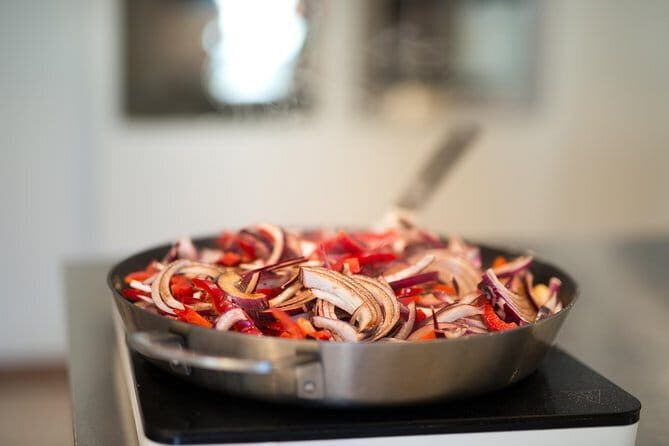
Your meeting point is Via Camillo Cavour, 180, 50121 Firenze FI. It’s near public transportation, and the class ends back at the same meeting point. That return detail is underrated: you don’t have to figure out where to wander after cooking, when you’re already hungry.
One practical note from people who took the class: it can be a bit of a hike depending on where you’re staying. If your hotel is far from the center, plan for walking time and bring shoes that don’t mind stairs. Since the class starts at 5:00 pm, you also want to arrive early enough to get settled before the first cooking steps begin.
Also, bring your phone. The experience uses a mobile ticket, which is convenient, but only if your battery behaves. If you’re the type who forgets chargers, fix that habit tonight.
How the Teaching Works with Up to 15 Cooks at a Time
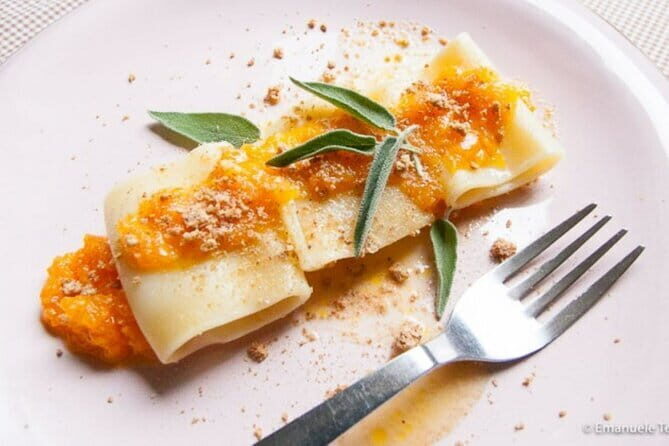
You’re not dealing with a huge cooking theatre here. The class is set up so there are no more than 15 student chefs, even though the overall maximum is 20 people. That small cooking count is what helps you actually do the work.
In a good class, you should feel included in the flow: prepping, stirring, shaping pasta, assembling components, and tasting at the end. People describe instructors as engaging and personable, including chefs named Stefano, Caterina, and Francesco. Those names matter because they hint at consistent hospitality: teachers who aren’t just technical, but also good at keeping a mixed group comfortable.
Is every minute perfectly individualized? It depends on the day. One negative experience said the class felt crowded and that instructions were given all at once instead of step-by-step while cooking. So if you learn best by watching then doing right away, I’d suggest you show up with curiosity and ask questions early rather than waiting.
Starter to Dessert: Your Tuscan Menu, Course by Course
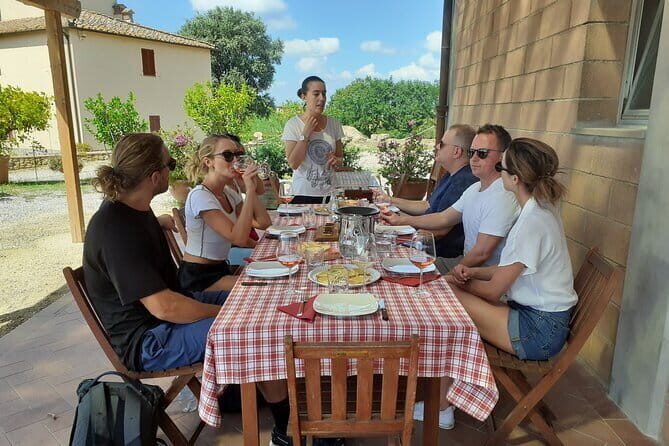
The menu is built from classic Tuscan shapes: simple, focused, and meant to taste like real food.
- Tuscany Day Trip from Florence: Siena, San Gimignano, Pisa and Lunch at a Winery
★ 5.0 · 21,634 reviews - The Best tour in Florence: Renaissance & Medici Tales – guided by a STORYTELLER
★ 5.0 · 12,316 reviews




Stop 1: Your first course setup on the way into cooking mode
At the kitchen, you’ll start with the appetizer portion. The starter is described as various antipati. Translation: small plates meant to kick off dinner and get everyone into the same tempo. Expect some light prep and learning how to keep portions tidy, even when you’re not the one who has been cooking all day.
This start is helpful because it warms up your hands before the “real work” course—fresh pasta.
Fresh pasta with sauce (and a ragù choice)
The first major cooking focus is hand-made pasta. Your pasta goes with a sauce that can include meat ragù or vegetable ragù. If you’re doing the vegetarian version, the key difference is the ragù base, while the pasta-making workflow stays part of the shared experience.
Fresh pasta teaching tends to center on three things: texture, timing, and handling. Even when the steps are straightforward, timing is where beginners usually lose the plot. A strong instructor will watch what you’re doing and adjust on the fly.
People also mention getting tips and tricks beyond just pasta. So yes, you’re learning to make it, but you’re also learning how to make it taste right.
Second course: meat with vegetables (or the vegetarian path)
The second main course is meat with vegetables. This is where you practice cooking strategy: managing a hot pan while also coordinating the rest of the meal plan. It’s a good contrast to pasta because the cooking style changes. Instead of shaping and rolling, you’re building flavor through proper cooking and seasoning.
If you requested vegetarian options, you’ll still be part of this course arc. The goal is that you’re eating something coherent with the menu structure, not just receiving a last-minute substitute.
Dessert: sweet and finishing strong
Dessert is a sweet course. The exact style isn’t specified, but the point is clear: you end with something celebratory. Since you’ll taste what you cooked at the end, finishing with dessert helps the night feel complete, not like “we made food and then ran off.”
Wine, Water, and the End-of-Class Tasting Plate
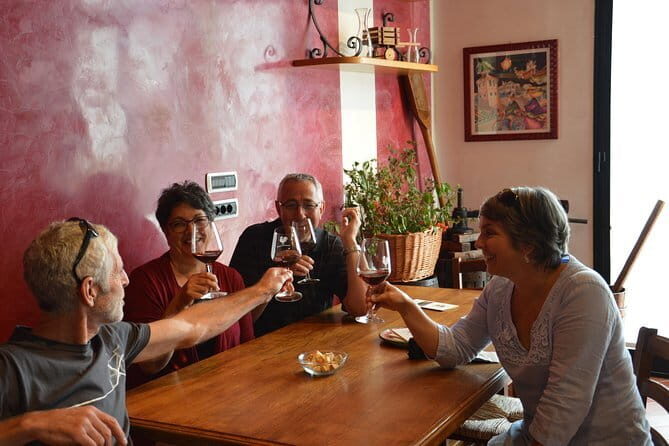
Water and wine are included in the experience. That’s a simple but meaningful detail: cooking is work, and hydration keeps you focused. Wine also helps turn the meal into something social rather than just instructional.
The class includes a food tasting at the end. In other words, you get to eat what you made. That’s the best kind of payoff because it tells you whether the skills you learned actually worked. One negative note did mention wine being served only at the end and that the wine wasn’t good. I wouldn’t fixate on it, but if wine quality matters to you, go in knowing it’s part of the included experience, not a tasting room event.
The tasting also works as a final check. If your pasta or sauce wasn’t where you wanted it, this is when you learn what to tweak next time. I love that the feedback loop is built in: cook, taste, adjust, repeat later if you want.
Price and Value: Is $94.82 Worth It?
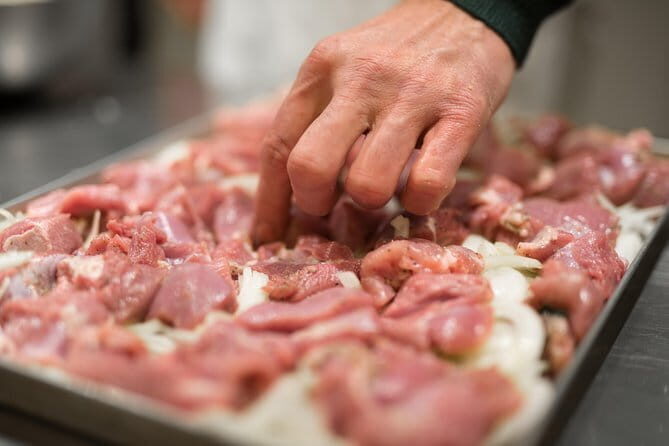
At $94.82 per person, this is not a cheap “activity.” But it also isn’t just a cookbook workshop. You’re getting a full four-course meal outcome, taught in a professional setting with water and wine included, and paced as a group cooking experience with a small number actively cooking.
The value case is strongest if you want more than one thing from your evening:
- you want hands-on instruction (not just watching),
- you want to leave with a meal you helped create,
- and you like the idea of cooking with others in a group small enough to feel personal.
The price also makes sense when you compare it to the cost of a comparable dinner plus a cooking class. You’re not buying ingredients, tools, and time to make fresh pasta and ragù at home for a family of four. Here, someone else already lined up the kitchen, workflow, and teaching.
Book it earlier if you can. It’s commonly reserved well ahead (the average booking timing is about 67 days). Early booking is often the best way to lock in the slot you want.
Pace, Noise, and the Small Things That Can Change Your Night
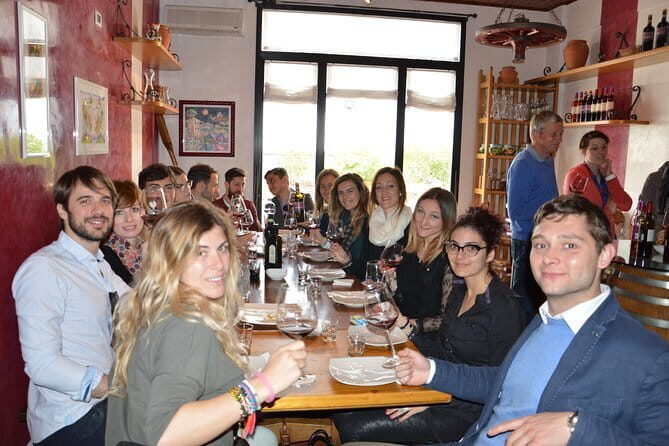
Most people will have a smooth, happy evening. But a couple of considerations show up in the reality of group cooking.
First: pacing. One experience felt rushed, with guests out around 7:30 pm. That can happen if the group finishes quickly or if timing in the kitchen is tight. If you prefer unhurried, lingering explanations, you may need to slow yourself down mentally and ask questions during active steps.
Second: noise. Another note complained about the locality being very noisy with high noise levels. That doesn’t mean the class is a chaotic disaster, but it does mean you might want to mentally plan for a lively environment.
Third: participation balance. One negative comment said the class size was too large to really participate. Since the stated format is up to 15 student chefs cooking, that problem may depend on the day and instructor flow. Still, it’s a good reminder: if you want to do the work, don’t hover. Jump in when someone offers a task.
Finally: tasting accuracy. One harsh comment claimed a dish wasn’t eaten properly. That’s not something I can promise won’t happen, so if you’re served something that doesn’t match what you cooked, politely flag it early. In a well-run kitchen, that should be fixable fast.
Who Should Book This Florence Cooking Class?
This class fits best if you want a mix of skills and dinner rewards in one place.
You’ll probably love it if:
- you want a hands-on Florence experience that’s not just a museum stop,
- you’re interested in fresh pasta and classic Tuscan flavors like ragù,
- you like group activities but still want a smaller group feel,
- you appreciate getting instruction from instructors who can teach in a fun, patient way (people mentioned chefs like Stefano, Caterina, and Francesco).
It may be less ideal if:
- you need a super quiet setting,
- you dislike the idea that group schedules can feel a bit quick,
- or you’re someone who prefers to learn only one dish at a time without course-to-course switching.
Should You Book 4-Courses Cooking in Florence?
If your goal is to leave Florence with a real skill (fresh pasta, sauce logic, and a classic course flow), I think this is a strong choice. The value comes from four things working together: small active cooking group, professional teaching, a full meal outcome, and a tasting that closes the loop.
My practical advice: book early, arrive a bit before start time, and ask questions during prep rather than waiting for later. If you’re vegetarian, put the request in clearly so you get the right course alignment. And if you care about wine quality, treat it as included atmosphere, not a sommelier event.
FAQ
How long is the 4-courses cooking experience?
It lasts about 4 hours.
What time does the class start?
The start time is 5:00 pm.
Where do I meet for the cooking class?
You meet at Via Camillo Cavour, 180, 50121 Firenze FI, Italy.
Is the class offered in English?
Yes. The experience is offered in English.
How big is the group?
The maximum is 20 travelers, and the class cooking focus is described as no more than 15 student chefs.
Is there a vegetarian option?
Yes. Vegetarian options are available on request.
What dishes will I make during the class?
You’ll prepare an appetizer (various antipati), fresh pasta with sauces (including meat or vegetable ragù), a second-course meat dish with vegetables, and a sweet dessert.
Does the experience include food tasting?
Yes. At the end, there is a food tasting of what you cooked.
Is wine included, or just water?
Both water and wine are included.
Is free cancellation available?
Yes. You can cancel for a full refund up to 24 hours before the experience starts.
More Cooking Classes in Florence


More Tour Reviews in Florence
- Tuscany Day Trip from Florence: Siena, San Gimignano, Pisa and Lunch at a Winery
★ 5.0 · 21,634 reviews - The Best tour in Florence: Renaissance & Medici Tales – guided by a STORYTELLER
★ 5.0 · 12,316 reviews