REVIEW · SIENA
Best of Siena: Private Walking Tour with a Local
Book on GetYourGuide →Operated by Humrahe · Bookable on GetYourGuide
Siena is best understood one step at a time. Starting at Piazza del Campo, this private walk is guided by a friendly local resident who can steer you toward what you actually care about. I like the way guides such as Laura and Setayesh focus on practical city reading: what a place means in daily life, where to pause, and how to look past the obvious photos.
Two things I genuinely appreciate: the tour is private (just your group, no outsiders) and the route stays flexible so you’re not forced through a rigid checklist. There’s also a softer touch than you might expect—this isn’t built like a classroom lecture, and the focus leans more on local culture than deep history.
One possible drawback: you should not expect a certified, heavy-history, minute-by-minute breakdown of every era. If you want long, academic-style background, you may need to add that on your own with museum time.
In This Review
- Key highlights you’ll feel on the walk
- Siena on foot: why the tour starts at Piazza del Campo
- Your local guide: culture-first, not a formal history seminar
- Piazza del Campo: the civic center you can actually read
- Siena Cathedral: Gothic details that reward patience
- Medieval streets and contrade life: more than a postcard route
- Orto Botanico: a needed reset during your walking day
- Fortezza Medicea: views that make the effort worth it
- Lunch, artisan shops, and the guide’s “where should I go?” advantage
- How long is enough: planning for 1 to 6 hours
- Price and value: is $49 per person fair for Siena?
- Who should book this Siena private walking tour
- Should you book this tour?
- FAQ
- Where does the tour start?
- How long is the tour?
- Is this tour private?
- What languages are offered?
- Is the tour wheelchair accessible?
- What’s included and what do I pay for myself?
- Is deep history a focus?
Key highlights you’ll feel on the walk
- Private, just your group so you can ask questions and change pace without crowd pressure
- Flexible itinerary tailored to your interests, not a one-size route
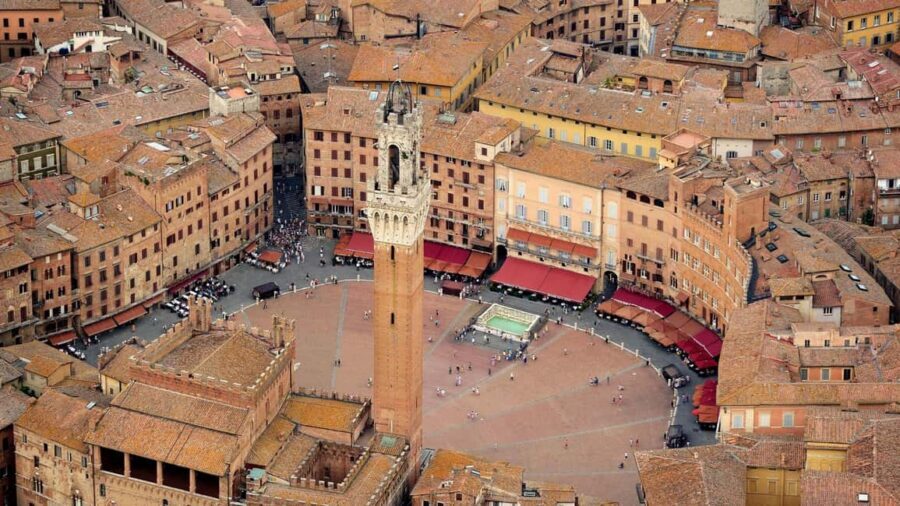
- Piazza del Campo start with context for the Palio and Siena’s civic heartbeat
- Streets of the contrade plus quiet courtyards and local rhythm beyond main sights
- Stops that refresh you like the Orto Botanico and scenic views from Fortezza Medicea
- Local food and shop guidance to help you choose where to eat and what to buy
Siena on foot: why the tour starts at Piazza del Campo
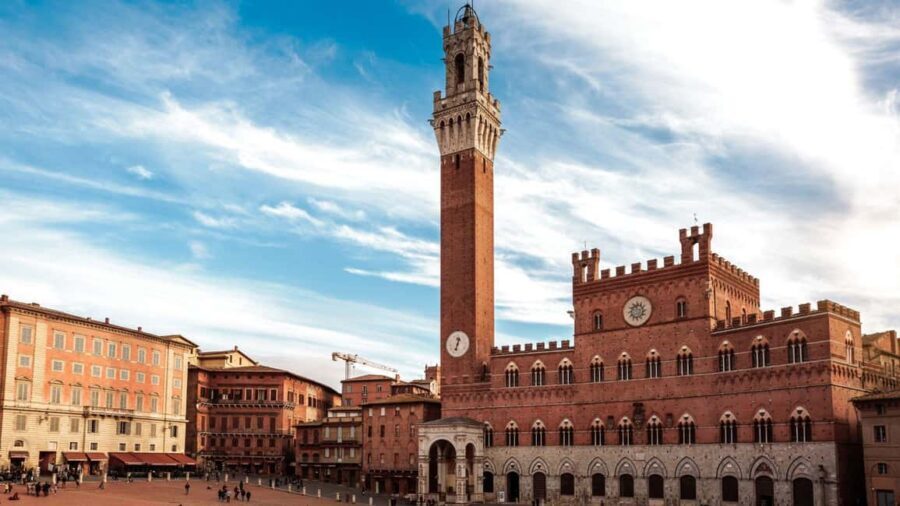
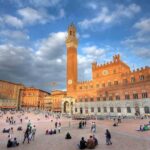
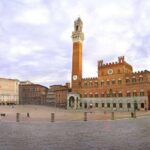
If you only learn one thing about Siena quickly, let it be this: Piazza del Campo isn’t just pretty. It’s a mental anchor. From here, the city’s layout, traditions, and even the way people move around makes more sense.
On this tour, you begin at the square, which also means you’re starting with the easiest “orientation win” in town. You get bearings fast, and the guide can point out what to notice as you head out—tower views, street slopes, and the way Siena’s neighborhoods feel like separate worlds that still connect.
And because your guide is local, you’ll get practical cues that don’t show up in brochures. Think: when to slow down for perspective, where the angles are best for understanding street geometry, and how to spot the little signs that tell you which corner of Siena you’re in.
You can also read our reviews of more walking tours in Siena
Your local guide: culture-first, not a formal history seminar
This experience is led by a friendly resident of Siena (via the provider Humrahe), not a professional guide in the classic certified-lecture sense. That matters for how the tour feels. You’re not pushed into a script. You’re invited to guide the conversation.
I like that the tour is explicitly described as relaxed and casual, and it’s designed around local culture rather than deep historical lessons. That doesn’t mean you’ll get zero background—you’ll still hear stories and context—but the emphasis stays on how Siena lives, not just what happened centuries ago.
One review mentioned insight tied to St Catherine, and that fits the kind of story-level history you should expect here: meaningful context, short and usable, not a textbook chapter.
If you want a tour where you can say, I’m more interested in the street life than the art labels, this format suits you well.
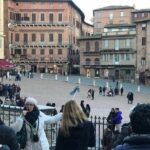
Piazza del Campo: the civic center you can actually read
Your first big moment is Piazza del Campo—Siena’s heart and the home of the famed Palio horse race. Even if you’re not traveling during Palio season, the square sets the tone. You’ll see how people gather and how the space funnels movement into the city’s medieval streets.
Here’s what makes this stop especially valuable with a local guide: you’re not just looking at a famous location. You’re learning how the square functions as a reference point. A good resident guide will help you notice the “why” behind the layout and show you how Siena’s identity is tied to civic tradition.
Practical tip: wear shoes you don’t mind walking in. This is an early start for legs, and the square plus nearby streets can turn into a surprisingly long first chunk if you’re enjoying the conversation.
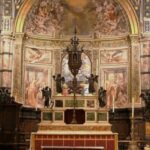
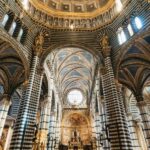
Siena Cathedral: Gothic details that reward patience
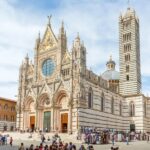
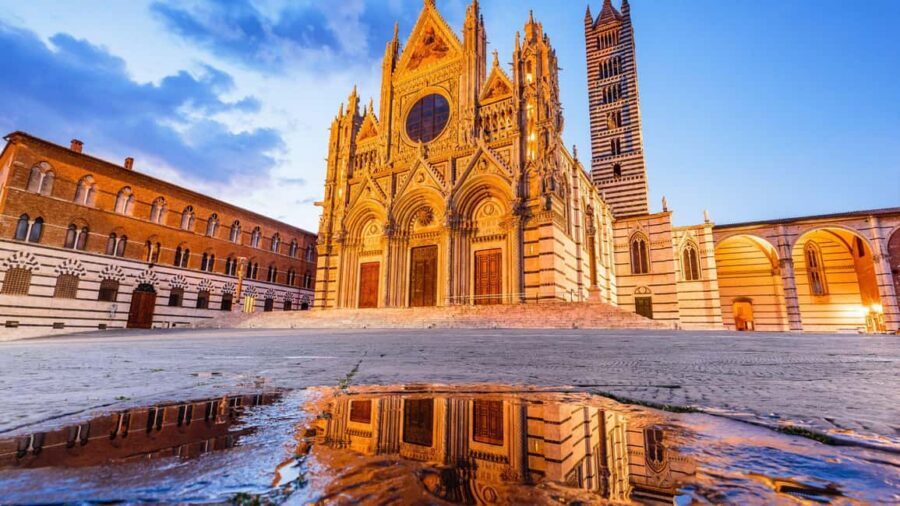
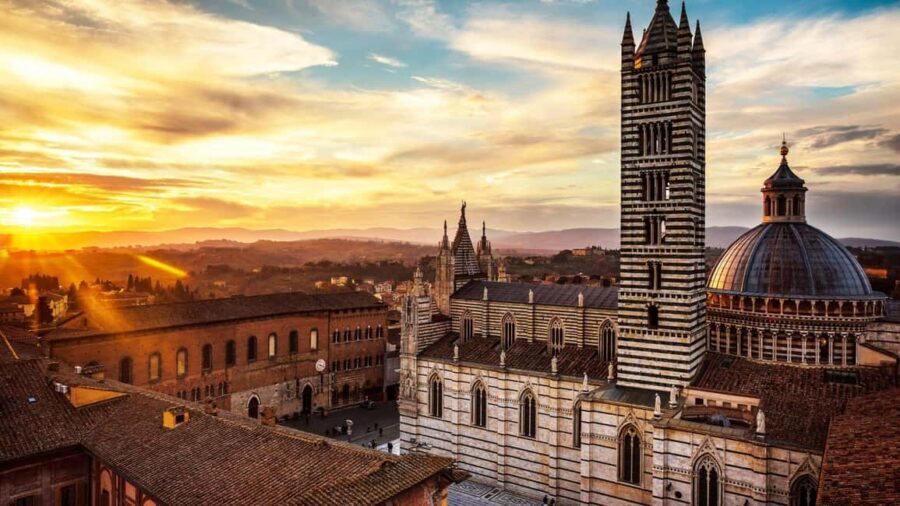
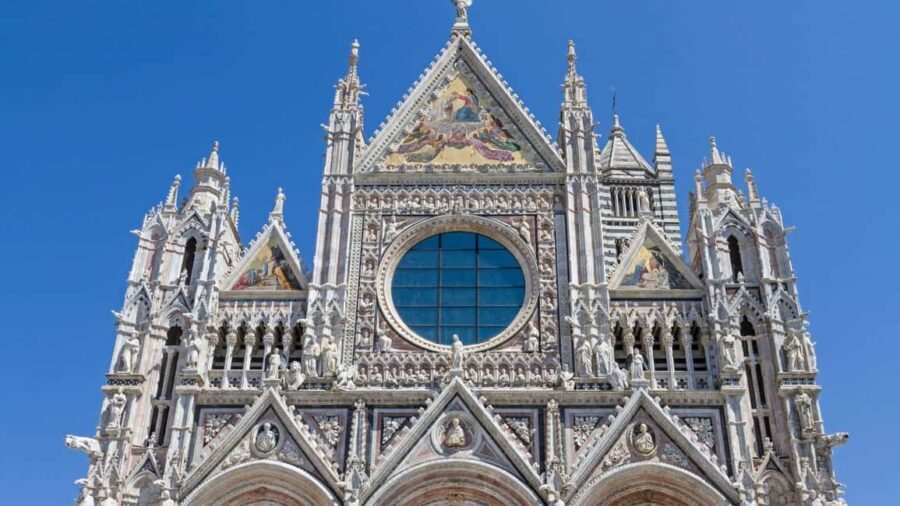
Next comes the Siena Cathedral area, where the design is dramatic enough that you can fall into the usual tourist mode—quick photos, quick exit. The advantage of this tour style is that you can slow down.
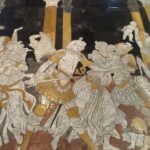
You’ll marvel at the cathedral’s intricate Gothic details, but the point isn’t only to admire. It’s to learn how to look. Your guide will help you connect patterns and decoration to the bigger feel of the city: Siena is visual, and this stop teaches you how to read that visual language.
Possible drawback to consider: paid attractions aren’t included, so if you decide to go into ticketed areas, you should expect extra cost. Also, the info notes that if you opt to visit an attraction with an admission fee, you’ll need to cover the guide’s entry cost. Keep that in mind so there are no surprises mid-walk.
Medieval streets and contrade life: more than a postcard route
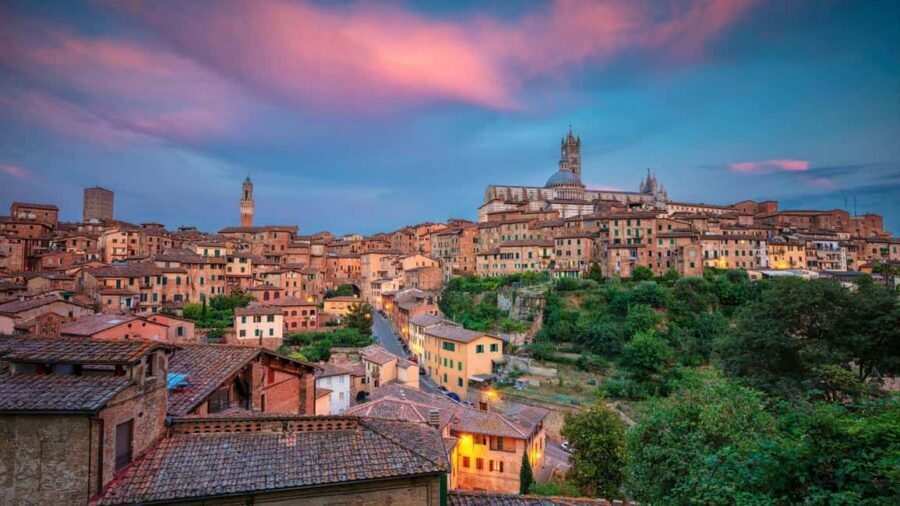
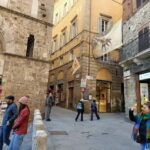
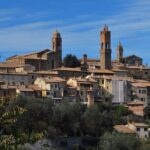
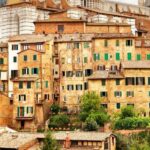
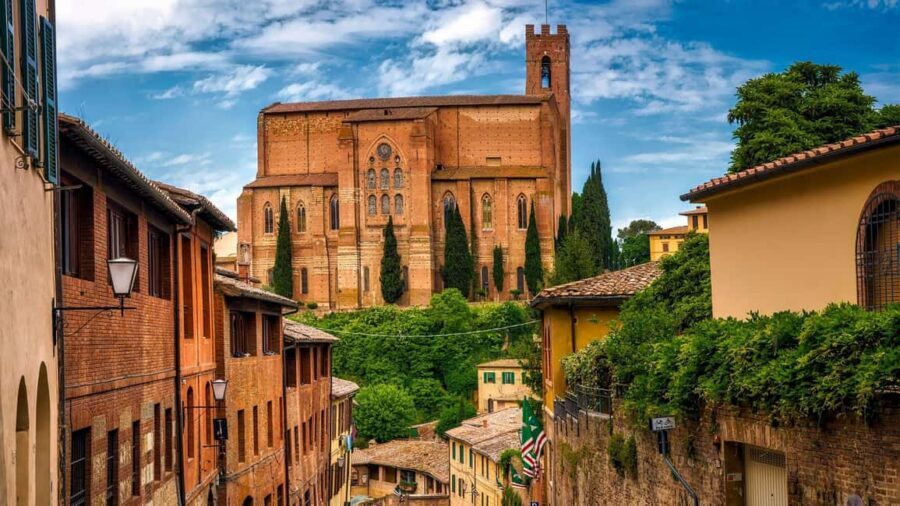
After the headline sights, you’ll walk into Siena’s medieval fabric—narrow streets, turning alleys, and the kind of courtyards you’d walk past without a local’s pointer.
The tour description highlights Siena’s contrade traditions, which is a key reason this walking format matters. Contrade aren’t just names. They shape identity, community stories, and how people talk about their neighborhoods.
One reason I think this part is worth it: you’re not stuck on the most obvious routes the whole time. A private walk gives your guide room to choose the best streets for the day and for your interests—whether that’s architecture, street texture, or simply finding quieter lanes that still feel truly Sienese.
You may also encounter small local rhythm moments. One review specifically mentions being there on a Wednesday for local markets. If your schedule lines up, this is exactly the kind of chance you want a flexible guide for, not a rushed, fixed itinerary.
You can also read our reviews of more private tours in Siena
Orto Botanico: a needed reset during your walking day
Walking tours can start feeling like a sprint—sight, sight, more sight. That’s why I’m glad this experience includes time for a gentler pace with Orto Botanico.
Even without going deep into botany, a garden stop does two practical things:
- It gives your body a break without ending the day.
- It changes the visual mood. Siena’s stone streets are beautiful, but you need a different kind of calm to keep enjoying them.
If you like photo pauses, people watching, or just catching your breath while staying in the flow of the route, this is a smart inclusion.
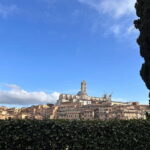
Fortezza Medicea: views that make the effort worth it
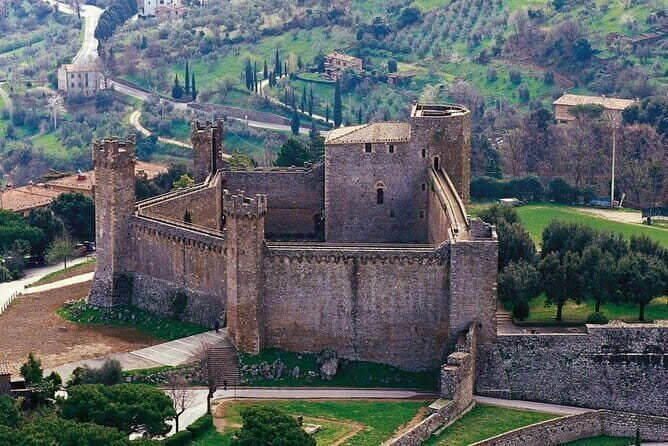
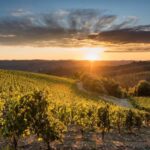
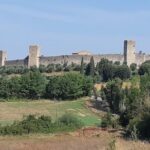
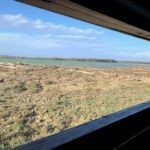
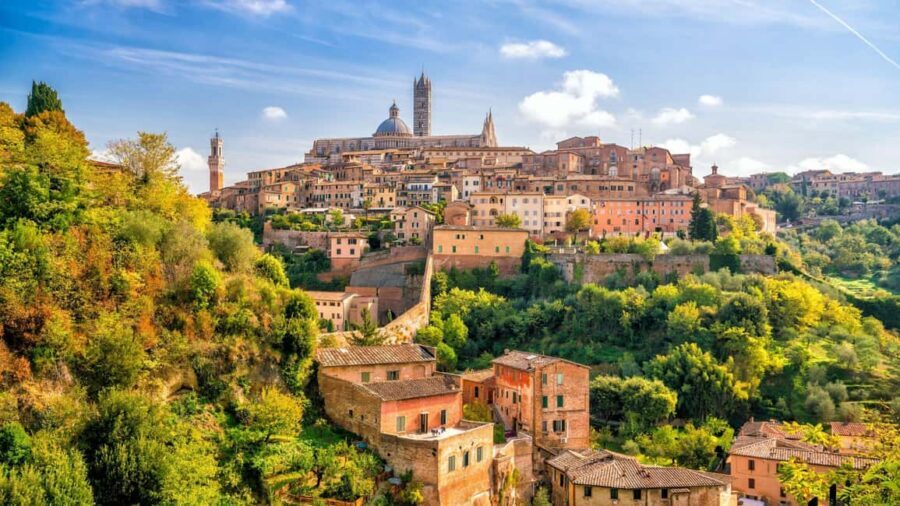
Later, you’ll head toward Fortezza Medicea, where the reward is big views over the landscape and rolling Tuscan countryside. This is the kind of stop that helps you understand why Siena looks like it sits both in a city and above it.
What I like about this end-phase is that it gives perspective. You can stand back, look outward, and connect the medieval streets you’ve been walking with the wider Tuscan region.
This is also a nice way to close a tour even if your group has mixed interests. The views are a shared win, and your guide can still tailor how much they talk versus how much you just enjoy the scene.
Lunch, artisan shops, and the guide’s “where should I go?” advantage
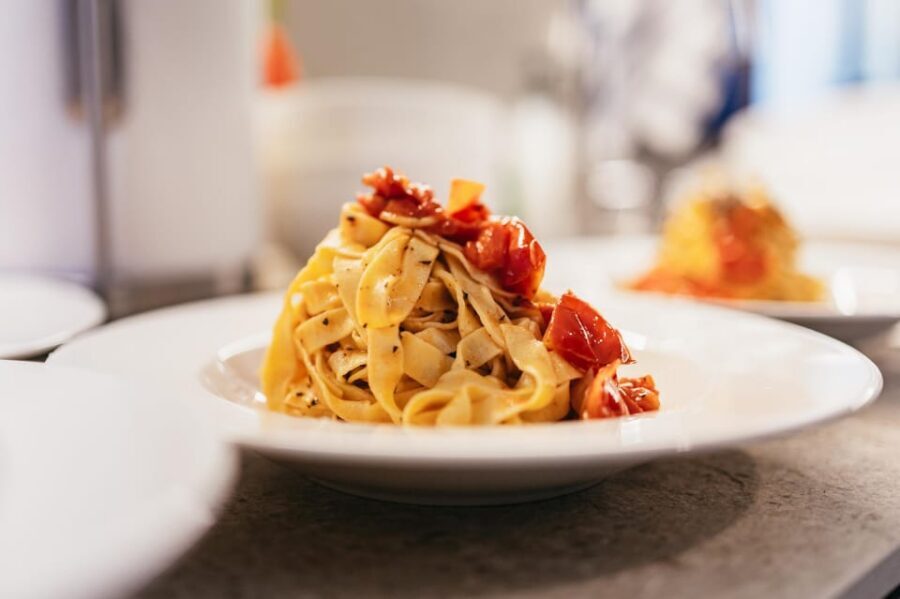
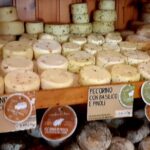
A walking tour lives or dies on advice. This one leans into that with insider suggestions for authentic Tuscan cuisine and artisan shops.
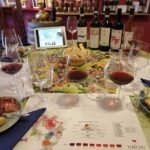
One review said the guide recommended a great lunch and added insight into student life in Siena. That’s a good example of what you’re paying for: not just movement between landmarks, but useful local decision-making. Your guide can help you choose a meal that fits your tastes and your energy level—something that’s hard to do when you’re tired and hungry.
A practical way to use this on the day: before you sit down to eat, ask your guide for a quick shortlist. You’ll likely get recommendations based on location, style, and what’s convenient after your walk. Since food and drink aren’t included, this advice becomes even more valuable.
How long is enough: planning for 1 to 6 hours
The tour duration can be 1 to 6 hours, and that range matters because Siena has a lot of “pretty stop points.” If you choose a longer walk, you’ll get more time to wander between the main anchors and the quieter corners.
Here’s how I’d choose:
- 1–2 hours if you want the big hits—Piazza del Campo, the cathedral area, and a shorter sampling of streets.
- 3–4 hours if you want a real mix: major sites plus time for garden and viewpoints.
- 5–6 hours if your group enjoys slow strolling, chatting, markets or errands, and you want the guide’s recommendations to shape lunch and shopping without rushing.
You’ll also want comfortable shoes, because even a “short” Siena walk can include climbs and uneven stone.
Price and value: is $49 per person fair for Siena?
At $49 per person, this tour sits in a mid-range zone for private walking experiences. Whether it’s a bargain or not depends on what you value.
Here’s the value logic I’d use:
- You get private group time (only your group, no outsiders), which is harder to price at low cost.
- You get local tailoring, meaning you’re not just buying route efficiency. You’re buying someone’s judgment for what to see and how long to linger.
- The tour includes major Siena anchors—Piazza del Campo, cathedral area, and scenic stops—without requiring you to coordinate sights yourself.
On the other hand, because the guide is a resident (not described as a certified professional) and the tour avoids deep history lectures, if you’re expecting an expert museum-class explanation for every square inch, the value might feel weaker.
My take: for most visitors who want a smarter, calmer way to see Siena, the price feels reasonable—especially if you’ll actually use the food and shopping advice rather than doing everything the hard way on your own.
Who should book this Siena private walking tour
This is a great fit if you:
- Want a private experience with your own pacing
- Prefer local culture over heavy academic history
- Like the idea of seeing major landmarks plus less obvious streets and courtyards
- Want practical guidance for where to eat and what kinds of shops to seek
It may be less ideal if you:
- Want a long, structured history deep-dive
- Are only interested in ticketed attractions inside museums and churches (since paid entries aren’t included)
- Expect the guide to handle everything like a full-service planner (transport isn’t included, and you’ll choose your own food)
Should you book this tour?
Yes—if your goal is to get oriented in Siena and experience the city as locals understand it. The combination of a private group, flexible route, and story guidance (including cultural context such as contrade life and St Catherine-related stories) makes this a strong way to spend a walking day.
Book it especially if you’ll benefit from someone helping you decide what’s worth your time: which streets to slow down for, when to break for views or a garden reset, and where to eat without rolling the dice.
FAQ
Where does the tour start?
The meeting point is Piazza del Campo.
How long is the tour?
The duration is 1 to 6 hours, depending on availability and how long you choose to explore.
Is this tour private?
Yes. It’s a private group with only your group and no outsiders.
What languages are offered?
The live guide is available in English and Italian.
Is the tour wheelchair accessible?
Yes, the experience is described as wheelchair accessible.
What’s included and what do I pay for myself?
Included: a private walking tour with a friendly local resident guide, a flexible itinerary, and insider insights into local culture and hidden corners. Not included: food and drink, transportation, paid attraction entry fees, and personal expenses. If you choose to visit a ticketed site, you may need to cover the guide’s entry cost too.
Is deep history a focus?
No. The tour is focused on local culture and authentic exploration, not detailed historical lessons.