REVIEW · SIENA
Chianti: Wine and Olive Oil Tasting with Cellar Tour
Book on GetYourGuide →Operated by Fattoria Santo Stefano · Bookable on GetYourGuide
Cellars in Chianti beat wine bars. This Chianti wine and olive oil tasting at Fattoria Santo Stefano feels like stepping into real Tuscan production: you tour fermentation spaces, then see how wine aging in oak relates to what ends up in your glass. I especially like the 18th-century cellar stop for barrel details and the chance to taste extra-virgin olive oil as part of the process, not just as a side snack. The main catch is time: it’s a 1-hour experience, so you’ll get a strong overview, not a full-day deep study.
It’s set up as a private group with a live guide in English or Italian, and you head out from Via Collegalle 3 in Greve in Chianti, then return to the same meeting point. You’ll also want sturdy, comfortable shoes since you’re moving through cellar spaces and farmhouse areas.
In This Review
- Key takeaways before you go
- A one-hour Chianti tasting at Fattoria Santo Stefano
- Arriving at the farmhouse: grounds, history, and how they make food part of wine
- The big cellar with stainless steel and cement tanks
- The rustic 18th-century cellar: French oak barrels and six-month aging
- Orciaia and olive oil after pressing: where freshness starts
- Wine shop tasting: local varieties, extra-virgin olive oil, and local food
- Price and value: what $39.86 buys you
- Who should book this tour in Chianti
- Should you book? My practical take
- FAQ
- How long is the Chianti wine and olive oil tasting with cellar tour?
- Where does the tour start and end?
- What’s included in the experience?
- Is transportation included?
- What languages is the live guide available in?
- What should I wear for the tour?
Key takeaways before you go
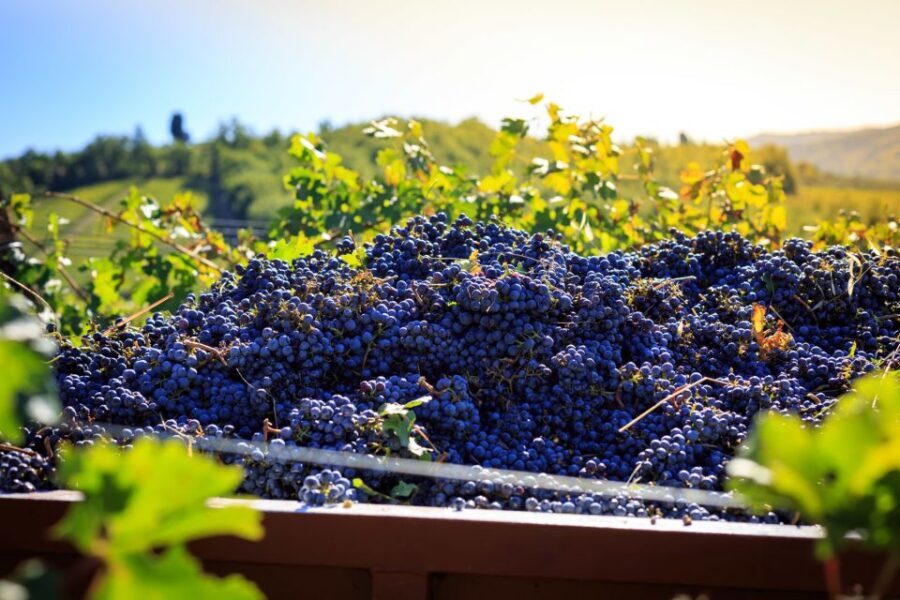
- 18th-century cellar tour with French oak barrels and a look at aging time for Chianti-style wines
- Two cellar styles in one visit: tanks and cement for fermentation, then rustic barrels for development
- Vinsanto production in the same cellar—those small barrels used for the amber dessert wine
- Orciaia olive oil storage—extra-virgin olive oil handled right after harvesting and pressing
- Tasting that includes food, not only wine and oil
- 1-hour format that’s ideal if you want quality without losing the whole day
A one-hour Chianti tasting at Fattoria Santo Stefano
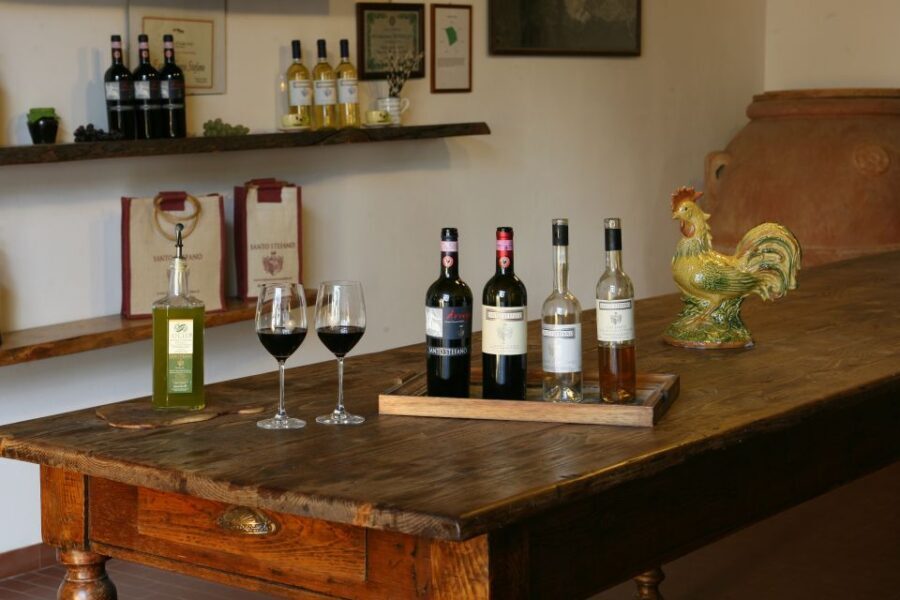
This is a focused, one-hour Chianti experience in Tuscany, priced at $39.86 per person. For that money, you’re not just getting a pour and a smile. You’re getting a real cellar tour plus wine tasting and olive oil tasting, and you finish with local food included as part of the tasting session.
The timing matters. If you’ve already planned other sights around Greve in Chianti, this format is a good fit because it doesn’t eat your entire afternoon. Check availability for starting times, and plan to arrive a bit early so you can settle in before the cellar walk.
One practical note: transportation isn’t included. If you’re without a car, you’ll want to plan how you’ll get to Via Collegalle 3 (and back) on your own. That’s not a dealbreaker, but it’s the biggest logistical factor here.
You can also read our reviews of more food & drink experiences in Siena
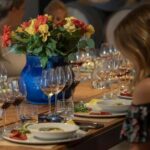
Arriving at the farmhouse: grounds, history, and how they make food part of wine
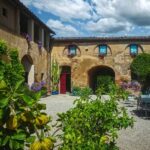
You start at Fattoria Santo Stefano, Via Collegalle 3, in Greve in Chianti. Your guide begins with an introduction to the property and the farmhouse’s role in local food and wine production—think “how a working estate operates,” not museum talk.
This first stage is where you learn the rules of the game. You’ll understand what you’re about to see in the cellars: fermentation setups, barrel aging, and the nearby role of olive oil production. Even if you’re not a hardcore wine person, the guide’s context helps your tasting make sense. You’ll taste more thoughtfully because you know what production step your glass relates to.
Also, the vibe is part of the value. The experience is run like a working estate, and reviews highlight a family-owned feel—the kind where you’re treated like a curious visitor, not a numbered stop. That kind of warmth often makes the whole visit feel smoother.
The big cellar with stainless steel and cement tanks
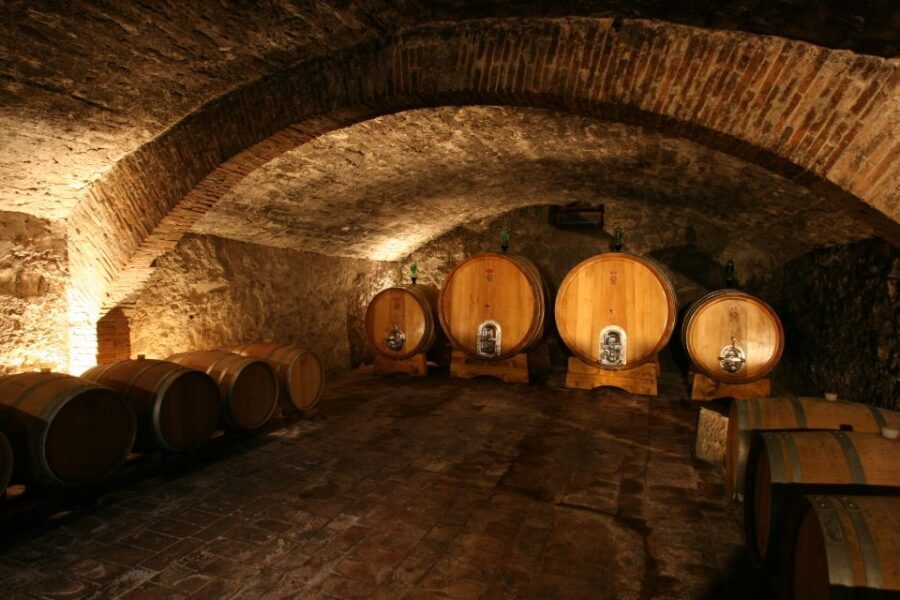
Next comes the large cellar, where you’ll see the stainless steel and cement tanks used for Chianti wine fermentation. This stop is useful because it explains the early phase of winemaking—the part that can shape freshness and structure before the wine ever meets oak barrels.
Why this matters for you: it’s easy to think the “real magic” happens only during aging. Here, you get the logic that fermentation tools set up what comes later. When you taste the wines, you can connect that first stage to the character in the glass.
You’ll also move through a space that feels exactly like what it is: practical, production-focused, and not designed for crowds in a theatrical way. If you like authenticity over presentation, this is a big plus.
Potential downside: if you’re looking for a super long, leisurely tour, a one-hour slot means you’ll see the essentials and then keep moving.
The rustic 18th-century cellar: French oak barrels and six-month aging
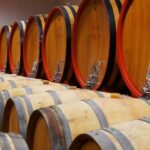
Then you get to the smaller, rustic cellar dating back to the 18th century. This is where the story shifts from fermentation to development. You’ll see large barrels made with French oak, and you’ll learn about transferring the wine and keeping it there for six months to shape flavor and character.
That six-month detail is the kind of information that makes tastings click. Instead of guessing why two wines taste different, you get a production clue you can actually remember. If you like learning as you taste, this stop delivers.
In the same cellar, you’ll also find the smaller barrels used for Vinsanto. Vinsanto is described as an amber-colored local dessert wine, and seeing where it’s made adds context. It’s one thing to hear the name on a menu; it’s another to know it has its own barrel process happening right there.
If you’re curious, this cellar section is the highlight for a lot of people. Reviews point to learning a lot while also eating and drinking, and this is where the “learn” part comes from.
Orciaia and olive oil after pressing: where freshness starts
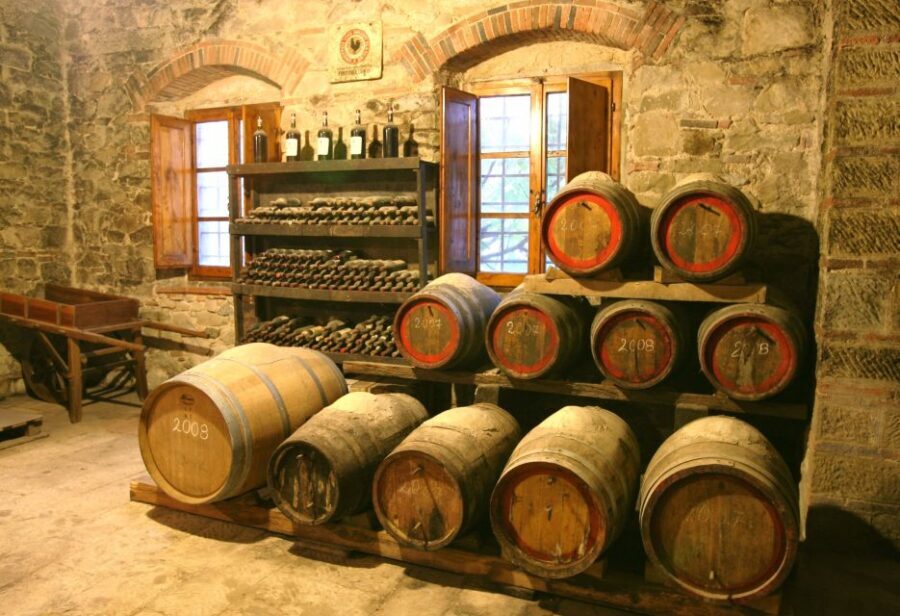
After the wine barrel stops, you’ll see the impressive Orciaia, where extra-virgin olive oil is stocked directly after harvesting and pressing. This is the olive oil moment many tastings skip. Here, the guide treats oil as part of the same working system as the wine.
For you, the value is simple: you taste better when you understand what happened before it hit the bottle. Seeing the Orciaia helps you think about freshness and production timing—things that matter when you compare olive oils.
Also, this segment makes the experience feel distinct from a basic wine tasting. You’re getting a two-product education: Chianti wine and extra-virgin olive oil, not one or the other.
You can also read our reviews of more wine tours in Siena

Wine shop tasting: local varieties, extra-virgin olive oil, and local food
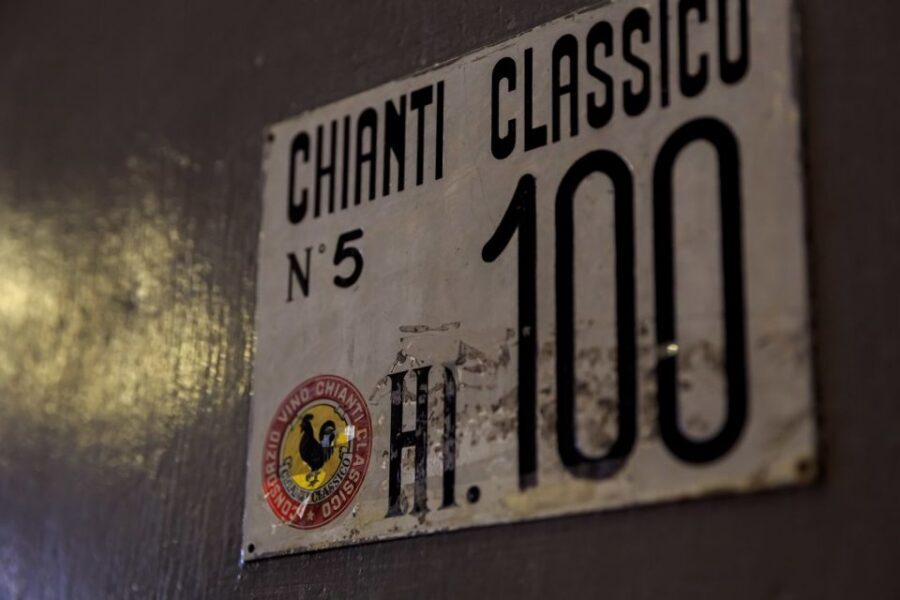
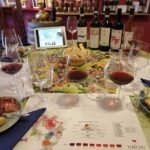
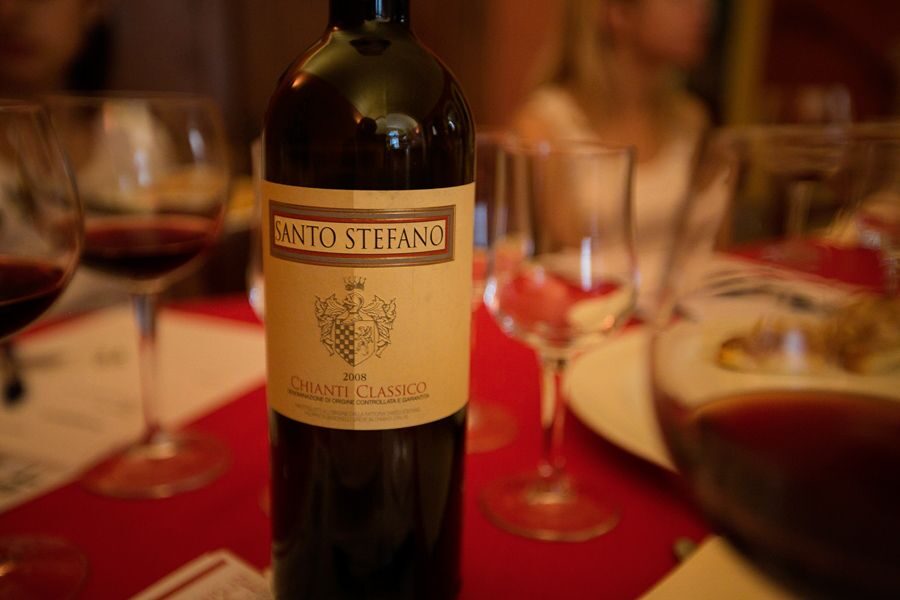
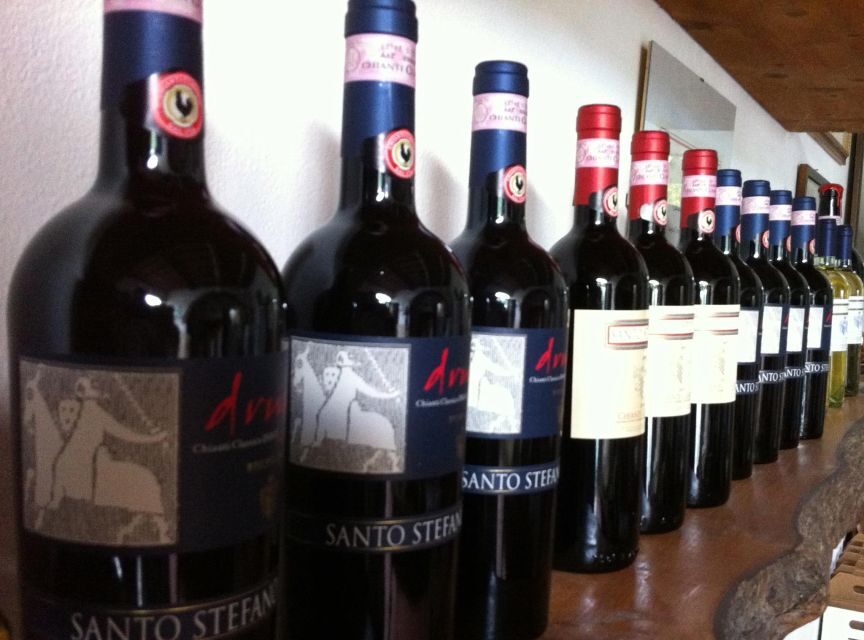
To finish, you head back into the small wine shop for the tasting itself. This is where you’ll sample excellent local wine varieties and extra-virgin olive oil, along with local food.
The food part is important. Reviews repeatedly mention that the snacks are lovely and that there’s a real sense of eating while tasting. That can make the hour feel less like a quick sales pitch and more like a proper sit-down with a guide.
How to make the most of this tasting: slow down. Take a second to smell and taste oil separately from wine. Olive oil shows different flavors when you pay attention to it on its own, and the guide’s production explanation primes you to do that.
At the end, you return to the meeting point. The whole experience is designed to be easy to fit into a day in the Chianti area.
Price and value: what $39.86 buys you
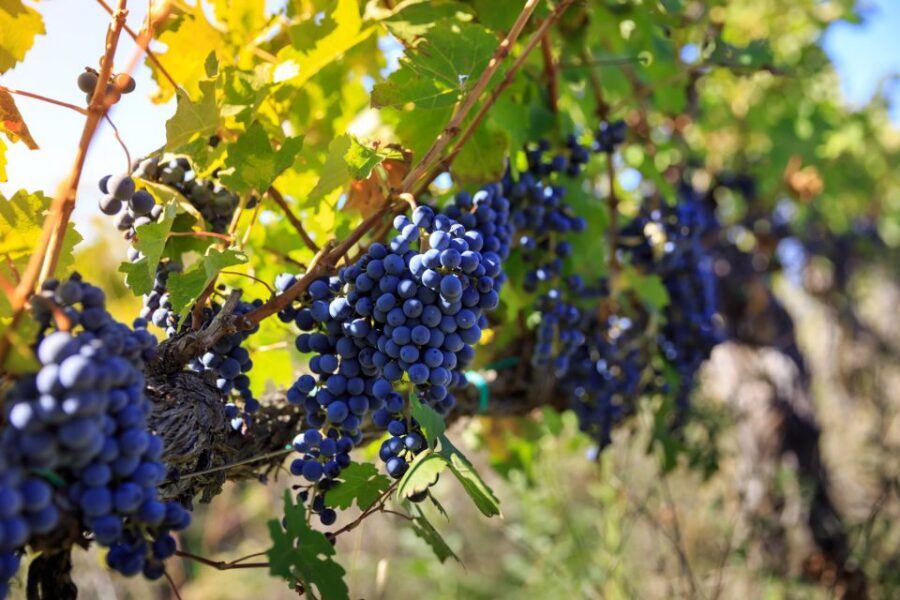
At $39.86 per person for a one-hour visit, you’re paying for three things: a guided cellar tour, wine tasting, and olive oil tasting (plus local food). What makes it feel like strong value is the combination. Many tastings focus only on wine, or they keep the “tour” part very light. Here, you see fermentation tanks and both a larger and smaller cellar.
Is it cheap? Not exactly. But it’s reasonable for what you get: an estate visit in Greve in Chianti with hands-on production context. And because it’s a live guide in English or Italian, you’re also buying clarity. You leave knowing what you tasted and why.
The only clear place where you might feel the price squeeze is if you’re expecting a long, full-day tour. This is short by design. If you want hours of wandering and deep pacing, you might prefer an agriturismo stay where you can linger.
Who should book this tour in Chianti
I think this works best for three kinds of travelers.
First, wine-and-food lovers who want more than a checklist stop. You’ll like it if you enjoy learning production basics and then tasting with purpose.
Second, people who want olive oil included in a serious way. The Orciaia stop and the tasting of extra-virgin olive oil are built into the flow, not added as an afterthought.
Third, couples and small groups who value a calmer setting. This is a private group experience, and reviews mention the possibility of having it feel even more personal when the group is small. Either way, you’re not squeezed into a large herd.
One more tip: wear comfortable shoes and expect to stand and move through cellar spaces. It’s not described as a strenuous hike, but it’s also not a totally flat stroll.
Should you book? My practical take
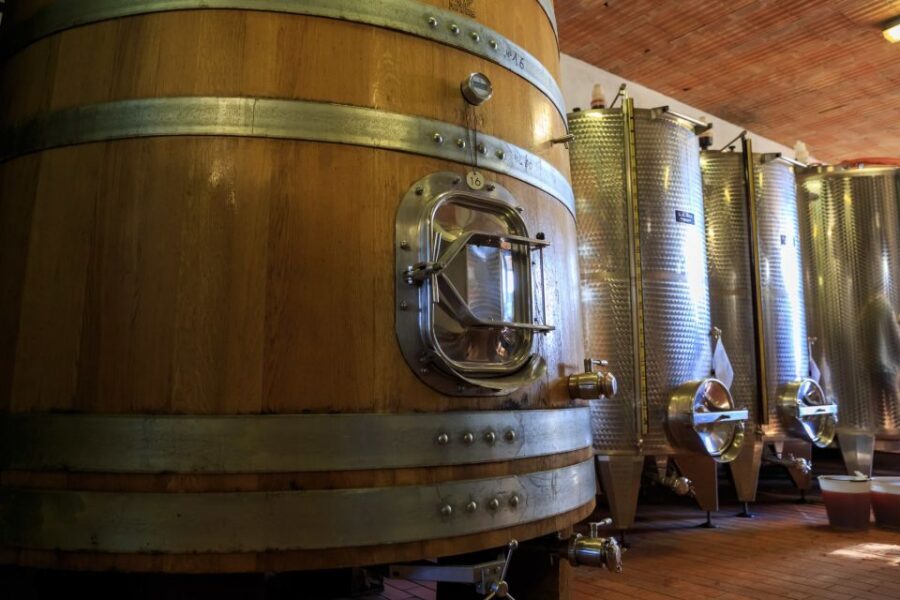
Book it if you want a high-quality Chianti wine and olive oil tasting with genuine production details in about an hour. The best part is how the visit connects what you see—tanks, French oak barrels, Vinsanto barrels, and the Orciaia—to what you taste in the shop with local food.
Skip it or reconsider if you need transportation provided for you, or if you want a longer deep-dive. The format is intentionally compact, so it’s ideal for adding to a day rather than replacing it.
If you’re in the Greve in Chianti area and you like authentic farmhouse experiences, this one is an easy yes.
FAQ
How long is the Chianti wine and olive oil tasting with cellar tour?
The tour lasts 1 hour.
Where does the tour start and end?
It starts at Fattoria Santo Stefano, Via Collegalle 3, 50022 Greve in Chianti, and it ends back at the same meeting point.
What’s included in the experience?
The experience includes a cellar tour and a wine tasting. The tasting also includes local food and extra-virgin olive oil.
Is transportation included?
No. Transportation is not included, but it may be available as an add-on.
What languages is the live guide available in?
The live tour guide is available in English and Italian.
What should I wear for the tour?
Wear comfortable shoes, since you’ll be walking through farmhouse and cellar areas.