REVIEW · FLORENCE
Essential Florence Walking Tour to discover its history
Book on GetYourGuide →Operated by Walkabout Tours · Bookable on GetYourGuide
Florence comes with a story. This 3-hour walking tour strings together the Roman start, the medieval rise, and the Medici era through the streets you actually stroll every day. I especially love how it treats architecture like a clue trail, and how the route mixes famous sights with the smaller details most people hurry past. One heads-up: it’s a real walking day with steps and cobblestones, so it’s not a good fit if mobility is limited.
The best part is the pacing. You get English narration with headsets so you can keep up, even around busy squares and bridges. If you want Florence history that feels like a conversation (not a lecture), this style of guide-led route is a strong match. And if you’re traveling with an art-history nerd friend, they’ll probably want extra time to keep asking questions.
In This Review
- Quick hits before you lace up
- Piazza della Repubblica to the Roman roots you can still see
- Medieval power, Medici wealth, and palaces you’ll recognize faster
- The bridge walk: Ponte Vecchio and Santa Trinita as story checkpoints
- Art moments: David, workshops, Orsanmichele, and why artists had power too
- Dante and the religious center: Duomo area from the outside, plus church interiors
- Designer streets and antique hunting on Via Tornabuoni and Via Maggio
- Final lineup: Pitti Palace exteriors and the Vasari Corridor viewpoint
- The $41 price: what you get in 3 hours (and what it’s worth)
- Who should book this Florence walking tour
- Should you book this Essential Florence Walking Tour?
- FAQ
- How long is the Essential Florence Walking Tour?
- Where does the tour start?
- Is the tour offered in English?
- Does the tour include gelato?
- Are headsets provided?
- What major sights are included?
- Is it suitable for children?
- What should I wear or bring?
- Is the tour wheelchair or mobility-accessible?
Quick hits before you lace up
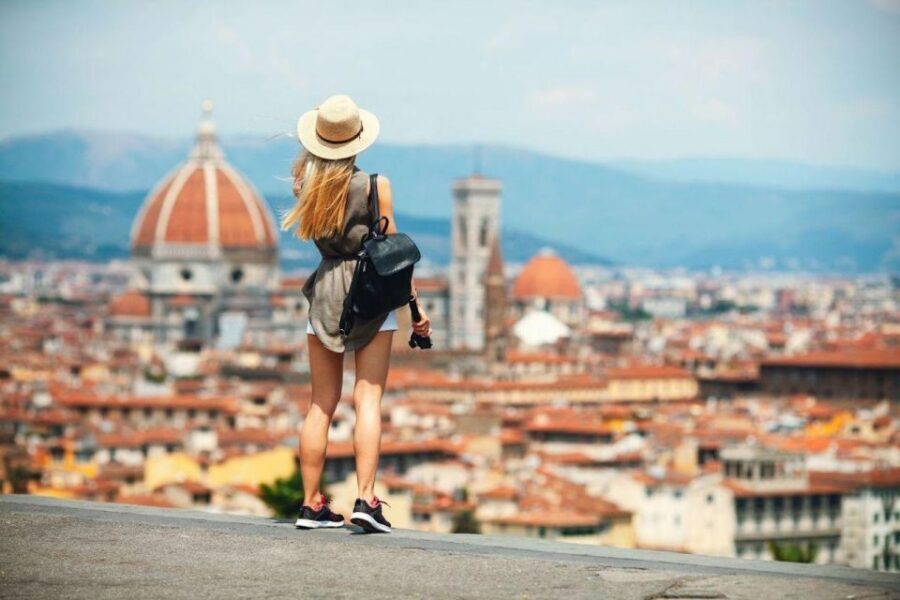
- Piazza della Repubblica start gives you the city’s Roman foundations right away
- Medici family focus ties palaces, churches, and power together as one story
- Architecture spotting practice helps you identify medieval vs Renaissance features on the go
- Santa Trinita inside visit includes frescoes by Ghirlandaio
- Gelato tasting + headsets make the 3 hours more comfortable and easier to follow
Piazza della Repubblica to the Roman roots you can still see
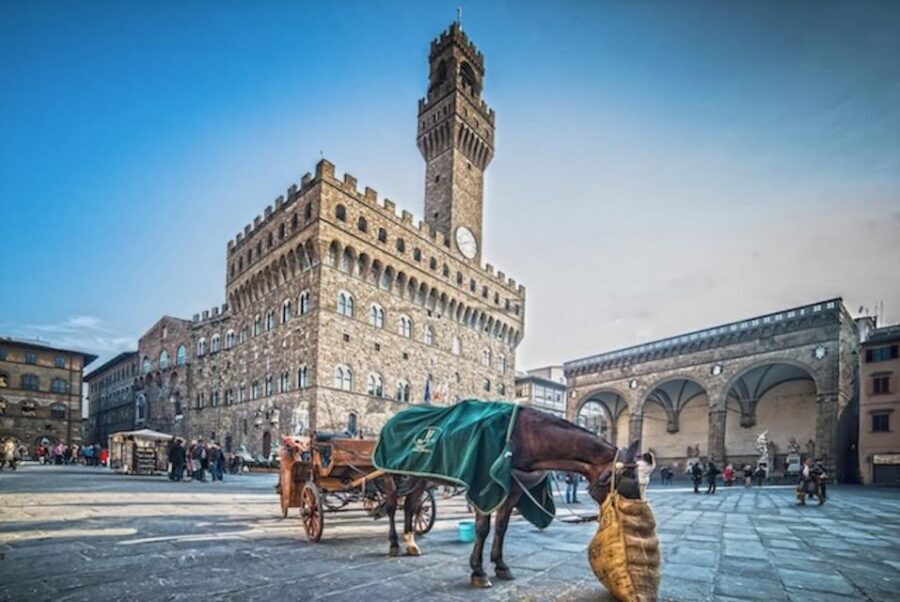
Most Florence days start with photos. This one starts with orientation. The tour begins in Piazza della Repubblica, where you’ll learn about Florence’s Roman founding and how those early layers still echo through the modern city plan.
Then the walk shifts toward how Florence grew from medieval times into a wealthy power. You’re not just collecting landmarks. You’re learning what changed the city’s momentum and why that mattered for the buildings, art, and institutions you’ll see next.
This “why it happened” framing is the difference between knowing names and actually understanding Florence. When your guide explains the forces behind the city’s rise, the stops feel connected instead of random. It also helps you move through crowded areas with a purpose, not just a checklist.
You can also read our reviews of more walking tours in Florence

Medieval power, Medici wealth, and palaces you’ll recognize faster

Once you’re past the initial orientation, the route leans hard into the city’s political and cultural engine: the Medici family. You’ll see key exteriors tied to their influence, including palaces and mansions you might otherwise treat as background scenery.
What I like about this approach is that it trains your eye. As you walk, you’ll learn how to spot different architectural eras—so you can look at a building and guess what period it belongs to. The goal is not to memorize dates. The goal is to read the city like a map.
The tour also hits the idea that religion wasn’t a side topic. It shaped daily life and showed up in the religious center—your guide links what you see in churches to why people lived the way they did. That context makes the religious buildings feel less like museum stops and more like real community anchors.
The bridge walk: Ponte Vecchio and Santa Trinita as story checkpoints
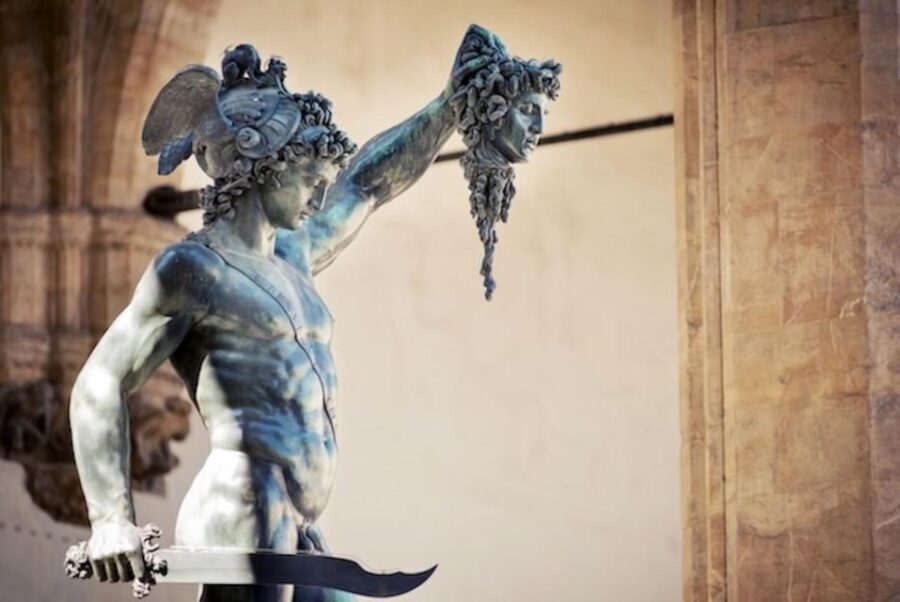
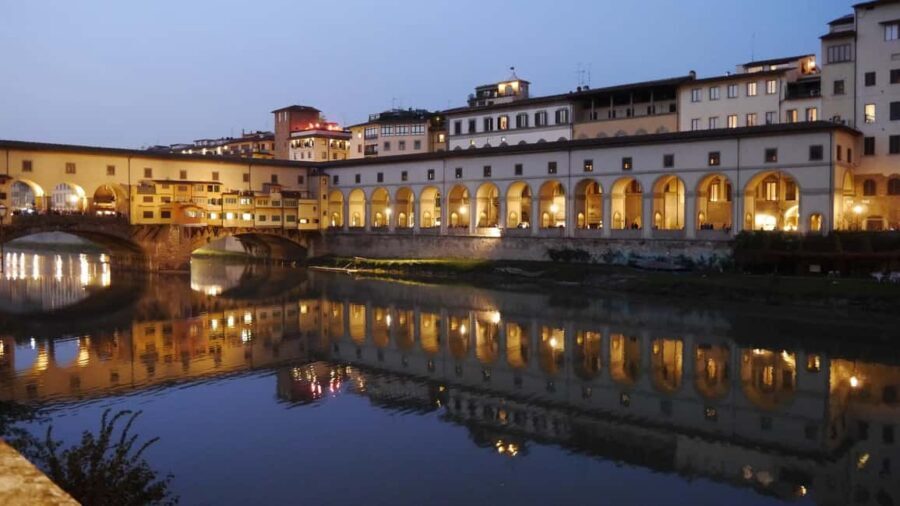
Florence has a few “pause here” moments, and this tour uses them well. You’ll cross Ponte Vecchio and also traverse the Santa Trinita area, with the guide pointing out what to watch for as you move.
Bridges in Florence aren’t just charming views. They’re part of how the city connects neighborhoods and power centers. When you’re walking with a guide who explains that connection, the river crossings turn into story checkpoints rather than photo breaks.
Next you’ll head toward the Oltrarno side of the city, known for its cobblestone streets and artisan workshops. This is a good shift in pace. Instead of only big-ticket monuments, you start noticing the street-level craft culture and the smaller workshops you can actually imagine stepping into—if you have time after the tour.
Art moments: David, workshops, Orsanmichele, and why artists had power too
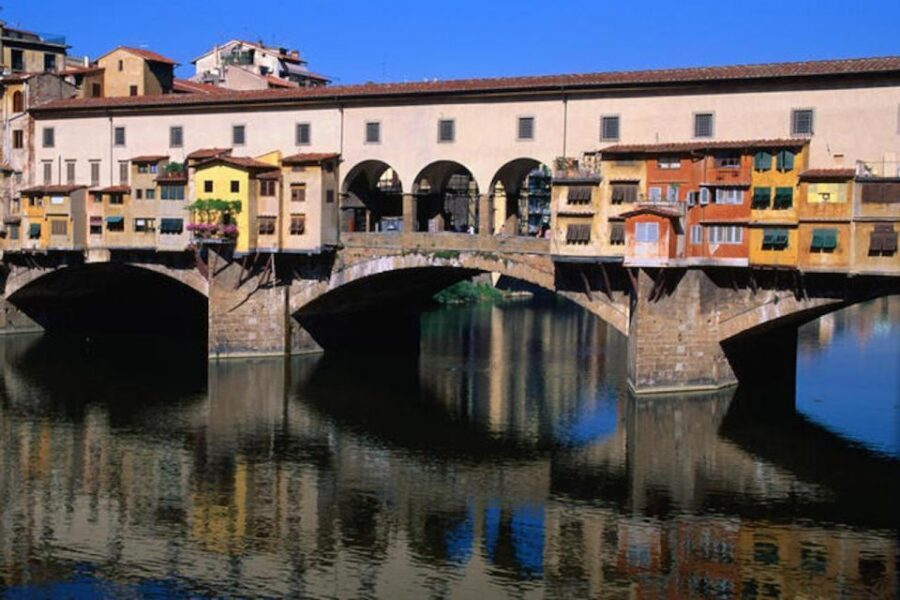
Florence always draws people for art. The tour uses that pull, but in a practical way: it explains how artists, workshops, and patrons fit together.
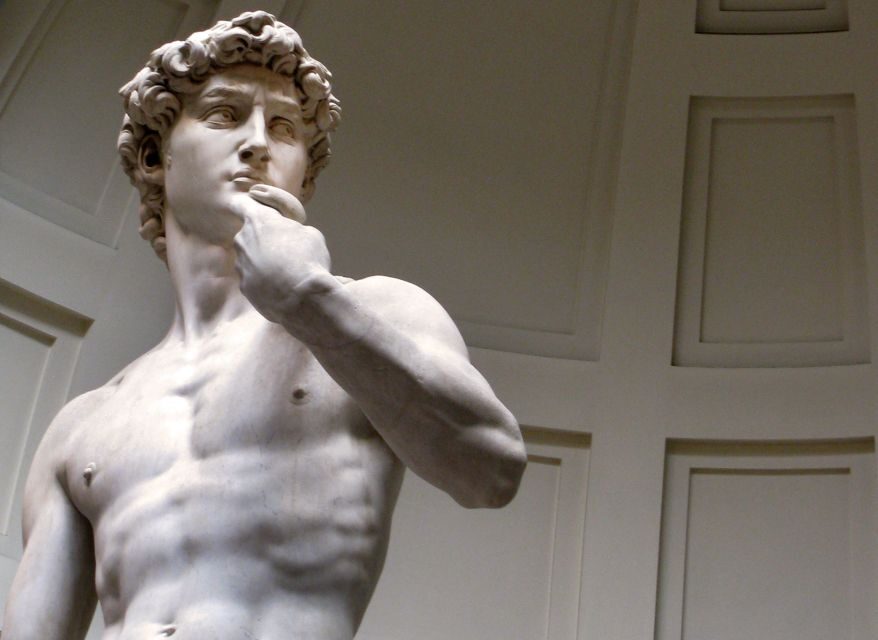
You’ll see the creation of David along with artist workshops connected to the era, then move to Orsanmichele from the outside, including reference to famous statues by Donatello and Ghiberti. Even without turning it into an “only-art” day, the guide ties these art references to the people who funded and shaped what got made.
This is where guide skill matters. In the feedback, guides such as Becky, Andrea, and Lisa get credited for turning art and architecture into a clear storyline. Becky, for example, is described as having an art history background and telling the Medici-era story with strong flow. Andrea and Lisa are praised for interactive explanations and keeping the group engaged.
If you like learning why the art exists—not just what it looks like—this portion is a big reason to book.
Dante and the religious center: Duomo area from the outside, plus church interiors
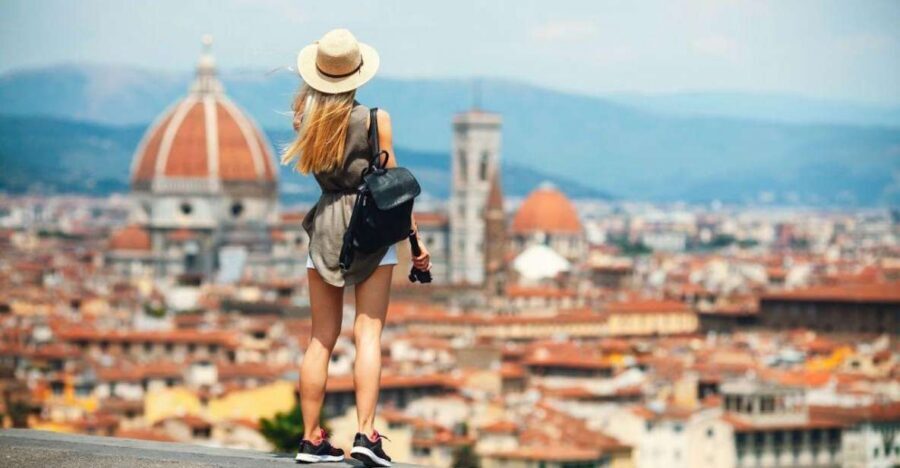
You’ll walk past Dante’s home, which helps the city feel personal. This isn’t just about famous names on plaques; it’s about showing how literature, politics, and everyday life occupied the same streets.
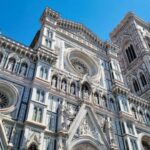
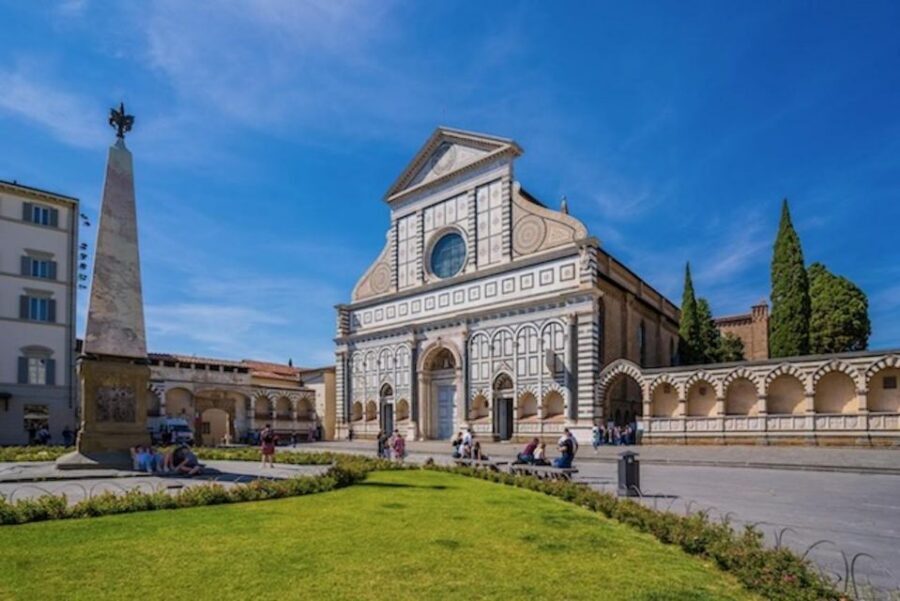
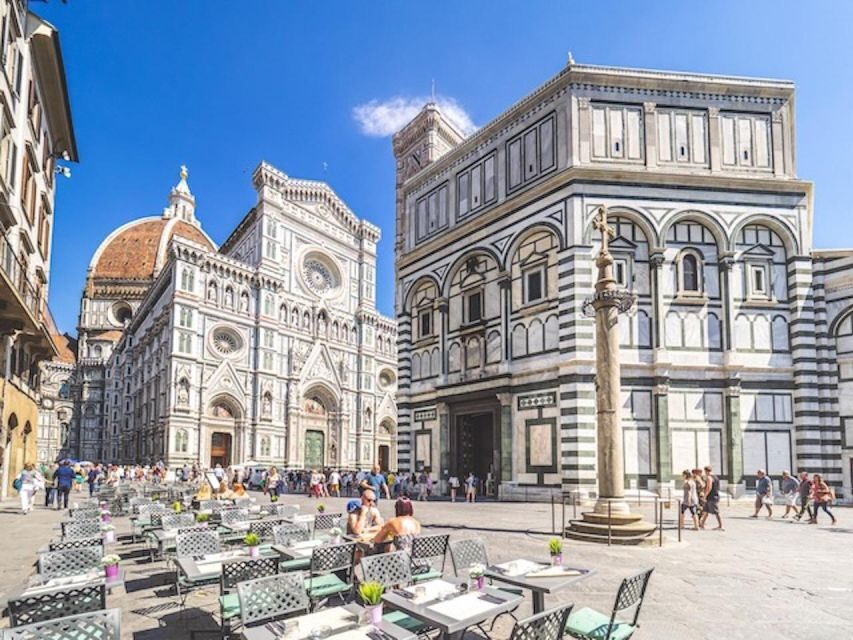
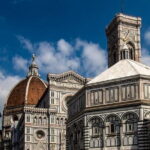
Then comes the tour’s religious core. You’ll see the religious center from the outside, including the Duomo, Baptistery, and Campanile. You’ll also stop by Santa Maria Novella (from the outside) as part of that big-picture pattern: religion, civic identity, and art all mixed together.
One church moment stands out for the kind of payoff you can’t get from street views alone: Santa Trinita church, where there’s an inside visit to admire frescoes by Ghirlandaio. If you want one guaranteed “inside” highlight in a walking format, this is it.
You’ll also pass by other notable churches such as Santa Felicita (described as one of the oldest churches in Florence) and see exteriors linked to major architecture like Rucellai Palace and Strozzi Palace. Those palace exteriors matter because they show you how Renaissance design signaled status and influence.
You can also read our reviews of more historical tours in Florence




Designer streets and antique hunting on Via Tornabuoni and Via Maggio
Not every Florence tour gives time to understand the city’s shopping streets. This one does, by sending you along Via Tornabuoni, described as the city’s well-known designer retail strip, and pointing out architecture along the way.
Then you’ll head toward Via Maggio, one of Florence’s best-known antique shopping streets. Even if you’re not buying anything, I find this section useful because it makes the city feel lived-in. You’re not only looking up at facades; you’re walking along the kind of streets where locals and visitors mingle for hours.
It also helps you connect neighborhoods. When you know what you’re looking at—architecture style, the era it belongs to, and why people built (or bought) there—shopping streets become part of the story instead of a detour.
Final lineup: Pitti Palace exteriors and the Vasari Corridor viewpoint
As the tour rounds out, you’ll encounter the Pitti Palace, described as the former Medici residence (from the outside). You’ll also see the Vasari Corridor from the outside.
These are “power and connection” stops. Even without an indoor visit described here, the guide’s explanation helps you understand why these locations mattered for the way the Medici family moved, represented itself, and maintained influence across the city.
By the end, you should feel like Florence has a logic to it. The bridges connect areas. The palaces show power. The churches show values. The art points to ambition and patronage. And the street-level craft in Oltrarno adds that human scale that makes the Renaissance feel real rather than staged.
The $41 price: what you get in 3 hours (and what it’s worth)
At $41 per person for a 3-hour English walking tour, the value is mostly about three things you can’t easily DIY in your own head while you’re walking:
First, you’re paying for an organized story. Florence is easy to wander aimlessly in. A structured route helps you see patterns quickly: Roman foundations, medieval growth, Medici influence, and artistic production.
Second, you get headsets. In busy areas, it’s not just comfort; it’s comprehension. You’re able to hear the guide clearly enough to keep the story intact instead of constantly stopping to ask, What did they say?
Third, the gelato tasting is a low-effort win. It’s not a big food tour, but it gives you a pleasant reset during a packed walk.
Is $41 cheap? It’s not “two coffees” money. But for a well-edited route with guide guidance, audio support, and a set of major landmarks, it’s priced like a thoughtful orientation to a big city.
Who should book this Florence walking tour
This is a strong pick if you want:
- A Medici-leaning overview rather than a random monument loop
- A walk that teaches you how to spot architectural changes as you go
- An English guide-led experience with headsets
It’s not ideal if:
- You need a low-step, flat route (the tour involves steps and cobblestones)
- You’re bringing kids under 8 years
- You have back problems, mobility impairments, wheelchair needs, or recent surgeries
Also, plan for footwear. Sandals or flip-flops aren’t allowed, so wear comfortable shoes.
Should you book this Essential Florence Walking Tour?
I’d book it if you’re in Florence for only a short window and you want the city to make sense fast. This tour does a good job turning famous places into connected chapters, especially through its Medici storytelling and art-and-architecture linkages. The combination of headsets, English narration, and a route that balances major landmarks with street-level character makes it a practical way to get oriented.
If you’re sensitive to walking on uneven surfaces, or you want a more relaxed pace, you may prefer something gentler. But if you can handle a classic city walk, this is one of the best ways to leave Florence feeling like you actually understood what you saw.
FAQ
How long is the Essential Florence Walking Tour?
It lasts 3 hours.
Where does the tour start?
The tour begins in Piazza della Repubblica.
Is the tour offered in English?
Yes. It’s English only.
Does the tour include gelato?
Yes. You get a gelato tasting.
Are headsets provided?
Yes. Headsets are included so you can hear the guide.
What major sights are included?
You’ll see exteriors of places such as Orsanmichele, Dante’s home, the Duomo area (from outside), Santa Maria Novella (from outside), Rucellai Palace and Strozzi Palace, Pitti Palace (from outside), and the Vasari Corridor (from outside). There’s also an inside visit to Santa Trinita to see frescoes by Ghirlandaio.
Is it suitable for children?
It’s not suitable for children under 8.
What should I wear or bring?
Bring comfortable shoes and comfortable clothes. Sandals or flip-flops are not allowed.
Is the tour wheelchair or mobility-accessible?
No. The tour is not accepted for people with mobility impairments or wheelchair users, and it may not be suitable if you have back problems or recent surgeries.
More Walking Tours in Florence

More Tours in Florence


More Tour Reviews in Florence
- Tuscany Day Trip from Florence: Siena, San Gimignano, Pisa and Lunch at a Winery
★ 5.0 · 21,634 reviews - The Best tour in Florence: Renaissance & Medici Tales – guided by a STORYTELLER
★ 5.0 · 12,316 reviews