REVIEW · FLORENCE
Florence: Accademia Gallery Skip the Line Small Group Tour
Book on GetYourGuide →Operated by Inside Out Italy · Bookable on GetYourGuide
Michelangelo’s David hits harder with context. This small-group Accademia tour is built to get you inside fast with timed entry, then walk you through the collection in a way that makes the art feel connected instead of random. I especially like that you get expert explanations with radio headsets, so you can actually hear the details without playing “guess what the guide said.”
Two things I love: the guide-led flow (chronological and clear) and the way the tour ties Florence’s Renaissance story directly to what you’re seeing. One consideration: you’ll spend the visit standing and walking, so plan for comfortable shoes and keep your bag situation in mind.
Past guide names that have shown up in this tour include Galya, Francesco, Pam, Martina, Mirella, Marco, Ivano, and Giacomo—each praised for making David’s symbolism, technique, and impact come alive in plain language. If you’re hoping for a relaxed, sit-down museum day, this isn’t that. It’s a focused hour of seeing a lot, with the guide doing the heavy lifting.
In This Review
- Key Things You Should Know Before You Go
- Why the Accademia Gallery Works Best with a Guide
- Meeting at Via Camillo Cavour 19 and Getting In Fast
- From Florence’s Rise to the Hall of Colossus
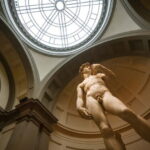
- The Part You Came For: David Under a Domed Skylight
- Gothic to Renaissance: Giotto, Lorenzo Monaco, and Daddi
- Museum of Musical Instruments: Piano History and a Stradivarius
- What the 1-Hour Format Means for Your Day
- Value Check: Is $58 a Smart Use of Money?
- Who This Tour Fits Best (and Who Might Prefer Another Plan)
- Should You Book This Accademia Gallery Skip-the-Line Tour?
- FAQ
- How long is the Florence Accademia Gallery tour?
- What group size is this small-group tour?
- Where do we meet the guide?
- Does this tour include skip-the-line access?
- Are radio headsets provided?
- What is included in the ticket price?
- What language options are available?
- What should I bring to the tour?
- Is the tour suitable for people with mobility issues?
Key Things You Should Know Before You Go
- Timed entry for Michelangelo’s David so you’re not stuck fighting the clock.
- Radio headsets included, which makes long corridors way less tiring on your ears.
- Small group (max 19), which means it’s easier to ask questions and stay oriented.
- Hall of Colossus + David viewing are treated as separate moments, not a quick photo stop.
- Museum of Musical Instruments adds a surprising turn: an old upright piano and a Stradivarius violin.
- One-hour pacing means you’ll see the highlights without a slow, wandering day.
Why the Accademia Gallery Works Best with a Guide
The Accademia can feel like a fast museum sprint because it’s popular and tightly packed. A timed, guide-led visit turns that rush into a route with meaning—where Florence’s Renaissance themes show up in room after room.
I like that the tour moves chronologically, so you’re not just collecting masterpieces. You’re learning how styles changed and why Michelangelo’s David became such a big deal for Renaissance Florence.
You’ll also get a small-group setting, which matters here. In a crowd, it’s hard to see facial expression, proportions, and carving choices at the right distance.
You can also read our reviews of more museum experiences in Florence

Meeting at Via Camillo Cavour 19 and Getting In Fast
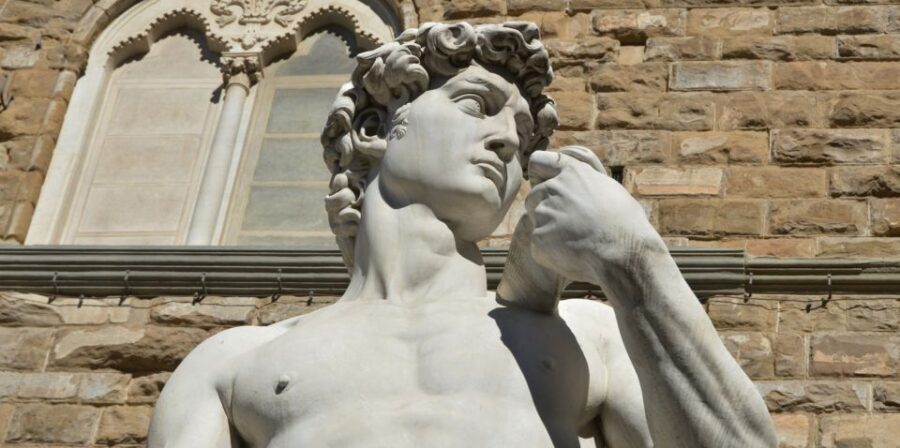
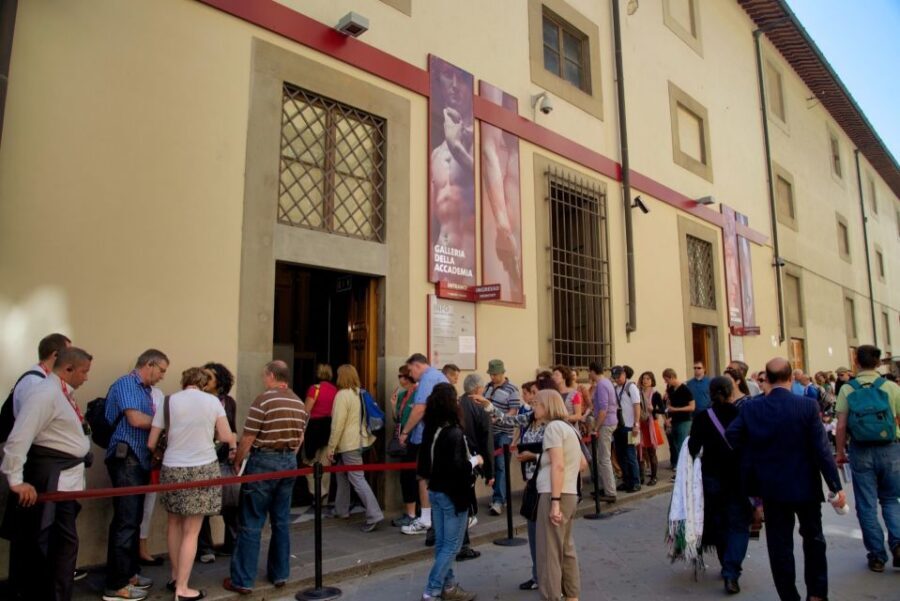
You meet at the tourist office at Via Camillo Cavour 19. The instruction is to arrive 15 minutes early, which is smart because it gives you time to check in before the group heads to security and entry.
Once you’re in the flow, the tour includes express security and fast-track entrance tickets, plus the key detail: timed entry to the gallery. In practice, that combination is what saves you from losing your best viewing moments to lines.
Bring a passport or ID card. Also plan for the cloakroom: the gallery requires you to store large bags and backpacks, so keep essentials handy.
From Florence’s Rise to the Hall of Colossus
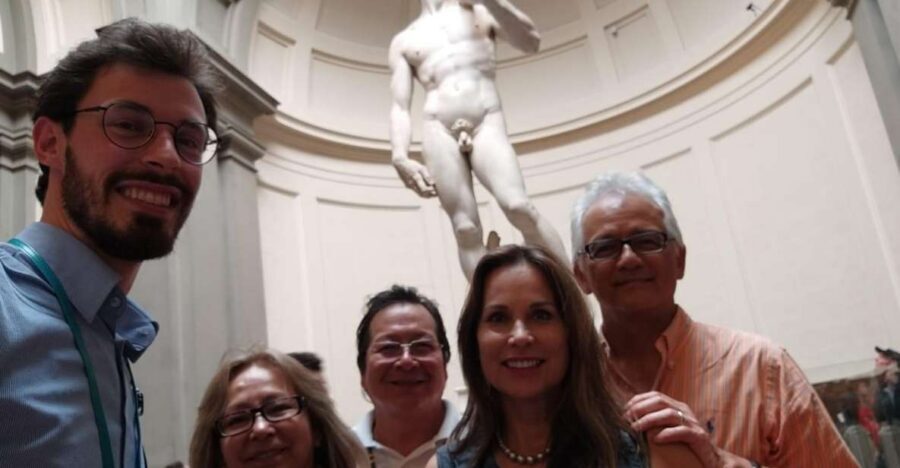
Inside, the tour starts with a historical backbone—how Florence shaped the Renaissance, and how artists were thinking about the human body, power, and faith. That context matters because Accademia’s rooms are full of art that can seem “famous, but why?” until someone explains what to look for.
A major stop early on is the Hall of Colossus, named for the large-scale sculptures you’ll see there. This room helps reset your expectations: you’re not just viewing statues, you’re experiencing how size and placement create impact.
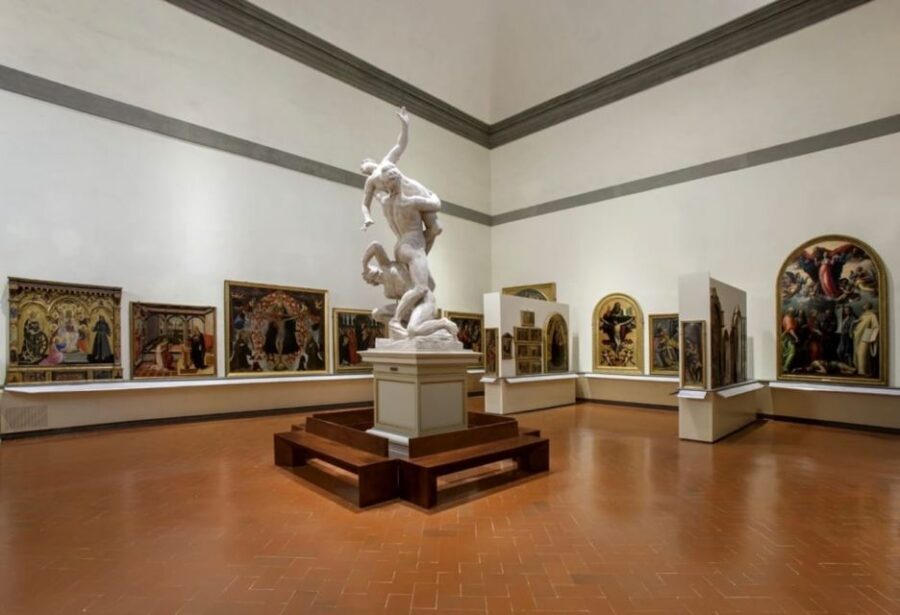
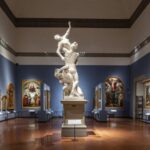
You’ll also pass works tied to the larger Renaissance sculpture world, including Giambologna’s Rape of the Sabines. Even if you’ve seen a picture, it’s different in person—especially when your guide points out how movement, muscle, and tension were built to pull your eye through the scene.
The Part You Came For: David Under a Domed Skylight
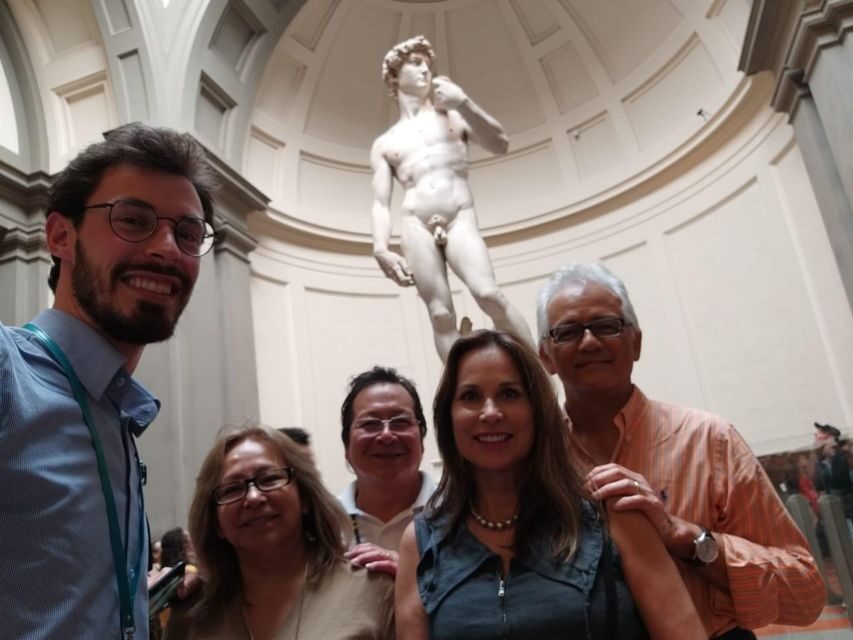
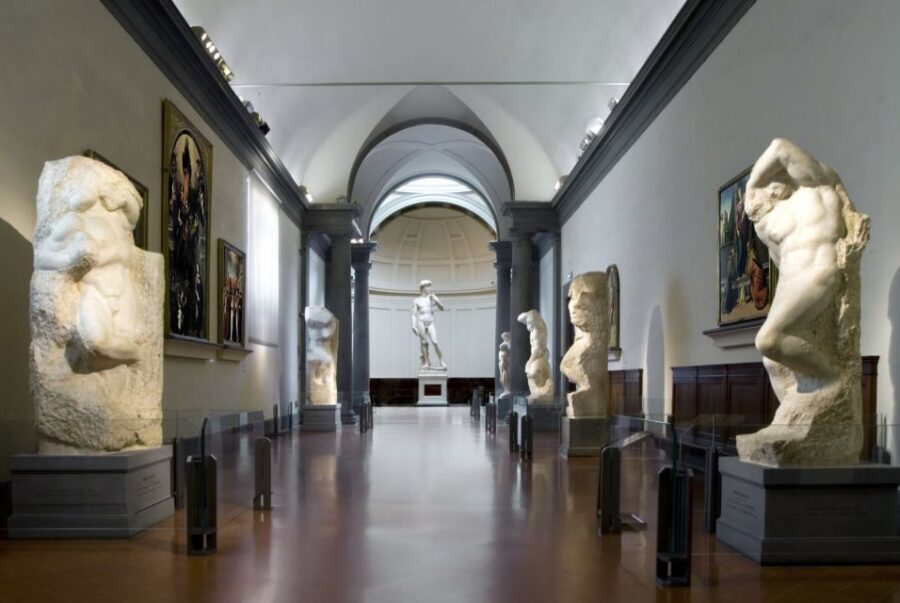
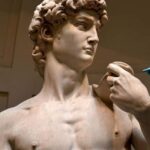
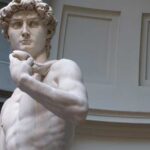
Then comes the moment: Michelangelo’s David, displayed at the end of a long corridor beneath a domed skylight. The setup is part of the drama—your eyes adjust as you approach, and the scale becomes obvious fast.
Here’s what’s worth paying attention to, and what this kind of guide-driven approach helps with:
- Anatomical precision: musculature, veins, and posture aren’t decorative. They’re Michelangelo’s argument for how the body communicates character.
- Angle and viewpoint: David looks different as you shift position. A strong guide helps you notice what’s changing, instead of treating it like one static photo moment.
- Symbolism and influence: the tour is designed to explain what David represented in Renaissance culture, and how that set the stage for later art.
You’ll hear about David as a 5-metre tall marble icon, but more importantly, you’ll get the story behind why Renaissance artists were obsessed with the human form. The statue becomes easier to understand when you connect the technique to the cultural ideas.
If you care about the “how” and “why,” this is the best payoff of the hour.
Gothic to Renaissance: Giotto, Lorenzo Monaco, and Daddi
After David, the tour shifts gears into a dedicated painting section, including Florentine Gothic works. This is where the chronological structure pays off: you can start to see the bridge from medieval styles toward Renaissance naturalism.
You’ll get names tied to that transition, including Giotto, Lorenzo Monaco, and Bernardo Daddi. Even if you don’t know their work yet, the guide-led approach gives you a lens: look for how faces, bodies, and space are handled—and how the mood of the art changes as styles evolve.
The value here is not just “seeing famous artists.” It’s learning how Florence moved from symbolic, stylized representations toward more lifelike forms and renewed interest in classical ideas.
You can also read our reviews of more tours and experiences in Florence
Museum of Musical Instruments: Piano History and a Stradivarius
The last major stop is the Museum of Musical Instruments, and it’s one of those sections that surprises people in the best way. It turns the visit from purely visual art into a broader Renaissance soundscape.
This portion includes:
- The oldest surviving upright piano
- A Stradivarius violin
That pairing alone makes you understand something important about the Renaissance: art wasn’t just painting and sculpture. Music technology, craftsmanship, and performance were part of the same cultural world that produced marble masterpieces.
Even if you’re not a music person, the stories around these instruments can be surprisingly gripping—because they’re about craft, survival, and the history of how music was made.
What the 1-Hour Format Means for Your Day
This is a 1-hour tour, so expect a brisk but organized pace. The route is designed to hit the headline collection and the instrument museum without eating half your schedule.
That timing has two clear benefits:
- You’re less likely to burn out in a museum maze.
- You keep momentum from David into the surrounding Renaissance context.
The tradeoff is simple: you won’t have long, silent “stare time” everywhere. If you want to linger for 20 minutes in one room, you’ll probably prefer adding separate unguided time after.
A practical note: the tour operates in all weather conditions. Dress for walking and standing, and bring layers if you’re visiting in changeable seasons.
Value Check: Is $58 a Smart Use of Money?
At $58 per person, this isn’t a cheap add-on—but it’s also not priced like a luxury private tour. The value is in what’s included:
- Fast-track entrance tickets
- Reservation fees
- Professional guide
- Radio headsets
In a museum that’s known for crowds and limited time slots, the skip-the-line and timed entry are often the biggest practical win. You’re paying to reduce waiting and to make sure your David moment lands when your eyes (and patience) are fresh.
Then there’s the guide’s job: saving you time by pointing out what matters. When a guide connects Florence’s story to what you’re seeing—David’s symbolism, the shift from Gothic to Renaissance, and the instrument history—you get more than “I saw it.” You get “I understood it.”
If your schedule is tight, this price can feel like a deal because it buys you clarity and speed in one package. If you’re the type who loves meandering museum time with no structure, you might decide you’d rather spend less and go in on your own.
Who This Tour Fits Best (and Who Might Prefer Another Plan)
This is a strong pick if you:
- Want Michelangelo’s David with context, not just a photo
- Like having a route so you don’t feel lost in a famous museum
- Appreciate good audio support (those headsets help a lot in enclosed spaces)
- Are comfortable with standing and walking for about an hour
Two cautions to read carefully:
- The tour notes that it involves standing and walking, and it recommends comfortable footwear.
- It says it’s wheelchair accessible, but it also states it is not suitable for people with mobility impairments. If you’re navigating mobility needs, double-check with the operator before booking.
Should You Book This Accademia Gallery Skip-the-Line Tour?
I’d book it if your priority is David plus a clear Renaissance explanation in a short window. The combination of timed entry, express security, small group size, and radio headsets turns the most crowded museum moment into something you can actually enjoy.
Skip it (or consider a different approach) if you hate structured pacing or you want lots of quiet time per room. In that case, you may feel rushed.
If you want Florence to make sense through its art—and you’d like the hour to be useful without stress—this is a smart, practical way to do the Accademia.
FAQ
How long is the Florence Accademia Gallery tour?
The tour lasts 1 hour.
What group size is this small-group tour?
The group is kept small, with a maximum of 19 participants.
Where do we meet the guide?
Meet the guide at the tourist office at Via Camillo Cavour 19 in Florence. Arrive 15 minutes early.
Does this tour include skip-the-line access?
Yes. It includes skip-the-line entry with express security check and timed entry to the Accademia Gallery.
Are radio headsets provided?
Yes. Radio headsets are included so you can hear the guide clearly.
What is included in the ticket price?
Included are fast-track entrance tickets, reservation fees, a professional tour guide, and radio headsets.
What language options are available?
The live guide is available in Italian, English, German, Spanish, and French.
What should I bring to the tour?
Bring a passport or ID card.
Is the tour suitable for people with mobility issues?
The tour states it is wheelchair accessible, but it also says it is not suitable for people with mobility impairments. The tour involves standing and walking.


More Museum Experiences in Florence
More Tours in Florence


More Tour Reviews in Florence
- Tuscany Day Trip from Florence: Siena, San Gimignano, Pisa and Lunch at a Winery
★ 5.0 · 21,634 reviews - The Best tour in Florence: Renaissance & Medici Tales – guided by a STORYTELLER
★ 5.0 · 12,316 reviews