REVIEW · BOLOGNA
Cesarine: Private Pasta Class & Meal at Local’s Home in Bologna
Book on Viator →Operated by Cesarine: Cooking Class · Bookable on Viator
Fresh pasta in a real home matters. This private class in Bologna pairs hands-on guidance with the kind of relaxed, local atmosphere you don’t get in a studio. You’ll pick up practical tips and techniques for making fresh pasta from scratch, then sit down to a meal built from what you made, usually with a selection of local wines.
Two things I’d be happy to spend my money on: the chance to learn the method step-by-step with patient, friendly teaching (names you might see include Claudia, Paola, and Roberta), and the fact that you actually eat what you produce, not just watch it happen. One possible drawback: because this takes place in a private home, the meeting spot can be confusing, especially if you don’t confirm directions before you leave.
In This Review
- What Makes This Private Class So Different
- Key Highlights I’d Plan Around
- Turning Dough Into Dinner in Bologna
- What You’ll Cook: The Regional Pasta Styles
- Step-by-Step: The Rhythm of a Pasta Lesson
- 1) Start with technique, not theory
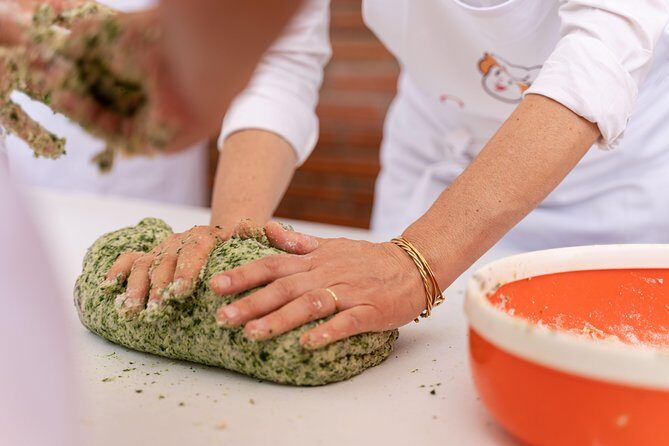
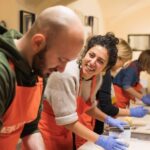
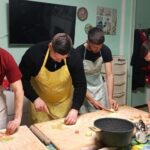
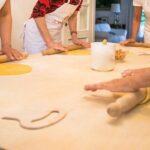
- 2) Hands on from early in the session
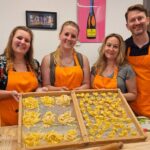
- 3) You shape and cook, then sit down
- A Bologna Home Kitchen: What That Really Adds
- The Meal Part: Eating What You Made
- Price and Value: What $119.73 Buys You
- English-Friendly Learning Without Making It Too Casual
- Planning Your Night: Timing, Hunger, and Comfort
- Who This Pasta Class Is For
- Tips to Get the Best Results (From the Way These Classes Are Taught)
- Should You Book This Bologna Pasta Class?
- FAQ
- How long is the private pasta class?
- How much does it cost per person?
- Is the class taught in English?
- Is this a private experience?
- What food do I get at the end of the class?
- Do I receive wine with the meal?
- What pasta recipes are included?
- Is there free cancellation?
- Is the meeting point easy to reach?
What Makes This Private Class So Different
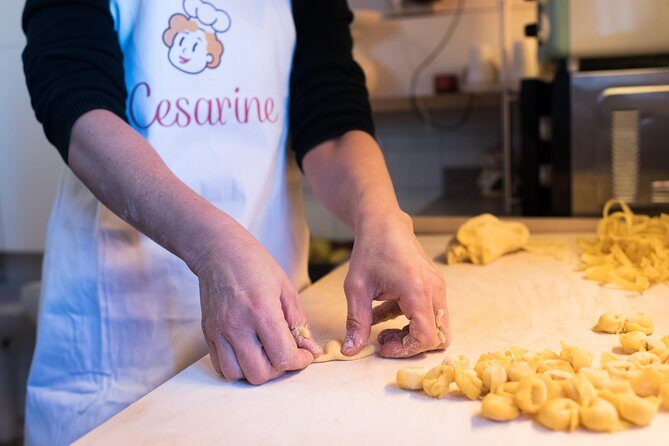
This isn’t a big-group show. It’s a private setup, for your group only, in a host’s home kitchen. That usually means you get time to fix the little problems that ruin pasta at home: sticky dough, uneven thickness, rough edges, and filling that won’t hold its shape. It’s also offered in English, which helps you focus on the technique instead of playing guessing games with ingredients.
A few practical details to keep in mind. The class runs about 3 hours, and you’ll likely make more than one pasta style, so you should come hungry and ready to work with your hands.
Key Highlights I’d Plan Around
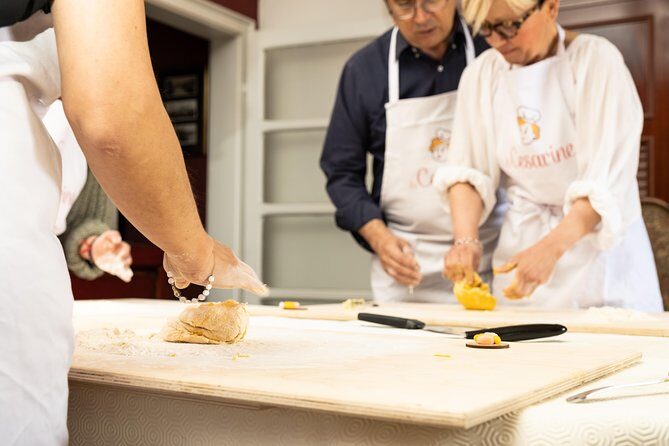
- Private, at-a-home-kitchen instruction that feels informal and personal
- Three regional pasta recipes taught in the flow of one evening or meal
- Hands-on technique, from dough to shaping (the parts that matter at home)
- Lunch or dinner featuring what you made, plus local wine
- English instruction for a smoother experience while you learn the method
- Dough-to-table pacing: you’re not just learning; you’re eating soon after
You can also read our reviews of more private tours in Bologna

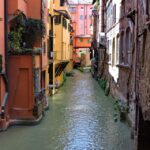
Turning Dough Into Dinner in Bologna
Bologna has a way of making food feel serious without feeling stiff. That’s why this kind of experience works. You’re not learning “pasta facts.” You’re learning how to make pasta.
You start in Bologna and spend about three hours in a host’s home. The structure is simple: you arrive, you get set up, you learn and work in stages, and then you finish with a meal that includes the pasta you made. The class is private, so it isn’t a race and you aren’t stuck watching someone else do everything.
What makes it interesting is the mix of tradition and practical adaptation. Fresh pasta can be finicky, but the teaching style in these classes tends to focus on what you can actually fix. That’s how beginners get results. It’s also how cooks who already cook at home avoid common dough mistakes.
What You’ll Cook: The Regional Pasta Styles
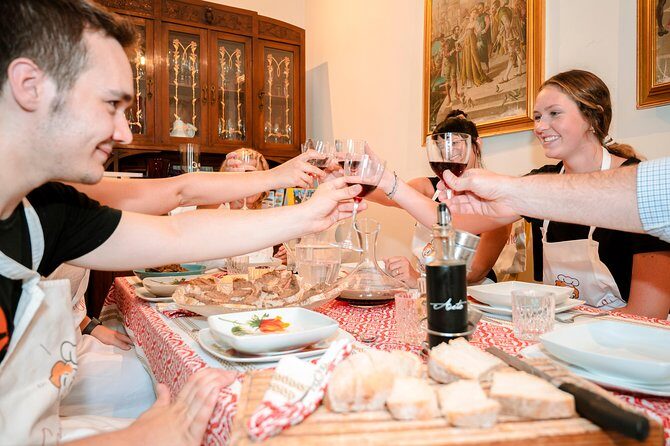
The class is built around making three regional pasta recipes handed down through the generations. The exact three dishes may vary by host and what they’re planning for that day, but you can expect choices from a familiar Bologna-and-Emilia-Romagna orbit.
From the course menu, you’ll see pasta types such as:
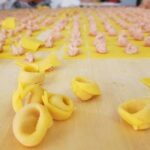
- Tortellini, including options with different fillings
- Lasagne or tortelloni (bigger, often stuffed versions)
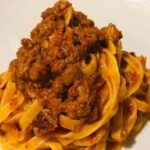
- Tagliatelle
- Gramigna, Strichetti, and Balanzoni
Here’s the practical takeaway: even when the final pasta names change, the core skill set is the same. You learn the dough texture, how to roll to a workable thickness, how to cut or shape, and how to handle the filling if the pasta is stuffed. If you want to recreate Bologna-style pasta later, that base matters more than memorizing a single recipe.
If you’re hoping for something specific—say tortellini or tagliatelle—you’ll want to ask when booking or confirm what’s planned for your date, since the course includes multiple possible pasta styles.
Step-by-Step: The Rhythm of a Pasta Lesson
A good pasta class gives you a rhythm you can repeat. This one is structured that way.
1) Start with technique, not theory
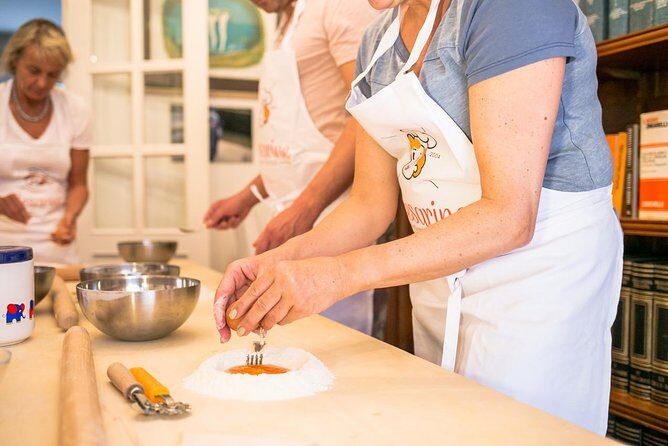
You’ll get tips and techniques for preparing fresh pasta at home. That usually covers:
- Getting the dough to the right feel
- Handling dough without overworking it
- Rolling and cutting cleanly
- Timing the cook so it doesn’t turn mushy
The hosts behind these sessions are frequently praised for being patient and practical. People often highlight helpful tricks and clear steps, which is exactly what you need if you’re not used to dough work.
You can also read our reviews of more tours and experiences in Bologna
2) Hands on from early in the session
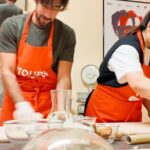
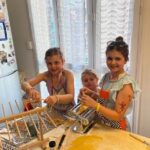
You won’t spend the entire class chopping herbs while someone else builds the pasta. You’ll work. That’s part of the value. You learn by doing the exact movements that feel awkward on your first try.
In past classes like this, hosts have also been known to adjust the session pace and even tailor pasta choices to the group. One host even worked around a pasta type connected to a family background. That’s not something you can schedule like a normal “extra,” but it’s a good sign: the experience tends to stay flexible and human.
3) You shape and cook, then sit down
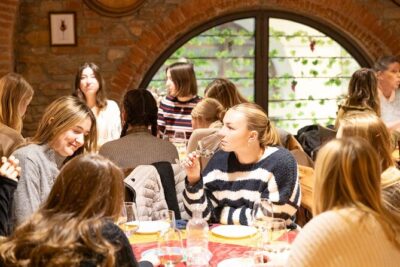
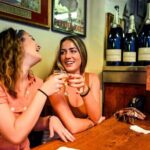
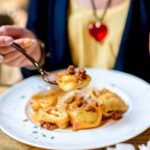
Once your pasta is made, you move quickly into eating. You cap the lesson with lunch or dinner featuring the pasta you created. The course also includes a selection of local wines, which makes the meal feel like part of the lesson, not an afterthought.
That pacing is why this works for both novices and experienced home cooks. Beginners get the confidence boost of tasting success quickly. Experienced cooks get a structured method to compare against their own habits.
A Bologna Home Kitchen: What That Really Adds
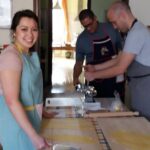
This experience happens in a real home, not a cooking school kitchen. That changes the feel immediately. You’re in a lived-in space, with a host who treats you like a short-term dinner guest who also happens to need a pasta lesson.
From reviews and the way these classes are described, you can expect:
- A warm welcome and conversation
- A kitchen setup built around cooking, not performance
- Clear instruction with a friendly tone
Hosts like Claudia, Paola, and Roberta show up repeatedly in feedback for warmth, humor, and teaching style. Sometimes there’s also translation help if needed, which can be a big deal if you’re trying to understand more than just the recipe steps.
One more thing: because it’s in a home, the session can feel more relaxed around mistakes. When you’re learning dough, some weirdness is normal. If someone is patient with you, you learn faster. If you feel rushed, you learn less.
The Meal Part: Eating What You Made
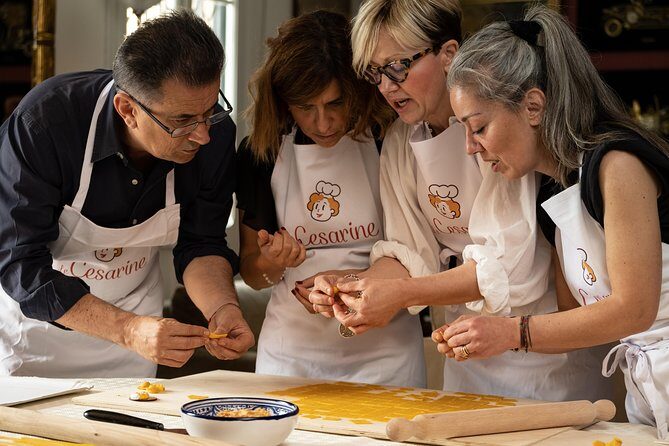
The best cooking class lesson ends with the food, not a souvenir plate. Here, the meal includes pasta you made in the session and is paired with local wine.
You should expect a full and satisfying finish. Several people specifically note that there was a lot of food. Plan to eat the whole meal, even if you’re tempted to “save room” for gelato later. Pasta plus wine plus dessert tends to add up.
Dessert details can vary, but dessert has shown up in this format. One example mentioned making tiramisu as part of the experience, and others describe additional sweets or treats that go beyond the basic pasta-and-meal.
Even without guessing the exact dessert, the meal component is consistent in the course concept: you leave fed, with flavors that come directly from your own work.
Price and Value: What $119.73 Buys You
Let’s talk straight about value. $119.73 per person for about three hours isn’t “cheap.” But it’s also not trying to be.
You’re paying for:
- Private instruction (no shared stations with strangers)
- A hosted, home-based experience where cooking skill meets local hospitality
- Three pasta recipes of substance, not a quick demo
- Lunch or dinner built from your work
- Local wine pairing
In a group class, you might learn “some things,” but it can be hard to get corrections when your dough is off by half a degree of texture. Private classes buy you attention. That attention is often what makes the difference between leaving with a vague memory and leaving with a repeatable method you can use at home.
If you’re traveling as a couple, a private home class can be especially good value. You’re not just buying pasta. You’re buying the time, the teaching, and the chance to talk with someone who actually lives the food culture.
English-Friendly Learning Without Making It Too Casual
The class is offered in English, which can matter more than you think. Pasta-making has a lot of “feel-based” instructions. If you understand the words, you can connect them to what your hands are doing.
Still, it’s helpful to remember: even with English instruction, cooking is international. You might hear some Italian terms. That’s normal. You don’t need perfection. You need clarity.
What I like about experiences like this is that they tend to stay practical. You aren’t being tested on vocabulary. You’re being guided toward the right dough texture and the right shaping technique.
Planning Your Night: Timing, Hunger, and Comfort
This is an active cooking session. You’re rolling dough, shaping pieces, working at a counter or table height you might not be used to.
So plan like this:
- Arrive with comfortable shoes you can stand in.
- Expect to get flour on you. Wear something you won’t mind.
- Come ready to eat afterward. This isn’t a light snack.
Also, because the experience is private and in a home, the start time matters. If you arrive late, you can throw off the flow of dough and cooking. That’s why you should verify the meeting point and directions ahead of time, especially since one bad start experience described stress around finding the correct door.
Who This Pasta Class Is For
This experience is a strong match if:
- You want a hands-on Bologna food experience, not a staged show
- You’re a beginner who wants step-by-step guidance
- You already cook at home and want a method you can trust
- You travel as a small group and value personal attention
- You like dining where you can actually talk to the person feeding you
It may be less ideal if:
- You hate the idea of learning in someone’s private home space
- You want a strictly “tour-guide” style with a fixed route (this is more workshop than sightseeing)
- You’re very time-sensitive and can’t handle a start that depends on finding a residential location
But if you can do a short block of focused work and you like food culture, it’s likely a great fit.
Tips to Get the Best Results (From the Way These Classes Are Taught)
I’d treat this like a mini skill workshop. Your goal isn’t just to eat pasta. Your goal is to learn how to recreate the method later.
Here’s how to set yourself up:
- Watch how your dough changes as you work it. That’s the lesson.
- Don’t aim for “perfect.” Aim for workable.
- Ask questions early, before you lock into a technique that’s almost right.
- When someone shows you a trick, do it once, then do it again with your hands.
Also, if you have a dietary preference, you might find it helps to mention it up front when you book, since courses can include specific pasta and meals. The data doesn’t list menu substitutions, so you’ll want to check with the operator for your date.
Should You Book This Bologna Pasta Class?
If you want one thing in Bologna besides eating amazing food, book this. The best reason is simple: you leave with skills, not just memories. Private teaching at a local home, three regional pasta styles, and a real meal with wine makes it feel like you learned something you can actually use.
I’d especially recommend it if you’re:
- visiting for a short time and want a high-impact experience
- curious about Emilia-Romagna pasta beyond the basics
- traveling with someone who will enjoy cooking together
My main caution is the meeting-point and residential-home factor. Confirm details, give yourself extra time, and you’ll avoid the stress that can ruin the first moments.
FAQ
How long is the private pasta class?
It runs for about 3 hours.
How much does it cost per person?
The price is $119.73 per person.
Is the class taught in English?
Yes, it’s offered in English.
Is this a private experience?
Yes. It’s a private tour/activity, and only your group participates.
What food do I get at the end of the class?
You’ll have lunch or dinner featuring the pasta you made.
Do I receive wine with the meal?
The experience includes a selection of local wines with your meal.
What pasta recipes are included?
The course includes three regional pasta recipes. Options can include tortellini, lasagne, tortelloni, tagliatelle, gramigna, strichetti, and balanzoni.
Is there free cancellation?
Yes. You can cancel up to 24 hours in advance for a full refund.
Is the meeting point easy to reach?
The meeting point is near public transportation, and the activity begins in Bologna and ends back at the meeting point.