REVIEW · FLORENCE
Florence Private Full-Day Tour with Uffizi and Accademia Gallery
Book on Viator →Operated by Florence Tours by Made of Tuscany · Bookable on Viator
Two galleries, one unforgettable Renaissance day. This private full-day Florence tour strings together Uffizi and the Accademia with a fast hit list of outdoor sights near the Duomo. It’s a smart way to get oriented in a city that can feel like it has endless corners, while still seeing the works most people come for.
I especially like the reserved museum admission. It helps you spend your energy inside the galleries instead of stuck in slow-moving lines. I also like the private guide format, which makes it easier to pace the day and focus on what you want to understand, not just what’s on a standard checklist.
One thing to consider: it’s an art-first day. If your group wants lots of long museum-free time or quick glances only, the schedule may feel intense.
In This Review
- Key things to know before you go
- A 6-hour Florence hit list that actually makes sense
- Piazza della Signoria: your launch pad in the heart of Florence
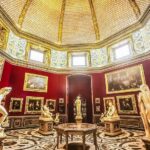
- Gallerie Degli Uffizi: Botticelli to Caravaggio in one guided arc
- What you’ll focus on
- How to get more from it (even if you’re not an art expert)
- The one drawback
- Galleria dell’Accademia: make time for Michelangelo’s David
- A small planning note
- Piazza della Signoria and the Loggia dei Lanzi: sculpture you can walk around
- Piazza del Duomo area: Brunelleschi, Dante, and the Baptistery doors
- Brunelleschi’s dome, seen from outside
- A quick stop tied to Dante
- Baptistero di San Giovanni: the Doors of Paradise
- Why the private guide experience changes everything
- Direction: beating the crowd chaos
- Interpretation: connecting art across places
- A note on your group’s listening style
- Price and value: what you’re really paying for
- What’s not included (and how to plan around it)
- Dress code: the one rule that can stop you at the door
- Who should book this tour
- Should you book this private Uffizi and Accademia day?
- FAQ
- What’s the duration of this Florence private tour?
- Where does the tour start?
- Does the tour include tickets for both museums?
- What museum time should I expect?
- Is lunch included?
- Is hotel pickup included?
- What language is the tour offered in?
- Is there a dress code?
- Can I get a refund if my plans change?
- Is this tour private?
Key things to know before you go
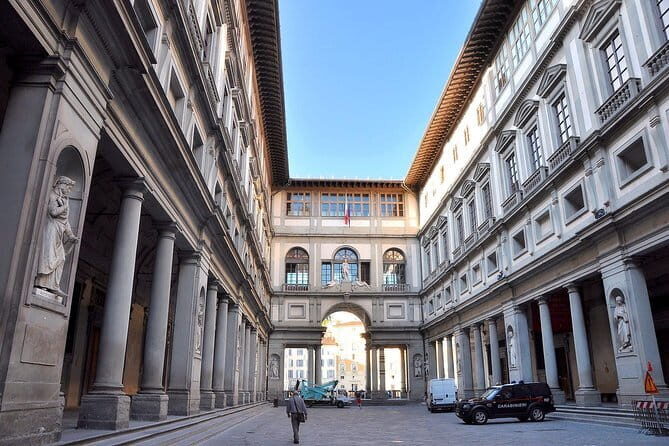
- Reserved tickets for the Uffizi and Accademia help you move efficiently in crowded spaces
- Private guiding means you can ask questions and adjust your pace without waiting for a big group
- 3 hours at the Uffizi gives enough time to connect Renaissance themes across multiple artists
- David-focused time at the Accademia helps you appreciate Michelangelo’s sculpture with context
- Outdoor Florence stops (Signoria, Loggia dei Lanzi, Duomo area, Baptistery doors) round out the art with place
- Dress code matters: knees and shoulders covered, or entry can be refused
A 6-hour Florence hit list that actually makes sense
Florence can overwhelm fast. You step out of one church, turn a corner, and suddenly you’re staring at another masterpiece. This tour’s value is in how it organizes that chaos into a clear route.
You get a full day that’s mostly walking with a guided rhythm: museum time where it counts, then quick stops in major squares so you’re not just “seeing art,” you’re learning how Florence shaped that art. The pacing is built around the two heavyweights: the Uffizi and the Accademia. Once those are handled, the rest of the day feels like cultural context instead of another museum sprint.
This is also the type of tour I’d pick if you have limited time. You’re not trying to cover every church and every street. You’re focusing on the places that help you understand the city.
You can also read our reviews of more private tours in Florence

Piazza della Signoria: your launch pad in the heart of Florence
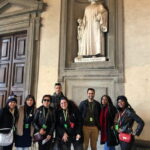
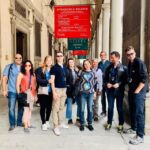
The day starts at Piazza della Signoria, a square that’s basically a lesson in how Renaissance power wanted to look in public. You’ll be close to landmarks like Palazzo Vecchio and the famous outdoor statuary at the Loggia dei Lanzi.
This matters because it sets your mental map early. Instead of arriving in Florence and trying to figure out where everything is, you start where the city’s political and artistic identity is on display. It also keeps the walking route logical: you’re moving through central sights rather than crisscrossing across town.
This tour ends back at the meeting point. No “where do we go next?” problem on your end.
Gallerie Degli Uffizi: Botticelli to Caravaggio in one guided arc

The Uffizi is where most first-timers feel two things at once: awe, and a mild sense of panic. The collection is huge, and galleries are often crowded. That’s exactly why the structure of this tour helps you.
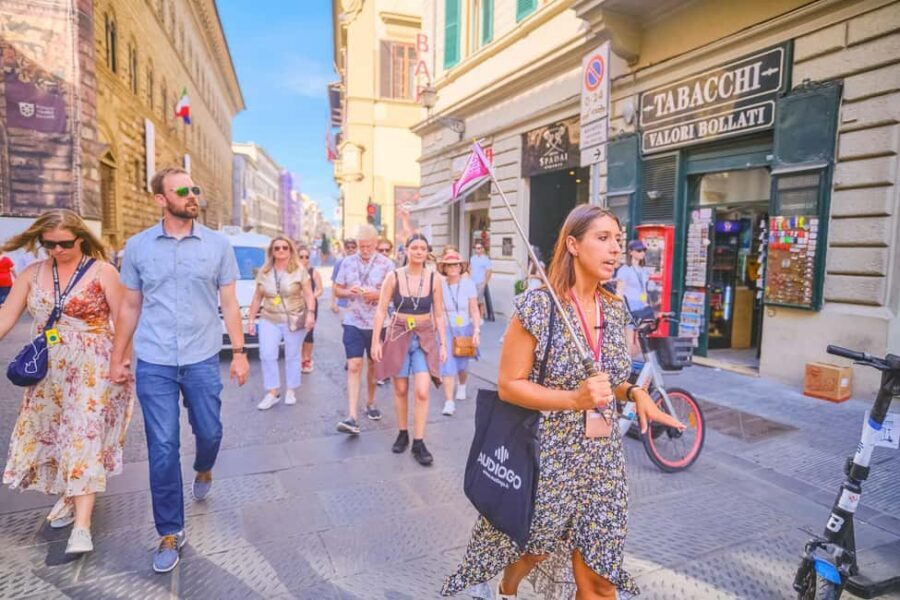
You get about 3 hours here, led by a professional guide who focuses on highlights and connections. You’re not meant to stare at everything for a lifetime. You’re meant to understand what you’re looking at—and why.
What you’ll focus on
The tour highlights include a strong Renaissance line-up such as:
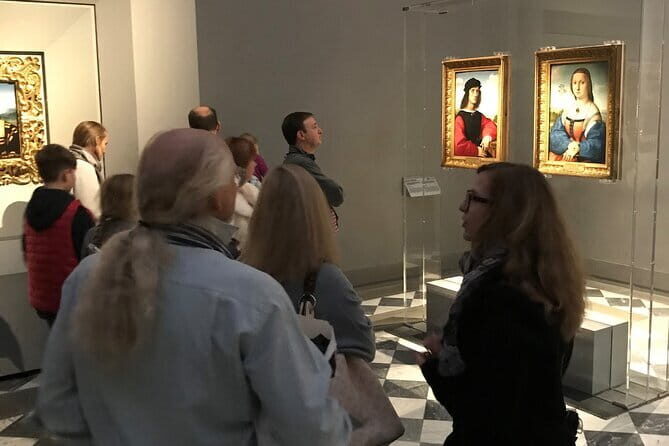
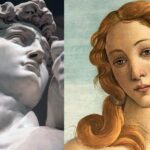
- Botticelli’s Birth of Venus and Primavera
- Michelangelo’s Tondo Doni
- Raffaello’s Madonnas
- Leonardo da Vinci’s Annunciazione
- Caravaggio’s Medusa and Bacchus
- Titian’s Venus of Urbino
That selection is useful because it shows change over time. You’ll see how themes like myth, religion, patronage, and human form shift as artists develop new ways to persuade the viewer.
How to get more from it (even if you’re not an art expert)
I like tours that teach you a “watching method.” In this case, the guide’s job is to point you to details you’d miss on your own—faces, poses, color choices, symbolism, and the small storytelling cues that make a painting feel like it has a script.
A practical tip: if your group tends to struggle with audio in busy rooms, ask whether your guide can use small audio equipment. People have recommended ear pieces for this exact reason: museums can be loud and guides have to keep their voices down in crowded galleries.
You can also read our reviews of more museum experiences in Florence

The one drawback
Uffizi time can feel long if your style is quick “look and move.” The tour is set up for understanding, not speed-running. It’s best for you if you want the paintings to mean something, even in a limited number of stops.
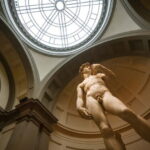
Galleria dell’Accademia: make time for Michelangelo’s David
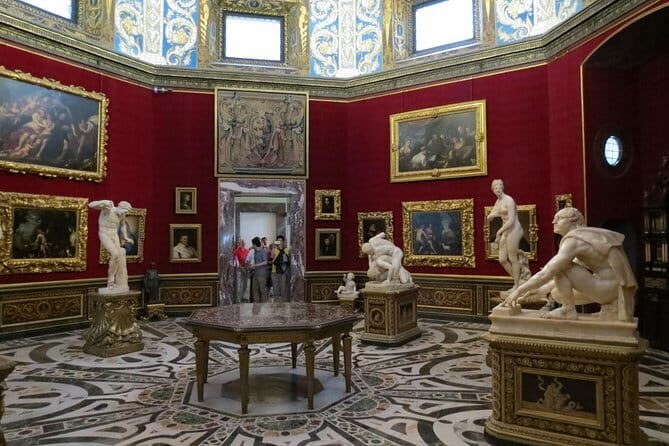
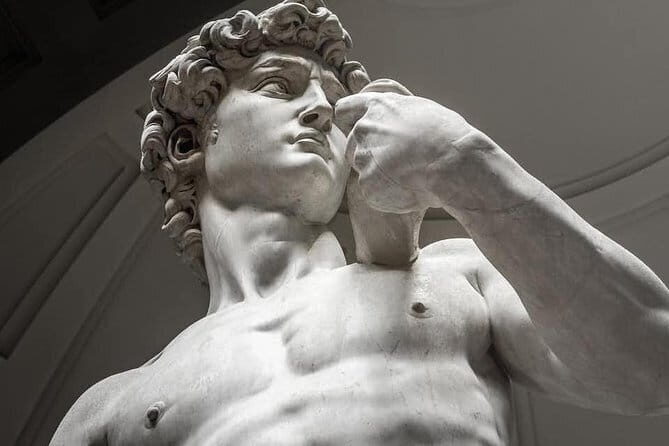
After the Uffizi, the Accademia offers the kind of art moment that can reset your whole day. You get about 1.5 hours here, and the anchor is Michelangelo’s David.
This is the sculpture that people say they want to see. The real value of a guided format is that you’re less likely to treat David like a photo opportunity. A good guide helps you understand the choices—scale, tension, posture, and why the statue became such a symbol.
Even if you’ve seen images before, David hits differently in person. The room, the sight lines, and the way people gather can make it easy to miss what you came to understand. A guided visit helps you land on the right questions: what mood does the sculpture project, and why would Florence have wanted this kind of statement?
A small planning note
The Accademia isn’t the same kind of museum as the Uffizi. It’s quieter in feel, but still busy. I’d treat this stop as a “slow down” moment compared to the Uffizi, and use the guide’s time to ask what matters most to you.
Piazza della Signoria and the Loggia dei Lanzi: sculpture you can walk around
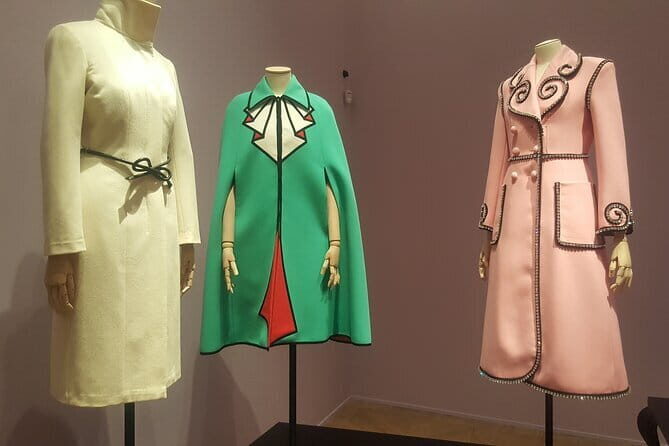
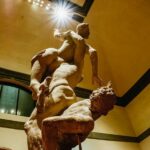
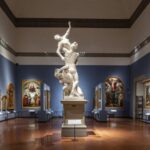
Once you’re done with the heavy indoor stops, you get outdoor payoff. In Piazza della Signoria, you’ll see Palazzo Vecchio from the square and then spend time at the Loggia dei Lanzi, including its Renaissance statuary.
This is more than a break from museums. Outdoor sculpture changes how you see form and emotion. The sunlight does a different job than gallery lighting. And because you can walk around the area, you get a more three-dimensional sense of what sculptors were doing.
It’s also a nice sanity check for your day. After learning about art inside, you can step into the public spaces where Florentines showed off artistic power.
Piazza del Duomo area: Brunelleschi, Dante, and the Baptistery doors
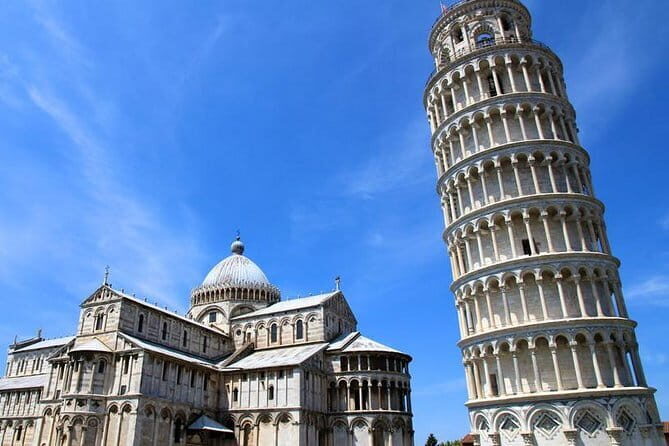
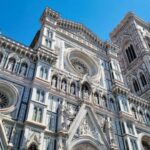
The Duomo area is a must in any Florence plan, but this tour keeps it efficient. You’ll have brief stops timed for maximum meaning, not maximum wandering.
Brunelleschi’s dome, seen from outside
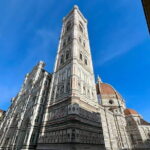
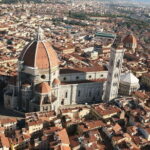
You’ll spend about 20 minutes at the Piazza del Duomo area, viewing the Dome of Brunelleschi from the outside. That outside perspective matters. You get scale without dealing with indoor crowds at this stage of the day.
A quick stop tied to Dante
You also stop at the Museo Casa di Dante, the area associated with where Dante Alighieri was born and lived. It’s short—about 5 minutes—but it gives you a grounded literary connection. Florence wasn’t only painting and sculpture; it was also shaping language and ideas that traveled far beyond the city.
Baptistero di San Giovanni: the Doors of Paradise
Your last quick culture hit is the Battistero di San Giovanni, famous for the Doors of Paradise by Lorenzo Ghiberti. You’ll get around 5 minutes here, with attention to the bronze doors and their golden-leaf look, arranged in 10 panels telling Old Testament history.
This stop is powerful because you can “read” the narrative even in a quick glance. With a guide’s pointing, those panels become stories instead of just ornate metalwork.
Why the private guide experience changes everything
With Florence museums, the difference between a good day and a frustrating one usually comes down to two things: direction and interpretation.
Direction: beating the crowd chaos
People strongly value this tour’s ability to keep things moving. The guide helps you get through the Uffizi and Accademia efficiently, so you’re not constantly waiting for the group to regroup or trying to find the exact rooms while other visitors steam past you.
Interpretation: connecting art across places
The other major win is how guides connect the dots. In the experience of past groups, guides like Giacomo, Susana, Maria, and Christina have been praised for steering the story of Renaissance art so it clicks across different works and locations.
You see it most clearly when the tour goes beyond “this is by this artist” and explains how art evolved—why an artwork looks the way it does, how styles shift, and what themes were in play. One reason this tour earns such a strong rating is that it feels like a focused education without turning into a slow lecture marathon.
A note on your group’s listening style
There is a real trade-off with art lectures: if your group doesn’t want long explanations, you may feel stuck in the details. Some people have mentioned the tour can be more art-focused than they expected. If that’s you, tell the guide early in the day: you want highlights and interpretation, but you don’t need extended time on every single painting.
Price and value: what you’re really paying for
At $491.28 per person for about 6 hours, this isn’t a “budget museum day.” The value is in what’s included.
You’re getting:
- A professional private guide
- Entrance tickets and reservations for the Uffizi and Accademia
- A guided walking tour through Florence sights tied to the museum stops
- The tour runs in English
- A mobile ticket
- A route that brings you back to the meeting point
That combination matters in Florence. Tickets alone don’t solve the hardest part, which is time. The biggest hidden cost of museum days is wasted hours: lines, confusion, and lost momentum. Reserved admission and a guide’s routing reduce those losses.
Also, this tour gets booked a lot ahead of time (on average 104 days). If you want specific dates, it’s smarter to lock them in early rather than assume you can flex at the last minute.
What’s not included (and how to plan around it)
Two things are missing:
- Hotel pickup and drop-off
- Lunch
That’s normal for a city walking tour, but you should plan for it. You’ll meet at Piazza della Signoria and end back there, so pick a hotel or drop-off point that puts you near central Florence. The tour is near public transportation, which helps.
For lunch, I suggest you either:
- eat before you start, if you want fewer interruptions, or
- plan a late lunch after the tour ends back at the square.
Some guides are happy to recommend where to eat, and those recommendations often lean toward local spots. But because lunch isn’t included, I’d keep your expectations flexible.
Dress code: the one rule that can stop you at the door
This tour includes visits connected to churches and selected museums, and a dress code is required. The requirement is clear: no shorts or sleeveless tops, and knees and shoulders must be covered for both men and women. If you don’t meet the standard, you may risk being refused entry.
It’s one of those Florence details that feels small until it isn’t. I’d pack a light layer for warm days anyway—especially if you’re traveling in summer.
Who should book this tour
This is a strong fit if:
- you want the best-known Florence art without turning your day into museum homework
- you have limited time and want a guided overview in one go
- you like learning connections between artists and themes, not only seeing famous works
It also makes sense for families—some groups have praised how the guide kept kids engaged, including guides who adapted their pace for different ages. If your family needs quieter moments, you can ask the guide to adjust how long you linger in each room.
If you’re the kind of visitor who wants to sit for 30 minutes on one painting, this tour may feel too structured. And if you dislike listening sessions, go in expecting an interpretation-heavy day.
Should you book this private Uffizi and Accademia day?
If you want a Florence day that balances top art with smart pacing, I’d say yes. The reasons are practical: reserved entry, a private guide, and a route that also covers major squares like Signoria and the Duomo area.
I’d only skip it if your group strongly prefers independent wandering, short explanations, or lots of extra time in a single gallery room. In that case, you might get more value building your own plan.
Bottom line: for most visitors, this tour earns its reputation because it turns two iconic museums into a coherent story—and helps you see Florence’s art and its public spaces in the same day.
FAQ
What’s the duration of this Florence private tour?
It runs for about 6 hours.
Where does the tour start?
The meeting point is Piazza della Signoria, 50122 Firenze FI, Italy.
Does the tour include tickets for both museums?
Yes. Entrance tickets and reservations are included for Gallerie Degli Uffizi and Galleria dell’Accademia.
What museum time should I expect?
You’ll spend about 3 hours at the Uffizi and 1 hour 30 minutes at the Accademia.
Is lunch included?
No. Lunch is not included.
Is hotel pickup included?
No. Hotel pickup and drop-off are not included.
What language is the tour offered in?
The tour is offered in English.
Is there a dress code?
Yes. For places of worship and selected museums, you must cover knees and shoulders. No shorts or sleeveless tops.
Can I get a refund if my plans change?
Yes, the tour offers free cancellation. You can cancel up to 24 hours in advance for a full refund.
Is this tour private?
Yes. It’s a private tour/activity, meaning only your group participates.

More Private Tours in Florence

More Tours in Florence



More Tour Reviews in Florence
- Tuscany Day Trip from Florence: Siena, San Gimignano, Pisa and Lunch at a Winery
★ 5.0 · 21,634 reviews - The Best tour in Florence: Renaissance & Medici Tales – guided by a STORYTELLER
★ 5.0 · 12,316 reviews