REVIEW · FLORENCE
Florence: Renaissance City Walking Tour
Book on GetYourGuide →Operated by SLOW TOUR TUSCANY · Bookable on GetYourGuide
Renaissance Florence comes alive on foot. This guided loop links big-name art and real street corners, from the Uffizi area to the Ponte Vecchio stretch that so many stories orbit.
I especially like how the tour connects places to the people behind them, so landmarks feel less like photos and more like chapters in Florence’s long Renaissance run. And with Elisa (the guide name you’ll often see praised), the storytelling stays clear and the questions keep moving.
One heads-up: this is a fair amount of walking, and you can’t bring luggage or large bags. Come with comfortable shoes and plan to just enjoy moving through the city.
In This Review
- Key Highlights You’ll Actually Feel
- A Smart 90-Minute Route Through Florence’s Renaissance Core
- Uffizi Courtyard and Piazza della Signoria: Art Meets Power
- Santa Croce: Dante and Michelangelo in the Same Place
- Vasari Corridor Exterior and Ponte Vecchio: The Best Picture Happens When You Walk
- Oltrarno, S. Frediano, and Santo Spirito: Artisan Streets With Real Local Texture
- Via Tornabuoni to Piazza della Repubblica: Transition From Medieval Streets to Big City Showpieces
- The Cathedral Finale: Santa Maria del Fiore Face-Up With the City
- Price and Value: What $40 Really Buys You
- What to Bring, What’s Allowed, and the Comfort Reality Check
- Who Should Book This Florence Renaissance Walking Tour?
- Should You Book This One?
- FAQ
- How long is the Florence Renaissance City Walking Tour?
- How much does it cost?
- What time does the tour start?
- Is the tour guided and in English?
- Does it include audio headphones?
- Is it wheelchair accessible?
- Do I need to bring refreshments?
- What should I bring, and what’s not allowed?
- Is there a cancellation policy or reserve-and-pay-later option?
Key Highlights You’ll Actually Feel
- Start at the Uffizi courtyard and Piazza della Signoria to set the art-and-power tone early
- Loggia dei Lanzi, Palazzo Vecchio, and Medici influence are explained in plain language as you look up
- Santa Croce as a Dante and Michelangelo stop makes the Renaissance feel personal, not textbook
- Ponte Vecchio with goldsmith shops plus the Vasari Corridor exterior view gives you a sharp contrast
- Oltrarno, S. Frediano, and Santo Spirito add local artisan streets and tower-house atmosphere
A Smart 90-Minute Route Through Florence’s Renaissance Core
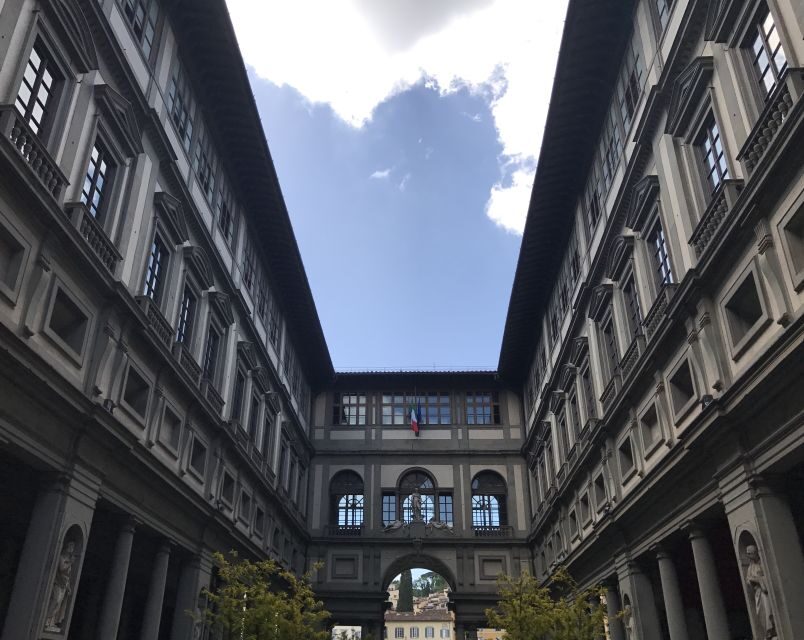
This Florence Renaissance city walk is built for people who want the essentials without spending the whole day in museums. You get a guided plan that moves through the older parts of town in a logical flow: art, politics, religion, and everyday craft all in one outing.
At 1.5 hours, it’s short enough to fit alongside other Florence plans. It’s also long enough to make you feel oriented, like you’re learning the city’s “map in your head,” not just hitting points on a list.
You can also read our reviews of more walking tours in Florence

Uffizi Courtyard and Piazza della Signoria: Art Meets Power
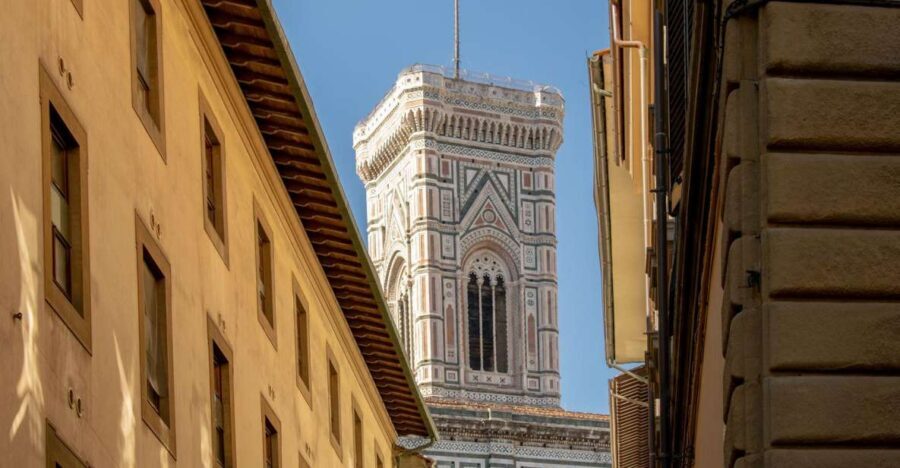
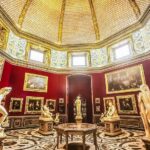
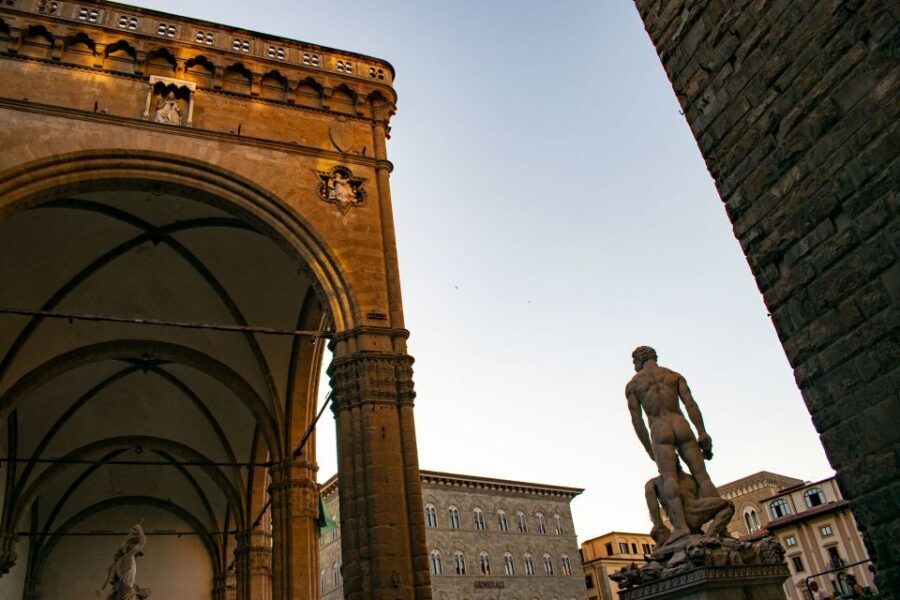
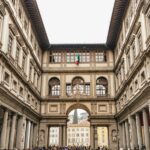
The tour kicks off in the courtyard area around the Uffizi Gallery and Piazza della Signoria (near Palazzo Vecchio). Right away, the guide frames the Renaissance as something shaped by ideas and power, not only paint and marble.
From there, you look up at the Loggia dei Lanzi, while the guide explains what you’re seeing and where the stories land. You also get time to take in the scale of Piazza della Signoria, which can feel overwhelming if you arrive cold.
Practical note: since you’ll be standing and walking through busy streets, keep your pace steady and let the group rhythm set yours. The audio headset helps you stay locked onto the guide without constantly turning your head in traffic noise.
Santa Croce: Dante and Michelangelo in the Same Place
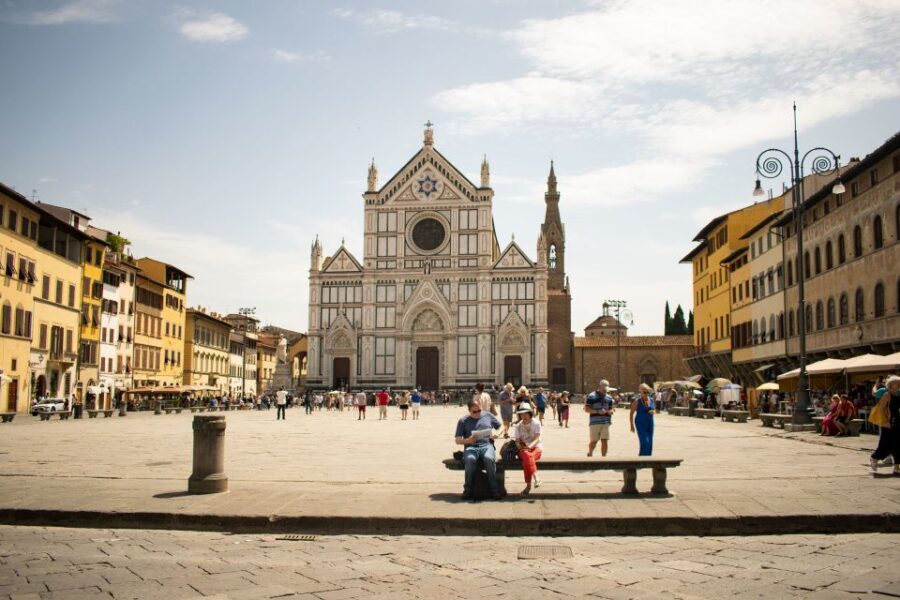
Next comes a shift in mood as you pass through narrow alleys toward the square of Santa Croce. The tour then focuses on the church there, described as a smaller version of the Duomo, but with a big emotional punch.
This is where the guide ties the Renaissance to major Italian figures. You’ll hear how Dante Alighieri and Michelangelo are among the notable people laid to rest here, which turns your stop into more than a photo stop.
What I like about this part is the way it gives you a human scale for Renaissance genius. You’re not just admiring buildings; you’re seeing how Florence treated art, thought, and legacy as part of civic life.
Vasari Corridor Exterior and Ponte Vecchio: The Best Picture Happens When You Walk
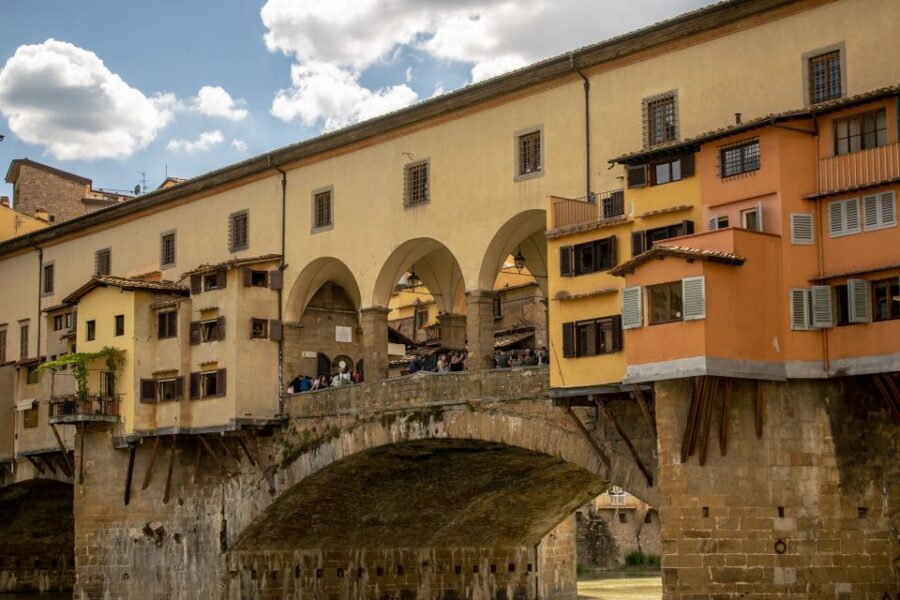
After Santa Croce, you travel toward Ponte Vecchio by way of the exterior path of the Vasari Corridor. Even from the outside, it adds a “how was this city designed” layer to what you’re seeing.
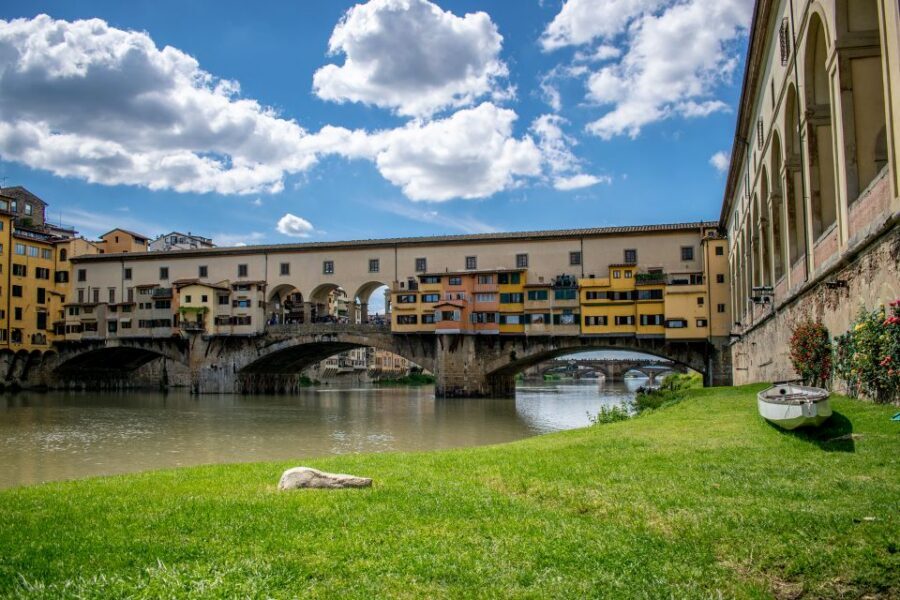
Then you reach Ponte Vecchio, the bridge famous for its charm and the goldsmith shops along it. This section is ideal for readers who like contrast: architecture and politics upstairs in the story, and commerce and craft down at street level.
If you enjoy street-level Florence details, you’ll like how this stop makes the Renaissance feel practical. Goldsmith shops aren’t just scenery; they reflect the city’s craft culture and the way commerce and prestige mixed.
Tip: Ponte Vecchio can feel crowded depending on the time. If you want a clear view, step with the group but be ready to adjust your position slightly while your guide is talking.
Oltrarno, S. Frediano, and Santo Spirito: Artisan Streets With Real Local Texture
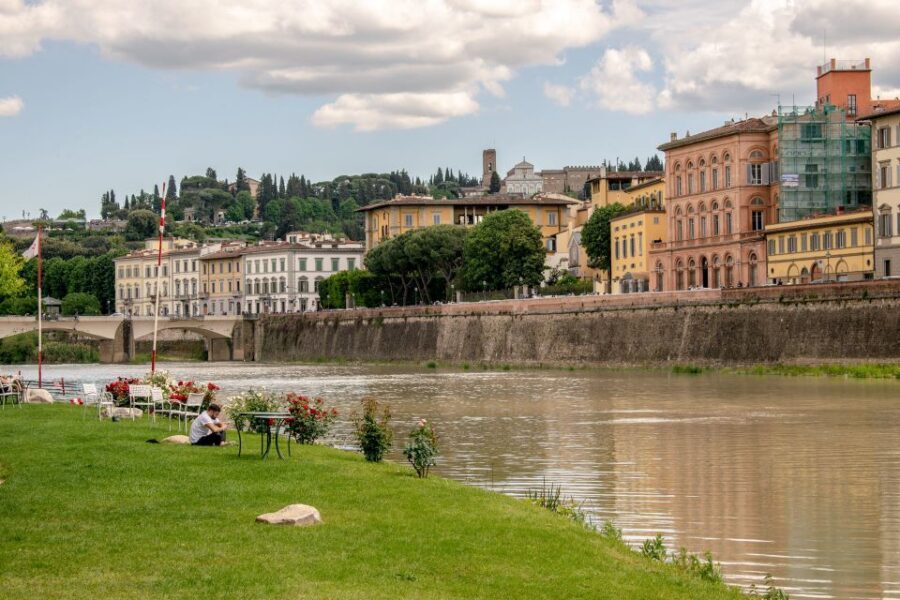
This is the part many people remember because it feels more like living Florence than a list of monuments. After Ponte Santa Trinita, you head into Oltrarno, including stops through the neighborhoods of S. Frediano and Santo Spirito.
You’ll notice artisan shop energy and older tower-house shapes as you walk. The guide also connects the Renaissance story to these districts, so it doesn’t feel like the past is sealed behind glass.
Why this is good value: it gives you the sense of Florence as a place people still work and create in. You leave with a better feel for where locals spend time, not only where visitors point cameras.
You can also read our reviews of more city tours in Florence




Via Tornabuoni to Piazza della Repubblica: Transition From Medieval Streets to Big City Showpieces
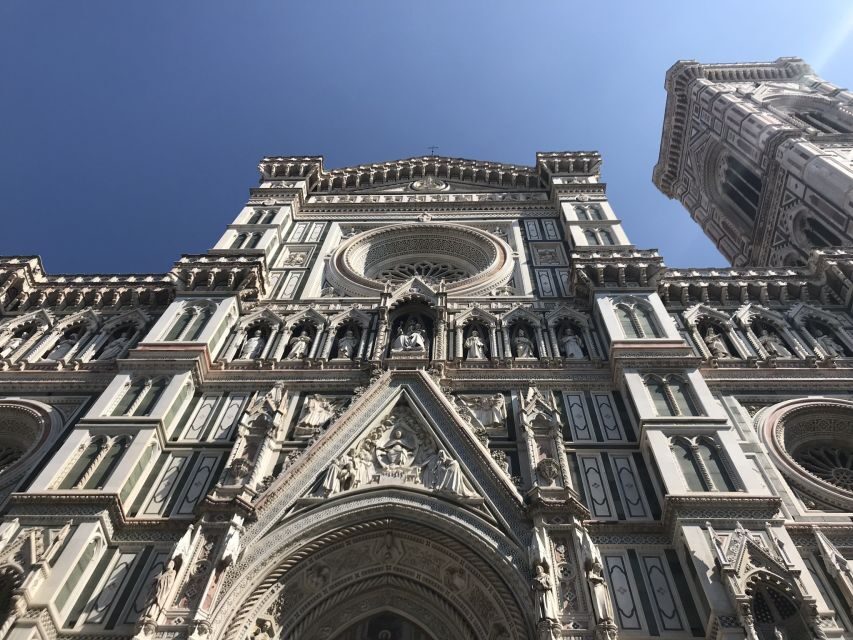
From the Ponte Santa Trinita area, the route flows to Via Tornabuoni, then to Piazza della Repubblica. This isn’t just a sightseeing hop. It’s a visual transition from older, tighter streets into wider, more ceremonial open spaces.
Via Tornabuoni helps you understand how Florence’s center shifted over time: different parts of the city have different “volumes.” The piazza stop then gives you a moment to regroup and take in the broader city layout.
I like this segment because it helps you connect the dots. After walking past churches, bridges, and craft lanes, you can start seeing Florence as a whole system rather than separate landmarks.
The Cathedral Finale: Santa Maria del Fiore Face-Up With the City
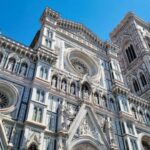
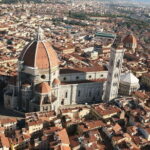
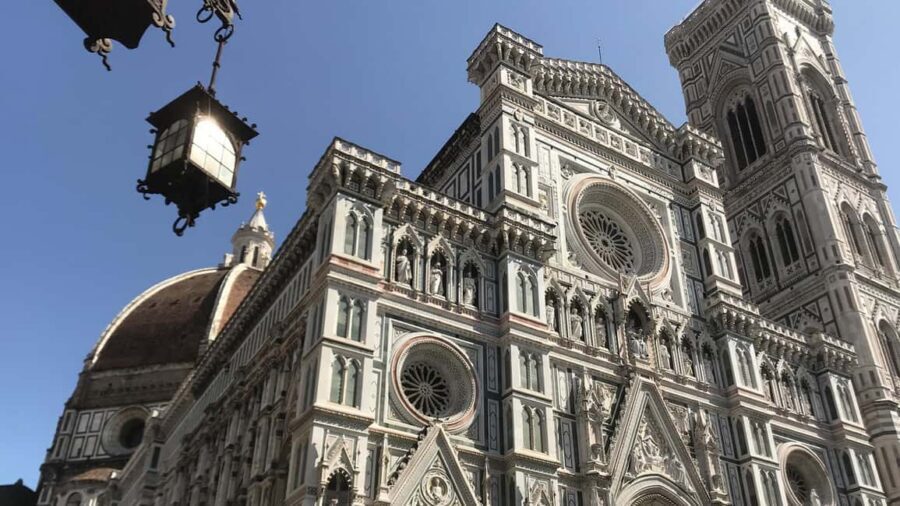
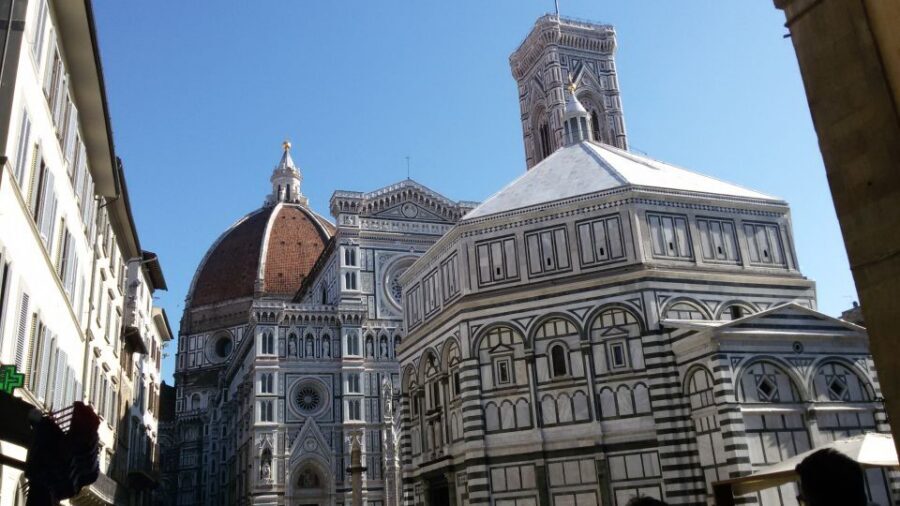
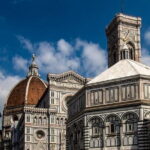
The tour ends with you coming face to face with Santa Maria del Fiore, Florence’s iconic cathedral. This last stop is powerful because it’s the payoff for everything you’ve already learned about the city’s Renaissance ambitions.
If you’ve been looking up at facades and details for 90 minutes, this is where the scale finally settles. You get the emotional “oh, this is why people build here” moment.
Best move: keep your eyes open for angles around the square and surrounding streets. Even if you don’t go inside as part of this walking experience, the outside views alone can change how you understand the whole complex.
Price and Value: What $40 Really Buys You
At about $40 per person for a 1.5-hour guided walk, the value is strongest if you want context and not just sightseeing. The tour includes an expert guide and an audio headset, which is a big deal in Florence where street noise can swallow spoken explanations.
You’re also not paying for museum entry during this experience, which is why it can fit neatly into a day full of other plans. The “small package” format makes sense if you want a guided map of the city’s Renaissance core without committing to a half-day ticketed program.
The only clear trade-off is that refreshments aren’t included. If you’re prone to getting thirsty (or you just want a snack break), you’ll need to plan that separately.
What to Bring, What’s Allowed, and the Comfort Reality Check
This walking tour is built around movement, so pack for feet, not for souvenirs. Bring comfortable shoes, and expect plenty of time on streets, near stairs, and in uneven historic stone.
You also can’t bring luggage or large bags. If you’re coming from a hotel or planning to keep things with you, arrange storage ahead of time.
Good news: it’s listed as wheelchair accessible. Still, “accessible” doesn’t mean “easy terrain,” so if you use mobility aids, give yourself extra space and time to navigate narrow sections and crowd moments.
Who Should Book This Florence Renaissance Walking Tour?
This tour is a great fit if you:
- Want a guided Florence orientation that focuses on Renaissance stories
- Like learning how major figures connect to real places, including Dante, Michelangelo, Leonardo da Vinci, and Medici influence
- Prefer walking with an expert rather than reading plaques on your own
It may be less ideal if you:
- Don’t handle walking well for 1.5 hours
- Need to carry large bags or luggage with you
If you’re the type who enjoys asking questions and getting straight answers, you’ll likely appreciate how the guide keeps the experience lively.
Should You Book This One?
I’d book it if your goal is to understand Florence quickly and correctly. The route covers the famous hits—Piazza della Signoria, Santa Croce, Ponte Vecchio, and Santa Maria del Fiore—but it also brings in Oltrarno, S. Frediano, and Santo Spirito so the city feels more like a place than a postcard.
Skip it only if walking is a deal-breaker for you or if you can’t manage without bringing luggage. Otherwise, for $40 and a focused 90-minute window, this is one of the more practical ways to get a Renaissance-focused grip on Florence.
FAQ
How long is the Florence Renaissance City Walking Tour?
The tour lasts 1.5 hours.
How much does it cost?
It costs $40 per person.
What time does the tour start?
Starting times vary, so you’ll need to check availability to see the options.
Is the tour guided and in English?
Yes. It includes a live English-speaking tour guide.
Does it include audio headphones?
Yes. An audio headset is included.
Is it wheelchair accessible?
Yes, the tour is listed as wheelchair accessible.
Do I need to bring refreshments?
No. Refreshments are not included.
What should I bring, and what’s not allowed?
Bring comfortable shoes. Luggage or large bags are not allowed.
Is there a cancellation policy or reserve-and-pay-later option?
There’s free cancellation up to 24 hours in advance for a full refund, and you can reserve now and pay later (pay nothing today).



More Walking Tours in Florence

More Tours in Florence



More Tour Reviews in Florence
- Tuscany Day Trip from Florence: Siena, San Gimignano, Pisa and Lunch at a Winery
★ 5.0 · 21,634 reviews - The Best tour in Florence: Renaissance & Medici Tales – guided by a STORYTELLER
★ 5.0 · 12,316 reviews