Florence clicks when someone points you the right way. This short walk is a smart, eco-friendly introduction to the Renaissance city, designed to help you get your bearings fast and turn the rest of your trip into targeted exploring. I especially like the small-group feel and the built-in radio system, which keeps the story clear even in the noisiest squares. One thing to consider: with so many major sights in a compact route, you’ll need to move with the group and keep photo stops efficient.
If you want a practical Florence overview, this tour hits the big landmarks and the in-between lanes. I like how the route strings together the Medici power base (Cappelle Medicee) and the everyday food-energy of Mercato Centrale, then follows the city’s “showpiece” sequence toward Piazza della Signoria and the river. A guide named Sebastian gets praised for making the history feel like it’s happening right there, and Aldo, Olga, and Vanessa have also shown up in recent experiences as energetic, adjustment-friendly guides.
The possible drawback is timing and focus: a couple of real-world reports point to wasted minutes when a guide lingers somewhere that isn’t your priority, or when a stop’s photo-time feels off. If you’re the type who wants Ponte Vecchio views or a quick local-food moment more than extra shopping stops, it helps to say so early and politely.
In This Review
- Key highlights worth planning around
- Why this two-hour Florence walk is a first-timer win
- What’s included (and why it matters for value)
- The start in Piazza Madonna degli Aldobrandini: setting the route vibe
- Cappelle Medicee: Medici power, Michelangelo-level gravitas
- Mercato Centrale: the smell test for Tuscan food culture
- Santa Maria del Fiore: the dome you can’t ignore
- Piazza della Repubblica: a Roman heart under Renaissance feet
- Piazza della Signoria: power, statues, and the open-air museum feeling
- Ponte Vecchio: shops + the Arno viewpoint you’ll remember
- Oltrarno: artisan Florence, not just monuments
- Palazzo Pitti: the Medici residence mood shift
- Santo Spirito: a local square with a pulse
- Ponte Santa Trinita: refined bridge views in a different tone
- Using the tour right: what to do after those two hours
- Should you book this Florence walking tour?
- FAQ
- How long is the Florence walking tour?
- How much does it cost?
- What language is the tour offered in?
- Where does the tour start and end?
- Is there a group size limit?
- What level of fitness is needed?
- What’s included in the tour price?
- Are food and drinks included?
- What is the cancellation policy?
- Does the tour run only in good weather?
Key highlights worth planning around
- Radio system support so you can follow the guide without craning your neck
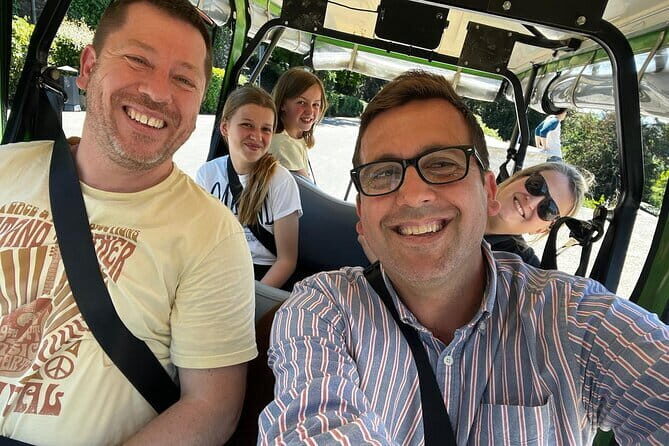
- Small group (max 20) for more personalized attention than a giant bus tour
- Included admissions tied to Fiesole and the Roman Theatre so you can keep the story going later
- A “best-of + neighborhood” route that moves from Medici sites to Oltrarno
- Iconic Arno crossings (Ponte Vecchio and Ponte Santa Trinita) with strong viewpoints
- Guide-driven customization on request so you can steer time toward your interests
Why this two-hour Florence walk is a first-timer win
This is the kind of tour you do on the first day, or the first half-day, when you need a map you can walk. In two hours you get a guided line through Florence’s major “anchor” sites, plus a real slice of street-level city life in Oltrarno. It’s not about rushing every detail. It’s about understanding what you’re looking at, and then deciding what deserves your time later.
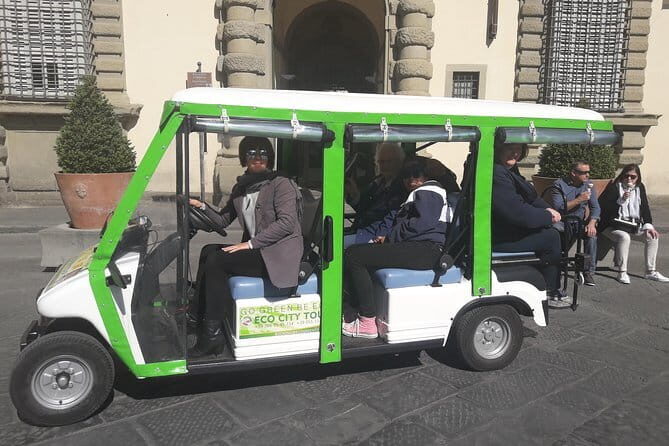
I like that it’s also eco-friendly by default. You’re walking through the compact historic core, which means you’re not stuck in traffic or waiting for a big vehicle to squeeze around narrow streets. Instead, you’re moving at pedestrian speed, which is the only speed that makes Florence feel like a city and not a postcard.
One more plus: you won’t just hear facts. You’ll also get practical advice on what to prioritize afterward. Multiple guide mentions (Sebastian, Aldo, Olga, Vanessa, Luca) share the same theme: they connect sites to neighborhoods, and they help you turn knowledge into choices.
You can also read our reviews of more walking tours in Florence
What’s included (and why it matters for value)
At $66.37 per person for about 2 hours, you’re paying for more than a walk. You’re buying a certified guide, clear commentary via the radio system, and the chance to ask questions without the “everyone shout at once” problem that can happen on larger tours.
Here’s where value gets real: admission to Fiesole and the Roman Theatre is included. Even though this is a Florence walking route, you’re effectively getting a head start on a bigger storyline—Florence beyond the Renaissance floorboards, with the Roman past and the views from Fiesole. That makes the ticket feel less like a one-off and more like a two-part plan.
Also included is ticket help from the team to purchase attraction tickets. That’s a small service, but it’s the kind that saves you time and confusion on a trip where your energy is limited.
What is not included is food and drinks. You’ll want to plan your meals around the stops—or budget for a snack between major sights. And while “entrance tickets” may not cover every single stop you see externally, the experience does specifically call out admissions tied to Fiesole and the Roman Theatre.
The start in Piazza Madonna degli Aldobrandini: setting the route vibe
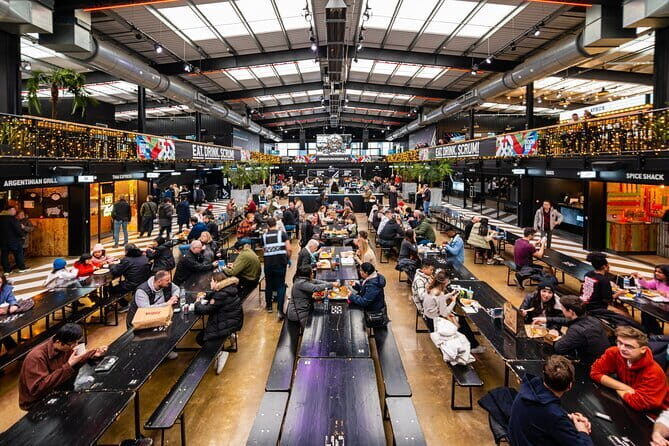
The tour meets at Piazza di Madonna degli Aldobrandini (50123 Firenze FI) and ends back there. That “return to start” design matters more than you’d think: it reduces stress. You don’t have to figure out how to get home after you’ve been walking and listening for hours. It also makes it easier to plan dinner later in the same general area.
Because it ends back at the meeting point, you can treat the walk as a loop. You’ll learn which streets feel like shortcuts, which plazas are good photo spots, and which corners are worth a second pass when you’re not trying to fit everything into one schedule.
Cappelle Medicee: Medici power, Michelangelo-level gravitas
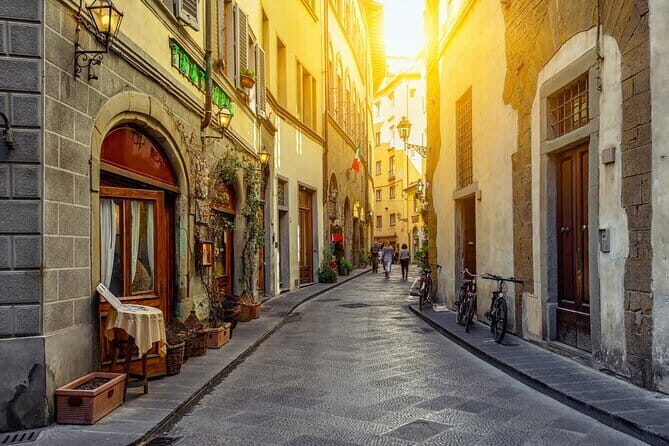
Stop one is Cappelle Medicee. This is where you feel the Medici story in stone: a monumental mausoleum with Renaissance artistry, including works associated with Michelangelo. If Florence is your first big stop in Italy, this kind of site gives you the background for why so much of the city was shaped by wealthy patrons.
Time is short here (about 10 minutes). That’s enough to understand what you’re seeing and why it’s significant, but not enough to read everything deeply. Think of this stop as your “choose what to revisit” moment. If you’re into art and architecture, you’ll likely want to come back.
The one practical consideration: if you hate crowds, arrive mentally ready for the fact that this is a high-interest Medici landmark. But with a guide and a group, you’ll usually spend less time guessing and more time absorbing.
Mercato Centrale: the smell test for Tuscan food culture
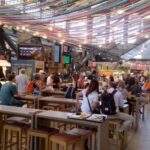
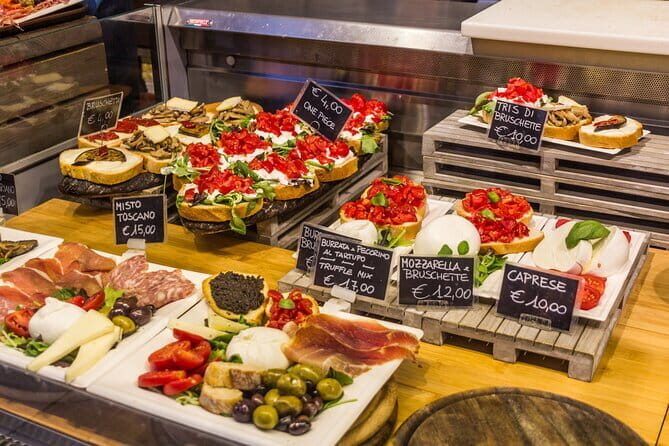
Next is Mercato Centrale, one of Florence’s most famous indoor food hubs. It’s lively and full of color, aromas, and flavors that tell you something simple: Tuscany eats well, and Florence knows it. Even if you don’t buy anything, the market helps you understand why locals and visitors treat food like part of the city’s cultural identity.
This stop works well in a walking tour because it’s not only sightseeing. It’s also sensory orientation. You’ll see stalls, but you’ll also notice what people order and how fast the pace feels inside a market hall.
A tip I like here: if your guide offers ideas for quick tastings or desserts, treat it like advice, not a requirement. One guide (Aldo) has been specifically praised for scoring an affogato win for a group, and those kinds of quick local-food moments can make the tour feel more human. Still, since food and drinks aren’t included, plan to spend a little extra only if it fits your style.
- Tuscany Day Trip from Florence: Siena, San Gimignano, Pisa and Lunch at a Winery
★ 5.0 · 21,634 reviews - The Best tour in Florence: Renaissance & Medici Tales – guided by a STORYTELLER
★ 5.0 · 12,316 reviews


Santa Maria del Fiore: the dome you can’t ignore
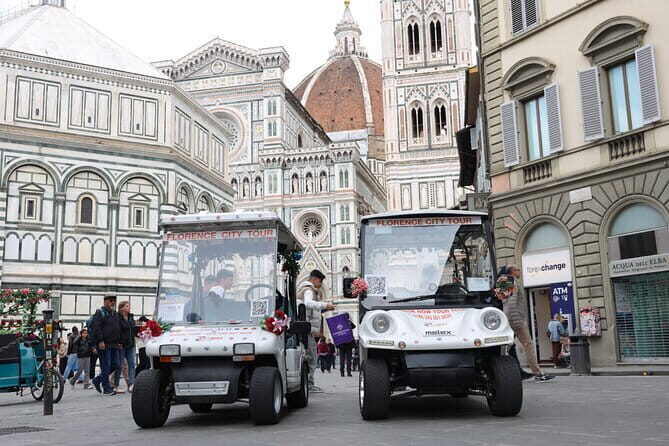
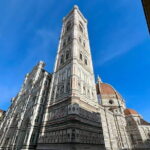
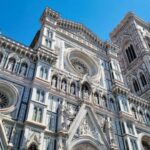
Then you hit Cathedral of Santa Maria del Fiore, the one that defines Florence from a distance. You’ll recognize it instantly: Brunelleschi’s Dome is the star here, and it’s also a symbol people associate with the city worldwide.
Ten minutes is more than enough to understand the significance of the cathedral complex. It’s also enough time to figure out what angle you prefer for photos and whether you’ll want to return for interior time (if that’s on your wish list).
If you’ve only seen this cathedral from outside before, this stop helps you “read” the architecture. You start noticing proportions and details you normally miss when you’re just rushing to get a photo.
Piazza della Repubblica: a Roman heart under Renaissance feet
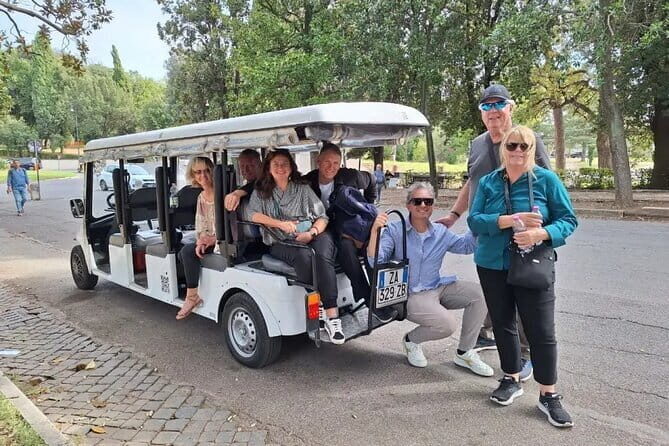
Piazza Della Repubblica is elegant, and it can feel like a “pause” after the cathedral intensity. It’s described as once the heart of Roman Florence, and that’s a helpful lens while you look around. Even if you don’t read every plaque, you can sense layers—city life above, older history underneath.
This stop is also a good moment to ask your guide questions. Plaza time is where you can ask about the rest of your itinerary: Where should you go next? What’s worth skipping? Which areas feel best later in the day?
Some recent experiences also mention helpful staff around this meeting-area zone (including a person named Ben who was praised for communication and detail). If you need guidance on where to be or what’s happening, having someone clear and friendly can smooth the whole day.
Piazza della Signoria: power, statues, and the open-air museum feeling
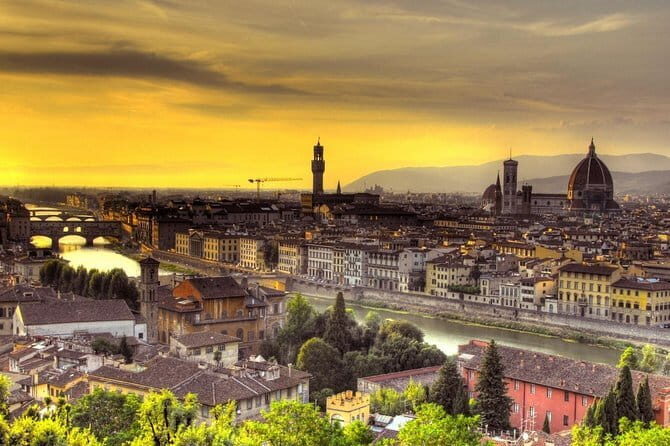
You move on to Piazza della Signoria, often treated like a political and cultural center of Florence. It’s an open-air “museum” space dominated by Palazzo Vecchio and classic Renaissance statues.
This is a stop where you’ll benefit most from the guide’s interpretation. On your own, it’s easy to see a square full of famous buildings and statues. With a guide, you connect why the square mattered and how the city’s leadership shaped public space.
Ten minutes keeps it punchy. You get the story, then you decide if you want to return for deeper time. If you like history, you’ll probably want that second visit. If you don’t, you’ll still leave with context that makes the statues feel less random.
Ponte Vecchio: shops + the Arno viewpoint you’ll remember
Next comes Ponte Vecchio, Florence’s most iconic bridge, known for historic shops and sweeping views over the Arno River. This is one of those places where the photo is only half the job. The other half is realizing how the bridge works visually: the river frames it, the buildings stack behind it, and the shopfronts give it that “Florence feels alive” effect.
Ponte Vecchio is also where you’ll feel the limits of a fast-paced tour. Some reports mention timing issues at certain points, which is normal when a route tries to cover too much in a short window. The solution is simple: if you care about a specific viewpoint, say it. Ask for an extra minute for photos, not for more wandering.
And if you’re hoping for a full personal stroll later, you’ll be happy: the tour gives you the starting angle and a clear sense of what you want to do next.
Oltrarno: artisan Florence, not just monuments
After crossing the river, the tour shifts into Oltrarno, one of the city’s more local-feeling neighborhoods. You’ll hear it described as a place of artisan workshops, local traditions, and a lively atmosphere. That’s not just marketing language—it’s a different rhythm than the big “icon streets.”
Oltrarno is where Florence loosens up. You notice craft shops, side streets, and the kind of everyday life that makes you want to wander after the tour ends. If you’re tired of only seeing monuments, this is the release valve.
Since the stop is short, use it to learn the neighborhood’s vibe and decide where you want to walk on your own later. If you love crafts, you’ll likely want an afternoon return. If you don’t, you can still use Oltrarno as your staging area for cafes and slower strolling.
Palazzo Pitti: the Medici residence mood shift
Palazzo Pitti is next, a grand Renaissance palace and former Medici residence. This stop changes your perspective. You’ve been focusing on public power and church landmarks; now you see the look of elite domestic life and political reach.
Even in a short visit, the scale hits you. Palazzo Pitti is a reminder that Renaissance Florence wasn’t only art in chapels. It was also power made architectural.
If you’re more into outdoor viewing than museum time, you’ll still get plenty from the exterior presence and the sense of why this building became central to the city’s story.
Santo Spirito: a local square with a pulse
Then you arrive at Santo Spirito, described as a lively square and basilica in the heart of Oltrarno and a favorite gathering place for locals. This is a great stop because it shows you Florence after the big sights.
Ten minutes here works best as a reset. Look around, notice where people sit, and watch how the crowd flows. You’ll learn which direction feels more relaxed and where you might want to grab a drink later.
If your group energy is high, ask your guide for suggestions for the next neighborhood walk. If the group energy is low, use the stop to simply sit for a moment and let Florence be Florence.
Ponte Santa Trinita: refined bridge views in a different tone
You finish with Ponte Santa Trinita, another Renaissance bridge with panoramic views over the river. If Ponte Vecchio feels like a signature scene, Santa Trinita often feels more elegant and “clean” in the way it frames the Arno.
This is a nice end-of-route location because it gives you a final viewpoint that feels less crowded than the main bridge moments—though, depending on the day, you may still see plenty of people.
From here, the tour wraps back toward the meeting point. You’ll likely leave with a mental diagram of how the city connects: Medici sites to markets, cathedrals to squares, and then riverside to neighborhood life.
Using the tour right: what to do after those two hours
You’ll get the most out of this tour if you treat it like a planning session with good walking shoes. Afterward, pick one or two “you want more of this” areas. Maybe it’s Cappelle Medicee and the Medici art angle. Maybe it’s the museum-feel of Piazza della Signoria. Or maybe it’s Oltrarno, where your best afternoons might be built from small streets and repeat stops for coffee.
Also, don’t ignore the included admissions for Fiesole and the Roman Theatre. That’s your clue that the tour is trying to stretch your Florence story beyond only Renaissance scenes. You may want to schedule Fiesole on a day when you can enjoy views and a slower pace.
One last practical note: keep your expectations realistic about time. With a packed route, your best move is to choose your priorities early. If you want extra photo time at a particular stop, ask your guide on the spot. A couple of reviews highlight that timing can feel uneven when the tour adds detours that don’t match the group’s interests, so your voice helps.
Should you book this Florence walking tour?
Book it if you want a fast, organized Florence orientation that covers major landmarks plus a real neighborhood shift into Oltrarno. It’s a strong fit for first-time visitors, couples, and small groups who want a guide to connect buildings to meaning without spending the whole day in lines.
Consider skipping or choosing a different option if you know you need lots of mobility flexibility. The tour is listed for moderate physical fitness and is not recommended for visitors with reduced mobility. Also, if you’re extremely strict about avoiding distractions at shopping stops, go in ready to steer the tour priorities early.
Overall, at $66.37 for about two hours with a certified guide, radio help, small-group size (max 20), and included admissions to Fiesole and the Roman Theatre, this is a good value move—especially when your time in Florence is limited.
FAQ
How long is the Florence walking tour?
The tour runs for about 2 hours (approx.).
How much does it cost?
The price is $66.37 per person.
What language is the tour offered in?
The tour is offered in English.
Where does the tour start and end?
It starts at Piazza di Madonna degli Aldobrandini, 50123 Firenze FI, Italy, and ends back at the meeting point.
Is there a group size limit?
Yes. The tour has a maximum of 20 travelers.
What level of fitness is needed?
You should have a moderate physical fitness level. It is not recommended for visitors with reduced mobility.
What’s included in the tour price?
Included items are a certified guide, a radio system to hear the guide clearly, personalized tips, small-group specialization, tour customization, and assistance to purchase attraction tickets. Admission to Fiesole and the Roman Theatre is included.
Are food and drinks included?
No. Food and drinks are not included.
What is the cancellation policy?
Free cancellation is available. You can cancel up to 24 hours in advance for a full refund.
Does the tour run only in good weather?
The experience requires good weather. If it’s canceled due to poor weather, you’ll be offered a different date or a full refund.


More Walking Tours in Florence

More Tours in Florence


More Tour Reviews in Florence
- Tuscany Day Trip from Florence: Siena, San Gimignano, Pisa and Lunch at a Winery
★ 5.0 · 21,634 reviews - The Best tour in Florence: Renaissance & Medici Tales – guided by a STORYTELLER
★ 5.0 · 12,316 reviews