REVIEW · FLORENCE
Leather and Passion: A Tour of Florentine Craftsmanship
Book on GetYourGuide →Operated by Local Guides Tour · Bookable on GetYourGuide
Florence feels more human when you watch the makers work. This tour stitches together modern art and Florentine workshop craft in a single day, so the city’s creativity makes sense instead of feeling random. I especially like the sequence: you start with big names in contemporary art (Fontana and De Chirico), then you move into studios where skill shows up in real objects you can hold in your mind. One catch to plan for: this is a walking experience, and the exact stops can shift based on artisan availability.
What makes it worth your time is the variety of hands-on crafts without turning it into a shopping march. You’ll see multiple creative disciplines side by side, including a standout leather workshop experience and stops for painting, ceramics, and jewelry. The main consideration is pacing: in 2 hours you’ll hit fewer workshops than in the longer option, so decide which version matches how much you want to slow down and look.
In This Review
- Key things I’d circle on your Florence map
- Florence’s craft scene makes more sense when art and making connect
- The modern art gallery start: a fast way to set your eyes
- Meeting a painter: watching inspiration turn into practice
- Leather workshop: the highlight for a reason
- Ceramics studio: color and shape you can almost smell
- Goldsmith and jeweler workshop: precious metals, careful decisions
- Gelato included: a simple finish that feels right
- Price and time: how $77 holds up in Florence
- Who this tour is best for (and who should skip it)
- Practical notes so you enjoy the full experience
- Should you book Leather and Passion: A Tour of Florentine Craftsmanship?
Key things I’d circle on your Florence map
- Fontana and De Chirico at a modern art gallery to set the creative mood fast
- Artisan leather workshop where leather becomes bags, jackets, and accessories
- Painter’s studio stop to connect inspiration with actual brushwork
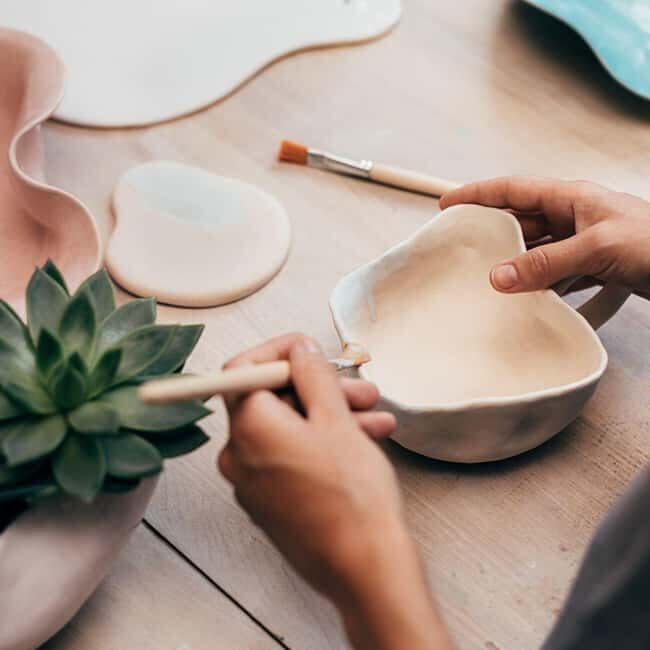
- Ceramics studio focused on color and shape, with old methods plus new ideas
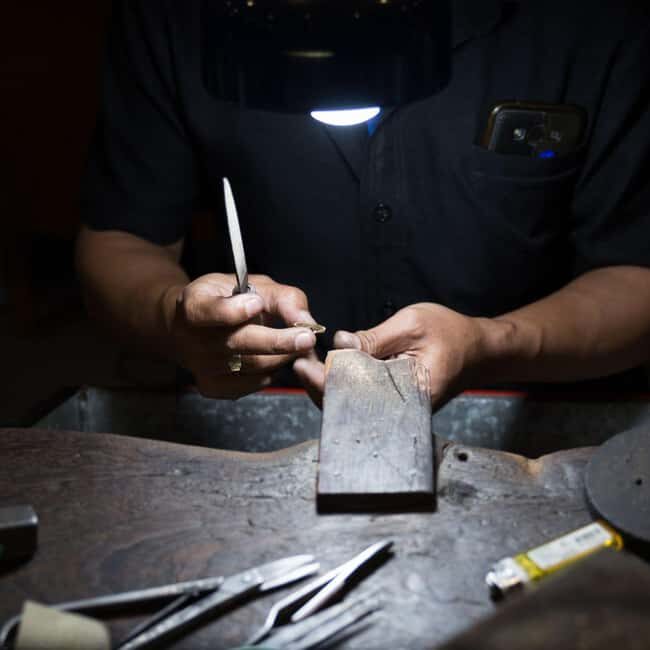
- Goldsmith/jeweler workshop showing how precious metals become jewelry
- Gelato included, because you’ll be walking and your feet will want peace
Florence’s craft scene makes more sense when art and making connect
If you’ve ever wandered Florence and thought, okay, where do all these crafts actually come from, this tour answers that in a very practical way. You’re not just looking at finished products. You’re seeing how artists and craftspeople think, and how tradition keeps getting updated.
I like how the day is built around contrasts. Modern art in a gallery sits right next to working studios where techniques are passed along. That jump helps you notice details you might otherwise skip, like how taste, materials, and design habits travel between mediums.
Also, you’re not stuck with one type of creator. Expect stops tied to painting, leatherwork, ceramics, and jewelry. Even if you buy nothing, you’ll leave with a clearer idea of what makes Florentine craftsmanship feel distinct.
One more practical note: you’ll be on your feet, so sneakers are smart. Also, locations can vary by day and availability, so think of it as a themed route rather than a fixed checklist of exact streets.
You can also read our reviews of more tours and experiences in Florence.
- Tuscany Day Trip from Florence: Siena, San Gimignano, Pisa and Lunch at a Winery
★ 5.0 · 21,634 reviews


The modern art gallery start: a fast way to set your eyes
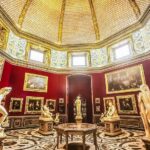
The tour begins at a modern and contemporary art gallery, and it’s a clever warm-up. Seeing works connected to artists like Fontana and De Chirico gives you a big-picture lens before you go back into smaller, hands-on workplaces.
This first stop changes how you look at the rest of the day. Instead of treating leather, ceramics, and jewelry as separate “shops,” you start noticing shared themes: form, experimentation, and the way style is shaped by context. Modern art doesn’t replace craftsmanship here. It frames it.
What to expect in this part:
You’ll view masterpieces in a gallery setting, and your guide will help translate what you’re seeing so it doesn’t feel like random modern imagery. Expect a mix of background and practical interpretation, aimed at helping you connect the dots with what comes next.
Why this matters for you:
If you’re the type who wants Florence to feel understandable, this is a helpful starting point. You’ll also get energy from seeing art at a higher “concept” level before switching to craft where the results are tangible and immediate.
Meeting a painter: watching inspiration turn into practice
After the gallery, the route moves toward the studio world, including a stop at a painter’s workspace. This part is designed to show you where ideas get turned into work.
The tour describes a visit to a painter’s studio where inspiration comes to life and art moves through every brushstroke. That phrasing is more than poetic. It signals the focus: the process, not just the final image.
What you’ll get out of this stop:
You’ll see how a working artist operates day-to-day. Even if you don’t know Italian art history, you can still appreciate craft decisions: how a painting is built, how materials are handled, and how a creative routine shapes output.
A practical expectation:
Studios can feel more intimate and less “tour-like” than galleries. You might get a bit more time for questions here, which is great if you like learning how artists think, not just what they made.
If you’re worried you’ll be bored because you’re not an art expert, don’t. This is set up to be approachable, and a good guide helps you look at brushwork and technique with fresh eyes.
Leather workshop: the highlight for a reason
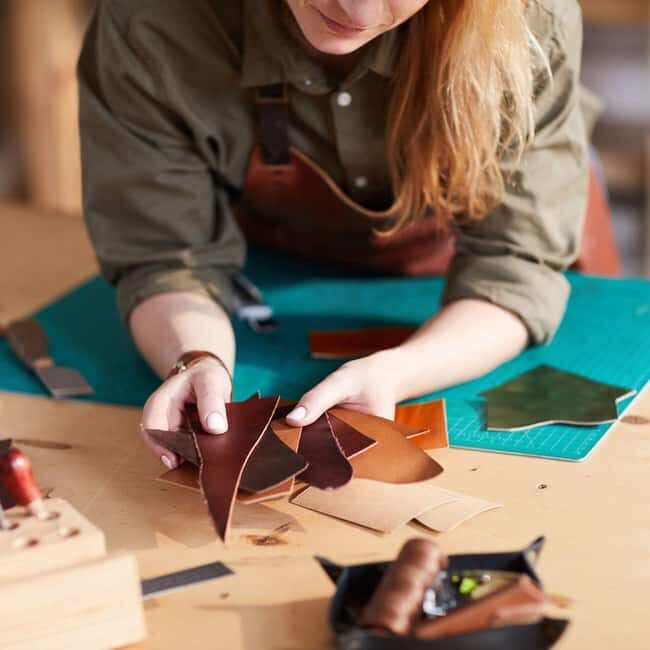
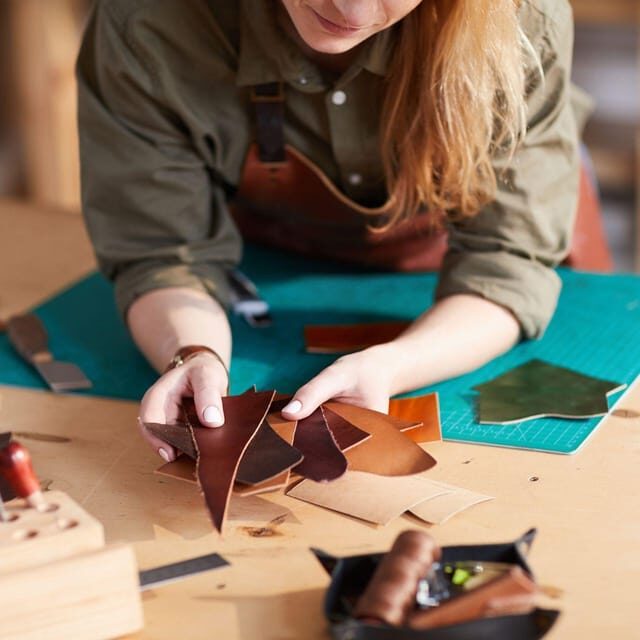
The most talked-about stop is the leather workshop, and it’s easy to see why. Leather is one of those materials that looks simple until you realize how much skill sits underneath the surface.
In this studio, artisans transform leather into works of art, making items like bags, jackets, and accessories that reflect Florentine tradition. This is where you’ll feel the tour’s theme in your hands and eyes. You’re not just looking at the final product. You’re watching craftsmanship put into action.
What makes this stop special:
- You get direct insight into how leather products are created, including what makes quality leatherwork different from mass-produced items.
- You see the range of what artisans actually make, from wearable pieces to everyday accessories.
- It’s tactile in a way that other stops may not be. Even when you can’t handle everything, the visual and material details stick with you.
Why it works for visitors:
Florence is full of shopping. This is different because the focus is technique and maker culture. You can still shop if you want, but the point is to understand how the craft exists as a practice, not just a souvenir category.
Guide tip that often comes up:
Some versions of the tour are led by guides such as Vanessa, who is known for being sweet and informative and for sharing practical tips about food and ice cream. If you get a guide like that, ask what to look for in leather quality while you’re at the workshop.
Ceramics studio: color and shape you can almost smell
Next up is a ceramics workshop, built around charm in colors and shapes. Ceramics can look decorative from the outside, but the craft part is where the fascination lives. Here, you’re seeing ancient techniques blended with innovation, which helps explain why some pieces feel traditional while still feeling current.
What to expect:
You’ll visit a workshop where the maker’s eye for form matters. This is a stop that rewards attentive looking. Notice how shapes are made to work together, how color choices create mood, and how the craft stays grounded even when designs update.
Why this matters in the flow:
After leather, ceramics shifts the texture and visual language. Leather brings weight and structure. Ceramics brings color and form. Together, you get a fuller picture of what “craft” means in Florence: not one style, but many ways of mastering materials.
If you’re choosing between tour lengths:
In the 2-hour version, you’ll likely spend less time at each workshop. In the 4-hour version, you should have more time to look closely at the ceramics and ask questions about how traditional methods show up in modern designs.
- The Best tour in Florence: Renaissance & Medici Tales – guided by a STORYTELLER
★ 5.0 · 12,316 reviews


Goldsmith and jeweler workshop: precious metals, careful decisions
The tour’s final craft stops often include a goldsmith and jeweler visit. This is where the day turns shiny, and the material stakes feel higher.
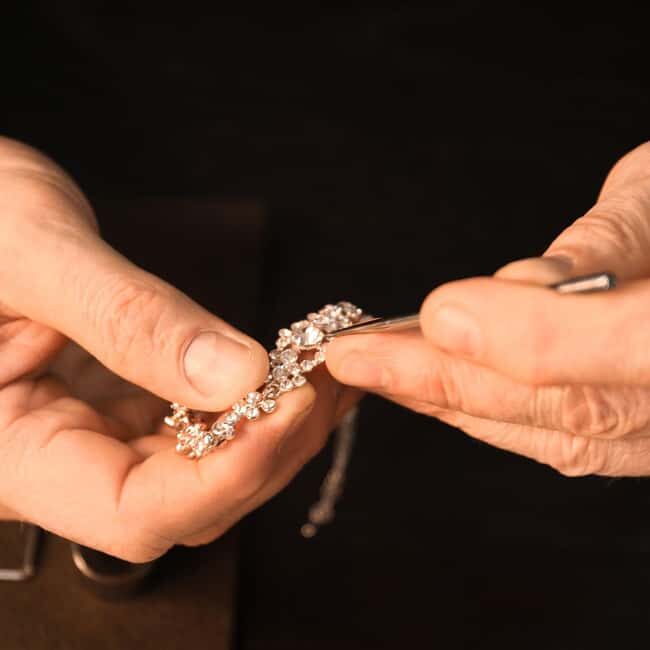
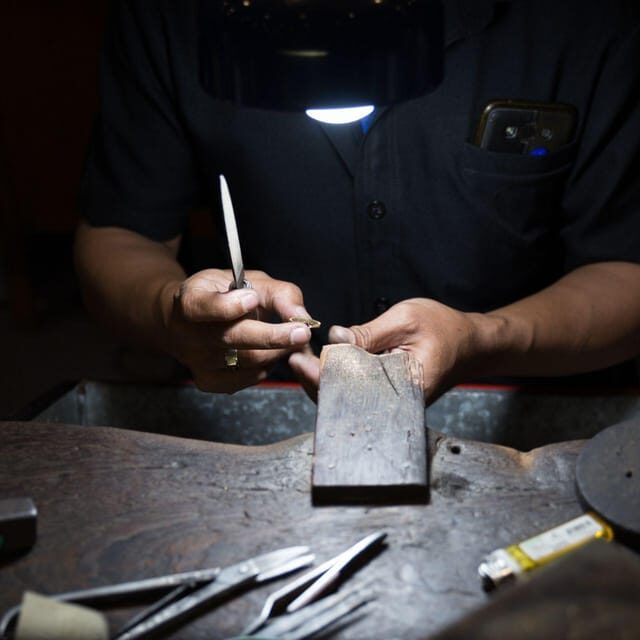
Gold and precious metals get transformed into jewelry, carrying on the refinement of the Florentine tradition from generation to generation. That “generation to generation” angle is important: jewelry making is as much about precision and patience as it is about creativity.
What you’ll notice here:
Jewelry is design under pressure. Small choices matter: proportions, how components connect, and the overall balance of the piece. Your guide should help you see what to look for so you don’t get lost in the sparkle.
The best way to enjoy this stop:
Go slower than you think you need to. Look at multiple pieces rather than fixing on one. When you compare, the craft details become easier to understand, and the stop stops feeling like a sales environment.
Gelato included: a simple finish that feels right
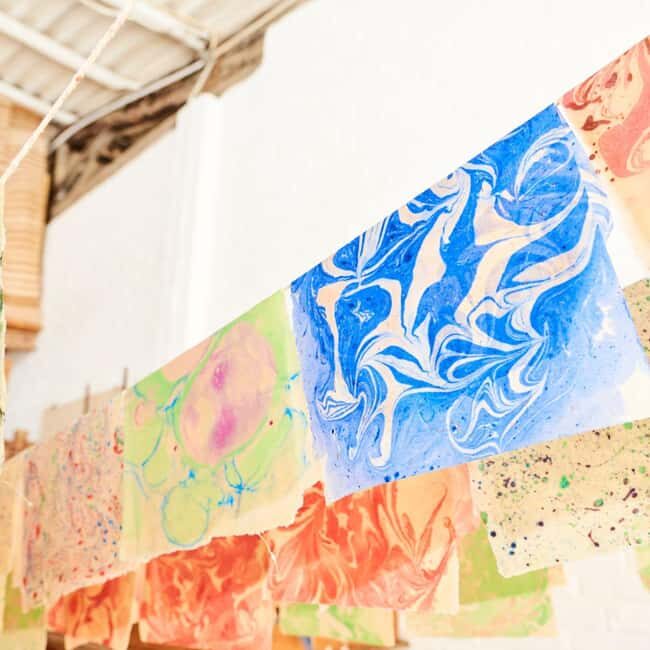
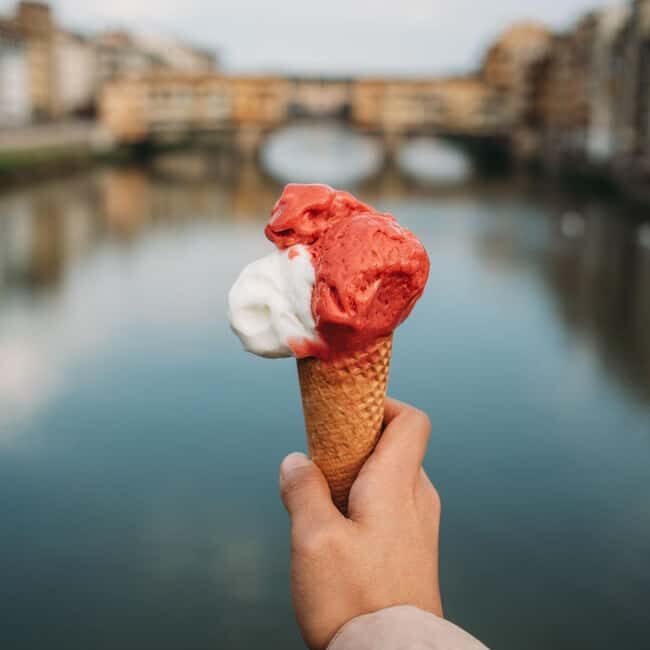
To close out the experience, there’s an included gelato break. It’s not just a sweet ending. It helps you reset after walking between studios and workshops.
This tour is paced to keep you moving, and your feet will thank you. If your guide is the type who likes sharing local favorites, you might also get advice about where to eat next in Florence. In at least one instance, Enrico made sure a solo guest knew where to navigate afterward, which tells me the guides here tend to pay attention to helping you get your bearings.
Price and time: how $77 holds up in Florence
At $77 per person for a 2 to 4 hour experience, you’re paying for more than access. You’re paying for a trained guide and a route that strings together several workshops and art stops in a way that’s hard to replicate on your own without chasing the right places at the right times.
Here’s the value math you can actually use:
- In a shorter 2-hour format, you’ll visit 2 to 3 workshops. That’s a tight highlight reel.
- In a 4-hour format, you’ll see 4 to 6 workshops, which is where you really feel the breadth of Florence’s making culture.
If you’re the kind of traveler who gets annoyed by “one shop, then another shop” tours, this pricing makes more sense when you choose the longer option. More time gives you more actual technique and context per stop.
For what you’re getting, the price also fits well with Florence expectations. You’re not only paying for entry. You’re paying for interpretation and for the chance to visit working creative spaces.
Who this tour is best for (and who should skip it)
This tour fits you if you:
- Like craftsmanship and want to understand process, not just buy souvenirs
- Enjoy art but don’t want it stuck in a museum-only box
- Want a Florence day that connects modern art ideas to traditional making
You might skip it if you:
- Want only major monuments and iconic viewpoints
- Hate walking between small studios
- Prefer a very structured itinerary where every stop is identical every day
Because locations can vary by availability, it helps to be flexible. The theme stays the same even if the exact room changes.
Practical notes so you enjoy the full experience
A few details help you get more from the day:
- Wear sneakers. The tour is a walking route, and studio spacing can mean lots of short stretches.
- Expect a personal feel. One solo guest experience included a guide who made sure the person understood the area afterward, and that’s a good sign of guide attention.
- Use the craft stops as your shopping filter. If you decide you want leather, ceramics, or jewelry, ask what makes quality different while you’re in the workshop. You’ll learn faster on-site than later while comparing vague options.
Should you book Leather and Passion: A Tour of Florentine Craftsmanship?
Yes, I’d book it if you want an authentic, maker-focused Florence day that blends art and real workshops. The leather workshop is the headline for a reason, and the way the day connects modern art, painting, ceramics, and jewelry makes the city’s creativity feel coherent.
Choose the 4-hour option if you want more time in each workshop and more chances to ask questions without feeling rushed. Pick the 2-hour option if you’re short on time but still want the core experience and gelato.
If you like hands-on learning with an English or Italian live guide, and you’re comfortable with walking, this is strong value for Florence’s craft scene.
More Tours in Florence

More Tour Reviews in Florence
- Tuscany Day Trip from Florence: Siena, San Gimignano, Pisa and Lunch at a Winery
★ 5.0 · 21,634 reviews - The Best tour in Florence: Renaissance & Medici Tales – guided by a STORYTELLER
★ 5.0 · 12,316 reviews