REVIEW · FLORENCE
Michelangelo and Santa Croce Private Tour
Book on GetYourGuide →Operated by Florence Tours by Made of Tuscany · Bookable on GetYourGuide
Michelangelo is never far in Florence. This private 3-hour route links Michelangelo to his burial site in Santa Croce, then continues to the artist’s house where you can see works and models tied to his early thinking. I especially liked how a guide such as Giovanni keeps the story moving, so you’re not just looking at famous names, you’re following the ideas.
Santa Croce is where the art nerd stuff becomes real. Inside, I loved the way the guide zeroes in on the Bardi and Peruzzi Chapels with frescoes by Giotto, plus the Sacresty and the Pazzi Chapel created by Filippo Brunelleschi. It turns a big, busy church into a set of clear stops with meaning.
One thing to consider: the tour is tightly timed at 3 hours, so it’s not the long, slow museum day. If you want hours of wandering on your own, you’ll need to add extra time before or after.
In This Review
- Key things you’ll notice on this tour
- Santa Croce + Michelangelo: why this combo makes sense
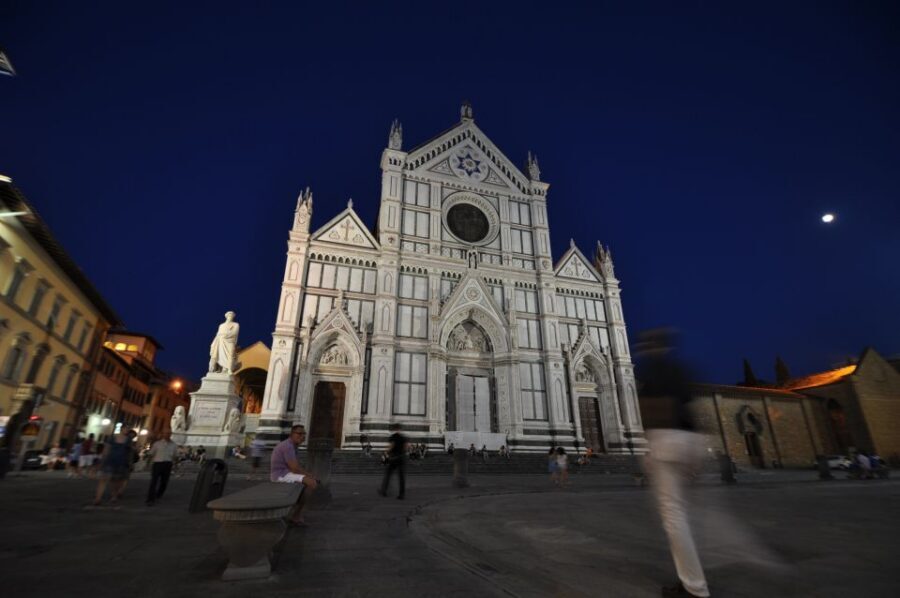
- Starting at the Dante monument in Piazza Santa Croce
- Santa Croce Basilica: Giotto frescoes and Brunelleschi architecture
- Casa Buonarroti: seeing the early Michelangelo side
- How a private guide changes the whole 3 hours
- Duration and price: what $232.23 per person buys you
- Who this tour suits best
- Should you book Michelangelo and Santa Croce Private Tour?
- FAQ
- Where does the tour start and end?
- How long is the Michelangelo and Santa Croce tour?
- Which places are included in the tour?
- Are entrance tickets included?
- What languages are available for the guide?
- What should I bring and wear?
Key things you’ll notice on this tour
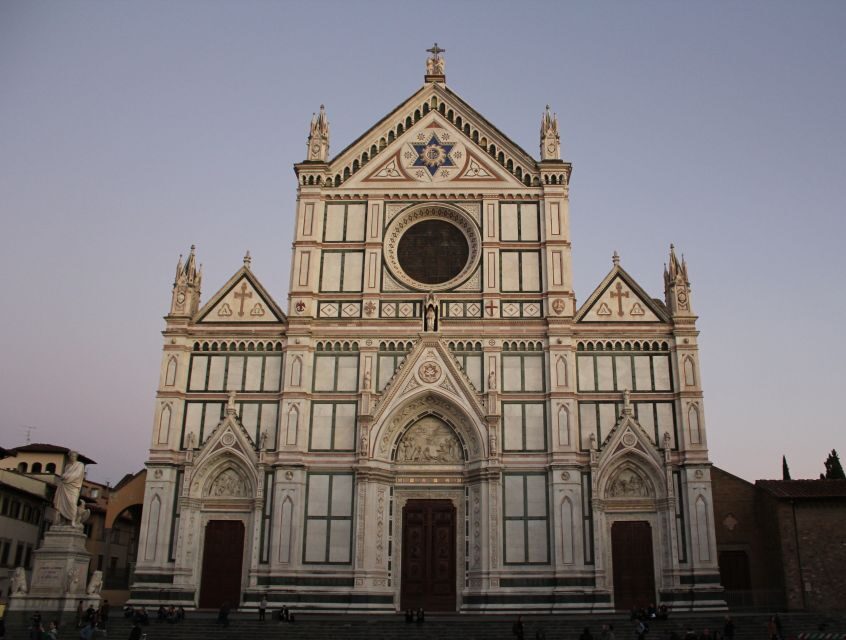
- Dante’s Piazza start: you begin in Piazza Santa Croce at the Dante monument, setting the literary tone for the Renaissance story.
- Santa Croce’s stand-out scale: it’s described as the largest Franciscan church in the world, and your guide helps you see what that means.
- Giotto and Brunelleschi in one church: frescoes in key chapels and Renaissance architecture details get placed in context.
- Casa Buonarroti’s “young Michelangelo” works: you see pieces like Madonna of the Stairs and Battle of the Centaurs.
- Models that explain the obsession with form: wooden models include the marble facade idea for San Lorenzo and the David transport chariot (1873 reference).
Santa Croce + Michelangelo: why this combo makes sense
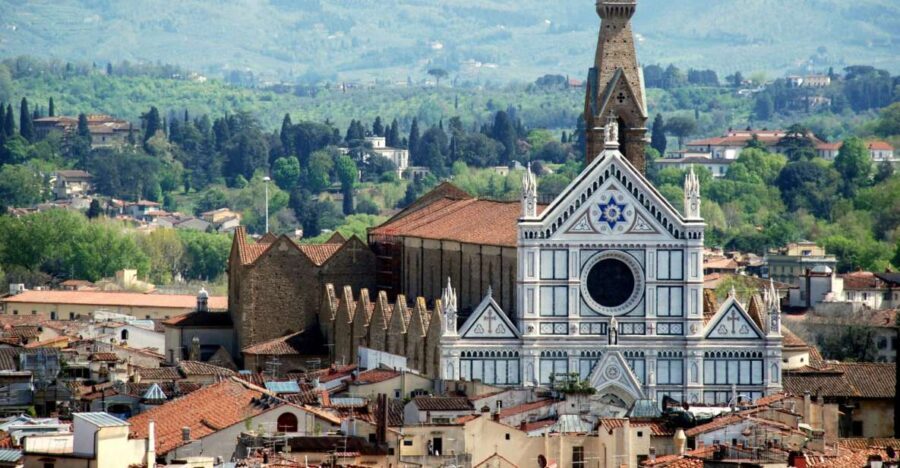
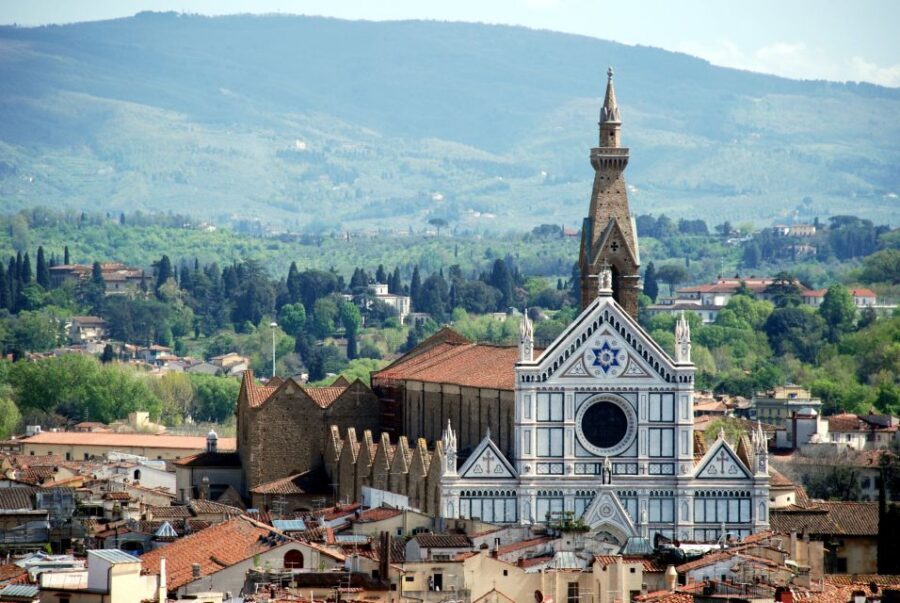
This tour works because it connects three things that are often separated on a typical Florence day: the place where Michelangelo is laid to rest, the church that frames Franciscan Florence, and the artist’s own house-museum setting. Put together, you stop treating Michelangelo as a postcard and start seeing him as a working mind who absorbed the past and shaped the future.
I also like that the pacing is built for attention. You get a short orientation in the square, then a focused stretch inside Santa Croce, and then you move to Casa Buonarroti for the more personal material. With a private guide, you can ask questions and slow down when a detail catches your eye, instead of rushing through because a group is waiting.
And if you’re a fan already, good news: this doesn’t waste your time repeating generic facts. The guide points you to specific chapels and specific artworks, and the story clicks into place faster than you might expect.
You can also read our reviews of more private tours in Florence

Starting at the Dante monument in Piazza Santa Croce
You begin in front of the statue of Dante Alighieri, in Piazza Santa Croce. That’s a clever start. Dante is a reminder that Florence’s Renaissance output wasn’t only sculpture and painting. It was also literature and ideas, and your guide sets that context early.
The tour also includes a guided visit in Piazza di Santa Croce for about 15 minutes. This matters because Santa Croce is a large, recognizable landmark, but it can still feel like “just another big church” unless someone helps you read the space. A short exterior orientation helps you walk in with a mental map.
Practical tip: arrive a few minutes early so you’re not doing mental math about where the group is while the guide is waiting.
Santa Croce Basilica: Giotto frescoes and Brunelleschi architecture
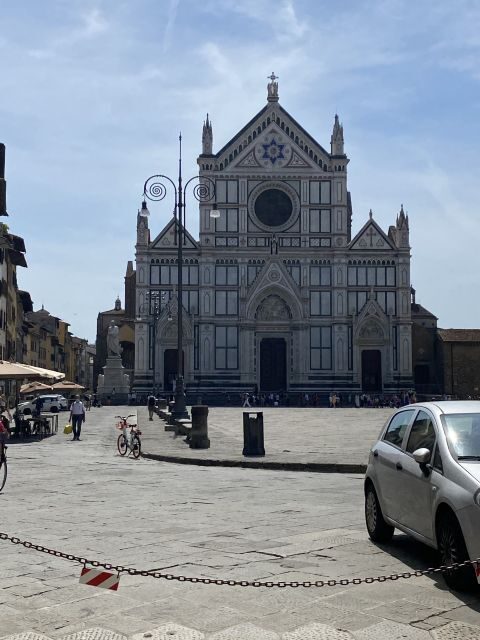
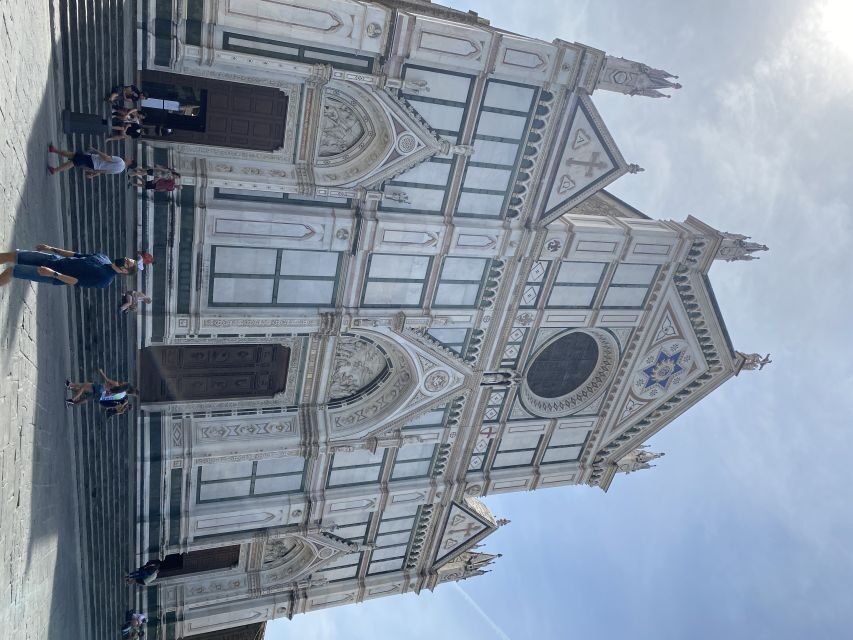
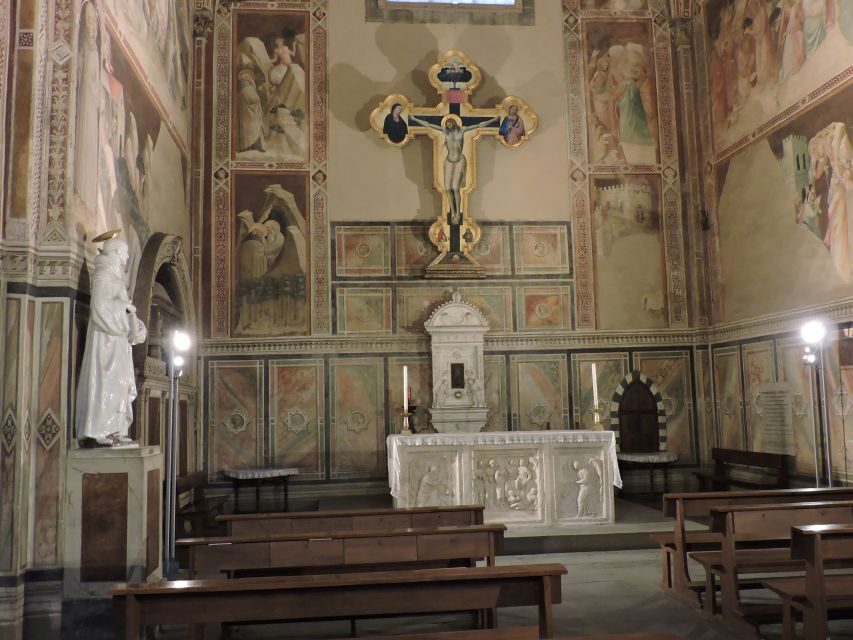
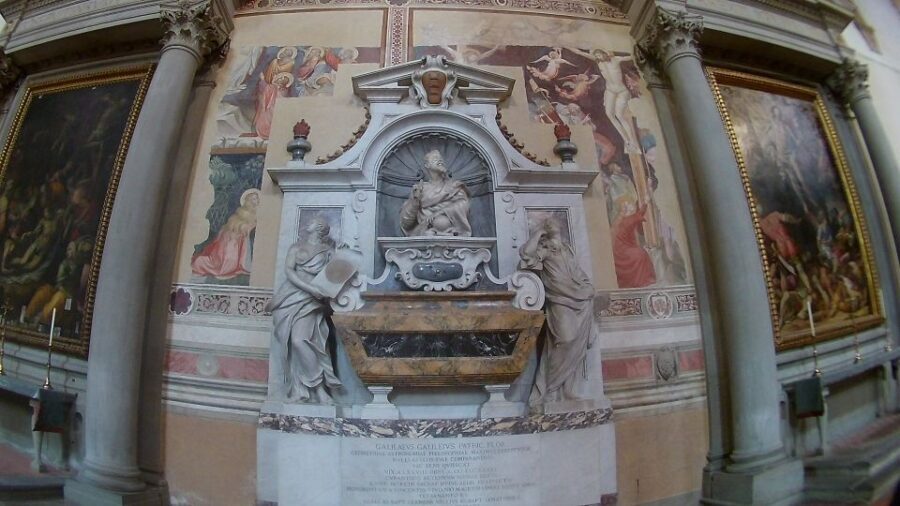
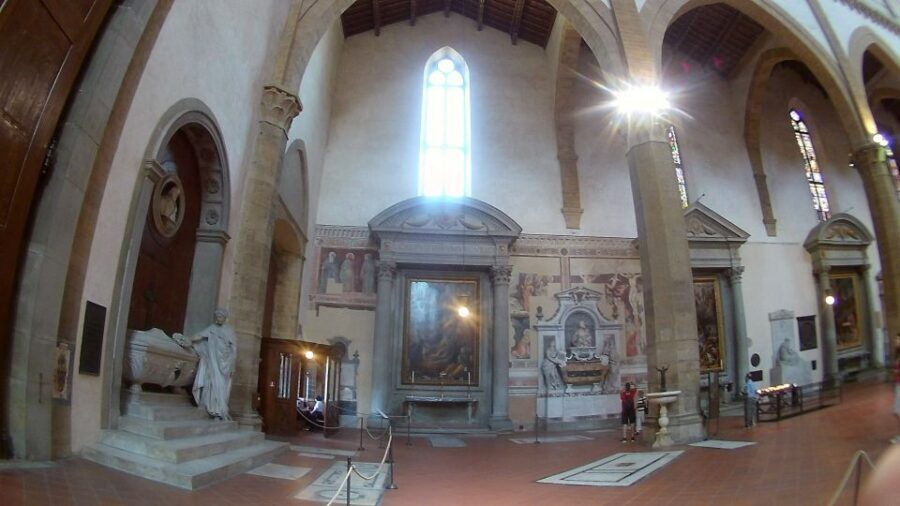
Once you’re inside, the schedule gives you about 75 minutes in the Basilica of Santa Croce. This is the heart of the experience, and you’ll feel it in two ways: the sheer scale and the feeling that the church is a container for Renaissance ambition.
The basilica is described as the largest Franciscan church in the world, built by Arnolfo di Cambio over a pre-existing church. That “built on layers” idea becomes useful during the tour. Your guide doesn’t just list creators; you learn how different makers left their imprint on the same sacred space.
Here are the specific artistic anchors you’ll focus on:
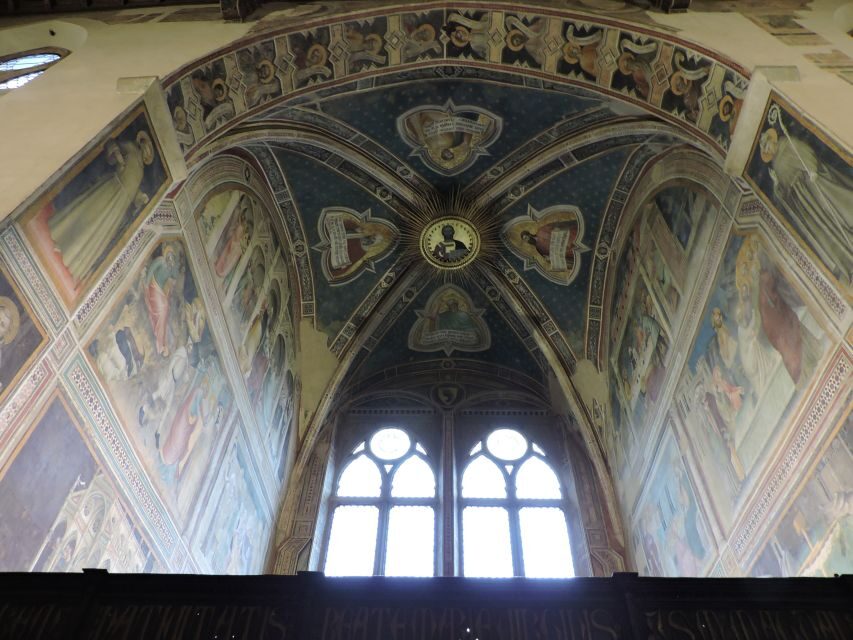
- Bardi and Peruzzi Chapels: frescoes by Giotto are a major draw.
- Sacresty and Pazzi Chapel: work associated with Filippo Brunelleschi.
What I liked most is that these elements don’t sit in your brain as random names. With a private guide, you’re shown why they matter to the Renaissance mindset: painters and architects were building systems—of proportion, narrative, and visual logic—that artists later copied and refined.
Potential drawback in Santa Croce: it’s still a real church you’ll want to be respectful in. If you’re expecting a perfectly quiet, museum-like atmosphere, you should calibrate your expectations. The value here is the guided focus, not the silence.
Dress note (worth remembering): sleeveless shirts are not allowed for this activity, so pack something that covers your shoulders.
Casa Buonarroti: seeing the early Michelangelo side
After the basilica, the tour continues to the House of Michelangelo Buonarroti, with about an hour for the guided visit. If Santa Croce is where you grasp Michelangelo’s legacy, Casa Buonarroti is where you get closer to the making.
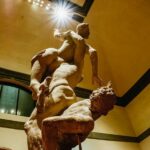
You’ll see works tied to his early period, including Madonna of the Stairs and Battle of the Centaurs. The guide’s framing helps connect those pieces to his love for Greek and Roman art, which is a theme that keeps showing up in Renaissance thinking: artists didn’t just admire antiquity, they studied it like a manual.
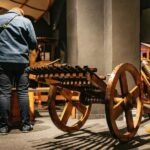
Casa Buonarroti also includes models that are easy to overlook if you just sprint through. I found the wooden models especially helpful because they let you see design before stone:
- A wooden model for the marble facade idea for Church San Lorenzo
- A model connected to the chariot transporting David from Piazza della Signoria to the Accademia Gallery in 1873
These objects do something you might not expect. They slow you down and show that Renaissance greatness was not just inspiration. It was planning, engineering logic, and repeated attempts at form.
If you love museum “behind the scenes” moments, you may also encounter additional context during the visit. In one case from my experience with this kind of tour format, I appreciated having time to talk with Elizabeth Wicks and hearing about conservation work tied to Artemisia’s painting. That kind of conversation can make the art feel current, not locked in the past.
How a private guide changes the whole 3 hours
A lot of Florence tours do the same thing: arrive, stand in front of famous things, recite basics, leave. A private guide is different because the story can be paced to your curiosity.
This matters most in a short tour like this one. You only have around 3 hours total, so every minute counts. That’s why a guide like Giovanni, or a guide such as Cristina, can make or break the experience. When the guide is quick with clear connections, time truly does feel like it flies.
Another practical advantage: you can adjust pacing for real life. In a private setting, the guide can handle a slower rhythm if needed. I saw the difference when a guest required a calmer pace, and it made the tour feel comfortable instead of rushed.
What you should do to make the most of the private format:
- Bring 1 or 2 questions you care about (Michelangelo the artist, Michelangelo the engineer, Renaissance technique, anything).
- If you’re interested in specific pieces like the Giotto frescoes or the Casa models, say so early. A good guide will steer you to what will matter most.
- Tuscany Day Trip from Florence: Siena, San Gimignano, Pisa and Lunch at a Winery
★ 5.0 · 21,634 reviews - The Best tour in Florence: Renaissance & Medici Tales – guided by a STORYTELLER
★ 5.0 · 12,316 reviews


Duration and price: what $232.23 per person buys you
Let’s talk value. The price is listed as $232.23 per person for a 3-hour private tour, with a professional private local guide and entrance tickets included.
Is it cheap? No. But it’s not a “pay extra just to stand closer” situation either. You’re paying for two main things:
- Time and focus: the route hits Santa Croce and Casa Buonarroti with guided attention, rather than you piecing it together alone.
- A human translator for art: the difference between seeing a chapel and understanding why it’s important can be huge, especially in a church with multiple chapels and makers.
If you’re traveling as a couple or small group, the private format often starts to feel more reasonable because your cost per person drops compared to booking separate guides. If you’re solo, it’s best when you genuinely want guidance rather than just tickets.
I’d also consider this tour a good “first Michelangelo day.” After you see Michelangelo’s story grounded in these two locations, the rest of Florence’s art feels easier to connect.
Who this tour suits best
This is an excellent fit if you:
- Want a high-impact Renaissance day without committing to a full-day museum marathon
- Like art history when it’s explained through specific places (chapels, houses, models)
- Prefer a private pace, especially if you need a slower rhythm
It’s also a smart choice if you’ve been to Florence before and have seen the major churches from the outside. Santa Croce can be familiar, but this kind of guided targeting helps you catch details you might otherwise miss.
If you’re not into art at all, you may find parts of Casa Buonarroti more interesting than you expect, but Santa Croce is still a church. This tour is built for people who want to understand what they’re looking at.
Should you book Michelangelo and Santa Croce Private Tour?
I’d book it if you want Michelangelo tied to real locations—his burial setting in Santa Croce, plus the intimate feel of Casa Buonarroti—without having to research every chapel on your own. The biggest win is the guided focus in a short time window, with the practical bonus of entrance tickets included.
I’d skip it or add extra time if you hate structured schedules. The route is intentionally compact: Piazza Santa Croce for orientation, Santa Croce for the core visit, then Casa Buonarroti for the works and models. It’s not built for long wandering, and it won’t replace a slow day of independent museum browsing.
FAQ
Where does the tour start and end?
It starts in front of the statue of Dante Alighieri in Piazza Santa Croce. The tour ends back at the meeting point.
How long is the Michelangelo and Santa Croce tour?
The duration is listed as 3 hours. Starting times depend on availability.
Which places are included in the tour?
You visit Piazza di Santa Croce (guided visit), the Basilica of Santa Croce (guided visit), and the House of Michelangelo Buonarroti (Casa Buonarroti) (guided visit).
Are entrance tickets included?
Yes. Entrance tickets are included.
What languages are available for the guide?
The live guide is available in Spanish, English, French, German, and Italian.
What should I bring and wear?
Bring a passport or ID card. Sleeveless shirts are not allowed.
If you want, tell me your travel dates and whether you’re going solo or with others, and I’ll help you think through the best start time and what to prioritize for your interests.
More Private Tours in Florence

More Tours in Florence



More Tour Reviews in Florence
- Tuscany Day Trip from Florence: Siena, San Gimignano, Pisa and Lunch at a Winery
★ 5.0 · 21,634 reviews - The Best tour in Florence: Renaissance & Medici Tales – guided by a STORYTELLER
★ 5.0 · 12,316 reviews