REVIEW · ORVIETO
Orvieto Walking Tour including Duomo tickets
Book on GetYourGuide →Operated by UMBRIA CON ME · Bookable on GetYourGuide
Orvieto is short on flat streets and long on wow. This 2-hour walking tour packs the town’s best cultural stops into a tight route: the Duomo, Renaissance fresco storytelling, and big views from the clock tower above the Paglia valley. I especially love the way the guide turns the Duomo di Orvieto from a pretty building into something you can actually read. I also like ending in Piazza del Popolo, where you can slow down with a coffee or a local Orvieto wine. One consideration: you’ll do some walking and stair climbing, and you must follow the dress code for places of worship.
If you want a fast, meaningful taste of Orvieto without getting lost in the details, this is a smart plan. The tour moves from cathedral to viewpoints to churches, with ticket support so you spend less time stuck in lines and more time looking closely at what matters.
In This Review
- Key highlights at a glance
- Orvieto in Two Hours: Why This Walk Works
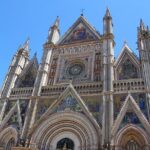
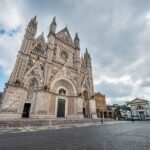
- Starting at the Duomo di Orvieto: Skip the Line and Read the Facade
- Inside the Duomo: San Brizio Frescoes and the Last Judgment
- The Chapel of the Corporal: A Relic Tied to the Miracle of Bolsena
- Torre del Moro in Orvieto: 250 Steps to Big Views
- Sant’Andrea Church and Its Twelve-Sided Bell Tower
- Piazza del Popolo: Coffee, Orvieto Wine, and Civic Orvieto
- Price and Value: What $94 Gets You in Real Time
- Who This Tour Suits Best (and Who Might Want to DIY)
- Should You Book This Orvieto Walking Tour with Duomo Tickets?
- FAQ
- FAQ
- What is the duration of the Orvieto walking tour?
- What does the price include?
- Does this tour skip the ticket line for the Duomo?
- Where do I meet the guide?
- Is the tour offered in English?
- What are the main sights on the route?
- What is the dress code for entering places of worship?
- Is the Torre del Moro climb included, and how many steps are there?
- Can I get a refund if I cancel?
Key highlights at a glance
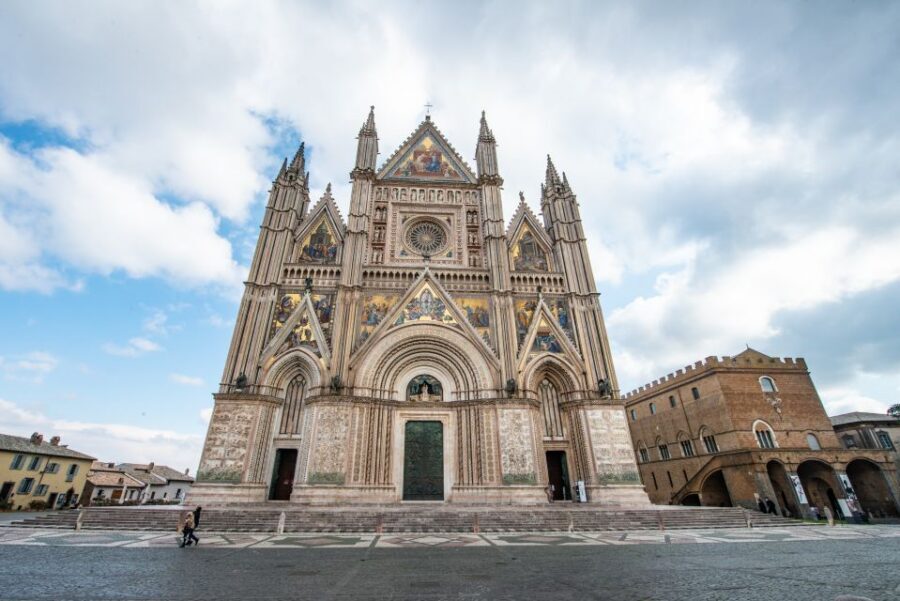
- Duomo di Orvieto tickets included so you can skip the ticket line and get inside faster
- Luca Signorelli frescoes in the Chapel of San Brizio, including the Last Judgment scenes
- The Chapel of the Corporal connected to the Miracle of Bolsena relic
- Torre del Moro climb with panoramic views after 250 steps
- Sant’Andrea’s twelve-sided bell tower and layers of Orvieto’s older past
- Piazza del Popolo to reset with a coffee or glass of Orvieto wine
Orvieto in Two Hours: Why This Walk Works
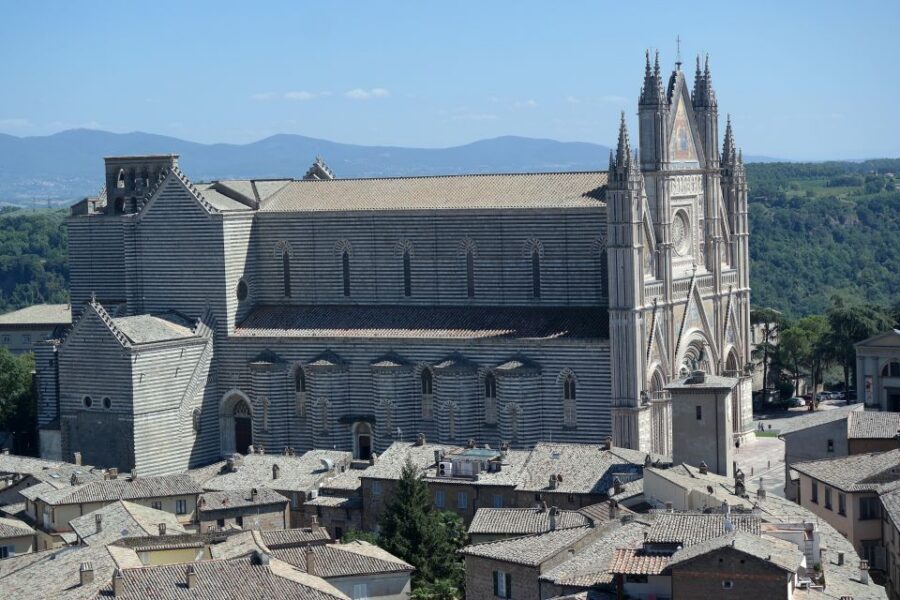
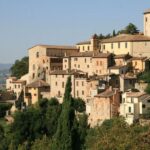
Orvieto’s drama is built into the geography. The town sits on a steep tufa volcanic hill, and from many angles you can see the countryside dropping away below. That makes it ideal for a walking tour, because you’re never just moving from one place to another—you’re also changing perspective as you go.
This experience is planned to keep momentum while still giving you time to look. You start at the Duomo di Orvieto (the big draw), then work your way toward viewpoints and nearby churches, and finish in the town’s civic center at Piazza del Popolo. It’s the kind of route that helps you understand how Orvieto’s religious life, political life, and everyday life all share the same tight hill setting.
Two hours also means you can do this even if you’re only here for a day. You’ll leave with a strong mental map: where the spiritual center is, where you go for height and photos, and where locals gather.
You can also read our reviews of more tours and experiences in Orvieto
Starting at the Duomo di Orvieto: Skip the Line and Read the Facade
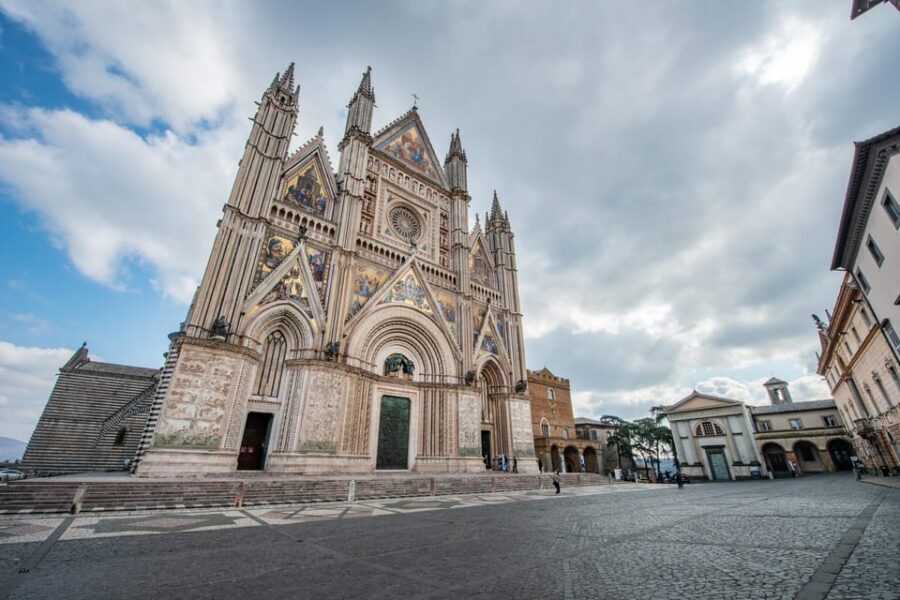
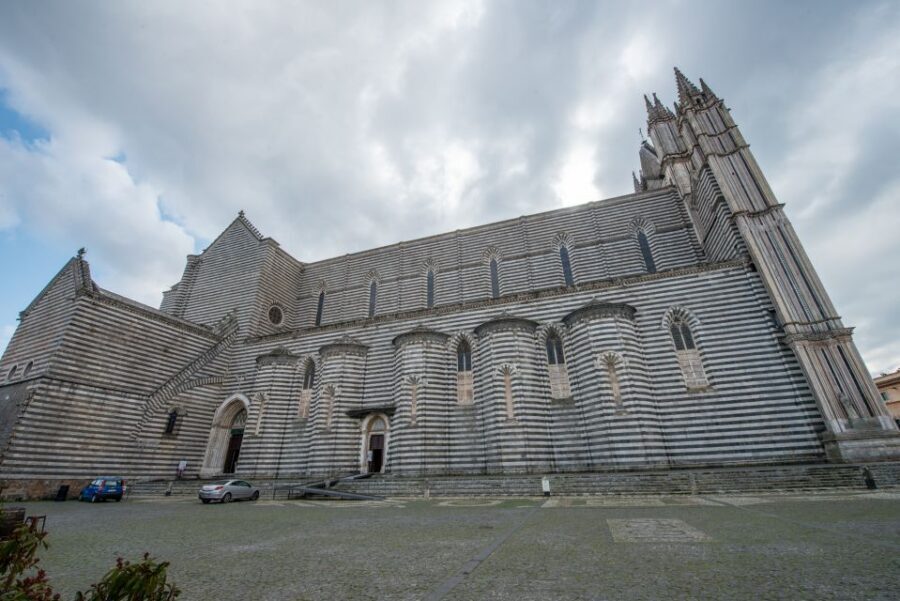
You begin at the information point in Orvieto. The payoff starts immediately: the Duomo di Orvieto is stunning on the outside, and it helps to arrive with context instead of just photographing and guessing.
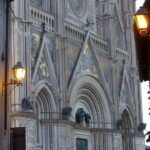
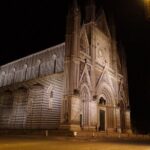
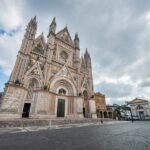
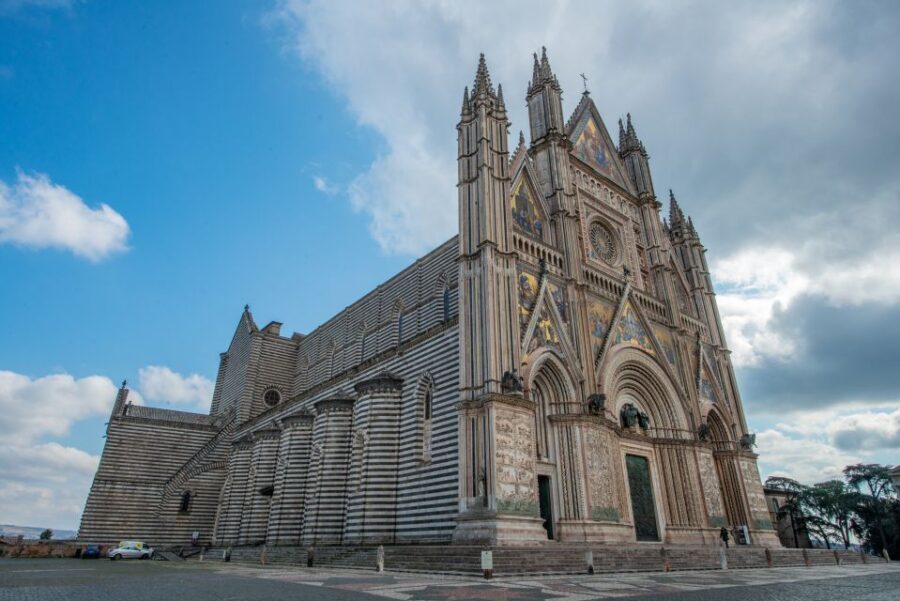
The cathedral’s Gothic facade is covered with intricate elements—mosaics, sculptures, and bas-reliefs. It’s the kind of decoration that can blur together if you’re rushing. With a guide, you get a better sense of what you’re seeing and why it matters to Orvieto’s identity.
And yes, you’ll have cathedral entrance tickets included. That means you can skip the ticket line and move straight into the experience. For a place this popular, it’s a real time-saver—and it helps you use your limited 2-hour window wisely.
Before you go inside, keep your outfit in check. A dress code is required for places of worship: no shorts or sleeveless tops, and knees and shoulders must be covered for both men and women. If you’re not dressed correctly, you risk being refused entry, and that’s the last thing you want when your tour time is tight.
Inside the Duomo: San Brizio Frescoes and the Last Judgment
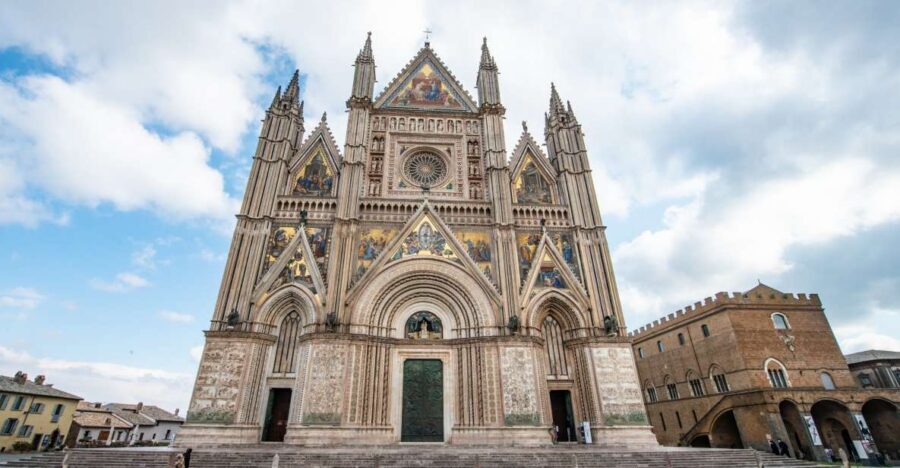
Once you step into the Duomo, the focus becomes art, not just architecture. The star room is the Chapel of San Brizio, famous for frescoes by Luca Signorelli.
Here’s what’s so special for you: the Last Judgment scenes are dramatic, visual, and easier to appreciate when someone explains what you’re looking at. Instead of treating the chapel like a stop you “just see,” you’ll understand the subject matter and the emotional impact behind it. It’s spiritual art, but it also reads like storytelling—figures, expression, and composition all working together.
The chapel atmosphere is also part of the experience. Plan to slow down for a few minutes. Frescoes like these reward patient looking. If you’re the type who tends to snap photos and move on, I’d still try to give this space at least a brief pause so it lands.
The Chapel of the Corporal: A Relic Tied to the Miracle of Bolsena
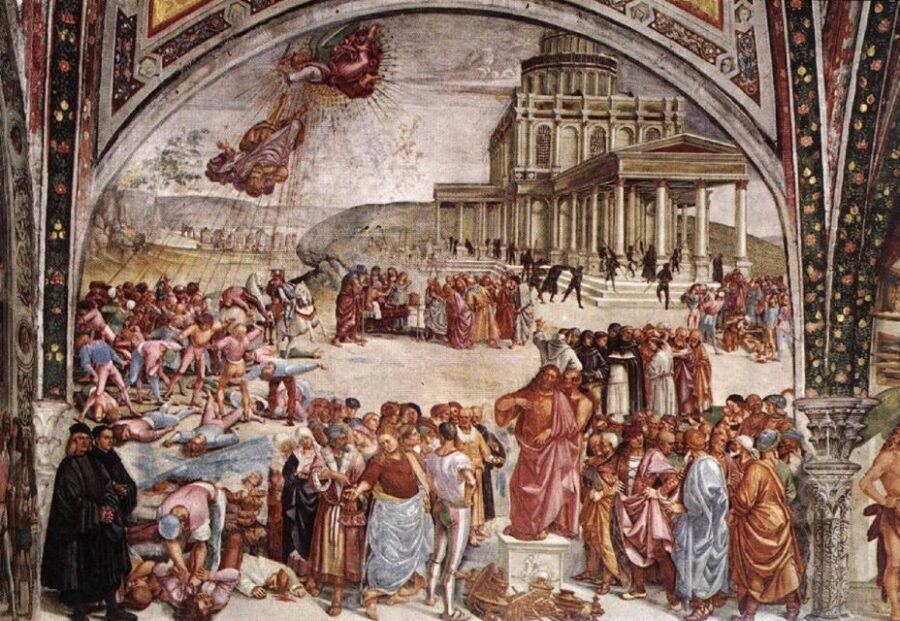
After the San Brizio highlights, don’t miss the Chapel of the Corporal. This is a different kind of draw. Instead of focusing mainly on Renaissance painting, you’re meeting a relic tied to the Miracle of Bolsena—a major event in Catholic history.
Even if you’re not traveling for religious reasons, this detail matters because it explains why the Duomo holds so much emotional gravity for believers. It’s not only about “great art.” It’s also about faith, memory, and a specific historical moment remembered through a physical object.
The guide’s role here is practical: they help you connect the dots between history and what you’re seeing on site. That connection is what turns a visit into something you remember, not something you forget after the photo dump.
Torre del Moro in Orvieto: 250 Steps to Big Views
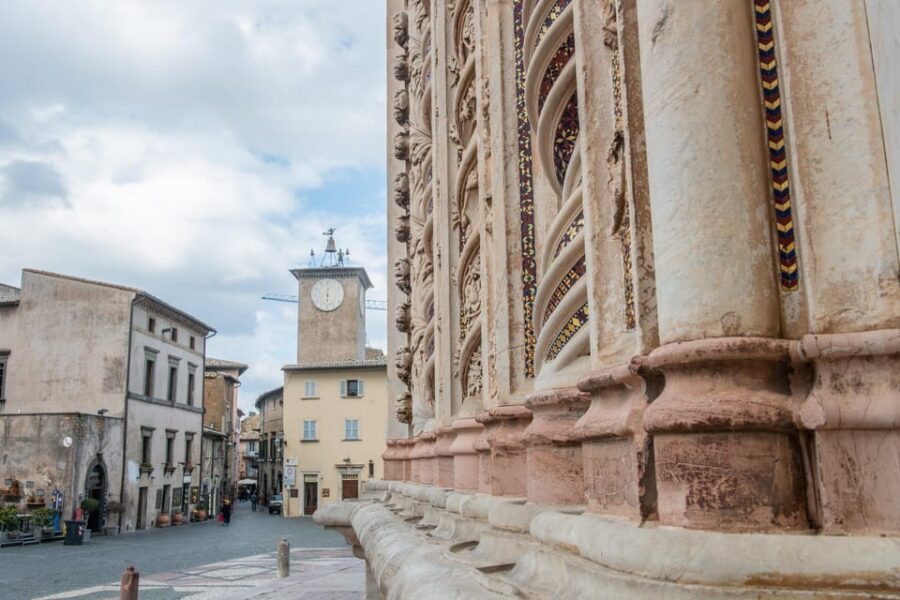
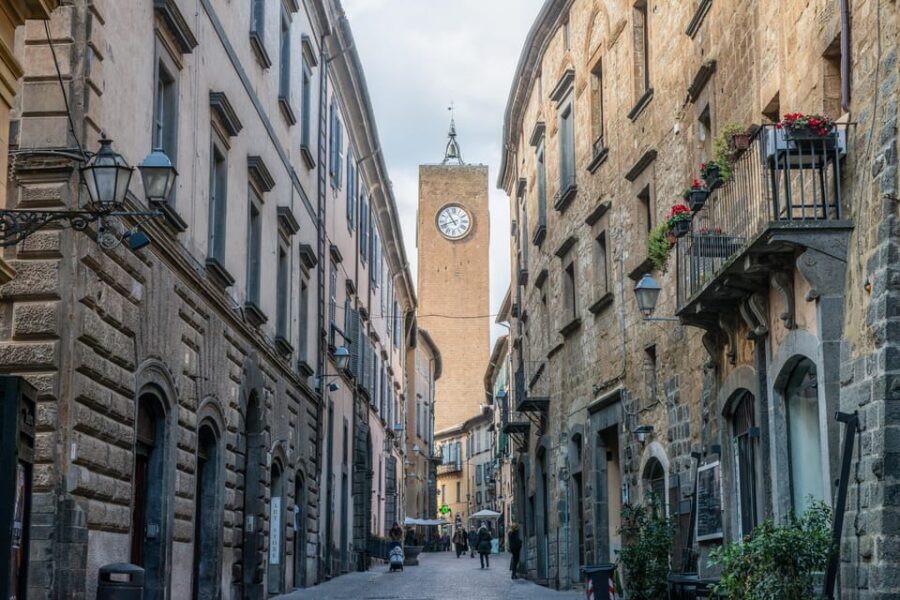
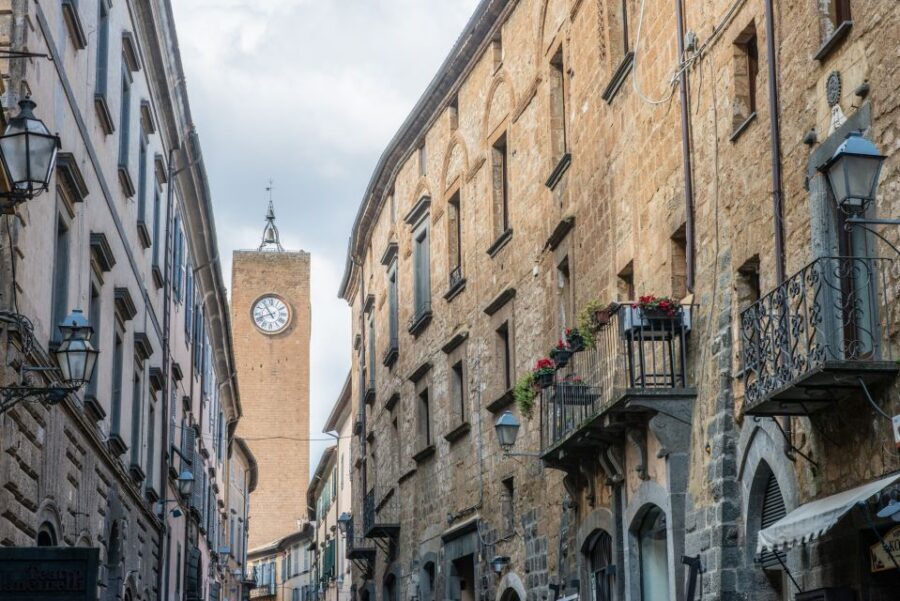
With the Duomo done, the tour shifts from art to altitude. You take a short walk to Torre del Moro, the historic clock tower. Built in the 13th century, it rises 47 meters above Orvieto.
Then comes the fun part: you climb 250 steps to the top. This is not a huge technical climb, but it is real stairs. If you’re traveling with anyone who hates stairs, consider that in advance. That said, the reward is exactly what you want from Orvieto: wide, open views across the Umbrian countryside and down into the medieval street layout.
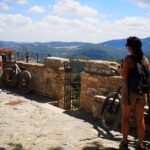
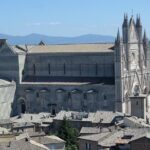
For photos, the tower is a cheat code. From the hilltop, the town’s tufa setting makes the buildings look like they’re growing out of the rock. You can also see why Orvieto feels like a place with an identity all its own—steep terrain, tight streets, and a valley view that gives you instant orientation.
If you’re a first-time visitor, this stop is especially valuable because it gives your brain a reference point. After seeing Orvieto from above, the walk afterward feels more intentional, not random.
You can also read our reviews of more walking tours in Orvieto
Sant’Andrea Church and Its Twelve-Sided Bell Tower
Next up is Church of Sant’Andrea, just a stroll from the tower. It’s an easy move, but the payoff is deep if you like architecture and layered history.
Sant’Andrea dates back to the 12th century, but the story goes older. The church was built on remains of earlier Etruscan and Roman structures. That means you’re standing on multiple eras at once—very Orvieto, and very satisfying when you can connect the timeline.
One of the most distinctive features is the twelve-sided bell tower. It’s striking because it doesn’t look like a typical square or round tower—you notice it right away, and it gives you another reason to keep looking closely rather than glancing and moving on.
Inside, the church is described as having a simple yet elegant interior, with frescoes and a crypt that reveals layers of Orvieto’s long past. I’d treat this as your palate cleanser after the Duomo fresco intensity and the tower climb. You’re still getting art and history, but in a quieter package.
Piazza del Popolo: Coffee, Orvieto Wine, and Civic Orvieto
The last stop is where Orvieto turns from monument mode to people mode. You walk to Piazza del Popolo, the heart of Orvieto’s civic life.
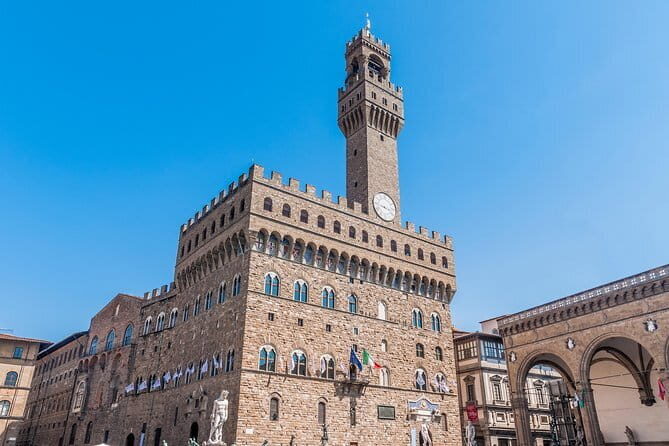
The big landmark here is the Palazzo del Popolo, a medieval palace that once hosted important political meetings. It’s a reminder that Orvieto isn’t only about sacred buildings. This square was where civic decisions happened—where the town’s identity was shaped, not just its faith.
Then you get to do the best part: pause. This is a great spot for a coffee or a glass of local Orvieto wine. You’re not cramming anymore. Your body cools down, your legs reset, and you can watch the hill town feel like a living place instead of a checklist.
This ending also helps you remember the whole tour. By finishing in the square, you tie together what you’ve seen: the spiritual power of the Duomo, the visual sweep from Torre del Moro, the older foundations under Sant’Andrea, and then the everyday civic center that brings it all to life.
Price and Value: What $94 Gets You in Real Time
At $94 per person for a 2-hour tour, the best way to judge value is not the number—it’s what you save and what you gain.
First, you get entrance tickets to the cathedral included, and you skip the ticket line. That matters because the Duomo is the centerpiece, and it’s exactly the kind of place where waiting can eat your schedule. If you were buying tickets and figuring out timing on your own, you’d likely spend extra time just arranging access.
Second, you’re paying for explanation, not just entry. The Duomo’s Chapel of San Brizio (with frescoes by Luca Signorelli) and the Chapel of the Corporal (with the Miracle of Bolsena relic) are both specific. Without guidance, you might see them and still miss what makes them special. With guidance, you get the story that makes the art feel connected to Orvieto’s culture.
Third, the route is efficient. Two hours doesn’t sound long, but here it works because the stops are close enough to feel like a coherent loop: Duomo → Torre del Moro → Sant’Andrea → Piazza del Popolo.
So is it worth it? If you want a structured hit of Orvieto’s main sights plus explanation, yes. If you prefer to wander freely with zero schedules and no stair effort, then you might feel boxed in. But for most people—especially first-timers—this price lines up with what you’re actually getting.
Who This Tour Suits Best (and Who Might Want to DIY)
This tour fits you if you want:
- A guided Duomo visit with the Chapel of San Brizio fresco focus
- A quick but meaningful climb to get panoramic views from Torre del Moro
- A walk that covers religious, civic, and artistic Orvieto in one compact loop
You might want to do this on your own instead if you’re deeply committed to independent pacing, or if you know you struggle with stairs and you’d rather avoid the 250-step climb.
It’s also a strong fit for visitors who like structure. The route is short enough to manage, but varied enough that you won’t feel like you’re doing the same type of stop over and over. And thanks to the dress code requirement, you’ll want to plan your outfit ahead—bring shoulders and knees covered so you don’t lose time.
Should You Book This Orvieto Walking Tour with Duomo Tickets?
If your goal is to see the big Orvieto highlights in a smart order, this tour is an excellent choice. The Duomo di Orvieto isn’t just a building here—it’s the story engine of the whole town visit, with Luca Signorelli’s work in the Chapel of San Brizio and the Chapel of the Corporal’s Miracle of Bolsena connection. Then you get the payoff views from Torre del Moro, followed by Sant’Andrea’s twelve-sided bell tower and a relaxed finish in Piazza del Popolo.
My practical recommendation: book this if you want guided context and a time-efficient plan. It’s also great value if you’re visiting for a short window and want to avoid the stress of figuring out entrances and timing.
FAQ
FAQ
What is the duration of the Orvieto walking tour?
The tour lasts 2 hours.
What does the price include?
The price includes a professional local guide and entrance tickets to the cathedral.
Does this tour skip the ticket line for the Duomo?
Yes. You skip the ticket line.
Where do I meet the guide?
The meeting point is in front of the information point.
Is the tour offered in English?
Yes, the live tour guide speaks English.
What are the main sights on the route?
You’ll visit the Duomo di Orvieto, Torre del Moro, the Church of Sant’Andrea, and finish at Piazza del Popolo.
What is the dress code for entering places of worship?
No shorts or sleeveless tops. Knees and shoulders must be covered for both men and women.
Is the Torre del Moro climb included, and how many steps are there?
Yes. The tower climb includes 250 steps to reach the top.
Can I get a refund if I cancel?
Free cancellation is available up to 24 hours in advance for a full refund.